What Is Horse Dressage? Techniques, Levels, and Training Tips
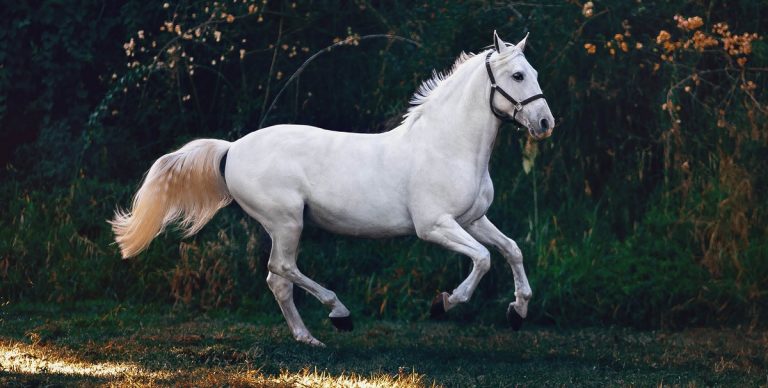
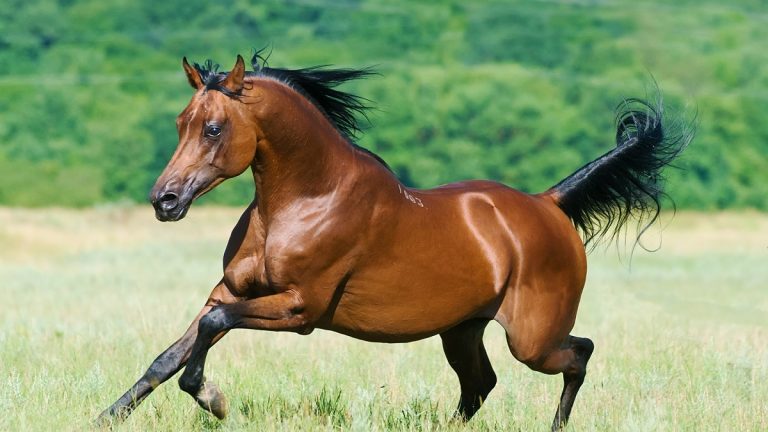
Horse riding encompasses a wide range of disciplines, each requiring unique skills, precision, and training techniques. Among these, dressage stands out as an artful and disciplined form of riding that emphasizes harmony between horse and rider. This equestrian discipline combines athleticism, balance, and communication, allowing riders to showcase their horse’s training, responsiveness, and grace.
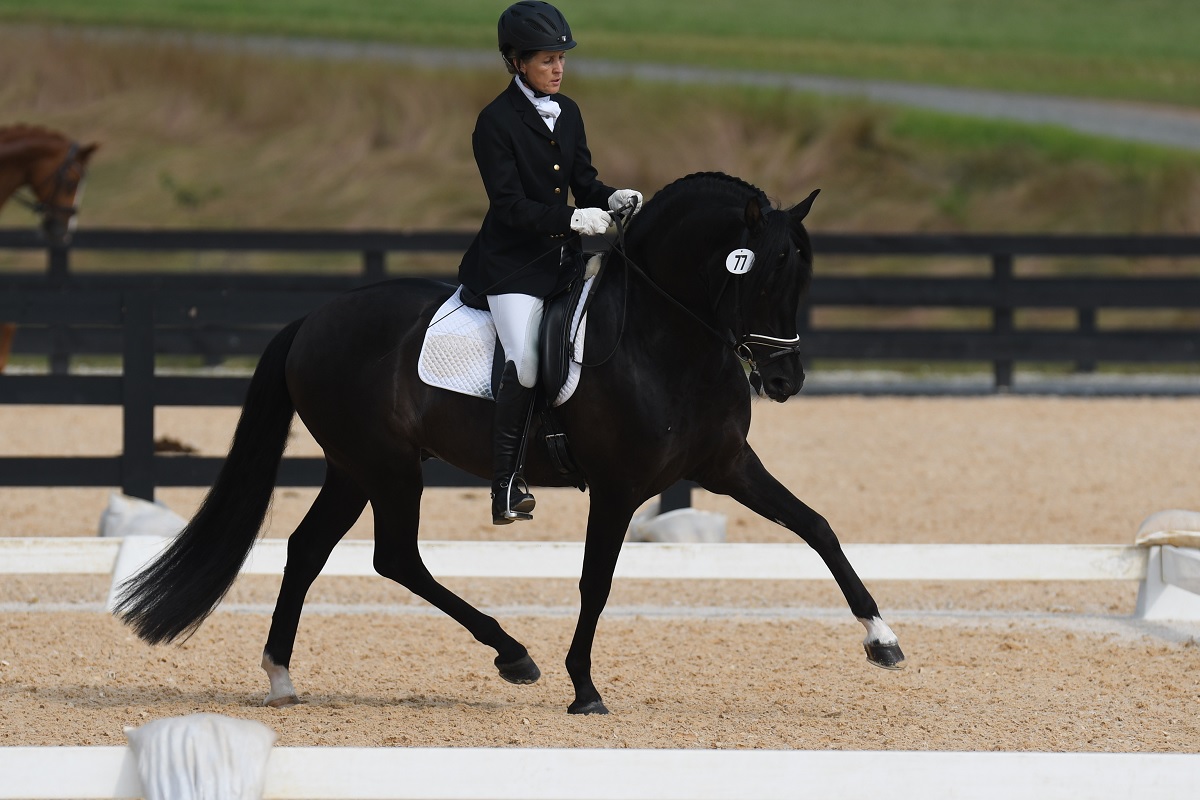
Understanding what is horse dressage involves recognizing its goal: to perform a series of predetermined movements with precision, fluidity, and elegance. It is often referred to as “horse ballet” because of the controlled, rhythmic, and graceful nature of the movements. Success in dressage depends on consistent training, subtle cues, and a strong partnership between horse and rider.
Dressage is both a competitive sport and a method of training that improves the horse’s strength, flexibility, and obedience. Riders at all levels benefit from the focus on posture, timing, and coordination, making it an essential foundation in classical riding.
Key Principles of Horse Dressage
Horse dressage is a discipline that requires precision, harmony, and consistent training. Understanding its key principles is essential for riders and trainers to achieve optimal performance and strengthen the partnership with their horse. These principles guide the development of movements, improve balance and responsiveness, and ensure the horse’s physical and mental well-being. Mastering these fundamentals allows riders to perform with elegance, accuracy, and fluidity.
Rhythm and Regularity
Rhythm and regularity are foundational principles in horse dressage. Every movement must have a consistent tempo and pattern, whether walking, trotting, or cantering. A horse that maintains rhythm and regularity demonstrates balance, relaxation, and obedience to the rider’s aids.
Maintaining rhythm requires both horse and rider to focus on timing and coordination. The rider’s seat, legs, and hands influence the horse’s movement, encouraging uniform steps and smooth transitions. Any irregularity, such as rushing or dragging, can disrupt performance and reduce scores in competitions.
Trainers often work on developing consistent footfalls, using exercises like circles, serpentines, and transitions to reinforce rhythm. Regular practice ensures the horse moves fluidly while remaining responsive to subtle cues. Establishing rhythm and regularity is essential for advanced movements, building the foundation for control, grace, and correct posture throughout every exercise in dressage.
Suppleness and Flexibility
Suppleness, or flexibility, is another critical principle in dressage. A supple horse moves freely through its joints, bends naturally, and responds to the rider’s aids without tension. Suppleness improves the horse’s balance and allows for smooth, controlled transitions between movements.
Developing suppleness requires consistent stretching, lateral exercises, and relaxation techniques. Movements like shoulder-in, leg-yield, and circles encourage the horse to bend correctly and engage its hindquarters, promoting overall flexibility. A tense or stiff horse cannot perform advanced dressage maneuvers effectively, and the rider must adjust training to encourage relaxation and willingness.
Flexibility is closely linked to rhythm and balance, as a horse that moves freely can maintain consistent footfalls and transitions. A supple horse also has a reduced risk of injury, improved muscle tone, and enhanced responsiveness. Focusing on suppleness early in training lays the groundwork for higher-level dressage movements and more refined performance overall.
Contact and Connection
Contact and connection refer to the relationship between the rider’s hands, reins, and the horse’s mouth. A steady, elastic contact allows the rider to communicate subtle cues while the horse remains soft and responsive. Connection ensures that energy flows from the horse’s hindquarters through its back and into the rider’s aids.
Establishing proper contact involves careful rein handling, seat control, and balanced posture. The horse should accept the bit willingly without resisting or leaning, maintaining a rounded frame and consistent tension. Exercises like circles, transitions, and lateral work help strengthen connection, encouraging the horse to respond to minimal aids.
Connection is essential for harmony in dressage. A responsive, connected horse can perform precise movements with ease, improving scores in competitions and enhancing communication during training. Developing trust and understanding between horse and rider ensures that subtle aids are effective and movements appear effortless.
Impulsion and Engagement
Impulsion and engagement are vital principles that drive dressage performance. Impulsion refers to the controlled forward energy generated from the horse’s hindquarters, while engagement describes how the horse uses its hind legs and core muscles to support movements. Both are essential for maintaining balance, power, and fluidity in dressage exercises.
Training exercises such as transitions, collected trots, and lateral movements encourage the horse to engage the hindquarters properly. Impulsion allows the horse to maintain rhythm, perform elevated movements, and execute precise transitions. Overcoming resistance or tension in the hindquarters is key to achieving true engagement, which improves overall performance and responsiveness.
Impulsion also enhances athleticism and stamina, enabling the horse to perform complex movements like piaffe, passage, or pirouette. By focusing on engagement and impulsion, trainers ensure the horse moves with energy, power, and control while remaining relaxed, balanced, and harmonious with the rider’s aids.
Straightness and Balance
Straightness and balance are critical for executing dressage movements accurately and safely. Straightness ensures the horse moves evenly on both sides of its body, while balance involves the horse maintaining correct posture and weight distribution through all gaits. Proper straightness and balance allow for smoother turns, precise movements, and effective engagement of the hindquarters.
Exercises like serpentines, half-passes, and circles improve alignment and symmetry. Riders must maintain an upright, balanced seat and use subtle aids to encourage the horse to move evenly. Imbalances can lead to inefficient movement, tension, or strain on joints and muscles.
Balanced, straight movement is especially important in advanced dressage, where precision is critical. Correct posture and symmetry allow the horse to perform with grace and responsiveness, ensuring long-term soundness and a stronger partnership between horse and rider.
Basic Movements in Dressage
Understanding the basic movements in dressage is essential for both beginners and advanced riders. These fundamental exercises build the foundation for more complex maneuvers and help improve the horse’s balance, rhythm, suppleness, and responsiveness. Mastering these movements ensures a strong partnership between horse and rider, promoting precision, fluidity, and overall harmony in the arena.
The Walk
The walk is the simplest gait in dressage, yet it is critical for establishing rhythm, balance, and relaxation. A correct dressage walk should be four-beat, free-flowing, and even on both sides. The horse moves each leg independently, allowing for smooth transitions and consistent tempo.
During training, riders focus on maintaining a steady contact with the reins while keeping the horse relaxed and attentive. Exercises like circles, serpentines, and changes in direction at the walk help improve suppleness and straightness. Observing the horse’s posture, movement, and engagement is essential to ensure the walk remains balanced.
A well-executed walk forms the basis for transitions to other gaits. It allows the rider to assess the horse’s responsiveness to subtle aids, build muscle tone, and establish confidence. Even in advanced dressage, a strong, consistent walk is key to achieving fluidity in more complex exercises.
The Trot
The trot is a two-beat gait that plays a central role in dressage training. In dressage, the trot can be collected, working, or extended, depending on the horse’s training and the movement being performed. Proper engagement of the hindquarters and forward impulsion are essential for maintaining rhythm and balance.
Riders use subtle aids, including seat, legs, and reins, to encourage smooth, elastic movement. Transitions between collected and working trot improve flexibility, suppleness, and obedience. Exercises such as rising trot, diagonal changes, and serpentines are used to enhance the horse’s responsiveness while reinforcing straightness and rhythm.
A correct trot requires attention to the horse’s alignment and engagement. It develops strength in the back and hindquarters while promoting fluidity in transitions. Mastering the trot prepares both horse and rider for more advanced maneuvers such as lateral work, pirouettes, and extended trots in higher-level dressage.
The Canter
The canter is a three-beat gait that provides power, rhythm, and expression in dressage. It requires the horse to carry weight evenly while maintaining balance and engagement from the hindquarters. Correct canter transitions and smooth execution of collected, working, and extended canter are vital in developing impulsion and control.
Training exercises focus on maintaining straightness, fluidity, and responsiveness to the rider’s aids. Circles, serpentines, and transitions help the horse remain supple and balanced. Developing an even, consistent canter also reduces tension and promotes harmony between horse and rider.
A well-executed canter lays the foundation for advanced movements such as flying changes, pirouettes, and lateral exercises. It emphasizes athleticism and rhythm while allowing the rider to influence impulsion, collection, and balance, ensuring readiness for higher-level dressage training.
Lateral Movements
Lateral movements involve the horse moving sideways or performing exercises that require bending and crossing the legs, such as leg-yield, shoulder-in, and haunches-in. These movements develop suppleness, flexibility, and engagement of the hindquarters, which are essential for advanced dressage exercises.
Correct execution of lateral movements requires precise communication between horse and rider. The horse must respond to subtle aids, maintain rhythm, and remain straight while performing the desired movement. Practicing lateral work on circles and straight lines helps strengthen muscles, improve balance, and increase obedience to the rider’s cues.
Lateral movements also prepare the horse for more complex maneuvers such as half-pass or travers. By mastering these exercises, riders improve coordination, control, and the horse’s overall athleticism, creating a solid foundation for higher-level dressage performance.
Transitions Between Gaits
Transitions involve moving smoothly from one gait to another, such as walk to trot, trot to canter, or canter to walk. These exercises enhance responsiveness, balance, and engagement, while allowing the horse to develop strength and rhythm.
Riders use subtle aids to cue transitions, maintaining forward energy and proper contact with the reins. Practicing transitions within and between gaits helps the horse remain attentive, flexible, and balanced. Correct execution ensures smooth, controlled movements and prepares the horse for advanced collected or extended gaits.
Transitions are also essential for performance in competitions, demonstrating the horse’s obedience, athleticism, and harmony with the rider. Consistent practice develops trust, coordination, and fluidity, forming a key component of all dressage training programs.
Dressage Levels and Competitions
Dressage is structured around progressive levels that test the horse and rider’s skills, precision, and harmony. Each level introduces new movements and challenges, helping riders develop their horses systematically while preparing for competition. Understanding the levels and competition structure is essential for anyone interested in pursuing dressage professionally or as a dedicated hobby.
Introductory and Training Levels
The introductory and training levels are designed for beginners and young horses. At this stage, the focus is on establishing rhythm, balance, and basic obedience. Riders work on simple gaits, straightness, and smooth transitions between walk, trot, and canter.
Training level tests emphasize fluidity, evenness, and responsiveness to subtle aids. Movements like circles, serpentines, and basic transitions prepare both horse and rider for more advanced exercises. This level allows beginners to build confidence and horses to develop muscle strength, flexibility, and engagement in a controlled manner.
Competitions at this stage are often low-pressure, allowing riders to focus on correct execution rather than scoring. Participation provides valuable experience, teaching riders how to handle the arena environment, judges, and performance nerves. Introductory levels also help identify areas for improvement and set a strong foundation for progression.
First and Second Levels
First and second levels introduce greater complexity, including lateral movements such as leg-yield and shoulder-in. At these stages, horses are expected to show improved balance, suppleness, and consistency in gaits. Riders refine their position, aids, and timing to achieve fluid and precise movements.
These levels test the horse’s ability to perform collected and medium gaits, with emphasis on engagement and impulsion from the hindquarters. Transitions become more intricate, and movements are performed with greater accuracy. Competitions require careful preparation, as judges evaluate harmony, precision, and execution of lateral and basic collected movements.
Success at these levels signals readiness for advanced training. Regular practice and attention to detail help riders and horses progress efficiently while developing strength, flexibility, and responsiveness needed for higher-level dressage competitions.
Third and Fourth Levels
Third and fourth levels mark the transition to advanced dressage, requiring horses and riders to perform movements with increased difficulty. Movements such as flying changes, collected canter, and simple pirouettes become part of the tests. Riders must demonstrate precise timing, coordination, and refined control over the horse’s body and gaits.
These levels emphasize fluidity, elegance, and overall harmony between horse and rider. Horses are expected to maintain rhythm, balance, and impulsion while performing complex movements with minimal visible effort. Competitions at these levels are more competitive, with judges closely evaluating technical execution, straightness, and connection.
Training at these stages also improves the horse’s strength and responsiveness, preparing both horse and rider for international or professional-level competitions. Consistent practice, expert guidance, and attention to detail are essential for achieving success in third and fourth levels.
Prix St. Georges and Grand Prix Levels
The Prix St. Georges and Grand Prix levels represent elite dressage competition. Movements are highly complex, including piaffe, passage, full pirouettes, and extended gaits. Precision, balance, and elegance are critical, and riders must demonstrate exceptional skill and harmony with their horses.
At these levels, performance is judged not only on accuracy but also on the quality of gaits, impulsion, and overall presentation. Horses must be highly trained, fit, and supple, while riders need refined aids and expert control. Competitions are often national or international, attracting top riders and horses worldwide.
Success at these elite levels requires years of training, dedication, and partnership between horse and rider. Achieving proficiency demonstrates mastery of dressage principles, showcasing the athleticism, discipline, and artistry inherent in this equestrian sport.
FAQs
What Is Horse Dressage?
Horse dressage is a discipline where horse and rider perform a series of precise, controlled movements in harmony. Often called “horse ballet,” it focuses on rhythm, balance, suppleness, and responsiveness. Dressage can be practiced for both training and competitive purposes, emphasizing the horse’s athleticism and the rider’s subtle cues.
In dressage, the horse responds to aids with minimal visible effort, performing movements like walk, trot, canter, lateral exercises, and advanced maneuvers. The goal is a seamless partnership that demonstrates grace, obedience, and strength while showcasing the horse’s training and athletic ability.
How Did Dressage Originate?
Dressage has its roots in classical horsemanship, dating back to ancient Greece, where it was used for military training. It evolved as a method to improve horse control, strength, and obedience for both practical and performance purposes. Over time, it became a competitive and artistic equestrian discipline.
Modern dressage retains these classical principles, emphasizing balance, suppleness, and communication between horse and rider. Competitions and schooling exercises still focus on precision and harmony, reflecting centuries of refined training techniques and the evolution of horse-human partnership.
What Are The Benefits Of Dressage For Horses?
Dressage improves a horse’s strength, flexibility, balance, and overall athleticism. The structured exercises enhance coordination, encourage proper use of the hindquarters, and develop a supple, responsive horse.
Mentally, dressage encourages focus, patience, and trust, strengthening the bond between horse and rider. Horses trained in dressage are generally more obedient, confident, and easier to handle, which also benefits riders in other equestrian disciplines such as jumping or trail riding.
What Are The Main Dressage Movements?
Basic dressage movements include walk, trot, canter, and transitions between gaits. Lateral exercises such as leg-yield, shoulder-in, and haunches-in help develop suppleness and engagement. Advanced movements include piaffe, passage, pirouette, and flying changes.
Each movement is performed with precision, rhythm, and harmony between horse and rider. Correct execution requires consistent training, subtle aids, and strong communication. These movements build the foundation for higher-level dressage and enhance the horse’s athletic and mental development.
What Equipment Is Needed For Dressage?
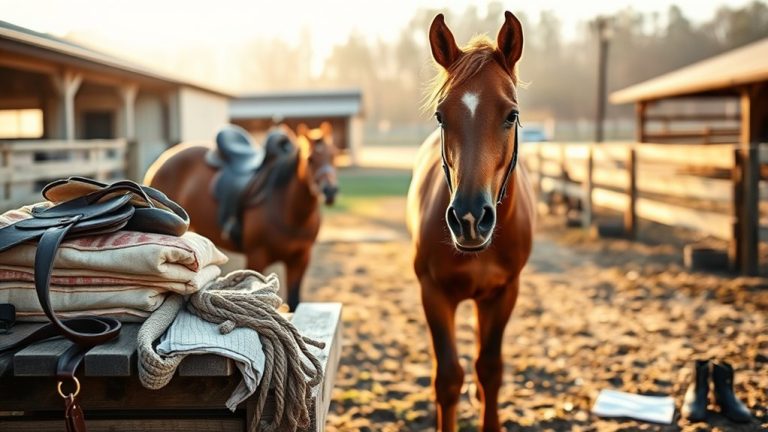
Essential equipment includes a dressage saddle, bridle, reins, girth, stirrups, saddle pad, and protective leg gear. The saddle supports proper seat and posture, while the bridle and reins allow subtle communication. Accessories like boots or wraps protect the horse’s legs during training.
Rider attire typically includes breeches, tall boots, gloves, and a helmet or top hat for competitions. Proper equipment ensures safety, comfort, and effective communication, helping both horse and rider perform movements with precision and fluidity.
How Are Dressage Performances Judged?
Dressage performances are judged based on the accuracy, rhythm, balance, suppleness, impulsion, and harmony of horse and rider. Each movement is scored individually, and collective marks assess overall performance, rider position, and presentation.
Judges look for smooth transitions, obedience to aids, and quality of gaits. Consistency, precision, and elegance are rewarded, while tension, resistance, or unevenness can lower scores. Competitions range from local shows to international events, with increasing complexity and expectations at higher levels.
Can Beginners Practice Dressage?
Yes, beginners can start practicing dressage with foundational exercises. Starting at basic walk, trot, and canter work helps develop balance, rhythm, and communication skills. Lateral exercises and transitions are introduced gradually to build the horse’s suppleness and responsiveness.
Riders benefit from lessons with experienced trainers to learn proper seat, aids, and timing. Practicing dressage as a beginner improves confidence, control, and partnership with the horse while creating a strong foundation for advancing to higher-level movements and competitions over time.
Conclusion
Horse dressage is a discipline that emphasizes harmony, precision, and communication between horse and rider. It requires consistent practice, patience, and attention to detail to achieve smooth, balanced movements and responsiveness to subtle cues. Mastery of the basics lays the foundation for more advanced techniques and higher-level competitions, showcasing both the horse’s athleticism and the rider’s skill.
Understanding what is horse dressage helps riders appreciate the importance of rhythm, posture, and control in every movement. From simple walk-trot transitions to complex collected and extended gaits, each exercise strengthens the horse’s muscles, flexibility, and focus. Regular training also fosters trust and a strong partnership, which is essential for success in both practice and competition.
Ultimately, knowing what is horse dressage allows riders to approach the discipline with purpose and care. By committing to proper training, equipment, and consistent practice, horse and rider can achieve elegance, performance, and a rewarding equestrian experience.