How Much Does It Cost to Train a Horse?
You can expect to spend between $800 and $2,500 per month to train a horse, depending on the trainer’s experience and your location. Daily rates usually range from $85 to $120, with typical 60-day programs costing $5,100 to $7,200.
These fees often include basic care but don’t cover vet or farrier services, which add extra costs. Knowing these details helps you plan effectively and avoid surprises as you explore the full scope of training expenses.
Horse Training Costs: Daily and Monthly Breakdown

While horse training costs can vary widely, you can generally expect to pay between $85 and $120 per day for professional training, depending on the trainer’s experience and location.
If you’re considering a typical 60-day training program, budget around $5,100 to $7,200 based on these daily rates.
Alternatively, monthly horse training costs usually range from $800 to $1,350, with some trainers including boarding in their fees.
Keep in mind, these figures fluctuate by region. For example, trainers in northern Alberta might charge about $800 per month, while those in Idaho can go as high as $2,500.
Also, remember that additional expenses like veterinary care and farrier services aren’t included in the daily or monthly training rates, so plan accordingly.
Key Factors That Influence Horse Training Costs
When you’re budgeting for horse training, you’ll find that a trainer’s experience level makes a big difference in daily rates. Seasoned professionals usually charge more because of their expertise.
Plus, where you’re matters too—places like Southern California often have higher fees thanks to demand and living costs.
Trainer Experience Levels
Because trainer experience profoundly impacts the quality and outcomes of horse training, you’ll find that costs vary widely based on expertise. Trainer experience levels directly influence pricing.
Seasoned trainers with proven success in competitive racing or specialized fields typically charge $85 to $120 per day, reflecting their advanced skills and reputation.
Conversely, less experienced trainers usually offer rates between $50 and $75 per day as they build their client base. Certification, years of hands-on experience, and the scope of services provided, like vet management and custom plans, also affect fees.
Consider these emotions when choosing a trainer:
- Confidence in your horse’s progress with expert care
- Assurance of personalized, all-encompassing training
- Satisfaction knowing you’re investing wisely in quality development
Regional Price Differences
How much you’ll pay for horse training depends heavily on where you’re located. Training costs vary markedly by region, with northern Alberta trainers charging around $800 per month, including board.
In Idaho, you might pay up to $2,500 monthly for similar services.
States like Minnesota, South Dakota, and Nebraska typically fall between $1,000 and $1,350 per month, reflecting local market demand.
Higher prices often correspond with regions where trainers offer specialized expertise or more extensive care.
Boarding options also influence training costs; some areas provide basic care, while others include full-service boarding.
Moreover, regional differences affect the duration and intensity of training programs available, so your location will directly impact both the quality and price of horse training you can access.
Training Cost Comparisons by Region and Experience
You’ll notice training costs can really vary depending on where you are. Rates usually range from about $800 to $2,500 per month, and that often includes board.
Trainer experience makes a big difference too. Newer trainers usually charge less and provide more basic care, while seasoned pros tend to ask for higher fees because they offer specialized skills.
It’s a good idea to understand exactly what services are included. That way, you can compare your options more easily and budget smarter.
Regional Price Differences
Where you live can considerably impact what you pay to train your horse. Regional price differences reflect local market demands, cost of living, and included services like boarding.
For example, trainers in northern Alberta charge around $800 monthly, while in Idaho, fees can reach $2,500 per month. States like Minnesota, South Dakota, and Nebraska typically fall between $1,000 and $1,350.
These variations affect your budget and expectations for training quality and care.
Consider how regional price differences influence your decision:
- Stretching your budget farther in lower-cost areas like northern Alberta
- Facing premium prices but potentially more amenities in Idaho
- Balancing cost with local service standards and availability
Understanding these differences helps you choose the best fit for your horse’s training needs.
Trainer Experience Impact
Regional price differences set the stage for understanding how trainer experience shapes the cost of horse training. You’ll find that less experienced trainers in places like northern Alberta charge around $800 per month, often including basic care.
In contrast, seasoned trainers in Idaho might charge up to $2,500 monthly, reflecting their specialized skills and expertise.
In Southern California, top trainers can demand $85 to $120 daily, totaling $2,100 to $3,000 monthly.
Trainer experience directly impacts rates, with newcomers offering lower prices to build clientele, while veterans command premium fees.
Furthermore, regional market demand and living costs affect pricing, but trainer experience remains a key factor influencing costs.
Knowing this helps you budget appropriately when selecting a trainer based on your horse’s needs and your location.
Included Services Overview
How do training costs break down across different regions and experience levels? Included services vary widely, impacting your overall expense.
For example, trainers in northern Alberta charge about $800/month including board, while Idaho rates can reach $2,500/month with boarding.
More experienced trainers often charge between $1,000 and $1,350 monthly for specialized training.
Basic packages typically cover feeding, grooming, turnout, and foundational riding instruction, bundled into the total fee.
Standard training lasts 60 days, but expect higher costs if you need extra months or advanced services.
Key included services to consider:
- Comprehensive care: feeding, grooming, turnout
- Instruction tailored to your horse’s level
- Boarding options integrated or separate, affecting predictability
Understanding these details helps you budget effectively.
What’s Included in a Trainer’s Fee
Although trainer fees can vary, they generally cover daily training sessions, handling, and basic care such as feeding and grooming provided by stable staff.
The trainer’s fee usually includes coordination with vets and farriers, though any additional treatments or shoeing costs might be extra.
Most trainers set their fee for a specific training period, often around 60 days, tailoring services to your horse’s needs.
If you’re training a racehorse, expect an additional charge of about 10% of race earnings on top of the day rate.
Keep in mind that expenses like transportation (vanning), supplements, and race-day preparations typically fall outside the trainer’s fee.
Understanding what’s covered helps you budget accurately and avoid surprises during your horse’s training journey.
Additional Horse Training Costs Beyond Trainer’s Fee
Beyond the trainer’s fee, you’ll encounter several additional costs that are important to factor into your budget. Whether you’re working with young horses or a racehorse in training, these expenses add up and impact your overall horse training investment.
Trainer fees often cover basic services, but vanning, farrier work, and race day charges fall outside that scope. You might also want to invest in training videos to supplement your knowledge and maximize results.
Key additional costs include:
- Farrier fees at $80–$100 monthly to keep hooves healthy and sound
- Vanning and trainer travel expenses, which can total hundreds or more per trip
- Race day essentials like grooming and bandages, ranging from $50 to $200 per race
Planning for these ensures your horse training stays on track without surprises.
How Buying a Young vs. Trained Horse Impacts Training Costs
If you choose to buy a young horse, you’ll need to budget not only for the purchase price, typically under $6,500, but also for around $3,400 in training costs over four months, totaling about $9,900. Buying a young horse means committing to ongoing professional training, which varies in cost depending on the trainer’s services.
While this approach gives you a chance to shape your horse’s skills from the ground up, it demands time and patience.
Conversely, purchasing a fully trained horse costs $10,000 or more but usually reduces or eliminates initial training expenses.
A trained horse often brings greater reliability and safety, potentially saving you money by avoiding costly corrections later.
Weighing these options carefully helps you manage your training budget effectively.
How Veterinary and Farrier Services Affect Monthly Expenses
Once you’ve decided on the type of horse to train, it’s important to factor in ongoing veterinary and farrier costs. These can substantially affect your monthly budget.
Veterinary service costs vary widely, from under $300 to over $700 monthly, depending on the horse’s health and your trainer’s care approach.
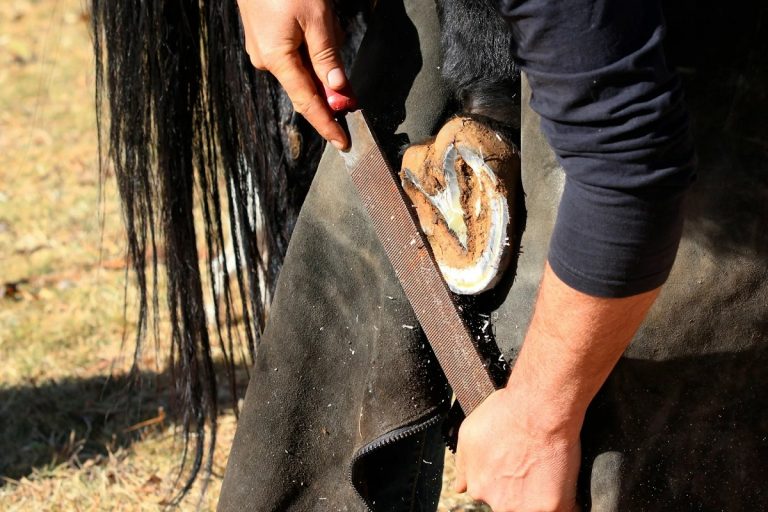
Farrier fees typically run $80 to $100 per month, covering routine shoeing every 2 to 4 weeks.
Keep in mind that frequent vet visits, diagnostics, vaccinations, and emergency treatments can spike expenses unexpectedly.
Consider these emotional realities: the relief of timely veterinary care protecting your horse’s health, the frustration of unexpected emergency costs, and the satisfaction of well-maintained hooves ensuring smooth training progress.
Understanding these costs helps you plan realistically and maintain your horse’s well-being effectively.
Customizing Horse Training for Your Riding Level and Goals
You’ll get the best results when your training matches your riding level and specific goals. A skilled trainer will create a plan that focuses on what you want to achieve, while also addressing your horse’s behavior.
This personalized approach does more than just improve your skills—it builds your confidence and helps keep both you and your horse safer. It’s all about working together to get the most out of your training.
Matching Training To Rider
Because every rider’s skill level and goals differ, customizing horse training to match your experience is essential for effective progress. Your trainer will assess your riding skills and develop a tailored training plan that balances your comfort with the horse’s temperament.
This approach builds confidence while addressing your individual needs, ensuring safety and steady improvement.
Training intensity and methods adjust as you advance, keeping sessions productive and engaging.
Consider how personalized training can help you:
- Overcome specific challenges unique to your skill level
- Strengthen your bond with the horse through clear communication
- Feel secure and motivated as you develop new abilities
Matching training to you accelerates learning, supports your goals, and creates a rewarding riding experience.
Goal-Oriented Training Plans
Building on training that matches your riding level, goal-oriented training plans take customization further by focusing on specific skills and disciplines you want to master. Your trainer will assess your horse’s current abilities and design a step-by-step training plan targeting your goals, whether that’s roping, jumping, or trail riding.
This personalized training plan adjusts duration and intensity based on your horse’s age, temperament, and experience to guarantee safe, steady progress. Clear milestones, like mastering certain patterns or consistent gait work, help you track improvements and stay motivated.
Why Professional Training Saves Money on Repairs
Although professional training requires an upfront investment, it prevents costly repairs by addressing bad habits before they escalate into serious problems. When you invest in expert guidance, you markedly reduce risks that can cost thousands per year in veterinary bills or corrective procedures.
Investing in professional training curbs costly issues by correcting bad habits early on.
Trained horses stay healthier, perform better, and avoid injuries caused by improper handling.
Here’s why professional training saves money on repairs:
- Prevents behavioral issues that lead to expensive damage
- Reduces the likelihood of injuries requiring costly veterinary care
- Minimizes accidents caused by untrained horse reactions
Tips for Choosing a Trainer That Fits Your Budget and Needs
How do you find a trainer who delivers quality results without breaking the bank? Start by researching horse trainers’ rates in your area. In southern California, daily fees range from $85 to $120. A 60-day program typically costs between $5,100 and $7,200, so set a realistic budget.
Check each trainer’s experience and track record to guarantee they meet your horse’s specific needs. Ask if boarding, feed, and supplies are included. Some charge extra for stable care. Clarify all included services upfront and inquire about additional expenses like vet visits, farrier work, or travel fees.
Frequently Asked Questions
How Long Does It Typically Take to Fully Train a Horse?
It typically takes you between 60 to 90 days to fully train a horse, hitting key training milestones along the way.
If your horse is young or inexperienced, expect closer to six months to develop the skills needed.
Daily consistent training is essential, and your horse’s temperament and learning pace will influence this timeline.
What Are the Signs of a Well-Trained Horse?
You’ll know a horse is well-trained when it responds calmly to your commands and stays relaxed even in new situations. It moves smoothly through progressions and exhibits good manners like standing still during grooming techniques and mounting.
It won’t buck or rear unexpectedly, and its gait stays balanced and sound. When you handle grooming, the horse should stand quietly, showing trust and confidence in your touch and routine.
Can I Train My Horse Myself to Reduce Costs?
You’ve heard “practice makes perfect,” and with DIY training, that’s especially true. You can train your horse yourself to reduce costs, but you’ll need patience, time, and solid knowledge to do it right.
Start with basic groundwork using online resources, then build consistency daily. Remember, safety is key.
If you’re unsure, getting initial help from a pro can set you up for success before going fully DIY.
How Does a Horse’s Breed Affect Training Methods?
Breed influence directly shapes your training methods because each breed’s temperament and physical traits demand different approaches.
For example, Warmbloods need athletic, dressage-focused exercises, while Arabians respond best to gentle, reward-based techniques.
Thoroughbreds require energetic, structured sessions to channel their speed.
Draft breeds benefit from slower, patient training due to their calm nature.
Understanding breed influence helps you tailor your techniques for better results.
What Insurance Options Are Available During Horse Training?
You’ll find insurance coverage during horse training typically ranges from $300 to $700 per month per horse. This coverage usually includes veterinary expenses, injury, and mortality risks.
Some policies even protect you against accidental injury while handling the horse.
Make sure you review policy exclusions carefully, like pre-existing conditions or specific training activities.
Many trainers choose all-encompassing equine insurance plans combining mortality, theft, and liability coverage for full protection.
Conclusion
Wondering if the investment in horse training is worth it? When you break down daily and monthly costs, consider regional and experience differences, and factor in vet and farrier expenses, you see how professional training saves money by preventing costly mistakes.
Tailoring training to your goals ensures you get the best value. Choosing the right trainer isn’t just about price; it’s about matching your needs for long-term success and enjoyment with your horse.