How Much Does A Trained Horse Cost – Here’s the Math
You’ll typically pay between $3,000 and $100,000+ for a trained horse, depending on bloodline, training level, and competition history. Expect initial vet checks costing $250 to $1,000 to uncover health risks. Ongoing monthly costs for care, feeding, farrier, and equipment can easily total several hundred dollars.
Training and transport add to expenses, especially for competition horses. Understanding these detailed costs helps you plan smarter and manage your horse investment more confidently as you explore all necessary factors.
How Much Does a Trained Horse Typically Cost?

While prices vary widely, you can typically expect to pay between $3,000 and over $100,000 for a trained horse, depending on its skill level and purpose.
Trained horse prices range broadly from $3,000 to over $100,000 based on skill and purpose.
Horses with basic training usually start around $3,000, but as you move toward specialized skills or proven competition records, prices commonly fall between $10,000 and $50,000.
Elite horses with top-tier training and achievement often exceed $50,000, especially those with prestigious bloodlines.
You should also factor in ongoing training costs, which range from $500 to $2,000+ per month, influencing total investment over time.
Generally, younger horses needing further training cost less upfront but might require more resources later.
Understanding this price spectrum helps you make informed decisions aligned with your budget and goals.
Key Factors That Affect the Price of a Trained Horse
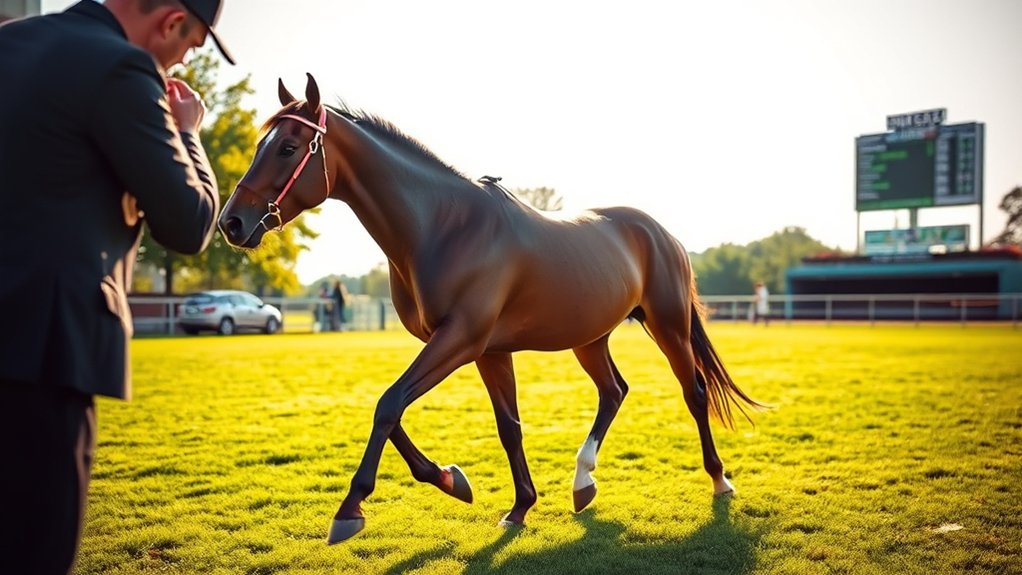
Because the price of a trained horse can vary dramatically, understanding the key factors that influence cost is essential for making a sound investment. Prices range from $3,000 for basic training to over $100,000 for advanced competition horses. Factors such as bloodline quality, training level, and competitive achievements play pivotal roles.
Younger horses with solid training typically command higher prices. Additionally, geographic location and the trainer’s reputation influence pricing. Premium markets and trainers tend to drive costs upward.
| Factor | Impact on Price |
|---|---|
| Training Level | Basic to advanced competition ($3K-$100K+) |
| Age | Younger, well-trained cost more |
| Bloodline & Location | Premium bloodlines and markets increase value |
Analyze these carefully to gauge true value.
Budgeting for Pre-Purchase Expenses and Vet Checks

Since pre-purchase vet checks can cost anywhere from $250 to $1,000 depending on the exam’s scope, you should budget accordingly to avoid unexpected expenses. The price varies based on location, veterinarian expertise, and whether diagnostics like X-rays or blood work are needed.
Allocating funds for a thorough vet exam is essential, as it uncovers hidden health issues that directly impact the horse’s value and future costs.
By including these expenses upfront, you reduce the risk of surprise veterinary bills after the purchase.
Proper financial planning for pre-purchase assessments ensures you’re prepared not only for the initial exam but also for any recommended follow-up treatments.
This way, your investment in a trained horse becomes more reliable and data-driven.
Monthly Boarding, Feeding, and Supplement Costs for Trained Horses
You’ll find that monthly boarding fees for a trained horse can vary quite a bit. They typically range from $150 to over $1,500, depending on the level of care and the amenities provided.
When it comes to feeding, expect to add another $150 to $400 each month. This depends on factors like the horse’s size, how active they are, and whether there’s pasture available for grazing.
Then there are supplements—things like vitamins and minerals. These usually cost between $20 and $100 a month, depending on the horse’s specific health needs.
Boarding Fee Variations
How much you’ll pay monthly to board a trained horse depends largely on the level of care and amenities offered, with fees ranging from $300 to over $1,000.
When evaluating boarding options, consider these key factors:
- Stall versus pasture boarding: Stall boarding typically costs more due to increased labor and facility upkeep.
- Amenities: Access to arenas, tack rooms, and grooming services raise boarding fees.
- Location: Proximity to urban centers or equestrian hubs inflates prices.
- Included services: Turnout frequency, blanketing, and daily health monitoring impact costs.
These variations reflect the diverse care levels required for trained horses.
Choosing a boarding facility means balancing quality of care with your budget constraints. You want to make sure your horse is well cared for without spending more than necessary.
Feeding And Supplements
Boarding fees cover a wide range of care elements, but feeding and supplements form a significant portion of your monthly expenses for a trained horse.
Hay costs vary between $50 and $130 monthly, influenced by quality and location.
Commercial grain feed, essential for performance horses, averages $44.80 per day for an 8-pound ration, totaling around $1,344 monthly.
Vitamin and mineral supplements add approximately $0.89 to $1.25 daily, increasing monthly costs by $27 to $38.
Pasture quality directly impacts your feeding budget. Poor grazing raises hay and grain reliance, which inflates expenses.
Overall, expect feeding and supplement costs to fall between $150 and $400 monthly, depending on your horse’s activity level and dietary needs.
Monitoring these variables allows you to budget accurately for ideal equine nutrition.
Routine Veterinary and Farrier Costs for Trained Horses
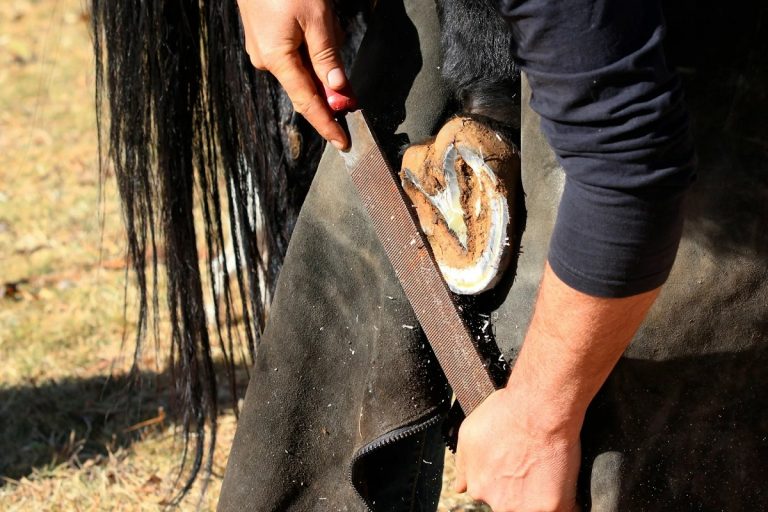
Although routine veterinary and farrier care might seem straightforward, these services represent a significant and ongoing investment in your trained horse’s health. You can expect annual veterinary costs between $250 and $600, covering vaccinations, dental care, and deworming.
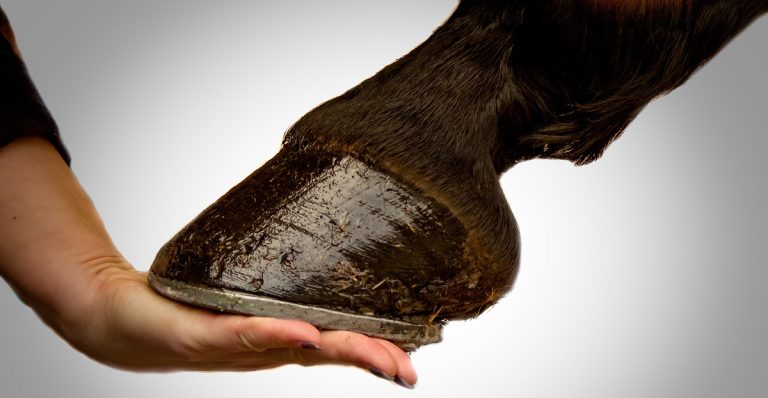
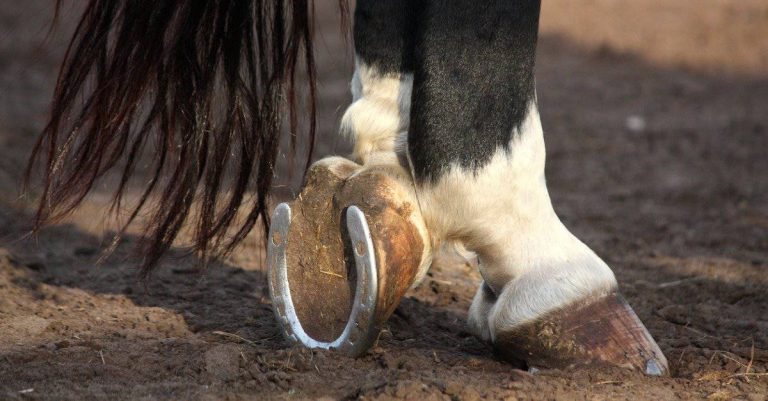
Farrier visits are required every 6 to 8 weeks and range from $40 to $150 each. That adds up to about $346 to $1,300 yearly.
Consider these key points: Basic vet care averages $250 to $600 annually. Farrier services total roughly $346 to $1,300 per year.
Competition or special-needs horses tend to have higher vet and farrier expenses.
Emergency veterinary care can cost thousands, so it’s smart to maintain a financial reserve.
Routine hoof and health maintenance directly impact your horse’s performance and longevity, making these costs essential for responsible ownership.
Essential Equipment and Tack Expenses for Trained Horses
When equipping a trained horse, you’ll need to budget carefully for essential tack and gear, as costs vary widely based on quality and specialization. Basic tack like saddles and bridles ranges from $500 to $2,500. Custom sets can even exceed $10,000.
Grooming and first aid supplies typically cost between $200 and $500 initially. Specialized equipment such as boots adds $50 to $300 per item. Annual maintenance for riding gear averages $500 to $1,000.
| Item Category | Initial Cost Range | Annual Maintenance |
|---|---|---|
| Basic Tack | $500 – $2,500+ | $500 – $1,000 |
| Grooming & Supplies | $200 – $500 | Replacement as needed |
| Specialized Gear | $50 – $300 per item | Varies |
| Stable Equipment | Factory prices | Depends on usage |
Training and Transportation Costs to Expect
Since training and transportation are critical parts of horse ownership, it’s important to understand their costs for accurate budgeting. Training fees can vary a lot depending on the discipline and how intense the training is.
Training costs can range from $500 to over $10,000, with monthly fees usually between $150 and $300.
Transportation expenses depend on how far you’re going and the method you choose.
Ground or local transport typically costs around $1 to $3 per mile. For long-distance moves, you might spend several hundred dollars, with prices going up the farther you travel.
Specialized transport like air travel or enclosed trailers can cost more than $1,000 depending on the logistics.
You should also think about extra costs like hiring professional movers or renting special trailers, which can add hundreds or even thousands to your total.
Competition Fees for Trained Horses
Competition fees for trained horses vary widely, typically ranging from $50 to $500 per event based on the discipline and competition level.
Local show entry fees usually cost between $20 and $100, while national or international competitions charge $200 to $500 or more.
Beyond entry fees, expect additional costs like stall or arena rentals, which range from $20 to $100 daily depending on the venue.
Many competitions require you to pay entry fees for multiple classes, which can multiply your expenses.
When you factor in participation at high-level or prestigious events, total costs including entry fees, travel, and accommodations often exceed $1,000 per event.
Handling Unexpected and Emergency Horse Costs
You definitely want to be ready for emergency vet bills—they can run anywhere from $1,000 to more than $10,000, depending on how serious the problem is.
And it’s not just medical expenses; unexpected repairs to equipment, like fixing fences or shelters, can sneak up on you and put a real strain on your budget.
That’s why it’s a smart move to keep a reserve fund set aside, covering about 10-20% of your annual expenses.
Having that safety net makes handling these surprise costs a lot less stressful.
Emergency Veterinary Expenses
Although trained horses bring numerous rewards, their owners must prepare for unexpected veterinary emergencies that can quickly escalate costs. Emergency care ranges from $1,000 to over $10,000, depending on injury or illness severity.
Serious conditions like colic or surgical emergencies markedly increase expenses due to intensive treatment requirements.
To manage these costs effectively, consider these factors: Diagnostics, surgery, hospitalization, and post-treatment care drive emergency expenses.
Prompt veterinary response is vital but costly, impacting your overall budget. Establish a reserve fund dedicated to emergency vet care to avoid financial strain.
Regular monitoring and early detection can mitigate the severity and cost of emergencies.
Being financially prepared safeguards both your horse’s health and your investment.
Unexpected Equipment Repairs
When equipment fails unexpectedly, the financial impact can be significant. Repairs for saddles, tack, or fencing can range from a few hundred to several thousand dollars.
For instance, fixing broken saddles or tack usually costs between $200 and $1,000. But if the damage is severe, expenses can climb even higher.
Emergency veterinary tools and specialized bandages add another $50 to $300 to your repair bills. Repairs to fences or stalls often exceed $500 and can run into thousands if the damage is extensive.
Addressing failures promptly helps prevent further injury or costly replacements.
Knowing these figures helps you anticipate sudden expenses more accurately. It also lets you manage your horse-related equipment budget more efficiently. That way, you can minimize financial disruption caused by unexpected repairs.
Reserve Fund Importance
Unexpected repairs to equipment and veterinary emergencies can quickly strain your finances. That’s why having a dedicated reserve fund is a smart safeguard.
Veterinary bills for severe injuries or illnesses often range from $1,000 to over $10,000. So, having funds ready is really critical. Experts suggest putting aside 10-15% of your annual horse expenses for this reserve.
Consider these key points:
- Emergency veterinary care, like colic surgeries, usually costs way more than routine care.
- Equipment repairs can pop up suddenly and drain budgets that aren’t prepared.
- A reserve fund helps you avoid compromising your horse’s health because of money issues.
- Keeping financial stability reduces stress and makes sure treatment happens on time.
Frequently Asked Questions
How Do Horse Insurance Policies Affect Overall Ownership Costs?
Horse insurance increases your ownership costs by about 3.5% annually, often $300-$500 for a $10,000 horse. It protects you from costly emergencies, especially for high-value or competition horses needing thorough coverage.
Think of it as a safety net that helps you avoid big unexpected expenses. While it adds to your yearly costs, many owners find the peace of mind worth it. Especially if your horse is involved in competitions or has a high value, insurance can be a smart investment.
What Are the Best Financing Options for Purchasing a Trained Horse?
You’ll find personal loans, equine-specific financing, and seller payment plans the best options. Compare interest rates, repayment terms, and fees carefully to minimize costs.
Leasing also offers affordable access without full purchase commitment. It’s a great way to enjoy a trained horse without the long-term financial burden. Just make sure to weigh all your options before deciding.
How Does Seasonality Impact Horse Care Expenses?
Seasonality shapes your horse care expenses like clockwork. Winter demands 20-30% more on heating and hay, while summer raises water and cooling costs by 15%.
Pest treatments also spike costs during warm months, increasing vet bills. It’s just one of those things you have to plan for each year. Keeping an eye on these changes helps you manage your budget better.
Are There Tax Deductions Related to Horse Ownership?
Yes, you can deduct expenses like feed, vet bills, and training if your horse generates income. Keep detailed records, as personal-use horses aren’t deductible.
Depreciation applies, but strict IRS compliance is essential for eligibility. So, make sure you stay organized and follow the rules closely to qualify.
What Are the Typical Resale Values for Trained Horses?
Think of resale values like a horse’s shadow. They’re usually 50% to 80% of the original price.
You’ll often see 70-80% for prime competitors. But age, health, and discipline can sharply shift that percentage.
It really depends on the individual horse and the market at the time. So, keep those factors in mind when estimating resale value.
Conclusion
When buying a trained horse, you’re not just paying the price tag; you’re investing in ongoing costs like vet care, feeding, and training that add up swiftly. Budgeting precisely helps avoid surprises, much like a knight planning for battle. Every detail counts.
Understanding these expenses ensures you manage your investment wisely. It helps keep your horse healthy and competitive without emptying your coffers unexpectedly. Data-driven planning is key to smart ownership.