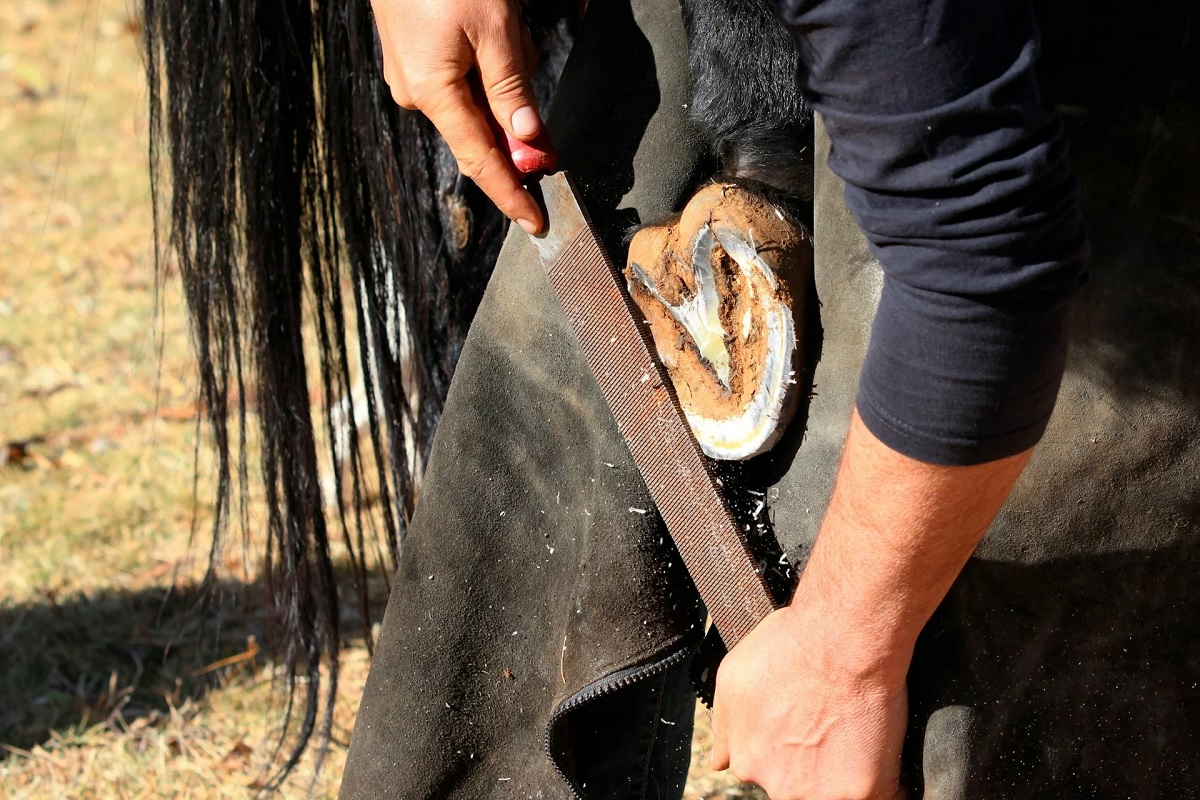
How Do Wild Horses Trim Their Hooves Naturally And Stay Healthy
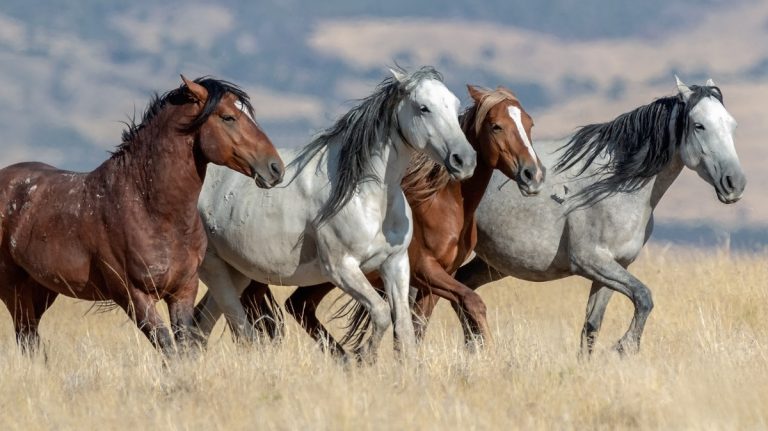
Wild horses navigate diverse landscapes every day, naturally maintaining the health and shape of their hooves through movement and environmental interaction. Observing their behavior raises questions about how do wild horses trim their hooves, as these animals manage to keep their feet functional without human intervention. Constant walking, running, and grazing across rocky, sandy, or uneven terrain wears down the hooves gradually, preventing overgrowth and promoting proper shape.
Their natural diet, lifestyle, and terrain contribute to strong, resilient hooves, allowing them to adapt to changing conditions. Studying how wild horses maintain hoof health provides valuable insights for domestic horse care, helping owners understand natural wear patterns, the importance of exercise, and the role of proper footing. This knowledge can guide hoof management strategies that mimic natural processes and support long-term hoof integrity and overall well-being.
Natural Wear And Terrain
The environment plays a crucial role in maintaining healthy hooves for wild horses. Understanding natural wear and terrain helps explain how wild horses trim their hooves without human intervention. Constant movement over varied surfaces—rocks, sand, soil, and grass—gradually wears the hoof, preventing overgrowth and promoting proper shape. The type of terrain influences hoof strength, resilience, and natural balance, while daily activity ensures even wear and functional mechanics, contributing to the overall health, mobility, and longevity of wild horses.
Impact Of Terrain On Hoof Wear
Terrain directly affects how wild horses naturally trim their hooves. Rocky and hard surfaces create friction, gradually wearing down the outer hoof wall and maintaining proper length. This type of wear strengthens the hoof structure and encourages natural concavity in the sole, supporting shock absorption and stability during movement.
Softer terrains, such as sandy plains or grassy meadows, allow for more flexible movement, reducing the risk of cracking or excessive wear. However, continuous movement across mixed surfaces ensures that hooves experience balanced abrasion, preventing uneven growth or deformities. Hoof shape adapts over time to match environmental conditions, naturally enhancing performance and comfort without human intervention.
The combination of daily travel, grazing, and varied terrain promotes a functional hoof profile. Wild horses travel long distances for food, water, and social interaction, creating consistent natural trimming. Their hooves develop durability, resilience, and structural integrity, reducing susceptibility to injury and maintaining mobility across challenging landscapes.
Daily Movement And Hoof Health
Regular movement is essential for natural hoof maintenance. Wild horses can cover several miles each day, walking, trotting, or running across different surfaces. This consistent activity prevents overgrowth, strengthens hoof walls, and promotes even wear. The natural rhythm of movement encourages the proper alignment of bones, tendons, and ligaments, supporting overall limb health.
Daily grazing and travel allow hooves to adapt to stress while minimizing pressure points or imbalances. Over time, the hooves develop natural shock absorption through proper sole concavity and heel expansion. Constant use also stimulates blood flow within the hoof, which nourishes sensitive structures and promotes resilience against disease and injury.
Wild horses’ lifestyle, dictated by environmental demands, ensures that hooves remain functional and healthy. Natural wear combined with varied terrain creates an ongoing self-trimming process, allowing hooves to maintain optimal length, shape, and strength. This dynamic interaction between movement and environment illustrates how adaptation and activity are critical to hoof health and long-term mobility.
Adaptation And Evolutionary Advantage
Over generations, wild horses have evolved hooves optimized for their environment. Hoof size, shape, and thickness correspond to terrain types, ensuring survival, agility, and energy efficiency. Constant natural trimming maintains durability, preventing cracks, overgrowth, and uneven wear that could compromise movement.
These adaptations provide an evolutionary advantage, allowing horses to escape predators, traverse challenging landscapes, and access diverse resources. By observing natural hoof wear, domestic horse owners can gain insight into effective hoof management practices, such as mimicking terrain diversity and encouraging regular exercise.
Through the combination of movement, varied surfaces, and evolutionary adaptation, wild horses maintain functional, healthy hooves without human intervention. Understanding these natural processes offers valuable lessons for domestic care, emphasizing the importance of activity, environmental enrichment, and proactive hoof maintenance.
Grazing And Daily Activity
Daily grazing and consistent activity are central to how wild horses naturally maintain their hooves. Understanding grazing and daily activity reveals how these animals keep hooves functional and healthy without human intervention. Constant walking while foraging over varied terrain promotes even wear, strengthens hoof walls, and enhances circulation. The combination of movement and grazing not only prevents overgrowth but also supports overall health, stamina, and natural biomechanics, allowing wild horses to thrive in challenging environments.
Role Of Grazing In Hoof Maintenance
Grazing encourages wild horses to travel long distances in search of food, naturally wearing down their hooves. Unlike confined domestic horses, wild horses walk, trot, and sometimes run several miles daily, which prevents the hoof from becoming overgrown. The repetitive motion across different surfaces—rocks, dirt, grass, and sand—creates even abrasion that maintains proper hoof length and shape.
Grazing also stimulates natural hoof growth patterns, ensuring that the wall, sole, and frog wear evenly. Horses naturally adjust their movement and weight distribution based on terrain, which contributes to balanced wear and reduces stress on tendons and ligaments. Over time, this consistent activity strengthens the hooves, making them resilient to environmental challenges and less prone to cracking or injury.
The act of grazing itself promotes overall health. As horses move to feed, their cardiovascular and musculoskeletal systems are engaged, supporting energy flow and circulation in the hooves. Proper blood flow nourishes sensitive structures within the hoof, enhancing growth and durability. By combining natural feeding behavior with continuous movement, wild horses maintain self-trimmed, healthy hooves without human intervention.
Daily Activity And Circulation
Beyond grazing, general daily activity contributes significantly to hoof health. Continuous movement allows the hoof to expand and contract naturally, improving shock absorption and stimulating circulation in the digital cushion. This enhanced blood flow ensures that nutrients reach the sensitive laminae and other internal structures, supporting growth and overall hoof resilience.
Regular activity also reduces the risk of imbalances or uneven wear. Horses that move frequently maintain stronger tendons, ligaments, and joints, which indirectly supports hoof mechanics. Rest periods on soft surfaces allow recovery and prevent excessive stress on the hoof wall.
Hoof Shape And Self-Maintenance
The natural shape of a horse’s hoof is essential to its ability to self-maintain and remain healthy in the wild. Understanding hoof shape and self-maintenance reveals how wild horses keep their feet functional without human intervention. Hooves grow continuously but are worn down naturally through movement, terrain, and activity, creating a balanced structure. Proper shape ensures effective weight distribution, shock absorption, and traction, allowing horses to move comfortably, avoid injury, and thrive in diverse environments.
Natural Hoof Shape
Wild horses develop hoof shapes that optimize function and durability. The hoof wall, sole, frog, and heels work together to absorb impact, provide stability, and protect sensitive internal structures. The frog, a flexible, wedge-shaped structure, acts as a natural shock absorber and aids in circulation. The sole remains slightly concave, preventing direct pressure on soft tissues and distributing weight evenly across the hoof.
Genetics, terrain, and daily activity influence hoof shape. Horses traveling long distances across mixed surfaces naturally wear their hooves to maintain a functional form, preventing overgrowth, cracks, and imbalances. The hoof adapts over time, strengthening walls, maintaining concavity, and supporting efficient locomotion.
This natural design allows wild horses to move with agility and endurance while protecting joints, tendons, and ligaments. A balanced hoof shape also reduces the risk of lameness, as forces are distributed evenly, minimizing stress on sensitive areas. Understanding this natural hoof morphology provides insights into how domestic horses can benefit from regular trimming, exercise, and appropriate terrain to mimic self-maintenance.
Self-Maintenance Through Activity
Self-maintenance occurs through constant movement and interaction with the environment. Walking, trotting, and running across varied terrain gradually wear down the hoof, maintaining proper length, balance, and structural integrity. Rough surfaces like rocks and gravel create friction that trims the hoof wall, while softer surfaces allow for shock absorption and reduced stress on joints.
Daily activity also stimulates circulation within the hoof, nourishing sensitive structures like the laminae and digital cushion. As the horse moves, the hoof naturally expands and contracts, promoting flexibility and resilience. Uneven or excessive wear is minimized because movement is continuous and distributed across all limbs.
This natural self-maintenance reduces the risk of hoof-related conditions such as cracks, overgrowth, and laminitis. Wild horses demonstrate how activity, terrain, and proper biomechanics work together to preserve functional hoof shape, strength, and balance without human intervention. Observing these processes highlights the importance of movement, exercise, and environmental variety in domestic hoof care to support long-term soundness and comfort.
Adaptation And Longevity
The ability of wild horses to self-maintain hoof shape provides an evolutionary advantage. Hooves adapt to environmental demands, ensuring protection, mobility, and endurance. Proper hoof shape enhances shock absorption, supports joints, and reduces injury risk, allowing horses to survive and thrive in challenging terrains.
Understanding how natural shape and wear interact encourages better hoof management for domestic horses. By mimicking natural conditions—through appropriate exercise, varied terrain, and routine trimming—owners can help maintain functional hoof structure, promoting long-term health, soundness, and mobility. Wild horses’ self-maintenance demonstrates the synergy between anatomy, activity, and environment in achieving strong, healthy, and resilient hooves.
Health Indicators From Hooves
Hooves are not only essential for movement but also serve as important indicators of a horse’s overall health. Understanding health indicators from hooves helps owners detect potential problems early, assess nutrition, and monitor wellbeing. Changes in hoof texture, shape, or growth patterns often reflect underlying conditions such as metabolic issues, infection, or nutritional deficiencies. By observing hooves closely, you can identify early signs of disease, stress, or poor care, allowing timely intervention to maintain long-term soundness and vitality.
Signs Of Proper Hoof Health
Healthy hooves have a smooth, hard outer wall, a concave sole, and a well-formed frog. Growth should be even, with no cracks, splits, or flares. The hoof should feel firm yet flexible when pressure is applied, and the frog should be resilient, springy, and free from foul odor or excessive moisture. Proper hoof shape ensures balanced weight distribution, reducing strain on joints, tendons, and ligaments.
Regular inspection allows you to monitor hoof growth rate and detect subtle changes that could indicate health issues. For instance, slow growth may signal poor nutrition, hormonal imbalances, or systemic disease, while rapid growth could indicate overfeeding or metabolic disorders. Even wear patterns provide insight into limb alignment and gait, helping you correct imbalances before they affect the horse’s movement.
Maintaining daily hoof hygiene and routine farrier care complements natural health indicators, allowing you to catch problems early and address them promptly. Observing these signs ensures that the horse remains mobile, comfortable, and resilient, preventing long-term lameness and promoting overall wellness.
Indicators Of Potential Health Issues
Hoof abnormalities often signal underlying health problems. Cracks, splits, or chips can indicate poor nutrition, trauma, or imbalanced hooves. A soft, brittle, or overly dry hoof may result from dietary deficiencies or environmental conditions, while an overly hard or thick hoof can suggest metabolic or circulatory issues. Thrush, an infection of the frog, often reflects poor hygiene or excessive moisture.
Uneven wear or flaring can reveal gait irregularities, joint problems, or improper trimming and shoeing. Lameness or tenderness during palpation can indicate inflammation, bruising, or deeper structural problems such as laminitis or navicular disease. Early detection through careful observation allows timely corrective action, whether through veterinary intervention, shoeing adjustments, or dietary changes.
By understanding these indicators, owners can make informed decisions to support hoof and overall health. Regular monitoring, combined with professional care, ensures that problems are identified early, reducing the risk of chronic issues and preserving mobility, comfort, and longevity for the horse.
The Role Of Nutrition And Environment
Hoof health is closely linked to diet and living conditions. Adequate protein, minerals like zinc and biotin, and vitamins support strong, resilient hooves, while deficiencies can manifest as cracks, slow growth, or weak structures. Environmental factors such as wet, muddy conditions or abrasive terrain also influence hoof integrity, either promoting natural wear or causing damage.
Observing the hooves provides insight into both internal and external influences on health. Changes in hoof condition often precede visible signs of illness elsewhere, making them a valuable diagnostic tool. By maintaining proper nutrition, environmental management, and regular care, you can ensure your horse’s hooves remain strong, balanced, and reflective of overall health and vitality.
Comparison With Domesticated Horses
Wild horses maintain their hooves naturally through constant movement, varied terrain, and grazing, providing a stark contrast to domesticated horses. Understanding the comparison with domesticated horses highlights differences in hoof wear, shape, and health. Domestic horses often rely on human intervention for trimming, shoeing, and exercise, which can impact natural biomechanics. Observing these differences helps owners implement care practices that mimic natural processes, promoting hoof strength, balance, and overall well-being in managed horses.
Natural Hoof Wear Vs. Human Intervention
Wild horses achieve natural hoof wear through daily activity across diverse surfaces, preventing overgrowth and maintaining balance without human assistance. Their constant movement distributes pressure evenly, allowing the hoof wall, sole, and frog to wear proportionally. In contrast, domesticated horses often stand for long periods on soft or uniform surfaces, which reduces natural abrasion and can lead to overgrown or misshapen hooves.
Human intervention through trimming and shoeing corrects these imbalances but must be performed carefully to avoid disrupting natural mechanics. While shoes provide protection and support, over-reliance on them can limit the natural expansion and contraction of the hoof, affecting circulation and shock absorption. Observing wild horse hooves can guide farriers and owners in maintaining proper balance, mimicking natural wear patterns, and preventing long-term structural problems.
Regular exercise for domesticated horses can partially replicate natural wear, promoting hoof health and overall fitness. Understanding the contrast between natural self-maintenance and managed care underscores the importance of combining proper terrain, activity, and farrier work to support strong, resilient hooves in domestic horses.
Adaptation And Maintenance Practices
Wild horses continuously adapt to their environment, with hooves evolving to match terrain, climate, and activity demands. Domesticated horses may not face the same challenges, making proactive management essential. Regular trimming, rotation of work surfaces, and proper nutrition help maintain hoof integrity, compensating for reduced natural wear.
While domesticated horses benefit from human care, studying wild hoof maintenance provides valuable insights. Emulating natural patterns—such as encouraging movement over varied surfaces—supports circulation, balances wear, and promotes strong, functional hooves. By understanding these differences, owners can develop care strategies that preserve mobility, prevent lameness, and maintain overall hoof health.
FAQs
How Do Wild Horses Naturally Maintain Their Hooves?
Wild horses maintain their hooves through constant movement across varied terrain. Walking, trotting, and running over rocks, dirt, sand, and grass gradually wears down the hoof wall, keeping it at a functional length. This natural abrasion prevents overgrowth and promotes even wear. The combination of daily activity, grazing, and varied surfaces allows hooves to retain proper shape, balance, and strength without human intervention, supporting mobility and overall health.
What Role Does Terrain Play In Hoof Trimming?
Terrain is a crucial factor in natural hoof maintenance. Rocky and abrasive surfaces wear down the hoof wall, maintaining proper length and shape. Softer surfaces, like grass or sand, allow expansion and flexibility, preventing cracks or excessive stress. The constant variation in surfaces ensures even wear and balanced hoof structure, supporting stability and movement. Terrain interaction also strengthens the hoof, promoting resilience against environmental challenges while maintaining natural shock absorption and functional mechanics.
How Often Do Wild Horses Trim Their Hooves Naturally?
Hoof wear in wild horses is a continuous process. Constant movement across different terrains ensures that the hooves are naturally trimmed as the horse travels daily for food, water, and social interaction. The rate of natural wear depends on activity level, terrain hardness, and hoof growth rate. Unlike domestic horses, wild horses do not require scheduled trimming because their lifestyle provides consistent abrasion, maintaining optimal length and shape over time, supporting soundness and mobility.
Does Diet Affect Natural Hoof Wear?
Diet indirectly influences hoof health in wild horses. Access to natural forage, including grasses, shrubs, and roughage, ensures balanced nutrition, supporting strong, resilient hooves. Adequate protein, vitamins, and minerals contribute to healthy growth, allowing natural wear to maintain proper shape. Poor nutrition or limited forage would slow hoof growth or weaken structure, interfering with natural self-trimming. Therefore, a healthy diet complements activity and terrain to support continuous, functional hoof maintenance.
Can Wild Horses Develop Hoof Problems Without Human Intervention?
Yes, wild horses can still experience hoof issues such as cracks, infections, or overgrowth if environmental conditions are extreme or if injury occurs. However, their continuous movement, varied terrain, and natural wear typically reduce the incidence of severe problems. Natural selection favors horses with strong, well-shaped hooves, allowing survival in challenging conditions. Observing these mechanisms provides insights into preventive care and emphasizes the role of activity and environmental diversity in maintaining healthy hooves.
How Does Daily Activity Influence Hoof Shape?
Daily activity ensures balanced hoof shape and even wear. Walking, trotting, and running stimulate proper expansion and contraction of the hoof, distributing pressure evenly across the wall, sole, and frog. This maintains natural concavity, promotes circulation, and reduces stress on joints, tendons, and ligaments. Consistent activity also strengthens the hoof wall and internal structures, ensuring durability and functional mobility while preventing deformities, overgrowth, or lameness.
What Can Domestic Horse Owners Learn From Wild Horses?
Observing wild horses teaches owners the importance of exercise, varied terrain, and natural wear for hoof health. Encouraging movement over different surfaces helps mimic self-trimming, while regular inspections and trimming maintain balance and shape. Nutrition, environmental enrichment, and attentive care replicate natural mechanisms, promoting resilience, mobility, and long-term soundness in domesticated horses.
Do Wild Horses Require Shoeing?
Wild horses rarely need shoes because their lifestyle naturally maintains hoof strength and balance. Constant movement, natural terrain, and grazing create even wear and functional shape, reducing the risk of cracking or overgrowth. Only in rare cases, such as injury or extreme environmental conditions, would artificial support be necessary. Their natural self-maintenance demonstrates how movement, diet, and terrain combine to preserve soundness without human intervention.
Final Words
Wild horses maintain healthy hooves through constant movement and natural wear on diverse terrains. Their daily activities, including grazing, running, and navigating rocky or sandy landscapes, naturally shape and trim their hooves, preventing overgrowth and reducing the risk of cracks or imbalance. The combination of environmental factors and social behaviors, such as group migration and terrain selection, contributes to even wear and overall hoof health.
Unlike domesticated horses, wild horses rely entirely on these natural processes, demonstrating the effectiveness of movement and varied surfaces in maintaining proper hoof length and structure. Observing these patterns provides insight into their resilience and the self-regulating mechanisms that keep them active and mobile. Understanding these natural behaviors directly addresses the question of how do wild horses trim their hooves, highlighting the remarkable ways nature supports hoof health without human intervention.