How Long Do Morgan Horses Live – Lifespan Facts
You can expect your Morgan horse to live between 25 and 30 years, similar to many medium-sized breeds. Their lifespan often exceeds that of American Quarter Horses but may be slightly shorter than some taller breeds. Proper care, like a balanced diet, regular exercise, and early health issue detection, plays a vital role in longevity.
Managing common problems such as respiratory and joint issues also helps. Exploring how lifestyle and veterinary care support your Morgan’s health reveals even more longevity insights. Taking good care of your horse really makes a difference in how long they stay happy and healthy.
Morgan Horse Lifespan Compared to Other Breeds
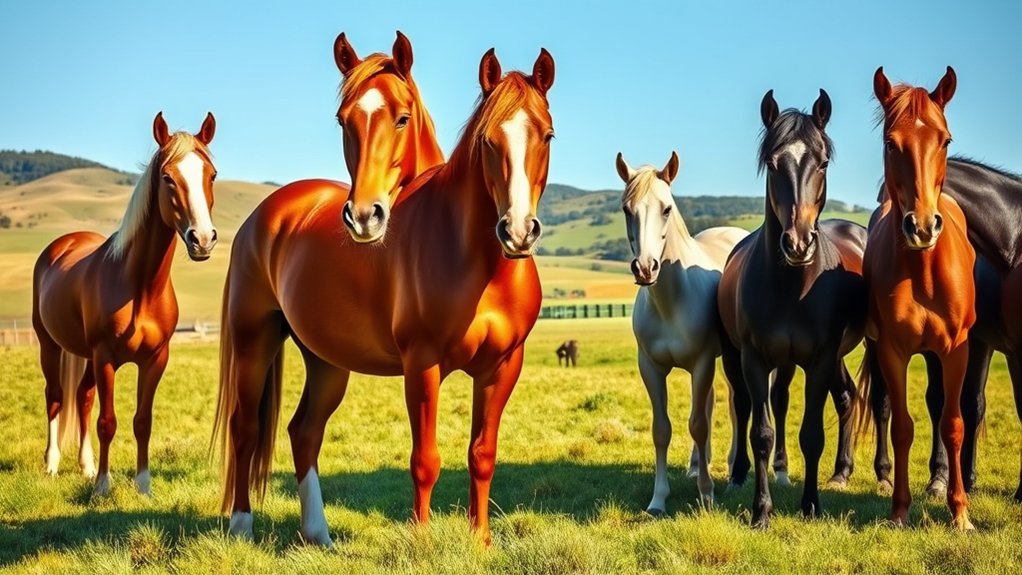
Although Morgan horses typically live between 25 to 30 years, their lifespan aligns closely with many medium-sized breeds.
Morgan horses generally live 25 to 30 years, similar to many medium-sized horse breeds.
When you compare Morgans to the American Quarter Horse, which averages around 25 years, you’ll find Morgans generally live slightly longer.
However, compared to taller breeds like Warmbloods, Morgans tend to have similar or marginally shorter lifespans.
This means you can expect a Morgan’s longevity to fall within the typical range for medium-sized horses.
With proper care and health management, you can extend a Morgan horse’s lifespan, just as you’d with other breeds.
Overall, Morgan horses are considered relatively long-lived, often outliving breeds known for shorter lifespans.
That makes them a sturdy and enduring choice in equine breeds.
Diet and Nutrition’s Impact on Morgan Horse Lifespan
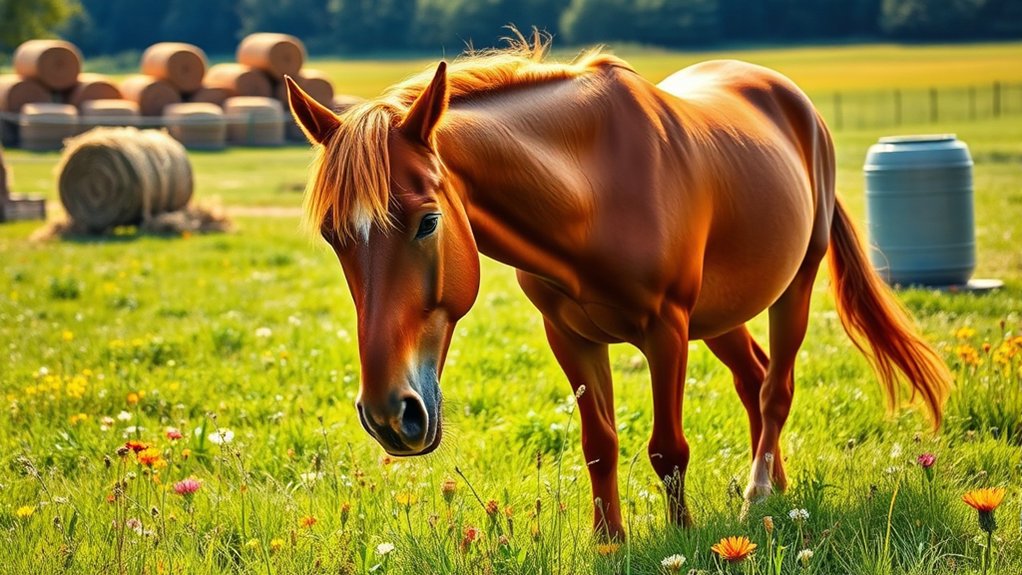
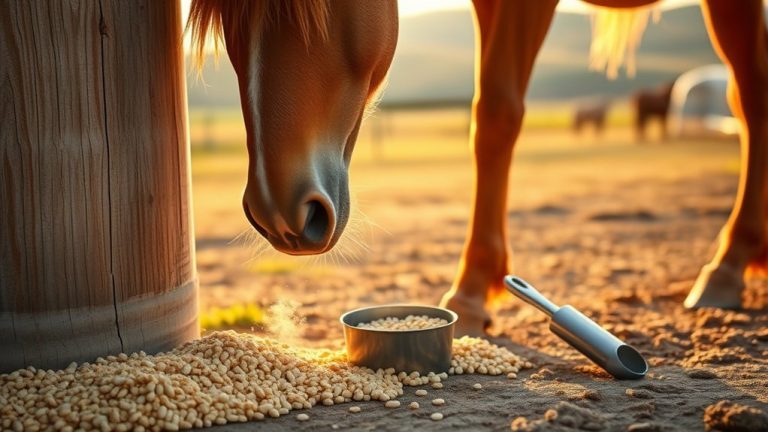
When you provide Morgan horses with a balanced diet rich in high-quality forage and carefully measured grains, you directly support their overall health and longevity. Adequate vitamins and minerals strengthen bones and immunity, reducing age-related diseases. Avoid overfeeding to prevent obesity and metabolic disorders that shorten lifespan.
It’s important to tailor diets to age, activity, and health. And don’t forget to consult equine nutritionists regularly to optimize feeding strategies. This way, you can make sure your horse gets exactly what it needs.
| Nutrient | Role in Longevity | Sources |
|---|---|---|
| Forage | Gut health, fiber digestion | Grass, hay |
| Grains | Energy supply | Oats, barley |
| Vitamins/Minerals | Bone density, immunity | Supplements, fortified feeds |
| Protein | Muscle maintenance | Alfalfa, soybean meal |
| Fats | Energy, coat condition | Vegetable oils, flaxseed |
Exercise and Lifestyle Effects on Morgan Horse Health
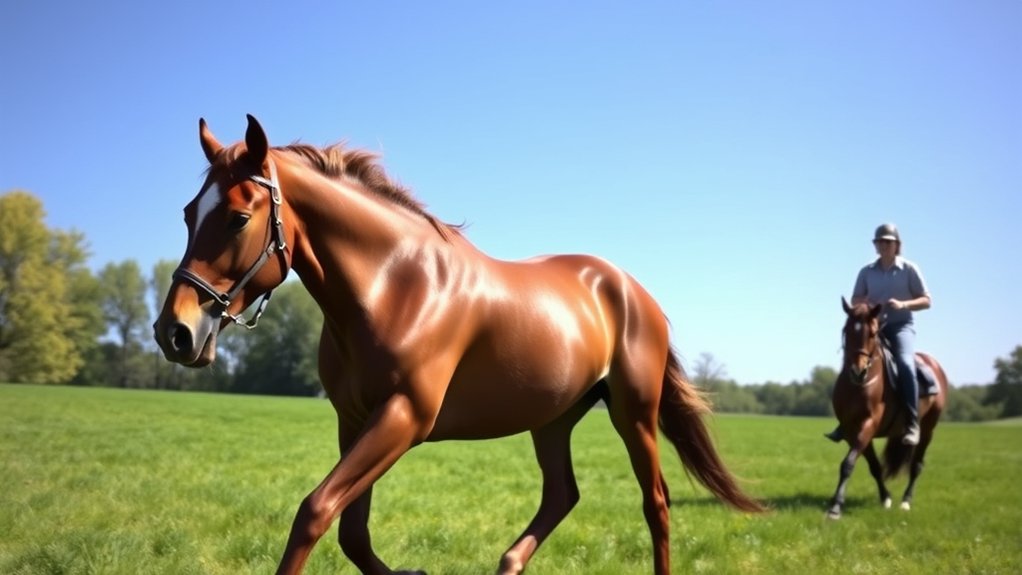
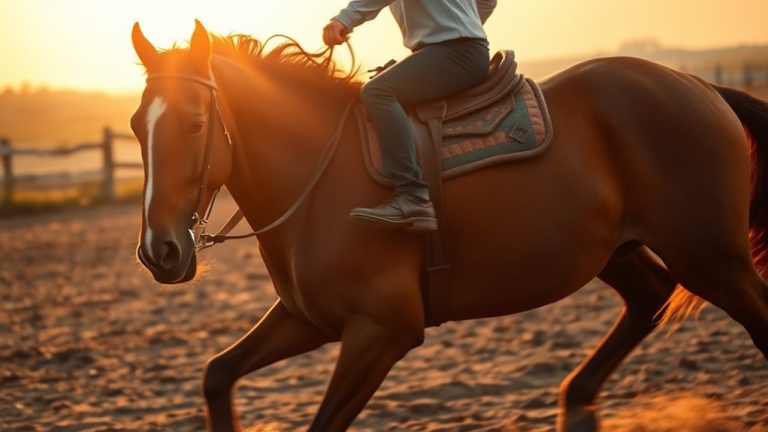
Balancing diet with appropriate exercise is key to maintaining your Morgan horse’s health and longevity. Regular physical activity preserves muscle tone and joint function, which are critical for sustained mobility and quality of life.
An active lifestyle also helps reduce the risk of obesity, preventing metabolic disorders that could shorten lifespan.
Try to incorporate varied, consistent work routines that enhance cardiovascular performance and help counteract age-related decline. Make sure your horse gets proper rest to complement exercise, which supports recovery and healthy aging.
Avoid extremes. Overworking can cause fatigue and injury, while under-exercising leads to muscle atrophy and reduced vitality.
By managing exercise intensity and frequency carefully, you optimize your Morgan’s physical condition, directly influencing its lifespan and well-being.
Thoughtful exercise planning is essential for extending your horse’s years in robust health.
Common Health Problems That Shorten Morgan Horse Lifespan
You’ll want to keep an eye out for common respiratory problems like recurrent airway obstruction. These issues can really take a toll on your Morgan horse’s health as time goes by.
Then there are joint and hoof troubles, such as arthritis and laminitis, which can also be quite serious if they’re not treated properly.
Catching these conditions early and working closely with your vet is key to helping your horse live a longer, healthier life.
Common Respiratory Issues
How do respiratory issues affect the lifespan of Morgan horses? Respiratory problems like heaves, or equine asthma, can considerably reduce lifespan if left unmanaged. These chronic conditions cause persistent coughing, labored breathing, and diminished vitality, which really take a toll on overall health.
Exposure to airborne irritants such as dust, mold, and ammonia in poorly ventilated stables makes things worse and speeds up respiratory decline. So, it’s super important to have proper stable ventilation.
You should also schedule regular veterinary check-ups for early diagnosis. Prompt treatment can improve your horse’s quality of life and even help extend their lifespan.
By controlling environmental factors and keeping a close eye on respiratory health, you’re playing a key role in preventing long-term damage.
This way, you help maintain your Morgan horse’s respiratory function and longevity, keeping them healthier and happier for longer.
Joint and Hoof Disorders
Respiratory health plays a vital role in a Morgan horse’s longevity, but joint and hoof disorders also pose serious threats to their lifespan. Conditions like osteoarthritis cause degenerative joint disease, leading to lameness and chronic pain. If left untreated, these issues can force early retirement or even euthanasia.
Laminitis, a severe hoof disorder, results in structural damage and persistent discomfort. This condition severely compromises mobility and overall health. It’s something every Morgan owner should watch out for.
To protect your Morgan’s lifespan, prioritize regular veterinary check-ups, balanced nutrition, and meticulous hoof care. Early detection and intervention are essential. They not only alleviate pain but also improve your horse’s quality of life and longevity.
Tips for Extending Your Morgan Horse’s Lifespan
Although Morgan horses are known for their longevity, extending their lifespan takes some deliberate care and attention. You should provide a balanced diet that’s rich in quality forage, grains, and any necessary supplements to meet their nutritional needs.
Keeping up with consistent hoof care and dental maintenance is important too. It helps prevent common age-related issues like laminitis and dental decay.
It’s also a good idea to include regular exercise and mental stimulation. This supports their musculoskeletal health and keeps their cognitive function sharp.
Make sure to protect your horse from extreme weather by offering appropriate shelter. And always keep their living environment clean and safe to reduce stress and the risk of disease.
How Regular Veterinary Care Supports Morgan Horse Longevity
When you schedule regular veterinary care for your Morgan horse, you enable early detection and prompt treatment of potential health issues that could otherwise shorten its lifespan. Routine vaccinations and deworming protocols protect against common equine diseases, greatly reducing health risks.
Regular veterinary care ensures early health issue detection and protection against common equine diseases, extending your Morgan horse’s lifespan.
Annual dental exams prevent malocclusions and dental decay, ensuring your horse maintains proper nutrition and systemic health. Consistent health check-ups allow you to manage age-related conditions proactively, enhancing your horse’s longevity.
Additionally, regular veterinary oversight maintains ideal hoof health, preventing lameness and mobility complications.
By adhering to these veterinary care practices, you support your Morgan horse’s overall well-being and functional capacity, directly contributing to an extended, healthier life.
Frequently Asked Questions
What Is the History of the Morgan Horse Breed?
You’ll find the Morgan horse breed originated in late 18th-century Vermont, developed by Captain William Mason. You’ll appreciate its versatility, strength, and influence on other American breeds. It was officially recognized in 1909 with its dedicated association.
This breed really stands out for its adaptability and charm. People have loved Morgans for all sorts of work and riding styles over the years. It’s pretty cool how one breed could shape so much of American horse history.
How Do Morgan Horses Behave Compared to Other Breeds?
You’ll find Morgan horses more sociable, obedient, and calm compared to many breeds. They’re intelligent, curious, and cooperative, making them easier to train and handle.
They also show versatility across various disciplines with a steady, gentle demeanor. This makes them great for riders of all levels who want a reliable and friendly horse. Overall, Morgans are just plain easy to get along with.
What Are Common Morgan Horse Colors and Markings?
You’ll find Morgan horses commonly in bay, black, chestnut, and palomino. They often display markings like stars, stripes, snips, socks, and stockings.
Sometimes, you might even see tobiano or overo pinto patterns. These add distinctive coat variations that make each Morgan unique. It’s pretty cool how varied their looks can be!
How Do Morgan Horses Perform in Different Equestrian Disciplines?
You’ll find Morgan horses excel in dressage, show jumping, reining, and barrel racing thanks to their agility, stamina, and responsiveness. Their smooth gaits also make them ideal for therapeutic and endurance riding, showcasing versatility across disciplines.
They’re pretty adaptable, really. Whether you’re into fast-paced events or more controlled performances, Morgans tend to rise to the occasion. It’s no wonder they’re favorites in so many different equestrian circles.
Are Morgan Horses Good for Beginner Riders?
Yes, Morgan horses are excellent for beginners due to their calm temperament, adaptability to various riding styles, and steady gait. Their manageable size reduces intimidation, helping you build confidence while learning essential riding skills effectively.
They’re friendly and patient, which makes them great partners when you’re just starting out. Plus, their versatility means you can try different riding disciplines as you improve. Overall, they make the learning process smooth and enjoyable.
Conclusion
You can envision your Morgan horse standing tall and vibrant, its sleek coat shining under the sun as it trots gracefully across the pasture. By maintaining a balanced diet, consistent exercise, and vigilant veterinary care, you’re actively extending its lifespan.
Addressing common health issues early guarantees your horse remains strong and agile for years. With your dedicated attention, you’re not just preserving life, you’re enhancing every moment of your Morgan’s journey.