What Do Tennessee Walking Horses Eat – Expert Tips
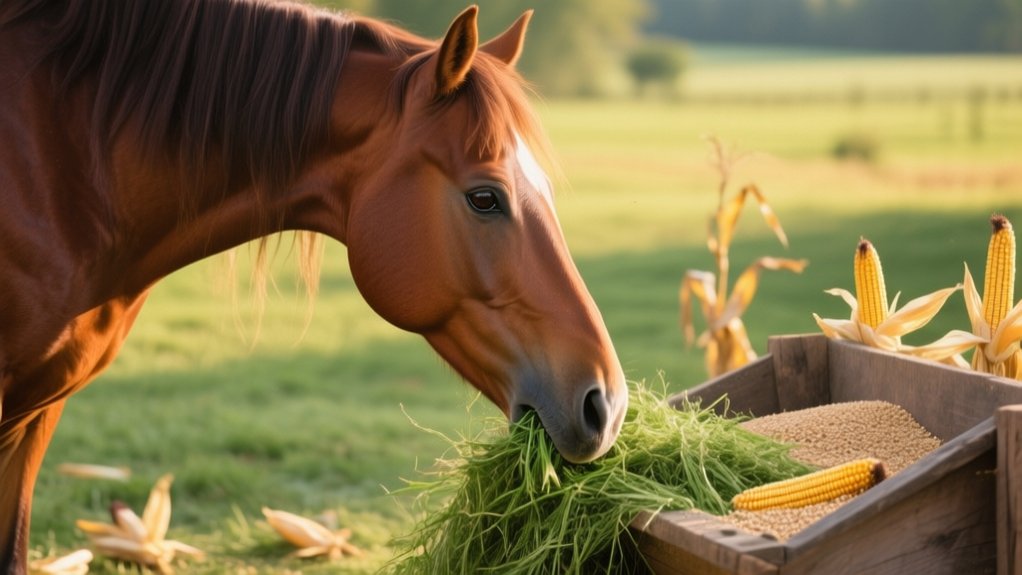
You should feed your Tennessee Walking Horse primarily high-quality forage like mature grass hay or pasture, offering about 1.5% to 2% of their body weight daily in small, frequent meals. Balance this with measured grains or concentrates tailored to their age, workload, and metabolic needs. Focus on low-starch, high-fiber options for weight control.
Don’t forget consistent hydration and essential supplements for joint and overall health. Keep these basics in mind to support your horse’s well-being and performance. There are more insights available if you want to fine-tune their diet.
Overview of the Ideal Daily Diet for Tennessee Walking Horses
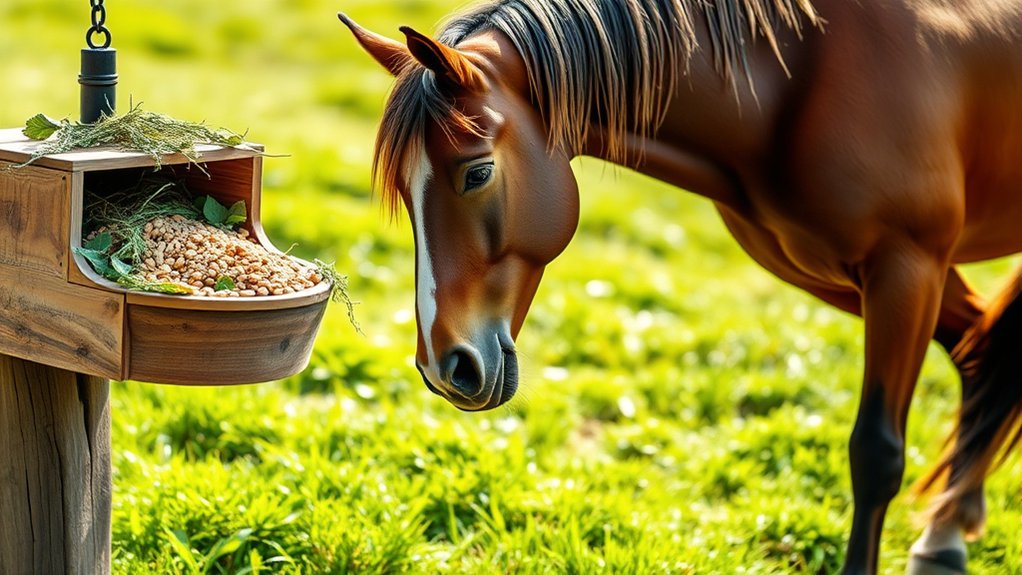
When caring for a Tennessee Walking Horse, providing a balanced daily diet is essential to keep them healthy and energetic. You’ll want to focus on high-quality forage like hay or pasture to supply the fiber necessary for proper digestion.
Alongside forage, include a concentrate or grain supplement that suits your horse’s age, activity, and health, typically between 0.5% and 1% of their body weight.
Include grain supplements tailored to your horse’s needs, usually 0.5% to 1% of their body weight.
If your horse has PSSM or metabolic syndrome, choose a low-starch, low-sugar diet rich in soluble fibers, such as beet pulp, to avoid muscle and metabolic problems.
Always guarantee fresh, clean water is available to maintain hydration, especially after exercise or in hot weather.
Adding supplements like omega-3 fatty acids, MSM, and vitamins E and Se can support their coat, joints, and immune system.
It really helps keep your Tennessee Walking Horse feeling their best every day.
Daily Forage Requirements for Tennessee Walking Horses
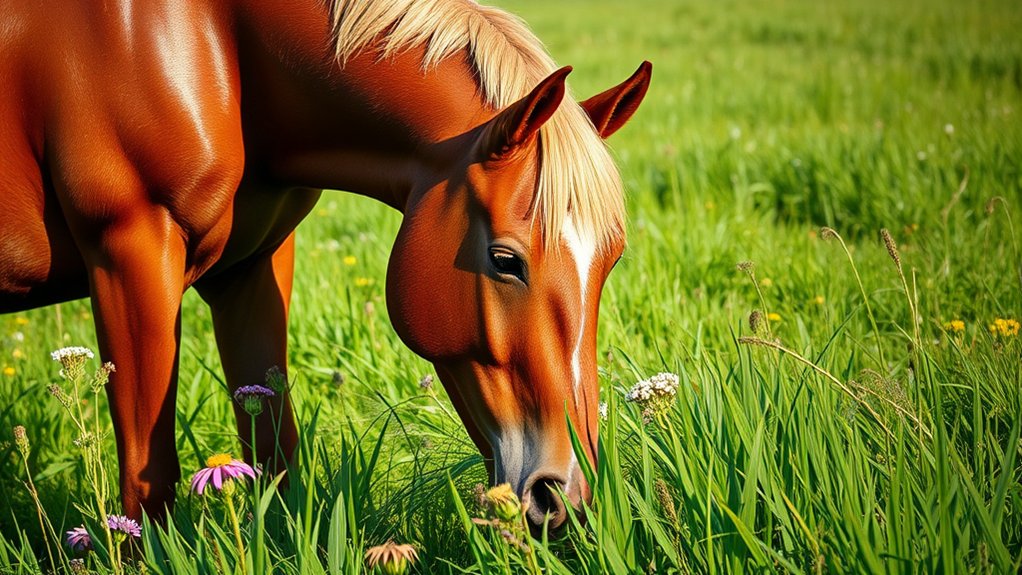
Although the exact amount can vary, your Tennessee Walking Horse typically needs forage equal to 1.5% to 2% of its body weight each day. That’s about 15 to 20 pounds for a 1,000-pound horse.
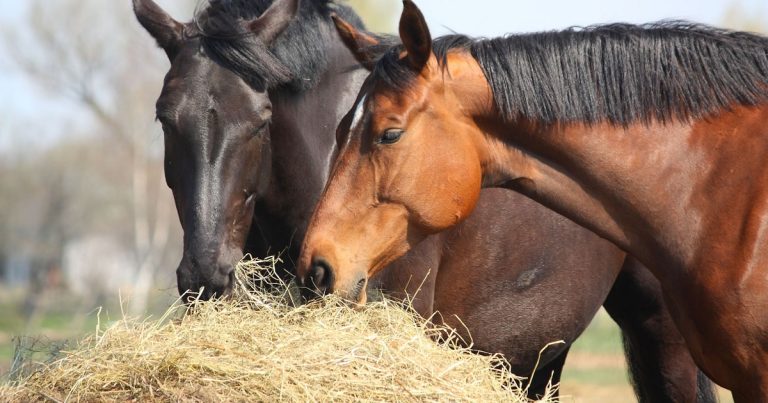
Providing high-quality, mature grass hay like Timothy, Orchard Grass, or Bermuda makes sure they get the fiber necessary to support their smooth, natural gait.
You should offer forage in multiple small meals throughout the day to encourage healthy digestion and reduce the risk of colic.
If your horse has metabolic or PSSM concerns, low-starch, high-fiber options like soaked hay or specially formulated low-ESC hay will be beneficial.
During grazing season, fresh pasture can be the primary forage source. Just be careful to avoid overgrazing to maintain pasture health and nutrient balance.
How to Balance Grain and Concentrates for Your Tennessee Walker
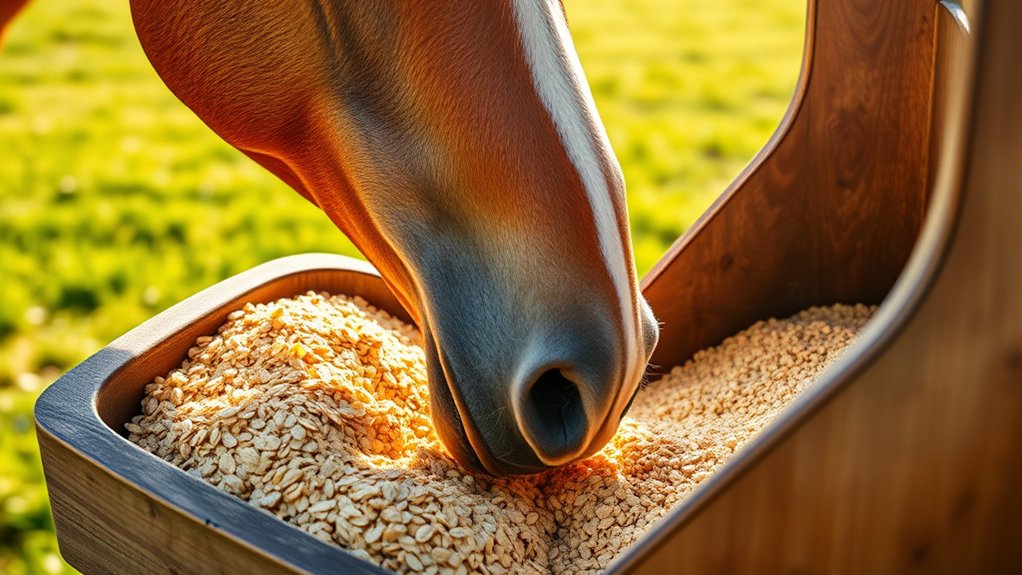
You’ll want to keep an eye on your Tennessee Walker’s grain portions and adjust them based on their age, activity level, and weight. This way, you avoid overfeeding.
Picking concentrates that have the right balance of vitamins and minerals is a smart move because it helps fill in any nutritional gaps that their forage might miss.
Just remember to make these adjustments slowly, bit by bit. That way, you can keep your horse feeling healthy and comfortable without any sudden changes.
Grain Portion Control
Since grain plays a crucial role in your Tennessee Walking Horse’s diet, balancing its portion carefully is essential to maintain ideal health and performance. Adjust grain based on age, workload, and body condition to avoid obesity or deficiencies.
Typically, feed about 0.5% to 1% of their body weight daily, with grain as a small controlled part. Overfeeding grain risks metabolic issues like insulin resistance or PSSM.
Use balanced concentrates made for performance or recreational horses, and split grain into multiple small meals to aid digestion and prevent upset.
| Age Group | Body Weight (lbs) | Daily Grain Portion (lbs) |
|---|---|---|
| Yearling | 700 | 0.5 – 0.7 |
| Adult | 1000 | 0.5 – 1 |
| Senior | 900 | 0.4 – 0.9 |
Concentrate Nutrient Balance
When you balance grain and concentrates for your Tennessee Walking Horse, you provide the right energy for their performance without overloading them with starch that can trigger metabolic problems like PSSM.
Focus on high-quality forage as the diet’s foundation, then carefully add grain based on your horse’s age, weight, workload, and health.
For horses prone to PSSM, choose low-starch, high-fiber concentrates like beet pulp.
Keep daily concentrate intake between 0.5-1.0% of their body weight, adjusting as needed.
To maintain a healthy concentrate nutrient balance, tailor grain types and amounts to activity level and health status.
Limit soluble carbohydrates and starch for PSSM-affected horses.
And it’s always a good idea to consult an equine nutritionist regularly to optimize feeding plans.
This way, your Tennessee Walker stays healthy and energized.
Feeding Schedules and Frequency for Optimal Health
You should feed your Tennessee Walking Horse small, frequent meals two to three times a day. This helps support steady digestion and can prevent colic.
It’s a good idea to stick to consistent feeding times because that helps regulate their metabolism and keeps their energy balanced throughout the day.
Of course, you’ll want to adjust the meal frequency and timing based on your horse’s age, workload, and health needs. Paying attention to these details will give you the best results.
Ideal Feeding Times
Although feeding times may vary slightly based on individual needs, Tennessee Walking Horses thrive on small, frequent meals given consistently throughout the day. Sticking to a regular schedule helps maintain their digestive health and energy levels, preventing issues like colic.
You’ll want to feed primarily high-quality forage in the morning and evening, allowing their metabolism to work efficiently.
For horses with special health concerns, dividing meals into smaller portions throughout the day supports stable blood sugar levels.
To optimize feeding times, keep these tips in mind:
- Feed at consistent times daily, ideally every 6 to 8 hours
- Prioritize forage in the morning and evening meals
- Adjust grain or concentrates based on activity and health needs
This routine keeps your horse healthy and balanced.
Meal Frequency Guidelines
Maintaining a consistent feeding schedule sets the foundation for your Tennessee Walking Horse’s overall health. But understanding how often to feed them is just as important. Typically, feeding 2 to 3 small meals daily helps promote digestion and steady energy.
For adult horses, morning and evening meals usually suffice. However, young, pregnant, or working horses may need extra or smaller feedings throughout the day. Consistent times and portions help prevent digestive upset and metabolic issues like colic or founder.
Here’s a simple guideline:
| Horse Type | Meals Per Day | Notes |
|---|---|---|
| Adult | 2 | Morning and evening meals |
| Young/Pregnant Mares | 3 | Smaller, frequent feedings |
| High Workload | 3 | Adjust portions accordingly |
Stick to this schedule to keep your horse healthy and comfortable. It really makes a difference!
Hydration Needs: How Much Water Does a Tennessee Walking Horse Require?
Since Tennessee Walking Horses rely heavily on proper hydration to stay healthy, providing them with 5 to 10 gallons of clean, fresh water daily is essential. Their exact needs depend on size, activity, and weather.
Hotter days and intense training require more water to avoid dehydration and support muscle and digestive health.
You should always guarantee easy access to water, especially when they’re outdoors or on trail rides.
Keep in mind these key hydration tips:
- Offer unlimited water or multiple buckets to encourage consistent drinking.
- Watch for dehydration signs like dry gums, sunken eyes, or lethargy.
- Increase water availability during heat or heavy exercise.
Meeting their hydration needs helps your Tennessee Walking Horse perform their best and stay comfortable year-round.
Key Nutrients and Vitamins for Tennessee Walking Horse Health
Proper hydration lays the foundation for your Tennessee Walking Horse’s overall well-being, but a balanced diet packed with the right nutrients and vitamins plays an equally important role in keeping them healthy and vibrant.
Hydration is key, but a nutrient-rich diet is equally vital for your Tennessee Walking Horse’s health.
High-quality forage like hay and pasture provides essential fiber and nutrients.
Vitamins A, D, and E support vision, bone health, and immune function, while biotin and selenium promote strong hooves and vigor.
Don’t overlook omega-3 fatty acids, which help maintain a shiny coat and reduce inflammation.
Adequate mineral intake, especially calcium and phosphorus, is critical for bone strength and to prevent metabolic issues like PSSM.
Adjusting Diet for Life Stages and Workloads
You’ll want to tailor your Tennessee Walking Horse’s diet based on its age and workload to keep it healthy and energetic. Growing horses need nutrient-dense feeds to support their development.
On the other hand, working adults benefit from increased calories to meet their energy demands.
As your horse’s activity level or life stage changes, adjusting protein, carbohydrate, and supplement levels will help maintain its best health.
Nutritional Needs By Age
Although Tennessee Walking Horses share many dietary basics, their nutritional needs change quite a bit as they grow and take on different workloads. You’ll need to tailor their diet to support each life stage effectively. This helps ensure they stay in peak health and perform their best.
For young horses, focus on high-quality forage supplemented with balanced grain to promote growth.
Adults need enough calories from forage and concentrated feeds to sustain their energy levels.
Senior horses do better with easily digestible feeds that have added fiber and joint-support supplements. These help maintain comfort and mobility.
Here’s what to keep in mind:
Foals and yearlings need nutrient-rich diets for development.
Adult horses require calorie adjustments to match their activity levels.
Senior horses thrive on fiber-rich, gentle feeds that support digestion and joints.
Adjusting diets by age helps you meet your horse’s evolving nutritional demands with care. It’s all about giving them what they need when they need it.
Workload Impact On Feeding
When your Tennessee Walking Horse takes on a heavier workload, you need to increase their caloric intake. Focus on quality forage and supplemental grains to meet energy demands. Active horses benefit from higher protein levels and energy-dense feeds that support muscle recovery and maintain stamina.
If your horse is in lighter work or retired, reduce starch and sugar to prevent metabolic issues. Instead, emphasize high-fiber, low-ESC feeds. Regularly assess your horse’s body condition and workload to tailor their diet effectively.
Adjusting nutrient proportions, especially vitamins and minerals, ensures peak health and performance throughout various life stages. By fine-tuning their feeding plan based on activity, you help your Tennessee Walking Horse stay healthy, energetic, and ready for whatever work lies ahead.
Adjusting For Growth Phases
As your Tennessee Walking Horse grows and moves through different life stages, their nutritional needs change quite a bit. Young horses need high-quality forage along with balanced concentrates to support healthy growth.
Once they mature, it’s best to focus on fiber-rich feeds with moderate energy to keep them in ideal body condition.
When their workload increases, you’ll want to provide extra calories and electrolytes to meet those energy demands and help prevent imbalances.
Keep these key points in mind: provide nutrient-dense feeds for growing horses to support development. Adjust fiber and energy intake in adults so they don’t gain too much weight or miss out on important nutrients.
Also, increase calories and electrolytes during heavy training.
Use low-starch, high-fiber options to avoid digestive upset.
Make any diet changes gradually to prevent metabolic issues. That way, your horse stays healthy at every stage.
Diet Strategies to Manage Weight and Metabolic Health
Because Tennessee Walking Horses are prone to metabolic issues like Equine Metabolic Syndrome (EMS), you’ll need to focus on a low-starch, high-fiber diet to keep their weight and insulin levels in check.
Limit pasture access or use grazing muzzles to prevent overconsumption of high-sugar grasses that can trigger laminitis.
Incorporate soaked beet pulp or low-ESC feeds to provide necessary calories without causing blood sugar spikes.
Adding fats like W-3 Oil or OmegaPrime+ supports energy needs while avoiding excess carbohydrates, which helps with weight management.
Regularly consulting with an equine nutritionist helps you tailor feeding plans specific to your horse’s metabolic health and weight goals.
This proactive approach guarantees your Tennessee Walking Horse stays healthy and avoids complications linked to obesity and insulin resistance.
Recommended Supplements to Support Tennessee Walking Horse Well-Being
Although a well-balanced diet forms the foundation of your Tennessee Walking Horse’s health, adding targeted supplements can markedly enhance their well-being. These supplements address specific needs like coat condition, joint health, and immune support, especially for active or traveling horses.
Consider these key supplements:
- Omega-3 fatty acids (e.g., W-3 Oil, OmegaPrime+) to promote a shiny coat, healthy skin, and strong immunity.
- MSM (methylsulfonylmethane) to reduce inflammation and support joints and muscles, essential for performance horses.
- Visceral+ to maintain gut health and bolster immunity during stress or travel.
Tailoring supplements to your horse’s unique requirements helps improve their comfort, longevity, and overall performance.
Always consult your vet before introducing new supplements.
Common Feeding Mistakes and How to Avoid Them
When managing your Tennessee Walking Horse’s diet, common feeding mistakes can easily compromise their health and performance if you don’t stay vigilant. Overfeeding grains or concentrates often leads to metabolic issues like Equine Metabolic Syndrome (EMS) and PSSM1.
Too much lush pasture or high-sugar forage in spring and early summer raises laminitis and insulin resistance risks. Avoid relying solely on commercial feeds without tailoring to your horse’s specific activity and needs to prevent nutritional imbalances.
Also, don’t overlook forage quality and quantity. Both underfeeding and overfeeding can hurt overall health and gait. For horses with EMS or PSSM1, make sure their diet includes enough fiber and low-starch, low-ESC feeds to avoid worsening muscle and metabolic problems.
Monitoring these factors keeps your horse healthy and performing well. It’s all about paying attention to what your horse really needs and adjusting accordingly.
Frequently Asked Questions
Can Tennessee Walking Horses Eat Alfalfa Hay Safely?
Yes, you can safely feed Tennessee Walking Horses alfalfa hay. Just be sure to introduce it gradually, so their digestive system can adjust without any trouble.
Make certain the hay is clean and feed it in moderation. That way, you can avoid any health issues down the line.
Keep an eye out for any digestive problems. If you notice anything off, adjust their diet accordingly to keep your horse happy and healthy.
Are Treats Like Sugar Cubes Harmful to Tennessee Walkers?
Think of sugar cubes as tempting shortcuts that lead your Tennessee Walker into a tricky maze of health issues. You shouldn’t feed them often, as they risk metabolic problems, dental decay, and digestive upset.
It’s better to choose healthier treats instead. Your horse will thank you for it!
How Does Diet Affect a Tennessee Walker’s Unique Gait?
Your Tennessee Walker’s diet directly impacts its gait. Feeding low-starch, high-fiber, and balanced fats helps prevent muscle stiffness and metabolic issues. This means your horse can move more smoothly and comfortably.
When you get the diet right, it ensures that signature four-beat running walk you really value. So, keeping their nutrition balanced isn’t just about health—it’s about preserving that unique, fluid movement they’re known for.
Can Tennessee Walking Horses Eat Fruits Besides Apples and Carrots?
You might think apples and carrots are the only safe fruits, but you can also offer berries, melons, and bananas.
Just introduce them slowly and watch for any digestive issues to keep your horse healthy and happy.
What Are Signs of Food Allergies in Tennessee Walking Horses?
You’ll notice itching, hives, or swelling, especially around the face and neck. Watch for diarrhea, coughing, or respiratory issues. Behavioral changes like irritability or excessive scratching also signal food allergies in Tennessee Walking Horses.
These signs can be subtle at first, so keep a close eye on your horse. If you spot any of these symptoms, it might be time to check their diet or consult a vet. It’s all about catching the problem early to keep your horse comfortable and healthy.
Conclusion
Feeding your Tennessee Walking Horse right is key to their health and performance. Did you know they can consume up to 2% of their body weight in forage daily? Balancing this with grains, proper hydration, and supplements tailored to their age and workload keeps them thriving.
Avoid common feeding mistakes by staying consistent and attentive. With the right diet, you’ll support your horse’s well-being and enjoy many happy rides together.