How Many Bones Does a Horse Have: Complete Skeletal Breakdown
The skeletal structure of a horse is a remarkable framework that provides support, flexibility, and strength, enabling these animals to perform a wide range of movements with grace and power. Horses rely on their bones not only for mobility but also for protection of vital organs, posture, and weight-bearing during activities such as running, jumping, and carrying riders.
Understanding the number and arrangement of bones in a horse is fundamental for riders, veterinarians, and equine enthusiasts who want to maintain optimal health and performance. Exploring how many bones does a horse have sheds light on the complexity of their anatomy, revealing how each bone contributes to movement, balance, and overall function. Knowledge of the horse’s skeletal system is essential for proper care, injury prevention, and training, helping you appreciate the intricate design that allows horses to be such agile and powerful animals.
Horse Total Bone Count
The total number of bones in a horse’s body forms the foundation of its skeletal system, providing structure, support, and flexibility for movement. Knowing the horse total bone count is essential for understanding how the skeleton functions and how it impacts mobility, strength, and overall health. Each bone plays a role in supporting weight, protecting organs, and facilitating movement. Exploring the total number of bones helps riders, trainers, and equine enthusiasts appreciate the complexity of equine anatomy and maintain proper care for their horses.
Total Number of Bones in an Adult Horse
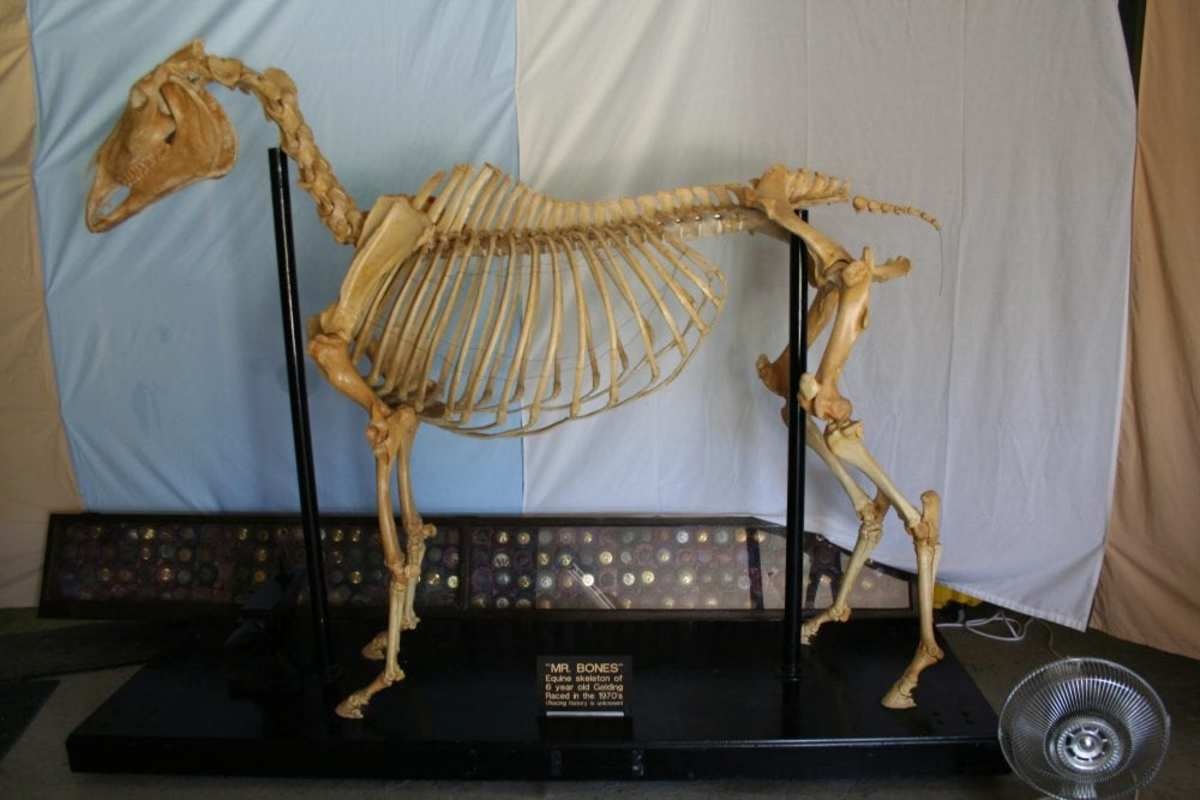
An adult horse typically has between 205 and 210 bones, though the exact number can vary slightly depending on the breed, tail length, and anatomical variations. The skeleton is divided into several key sections, including the skull, spine, ribs, limbs, and pelvis, each contributing to specific functions. The skull protects the brain, supports the jaw and teeth, and provides attachment points for muscles and ligaments. The spine, composed of vertebrae, supports the horse’s body, allows flexibility, and protects the spinal cord.
The ribcage consists of 18 pairs of ribs that protect vital organs such as the heart and lungs while providing structural support. Limb bones enable movement, bearing the horse’s weight, and absorbing impact during running, jumping, or carrying a rider. Variations in bone number, such as extra or fused vertebrae in the tail, may slightly alter the total count. Understanding the total bone count helps equine professionals assess health, identify abnormalities, and develop appropriate training and care routines, ensuring the horse maintains optimal skeletal function throughout its life.
Bone Count in Foals and Young Horses
Foals are born with a slightly higher number of bones, often around 230, because certain bones have not yet fused. For example, the skull, vertebrae, and limb bones contain cartilage that gradually ossifies and fuses as the horse matures, reducing the total bone count to the adult range of 205 to 210. This natural fusion process contributes to the development of strength and stability, allowing the horse to support its growing body and handle physical activity.
The higher bone count in foals also plays a role in flexibility, making it easier for young horses to adapt to movement and grow without injury. Monitoring bone development during early stages is crucial for ensuring proper growth and preventing skeletal deformities. Nutrition, exercise, and veterinary care directly influence the ossification process, helping the horse develop a strong, functional skeleton. Understanding the changes in bone count from birth to adulthood gives insight into equine anatomy and emphasizes the importance of careful management during the formative years.
Major Skeletal Regions
A horse’s skeleton is divided into several major regions, each performing specific functions that contribute to mobility, strength, and overall health. Understanding these skeletal regions helps riders, trainers, and veterinarians assess movement, detect potential issues, and provide proper care. Each region, from the skull to the limbs, plays a unique role in supporting the horse’s body, protecting vital organs, and facilitating motion. Exploring the major skeletal regions provides insight into the complexity and functionality of equine anatomy.
Skull and Spine
The skull and spine are central to a horse’s skeletal structure, providing protection and support. The skull houses and safeguards the brain, eyes, and sensory organs while supporting the jaw and teeth, which are essential for feeding and communication. Its structure also serves as an anchor for various muscles and ligaments involved in head and neck movement.
The spine is composed of vertebrae, extending from the neck through the back and into the tail. These vertebrae support the horse’s body weight, provide flexibility, and protect the spinal cord. Different sections of the spine, including cervical, thoracic, lumbar, sacral, and caudal vertebrae, each have specialized functions. The cervical vertebrae allow head and neck movement, thoracic vertebrae support the ribcage, and lumbar vertebrae provide stability for the back. Understanding the structure of the skull and spine is essential for assessing posture, identifying potential skeletal problems, and supporting healthy movement and performance.
Ribs, Pelvis, and Limbs
The ribcage, pelvis, and limbs form other major skeletal regions that are critical for strength, mobility, and balance. The ribcage, consisting of 18 pairs of ribs in most horses, protects vital organs such as the heart and lungs while providing a stable framework for respiratory function. The pelvis connects the spine to the hind limbs and supports the horse’s weight during standing, running, and jumping.
The limbs are composed of long bones, joints, and smaller bones that allow efficient movement and weight distribution. The forelimbs absorb shock and contribute to forward motion, while the hind limbs provide propulsion and power. Proper limb structure is crucial for balance, agility, and overall performance. Understanding these skeletal regions helps riders, trainers, and veterinarians monitor movement, prevent injuries, and maintain long-term skeletal health, ensuring the horse can perform at its best.
Limbs and Hooves
The limbs and hooves are vital components of a horse’s skeletal system, providing support, balance, and mobility. These structures allow horses to run, jump, and perform various activities while bearing significant weight. Understanding the anatomy and function of the limbs and hooves is essential for proper care, training, and injury prevention. Exploring their structure, from bones and joints to the hoof itself, highlights the complexity and importance of these features in maintaining a horse’s overall health and performance.
Forelimbs and Hind Limbs
The forelimbs and hind limbs serve distinct yet complementary functions. Forelimbs primarily bear weight and absorb impact, providing stability during movement. They consist of bones such as the scapula, humerus, radius, and ulna, along with smaller bones in the lower leg and knee. These bones, combined with strong muscles and tendons, allow flexibility, shock absorption, and precise movements. The forelimbs play a crucial role in maintaining balance, especially during sudden stops or changes in direction.
Hind limbs are responsible for propulsion, generating the power needed for running, jumping, and kicking. Key bones in the hind limb include the femur, tibia, fibula, and tarsal bones, supported by powerful muscles and ligaments. The coordinated function of the forelimbs and hind limbs enables fluid motion, efficient weight distribution, and endurance during various activities. Understanding limb anatomy helps riders and veterinarians identify potential issues, such as joint stress or tendon injuries, and supports targeted care to maintain strength and mobility.
Hooves and Their Importance
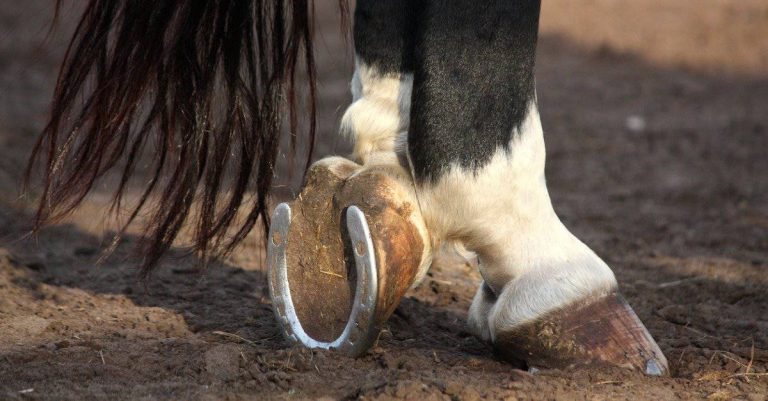
The hooves are critical to a horse’s overall health and performance, acting as shock absorbers and providing traction on various surfaces. Each hoof consists of a hard outer wall, sole, frog, and internal structures that support weight and facilitate movement. Proper hoof care, including regular trimming, cleaning, and shoeing when necessary, prevents lameness and other complications.
Healthy hooves protect the internal structures, including bones, joints, and tendons, from stress and injury. Environmental factors, diet, and genetics all influence hoof quality, making consistent monitoring essential. Understanding hoof anatomy and maintenance ensures optimal performance, reduces the risk of injury, and enhances the horse’s comfort and longevity. Proper care of limbs and hooves is fundamental to supporting overall skeletal health and maintaining the horse’s ability to perform at its best.
Joints and Connective Structures
Joints and connective structures are essential components of a horse’s skeletal system, providing flexibility, stability, and shock absorption. These elements allow horses to move efficiently while protecting bones from excessive stress and injury. Understanding the anatomy and function of joints, ligaments, tendons, and cartilage is crucial for maintaining a horse’s health, optimizing performance, and preventing injuries. Exploring these structures offers insight into how movement is facilitated and controlled throughout the horse’s body.
Types of Joints in Horses
Horses have several types of joints that support different kinds of movement. Synovial joints, the most common, allow a wide range of motion and are found in areas such as the knees, hocks, and fetlocks. These joints contain synovial fluid that lubricates the surfaces, reducing friction and wear. Hinge joints, a subtype of synovial joints, permit movement primarily in one direction, such as the flexion and extension of the limbs. Ball-and-socket joints, though less common, allow rotational movement and are crucial in the shoulder and hip areas.
The structure of each joint is reinforced by cartilage, ligaments, and tendons, which stabilize and support movement. Cartilage provides a smooth surface for bones to glide over, while ligaments connect bones and maintain proper alignment. Tendons attach muscles to bones, enabling force transfer for motion. Understanding the types of joints and their functions helps riders and veterinarians identify potential issues like arthritis, joint inflammation, or injury, and informs preventative care and treatment strategies to maintain mobility and performance.
Role of Ligaments, Tendons, and Cartilage
Connective structures such as ligaments, tendons, and cartilage play a critical role in the horse’s skeletal health. Ligaments connect bones at joints, preventing excessive movement and providing stability during high-impact activities like running, jumping, or turning. Tendons connect muscles to bones, transmitting the force generated by muscles to create movement while absorbing shock. Cartilage, found in joints, provides cushioning, reduces friction, and distributes weight evenly across the bones.
Maintaining the integrity of these connective structures is essential to prevent injuries such as tendon strains, ligament sprains, or cartilage deterioration. Regular exercise, proper conditioning, and targeted therapies, including massage or controlled stretching, help strengthen connective tissues. Additionally, nutrition, including supplements for joint health, supports the resilience of ligaments and tendons. Understanding how these structures work together allows you to monitor performance, detect early signs of strain or discomfort, and implement preventive measures that enhance the horse’s mobility, longevity, and overall skeletal function.
How Bone Count Relates to Horse Health and Performance
The number and structure of bones in a horse’s body play a crucial role in its overall health, movement, and athletic performance. A balanced skeletal system ensures proper weight distribution, flexibility, and strength, enabling the horse to run, jump, and carry loads efficiently. Understanding how bone count relates to horse health and performance helps riders, trainers, and veterinarians assess potential risks, optimize training routines, and maintain long-term skeletal integrity, ultimately supporting a horse’s physical capabilities and well-being.
Impact on Movement and Flexibility
The total bone count in a horse, which typically ranges between 205 and 210 in adults, directly affects its range of motion and flexibility. Each bone contributes to the structure of joints, limbs, and the spine, facilitating smooth, coordinated movement. Proper alignment and healthy bones allow for efficient locomotion, which is essential in activities such as galloping, jumping, and dressage.
Variations or abnormalities in bone count, such as extra vertebrae or fused bones, can influence the horse’s gait and flexibility. Horses with structural irregularities may experience strain on muscles and joints, potentially leading to discomfort, decreased performance, or injury.
Understanding bone count allows trainers and veterinarians to identify potential limitations or predispositions to specific musculoskeletal issues. Maintaining bone health through nutrition, exercise, and regular veterinary check-ups ensures that the horse can perform at its best while minimizing the risk of long-term skeletal problems.
Role in Weight-Bearing and Athletic Performance
Bones are critical for supporting a horse’s body weight and absorbing impact during physical activity. Strong, well-aligned bones in the legs, pelvis, and spine allow the horse to carry riders, pull loads, and perform athletic maneuvers without compromising joint or ligament integrity. The distribution and health of these bones are key factors in endurance, speed, and overall agility.
Bone density, structure, and count affect how the horse responds to training and strain. Horses with weaker bones or skeletal imbalances may tire more quickly or be prone to stress fractures, lameness, and other injuries. Regular conditioning, proper nutrition, and monitoring of skeletal development in young horses help optimize bone strength.
Understanding the relationship between bone count and performance enables riders and trainers to design appropriate exercise programs, prevent overloading, and ensure long-term athletic ability, contributing to the horse’s overall health, safety, and success in competitive or recreational activities.
FAQs
How Many Bones Does an Adult Horse Have?
An adult horse typically has between 205 and 210 bones. The exact number can vary slightly depending on factors such as tail length and minor anatomical differences. These bones are distributed throughout the skull, spine, ribs, limbs, and pelvis, providing support, protection, and mobility. Knowing how many bones an adult horse has helps you understand its skeletal structure and function. This knowledge is useful for riders, trainers, and veterinarians to assess movement, detect potential health issues, and ensure proper care for the horse’s long-term skeletal health.
Do Foals Have the Same Number of Bones as Adult Horses?
Foals are born with approximately 230 bones, which is more than an adult horse. Over time, many of these bones fuse, particularly in the skull, spine, and limbs, reducing the total count to the adult range of 205 to 210. This fusion process strengthens the skeleton, allowing the horse to support its growing body and engage in physical activity. Understanding the difference in bone count between foals and adults helps you monitor growth, ensure proper nutrition, and prevent developmental skeletal issues during early stages of life.
How Does Bone Count Affect a Horse’s Movement?
Bone count directly impacts a horse’s flexibility, balance, and range of motion. Each bone contributes to the structure of joints and limbs, which are essential for efficient movement during running, jumping, or carrying a rider. Variations or abnormalities in bone count can affect gait, posture, and overall performance. Knowing how many bones a horse has allows you to understand its skeletal mechanics, identify potential mobility issues, and develop training and care plans that support healthy movement and reduce the risk of injury.
Are All Horses’ Bones the Same Across Breeds?
While the overall number of bones is generally similar across horse breeds, minor variations can occur due to breed-specific traits, tail length, or skeletal anomalies. Some horses may have extra vertebrae or fused bones that slightly alter the total count. These differences can affect movement, flexibility, and performance. Being aware of typical bone counts and potential variations helps you assess skeletal health, choose appropriate training methods, and understand how breed-specific anatomy might influence a horse’s capabilities and long-term wellbeing.
Which Bones Are Most Important for a Horse’s Performance?
Bones in the limbs, spine, and pelvis are crucial for a horse’s performance. Limb bones support weight, provide propulsion, and absorb shock, while the spine ensures flexibility and balance. The pelvis transfers power from the hind limbs to the body. Proper alignment and healthy bones in these areas allow the horse to move efficiently and perform tasks such as running, jumping, and carrying riders. Understanding the function of these bones helps you monitor skeletal health, prevent injuries, and optimize training for peak athletic performance.
Can Bone Count Change During a Horse’s Life?
Yes, the total number of bones changes from birth to adulthood. Foals are born with more bones, many of which fuse during growth, reducing the total count to the adult range of 205 to 210. Other minor changes can occur due to skeletal injuries, anomalies, or age-related conditions like arthritis. Understanding these changes allows you to monitor bone development, ensure proper care during growth stages, and maintain the horse’s mobility and overall skeletal health throughout its life.
Why Is Knowing a Horse’s Bone Count Important?
Knowing how many bones a horse has helps you understand its anatomy, movement, and potential health risks. It is essential for identifying skeletal abnormalities, planning training routines, and providing proper care. Awareness of bone count also aids in diagnosing injuries, understanding gait issues, and supporting the horse’s long-term performance. For veterinarians, riders, and trainers, this knowledge ensures informed decisions regarding nutrition, exercise, and medical care, allowing the horse to maintain optimal skeletal health and functionality throughout its life.
Conclusion
A horse’s skeletal structure is essential for its movement, balance, and overall health. The number of bones, which varies slightly between breeds and individuals, provides the framework that supports muscles, protects vital organs, and enables agility and strength. Understanding the skeletal layout helps owners, trainers, and veterinarians identify potential health issues, prevent injuries, and optimize performance.
Knowledge of limb and joint structures, along with awareness of possible skeletal variations, can guide proper care, nutrition, and exercise routines to maintain bone strength. By paying attention to these details, handlers can ensure that horses remain healthy, active, and capable of performing their intended tasks. Exploring the question how many bones does a horse have provides valuable insight into the complexity and adaptability of these animals, highlighting the importance of skeletal health in supporting their overall well-being and athletic abilities.