Why Do Horses Stomp Their Feet? Surprising Reasons Behind This Common Behavior
Anyone who spends time around horses notices their body language quickly. A sudden stomp can feel loud, dramatic, and even a little confusing. You might pause and wonder whether the horse feels annoyed, uncomfortable, or simply playful in that moment. These small movements often carry meaning, and learning to read them helps you understand a horse on a deeper level.
Horses communicate constantly through posture, ears, tail movement, and their legs. A firm strike of the hoof against the ground is rarely random. It usually connects to how the horse feels physically or emotionally at that time. Paying attention to the setting, environment, and recent activity gives important clues.
Many owners and riders ask why do horses stomp their feet when standing quietly, being ridden, or waiting in a stall. The answer often links to irritation, alertness, or a response to something bothering them. Each stomp acts like a signal rather than a habit without purpose.
Understanding this behavior builds better trust between you and the horse. When you recognize what the stomp communicates, you respond faster and care more effectively, creating a calmer and safer experience for both of you.
Physical Discomfort And Irritation
Physical discomfort and irritation play a major role in how a horse reacts to its surroundings. When the body feels unsettled, even slightly, a horse looks for quick ways to express it. Stomping becomes a visible response that signals something is wrong. Understanding these physical triggers helps you notice problems early and respond with better care and attention.
Skin Irritation And Biting Insects
Skin irritation is one of the most common physical reasons a horse stomps its feet. Flies, mosquitoes, ticks, and mites constantly bother horses, especially around the legs and belly. When insects crawl or bite sensitive areas, the horse reacts instantly with a sharp stomp to drive them away. This behavior increases in warm weather or damp environments where insects thrive.
You often notice repeated stomping when a horse stands still in a pasture or stall. The movement is not aggressive but defensive. Horses cannot use their mouths to reach their lower legs easily, so their hooves become the main tool for relief. Even a single insect can trigger multiple stomps within seconds.
Skin allergies also add to this discomfort. Reactions to bedding, grooming products, or plants cause itching and inflammation. The horse may stomp more frequently as the irritation builds, especially during rest periods. This reaction is the body’s way of coping with an unpleasant sensation.
Regular grooming helps you detect redness, swelling, or bite marks early. Using fly control measures, clean bedding, and gentle skin care reduces irritation. When you address these small physical annoyances, the stomping behavior often decreases naturally without further intervention.
Hoof Pain And Lower Leg Discomfort
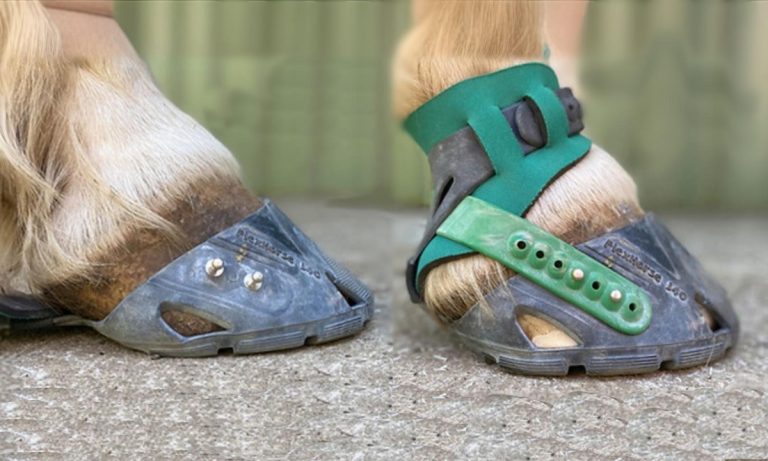
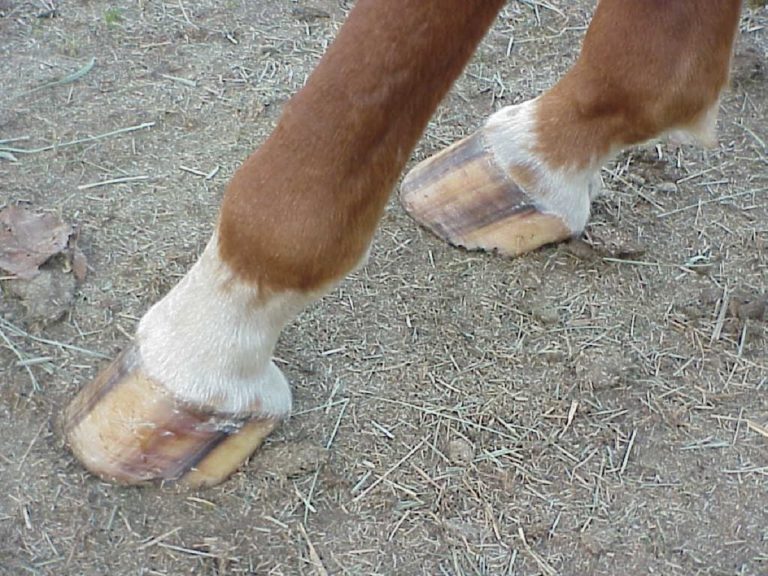
Hoof pain creates another strong reason for foot stomping. Horses rely heavily on their hooves for balance and movement, so even mild soreness feels intense. Issues like bruising, abscesses, cracks, or improper trimming cause discomfort that shows up through repeated stomping. The horse attempts to shift pressure away from the painful area.
You might see this behavior when a horse stands on hard ground or after exercise. The stomp may look deliberate, as the horse tests the surface to relieve pressure. Uneven hooves or long intervals between farrier visits often worsen this reaction. Discomfort builds slowly and expresses itself through movement.
Joint stiffness in the lower legs also contributes. Aging horses or those with early arthritis sometimes stomp to loosen stiff joints. The motion encourages blood flow and creates short-term relief. This response is especially noticeable after long periods of standing still.
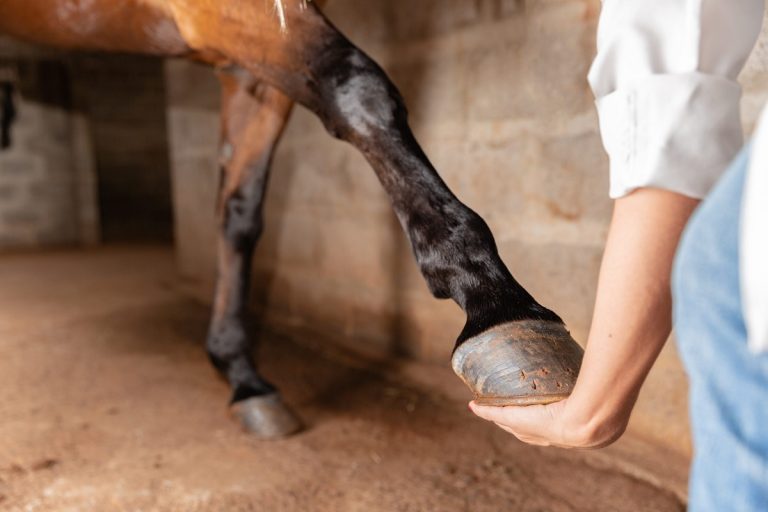
Routine hoof care plays a critical role in preventing this type of irritation. Balanced trimming, clean hooves, and regular inspections help you spot problems early. When hoof comfort improves, the need for stomping usually fades as the horse feels more stable and relaxed.
Muscle Tension And Physical Fatigue
Muscle tension and fatigue often cause subtle but persistent irritation. After training, long rides, or unfamiliar activity, muscles tighten and create discomfort. Horses may stomp as a way to release built-up tension in their legs and shoulders. The movement acts like a stretch without requiring forward motion.
This behavior commonly appears during rest periods after work. The horse may stand quietly, then stomp one foot repeatedly. This does not signal impatience but physical fatigue. Muscles recovering from exertion respond with small movements that help reduce stiffness.
Poor saddle fit or uneven rider balance also leads to muscle strain. When pressure points develop, the horse compensates by shifting weight and stomping. Over time, this creates a pattern where stomping becomes part of how the horse manages discomfort.
Proper warm-up and cool-down routines help prevent this issue. Massage, stretching exercises, and balanced riding techniques support muscle recovery. When muscles feel relaxed and supported, stomping related to tension decreases, and the horse appears calmer and more comfortable.
Digestive And Internal Discomfort
Internal discomfort sometimes shows itself through external behavior. Digestive upset, gas, or mild colic symptoms can make a horse restless. Stomping becomes a way to express internal irritation when the horse cannot pinpoint the discomfort. This behavior often pairs with shifting weight or pawing.
You may notice this response during feeding times or changes in diet. Sudden adjustments in hay, grain, or feeding schedule upset the digestive system. The horse reacts physically before showing more obvious signs of distress. Stomping acts as an early signal that something feels off internally.
Dehydration also contributes to internal discomfort. When water intake drops, digestion slows and creates unease. The horse may stomp intermittently while standing, especially in hot weather or after exercise. These movements reflect discomfort rather than behavioral issues.
Consistent feeding routines, access to clean water, and gradual diet changes reduce digestive irritation. Monitoring these factors helps you recognize when stomping relates to internal discomfort. Addressing the root cause keeps the horse healthier and more at ease throughout daily routines.
Communication And Body Language
Horses rely heavily on body language to express their thoughts and emotions. Every movement carries meaning, from ear position to tail swishing and foot placement. Stomping fits into this silent language as a clear signal rather than a random action. Learning how horses communicate through movement helps you respond more accurately to their needs and intentions.
Expressing Irritation And Mild Warnings
Stomping often serves as a low-level warning in a horse’s communication system. When a horse feels annoyed but not aggressive, a firm stomp sends a clear message. It signals irritation with the environment, handling, or nearby activity. This behavior allows the horse to express discomfort without escalating to more intense actions.
You may notice this when grooming sensitive areas or adjusting tack. The horse stays in place but lifts and strikes a hoof against the ground. This movement communicates unease while maintaining control. It shows the horse prefers a change in what is happening rather than confrontation.
In herd settings, stomping works as a subtle boundary marker. A horse may stomp to ask another horse to step back or respect personal space. The action is brief but meaningful, reinforcing social structure without physical contact.
Understanding this signal helps prevent misunderstandings. When you recognize stomping as communication, you adjust your approach calmly. Responding early keeps interactions safe and builds trust between you and the horse.
Signaling Attention And Alertness
Stomping also reflects heightened awareness. When a horse notices something unusual, a stomp can accompany raised head posture and focused ears. This behavior shows alertness rather than irritation. The horse reacts to new sounds, movements, or changes in the environment.
This response often appears in unfamiliar settings. A horse entering a new arena or pasture may stomp while scanning surroundings. The movement grounds the horse while it gathers information. It works as both a physical and mental adjustment.
In group environments, one horse’s stomp can influence others. The sound alerts nearby horses to potential changes or concerns. This shared awareness strengthens herd communication and safety. The stomp becomes part of a larger system of nonverbal cues.
Recognizing alert stomping helps you read the situation accurately. Instead of correcting the behavior, observing the context allows you to identify what caught the horse’s attention. This awareness improves handling and supports the horse’s natural instincts.
Emotional Expression Through Movement
Horses express emotions physically because they lack verbal language. Stomping becomes a visible outlet for feelings like frustration, impatience, or anticipation. This movement releases emotional tension while communicating the horse’s state of mind.
You may see this behavior during waiting periods. Horses tied before riding or standing during feeding times often stomp lightly. The action reflects emotional buildup rather than disobedience. It shows the horse processes time and expectation through movement.
Changes in routine increase emotional responses. A delayed turnout or altered schedule creates uncertainty. Stomping helps the horse cope with that uncertainty by expressing emotion outwardly. The movement provides relief and clarity.
Understanding emotional stomping helps you respond with patience. Maintaining consistent routines and calm interactions reduces stress. When emotional needs are met, stomping decreases as the horse feels more secure and understood.
Reinforcing Social Structure And Boundaries
Within a herd, stomping reinforces social order. Horses use subtle signals to maintain hierarchy without constant physical contact. A stomp paired with body positioning sends a message about space and rank. This communication keeps interactions orderly and predictable.
You often observe this behavior around shared resources. A horse may stomp near food or water to assert priority. The movement communicates intent without escalating to biting or kicking. It preserves harmony within the group.
Stomping also helps younger horses learn boundaries. Older horses use it as a teaching tool, guiding behavior through nonviolent cues. This process supports herd stability and social learning.
When handling horses, recognizing these signals prevents conflict. Respecting space and observing body language reduces stress. Understanding stomping within social communication helps you interact confidently and safely in all settings.
Pain Or Health-Related Causes
Pain or underlying health issues often trigger changes in a horse’s behavior. When discomfort develops, horses express it through movement rather than sound. Stomping becomes a visible response that signals something deeper than surface irritation. Recognizing pain-related causes helps you detect health concerns early and respond with proper care before conditions worsen.
Joint Inflammation And Arthritis
Joint inflammation and arthritis commonly affect horses as they age or experience repeated physical strain. Swelling and stiffness in the joints create ongoing discomfort, especially in the legs. Stomping helps the horse relieve pressure and encourage movement in stiff areas. The repeated motion increases circulation and provides temporary relief from pain.
You may notice this behavior after long periods of standing. Horses with joint issues often stomp when first moving or while resting in one place. Cold weather also intensifies stiffness, making the behavior more frequent. The stomp becomes part of how the horse manages daily discomfort.
Early signs of joint pain include uneven weight distribution and reluctance to move forward smoothly. Stomping appears before more obvious lameness develops. This makes it an important early indicator.
Consistent exercise, proper footing, and supportive joint care reduce inflammation. Monitoring stomping frequency helps you assess comfort levels. Addressing joint health early supports mobility and improves overall quality of life.
Hoof Abscesses And Infections
Hoof abscesses cause sharp, localized pain that demands attention. When pressure builds inside the hoof, the horse reacts instinctively. Stomping becomes a response to sudden discomfort as the horse tries to relieve internal pressure. This behavior often appears alongside restlessness.
Infections within the hoof develop due to trapped moisture or small injuries. The horse may alternate between standing still and stomping forcefully. This pattern reflects pain rather than irritation. The stomp allows the horse to test the ground and shift weight.
You may also see heat, swelling, or a strong digital pulse in the affected hoof. Stomping increases as pressure rises. The horse communicates distress through repeated movement.
Prompt hoof care prevents complications. Cleaning, proper drainage, and veterinary attention reduce pain quickly. Recognizing stomping as a sign of hoof infection helps you act before the issue escalates into severe lameness.
Neurological And Nerve-Related Discomfort
Nerve-related discomfort affects how a horse perceives sensation in the legs. Tingling, numbness, or shooting pain causes confusion and irritation. Stomping becomes a way to reset sensation and regain control. This behavior may appear sudden and repetitive.
Neurological issues sometimes develop from injury, spinal compression, or inflammation. The horse may stomp without obvious external triggers. This unpredictability separates nerve-related stomping from environmental causes.
You might notice changes in coordination or sensitivity to touch. The stomp reflects discomfort rather than intent. The horse attempts to manage abnormal sensations through movement.
Early evaluation is essential. Identifying neurological causes improves treatment outcomes. Observing behavioral patterns helps guide diagnosis. Addressing nerve-related discomfort reduces stress and supports long-term health stability.
Internal Pain And Systemic Illness
Internal pain creates subtle but meaningful behavioral changes. Digestive upset, muscle inflammation, or systemic illness affects how the horse moves and rests. Stomping becomes part of expressing discomfort when pain cannot be localized.
You may see this behavior paired with reduced appetite or changes in posture. The horse shifts weight and stomps intermittently. These actions reflect internal distress rather than external irritation.
Fever or infection also influences behavior. The body responds to discomfort through restlessness. Stomping helps release tension and signal unease.
Monitoring overall behavior helps you detect health concerns early. When stomping appears alongside other symptoms, it suggests a deeper issue. Prompt care ensures comfort and supports recovery without unnecessary progression of illness.
Stress, Anxiety, And Mental Stimulation
Mental well-being plays a major role in how horses behave. When stress or anxiety builds, it often shows through physical actions rather than vocal sounds. Stomping becomes a visible outlet for mental pressure. Understanding how emotional stress and lack of stimulation affect behavior helps you support a calmer, more balanced horse in daily routines.
Environmental Changes And Routine Disruptions
Horses thrive on consistency and familiar surroundings. Changes in environment or daily routine often trigger stress responses. Moving to a new stable, altered turnout times, or unfamiliar noises increase mental tension. Stomping becomes a way to release nervous energy while the horse adjusts to new conditions.
You may notice increased stomping during transitions. A horse placed in a different stall or pasture stomps while observing unfamiliar sights and smells. This reaction reflects alertness and anxiety rather than defiance. The movement provides grounding as the horse processes change.
Transportation also creates stress. Loading, unloading, and travel introduce uncertainty. Stomping after arrival helps the horse regain a sense of stability. The behavior eases mental overload.
Maintaining consistent routines reduces anxiety. Gradual transitions and familiar objects provide comfort. When environmental stress decreases, stomping related to routine disruption becomes less frequent.
Boredom And Lack Of Mental Engagement
Boredom creates mental frustration that often surfaces physically. Horses kept in stalls for long periods without stimulation develop restless behaviors. Stomping offers movement when the environment feels limiting. This behavior fills mental gaps caused by inactivity.
You often see this in horses with limited turnout or interaction. Repetitive stomping becomes part of daily behavior. It reflects the horse’s need for mental engagement rather than physical discomfort. The movement provides temporary distraction.
Social isolation increases boredom. Horses are herd animals that rely on interaction. Without companionship, mental stress builds. Stomping helps release that tension.
Introducing enrichment improves mental health. Turnout, toys, and varied training stimulate curiosity. Mental engagement reduces boredom-related behaviors. When the mind stays active, stomping decreases naturally.
Separation Anxiety And Social Stress
Separation anxiety strongly influences behavior. Horses form deep social bonds and rely on herd presence for security. When separated, anxiety builds quickly. Stomping becomes a response to emotional distress rather than physical need.
You may notice this behavior when a companion leaves the area. The horse stomps while watching and listening. This action reflects emotional discomfort. The movement helps manage nervous energy.
New herd dynamics also create social stress. Introducing new horses shifts hierarchy. Stomping becomes part of social adjustment. The horse communicates uncertainty and emotional tension.
Gradual introductions and stable social groups reduce anxiety. Familiar companions provide reassurance. When social stress decreases, stomping linked to separation anxiety fades.
Overstimulation And Sensory Overload
Excessive stimulation overwhelms the nervous system. Loud noises, busy environments, or crowded spaces create sensory overload. Horses respond through physical movement. Stomping helps discharge built-up nervous energy.
This behavior appears during events or high-traffic areas. The horse processes multiple stimuli simultaneously. Stomping anchors the body while the mind attempts to regain focus.
Training environments also contribute. Intense sessions without breaks create mental fatigue. Stomping becomes a sign the horse needs a pause.
Providing calm spaces supports mental balance. Structured training with rest periods reduces overstimulation. When sensory input stays manageable, stomping related to overload decreases, allowing the horse to remain relaxed and attentive.
Environmental And Seasonal Factors
Environmental and seasonal conditions strongly influence how horses behave. Changes in weather, footing, and surroundings affect comfort and awareness. When conditions shift, horses respond physically to adapt. Stomping often appears as a reaction to environmental discomfort or seasonal challenges. Recognizing these external factors helps you understand when behavior connects to surroundings rather than training or health issues.
Weather Conditions And Temperature Changes
Weather plays a major role in daily comfort. Sudden temperature changes create physical and mental reactions. Cold weather stiffens muscles and joints, leading to increased stomping as the horse tries to warm up. Hot conditions bring sweating and insect activity, triggering frequent hoof strikes.
You may notice stomping during windy or stormy weather. Strong winds carry unfamiliar sounds and scents. The horse reacts with heightened alertness. Stomping grounds the body while the senses remain active. This behavior reflects adaptation rather than anxiety.
Rain and humidity also affect comfort. Wet skin and damp footing increase irritation. The horse uses stomping to shake off moisture and restore balance. Seasonal transitions often intensify these responses.
Providing appropriate shelter and blankets helps regulate comfort. Monitoring weather-related stomping allows you to adjust care routines. When environmental comfort improves, the behavior naturally decreases.
Ground Surface And Footing Conditions
The surface a horse stands on directly impacts comfort. Hard, uneven, or slippery ground increases physical awareness. Stomping helps test stability and relieve pressure. This behavior appears when footing feels unfamiliar or uncomfortable.
In rocky or frozen terrain, horses stomp to assess safety. The movement allows them to adjust stance and weight distribution. Soft or muddy ground also triggers stomping. The horse seeks secure footing.
Arena surfaces influence behavior during training. Poorly maintained footing creates uneven pressure on hooves and joints. Stomping reflects discomfort and caution rather than resistance.
Regular maintenance of riding areas supports comfort. Clean, level surfaces reduce strain. When footing feels secure, stomping related to ground conditions diminishes.
Seasonal Insect Activity And Allergens
Insect activity increases with seasonal change. Flies, gnats, and mosquitoes peak during warm months. Stomping becomes frequent as the horse defends sensitive areas. This reaction intensifies during dawn and dusk.
Allergens also affect comfort. Pollen, dust, and mold cause skin and respiratory irritation. The horse stomps as irritation builds. Seasonal shedding adds sensitivity.
You may notice patterns tied to specific times of year. Stomping increases during peak insect seasons. This behavior reflects environmental response rather than training issues.
Fly control, clean bedding, and pasture management reduce exposure. Addressing seasonal irritants improves comfort and reduces stomping behavior.
Light Changes And Day Length
Seasonal light changes affect natural rhythms. Shorter days influence energy levels and mood. Horses respond physically to shifts in daylight. Stomping may increase during seasonal transitions as routines adjust.
Artificial lighting alters perception. Sudden changes in brightness startle horses. Stomping follows as a grounding response. This behavior reflects adaptation to sensory change.
Extended daylight encourages activity. Horses adjust movement patterns accordingly. Stomping helps manage energy shifts.
Frequently Asked Questions
Why Do Horses Stomp Their Feet?
Horses stomp their feet for a variety of reasons, often as a form of communication or to express discomfort. You will notice that this behavior signals irritation, alertness, or even playfulness. Stomping allows the horse to release energy, warn others, or respond to environmental factors.
When you observe a horse, the context matters. Whether standing in a stall, pasture, or during grooming, the stomp carries meaning. It can indicate anything from mild frustration to physical discomfort, giving you insight into the horse’s immediate needs.
Can Stomping Indicate Physical Discomfort?
Yes, stomping often signals physical discomfort in a horse. You might notice repeated stomping when the horse experiences itchy skin, hoof pain, or joint stiffness. The movement helps relieve pressure, shake off irritants, or redistribute weight on sore limbs.
Pay attention to accompanying signs like shifting weight, pawing, or tail swishing. These behaviors combined with stomping indicate that the horse is trying to communicate that something hurts or feels uncomfortable, allowing you to address the issue promptly.
Does Stomping Mean The Horse Is Annoyed Or Frustrated?
Stomping frequently reflects irritation or frustration. You may see this when a horse is waiting for feed, restrained in a stall, or handled in a way it dislikes. The stomp is a non-aggressive way to express impatience or displeasure.
Observing body language alongside stomping gives more clues. Flattened ears, tense muscles, or head tossing usually accompany annoyance. Understanding these signals helps you respond calmly and adjust handling to reduce stress and maintain safety.
Can Horses Stomp Due To Anxiety Or Stress?
Yes, stress and anxiety often lead to foot stomping. Horses separated from companions or placed in unfamiliar surroundings may stomp as a way to release nervous energy. This behavior helps manage mental tension and alertness.
You will notice stomping increases during transportation, events, or sudden changes in environment. Recognizing this behavior as stress-related allows you to create a calmer setting, provide reassurance, and reduce anxiety through familiar routines or companionship.
Is Stomping Related To Herd Communication?
Absolutely. Horses use stomping to communicate with other herd members. A stomp may signal alertness, warn of potential danger, or establish boundaries. It functions as a sound-based cue that other horses can perceive even from a distance.
In pastures or group settings, you will see one horse stomp to influence the movement or behavior of others. This natural communication helps maintain social structure and ensures the herd responds to environmental changes safely.
Can Environmental Factors Cause A Horse To Stomp?
Yes, environmental factors like insects, wet or uneven ground, and loud noises can trigger stomping. You may notice your horse repeatedly striking the ground when flies bite or when footing feels unstable.
The behavior acts as a reaction to irritation or discomfort caused by surroundings. Paying attention to environmental triggers allows you to manage the horse’s comfort with fly control, safe footing, and calm handling practices, reducing unnecessary stomping.
Does Stomping Help Horses Express Internal Discomfort?
Stomping can reflect internal discomfort as well, such as digestive upset or mild colic. You might observe a horse shifting weight and stamping when it feels unease in its belly or digestive system.
This behavior signals that something feels off internally, even if external causes are not obvious. Monitoring stomping alongside other symptoms like restlessness, reduced appetite, or pawing can help you identify and address potential health concerns early.
Final Thoughts
Observing a horse’s behavior closely helps you understand what they are trying to communicate. Foot stomping is one of those actions that may seem simple but often carries important meaning. Paying attention to when and how often it happens can reveal whether the horse is reacting to its environment, physical sensations, or emotional state.
Many owners and riders wonder why do horses stomp their feet, especially when the behavior becomes frequent. In most cases, it reflects irritation, stress, or minor discomfort rather than bad manners. Recognizing the triggers allows you to respond appropriately and improve the horse’s comfort and daily routine.
By understanding why do horses stomp their feet, you become better equipped to support your horse’s health and well-being. Awareness leads to timely care, reduced stress, and a stronger bond built on trust and clear communication.