Why Do Horses Have Manes: Functions and Importance Explained
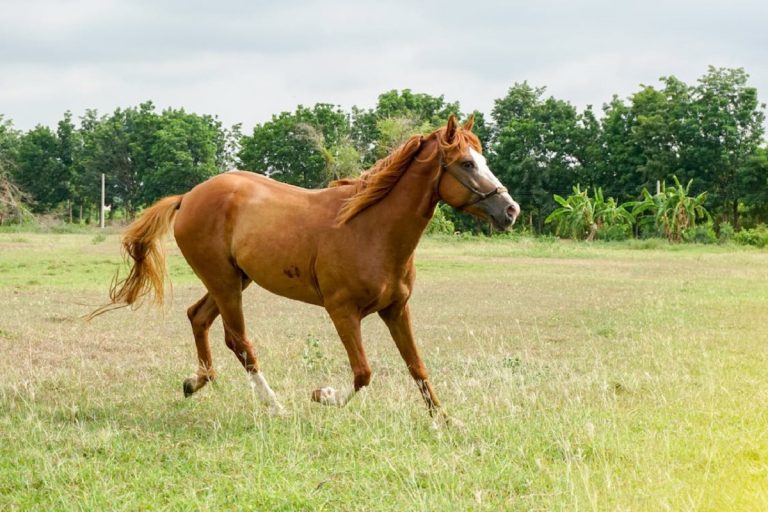
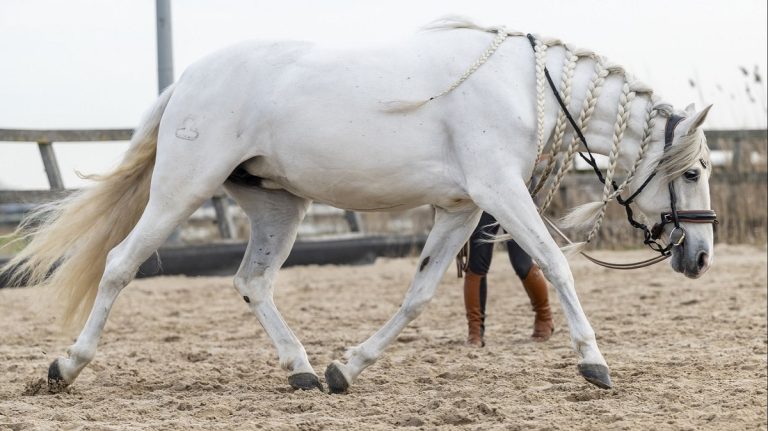
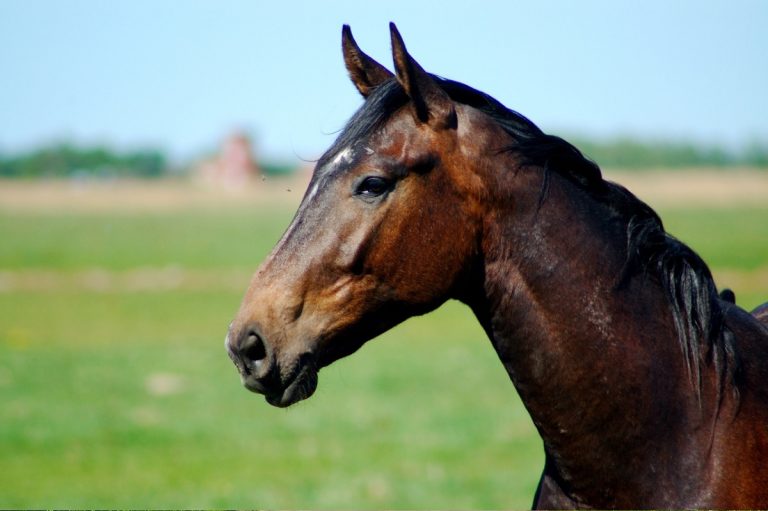
Horses are known for their strength, speed, and striking appearance, with their manes being one of the most distinctive features. The mane is not just for show—it serves practical purposes that contribute to a horse’s well-being and survival. Understanding why do horses have manes provides insight into their natural behavior, protection mechanisms, and social interactions.
The mane plays a role in shielding the horse from insects, sun, and harsh weather while also serving as a visual cue in communication with other horses. Examining the functions and variations of manes allows you to appreciate their importance beyond aesthetics. Knowing about the mane helps owners, riders, and caretakers make informed decisions about grooming, care, and even training practices, ensuring the horse remains healthy, comfortable, and expressive in its natural environment.
Protection Against Insects
A horse’s mane serves as a natural defense against insects, which can be bothersome and even harmful. The long hairs help swat away flies, mosquitoes, and other pests that target sensitive areas around the neck and shoulders. Understanding this protective function highlights the practical role of the mane beyond aesthetics. By reducing insect contact, the mane helps prevent irritation, allergic reactions, and potential infections. Observing how the mane contributes to a horse’s comfort emphasizes its importance in overall health and daily well-being.
How the Mane Deters Pests
The mane acts as a physical barrier against insects, particularly in areas where flies and mosquitoes often bite. Horses naturally shake their heads and necks to move the mane, helping brush away pests and reduce irritation. This movement, combined with the thickness and length of the hair, creates a protective zone over vulnerable skin.
Insects can cause more than discomfort; repeated bites may lead to sores, itching, or infections. The mane’s ability to reduce direct contact with pests minimizes these risks, promoting healthier skin. Additionally, in warmer months when insects are most active, horses with longer, fuller manes often experience fewer interruptions from biting insects, allowing them to graze, rest, or exercise without constant distraction. Understanding this function underscores the adaptive role of the mane in equine survival, showing that it serves a practical purpose in addition to contributing to the horse’s visual appeal and natural behavior.
Behavioral and Health Benefits
The protective function of the mane also influences horse behavior and overall well-being. Horses frequently rub or twitch their manes to further deter insects, demonstrating the mane’s role in daily comfort. Reduced exposure to biting insects prevents stress and agitation, which can affect feeding patterns, rest, and social interaction.
By minimizing insect contact, the mane contributes to long-term skin health. Persistent bites can lead to inflammation, hair loss, and even secondary infections. The natural protection offered by the mane lessens the need for chemical repellents, reducing potential irritation from sprays or topical treatments. Recognizing the connection between mane health and insect defense highlights why maintaining a strong, healthy mane through proper grooming and nutrition is essential. This protective feature supports not only comfort and behavior but also overall health, demonstrating the multifunctional importance of a horse’s mane in everyday life.
Temperature Regulation
A horse’s mane plays a subtle but important role in regulating body temperature. By providing insulation and shielding the neck from direct sunlight or harsh winds, the mane helps maintain comfort in varying weather conditions. Understanding how the mane contributes to temperature regulation highlights its functional value beyond aesthetics. This natural adaptation supports the horse’s health, performance, and overall well-being, ensuring the animal can handle environmental changes while minimizing stress on the body.
Insulation and Sun Protection
The mane acts as a natural insulator, helping to protect the horse’s neck from extreme temperatures. In colder weather, the hairs trap a layer of air close to the skin, reducing heat loss and keeping muscles warm. This insulation is particularly important for maintaining flexibility and preventing stiffness, which could affect movement and performance.
During hot weather, the mane provides partial shade, shielding sensitive skin from direct sunlight. Prolonged exposure to sunlight can cause sunburn, irritation, or overheating, particularly on lighter-colored horses with less pigmented skin. The mane’s presence reduces the intensity of solar exposure, helping maintain a more stable body temperature. This protective function allows horses to remain comfortable while grazing, exercising, or resting outdoors, emphasizing the mane’s role in supporting daily activity and overall thermoregulation.
Wind and Environmental Buffer
In addition to insulation and sun protection, the mane also serves as a buffer against wind and other environmental elements. Strong winds can cause rapid cooling, especially in winter, leading to discomfort or even hypothermia in extreme conditions. The mane helps break the wind’s direct impact on the neck, preserving body heat and aiding in temperature regulation.
This natural adaptation not only helps maintain comfort but also supports efficient energy use. By reducing heat loss and shielding against environmental stressors, the mane allows the horse to conserve energy that would otherwise be spent on regulating body temperature. Recognizing this function underscores the importance of maintaining a healthy, well-groomed mane, as it plays a key role in the horse’s ability to thrive in varying climates and environmental conditions.
Physical Protection During Fights or Accidents
A horse’s mane provides a natural layer of protection during physical confrontations with other horses or accidental injuries. The thick hair along the neck can help cushion blows, reduce the severity of bites or scratches, and protect sensitive areas from harm. Understanding the role of the mane in physical protection emphasizes its practical importance in equine safety. This defensive function, combined with the mane’s other benefits, demonstrates that it is not just a cosmetic feature but a vital component of a horse’s overall well-being.
Shielding Against Bites and Scratches
During interactions with other horses, especially in competitive or social situations, horses may engage in biting, nipping, or pushing. The mane acts as a protective barrier, absorbing the impact of bites and minimizing direct contact with the skin. Its thickness and length create a buffer that reduces injury to the neck and surrounding muscles.
Scratches, abrasions, and minor impacts are also mitigated by the mane, which disperses the force of accidental bumps or collisions. In herd environments, this protection helps maintain social harmony, as minor confrontations are less likely to result in injury. The mane’s defensive role allows horses to interact more freely and confidently, reducing stress and promoting overall safety. Understanding this function highlights the adaptive significance of the mane, showing that it contributes to survival and comfort beyond its aesthetic appeal.
Cushioning During Accidents
The mane also provides protection during accidents such as falls, slips, or sudden impacts. When a horse trips or collides with obstacles, the mane can help absorb shock and reduce the severity of injury to the neck and upper body. Its natural cushioning supports muscles, tendons, and skin, preventing deeper damage.
Maintaining a thick, healthy mane enhances this protective function. Grooming and proper care ensure the hair remains resilient and able to perform its defensive role effectively. This protective feature, combined with the mane’s functions in temperature regulation and insect deterrence, demonstrates its multifunctional importance. Recognizing how the mane safeguards the horse during fights or accidents reinforces the necessity of preserving and maintaining it as an integral part of equine health, safety, and overall resilience in daily life.
Breed and Genetic Significance
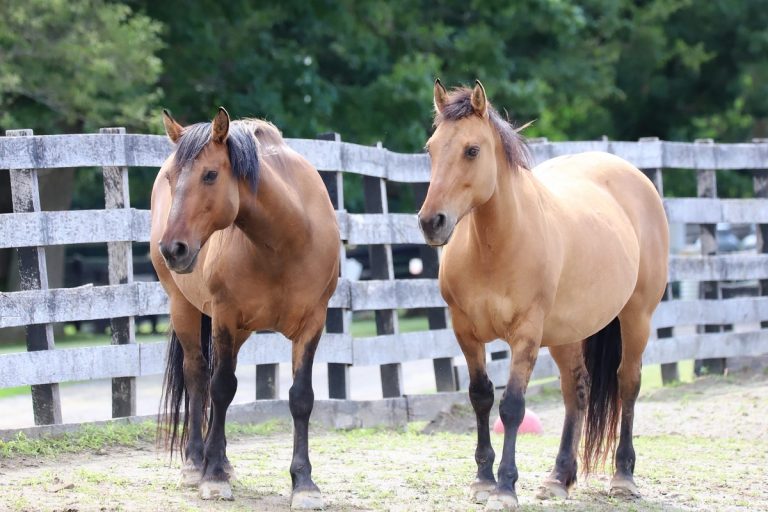
A horse’s mane varies greatly between breeds, influenced by genetics, heritage, and evolutionary adaptations. The length, thickness, and texture of the mane often reflect the breed’s origin and functional traits. Understanding the breed and genetic significance of the mane provides insight into why certain horses have long flowing manes while others display shorter, coarser hair. Recognizing these differences helps owners, breeders, and enthusiasts make informed grooming, care, and breeding decisions that respect both aesthetics and natural functionality.
Genetic Influence on Mane Characteristics
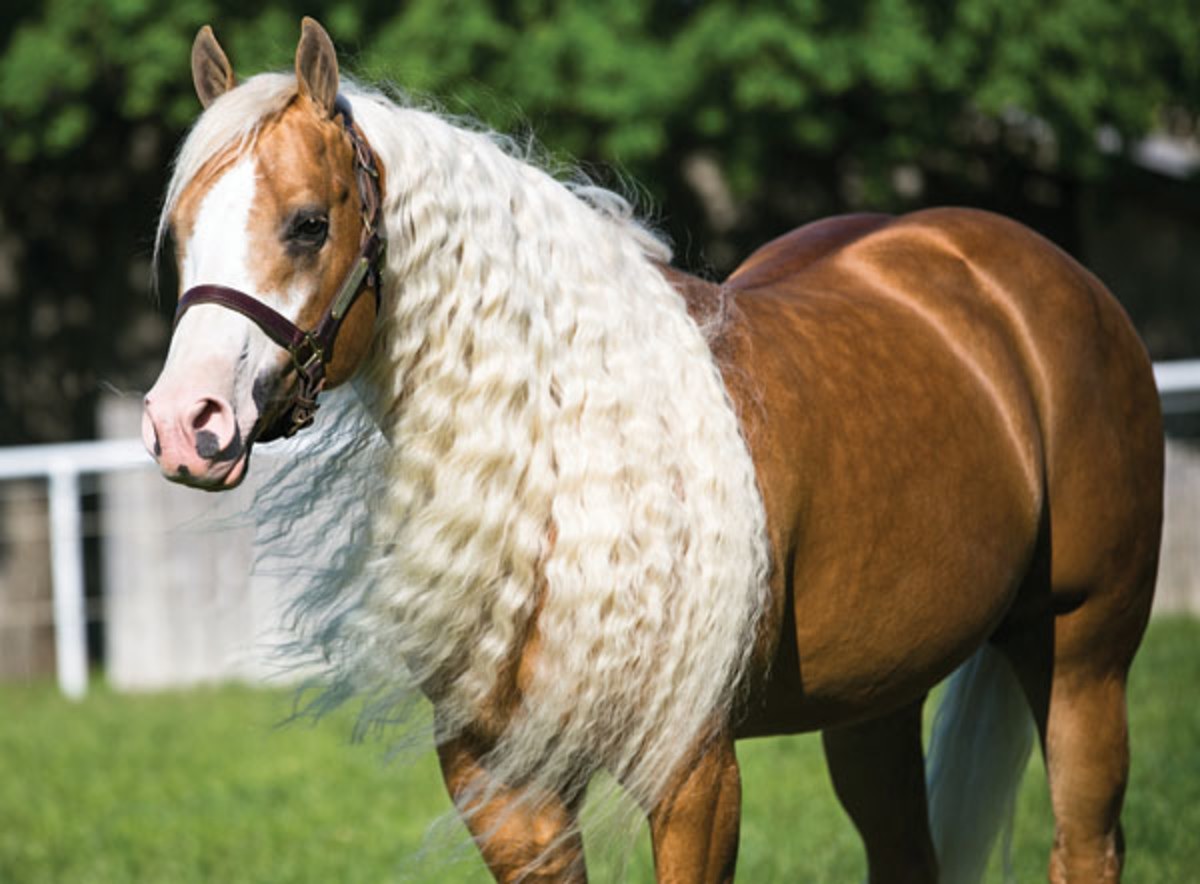
Genetics play a major role in determining the appearance and growth of a horse’s mane. Certain breeds, such as Friesians and Gypsy Vanners, are known for long, thick, and flowing manes due to selective breeding for aesthetic appeal and historical function. In contrast, other breeds, like Arabians or Thoroughbreds, often have finer or shorter manes, reflecting their specific evolutionary and functional adaptations, such as speed and agility.
The mane’s growth patterns, texture, and density are largely inherited, making it a distinctive trait for breed identification. Genetic factors also influence hair strength and resilience, affecting how easily it tangles or breaks. Understanding these genetic influences allows breeders and owners to anticipate grooming needs, select for desired traits, and ensure that the mane’s health is maintained according to the breed’s natural characteristics. This knowledge supports responsible care and highlights the interplay between genetics and practical functionality in equine management.
Functional Adaptations and Breed Traits
Beyond aesthetics, mane characteristics often correlate with functional adaptations specific to a breed’s environment and historical use. For example, horses bred in colder climates may have thicker manes that provide insulation, while horses from warmer regions may have shorter, lighter manes to facilitate cooling. These adaptations reflect the evolutionary importance of the mane in protection, thermoregulation, and survival.
Recognizing breed-specific traits also informs grooming practices. Long, dense manes may require more frequent maintenance to prevent tangling and damage, whereas shorter manes may need minimal care. By understanding the breed and genetic significance of the mane, you can provide tailored care that preserves its natural function, promotes overall health, and enhances the horse’s natural beauty while respecting the evolutionary and genetic factors that shape its unique appearance.
FAQs
Why Do Horses Have Manes?
Horses have manes for several practical reasons, not just for appearance. The mane provides protection against insects, shields the neck from harsh weather, and helps regulate temperature. It also plays a role in social signaling and communication between horses. The thickness, length, and texture of the mane vary by breed and genetics, reflecting both functional and aesthetic purposes. Understanding why horses have manes allows you to appreciate their role in overall health, comfort, and survival, highlighting how this feature contributes to protection, thermoregulation, and social behavior in equines.
How Does a Mane Protect Horses From Insects?
The mane helps protect horses from biting insects like flies and mosquitoes. The long, thick hairs act as a barrier, preventing insects from reaching sensitive areas along the neck and shoulders. Horses also use natural movements, such as shaking their heads or rubbing against objects, to enhance the mane’s protective effect. This reduces irritation, itching, and potential infections caused by repeated bites. By serving as a natural shield, the mane helps maintain the horse’s comfort and health, allowing them to graze, rest, or exercise without constant disturbance from pests.
Can the Mane Help With Temperature Regulation?
Yes, a horse’s mane aids in temperature regulation. In colder weather, the hairs trap air close to the skin, providing insulation and keeping neck muscles warm. In hot weather, the mane offers partial shade, reducing direct sun exposure and helping prevent overheating. This natural thermoregulation supports comfort, mobility, and performance, allowing horses to remain active in varying climates. Maintaining a healthy mane ensures it can effectively assist in temperature control, complementing other physiological adaptations that keep the horse stable and comfortable in changing environmental conditions.
Does the Mane Provide Physical Protection During Fights?
The mane acts as a protective layer during fights or accidental impacts. Thick hair along the neck cushions bites, scratches, or blows from other horses, reducing injury to sensitive areas. During herd interactions, this natural barrier helps prevent serious harm and supports safer social behavior. It also provides some protection during accidents like falls or collisions, absorbing impact and shielding muscles and tendons. Understanding this protective function highlights the mane’s importance beyond appearance, showing how it contributes to the horse’s overall safety, resilience, and ability to interact confidently with its environment.
How Does the Mane Affect Social Interaction?
The mane can play a role in communication and social signaling among horses. Variations in length, thickness, and posture of the mane may indicate age, health, or emotional state to other horses. Horses often use their manes during displays of dominance or submission, helping regulate herd dynamics and social structure. This feature provides visual cues that support interaction, coordination, and bonding within the group. Recognizing the mane’s role in social behavior allows you to understand its importance for both safety and herd cohesion, beyond its protective or thermoregulatory functions.
Do Genetics Influence Mane Characteristics?
Yes, genetics strongly influence the length, thickness, and texture of a horse’s mane. Different breeds display distinct mane characteristics due to selective breeding and evolutionary adaptation. For instance, Friesians are known for long, flowing manes, while Thoroughbreds typically have finer, shorter hair. Genetics also affect hair strength and growth patterns, determining maintenance needs and resilience. Understanding the genetic basis of mane traits helps you predict grooming requirements, select for specific qualities in breeding, and ensure proper care to maintain the mane’s health, functionality, and aesthetic appeal.
Conclusion
Horses’ manes serve multiple important purposes that go far beyond their visual appeal. They help protect horses from insects, provide insulation against harsh weather, and offer a layer of defense during minor injuries or social interactions. Manes also play a role in communication, allowing horses to signal emotions or social status within a herd.
For domesticated horses, manes assist with tack placement and rider safety, while the condition of the mane can reflect overall health and well-being. Breed and genetics influence mane length, thickness, and texture, adding to a horse’s unique identity. Understanding why do horses have manes helps owners, trainers, and enthusiasts appreciate the practical and natural functions these long hairs provide, highlighting that manes are more than just a decorative feature—they are an essential part of a horse’s survival, comfort, and interaction with its environment.