How Many Ribs Do Horses Have? Exploring Their Skeletal Structure
Horses have a unique skeletal structure that supports their strength, speed, and endurance. Among the many bones in their body, the ribs play a crucial role in protecting vital organs like the heart and lungs while allowing flexibility for movement. Understanding the ribcage helps you better appreciate how horses function physically. One common question that arises is how many ribs do horses have, as this detail is important for both anatomy knowledge and overall horse care.
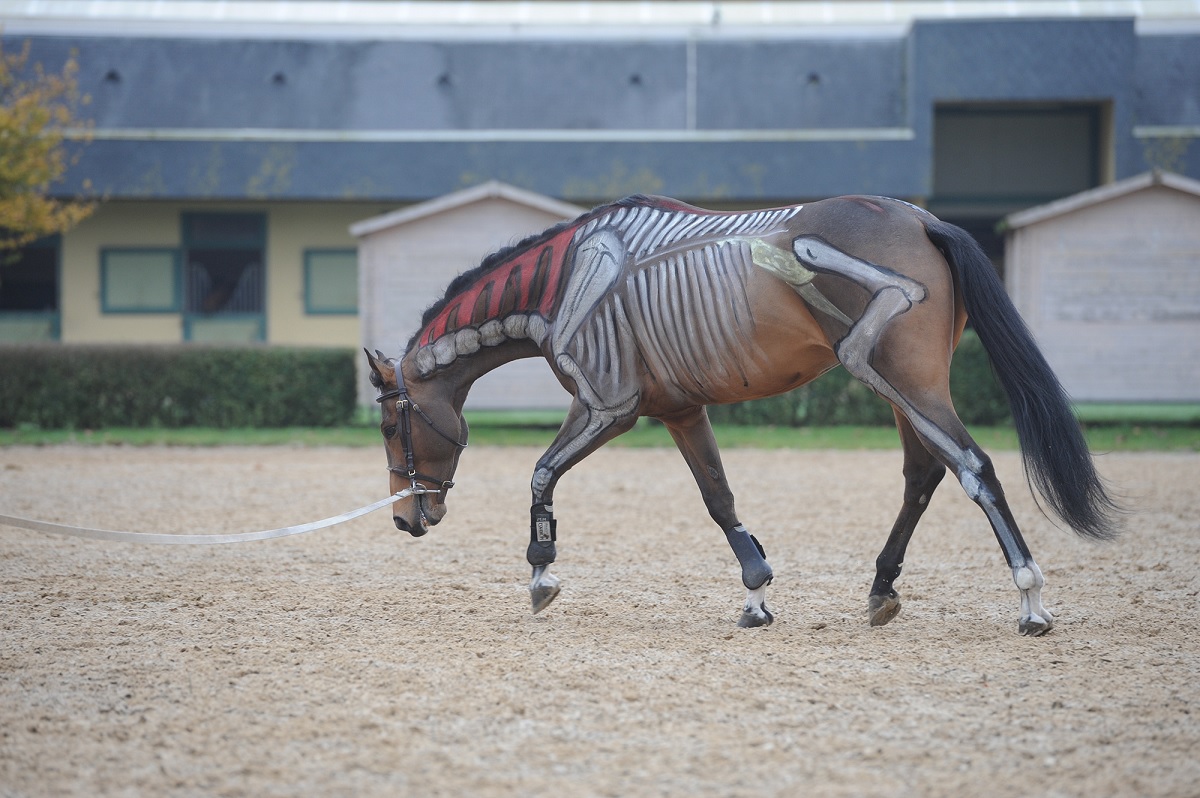
Most horses have 18 pairs of ribs, totaling 36 ribs. Each rib connects to the thoracic vertebrae and curves around the chest, forming a protective cage. This structure allows the horse to breathe efficiently while maintaining stability during walking, running, or jumping.
The ribcage also influences the horse’s shape and conformation. A well-developed chest with properly aligned ribs supports strong respiratory function and enhances performance.
Knowing the number of ribs and their role helps you understand the horse’s body better and guides care practices, training, and monitoring for health issues.
Standard Rib Count In Horses
The ribcage is a fundamental part of a horse’s anatomy, providing protection, structure, and support for vital organs. Knowing the standard rib count in horses helps you understand their skeletal framework and how it impacts movement, breathing, and overall health. The rib count also plays a role in assessing conformation and determining normal development across different breeds.
Typical Number Of Ribs In Horses
Most horses have a total of 18 pairs of ribs, which equals 36 individual ribs. These ribs connect to the 18 thoracic vertebrae and form a strong, flexible ribcage. The upper portion of each rib attaches to the spine, while the lower portion curves around to meet the sternum or cartilage near the chest floor. This arrangement provides a protective cage for the heart, lungs, and major blood vessels.
You will notice that rib count remains consistent in the majority of horse breeds, from light riding horses to larger draft breeds. Each rib contributes to the shape of the chest and the overall balance of the horse’s body. Proper alignment ensures efficient respiration and supports movement by allowing the ribcage to expand and contract during exercise.
The rib structure also affects how weight is distributed through the horse’s torso. A well-aligned ribcage promotes even muscle attachment, stability, and proper gait mechanics. Understanding the standard rib count helps farriers, veterinarians, and trainers identify normal versus abnormal skeletal structures.
How Rib Count Affects Horse Conformation
Rib count plays a significant role in the horse’s conformation, which influences performance and overall health. A horse with the typical 18 pairs of ribs has a deep and well-proportioned chest, supporting lung capacity and endurance. The depth and spacing of the ribs affect how much room the lungs have to expand during physical activity.
When evaluating a horse, you will notice that a properly structured ribcage contributes to a balanced body and smooth movement. Horses with overly shallow or unevenly shaped ribcages may experience restricted respiration or inefficient stride mechanics. Conformation assessments often include rib shape and alignment, in addition to overall body proportions.
Rib count consistency allows trainers and veterinarians to anticipate how the horse will respond to physical stress. Understanding the connection between rib number and chest depth also helps in managing nutrition, conditioning, and training to maintain optimal performance and health.
Variations And Rare Differences
While 18 pairs of ribs is standard, occasional variations occur due to genetic anomalies or developmental conditions. Some horses may be born with an extra rib or one fewer, although such cases are rare. These differences usually appear near the last thoracic or first lumbar vertebrae.
You may observe minor variations in rib count without visible signs, but they can occasionally influence conformation, balance, or flexibility. Veterinarians use radiographs to identify unusual rib numbers or positioning. Awareness of potential differences is important for managing training, saddle fitting, and overall care.
Even when rib count varies, most horses function normally without major issues. However, understanding the standard rib count provides a baseline for recognizing deviations and addressing potential complications early. This knowledge is essential for ensuring that the horse remains healthy, balanced, and capable of performing at its best.
Implications For Veterinary Care And Training
Knowing the standard rib count in horses also informs veterinary care, particularly in diagnosing chest injuries, lung issues, or skeletal abnormalities. Veterinarians rely on consistent rib numbers to evaluate X-rays, locate fractures, or identify deformities. Proper rib alignment ensures accurate assessments during physical exams or imaging studies.
You will also find that trainers benefit from understanding rib anatomy. Proper conformation and rib spacing support effective movement, lung expansion, and endurance. By considering rib count and structure, trainers can design conditioning programs that maximize performance while minimizing strain on the horse’s skeletal system.
Maintaining awareness of the horse’s rib count and structure enhances overall care. It informs hoof balance, saddle fit, and exercise planning. When combined with proper veterinary and farrier care, understanding the standard rib count helps ensure the horse’s long-term health, mobility, and athletic capability.
Function Of Horse Ribs
Horse ribs are more than just a skeletal framework; they play a critical role in protecting vital organs, supporting movement, and maintaining overall body balance. Understanding the function of horse ribs helps you appreciate their importance in equine health and performance. Each rib contributes to structural integrity, respiration, and conformation, influencing both athletic ability and daily comfort.
Protection Of Vital Organs
One of the primary functions of horse ribs is to protect the internal organs. The ribcage encases the heart, lungs, and major blood vessels, shielding them from external trauma. Each rib curves around the chest to form a strong yet flexible barrier that absorbs impact and minimizes injury risk.
You will notice that the arrangement of ribs allows for a combination of strength and flexibility. This is particularly important when the horse engages in high-speed running, jumping, or sudden directional changes. The ribcage acts as a protective shell, dispersing forces that could otherwise harm soft tissues and organs.
Proper rib protection ensures long-term health and performance. Injuries to the ribcage, though rare, can compromise organ function and affect the horse’s ability to move efficiently. Observing posture and movement can provide early signs of discomfort or trauma in this area.
Support For Breathing And Respiration
Ribs also play a key role in respiration. The thoracic cavity expands and contracts during breathing, and the flexibility of the ribcage allows the lungs to fill and release air efficiently. Horses require a large volume of air during exercise, making rib function essential for endurance and performance.
When a horse runs, each rib moves slightly to accommodate the expansion of the lungs. This synchronized movement supports oxygen intake and carbon dioxide expulsion, allowing the horse to maintain stamina and reduce fatigue. A healthy ribcage ensures proper respiratory efficiency.
You will see that rib health affects athletic performance directly. Shallow or damaged ribcages can restrict lung capacity, reducing oxygen flow and impairing endurance. Proper conditioning and care help maintain the structural integrity of the ribs and support optimal breathing.
Contribution To Body Structure And Balance
Ribs provide structural support and balance to the horse’s body. They connect the spine to the sternum or costal cartilage, forming a framework that maintains the horse’s overall shape and alignment. This support is essential for even weight distribution across the body.
A well-aligned ribcage helps the horse maintain a strong back and smooth gait. Muscle attachments along the ribs stabilize the torso during movement and assist in powerful propulsion. You will notice that proper rib function contributes to posture, coordination, and athletic ability.
Imbalanced or malformed ribcages can lead to uneven muscle development, reduced stride efficiency, and increased strain on limbs. Recognizing the structural importance of ribs allows for better monitoring of conformation, conditioning, and performance potential.
Role In Performance And Athleticism
Horse ribs directly influence performance by supporting breathing, flexibility, and structural integrity. Athletes like racehorses or jumpers rely on ribcage efficiency to maintain endurance, lung capacity, and balance under stress.
You will notice that the depth and width of the ribcage affect lung expansion and oxygen delivery. Proper rib spacing supports smooth, powerful movement and enhances athletic output. Trainers often evaluate rib shape and structure when assessing a horse’s suitability for specific disciplines.
Maintaining rib health through proper nutrition, conditioning, and monitoring of posture ensures the horse performs at its best. Healthy ribs contribute to long-term soundness, reduced injury risk, and overall well-being, making them a vital aspect of equine anatomy and care.
Signs Of Rib-Related Health Issues
Horse ribs play a crucial role in protection, breathing, and overall body structure. When problems arise in the ribcage or surrounding tissues, they can significantly affect a horse’s comfort, performance, and health. Recognizing early signs of rib-related health issues allows you to intervene promptly and prevent long-term damage. Observing behavior, posture, and movement can help identify potential rib concerns before they escalate.
Abnormal Posture And Stance
One of the earliest indicators of rib-related problems is a change in posture or stance. You may notice your horse standing unevenly, shifting weight to avoid pressure on certain ribs, or holding its back stiffly. This behavior often signals discomfort in the ribcage or surrounding muscles.
Muscular tension along the sides or between ribs can cause a horse to appear hunched or resistant to bending. These postural changes may also affect gait, resulting in shortened strides, uneven footfalls, or reluctance to move freely. You will find that subtle adjustments in stance often indicate underlying rib pain rather than visible injury.
Monitoring stance and posture during rest, grooming, or exercise is critical. Early detection allows you to consult a veterinarian for assessment. Proper diagnosis can identify rib fractures, bruising, or muscle strain and guide treatment strategies to restore comfort and mobility.
Difficulty Breathing Or Reduced Lung Capacity
Rib-related health issues often impact respiration. You might observe shallow, rapid breathing, or labored inhalation, particularly during exertion. Pain or stiffness in the ribcage can restrict thoracic expansion, reducing lung capacity and oxygen intake.
During exercise, a horse may tire quickly or show decreased stamina due to compromised breathing. Rib injuries, inflammation, or abnormalities can impede lung function and lead to fatigue or reluctance to perform. You will notice that these signs may appear suddenly or gradually, depending on the severity of the rib issue.
Veterinarians assess rib function by observing breathing patterns, listening for abnormal sounds, and sometimes using imaging to detect fractures or joint problems. Early recognition of breathing difficulties ensures timely intervention, supporting long-term respiratory health and overall performance.
Swelling, Heat, And Tenderness
Physical signs like swelling, heat, or tenderness along the ribs are clear indicators of potential problems. Trauma, fractures, or inflammation in the rib area often manifest as localized discomfort, which the horse may express by flinching or resisting touch.
You may notice that gentle palpation along the ribcage elicits a reaction, such as lifting a leg, turning the head, or tightening muscles. These responses indicate pain or sensitivity in the affected region. Swelling may be subtle but can signify internal bruising or underlying fractures.
Regular observation and palpation of the ribcage during grooming or handling help identify early warning signs. Prompt veterinary evaluation can confirm the cause and recommend treatments, such as rest, anti-inflammatory therapy, or protective measures to promote healing and prevent further injury.
Changes In Gait And Performance
Rib issues often affect the horse’s movement and athletic ability. Altered gait, stiffness, shortened strides, or reluctance to perform certain maneuvers can all signal rib discomfort. Pain in the ribcage can disrupt balance, coordination, and muscle engagement, making normal movement difficult.
You will notice that a horse may hesitate during turns, refuse jumps, or show uneven trotting patterns. Even minor rib injuries can impact performance, especially in high-intensity activities like jumping, racing, or dressage. Observing subtle changes in gait is essential for detecting rib-related health problems early.
Veterinarians and trainers often assess gait patterns alongside physical exams to identify rib involvement. Addressing rib discomfort promptly restores movement efficiency, reduces compensatory strain on other body parts, and ensures long-term soundness.
Behavioral Signs Of Rib Discomfort
Behavioral changes can also indicate rib-related health issues. A horse may become irritable, resistant to grooming, or sensitive when saddled. Sudden reluctance to accept pressure along the sides often reflects rib pain or muscular strain.
You may notice flinching, head tossing, or backing away when pressure is applied near the ribs. These subtle signals often precede visible physical symptoms and can alert you to underlying problems before they worsen. Attention to behavior, combined with observation of posture and gait, provides a complete picture of rib health.
Recognizing these signs early allows for timely veterinary intervention and proper management. Monitoring both physical and behavioral cues ensures the horse remains comfortable, healthy, and capable of performing at its best.
Rib Care And Observation
Proper care and observation of a horse’s ribs are essential for maintaining overall health, mobility, and performance. The ribs protect vital organs, support respiration, and influence body structure, making them a critical area to monitor. Routine checks, careful handling, and preventative measures help identify issues early and ensure your horse remains comfortable and sound in daily activities and exercise.
Routine Palpation And Physical Checks
Regular palpation and visual inspection of the ribs help you detect abnormalities early. You can run your hands gently along the ribcage, checking for heat, swelling, tenderness, or asymmetry. A healthy ribcage should feel firm yet flexible, with no obvious bumps, depressions, or unusual movements.
You will notice that horses may react subtly to discomfort during these checks, such as twitching muscles, shifting weight, or flicking ears. Observing these signs allows you to identify potential bruises, fractures, or muscular tension before they become serious problems. Palpation should be performed consistently during grooming or handling routines to establish a baseline of normal rib health.
Regular observation also includes watching posture and stance. Changes in weight distribution, hunching, or reluctance to move can indicate rib-related issues that require further assessment. Early detection through simple physical checks prevents complications and supports long-term wellness.
Monitoring Breathing And Respiratory Health
The ribs play a vital role in respiration, so observing your horse’s breathing patterns is key to rib care. You should notice regular, smooth inhalation and exhalation when the horse is at rest and during light activity. Any changes, such as shallow or labored breathing, may indicate rib discomfort or injury.
During exercise, the expansion and contraction of the ribcage should be even and coordinated. Uneven movement, shortness of breath, or fatigue can reflect restricted rib function, possibly caused by muscular strain, trauma, or skeletal abnormalities. Monitoring breathing allows early recognition of subtle problems that may otherwise go unnoticed.
You will also find that watching respiration over time helps track recovery after injuries or training stress. Maintaining proper respiratory function supports stamina, performance, and overall health, highlighting the importance of integrating rib observation into daily care routines.
Preventative Measures And Environmental Considerations
Preventing rib injuries involves managing the horse’s environment and routine carefully. Safe fencing, soft footing, and avoidance of sharp objects in paddocks or arenas reduce the risk of trauma. Providing adequate warm-ups and cool-downs during training helps prevent muscular strain around the ribcage.
Nutrition also supports rib and muscle health. Balanced diets with sufficient protein, minerals, and vitamins strengthen bone and connective tissue, improving resilience. You will notice that a well-conditioned horse is less prone to rib soreness or misalignment.
Training practices influence rib health as well. Avoiding sudden intense activity without gradual conditioning reduces stress on muscles and skeletal structures. Rotating work routines and including rest periods ensures the ribcage and associated muscles recover properly, maintaining flexibility and strength.
Working With Veterinarians And Farriers
Professional support is essential for optimal rib care. Veterinarians can assess rib health during routine exams, perform imaging when issues are suspected, and provide guidance for injury recovery or musculoskeletal concerns. Farriers also play a role, as proper hoof balance affects overall posture and weight distribution, indirectly influencing rib health.
You will notice that coordination between daily observation and professional care helps prevent minor issues from becoming serious. Consistent monitoring, combined with expert intervention when necessary, ensures the horse remains sound, comfortable, and capable of performing at its best.
Maintaining a routine of careful rib observation, preventive measures, and professional support fosters long-term health. This approach ensures the horse’s ribcage continues to protect vital organs, support respiration, and contribute to proper movement and overall well-being.
People Also Asked
How Many Ribs Do Horses Have?
Most horses have 18 pairs of ribs, which equals 36 individual ribs. These ribs attach to the thoracic vertebrae, forming a protective cage around vital organs such as the heart and lungs. The rib structure allows flexibility for breathing while providing strength to support movement and balance.
You will notice that the standard rib count is consistent across most horse breeds. This consistency helps in assessing conformation, diagnosing health issues, and understanding skeletal structure. Observing the ribs can also give insight into chest depth, lung capacity, and overall athletic potential.
Do All Horse Breeds Have The Same Number Of Ribs?
In general, yes, almost all horse breeds have 18 pairs of ribs. Light riding horses, draft horses, and ponies typically share this rib count. While size and body shape vary, the number of ribs remains largely consistent, providing a stable skeletal framework.
You may encounter rare exceptions due to genetic anomalies, but they are uncommon. Understanding this standard count helps you evaluate conformation, anticipate lung capacity, and monitor for skeletal health problems. Consistency in rib count also aids in veterinary assessment and farrier work.
Can Horses Be Born With More Or Fewer Ribs?
Yes, some horses can be born with extra or missing ribs, though this is rare. These variations usually appear near the last thoracic or first lumbar vertebrae. Most horses function normally despite slight differences in rib number.
You might notice minor changes in body shape, but they often do not affect movement or performance. Veterinarians can detect these differences using radiographs. Being aware of possible variations helps you monitor skeletal development and maintain proper care, especially in athletic or performance horses.
What Is The Function Of Horse Ribs?
Horse ribs protect vital organs like the heart and lungs, provide structure for the chest, and support respiration. They also serve as attachment points for muscles, influencing posture, movement, and balance.
You will notice that rib alignment affects gait and endurance. Proper rib function ensures efficient lung expansion during exercise, while also distributing weight evenly through the body. Healthy ribs are essential for overall soundness, athletic performance, and long-term well-being.
How Can You Count A Horse’s Ribs Safely?
You can count a horse’s ribs by gently running your hand along the side of the chest. Light pressure allows you to feel the outline of each rib without causing discomfort. Observing the spacing and depth also provides insight into body condition.
You will notice that healthy ribs should be firm but not sharp, and they may be slightly covered by muscle and fat. Counting ribs helps monitor nutrition, development, and conformation, and can alert you to abnormal growth or skeletal issues.
Can Rib Count Affect Performance Or Health?
While the number of ribs itself rarely affects performance, rib structure and alignment significantly influence movement, balance, and lung capacity. Shallow or uneven ribcages can reduce endurance and increase the risk of strain.
You will notice that proper rib spacing allows optimal lung expansion and smooth locomotion. Maintaining good rib health through exercise, nutrition, and monitoring ensures your horse can perform at its best while minimizing stress on other skeletal and muscular structures.
How Do Veterinarians Use Rib Count In Health Assessment?
Veterinarians use rib count and alignment as part of skeletal assessment. It helps detect congenital anomalies, fractures, or deformities. Observing ribs also provides information about body condition, posture, and respiratory health.
You will notice that any irregularities in rib number or shape can guide diagnostic decisions. Imaging techniques like X-rays confirm abnormalities, while palpation and observation help monitor development, identify injuries, and ensure proper care for long-term health and performance.
Final Thoughts
A horse’s rib structure plays a vital role in its overall health, movement, and physical performance. Understanding the number and arrangement of ribs helps you better observe signs of discomfort, breathing issues, or postural changes. Each rib not only protects internal organs but also supports muscle attachment, contributing to strength and agility.
Many horse owners and enthusiasts often ask how many ribs do horses have, and knowing the answer provides insight into breed characteristics and skeletal health. Most horses have 18 pairs of ribs, though slight variations can occur. This rib configuration ensures adequate protection for the heart and lungs while maintaining flexibility for movement, essential for riding, racing, and everyday activity.
By being aware of how many ribs do horses have, you can monitor your horse more effectively for potential health issues. Proper care, regular veterinary check-ups, and attention to posture or movement can help maintain rib health, supporting the horse’s longevity, comfort, and performance.