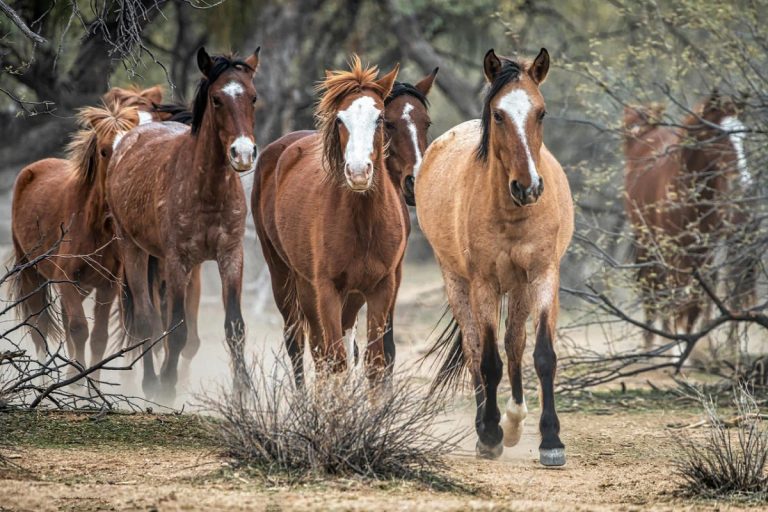
What Countries Eat Horses Around the World You Should Know
Eating habits vary dramatically across the world, influenced by culture, history, and available resources. Among these diverse practices, the consumption of horse meat stands out as unusual to many, yet it remains a traditional food source in certain regions. Understanding this practice provides insight into how different societies view animals, nutrition, and culinary traditions.
Horse meat has been consumed for centuries, often tied to cultural heritage rather than necessity. In some countries, it is considered a delicacy, prepared in ways that highlight its flavor and nutritional value. The perception of eating horses ranges from taboo in some societies to a common dietary choice in others.
Exploring what countries eat horses helps uncover the historical and social reasons behind this practice. From festivals to everyday meals, horse meat can carry symbolic, economic, and practical significance. Examining these patterns reveals how culinary customs evolve and differ across borders.
This topic invites curiosity about global diets and challenges assumptions about what is considered acceptable food. By looking at what countries eat horses, we gain a broader understanding of food culture worldwide.
What Countries Eat Horses?
Horse meat is a traditional part of the diet in several countries, often valued for its lean protein and distinctive flavor. In Europe, nations like France, Belgium, and Italy include horse meat in their culinary repertoire. In France, horse meat can be found in sausages, steaks, and stews, often enjoyed for its tender texture and slightly sweet taste. Similarly, in Belgium and Italy, it appears in specialty dishes and local markets, reflecting a long-standing cultural acceptance.
In Central Asia, countries such as Kazakhstan, Kyrgyzstan, and Mongolia have a deep-rooted history of horse meat consumption. Here, horse meat is not only a staple food but also an integral part of nomadic life, providing a reliable source of nutrition. Traditional dishes like “beshbarmak” in Kazakhstan, made with boiled horse meat and noodles, showcase how this practice has been passed down for generations.
Japan also features horse meat, known locally as “basashi,” which is often served raw as sashimi. This delicacy is prized for its freshness and delicate flavor, typically enjoyed with soy sauce and ginger. The consumption of horse meat in Japan is more niche but reflects a sophisticated approach to meat preparation and appreciation of its unique taste.
In other regions, such as Switzerland and certain parts of Canada, horse meat is available in butcher shops and restaurants, though it is less common in everyday meals. Its presence is largely tied to traditional recipes or specialty culinary markets rather than mainstream consumption.
Cultural attitudes toward horse meat vary widely. While some countries treat it as a delicacy or everyday protein, others view it with discomfort or consider it taboo. Exploring what countries eat horses highlights how food preferences are shaped by history, culture, and local resources, offering a fascinating glimpse into global dietary diversity.
Countries Where Eating Horses Is Common
Eating horse meat is a practice that exists in many parts of the world, though it may seem unusual to some cultures. In certain countries, it is a traditional part of the diet, often valued for its lean protein, distinctive flavor, and historical significance.
The consumption of horse meat varies depending on local culture, culinary traditions, and historical practices. Understanding where and how horse meat is eaten provides insight into global food diversity and the cultural attitudes toward this unique protein source.
Europe
In Europe, horse meat has long been integrated into the culinary traditions of countries like France, Belgium, Italy, and Switzerland. In France, it is often found in butcher shops and markets, sold as steaks, sausages, or ground meat for stews. The French enjoy horse meat for its tenderness and slightly sweet taste, which is distinct from beef or pork. Belgium also has a history of horse meat consumption, commonly appearing in sausages or traditional dishes.
Italy treats horse meat as a regional specialty, particularly in areas like Veneto and Sardinia. It is prepared in various ways, including grilled steaks, cured hams, and stews. In Switzerland, horse meat is more commonly consumed in butcher shops and restaurants, though it is not a daily staple. Swiss cuisine often incorporates it in sausages and specialty dishes. Across these countries, horse meat is both a cultural tradition and a culinary choice, reflecting centuries of acceptance and appreciation.
Preparation methods in Europe vary widely. Cooking techniques include grilling, roasting, stewing, and curing. Horse meat is typically leaner than other red meats, making careful cooking important to preserve tenderness and flavor. In addition to fresh meat, processed products like smoked sausages, pâtés, and cured cuts are widely available, demonstrating the versatility of horse meat in European kitchens. Markets and specialty restaurants often highlight it as a delicacy rather than a standard menu item.
Asia
In Asia, horse meat plays an important role in countries like Japan, Kazakhstan, and Mongolia. Japan features horse meat as a specialty known as “basashi,” which is often served raw as sashimi. Thin slices of raw horse meat are presented with soy sauce, garlic, and ginger, highlighting the delicate flavor and freshness of the meat. Basashi is considered a delicacy and is most commonly found in regions such as Kumamoto and Nagano. It is valued for its tenderness and high protein content.
Kazakhstan and Mongolia have a long history of horse meat consumption rooted in nomadic traditions. In Kazakhstan, horse meat is a staple of traditional dishes like “beshbarmak,” which consists of boiled horse meat served over flat noodles with an onion-based broth. The dish carries cultural significance, often prepared during special events, celebrations, and family gatherings. In Mongolia, horse meat is commonly dried, boiled, or made into sausages, serving as a key source of nutrition for communities with limited access to other meats.
Cultural importance in Asia extends beyond taste. Horse meat is associated with heritage, survival, and social practices. In Mongolia, the consumption of horse meat is linked to seasonal nomadic routines and rituals, reflecting a historical reliance on horses for both transportation and food. In Japan, eating horse meat is a mark of culinary refinement, demonstrating careful preparation and respect for ingredients. Across these countries, horse meat is both practical and symbolic, reflecting local customs and historical context.
North and South America
In North and South America, horse meat consumption exists but is far less common, largely limited to specific regions or cultural contexts. In Mexico, horse meat has historically been eaten in rural areas, particularly in northern states, where it is used in stews, sausages, and tacos. The practice is tied to local culinary traditions rather than widespread daily consumption. Mexican cuisine often incorporates horse meat into dishes that highlight slow cooking and seasoning to balance its flavor.
In Canada, horse meat is consumed in select regions, particularly Quebec and Alberta, where it is sold in specialty butcher shops and restaurants. Canadians may use horse meat in stews, roasts, or cured products, often emphasizing lean cuts and nutritional benefits. The practice is relatively niche, largely influenced by European immigration and traditional recipes carried over by settlers. Horse meat in these regions is often marketed as a healthier alternative to other red meats due to its lower fat content.
Modern practices in North and South America reflect a mix of tradition and novelty. While some communities maintain historical consumption patterns, the general population often views horse meat with curiosity or skepticism. Regulations, cultural attitudes, and ethical considerations influence availability and consumption, making it more of a specialty item rather than a standard part of the diet. Despite this, horse meat continues to appear in markets, reflecting the diversity of culinary habits across the Americas.
Cultural Attitudes Toward Eating Horses
Cultural attitudes toward eating horses vary dramatically around the world, shaped by history, tradition, religion, and societal values. In some countries, horse meat is considered a delicacy, respected for its flavor, nutritional benefits, and cultural significance. In others, consuming horses is viewed as taboo, with strong emotional or ethical objections rooted in the animal’s historical role as a companion or working partner.
In Europe, attitudes differ by country. France, Belgium, and Italy have long traditions of horse meat consumption, where it is appreciated for its taste and versatility in dishes. Here, eating horses is socially accepted, and horse meat can be found in markets, specialty shops, and even some restaurants. In contrast, countries like the United Kingdom or Ireland generally view eating horse meat as unusual or even shocking, largely due to cultural associations with horses as pets or symbols of leisure.
In Asia, cultural context plays a key role in shaping perceptions. In Japan, horse meat, known as “basashi,” is considered a delicacy, often served raw and enjoyed in select regions. In Mongolia and Kazakhstan, horse meat is deeply connected to nomadic traditions, providing a vital source of nutrition and representing historical survival practices. Eating horses in these regions carries respect for heritage and sustenance rather than being viewed as controversial.
North and South America present a mix of curiosity, skepticism, and niche acceptance. In Canada and Mexico, horse meat is eaten in select regions, often influenced by European culinary traditions. However, the general public may regard it as unusual or even ethically questionable, reflecting strong societal associations between horses and recreation, sport, or companionship.
Religious and ethical beliefs also shape attitudes globally. In some cultures, horses are seen as sacred or symbolic animals, making their consumption unacceptable. In others, practical considerations, such as nutritional needs or historical practices, override emotional objections.
Overall, cultural attitudes toward eating horses are complex and highly localized. They reveal how society balances tradition, ethics, and culinary practices, illustrating the diversity of human food culture across the world.
Nutritional and Culinary Aspects of Horse Meat
Horse meat is prized for its unique nutritional profile, offering a lean and protein-rich alternative to more common red meats. It contains high levels of essential amino acids and minerals such as iron, zinc, and vitamin B12, which are vital for maintaining energy, supporting the immune system, and promoting overall health. Its low fat content makes it an attractive choice for those seeking healthier meat options.
Culinary-wise, horse meat has a slightly sweet flavor and a tender texture, distinguishing it from beef or pork. These characteristics make it versatile in cooking, suitable for steaks, roasts, stews, and sausages. Its lean nature requires careful preparation to avoid overcooking, which can lead to dryness. Many cultures have developed methods that maximize flavor while preserving tenderness.
In Europe, horse meat is often grilled or slow-cooked in stews to enhance its natural flavor. Sausages and cured meats are also common, reflecting traditional preservation techniques that date back centuries. In Japan, raw horse meat, known as “basashi,” is served thinly sliced, showcasing both freshness and delicate flavor. These diverse preparations highlight its culinary adaptability.
In Central Asia, horse meat is incorporated into traditional dishes such as Kazakhstan’s “beshbarmak,” where it is boiled and served over noodles with broth. This method not only makes the meat tender but also integrates it into cultural and festive meals, demonstrating the role of horse meat beyond nutrition.
Horse meat is also appreciated for its digestibility. Its lean structure and lower cholesterol content make it suitable for people seeking lighter alternatives without sacrificing protein intake. Chefs often pair it with aromatic herbs, vegetables, and spices to enhance flavor while maintaining its natural qualities.
Overall, horse meat combines nutritional benefits with diverse culinary potential. Its preparation methods reflect both health-conscious and traditional approaches, offering a unique experience in the world of meat consumption.
| Region | Countries | Common Dishes / Preparations | Cultural Significance | Nutritional Highlights |
|---|---|---|---|---|
| Europe | France, Belgium, Italy, Switzerland | Steaks, sausages, cured meat, roasts, stews | Traditional cuisine, local specialty, delicacy | Lean protein, high iron and B12, low fat |
| Asia | Japan, Kazakhstan, Mongolia | Basashi (raw sashimi), Beshbarmak (boiled meat with noodles), dried or boiled meat, sausages | Nomadic traditions, heritage, festive meals | High protein, rich in minerals, easily digestible |
| North & South America | Mexico, Canada (select regions) | Stews, tacos, roasts, cured products | Regional specialty, influenced by European traditions | Lean protein, lower cholesterol, nutrient-rich |
| Preparation Methods | — | Grilling, roasting, boiling, slow-cooking, curing, raw slicing | — | Maintains tenderness, enhances flavor, preserves nutrients |
| Consumption Context | — | Daily staple in some regions, delicacy in others | Cultural, historical, or niche culinary use | Provides balanced nutrition, supports traditional diets |
Controversy and Legal Restrictions
The consumption of horse meat sparks debate in many parts of the world, influenced by cultural, ethical, and legal factors. While some societies view horse meat as a traditional or delicacy food, others see it as morally unacceptable due to horses’ historical roles as companions and working animals.
Legal restrictions and public opinion often reflect these contrasting views, shaping how horse meat is regulated and consumed internationally.
Ethical Concerns
Ethical debates surrounding horse meat focus on the perception of horses as companion animals rather than livestock. Many people oppose eating horses because of their emotional connection to humans, their historical role in transportation and agriculture, and their symbolic significance.
Animal rights organizations often campaign against the practice, highlighting issues such as humane treatment, slaughter conditions, and welfare standards. These ethical concerns contribute to strong public resistance in countries where eating horse meat is uncommon.
Cultural Opposition
Cultural attitudes play a significant role in the controversy. In countries like the United States, the United Kingdom, and Australia, consuming horse meat is widely considered taboo. Public sentiment often views horses as pets or symbols of heritage, creating strong social resistance to its consumption.
Even in regions where horse meat is legal, cultural opposition can discourage restaurants and markets from offering it, reinforcing the idea that eating horses is unacceptable in certain societies.
Legal Restrictions
Legal frameworks regarding horse meat vary globally. In the United States, for example, commercial slaughter for human consumption has been effectively banned since the mid-2000s, though ownership and private consumption remain legal in some states.
European countries generally have regulated markets, requiring specific health and safety standards for production and sale. Laws often aim to balance food safety, animal welfare, and cultural considerations, reflecting the sensitive nature of horse meat consumption.
Health and Safety Regulations
Beyond ethical and cultural concerns, health and safety regulations also impact horse meat legality. Veterinary inspections, traceability of animals, and strict hygiene requirements are mandatory in countries where horse meat is sold commercially.
Concerns about drug residues, such as anti-inflammatory or performance-enhancing substances, have prompted stricter controls. These regulations ensure that horse meat meets safety standards, even in countries where consumption is accepted, adding another layer of complexity to its legal status.
People Also Asked
Which Countries Eat Horse Meat The Most?
You will find that horse meat is most commonly eaten in countries like France, Belgium, Italy, Japan, Kazakhstan, and Mongolia. In Europe, France and Belgium treat it as a traditional delicacy, often served as steaks, sausages, or stews. Italy has regional specialties like cured horse meat and roasted dishes.
In Asia, Japan consumes it as raw sashimi called basashi, while Kazakhstan and Mongolia include it in daily meals like beshbarmak. Eating horse meat in these countries is tied to cultural tradition, historical practices, and sometimes local nutrition needs.
Is Horse Meat Healthy To Eat?
You might be surprised, but horse meat is considered a healthy option compared to other red meats. It is very lean, low in fat, and rich in high-quality protein. It also contains essential nutrients like iron, zinc, and vitamin B12, which are vital for energy, immunity, and overall health.
Due to its low cholesterol and fat content, horse meat is often recommended for people looking for leaner meat alternatives. Proper preparation ensures you maintain its nutritional benefits while enjoying its unique flavor and tenderness.
Why Is Eating Horse Meat Controversial?
You may notice that eating horse meat often triggers strong opinions. Controversy mainly arises because horses are traditionally seen as companion or working animals rather than livestock in many cultures. Ethical concerns focus on humane treatment and the emotional connection people have with horses.
Additionally, cultural norms vary widely; while some societies embrace it as food, others view it as morally unacceptable. These ethical and cultural conflicts make horse meat a sensitive topic, sparking debate over whether it should be consumed or avoided entirely.
Are There Countries Where Eating Horses Is Illegal?
You should know that yes, there are countries with legal restrictions on horse meat. For example, in the United States, commercial slaughter for human consumption has been largely banned, though private consumption may still occur in certain states.
Other countries impose strict regulations to control safety, labeling, and animal welfare. Laws often reflect cultural attitudes, with stricter rules in nations where horses are viewed as pets or symbols of heritage. Legal restrictions can affect availability, public perception, and the commercial trade of horse meat.
How Is Horse Meat Prepared Differently Around The World?
You can see that horse meat preparation varies widely depending on local culinary traditions. In Europe, it is often grilled, roasted, or made into sausages and cured products. Japan serves it raw as basashi, thinly sliced with soy sauce and ginger.
In Central Asia, countries like Kazakhstan and Mongolia boil it in traditional dishes like beshbarmak or dry it for long-term storage. Cooking techniques emphasize tenderness, flavor, and cultural preference, showcasing how diverse the approaches to horse meat can be globally.
What Are The Main Ethical Concerns About Eating Horse Meat?
You might wonder why ethics play such a big role in horse meat debates. The main concerns include the treatment of horses during rearing and slaughter, the emotional bond humans have with horses, and the idea of consuming an animal often viewed as a companion.
Animal welfare organizations frequently highlight these issues, stressing humane practices and proper regulation. Ethical considerations often influence public opinion, legal restrictions, and cultural acceptance, making the consumption of horse meat a complex and sensitive topic across different societies.
Final Words
Exploring global eating habits reveals how culture, history, and tradition influence food choices. While the idea of consuming horse meat may seem unusual in some regions, it is a normal and valued part of the diet in others. From Europe to Asia and parts of the Americas, horse meat has both culinary and cultural significance, showing how diverse human diets can be.
Understanding what countries eat horses helps shed light on the historical and social factors behind this practice. In nations like France, Japan, and Kazakhstan, horse meat is prepared in unique ways, ranging from raw delicacies to traditional boiled dishes. Its consumption often reflects local traditions, nutritional needs, and heritage rather than simply being a food choice.
By looking at what countries eat horses, you gain insight into the complexity of global food cultures. Attitudes toward horse meat differ widely, highlighting ethical debates, cultural acceptance, and legal considerations that shape eating habits worldwide.