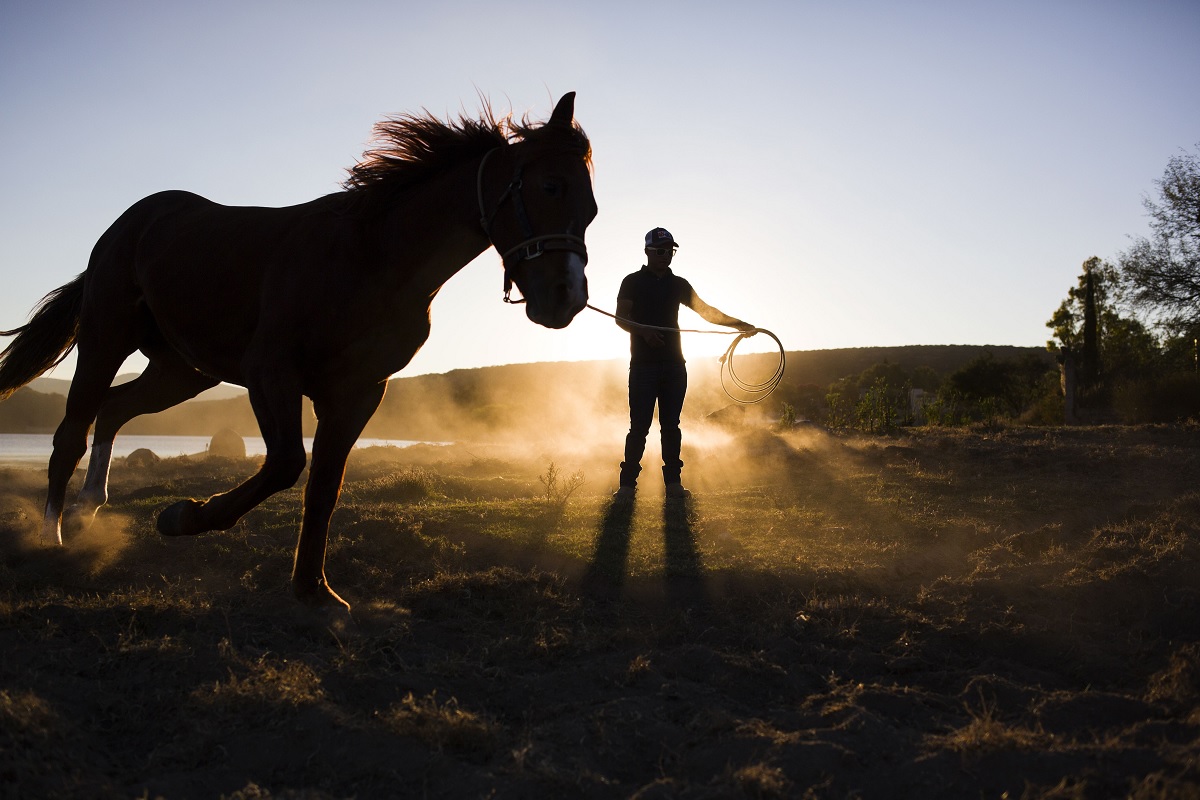
How to Train a Horse: Step-by-Step Techniques for Success”
Training a horse is a rewarding process that requires patience, consistency, and understanding of equine behavior. Horses are intelligent animals that respond best to clear communication, positive reinforcement, and structured routines. Learning how to train a horse effectively allows you to build trust, develop a strong bond, and ensure safety for both you and the animal. Proper training encompasses a range of skills, including basic handling, groundwork, desensitization, and eventually riding or specialized tasks.
By focusing on the horse’s natural instincts and behavior patterns, you can guide them toward desired responses while fostering confidence and cooperation. Understanding the principles of training and applying them consistently helps create a well-mannered, responsive, and willing horse, making every interaction more enjoyable and productive for both the trainer and the horse.
Establishing Trust and Bonding
Building trust and forming a strong bond with a horse is the foundation of effective training. Horses are sensitive animals that respond to consistent, calm, and respectful handling. Developing trust ensures the horse feels safe, confident, and willing to follow guidance, making every training session more productive. Understanding how to establish trust and strengthen your connection is essential for creating a cooperative partnership, reducing fear or resistance, and promoting a positive experience for both the horse and trainer.
Understanding the Horse’s Perspective
Establishing trust begins with understanding the horse’s natural instincts, behavior, and body language. Horses are prey animals, so they are highly alert to their surroundings and sensitive to sudden movements, loud noises, or unfamiliar stimuli. By recognizing signs of stress, fear, or curiosity, you can respond appropriately and avoid actions that may cause anxiety.
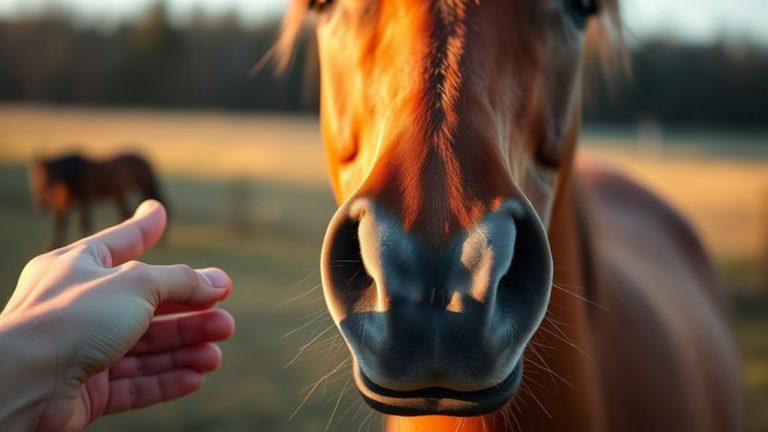
Positive interactions, such as gentle handling, calm voice commands, and consistent routines, help the horse associate human presence with safety rather than threat. Allowing the horse time to approach, explore, or investigate objects without pressure builds confidence and demonstrates respect. Observing and responding to subtle cues strengthens communication, making the horse more willing to cooperate. Understanding the horse’s perspective ensures that trust is earned gradually, laying the groundwork for a solid bond that supports long-term training success.
Building a Consistent and Positive Relationship
Consistency and positive reinforcement are key to bonding with a horse. Regular interactions, including grooming, feeding, and groundwork, provide opportunities to reinforce trust and familiarity. Rewarding desired behaviors with gentle pats, verbal praise, or treats encourages cooperation and reinforces the horse’s confidence in your guidance.
Maintaining calm, patient, and predictable behavior is essential. Horses thrive when they can anticipate what is expected, reducing stress and fear during training sessions. Over time, these consistent, positive experiences create a strong emotional connection. The horse learns to trust your judgment and respond willingly, knowing that interactions are safe and rewarding. By prioritizing trust and bonding, you not only make training more effective but also establish a lasting partnership characterized by respect, understanding, and mutual cooperation.
Basic Ground Training
Basic ground training is the foundation of teaching a horse to respond reliably and safely to human cues. It focuses on establishing control, respect, and communication from the ground before introducing riding or advanced tasks. Understanding basic ground training techniques helps you create a well-mannered, attentive horse while minimizing risks to both the trainer and the horse. Consistent practice builds confidence, reinforces positive behaviors, and sets the stage for more complex training and performance skills.
Leading and Halter Training
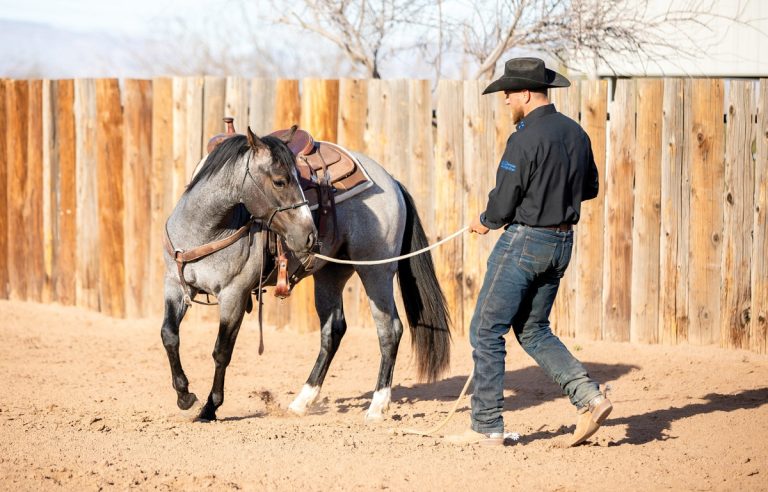
Leading and halter training are among the first steps in basic ground training. Teaching a horse to walk calmly beside you on a lead rope establishes control and communication. Begin by using a properly fitted halter and lead, and guide the horse with gentle pressure and clear cues. Reward compliance with calm praise or a light touch to reinforce positive behavior.
Horses must learn to stop, turn, and back up on command, responding consistently to subtle pressure. These skills promote safety during handling and daily routines, such as grooming, tacking, or veterinary care. Practicing leading in different environments, with distractions, helps the horse remain focused and obedient. This foundation ensures that the horse respects your space, follows guidance confidently, and develops trust in your leadership, which is critical for all subsequent training activities.
Desensitization and Respect for Space
Desensitization is another key aspect of ground training. Horses naturally react to unfamiliar objects, sounds, or movements with caution or flight responses. Teaching them to remain calm around new stimuli reduces fear and builds confidence. Introduce objects gradually, allow investigation, and reward calm behavior, reinforcing that novel situations are safe.
Respect for personal space is equally important. Horses must learn to yield to pressure, maintain boundaries, and respond without resistance. Using consistent, gentle guidance teaches them to understand signals and follow cues willingly. This approach fosters mutual respect, minimizes stress, and prevents unsafe behaviors. By combining desensitization with space awareness, you create a horse that is attentive, manageable, and prepared for more advanced training, forming a solid foundation for safe and effective partnership.
Riding Preparation
Preparing a horse for riding is a crucial step that ensures safety, comfort, and effective communication between horse and rider. Proper riding preparation establishes trust, reduces stress, and sets the stage for a productive training session. This phase involves grooming, checking tack, and warming up the horse to prevent injuries and enhance performance. Understanding the necessary steps for riding preparation helps both you and your horse feel confident, comfortable, and ready to engage in a successful and enjoyable riding experience.
Grooming and Health Check
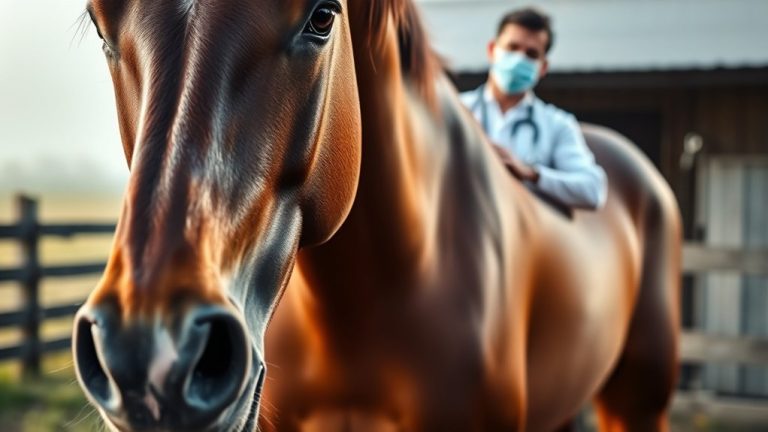
Grooming is the first step in riding preparation, serving both practical and bonding purposes. Brushing removes dirt, sweat, and loose hair, preventing irritation under the saddle or tack. Cleaning the hooves and checking for injuries, cracks, or debris ensures the horse is comfortable and safe for movement. Grooming also allows you to observe any changes in the horse’s skin, coat, or overall health, addressing potential issues before they become serious problems.
During this process, you build trust and reinforce positive interactions. Spending time with the horse while grooming promotes calmness, making it easier to transition to saddling and riding. Regular grooming not only maintains hygiene but also strengthens your connection, ensuring the horse is mentally and physically ready for the ride. This careful preparation lays the foundation for a smooth, enjoyable, and safe riding experience for both horse and rider.
Tack Fitting and Warm-Up
Proper tack fitting is essential to prevent discomfort or injury during riding. Saddles, bridles, and other equipment must be adjusted to the horse’s body shape and size, ensuring even weight distribution and secure placement. Ill-fitting tack can cause soreness, restrict movement, and negatively impact performance. Checking straps, buckles, and padding is a critical part of preparation.
Warming up the horse through light groundwork or gentle walking helps loosen muscles and joints, reducing the risk of strains or injuries. A proper warm-up also mentally prepares the horse, allowing it to focus on the rider’s cues and respond effectively. Combining tack fitting and warm-up routines ensures the horse is physically and mentally prepared, supporting safety, comfort, and optimal performance during riding sessions.
Basic Riding Commands
Learning basic riding commands is essential for effective communication between horse and rider. Clear, consistent commands allow the horse to understand expectations, respond safely, and perform desired movements with confidence. These foundational skills build trust and improve overall riding experience, whether for leisure, training, or competition. Mastering basic commands ensures that both you and your horse can move together smoothly, enhancing safety, control, and enjoyment during every ride.
Walking, Trotting, and Halting
The first basic riding commands involve controlling the horse’s pace, such as walking, trotting, and halting. Using gentle leg pressure, seat cues, and reins helps signal the horse to move forward at a walk or trot. For halting, a combination of rein pressure and subtle seat adjustments communicates the command clearly. Consistency in applying these cues ensures the horse responds reliably, reducing confusion and stress.
Practicing transitions between gaits strengthens responsiveness and develops coordination. Horses learn to associate specific movements with corresponding cues, creating a predictable and safe riding experience. Repetition, patience, and positive reinforcement are key to helping the horse understand and obey these commands. Mastering walking, trotting, and halting establishes a strong foundation for more advanced commands and improves overall control during riding sessions, supporting confidence and trust between horse and rider.
Turning and Steering Commands
Turning and steering are critical skills that allow the rider to navigate effectively while maintaining control and safety. Basic cues involve rein pressure, leg placement, and subtle body shifts to guide the horse’s direction. Teaching these commands gradually helps the horse understand how to respond to left or right cues without hesitation.
Practicing controlled turns, circles, and figure-eight patterns reinforces the horse’s responsiveness and enhances balance and coordination. Clear and consistent signals prevent confusion and allow smooth, precise movements. By mastering steering commands, you improve overall control, making rides safer and more enjoyable. These foundational skills also serve as the basis for advanced maneuvers, jumps, and trail riding, ensuring the horse is attentive, cooperative, and confident in responding to the rider’s guidance.
People Also Asked
How Long Does It Take To Train A Horse?
The time it takes to train a horse depends on the horse’s age, temperament, and prior experience. A young or untrained horse may need several months of consistent daily training to respond reliably to basic commands. You should focus on short, focused sessions to maintain the horse’s attention and avoid stress. Patience and consistency are essential, as rushing the process can lead to confusion or fear. Tracking small progress and gradually introducing new skills ensures the horse develops confidence and responsiveness at a steady pace.
What Is The Best Age To Start Training A Horse?
Horses can begin light handling and groundwork as early as one to two years old. At this age, they are more adaptable and willing to learn basic manners and respond to cues. However, intensive riding training should be delayed until the horse’s skeletal and muscular systems are more developed, typically around three to four years old. Starting with groundwork, lunging, and gentle desensitization prepares the horse mentally and physically, building trust and confidence. Beginning training too early can cause stress or physical strain, so pacing is important.
How Do You Build Trust With A Horse During Training?
Building trust starts with consistent, calm, and positive interactions. You should spend time grooming, talking, and handling the horse gently. Avoid sudden movements or loud noises that can scare them. Rewarding good behavior with pats or treats encourages cooperation. Understanding the horse’s body language helps you respond appropriately and avoid conflict. Gradually introducing new experiences and commands ensures the horse associates you with safety and guidance. Trust is the foundation for effective training because a horse that feels secure is more willing to listen and learn from you.
What Are The Basic Commands Every Horse Should Learn?
Every horse should learn essential commands like walk, trot, stop, turn, and back up. Groundwork commands such as leading, yielding to pressure, and standing still are also critical. These commands ensure safety for both the horse and handler and form the foundation for advanced training. Consistency in cues, tone, and body language helps the horse respond accurately. Practicing these commands daily in short, structured sessions strengthens understanding. Mastering basic commands builds a confident, obedient horse and makes later training for riding, jumping, or specialized skills much smoother and safer.
How Can You Correct Problem Behaviors While Training?
Addressing problem behaviors like biting, kicking, or refusing commands requires calm, consistent correction. Avoid punishment that scares or hurts the horse. Instead, redirect undesirable actions to positive alternatives and use pressure-release techniques. Reinforcing good behavior with rewards, praise, or treats helps the horse understand expectations. Consistency is key—ensure every handler follows the same rules. Observing triggers for misbehavior allows you to anticipate and prevent issues. Correcting problems gradually maintains trust while teaching the horse what is acceptable, ensuring a safer and more productive training experience.
How Often Should You Train A Horse For Best Results?
Consistency matters more than long hours of training. Short, daily sessions of 20-40 minutes are ideal for maintaining attention and preventing stress. Horses need rest and time to process new skills, so alternating intense and light sessions helps with learning and physical recovery. Overtraining can lead to frustration, resistance, or injury. You should adjust training frequency based on the horse’s age, fitness level, and temperament. Regular evaluation of progress allows you to plan appropriate sessions, ensuring steady improvement and a positive, productive training experience for both you and the horse.
Final Thoughts
Successfully training a horse requires patience, consistency, and a deep understanding of equine behavior. By focusing on building trust, establishing clear communication, and practicing basic ground and riding commands, you create a strong foundation for a safe and cooperative partnership. Proper preparation, including grooming, tack fitting, and warm-ups, ensures the horse is comfortable and responsive throughout training sessions. Understanding the horse’s instincts and reinforcing positive behaviors helps the animal develop confidence and willingness, making learning more effective.
Learning how to train a horse is not just about teaching commands—it’s about fostering a respectful, trusting relationship that benefits both the horse and rider. With dedication, attention to detail, and consistent practice, you can guide your horse to respond reliably, perform desired tasks safely, and enjoy a rewarding, harmonious experience that strengthens your bond and enhances overall equine care.