What Does a Horse Look Like? Features, Colors, and Body Structure Explained
Horses are among the most majestic and recognizable animals in the world, admired for their strength, grace, and beauty. Their physical appearance varies widely depending on breed, age, and purpose, but certain characteristics—such as their muscular build, long legs, and flowing mane—make them universally striking. Observing a horse’s features can provide insight into its breed, temperament, and capabilities.
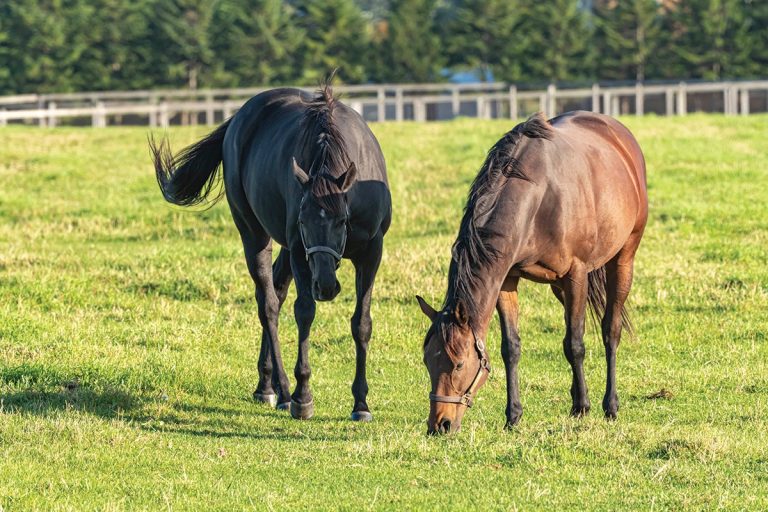
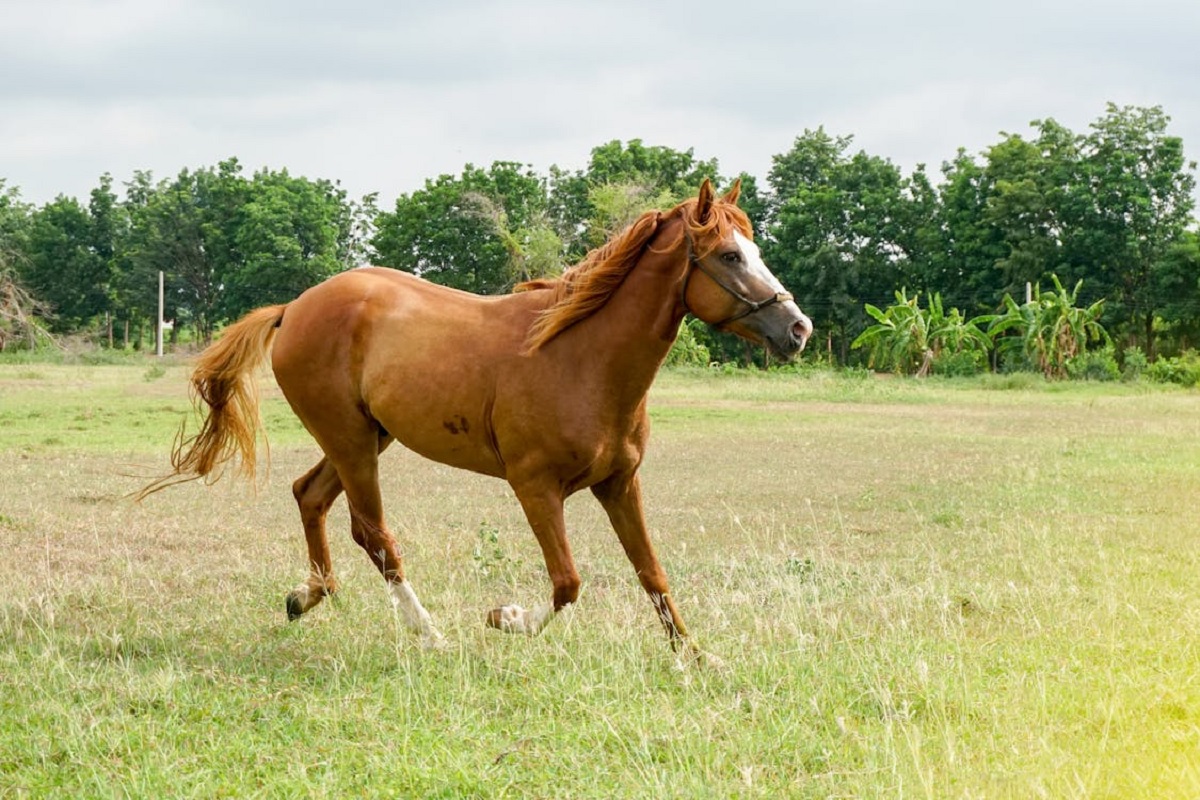
When people ask what does a horse look like, they are often curious about its overall body structure, coat patterns, and distinctive features. Horses typically have a long, elegant neck, large expressive eyes, and a strong, sturdy body designed for speed, endurance, and balance. Their legs are slender but powerful, allowing them to move with agility and strength across varied terrains.
Coat color, mane, and tail add to the horse’s visual appeal, with countless variations such as bay, chestnut, black, gray, or spotted patterns in certain breeds. The combination of these features gives each horse a unique presence and personality.
Understanding a horse’s physical traits helps riders, enthusiasts, and breeders appreciate both functionality and beauty. From its posture to its markings, a horse’s appearance is a reflection of its health, genetics, and care, making observation an essential part of equine knowledge.
General Physical Structure of a Horse
Understanding the general physical structure of a horse is essential for riders, breeders, and equine enthusiasts. A horse’s anatomy determines its movement, performance, and overall health. While size, build, and specific features may vary by breed, most horses share key structural characteristics, including a muscular body, long legs, strong hooves, and a distinct head shape. These features contribute to their agility, endurance, and versatility in various disciplines.
Head and Facial Features
The head of a horse is a defining characteristic, influencing both appearance and functionality. Horses typically have a long, slightly convex or straight profile with large, expressive eyes positioned on the sides of the head. This eye placement provides an extensive field of vision, allowing horses to detect movement and potential threats from nearly all directions.
Ears are mobile and highly sensitive, helping horses communicate mood and attention. Nostrils are large and expandable, enabling increased airflow during strenuous activity, while lips and teeth are adapted for grazing and selective feeding. Facial muscles support expressions that indicate temperament, alertness, or discomfort, giving handlers essential clues about the horse’s state of mind.
Overall, the head integrates sensory perception and communication with functional adaptations for survival and performance. Proper understanding of these features aids in assessing health, behavior, and suitability for specific riding or training activities.
Neck and Withers
The neck of a horse plays a crucial role in balance, posture, and movement. A well-formed neck is muscular yet flexible, allowing for smooth transitions in gait, efficient breathing, and precise maneuvering during riding. The length and arch of the neck vary among breeds, with longer, arched necks providing elegance and reach, while shorter, muscular necks contribute to strength and control.
Withers, located at the junction of the neck and back, serve as an anchor point for the saddle. Prominent and well-defined withers ensure proper saddle fit, preventing pressure points and discomfort. Strong muscles around the neck and withers enhance the horse’s ability to carry a rider, distribute weight evenly, and maintain endurance during long rides or competitive events.
Understanding neck and wither structure is essential for both performance and health. Proper assessment can prevent injuries, improve riding posture, and support the horse’s overall physical functionality.
Body and Torso
The body of a horse is built for strength, agility, and endurance. A deep, wide chest accommodates strong lungs and a large heart, supporting oxygen circulation during high-intensity activity. The barrel, or torso, houses the digestive organs and is usually well-rounded to provide core strength and stability.
The back and loin connect the front and hindquarters, playing a pivotal role in propulsion and balance. A straight, well-muscled back ensures efficient energy transfer from the hindquarters during movement. The ribcage provides both protection for vital organs and structural support for the torso.
Breed, age, and activity influence the body’s proportions. Horses designed for racing often have long, lean torsos for speed, while draft horses have broader, more muscular bodies for pulling strength. Assessing the body structure is essential for evaluating health, performance potential, and suitability for specific equestrian disciplines.
Legs, Hooves, and Movement
Legs and hooves form the foundation of a horse’s mobility and athleticism. Horses have long, slender legs with strong tendons and ligaments that absorb shock and support high-speed movement. Their joints, including the fetlock, knee, and hock, allow for fluid motion and weight-bearing efficiency.
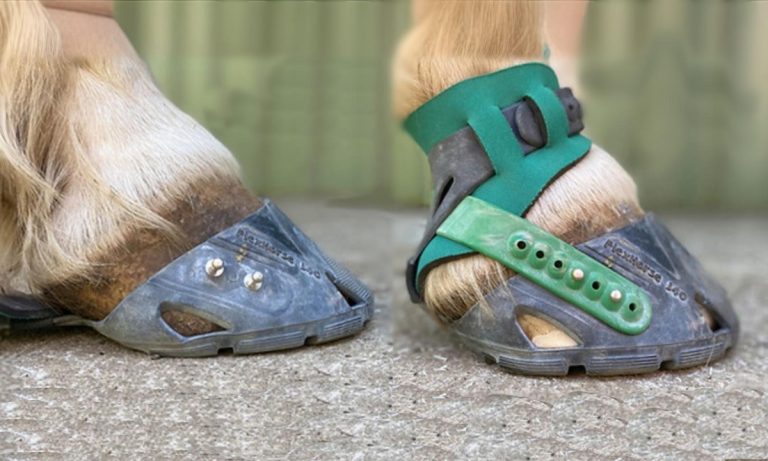
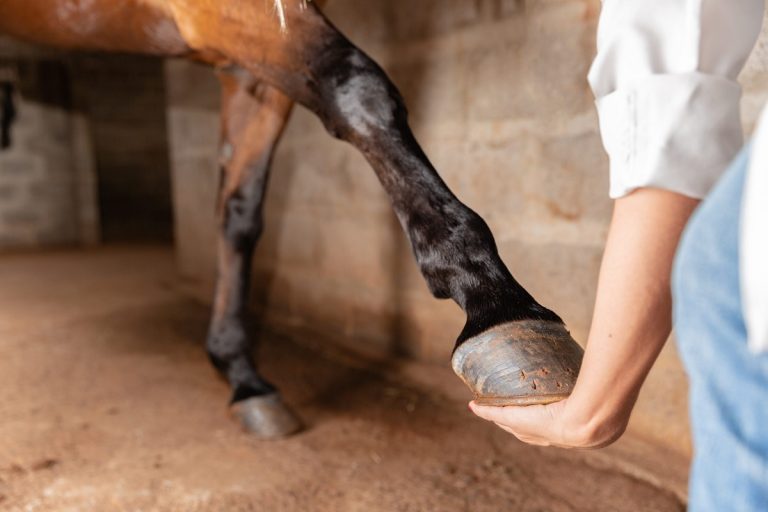
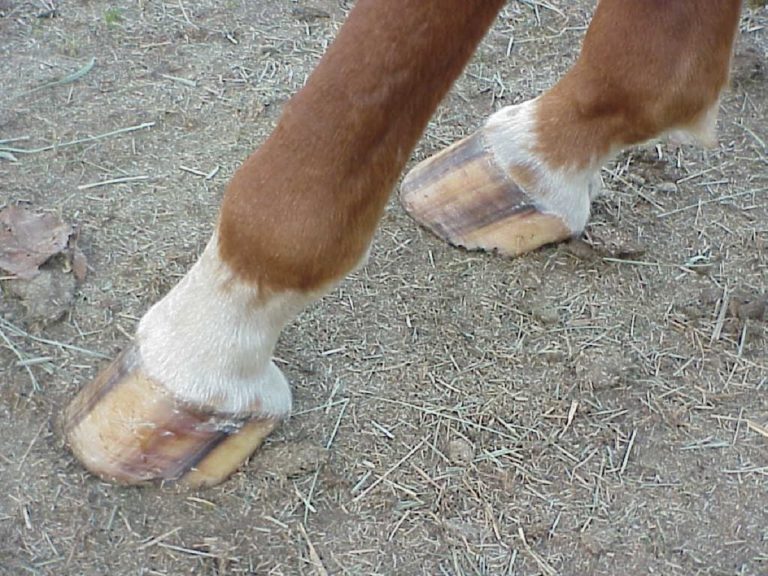
Hooves are crucial for balance, traction, and protection. The hoof wall, sole, and frog work together to absorb impact and maintain structural integrity. Proper hoof care, including regular trimming and shoeing when necessary, is vital for preventing lameness and maintaining performance.
The combination of strong legs and healthy hooves enables horses to excel in endurance, jumping, sprinting, and other equestrian activities. Observing leg conformation, symmetry, and movement patterns can indicate overall health and athletic potential, helping owners and riders make informed decisions about training and riding techniques.
Tail, Mane, and Overall Appearance
The mane and tail are more than aesthetic features; they serve practical purposes such as protection from insects and assisting with balance during movement. A thick mane can provide slight shielding from sun and debris, while the tail helps swat flies and maintain equilibrium during motion.
Overall appearance, including muscle tone, coat condition, and posture, reflects a horse’s health, breed, and level of care. A well-proportioned, strong, and balanced horse indicates good conformation, which contributes to both beauty and functionality. These structural traits are essential in assessing suitability for riding, competition, or breeding purposes.
Coat Colors and Patterns
The coat color and pattern of a horse is one of its most noticeable and distinguishing features. Beyond aesthetics, coat coloration can indicate breed, lineage, and even certain genetic traits. Understanding the variety of colors and patterns helps riders, breeders, and enthusiasts identify horses, appreciate their uniqueness, and make informed breeding or training decisions.
Common Solid Colors
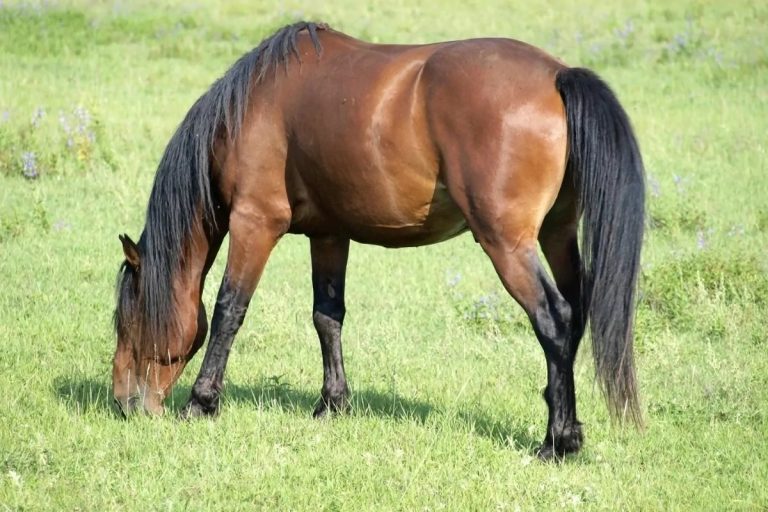
Solid coat colors are among the most traditional and recognizable in horses. These include bay, black, chestnut, gray, and palomino. A bay horse has a reddish-brown body with black mane, tail, and lower legs, while black horses display a uniform dark coat without lighter markings. Chestnuts range from light golden to deep reddish-brown, often with matching manes and tails.
Gray horses are born dark but gradually lighten with age, producing a silvery appearance, and palominos have a golden body with a white or cream-colored mane and tail. Solid colors are often breed-specific and provide a classic appearance while reflecting underlying genetic traits. Understanding these common colors is essential for identifying and categorizing horses, particularly in breed registries and competitive environments.
Patterns In Spotted Breeds
Some horses display distinct spotted or multicolored patterns, often associated with breeds like Appaloosas or Paints. Appaloosas are famous for leopard spots, blanket patterns, and mottled skin, creating unique and striking appearances. Spots may vary in size, shape, and distribution, contributing to the breed’s distinctive identity.
Paint horses exhibit large, irregular patches of white combined with darker colors in overo, tobiano, or tovero patterns. Overo patterns generally feature white that does not cross the back, tobiano shows vertical white patches, and tovero combines both types. These patterns are genetically inherited and are highly valued for visual appeal, especially in show and competitive environments.
Spotted patterns not only enhance aesthetics but also help in identifying lineage and breed authenticity. Each horse’s unique markings contribute to individual recognition and can sometimes reflect family traits within breeding lines.
Genetic Influences on Coat Color
Genetics play a major role in determining coat color and patterns. Specific genes control pigmentation, spot formation, and color dilution. For example, the Extension and Agouti genes influence black and red pigmentation, while the Leopard complex gene produces Appaloosa patterns. Paint horses inherit patterns based on genes controlling white spotting and patch distribution.
Genetic understanding allows breeders to predict possible offspring colors and patterns. Breeding two solid-colored horses may produce a predictable outcome, whereas pairing patterned horses can result in more variation. Knowledge of genetics ensures that desired coat characteristics are preserved while maintaining diversity and health within the breed.
Seasonal and Environmental Factors
While genetics primarily determine coat color, seasonal changes and environmental factors can influence its appearance. Horses often grow thicker, duller winter coats that protect against cold, which shed in spring to reveal a sleeker, shinier summer coat. Sun exposure may lighten certain coat colors over time, especially in chestnut or palomino horses.
Proper grooming, nutrition, and health care also affect coat condition. A well-maintained horse exhibits a glossy, vibrant coat, highlighting its natural colors and patterns. By combining knowledge of genetics with attentive care, owners can enhance both the appearance and health of their horse’s coat.
Coat Colors and Breed Identification
Coat colors and patterns are essential tools for identifying breeds and assessing lineage. Solid colors often dominate breeds like Thoroughbreds or Arabians, while spotted patterns define Appaloosas and Paints. Recognizing these traits allows breeders, riders, and enthusiasts to understand breed characteristics, predict performance tendencies, and make informed breeding choices.
From aesthetic appeal to genetic significance, coat colors and patterns serve as both a visual hallmark and a functional indicator of breed identity. Observing these traits closely allows you to appreciate the diversity, beauty, and heritage present in every horse.
Size and Build Variations
Horses exhibit a wide range of size and build variations, reflecting their breed, genetics, and intended use. From petite ponies to large draft horses, each type has unique structural traits that influence strength, agility, and endurance. Understanding size and build differences helps riders, trainers, and breeders select horses suited for specific disciplines, riding styles, and workloads, ensuring optimal performance and longevity.
Height and Weight Differences
Horse height, measured in hands (one hand equals four inches), can vary significantly between breeds. Small breeds, such as ponies, may stand 10 to 14 hands, while light riding horses typically range from 14 to 16 hands. Large breeds, including draft horses, can exceed 17 hands. Weight is proportional to height, with ponies averaging 400–700 pounds, riding horses around 900–1,200 pounds, and draft horses exceeding 1,800 pounds.
Height and weight affect riding suitability, workload capacity, and performance. Smaller horses or ponies are ideal for children, recreational riding, or light tasks, while medium-sized breeds excel in versatile riding disciplines. Draft horses, with their larger mass and power, are suited for heavy work, pulling, or carrying larger riders. Recognizing these differences ensures safe and effective pairing of horse and rider.
Musculature and Body Conformation
Muscle development and overall conformation influence strength, agility, and endurance. Light riding breeds often have lean, elongated muscles supporting speed and efficiency, while stock-type horses possess compact, powerful muscles for agility and explosive movement. Draft horses exhibit massive, well-developed muscles optimized for pulling strength rather than speed.
Conformation also affects gait, balance, and overall soundness. Well-proportioned horses with strong backs, straight legs, and aligned joints are less prone to injury and perform more efficiently. Muscle distribution along the hindquarters, shoulders, and neck determines how effectively the horse can carry weight, accelerate, or maintain stamina during long rides or demanding tasks.
Understanding musculature helps riders assess suitability for specific activities and guides breeders in selecting horses with desired performance traits, ensuring functionality and durability.
Limb Structure and Hoof Size
Leg and hoof structure varies depending on size and build. Smaller horses have proportionate legs with smaller hooves, which allow nimble movement but may limit weight-bearing capacity. Medium-sized riding horses have longer, balanced limbs, providing a combination of speed and stability suitable for varied disciplines. Draft horses feature thick, strong legs with large hooves designed to support massive weight and pull heavy loads efficiently.
Limb alignment, tendon strength, and joint structure contribute to soundness and performance. Straight, well-proportioned legs reduce strain on joints and minimize the risk of lameness. Hoof care is critical across all sizes, with proper trimming and shoeing ensuring balance, traction, and injury prevention.
Breed-Specific Build Considerations
Size and build often correspond to breed-specific purposes. Arabians are smaller and refined, excelling in endurance and long-distance riding. Quarter Horses are muscular and agile, suited for ranch work and western disciplines. Draft breeds like Clydesdales or Percherons prioritize strength and pulling power. Ponies, with compact builds, are ideal for children or light work.
Understanding these variations allows riders, breeders, and trainers to match horse characteristics with intended use, enhancing safety, comfort, and performance. Selecting the right size and build ensures the horse’s health is maintained while optimizing its natural abilities across riding or work activities.
Mane, Tail, and Hair Characteristics
The mane, tail, and overall hair of a horse are essential components of its appearance, health, and functionality. Beyond aesthetics, these features play a role in protection, communication, and balance. Understanding their characteristics helps riders, breeders, and caretakers provide proper care, maintain beauty, and support the horse’s overall well-being, while also appreciating the breed-specific differences in hair types and growth patterns.
Mane Structure and Growth Patterns
A horse’s mane extends along the crest of the neck, varying in length, thickness, and texture depending on breed and genetics. Some horses, such as Arabians or Friesians, naturally grow long, thick manes, while others, like Quarter Horses or Appaloosas, may have shorter or finer hair. The mane provides protection from environmental factors, such as sun, rain, and insects, and helps shield the neck from abrasions during riding or pasture activity.
Mane care involves regular brushing, detangling, and sometimes trimming to prevent knots, breakage, or uneven growth. Braiding is common for competitive or show horses, enhancing appearance while keeping the mane neat and reducing stress on the hair. Observing growth patterns also helps identify nutritional or health issues, as dull, brittle hair can indicate deficiencies or illness.
Maintaining a healthy mane supports comfort, protects the skin beneath, and contributes to the horse’s overall presentation. Proper grooming routines enhance natural shine, prevent hair loss, and allow early detection of skin irritations.
Tail Characteristics and Function
The tail serves multiple practical purposes in addition to aesthetic appeal. It is primarily used for balance during movement and for swatting insects to prevent irritation. Tail length, thickness, and texture vary by breed; Friesians and some draft horses typically have long, flowing tails, while other breeds may carry shorter, finer hair.
Proper tail care includes regular brushing, detangling, and occasional washing. Avoiding over-brushing prevents breakage, and protective measures like tail bags can maintain length and cleanliness in show or performance horses. The tail also communicates mood and behavior—swishing, clamping, or flicking can signal irritation, excitement, or discomfort.
Understanding tail characteristics allows handlers to respond appropriately to a horse’s cues while maintaining hair health. A well-maintained tail enhances comfort, protects against pests, and contributes to the horse’s elegant appearance during riding or competition.
Coat Hair and Texture Variations
The horse’s body hair, including its coat, mane, and tail, varies in texture, length, and thickness depending on breed, climate, and genetics. Some horses have fine, silky hair, while others develop thick, coarse coats for cold-weather protection. Seasonal changes influence coat density, with winter coats becoming dense and insulating, and summer coats shedding for a lighter, cooler layer.
Coat care includes regular brushing to remove dirt, debris, and loose hair, stimulating blood circulation and promoting natural shine. Grooming also allows early detection of skin conditions, infections, or parasites. Certain breeds, like Appaloosas or Paints, may require extra attention to patterned areas, as lighter hair can show stains or discoloration more easily.
Proper care of the coat supports health, comfort, and appearance. Balanced nutrition, regular grooming, and environmental management maintain hair quality while reducing risks of matting, skin irritation, or seasonal shedding problems.
Combined Impact on Appearance and Performance
The mane, tail, and body hair collectively influence a horse’s overall aesthetic and functionality. Long, healthy hair contributes to a polished look in shows or competitions, while maintaining practical functions like balance, insect protection, and temperature regulation. Hair condition can also reflect overall health, making grooming an essential part of daily care routines.
Breed-specific variations in hair growth, texture, and density inform grooming strategies and handling techniques. For example, long-haired breeds require careful detangling and protective measures, while short-haired breeds benefit from frequent brushing to remove dust and stimulate skin health. Understanding these characteristics ensures the horse remains comfortable, visually appealing, and well-prepared for both riding and performance activities.
By appreciating and maintaining mane, tail, and coat hair, you support not only a horse’s beauty but also its physical health, communication, and natural protective functions, reinforcing the bond between horse and handler.
Leg and Hoof Details
A horse’s legs and hooves are critical components of its anatomy, directly affecting movement, balance, and overall performance. Strong, well-structured legs and healthy hooves enable horses to run, jump, carry riders, and perform various tasks efficiently. Understanding leg and hoof anatomy, conformation, and maintenance requirements is essential for riders, trainers, and caretakers to ensure soundness and longevity.
Leg Structure and Anatomy
The horse’s legs consist of bones, joints, tendons, and ligaments that work together to provide support, flexibility, and shock absorption. The front legs bear a significant portion of the horse’s weight, while the hind legs provide propulsion. Key joints, including the knee, hock, fetlock, and pastern, allow for smooth motion and absorb impact during running, jumping, or sudden movements.
Muscle distribution along the legs affects strength, endurance, and agility. Well-muscled forearms, gaskins, and cannon bones contribute to efficient locomotion and reduce the risk of injury. Conformation, or how the legs are aligned, is essential; straight, symmetrical legs minimize stress on joints and tendons, while crooked or uneven limbs increase susceptibility to lameness or strain. Understanding leg anatomy allows riders to evaluate performance potential and identify early signs of injury.
Hoof Structure and Function
Hooves are complex structures composed of the hoof wall, sole, frog, and internal connective tissues. They protect underlying bones and tissues, absorb shock, and provide traction on various surfaces. Proper hoof shape and balance are critical to distributing weight evenly and preventing joint or tendon strain.
Hoof growth and health depend on nutrition, genetics, and regular maintenance. Cleaning hooves daily removes debris and prevents infections like thrush. Regular trimming or shoeing by a qualified farrier maintains balance, supports performance, and minimizes the risk of lameness. Hooves are often overlooked, yet they are vital for the horse’s mobility and overall health.
Leg Conformation and Performance
Leg conformation greatly impacts a horse’s performance and soundness. Horses with straight, well-proportioned legs move efficiently and can carry weight with reduced risk of injury. Deviations such as bowed tendons, sickle hocks, or pastern abnormalities can limit agility, speed, and endurance.
Different disciplines favor certain conformation traits. Racing horses require long, straight legs for speed and stride efficiency, while draft horses benefit from thicker, stronger legs for pulling and heavy work. Observing leg structure helps in selecting horses suited to specific activities, optimizing both safety and performance outcomes.
Maintenance and Care Practices
Routine care of legs and hooves is essential to prevent injuries and maintain mobility. Daily inspection for swelling, heat, or cuts allows early detection of problems. Applying hoof conditioners, cleaning debris, and monitoring gait are simple yet effective preventive measures.
Exercise and proper footing also support leg and hoof health. Horses working on uneven, hard, or slippery surfaces are more prone to strains or hoof damage. By combining proper maintenance, nutrition, and observation, you can ensure that a horse’s legs and hooves remain strong, functional, and ready for any activity.
Breed-Specific Physical Traits
Horses exhibit a remarkable variety of physical traits that are often unique to specific breeds. These traits influence performance, temperament, and suitability for particular activities. Understanding breed-specific characteristics helps riders, breeders, and enthusiasts recognize a horse’s strengths, anticipate behavior, and make informed choices about training, care, and competitive use. Each breed has evolved traits shaped by history, purpose, and selective breeding.
Arabians: Refined Build and Endurance
Arabian horses are easily recognized for their refined, elegant build and high stamina. They have a dished face, large expressive eyes, arched neck, and compact body with short backs and strong hindquarters. This conformation supports endurance, making Arabians exceptional in long-distance riding and competitive endurance events.
Arabians have lighter bone structures, fine legs, and a dense mane and tail, giving them an aesthetically pleasing appearance while maintaining functional efficiency. Their body type allows for efficient oxygen circulation and energy use, enabling sustained performance over long distances. In addition to physical traits, Arabians exhibit alertness and intelligence, which complement their endurance abilities. Their overall refinement and athleticism make them ideal for riders seeking a versatile, graceful, and reliable mount.
Quarter Horses: Muscular Power and Agility
Quarter Horses are known for their muscular, compact build, emphasizing strength, speed, and quick bursts of power. They have broad chests, strong shoulders, and well-muscled hindquarters, making them highly effective for sprinting short distances, ranch work, and western performance events. Their conformation allows explosive acceleration and agile movements.
The breed’s legs are strong and proportionate, supporting tight turns, rapid stops, and dynamic maneuvering. Their overall body mass is heavier than Arabians but balanced to maintain agility without sacrificing power. This combination of muscle and compact size makes Quarter Horses highly versatile, excelling in activities such as barrel racing, reining, and roping. Understanding these physical traits helps trainers and riders optimize performance and prevent injuries during high-intensity activities.
Draft Breeds: Strength and Stature
Draft horses, such as Clydesdales, Percherons, and Shires, are characterized by immense size, massive musculature, and heavy bone structure. They typically have broad bodies, thick legs, and large hooves, designed for strength and pulling capacity rather than speed. These traits make them ideal for farm work, carriage pulling, and other labor-intensive tasks.
Despite their size, draft horses possess surprising agility for their weight. Their dense musculature and calm temperament enable controlled movement under heavy loads. Draft breeds often feature long, flowing manes and tails, adding to their majestic appearance. Their physical traits are less suited for endurance or sprinting but excel in strength-focused disciplines. Recognizing these characteristics allows handlers to utilize draft breeds effectively while maintaining proper care and conditioning for their size.
Ponies: Compact and Hardy
Ponies are smaller equines known for their compact, sturdy build and resilience. They typically have shorter legs, thicker bones, and proportionately muscular bodies, allowing them to carry weight efficiently despite their smaller size. Ponies often exhibit strong, dense hooves and calm, intelligent temperaments.
Their size and strength make them ideal for children, beginners, and light work in recreational riding or driving. Ponies can navigate rough terrain with ease due to their low center of gravity and efficient muscle structure. Breed-specific traits such as mane thickness, coat density, and facial structure vary widely among pony breeds, influencing grooming and care requirements. Understanding these physical traits helps match ponies to appropriate tasks, training routines, and rider experience levels.
Specialty Breeds: Unique Adaptations
Other specialty breeds exhibit distinctive physical traits tailored to specific activities or environments. For example, Friesians have long, flowing manes and tails, high-set necks, and strong legs suited for dressage and carriage driving. Appaloosas are noted for their spotted coats, mottled skin, and striped hooves, combining visual appeal with agility and endurance.
These unique traits often result from centuries of selective breeding for purpose and performance. Observing breed-specific characteristics allows riders and breeders to appreciate both aesthetics and functionality. Matching physical traits with intended use ensures the horse’s health, performance, and suitability for specific disciplines. Recognizing these differences is crucial for optimizing care, training, and long-term management across diverse breeds.
FAQs
What Are The General Physical Features Of A Horse?
A horse’s general physical features include a long neck, muscular body, strong legs, and a distinct head with expressive eyes and mobile ears. These features support balance, speed, and communication, while enabling grazing and survival in the wild.
You will also notice the mane and tail, which serve functional and aesthetic purposes, and hooves that provide traction and absorb impact. Overall, a horse’s structure is built for both endurance and agility, allowing them to perform various activities like riding, pulling, and running across different terrains efficiently.
How Can You Identify A Horse By Its Coat?
A horse’s coat provides clues to its breed, lineage, and individual identity. Common solid colors include bay, chestnut, black, gray, and palomino, while patterned coats appear in breeds like Appaloosas or Paints. Spots, patches, and markings are often unique to each horse.
Coat condition also reflects health. A shiny, well-groomed coat indicates proper nutrition and care, while dull or uneven hair may signal illness or deficiencies. Observing a horse’s coat helps you appreciate its beauty and recognize its breed or individual traits effectively.
What Is The Typical Head And Facial Structure Of A Horse?
Horses have a long, slightly convex or straight head with large, expressive eyes on the sides. This placement gives them a wide field of vision. Their nostrils are large and flexible for effective breathing, and ears are highly mobile for communication and alertness.
The mouth and teeth are adapted for grazing, allowing horses to select and chew food efficiently. Facial muscles support expressions that indicate mood or discomfort. By observing the head and facial features, you can gain insight into the horse’s temperament, breed, and health.
How Do The Legs And Hooves Affect A Horse’s Appearance And Movement?
A horse’s legs and hooves are essential for movement, balance, and performance. Long, muscular legs support running, jumping, and agility, while hooves absorb shock and provide traction. Proper alignment and conformation reduce stress on joints and prevent injuries.
Hoof size and shape vary by breed and purpose, with draft horses having larger, stronger hooves for weight-bearing and ponies having compact, efficient hooves. Understanding leg and hoof structure allows you to assess mobility, health, and suitability for riding or work activities.
What Role Does The Mane And Tail Play In A Horse’s Look?
The mane and tail are both functional and aesthetic features. The mane runs along the neck and helps protect from sun, rain, and insects, while the tail aids in balance and swatting pests. Hair length, thickness, and texture vary by breed.
Well-groomed manes and tails contribute to a polished appearance for shows or competitions. Additionally, they reflect a horse’s overall health. Observing the mane and tail can indicate grooming quality, breed traits, and even lifestyle conditions.
How Does Body Size And Build Influence A Horse’s Appearance?
A horse’s body size and build vary greatly among breeds, affecting both appearance and function. Light riding horses are lean and agile, stock breeds are muscular and compact, and draft horses are massive and powerful. Each build reflects the intended purpose, whether it’s endurance, speed, or strength.
You can assess performance potential and suitability for riding or work by observing conformation, muscle distribution, and leg alignment. Body size and structure also contribute to aesthetic appeal, making each horse visually distinct while supporting its functional capabilities.
Can You Identify A Horse’s Breed By Its Physical Traits?
Yes, breed-specific traits like head shape, body conformation, coat color, mane, tail, and leg structure often help identify a horse’s breed. Arabians are refined and endurance-oriented, Quarter Horses are muscular and agile, and draft breeds are large and powerful.
Observing unique features such as spotted coats in Appaloosas or large white patches in Paints also aids identification. Understanding these characteristics allows you to recognize a horse’s breed, predict behavior, and select suitable activities or training based on natural strengths and abilities.
Conclusion
Horses are truly remarkable creatures, with physical features that reflect both their beauty and functionality. From their expressive eyes and mobile ears to their strong legs, hooves, and flowing mane and tail, each aspect of their anatomy plays a role in movement, balance, and communication. Observing these traits helps you understand their capabilities and behavior more deeply.
When considering what does a horse look like, it’s important to recognize the variations influenced by breed, genetics, and purpose. Light riding horses tend to be lean and agile, draft horses are large and muscular, and ponies are compact yet sturdy. Coat colors, patterns, and mane or tail characteristics further differentiate individual horses, giving each a unique and identifiable appearance.
By appreciating both the general and breed-specific traits, you gain insight into a horse’s strengths, temperament, and suitability for activities. Understanding what does a horse look like enhances your ability to care for, ride, and interact with these majestic animals responsibly and effectively.