How Do Horses See? Vision, Perception, and Eye Health Explained
Horses are remarkable creatures, not only for their strength and grace but also for the way they perceive the world around them. Understanding their vision can reveal a lot about their behavior, instincts, and how they interact with their environment. Observing a horse’s movements, reactions, and even subtle gestures often depends on how they see things differently from humans.
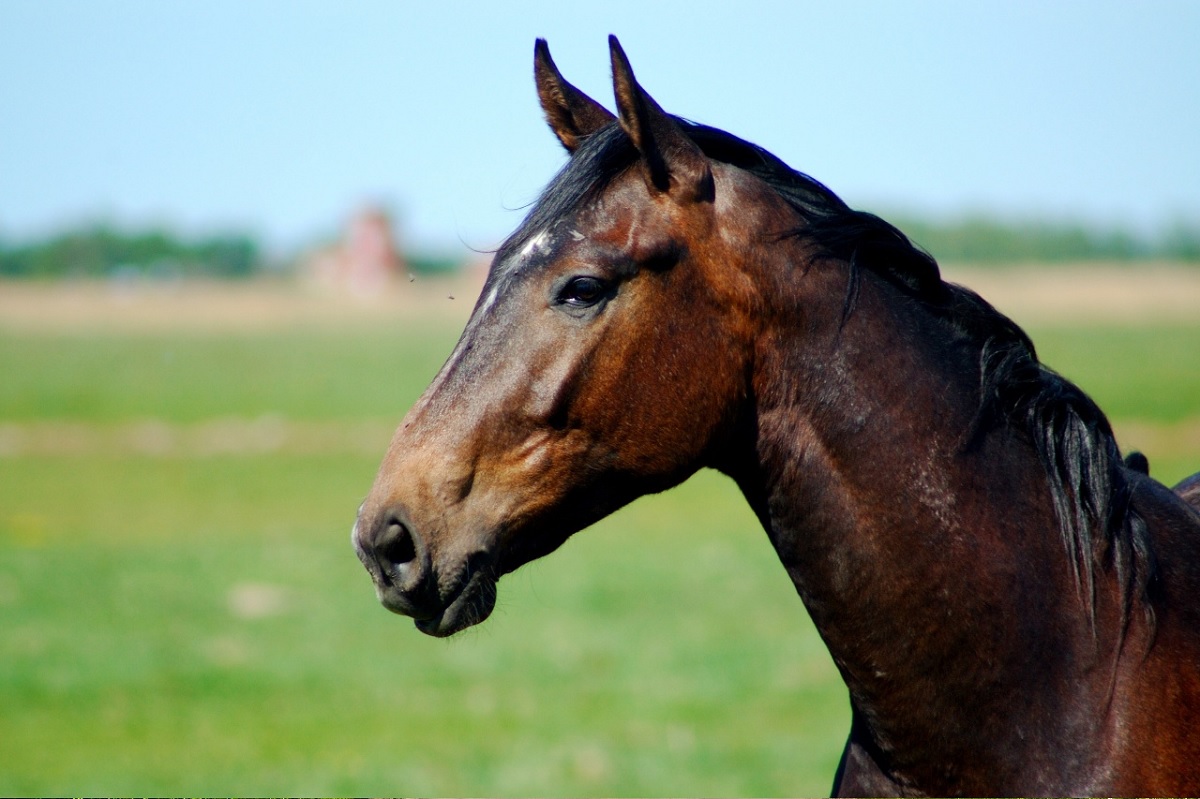
The question of how do horses see is fascinating because their eyes are positioned on the sides of their heads, giving them a wide field of vision. This unique arrangement allows them to detect predators and other potential threats from nearly every direction, which is crucial for their survival in the wild.
Horses also have adaptations that help them navigate low-light conditions, giving them a better ability to see at dawn and dusk. Their color perception differs from humans, meaning they perceive certain shades and contrasts uniquely.
Exploring how do horses see not only enhances our understanding of their sensory world but also helps owners, trainers, and equestrians improve care, training, and communication with these intelligent animals.
Field of Vision in Horses
Horses have a unique visual system that differs significantly from humans, affecting how they perceive their surroundings. Their field of vision is broad, giving them the ability to detect potential threats from almost any direction. Understanding this aspect of their eyesight is essential for owners, trainers, and enthusiasts who wish to interact with horses safely and effectively.
Monocular Vision
Horses rely heavily on monocular vision, which allows them to see different images in each eye separately. Because their eyes are positioned on the sides of their heads, each eye can capture a wide visual range independently. This positioning gives them an almost panoramic view, covering approximately 350 degrees. Monocular vision helps horses detect predators and sudden movements in their peripheral environment, an evolutionary trait essential for survival.
However, there are trade-offs. While horses can see a vast area, objects directly in front of them fall into a blind spot. This is why horses may startle at objects directly ahead—they cannot immediately recognize them. Monocular vision also affects depth perception, making horses cautious about uneven ground or obstacles. Understanding monocular vision helps riders and caretakers approach horses from angles that minimize stress and improve cooperation.
Monocular vision also influences training techniques. Approaches from the side or slightly behind a horse are generally less threatening than head-on interactions. It explains why horses may react differently to movements in their left versus right eye field, showing lateral preferences that trainers can use to their advantage.
Horses’ reliance on monocular vision also impacts their social interactions. In herds, they can monitor multiple individuals simultaneously, maintaining awareness of both allies and threats. This dual-purpose vision is essential for their complex communication and survival strategies in the wild.
Binocular Vision
In contrast to monocular vision, horses also possess binocular vision, which occurs in the area directly in front of their face. This narrower field allows both eyes to focus on a single object simultaneously, providing depth perception and detail recognition. The binocular field typically covers about 60–70 degrees, which is much smaller than their overall visual field but crucial for tasks requiring precision.
Binocular vision is particularly important when horses navigate obstacles, judge distances, or graze selectively. For instance, while approaching a jump or stepping over uneven terrain, horses rely on binocular vision to estimate height, depth, and spacing accurately. Without it, they would struggle to move safely, highlighting the importance of this narrow but critical visual zone.
This type of vision also explains certain behaviors that seem cautious or hesitant. Horses may lower their heads or move slowly to bring objects into their binocular field, ensuring accurate judgment of distances. Trainers can use this knowledge to design environments that reduce stress and encourage confidence in new or challenging situations.
Additionally, binocular vision influences how horses interact with humans and other animals. A person or object approaching directly is interpreted differently than one entering the peripheral field, affecting the horse’s reaction. Understanding this helps owners approach horses calmly, avoiding sudden movements that might startle them.
Blind Spots and Safety Considerations
Despite their extensive visual capabilities, horses have blind spots that every owner should be aware of. Directly in front of the nose and immediately behind the tail, horses cannot see at all. These blind spots can cause unexpected reactions, especially if a person enters these zones suddenly. Awareness of these areas is crucial for safe handling and training.
The forward blind spot is particularly important in everyday interactions. Horses may startle when an object appears suddenly in front of them, as they cannot see it until it moves into their binocular field. Similarly, approaching from behind can trigger defensive behaviors such as kicking or moving away abruptly. Proper positioning when handling or grooming a horse helps prevent accidents caused by these blind spots.
Training techniques often incorporate this knowledge by encouraging horses to become comfortable with human presence in peripheral zones. Gradual desensitization to movement within their monocular fields can reduce fear and improve trust. This approach emphasizes patience, understanding, and consistent handling to align with the horse’s natural perception.
Blind spots also influence herd behavior. Horses often rely on other individuals to alert them to threats in areas they cannot see. This cooperative awareness highlights the importance of social dynamics and environmental design in managing both domestic and wild horses effectively.
Peripheral Awareness
Peripheral awareness in horses is one of their most remarkable traits. Their eyes’ lateral positioning allows them to detect movement across a wide field, making them highly alert to environmental changes. This panoramic vision enables horses to respond quickly to predators or sudden stimuli, an evolutionary advantage that has been preserved even in domestic breeds.
Peripheral vision is mostly supported by monocular sight, allowing horses to observe nearly everything around them without turning their heads. Rapid detection of motion in the periphery triggers instinctive reactions such as fleeing, freezing, or focusing attention, depending on the perceived threat level. Understanding this sensitivity is key for handlers to create calm and predictable environments.
This heightened peripheral awareness also explains certain behavioral quirks. Horses may spook at shadows, moving objects, or unfamiliar shapes entering the side of their vision. By introducing new stimuli gradually and at angles that do not overwhelm peripheral perception, owners can reduce stress and encourage positive responses.
Peripheral awareness plays a crucial role in social interactions as well. In herds, horses monitor multiple companions simultaneously, keeping track of movements and positioning without continuous head turning. This capability reflects an intricate balance between survival instincts and social cooperation that continues to influence domestic horse behavior today.
Color Perception and Light Sensitivity
Horses experience the world visually in a way that is both similar to and different from humans. Their ability to perceive colors and respond to light plays a vital role in their behavior, communication, and interaction with the environment. Understanding how horses see colors and how sensitive they are to light can help trainers, riders, and owners create safer and more comfortable environments.
Color Perception in Horses
Horses do not see the world in the same range of colors that humans do. Unlike humans, who are typically trichromatic and can perceive red, green, and blue, horses are dichromatic. This means they primarily see shades of blue and green but have difficulty distinguishing between red and orange. Red objects may appear as muted shades of brown or gray, which can affect how horses respond to certain stimuli in arenas, pastures, or training environments.
This difference in color perception has practical implications. For instance, a bright red flag used to signal boundaries may not be as noticeable to a horse as it is to a human. Similarly, jumps or obstacles in equestrian sports should be designed with colors horses can easily distinguish, such as blue or yellow hues. Trainers often take advantage of this understanding by using contrasting colors that stand out clearly in a horse’s visual field.
Color perception also influences feeding behavior. Horses may show preferences for certain colored objects when selecting treats or forage, although this is less about attraction to color and more about contrast with the surroundings. Recognizing the limitations of a horse’s color vision allows caretakers to provide environments that reduce stress and prevent confusion.
Light Sensitivity and Night Vision
Horses are highly sensitive to light, which is tied closely to their evolutionary survival as prey animals. Their eyes have a high concentration of rod cells, which enhances low-light vision, allowing them to see well during dawn, dusk, and even nighttime. This adaptation helps them detect predators when visibility is limited and contributes to their natural alertness.
However, this sensitivity also makes horses prone to discomfort under bright or sudden lighting changes. Strong sunlight, glare, or abrupt artificial lighting can startle or irritate them. For example, horses may squint, shy away, or behave nervously when exposed to reflections or shiny surfaces. Handlers and stable managers can minimize stress by avoiding sudden light changes and providing shaded areas for rest.
Light sensitivity also affects training schedules. Activities in low-light conditions may be safer for horses’ eyes, but care must be taken to ensure obstacles, terrain, and surroundings are clearly visible to prevent accidents. Balanced lighting that respects their natural vision helps horses remain calm and confident in both indoor and outdoor environments.
Interaction Between Color and Light
The way horses perceive color is influenced by lighting conditions. In bright sunlight, the limited spectrum of colors they can detect becomes more vivid, while in dim light, colors may appear muted or indistinguishable. Blue and green tones are typically easier for horses to see in various light conditions, whereas red, orange, and pink may blend into the background.
This interaction has practical implications for both domestic care and equestrian sports. Arena markers, jump poles, and other equipment should consider both color and illumination to ensure visibility. For example, a jump painted in shades of red and orange may be hard for a horse to judge accurately, increasing the risk of refusal or misstep. Trainers often test objects under different light levels to ensure horses can perceive them clearly, improving safety and performance.
Understanding how color perception and light sensitivity intersect also helps prevent anxiety and overreaction. Horses may spook at objects that humans perceive as bright or colorful because those items appear different or even indistinct to the horse. Awareness of these visual differences allows handlers to plan introductions to new environments gradually, reducing fear and building trust.
Practical Applications for Care and Training
Knowledge of horses’ color perception and light sensitivity can improve everyday care and training practices. Stable lighting should be consistent, avoiding glare and shadows that can confuse or startle horses. Similarly, equipment, paddocks, and arenas should use colors that horses can distinguish easily, enhancing both comfort and performance.
Trainers can design exercises that take advantage of horses’ strengths, such as their ability to detect blue and green contrasts, while avoiding reliance on red cues. This approach reduces stress and fosters a better learning environment. Color and lighting awareness also play a role in safety; understanding visual limitations allows handlers to anticipate reactions to unfamiliar or sudden stimuli.
Moreover, enriching the environment with objects that provide visual contrast can stimulate horses mentally, promoting engagement without overwhelming them. From feeding setups to obstacle courses, visual considerations help horses navigate spaces confidently, enhancing welfare and human-animal interaction.
Depth Perception and Distance Judgment
Horses rely on their visual abilities not only to detect surroundings but also to judge depth and distance accurately. These skills are crucial for safe movement, grazing, and navigating complex environments. Understanding how horses perceive depth and estimate distances provides insight into their behavior, helps improve training methods, and enhances human-horse interactions.
Monocular and Binocular Contributions
Horses utilize a combination of monocular and binocular vision to perceive depth and judge distances. Their eyes, positioned on either side of the head, give them a wide monocular field, enabling them to scan almost 350 degrees. While this provides an extensive awareness of surroundings, depth perception in the monocular field is limited because each eye sees a separate image.
Binocular vision, though narrower, is essential for precise depth perception. The area directly in front of the horse allows both eyes to focus on the same object, enabling accurate assessment of height, distance, and shape. This field is approximately 60–70 degrees and is crucial when approaching obstacles, jumps, or uneven terrain. Horses instinctively move their heads to bring objects into the binocular field, ensuring they can judge distances accurately.
The interplay between monocular and binocular vision explains behaviors often seen during training or trail riding. Horses may hesitate at a jump or step cautiously over a ditch until they can visually analyze it with both eyes. Understanding this helps trainers position obstacles and approach angles in ways that reduce stress and promote confidence.
Approaching Obstacles
Depth perception plays a significant role when horses approach obstacles, jumps, or uneven surfaces. Unlike humans, horses often cannot rely solely on memory or intuition; they actively use visual cues to judge distance. Before taking a step or leap, a horse will lower its head, shift its gaze, and sometimes move slightly side-to-side to accurately assess height and spacing.
This careful evaluation is tied directly to binocular vision. Objects outside the binocular field may appear distorted or lack clear depth, causing hesitation or avoidance. Horses may misjudge distances if visual cues are subtle or poorly contrasted against the background. Trainers can improve outcomes by ensuring that jumps or obstacles are clearly marked and visually distinct, reducing the risk of refusal, stumbles, or injuries.
Depth perception also influences pacing and stride. Horses may shorten or adjust their step when approaching unfamiliar terrain to compensate for uncertainty in distance judgment. Recognizing this natural behavior allows riders to anticipate adjustments, improving harmony and safety during riding or competitive events.
Grazing and Environmental Navigation
Judging distances is not limited to athletic performance; it is essential in daily activities like grazing and moving through fields or pastures. Horses must estimate the distance to water, food, or other herd members while navigating potentially uneven terrain. Inaccurate distance judgment can lead to missteps or collisions, making depth perception a vital survival and social skill.
Horses also use subtle environmental cues to gauge distances, such as shadows, texture, and relative size of objects. Their visual system, combined with acute peripheral awareness, allows them to detect changes in the environment while maintaining focus on nearby targets. This dual capability enables them to graze efficiently while remaining alert to predators or herd movement.
Depth perception impacts social interactions as well. When approaching other horses, foals, or humans, they estimate proximity to avoid collisions or aggression. Misjudgments in these situations can lead to defensive or startled behavior, emphasizing the importance of understanding their visual and spatial limitations.
Training and Safety Implications
Awareness of how horses perceive depth and distance can significantly enhance training, handling, and riding practices. Trainers can design exercises that align with the horse’s visual strengths, such as gradual exposure to jumps, obstacles, and terrain with clear depth cues. Using contrasting colors, textures, and markers helps horses better judge distances and improves confidence.
Safety considerations are directly tied to visual perception. Understanding that horses may struggle with depth outside their binocular field encourages careful positioning of handlers and riders. Approaching from the side or within their optimal visual field minimizes sudden reactions. Incorporating training that develops visual-spatial awareness, such as patterned ground poles or controlled obstacle courses, also enhances coordination and reduces stress.
Depth perception and distance judgment are integral to a horse’s daily life, influencing everything from navigation to social behavior. Recognizing how these visual skills function allows humans to interact more effectively with horses while creating safer, more engaging environments for their natural abilities to flourish.
Common Vision Problems in Horses
Horses, like humans, can experience a range of vision problems that affect their behavior, performance, and overall well-being. Awareness of these issues helps owners, trainers, and veterinarians detect early signs, provide timely treatment, and create a safer environment for horses. Understanding the most common vision problems is key to maintaining their health and preventing complications.
Cataracts
Cataracts occur when the lens of the horse’s eye becomes cloudy, reducing the ability to focus light and causing blurred vision. This condition can develop gradually due to aging, genetic factors, or injury. Horses with cataracts may become hesitant when moving through unfamiliar environments, appear startled more easily, or show changes in behavior due to impaired vision.
Detection involves a thorough eye examination by a veterinarian, often using specialized equipment to assess lens clarity and overall eye health. While cataracts can sometimes remain stable without significantly impacting daily activities, severe cases may require surgical intervention to restore vision. Managing the environment by keeping paths clear and consistent can help horses with mild cataracts navigate safely.
Cataracts can affect both eyes or just one, influencing depth perception and confidence. Trainers may notice hesitation when horses approach obstacles or unfamiliar surfaces. Monitoring vision changes and addressing cataracts early can prevent accidents, improve quality of life, and maintain performance levels in working or athletic horses.
Horses with cataracts may also develop secondary complications, such as inflammation or increased sensitivity to light. Regular veterinary check-ups and preventive care are essential to minimize risks and ensure long-term ocular health. Understanding cataracts allows owners to provide targeted support while adjusting training or riding routines as needed.
Uveitis
Uveitis, also called recurrent or moon blindness, is an inflammatory condition affecting the uveal tract of the eye. It is one of the most common causes of vision loss in horses and can lead to permanent damage if left untreated. Symptoms include eye redness, excessive tearing, light sensitivity, and cloudiness in the eye. Horses may also squint or exhibit unusual behavior due to discomfort.
The condition can be triggered by infections, trauma, or immune-mediated responses. Management involves prompt veterinary care, including anti-inflammatory medications, pain control, and environmental adjustments to reduce stress on the eyes. Chronic or recurrent uveitis can result in cataract formation, glaucoma, or even complete blindness if untreated.
Owners should pay attention to subtle behavioral changes, such as reluctance to enter bright areas, rubbing of the eyes, or sensitivity during grooming. Early detection and consistent management can slow progression, preserve vision, and improve overall comfort. Environmental factors, like dust, wind, and sunlight, should also be minimized to reduce flare-ups.
Understanding uveitis is crucial for both performance and companion horses. Horses with this condition may require modified training routines and careful handling to avoid accidental injury. Awareness and proactive management can significantly improve outcomes and maintain the horse’s quality of life.
Corneal Ulcers
Corneal ulcers are injuries to the outer layer of the eye, often caused by trauma, foreign objects, or infections. They are painful and can severely affect vision if not treated promptly. Horses may show excessive tearing, squinting, swelling around the eye, or avoidance of light. Quick recognition is essential to prevent deeper infection or permanent damage.
Treatment usually involves veterinary intervention with antibiotic or anti-inflammatory medications, and in severe cases, surgical procedures may be necessary. Ulcers can develop rapidly and worsen if the horse rubs the eye or is exposed to irritants, so prompt action is critical. Owners should inspect eyes daily for signs of injury or discomfort.
Environmental management is also important. Keeping stables clean, providing safe turnout areas, and minimizing exposure to sharp objects reduces the risk of corneal injuries. Horses recovering from ulcers may need temporary modifications in their environment and routines to avoid reinjury.
Corneal ulcers can impact performance and behavior. Horses may hesitate during riding or exhibit anxiety due to visual discomfort. Recognizing early signs and providing appropriate treatment ensures a faster recovery and preserves both vision and confidence.
Equine Recurrent Conjunctivitis
Equine recurrent conjunctivitis is the inflammation of the conjunctiva, the membrane covering the white of the eye and inner eyelids. It can be caused by bacteria, viruses, allergens, or environmental irritants. Symptoms include redness, swelling, discharge, and occasional cloudiness. Horses may rub their eyes or show signs of discomfort during grooming or exposure to wind.
Management involves identifying the underlying cause and treating it appropriately with medications or environmental adjustments. Preventive measures include proper stable hygiene, minimizing exposure to allergens, and monitoring for early signs of irritation. While conjunctivitis may not cause permanent vision loss, it can be uncomfortable and affect daily behavior and training.
Recurrent cases require careful monitoring. Horses may temporarily lose focus, become cautious with movement, or show reluctance to perform under bright sunlight. Consistent care, veterinary consultation, and environmental modifications help reduce flare-ups and maintain ocular health.
Maintaining Healthy Eyes in Horses
Healthy eyes are vital for a horse’s safety, performance, and overall well-being. Because horses rely heavily on vision for navigation, grazing, and social interactions, eye care should be an essential part of daily management. Understanding proper hygiene, preventive measures, and early detection of problems ensures that horses maintain clear vision and remain comfortable in all environments.
Daily Eye Care and Observation
Regular observation is the first step in maintaining healthy eyes in horses. Daily checks should include looking for redness, swelling, cloudiness, discharge, or excessive tearing. Subtle behavioral changes, such as squinting, rubbing the eyes, or reluctance to move in bright sunlight, can also indicate discomfort or early vision issues. Early detection of these signs allows for prompt intervention, reducing the risk of more serious complications.
Horses’ eyes can be cleaned gently using a damp, soft cloth or sterile saline solution to remove dust, debris, or dried discharge. Avoid using harsh chemicals, soaps, or human eye products, as these can irritate the delicate ocular tissues. Maintaining a calm approach while inspecting the eyes helps reduce stress and encourages cooperation.
Daily observation also helps owners recognize patterns in behavior related to vision. For example, a horse hesitating over certain obstacles or turning its head to view an object more clearly may be compensating for impaired vision. Monitoring these behaviors over time provides valuable insight into the horse’s ocular health and overall comfort.
Stable Environment and Protection
Creating a safe and clean environment plays a critical role in preventing eye problems. Stables should be free from sharp objects, protruding nails, and low-hanging branches that could injure the eyes. Proper ventilation reduces dust accumulation, which can irritate sensitive tissues, while good hygiene practices, such as regular cleaning of bedding and stalls, minimize bacterial and fungal exposure.
During turnout, paddocks should be inspected for hazards such as sticks, wire, or uneven terrain that could injure a horse’s eyes. Providing shaded areas helps protect eyes from excessive sunlight and glare, which can cause strain or discomfort. Protective fly masks can also shield the eyes from insects, dust, and UV rays while allowing for unobstructed vision.
Environment management also extends to training and riding. Awareness of surroundings and choosing safe, well-maintained arenas or trails reduces the risk of accidental eye injuries. Combined with careful handling, these measures help ensure that horses can navigate their environment confidently and comfortably.
Nutrition and Overall Health
Nutrition plays a significant role in maintaining healthy eyes in horses. Diets rich in antioxidants, vitamins, and minerals—particularly vitamin A, lutein, and beta-carotene—support eye health and help prevent degeneration or infections. Fresh forage, quality feed, and appropriate supplements contribute to overall visual function and general well-being.
Hydration is equally important. Clean water ensures proper hydration of ocular tissues and supports tear production, which protects the eyes from dryness, dust, and irritants. Balanced nutrition and hydration strengthen the immune system, making horses more resilient to infections, inflammation, or other vision-related problems.
Veterinary guidance can help design a diet that addresses specific eye health needs. Regular health checks, including dental and systemic evaluations, ensure that nutritional absorption is optimal, further supporting clear and functional vision. Preventive nutrition is a proactive way to safeguard eye health over a horse’s lifetime.
Regular Veterinary Check-Ups
Routine veterinary eye exams are essential for maintaining healthy eyes. Veterinarians can detect early signs of conditions such as cataracts, uveitis, or corneal ulcers, which may not be immediately apparent to the owner. Annual or biannual check-ups ensure timely diagnosis and treatment, preventing minor issues from developing into serious vision problems.
Veterinary exams also provide guidance on preventive care, including proper cleaning techniques, protective measures, and environmental management. Eye injuries or infections can progress rapidly, so professional evaluation ensures effective intervention and reduces long-term complications.
Regular veterinary involvement fosters a partnership between horse and caretaker, promoting trust, safety, and optimal ocular health. Combining professional care with daily observation, proper environment management, and good nutrition creates a comprehensive approach to keeping horses’ eyes healthy and functional throughout their lives.
People Also Asked
How Do Horses See Differently From Humans?
Horses see the world differently than humans because their eyes are positioned on the sides of their heads. This gives them a wide field of vision, allowing them to detect movement and potential threats from almost every direction. Unlike humans, horses have limited depth perception in their peripheral vision and rely heavily on both monocular and binocular vision to judge distances.
Color perception is also different. Horses primarily see shades of blue and green but have difficulty distinguishing reds and oranges. Understanding these differences helps you approach and handle horses safely while minimizing stress.
What Is Monocular And Binocular Vision In Horses?
Monocular vision allows horses to see separate images from each eye independently. This wide-ranging vision helps them monitor their surroundings for predators, giving them nearly panoramic awareness. However, depth perception in monocular vision is limited, so objects directly in front may appear flat or distorted.
Binocular vision occurs in the area directly in front of the horse, where both eyes focus on the same object. This narrow field allows accurate depth perception, making it essential for activities like jumping, navigating uneven terrain, or approaching obstacles. Using both types of vision together helps horses move safely.
Do Horses See Colors Like Humans Do?
Horses do not see the full spectrum of colors that humans do. They are dichromatic, which means they can primarily distinguish shades of blue and green but struggle with reds, oranges, and some yellows. Red objects may appear as dull brown or gray to a horse.
This difference affects how horses react to objects in their environment. For instance, red jumps or markers may not be easily visible, while blue or yellow contrasts stand out clearly. Knowing this can help you choose equipment and surroundings that are easier for horses to see and feel comfortable navigating.
Can Horses See In Low Light Or Darkness?
Yes, horses are adapted for low-light vision. They have a high number of rod cells in their eyes, which makes them sensitive to dim light at dawn, dusk, and nighttime. This ability helps them detect predators and navigate safely in limited visibility conditions.
Despite this advantage, bright or sudden light changes can startle them. You should introduce changes gradually, such as moving from shade to sunlight, to prevent anxiety. Horses’ low-light vision also explains why they are more active during early morning and evening hours.
Why Do Horses Spook At Objects They Can See?
Horses may spook because their vision differs from yours, making certain objects appear strange or unclear. Limited depth perception outside their binocular field and difficulty distinguishing colors can make objects look flat, unusual, or threatening.
Peripheral vision can detect motion quickly, even if the object itself is unclear. Sudden movements or unfamiliar shapes in the periphery may trigger an instinctive flight response. Understanding this helps you approach horses calmly and position yourself where they can see you clearly to reduce startle responses.
How Can Understanding Horse Vision Improve Handling And Training?
Knowing how horses see allows you to handle and train them safely and effectively. You can approach from angles where they can see you clearly, avoiding blind spots in front of their nose or behind their tail. Using colors they distinguish easily, like blue and green, improves obstacle visibility during training or competition.
Awareness of depth perception limitations helps you design safe environments, navigate jumps, and prevent stress. By respecting their visual strengths and weaknesses, you build trust, reduce fear responses, and create a more positive learning experience for both you and the horse.
Final Thoughts
Horses rely heavily on their vision to navigate their surroundings, communicate, and stay safe. Their wide field of vision, including both monocular and binocular sight, allows them to detect movement from nearly every direction, though blind spots directly in front and behind require careful handling. Understanding these traits helps you interact safely and effectively with them.
When exploring how do horses see, it’s important to consider their color perception and sensitivity to light. Horses see differently than humans, distinguishing certain colors while being less sensitive to others, and their eyes adapt to changes in brightness more gradually. This knowledge informs how you train, ride, and manage their environment, minimizing stress and improving performance.
Ultimately, knowing how do horses see allows you to better support their safety, behavior, and overall well-being. By accommodating their visual strengths and limitations, you create a more harmonious interaction and ensure their comfort in various settings.