Friesian Quarter Horse Cross: Traits, Training, and Versatile Uses
The Friesian Quarter Horse cross is a unique and striking hybrid that combines the elegance and strength of the Friesian with the athleticism and versatility of the American Quarter Horse. This crossbreed has gained popularity among riders and enthusiasts seeking a horse that offers both beauty and performance capabilities. Understanding the traits and potential of this hybrid helps you appreciate why it is increasingly sought after in various equestrian disciplines.
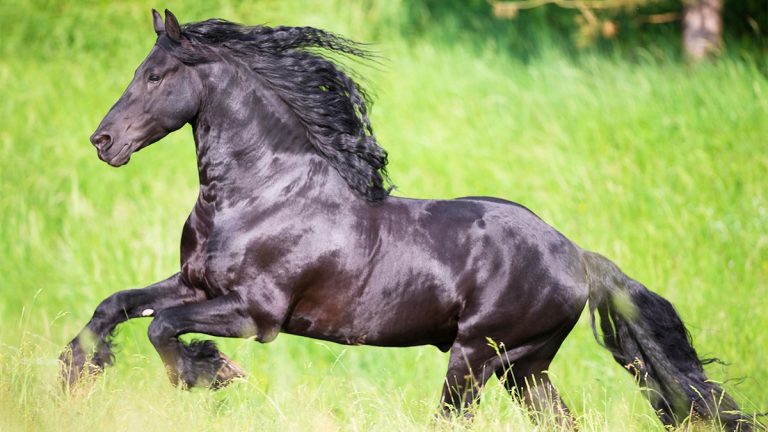
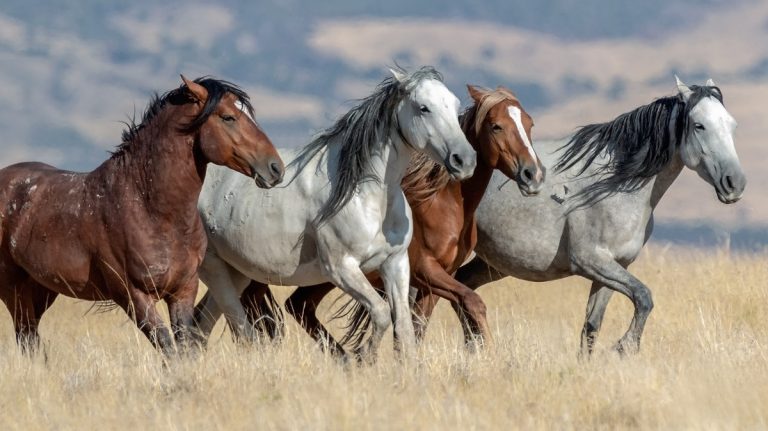
The Friesian contributes its distinctive black coat, flowing mane and tail, and graceful, high-stepping movement. Meanwhile, the Quarter Horse adds muscular build, agility, and exceptional speed, especially in short-distance performance. Together, these traits create a horse that is both visually impressive and highly functional.
Friesian Quarter Horse crosses often exhibit a calm yet intelligent temperament, making them suitable for a range of riders, from experienced competitors to recreational enthusiasts. Their combination of strength, endurance, and trainability allows them to perform well in disciplines such as dressage, trail riding, and western performance events.
This hybrid also benefits from versatility, adapting easily to both leisure and competitive environments. By exploring the characteristics of the Friesian Quarter Horse cross, you can better understand its appeal, suitability for various equestrian activities, and the reasons behind its growing popularity among horse owners.
Physical Appearance and Build
The Friesian Quarter Horse cross combines the best physical traits of both parent breeds, resulting in a horse that is both aesthetically impressive and athletically capable. Their appearance often catches attention due to a blend of elegance, strength, and muscularity. Understanding their physical build provides insight into their versatility, performance potential, and suitability for various equestrian disciplines.
Coat, Color, and Hair
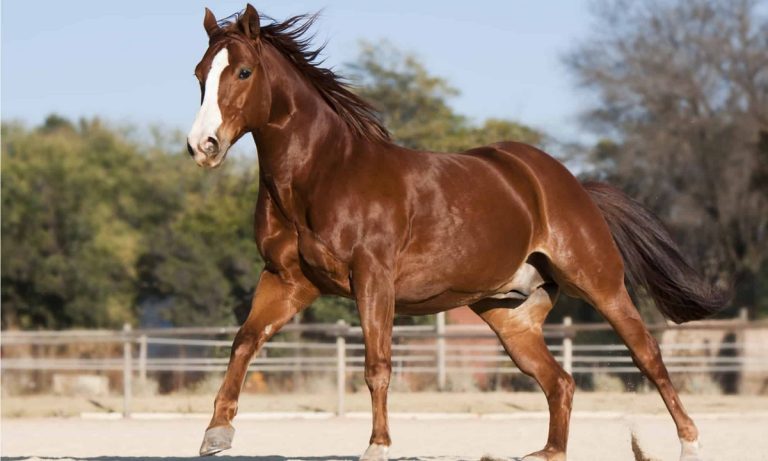
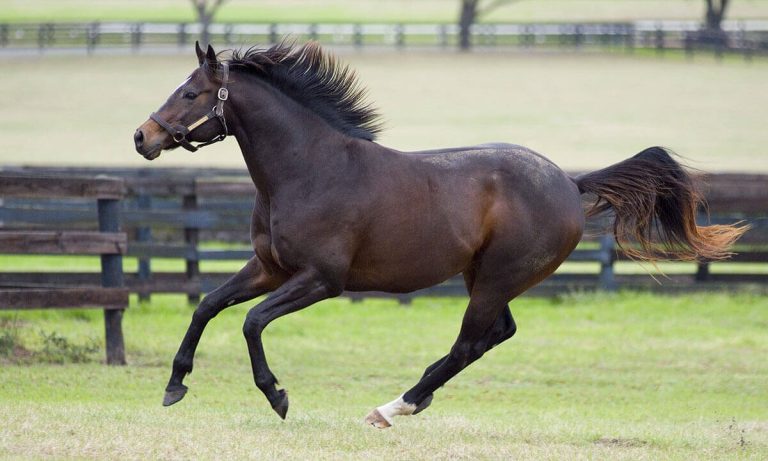
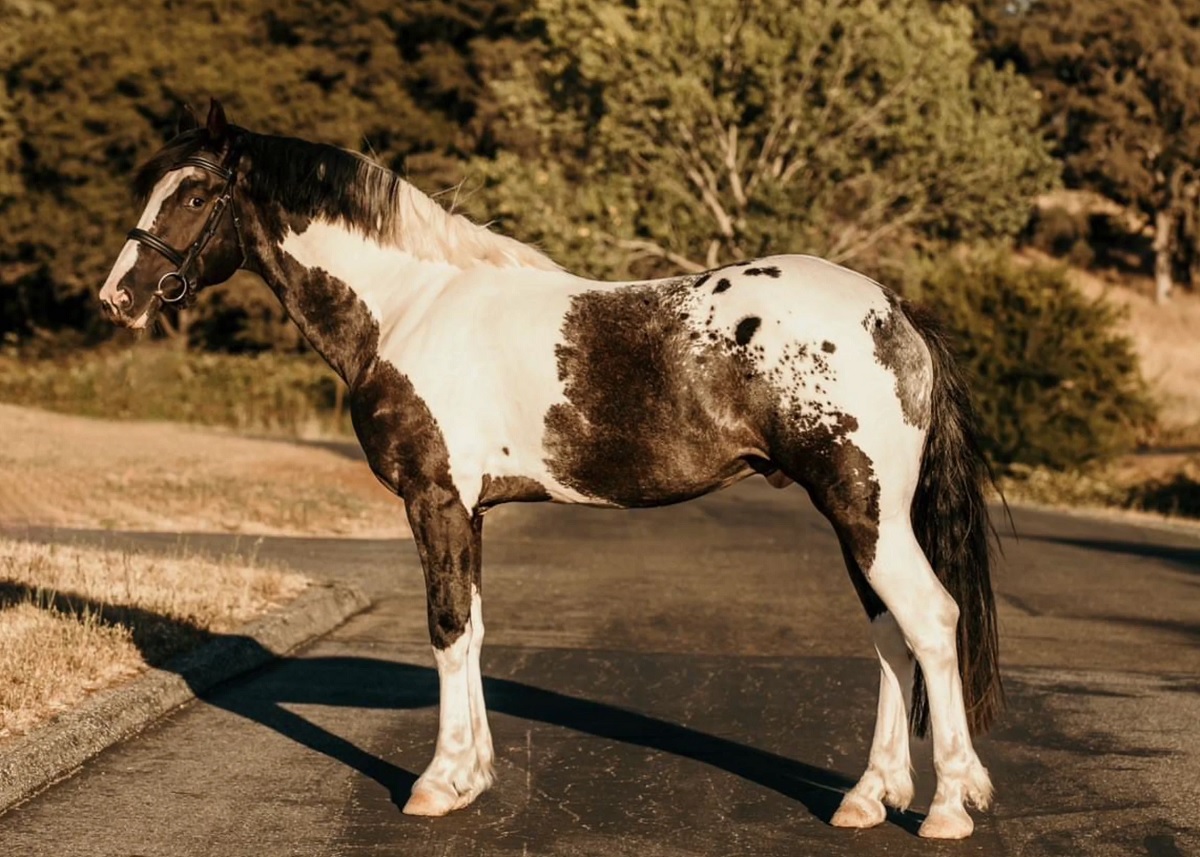
One of the most striking features of the Friesian Quarter Horse cross is its coat and hair. You can notice that many crosses inherit the Friesian’s glossy black coat, often accompanied by a flowing mane and tail. Some crosses may exhibit bay or dark brown shades from the Quarter Horse lineage, creating a unique and appealing blend.
The mane and tail are usually thick and long, reminiscent of the Friesian parent, adding a dramatic, eye-catching element during shows or performances. Coat quality not only enhances visual appeal but also reflects overall health and nutrition. A healthy, shiny coat indicates proper care, diet, and grooming practices, which are crucial for maintaining the horse’s physical and mental well-being.
Regular grooming is essential to preserve coat health and maintain a polished appearance. The combination of Friesian elegance and Quarter Horse practicality often results in a low-maintenance yet striking coat, making this crossbreed both beautiful and functional.
Body Structure and Musculature
The body structure of a Friesian Quarter Horse cross reflects a balance between strength and athleticism. You can see that they typically have a muscular build with a deep chest, broad shoulders, and strong hindquarters inherited from the Quarter Horse, which contributes to speed, power, and agility.
The Friesian influence adds a more refined, arched neck, graceful posture, and slightly elevated movement, enhancing overall elegance. This combination of traits creates a horse capable of performing in both western and English disciplines, as well as recreational riding. Muscle definition is evident in the legs, shoulders, and hindquarters, providing propulsion and stability for athletic activities.
Conformation plays a key role in performance and health. Proper body alignment ensures efficient movement, reduces the risk of injury, and allows the horse to excel in competitions, trail riding, or dressage. The blend of muscle mass and refined features gives the Friesian Quarter Horse cross a unique advantage in both strength and aesthetic appeal.
Height and Overall Size
Height and size in this crossbreed vary depending on parental influence. You can notice that most Friesian Quarter Horse crosses range between 15.2 and 17 hands, striking a balance between agility and presence. Their weight typically falls between 1,000 and 1,200 pounds, giving them a sturdy yet athletic frame.
This medium-to-large size makes them versatile for various equestrian activities. They are large enough to carry riders comfortably, including adults, yet agile enough to navigate jumping courses, trails, or arenas with ease. Their size also enhances stability and balance, important for both performance and recreational purposes.
Height and build contribute to the horse’s versatility, allowing riders to use them in multiple disciplines without compromising comfort, performance, or safety. This well-proportioned frame combines the elegance of the Friesian with the practicality of the Quarter Horse, making it suitable for a wide range of equestrian endeavors.
Leg Structure and Hoof Conformation
Legs and hooves are critical components of the Friesian Quarter Horse cross’s physical build. You can observe that they often inherit the strong, clean legs of the Quarter Horse, which provide durability and support for athletic activities. Friesian influence may add slightly feathered fetlocks or graceful leg lines, enhancing their visual appeal.
Hooves are generally strong and well-shaped, able to support both short bursts of speed and longer, endurance-based activities. Proper leg conformation ensures efficient weight distribution, stride length, and shock absorption, all crucial for preventing injuries. Regular farrier care is essential to maintain hoof health and overall mobility.
The combination of strength, balance, and aesthetic appeal in the legs and hooves allows the Friesian Quarter Horse cross to excel in performance-based tasks, from western riding and dressage to recreational trail riding. Their leg structure ensures both power and agility while supporting long-term soundness.
Overall Balance and Movement
Overall, the Friesian Quarter Horse cross exhibits a balance between elegance, power, and functionality. You can notice that the body proportions, musculature, and leg alignment contribute to fluid, graceful movement combined with athletic strength. Their gait often shows a blend of the Friesian’s elevated, flowing motion and the Quarter Horse’s efficiency and quickness.
This balanced build allows them to perform well in diverse disciplines, demonstrating both strength and finesse. Fluid movement, combined with a strong, stable frame, enhances performance, reduces fatigue, and ensures versatility. Observing the overall balance helps riders and trainers appreciate how the crossbreed can adapt to different tasks while maintaining both aesthetic beauty and functional athleticism.
The Friesian Quarter Horse cross’s physical appearance and build make it a standout in both competitive and recreational settings. Their combination of elegance, strength, and versatility ensures they are not only visually captivating but also capable of excelling in a wide range of equestrian pursuits.
Temperament and Personality
The Friesian Quarter Horse cross is not only admired for its physical beauty but also for its distinctive temperament and personality traits. Combining the calm, friendly nature of the Quarter Horse with the spirited elegance of the Friesian, this crossbreed often exhibits a balance of intelligence, sensitivity, and sociability. Understanding these behavioral traits helps owners and riders manage, train, and bond with their horses effectively.
Intelligence and Trainability
Intelligence is one of the most notable traits of the Friesian Quarter Horse cross. You can observe that they learn quickly, respond well to cues, and adapt to various training routines. Their cognitive abilities make them suitable for multiple equestrian disciplines, including dressage, trail riding, and performance events.
Trainability in this crossbreed benefits greatly from consistency and patience. They thrive under structured training programs that use positive reinforcement and clear communication. Intelligent horses like this can pick up commands, adapt to new challenges, and demonstrate problem-solving skills, which enhances their versatility. However, their keen mind also means they notice inconsistencies in handling, making consistent routines essential.
Their intelligence not only supports performance but also strengthens the bond with their handler. A well-trained Friesian Quarter Horse cross can excel in both competitive and recreational settings, showcasing both skill and cooperation.
Energy Levels and Activity
The energy levels of this crossbreed are another defining aspect of their personality. You can notice that they often possess a balanced mix of the Friesian’s calm demeanor and the Quarter Horse’s vigor. This combination makes them spirited yet manageable, suitable for both experienced riders and those seeking a versatile mount.
Daily exercise and mental stimulation are important to maintain a healthy, well-adjusted horse. Without proper outlets, even a calm cross can develop restlessness or anxiety. They thrive in environments that provide regular riding, training sessions, or turnout in pastures. This allows them to expend energy constructively while remaining focused during work.
Their energy level also contributes to their athletic performance. Whether navigating trails, performing dressage movements, or competing in western events, their vitality ensures they can sustain effort and respond dynamically to commands, creating a horse that is both engaging and capable.
Sensitivity and Responsiveness
Sensitivity is a hallmark of the Friesian Quarter Horse cross, inherited from both parent breeds. You can observe that they respond quickly to subtle cues, making them highly communicative and intuitive partners. This sensitivity allows for precise movement in training and competition, but it also requires gentle, consistent handling.
Being aware of environmental changes and rider intentions, these horses can sometimes become nervous or anxious in unfamiliar situations. Gradual exposure to new experiences, calm handling, and positive reinforcement help them build confidence and maintain composure. A sensitive horse that is well-managed becomes cooperative, focused, and reliable.
Their responsiveness enhances communication between horse and rider, creating a partnership that feels intuitive and rewarding. Owners who understand and respect this trait can harness their horse’s potential while ensuring a calm and confident attitude.
Sociability and Bonding
Friesian Quarter Horse crosses are generally social and enjoy interaction with humans and other horses. You can notice that they often form strong bonds with their handlers, responding well to care, grooming, and training. Their friendly nature makes them approachable and easier to manage compared to more high-strung breeds.
This sociability extends to other horses, allowing for harmonious pasture interactions and group training. Horses with strong social skills tend to have lower stress levels and better mental health. Establishing trust and routine strengthens the bond with their owner and improves cooperation during work or leisure activities.
A crossbreed that balances sociability, intelligence, and sensitivity offers both companionship and performance capability. Understanding their social needs helps maintain a happy, healthy horse capable of thriving in multiple environments.
Adaptability and Mental Resilience
The adaptability of the Friesian Quarter Horse cross is another important personality trait. You can see that they adjust well to different riding styles, environments, and levels of activity. This mental flexibility allows them to excel in both competition and recreational settings.
Exposure to new routines, terrain, and training exercises enhances resilience and confidence. Horses that can handle varied environments with composure are less likely to develop stress-related behaviors and respond better to challenges. Adaptable horses are easier to train and maintain, making them excellent companions for riders of varying experience levels.
By combining intelligence, energy, sensitivity, and sociability with adaptability, the Friesian Quarter Horse cross demonstrates a personality that is both versatile and rewarding. Their temperament supports effective training, reliable performance, and enjoyable interaction, making them a highly desirable crossbreed for riders and enthusiasts alike.
Performance and Abilities
The Friesian Quarter Horse cross is highly valued for its performance abilities, which combine the strength, agility, and elegance of both parent breeds. This crossbreed demonstrates versatility across a wide range of equestrian disciplines, from competitive events to recreational riding. Understanding their athletic capabilities provides insight into why they are increasingly popular among riders seeking both beauty and functionality.
Speed and Agility
One of the key performance traits of the Friesian Quarter Horse cross is its combination of speed and agility. You can notice that the Quarter Horse lineage contributes explosive power and quick acceleration, ideal for short sprints, barrel racing, or agility-focused tasks. Meanwhile, the Friesian influence adds balance, grace, and fluid movement, enhancing maneuverability and coordination.
This combination allows the crossbreed to excel in activities requiring rapid changes of direction, sharp turns, and precise control. Their agility also makes them suitable for competitive riding events, such as trail courses or gymkhana competitions, where quick reflexes and smooth movement are essential. Maintaining proper conditioning and training ensures that these traits remain optimized for performance.
Speed and agility are complemented by mental responsiveness. These horses can quickly interpret rider cues, adapt to changing circumstances, and execute complex movements, which makes them both thrilling and reliable for performance-oriented riders.
Strength and Endurance
The Friesian Quarter Horse cross exhibits a notable blend of strength and endurance, making them capable of sustained physical activity over extended periods. You can see that the muscular build from the Quarter Horse parent provides power for jumping, sprinting, and carrying riders efficiently, while the Friesian’s stamina ensures consistent performance without early fatigue.
Endurance is particularly valuable for disciplines like trail riding, cross-country courses, or long-duration competitive events. Their cardiovascular efficiency and strong skeletal structure allow them to maintain balance, posture, and speed over varied terrain. Conditioning routines, proper diet, and structured exercise help preserve this combination of strength and endurance, ensuring peak performance.
The ability to sustain physical exertion while maintaining precision and composure makes this crossbreed versatile for both recreational and competitive activities. Riders benefit from a horse capable of performing consistently, handling challenges, and supporting multiple disciplines effectively.
Versatility Across Disciplines
Friesian Quarter Horse crosses are among the most versatile breeds due to their combination of athleticism, intelligence, and adaptability. You can notice that they perform well in both English and Western disciplines, including dressage, jumping, barrel racing, trail riding, and pleasure riding. Their physical attributes allow them to transition between tasks without compromising performance or balance.
This adaptability is enhanced by temperament, trainability, and responsiveness. They quickly learn new techniques, follow commands with precision, and remain focused in competitive environments. Versatility also allows riders to explore multiple disciplines without needing a separate horse for each activity, making them an efficient and enjoyable equestrian partner.
Riders and trainers value the Friesian Quarter Horse cross for this adaptability. Whether performing in arenas, navigating trails, or competing in timed events, their abilities consistently demonstrate the benefits of hybrid vigor from combining two exceptional breeds.
Mental Acuity and Responsiveness
In addition to physical capabilities, mental acuity plays a major role in performance. You can see that Friesian Quarter Horse crosses are intelligent, alert, and highly responsive to rider cues. This mental sharpness allows them to navigate complex courses, react to sudden changes, and execute precise maneuvers.
Their responsiveness is enhanced by sensitivity and temperament, making them cooperative yet spirited. Horses with strong mental awareness excel in disciplines requiring concentration, decision-making, and fine-tuned communication with their rider. Training that leverages their intelligence helps optimize performance, reduce stress, and improve overall consistency during competition or recreational activities.
Mental acuity ensures that the horse not only performs well physically but also collaborates effectively with the rider. This balance of mind and body makes the Friesian Quarter Horse cross a top choice for riders seeking reliability, versatility, and athletic excellence.
Competitive Edge and Recreational Use
The combination of speed, strength, agility, and mental responsiveness gives the Friesian Quarter Horse cross a competitive edge. You can observe that these horses perform admirably in competitive events while also being suitable for recreational riding. Their versatility allows them to adapt to various environments and tasks, from casual trail rides to high-pressure competition arenas.
Riders benefit from a horse that balances power and elegance, responsiveness and temperament. Proper training, conditioning, and care ensure that these horses maintain their peak abilities over time. Their unique blend of traits makes them a rewarding choice for both professional riders and enthusiasts seeking an exceptional all-around horse.
The Friesian Quarter Horse cross’s performance and abilities make it a standout breed for versatility, endurance, and reliability, combining the best attributes of both parent breeds into one capable and visually impressive equestrian partner.
Training Considerations
Training a Friesian Quarter Horse cross requires a thoughtful approach that balances their intelligence, sensitivity, and athleticism. These horses respond well to consistent, patient, and structured training methods, which help them reach their full potential while maintaining a positive temperament. Understanding key training considerations ensures that the horse develops both physically and mentally in a safe and productive manner.
Understanding Temperament and Sensitivity
The Friesian Quarter Horse cross is known for being intelligent and sensitive, traits that directly influence training strategies. You can notice that they respond quickly to subtle cues, making them highly receptive to gentle guidance. However, sensitivity also means that harsh or inconsistent handling can create stress, anxiety, or resistance.
A successful training program begins with understanding the individual horse’s personality. Observing their reactions to new exercises, environments, and rider commands allows you to adapt techniques accordingly. Horses that feel secure and understood are more likely to cooperate, learn efficiently, and retain skills over time. Patience, positive reinforcement, and clear communication are essential to harness their intelligence without causing frustration.
By respecting temperament and sensitivity, trainers create a foundation of trust, which is critical for both learning and performance. Horses that are mentally engaged and emotionally confident are easier to work with and achieve better long-term results.
Gradual Conditioning and Fitness
Physical conditioning is another crucial consideration for training a Friesian Quarter Horse cross. You can see that their muscular build and athletic potential require structured exercise routines to develop strength, endurance, and flexibility. Gradual progression prevents injuries and ensures the horse adapts safely to increasing workloads.
Training programs often include a mix of walking, trotting, cantering, and discipline-specific exercises, tailored to the horse’s current fitness level. Conditioning should also address core muscles, hindquarter strength, and cardiovascular fitness, all of which contribute to performance in activities like dressage, jumping, or trail riding.
By introducing new exercises progressively and monitoring the horse’s response, trainers can enhance stamina and agility while minimizing stress. Well-conditioned horses are more capable of performing consistently and recovering efficiently from physical exertion, making proper fitness a critical component of training.
Mental Stimulation and Learning
Friesian Quarter Horse crosses thrive on mental stimulation, which is essential to prevent boredom and maintain focus during training. You can notice that intelligent horses quickly learn repetitive tasks, but they also benefit from varied exercises that challenge both mind and body.
Incorporating obstacle courses, trail simulations, or pattern work engages problem-solving skills and reinforces responsiveness. This variety not only improves learning outcomes but also strengthens the bond between horse and rider. Mental stimulation encourages cooperation, reduces anxiety, and builds confidence, all of which contribute to a positive training experience.
Trainers should balance repetition with innovation, ensuring that horses develop consistency without becoming mentally fatigued. A horse that is mentally engaged is more likely to retain skills, perform under pressure, and respond reliably to cues in different environments.
Patience and Consistency in Training
Patience and consistency are vital elements of training this crossbreed. You can observe that Friesian Quarter Horse crosses are intelligent but may test boundaries if routines are inconsistent. Maintaining consistent commands, schedules, and expectations ensures the horse understands and retains learned behaviors.
Training sessions should be structured yet flexible, allowing time for rest, recovery, and reflection. Positive reinforcement, gentle correction, and rewards reinforce desired behaviors and build trust. Horses trained with consistent, patient methods demonstrate improved focus, cooperation, and performance over time.
A disciplined but kind approach prevents behavioral issues and maximizes potential. By prioritizing patience and consistency, trainers can guide the Friesian Quarter Horse cross toward excellence while maintaining a harmonious and enjoyable partnership.
Adaptability to Multiple Disciplines
One of the unique advantages of the Friesian Quarter Horse cross is versatility, which influences training strategies. You can notice that their natural athleticism allows them to adapt to English, Western, and recreational disciplines, but training must be tailored to each activity’s demands.
For example, dressage training emphasizes precision, balance, and collected movements, while Western performance may focus on agility, speed, and responsiveness. Recreational trail riding requires stamina, confidence, and adaptability to varied terrain. Tailoring the training plan to the intended discipline ensures optimal development of skills while leveraging the horse’s natural abilities.
By understanding the crossbreed’s versatility, trainers can design well-rounded programs that enhance performance, maintain engagement, and ensure the horse excels across multiple environments and tasks. Adaptability in training allows these horses to reach their full potential while enjoying a balanced and stimulating lifestyle.
Health and Care Requirements
The Friesian Quarter Horse cross requires consistent health care and attention to thrive, due to its hybrid nature combining traits from two distinct breeds. Proper management of diet, grooming, and medical care ensures longevity, peak performance, and overall well-being. Understanding their health needs allows owners to provide optimal care and prevent common issues associated with athletic and sensitive horses.
Nutrition and Feeding
Nutrition plays a key role in maintaining the health and energy levels of a Friesian Quarter Horse cross. You can notice that a balanced diet of high-quality hay, grains, and supplements is essential to meet their caloric and nutrient requirements. Their active lifestyle, especially if involved in performance or training, demands energy-rich feed that supports muscle development and stamina.
Monitoring portion sizes and feeding frequency helps prevent digestive issues like colic, which sensitive horses can be prone to. Access to clean water at all times is crucial for hydration and proper metabolic function. Providing minerals and vitamins tailored to the horse’s activity level also supports joint, coat, and hoof health.
A well-planned nutrition program directly impacts growth, performance, and overall vitality. Owners who carefully manage feeding routines and monitor body condition can ensure their Friesian Quarter Horse cross remains strong, healthy, and ready for both work and recreational activities.
Grooming and Coat Care
Grooming is essential for maintaining coat health, circulation, and general hygiene. You can see that Friesian Quarter Horse crosses often inherit the thick, flowing mane and tail of the Friesian, which require regular brushing to prevent tangles and matting. Grooming sessions also provide an opportunity to check for skin issues, injuries, or parasites.
Routine hoof care, including cleaning and trimming, is equally important for soundness and performance. Regular brushing and washing maintain coat shine and cleanliness while promoting blood flow and alerting owners to potential problems like wounds or infections. Brushing also strengthens the bond between horse and handler, making future handling and training more effective.
By investing time in grooming and coat care, owners ensure the horse remains healthy, comfortable, and visually striking. Consistent maintenance enhances both well-being and performance potential, reflecting the high standards required for this hybrid breed.
Veterinary and Preventive Care
Routine veterinary care is vital to prevent illness and address health concerns promptly. You can notice that Friesian Quarter Horse crosses require vaccinations, deworming, and dental check-ups to maintain optimal health. Regular veterinary monitoring helps detect issues early, minimizing the risk of long-term complications.
Preventive care also includes managing weight, monitoring vital signs, and addressing signs of fatigue or discomfort promptly. Horses involved in performance activities may require additional support for joints, muscles, and tendons. Early intervention in any health concern ensures that the horse remains comfortable and capable of consistent work or recreational activities.
A proactive approach to veterinary care supports longevity and overall performance. Owners who prioritize routine health checks can ensure their horse remains physically and mentally fit, preventing minor issues from escalating into significant health problems.
Exercise and Physical Well-Being
Maintaining regular exercise is essential for the Friesian Quarter Horse cross to stay physically fit. You can observe that a consistent routine, tailored to the horse’s activity level, promotes cardiovascular health, muscle tone, and joint mobility. Exercise also supports mental well-being, preventing boredom and behavioral issues.
Turnout in pastures or arenas allows the horse to move freely, stretch, and socialize, contributing to both physical and psychological health. Structured exercise routines, including walking, trotting, and discipline-specific training, enhance stamina, balance, and overall athletic performance.
By combining proper diet, veterinary care, grooming, and exercise, owners ensure that the Friesian Quarter Horse cross maintains optimal health. These foundational practices create a balanced, resilient horse capable of thriving in both recreational and performance settings.
Frequently Asked Questions
What Is A Friesian Quarter Horse Cross?
A Friesian Quarter Horse cross is a hybrid horse resulting from breeding a Friesian with an American Quarter Horse. You can notice that this cross combines the Friesian’s elegance, flowing mane, and high-stepping movement with the Quarter Horse’s muscular build, speed, and versatility.
This hybrid creates a visually striking and athletic horse suitable for a range of equestrian disciplines, including dressage, trail riding, and western performance events. Their combination of temperament, intelligence, and physical ability makes them increasingly popular among riders seeking both performance potential and aesthetic appeal.
What Are The Physical Traits Of A Friesian Quarter Horse Cross?
The Friesian Quarter Horse cross typically exhibits a balance of refinement and athleticism. You can see that they inherit the Friesian’s long mane, tail, and graceful neck along with the Quarter Horse’s muscular hindquarters, strong legs, and deep chest.
They usually stand between 15.2 and 17 hands and weigh around 1,000 to 1,200 pounds. This blend of physical traits gives them both power and elegance, making them suitable for various riding disciplines. Their coat can range from solid black to bay or dark brown, creating a visually unique appearance.
What Temperament Does A Friesian Quarter Horse Cross Have?
Friesian Quarter Horse crosses are intelligent, sensitive, and social horses. You can observe that they are responsive to subtle cues, making them trainable and adaptable to multiple riding styles. Their temperament is often balanced, combining the Friesian’s calmness with the Quarter Horse’s energy.
They enjoy interaction with humans and other horses, forming strong bonds with their handlers. Sensitivity and responsiveness make them excellent partners for both competition and recreational riding. Owners who provide consistent handling and positive reinforcement find these horses cooperative, confident, and enjoyable to work with.
What Disciplines Are Friesian Quarter Horse Crosses Suited For?
This crossbreed is highly versatile, excelling in English and Western disciplines. You can notice that their athleticism allows them to perform in dressage, show jumping, barrel racing, trail riding, and pleasure riding with equal competence.
Their combination of strength, agility, and intelligence makes them adaptable to both competitive and recreational environments. Riders benefit from a horse capable of transitioning across activities without losing performance quality. Their versatility also enhances their appeal to riders seeking a single horse for multiple purposes, from arenas to trails.
How Do You Train A Friesian Quarter Horse Cross?
Training a Friesian Quarter Horse cross requires patience, consistency, and understanding of their sensitivity. You can see that they respond best to structured routines, positive reinforcement, and clear communication. Gradual progression is essential to develop strength, endurance, and confidence without causing stress.
Because they are intelligent and observant, inconsistent or harsh methods can lead to resistance or anxiety. Incorporating mental stimulation, variety in exercises, and adequate rest ensures they remain engaged and willing learners. Proper training maximizes both their performance potential and temperament.
What Are The Health Considerations For A Friesian Quarter Horse Cross?
Health management is crucial for this crossbreed due to its hybrid nature. You can observe that they require balanced nutrition, regular veterinary care, and consistent grooming. Maintaining hoof health, vaccinations, deworming, and dental check-ups are essential for long-term soundness.
Exercise and turnout are also critical to prevent boredom and maintain physical fitness. Regular monitoring of body condition, coat quality, and energy levels helps detect early signs of stress or illness. Proper health care ensures Friesian Quarter Horse crosses remain strong, resilient, and capable of performing at their best.
What Makes Friesian Quarter Horse Crosses Unique?
Friesian Quarter Horse crosses stand out because of their blend of elegance, strength, and versatility. You can notice that they combine the Friesian’s striking appearance with the Quarter Horse’s athletic ability, creating a visually stunning and performance-ready horse.
Their intelligence, adaptability, and sociable temperament make them ideal for riders of varying experience levels. The hybrid nature provides a balance of traits that neither parent breed could fully achieve alone, making this crossbreed highly sought after for both recreational and competitive purposes. Their unique combination of beauty and functionality is a defining characteristic.
Final Words
The Friesian Quarter Horse Cross combines the best qualities of two remarkable breeds, offering both strength and elegance. This crossbreed typically exhibits a muscular, athletic build from the Quarter Horse lineage, paired with the striking appearance and graceful movement of the Friesian. Riders often appreciate this combination for its versatility and ability to perform in multiple disciplines, from dressage and trail riding to western events.
Temperament is another key advantage, as these horses tend to be intelligent, responsive, and adaptable. Their calm yet energetic nature makes them suitable for a wide range of riders, whether beginners seeking a reliable partner or experienced competitors looking for a capable performance horse. Proper training and care help highlight their natural abilities while maintaining health and soundness.
In conclusion, the Friesian Quarter Horse Cross is a unique and highly desirable horse that blends aesthetics, performance, and personality. Understanding the traits, training needs, and versatility of a Friesian Quarter Horse Cross ensures riders can maximize its potential while enjoying a rewarding partnership.