Quarter Horse Vs Thoroughbred: Key Differences, Strengths, And Performance
When comparing horse breeds, understanding their differences in build, temperament, and performance is essential for riders, trainers, and enthusiasts. Two of the most well-known breeds are the Quarter Horse and the Thoroughbred, each with distinct characteristics and strengths. The discussion of quarter horse vs thoroughbred often arises in the context of racing, work, and recreational riding, as both breeds excel in different areas.
Quarter Horses are celebrated for their powerful, muscular build and explosive speed over short distances, making them ideal for sprinting and ranch work. Thoroughbreds, on the other hand, are taller, leaner, and built for endurance and speed over longer distances, thriving in racing and competitive sports. Exploring the differences between these two breeds helps clarify their unique capabilities, ideal uses, and suitability for various equestrian activities, giving horse owners and riders insight into which breed may best meet their needs and goals.
Physical Characteristics Comparison
When comparing Quarter Horses and Thoroughbreds, their physical characteristics reveal distinct strengths that suit different equestrian disciplines. Build, muscle distribution, height, and overall body composition all influence performance, speed, and agility. Understanding these differences helps riders, trainers, and enthusiasts make informed choices about which breed aligns with their goals. From sprinting to endurance racing, examining physical traits highlights why each breed has been selectively bred for specific types of work and sport, emphasizing the unique advantages of the Quarter Horse and the Thoroughbred.
Build And Musculature
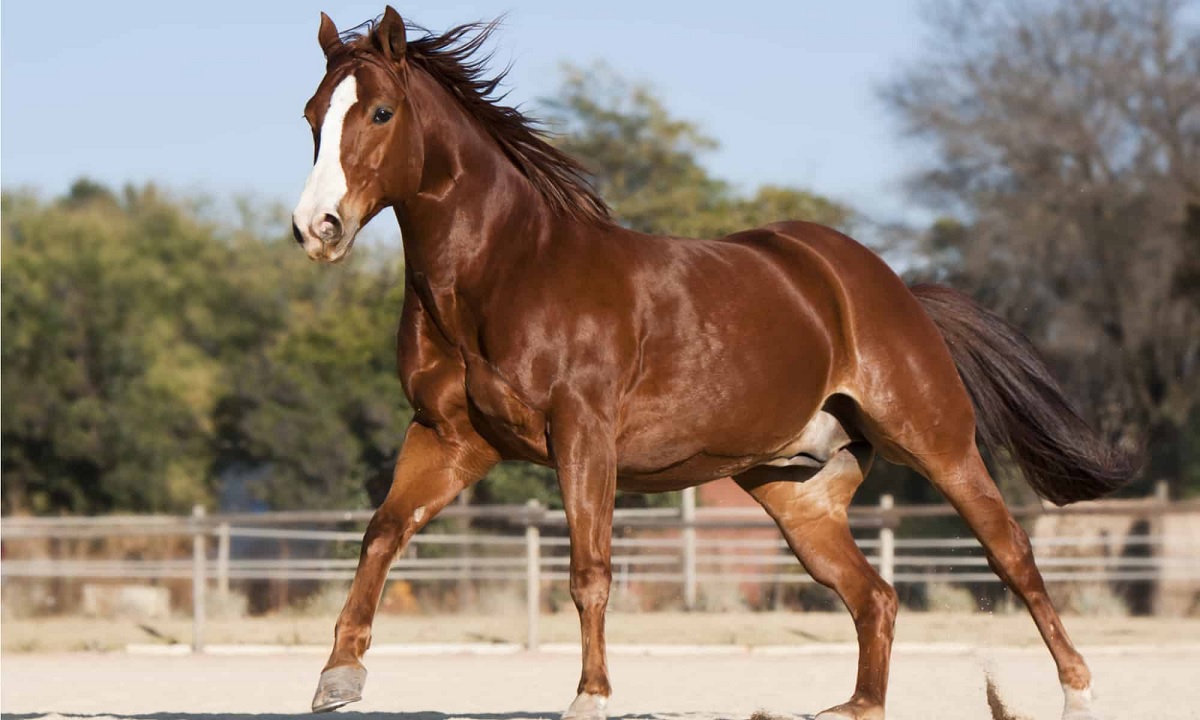
Quarter Horses are known for their compact, muscular build, which contributes to their power and quick acceleration. They typically have broad chests, strong hindquarters, and well-defined muscles that enable explosive speed over short distances. This stocky yet balanced frame allows them to excel in sprinting, ranch work, and rodeo events. The muscular hindquarters provide the thrust necessary for rapid starts, sharp turns, and sudden stops, making the breed highly versatile for various performance tasks.
Thoroughbreds, in contrast, are taller and leaner, with longer legs and a more streamlined body. Their musculature is built for endurance and sustained speed over longer distances, rather than short bursts of acceleration. They have narrower chests and lighter frames, which reduce fatigue during long races. This build supports flexibility, stride length, and cardiovascular efficiency, allowing Thoroughbreds to perform consistently in racing and other high-speed disciplines. Both breeds reflect selective breeding for performance, yet their differences in musculature directly impact their ideal applications.
Height And Body Proportions
Height is another key difference between Quarter Horses and Thoroughbreds. Quarter Horses generally stand between 14 to 16 hands high, offering a lower center of gravity that enhances stability, balance, and maneuverability. This stature supports their ability to make tight turns and navigate obstacle-heavy environments, making them ideal for ranch work and short-distance competitions. Their proportionate body also contributes to strength without sacrificing speed over short stretches.
Thoroughbreds are taller, typically ranging from 15 to 17 hands high, with longer limbs that increase stride length and running efficiency. Their proportions favor speed and endurance rather than raw strength. The leaner frame helps maintain high velocity over long distances while reducing energy expenditure. This height and limb structure give Thoroughbreds an advantage in racing and other disciplines that prioritize sustained motion, demonstrating how body proportions align with each breed’s intended performance strengths.
Head, Neck, And Overall Appearance
Quarter Horses often have a short, refined head with wide-set eyes and a strong jaw, contributing to alertness and intelligence. Their muscular necks are well-arched, facilitating balance and control during rapid movements and tight maneuvers. This overall appearance reflects strength, compactness, and readiness for action, traits favored in sprinting and ranch work. Their broad body and stocky frame give them a sturdy, approachable look while enhancing functional performance.
Thoroughbreds typically have longer, narrower heads and longer necks, emphasizing elegance, agility, and aerodynamic efficiency. The refined head shape aids in vision and focus during racing, while the elongated neck supports balance at high speeds and facilitates fluid motion. Their overall appearance is sleek and athletic, highlighting endurance and efficiency. Comparing these traits illustrates how selective breeding has shaped each breed’s physical form to meet specific performance demands, reinforcing the distinctions in functionality, style, and purpose between Quarter Horses and Thoroughbreds.
Speed And Performance Abilities
The speed and performance abilities of Quarter Horses and Thoroughbreds highlight their unique strengths and specialized breeding. While both breeds are fast and agile, their capabilities differ in distance, endurance, and specific activities. Understanding these differences helps riders, trainers, and enthusiasts determine which breed suits short sprints, long-distance racing, or competitive disciplines. Comparing speed, acceleration, stamina, and overall performance demonstrates why each breed excels in distinct environments and showcases the intentional breeding strategies that shaped their abilities.
Quarter Horse Speed And Acceleration
Quarter Horses are renowned for their explosive speed over short distances, typically excelling in races up to a quarter mile, which is how they earned their name. Their muscular hindquarters and compact build allow for rapid acceleration, making them ideal for sprinting events, rodeo competitions, and work that requires quick bursts of energy. This acceleration is not only beneficial on the racetrack but also in ranching, where agility and sudden speed are essential for herding and maneuvering livestock.
The breed’s performance emphasizes short-term power rather than long-term endurance. Quarter Horses can reach top speeds in just a few seconds, providing a decisive advantage in short races or timed events. Their strength and agility allow them to navigate tight turns, sudden stops, and rapid direction changes without losing momentum. Training for Quarter Horses often focuses on explosive power, fast reflexes, and building strong muscle groups to maintain top performance, reinforcing their reputation as elite sprinters in the equestrian world.
Thoroughbred Endurance And Racing Ability
Thoroughbreds, on the other hand, are built for sustained speed and long-distance performance. Their leaner, taller frames and longer legs give them extended stride length, allowing them to maintain high speeds over distances from half a mile to several miles. This makes them ideal for traditional flat racing, steeplechase, and endurance competitions. Their cardiovascular efficiency and stamina are key to performing consistently throughout long races.
Training for Thoroughbreds emphasizes endurance, speed management, and strategic pacing. While they may not accelerate as explosively as Quarter Horses, their ability to sustain fast speeds over time makes them dominant in racing and competitive long-distance events. The breed’s performance relies on a combination of strength, aerobic capacity, and mental focus to navigate extended courses while maintaining balance and agility. Understanding these traits highlights how selective breeding has tailored Thoroughbreds for stamina and speed over longer distances, distinguishing them from the short-distance specialists of the Quarter Horse.
Comparative Performance Applications
When comparing Quarter Horses and Thoroughbreds, it’s clear that each breed excels in different performance contexts. Quarter Horses dominate short sprints, timed events, and tasks requiring agility and explosive power, whereas Thoroughbreds shine in long-distance races, endurance riding, and competitions demanding sustained speed. Riders and trainers select breeds based on these performance strengths to match the horse’s abilities with specific disciplines.
Performance comparison also extends beyond racing. Quarter Horses are often preferred in rodeo, reining, and ranch work, where rapid acceleration and maneuverability are critical. Thoroughbreds are favored in competitive racing, eventing, and disciplines where endurance, stride efficiency, and high-speed stamina are necessary. Understanding the nuances of speed, acceleration, and stamina ensures that both horses and riders are matched appropriately, optimizing results and reducing the risk of strain or injury. This comparative perspective emphasizes how each breed’s performance abilities are a direct reflection of their breeding and intended purpose.
Temperament And Behavior Traits
Temperament and behavior traits are crucial factors in understanding the differences between Quarter Horses and Thoroughbreds. These traits influence trainability, performance, handling, and suitability for different riders or disciplines. While both breeds are intelligent and responsive, their natural dispositions vary, affecting how they react to stimuli, respond to commands, and interact with humans. Exploring these behavioral differences provides insight into which breed may be best suited for specific equestrian activities, whether competitive riding, recreational use, or ranch work.
Quarter Horse Temperament
Quarter Horses are widely recognized for their calm, steady, and cooperative temperament. They are generally easygoing, making them suitable for beginner riders, family use, and environments that require patience and reliability. This breed tends to be intelligent and eager to please, responding well to consistent training and positive reinforcement. Their predictable behavior and strong work ethic make them ideal for ranch work, reining, and other disciplines that require short bursts of energy and precise control.
Quarter Horses also demonstrate a high level of adaptability. They remain composed in busy environments and can handle sudden changes without excessive stress, which is valuable in rodeo events and competitive short-distance activities. Their sociable and loyal nature fosters a strong bond with riders and handlers, enhancing cooperation and trust. This temperament contributes not only to safety but also to effective communication, allowing riders to focus on performance rather than constantly managing unpredictable behavior.
Thoroughbred Temperament
Thoroughbreds, in contrast, are known for their high energy, sensitivity, and spirited nature. They are naturally alert, responsive, and intelligent, which makes them exceptional athletes for racing and other competitive disciplines requiring speed and stamina. Their energetic disposition requires experienced handling and training to channel their power constructively. Riders must develop consistency, timing, and confidence to manage the horse’s responsiveness effectively.
The heightened sensitivity of Thoroughbreds means they are quick to react to environmental changes, noises, or movements, which can sometimes make them appear nervous or high-strung. While this responsiveness allows for precise performance, it can also challenge novice riders or those seeking a calm, predictable mount. Proper handling, patience, and tailored training are key to cultivating a balanced and cooperative Thoroughbred. When managed well, their spirited nature translates into outstanding performance, agility, and enthusiasm for competition, demonstrating the breed’s unique combination of athleticism and intelligence.
Comparative Behavioral Insights
Comparing the behavior of Quarter Horses and Thoroughbreds highlights how temperament influences suitability for specific disciplines. Quarter Horses excel in activities requiring patience, steady cooperation, and controlled bursts of energy, whereas Thoroughbreds thrive in high-speed, endurance, and competitive environments where responsiveness and agility are prioritized. Understanding these traits helps riders match their skill level, training approach, and goals with the appropriate breed.
Behavioral differences also impact long-term training and bonding. Quarter Horses are often easier to train consistently, while Thoroughbreds may require more nuanced approaches to channel their energy effectively. Both breeds benefit from clear communication, trust, and structured routines, but the style of interaction and handling differs. Recognizing and respecting these temperament traits ensures successful partnerships, enhances safety, and maximizes the performance potential of both Quarter Horses and Thoroughbreds.
Health And Longevity Differences
Understanding health and longevity differences between Quarter Horses and Thoroughbreds is essential for horse owners, trainers, and enthusiasts. Both breeds have unique genetic traits, susceptibility to certain conditions, and care requirements that influence their lifespan and overall well-being. Comparing these factors helps riders make informed decisions about breed selection, preventive care, and management practices. Awareness of health challenges and longevity potential allows for better planning in training, competition, and daily care, ensuring both breeds thrive in their respective environments.
Quarter Horse Health And Lifespan
Quarter Horses are generally known for their robust health, strong musculoskeletal structure, and adaptability. Their compact, muscular build contributes to resilience and reduces the likelihood of certain stress-related injuries common in high-performance horses. With proper care, Quarter Horses often live between 25 to 30 years, sometimes exceeding this range with optimal management. Regular veterinary checkups, proper nutrition, and consistent exercise are key to maintaining their long-term health and performance capabilities.
While Quarter Horses are sturdy, they are prone to some breed-specific conditions such as hyperkalemic periodic paralysis (HYPP) and hereditary equine regional dermal asthenia (HERDA). Awareness and proactive testing for these genetic conditions allow owners to select healthy breeding stock and implement preventive care measures. Their generally calm and steady temperament also reduces stress-related health issues, contributing to their overall longevity. With consistent attention to diet, hoof care, and joint health, Quarter Horses can remain active and productive for decades.
Thoroughbred Health And Lifespan
Thoroughbreds are built for speed and endurance, which influences their health and longevity. Typically taller and leaner, their musculoskeletal system is optimized for racing performance but can be more susceptible to stress injuries, tendon strains, and joint issues. With careful management, Thoroughbreds can live between 20 to 25 years, although intense athletic careers may impact long-term health if not properly managed. Preventive veterinary care, tailored nutrition, and balanced exercise programs are essential to maintain their well-being.
Thoroughbreds also face breed-specific concerns such as gastric ulcers, exercise-induced pulmonary hemorrhage, and limb injuries due to high-intensity training. Mental stress and sensitivity can exacerbate physical health challenges, highlighting the importance of both physical and psychological care. Early identification of health issues, careful monitoring, and structured recovery protocols ensure that Thoroughbreds maintain quality of life throughout their competitive and post-competitive years. Their longevity and performance potential are closely tied to proactive, attentive management practices.
Comparative Health Considerations
Comparing the health and longevity of Quarter Horses and Thoroughbreds reveals differences in durability, lifespan, and susceptibility to conditions. Quarter Horses generally demonstrate greater resilience, slower metabolism, and longer active lifespans, while Thoroughbreds excel in speed and endurance but require closer monitoring due to higher vulnerability to stress and musculoskeletal injuries.
Both breeds benefit from routine veterinary care, preventive health measures, and tailored nutrition. Environmental management, exercise routines, and mental stimulation also influence their overall health outcomes. Understanding these differences helps owners and riders make informed choices regarding training intensity, competition planning, and long-term care. Awareness of breed-specific vulnerabilities ensures that both Quarter Horses and Thoroughbreds can achieve peak performance while maintaining optimal health and longevity.
Training And Care Considerations
Proper training and care are critical when working with Quarter Horses and Thoroughbreds, as each breed has unique physical, behavioral, and performance traits. Understanding their needs ensures safety, longevity, and optimal performance. Training approaches, feeding routines, veterinary care, and exercise regimens must align with the horse’s build, temperament, and discipline. Paying attention to these considerations helps riders and owners develop well-balanced, healthy horses capable of excelling in competitive, recreational, or work-related environments.
Training Approaches For Each Breed
Quarter Horses respond well to consistent, structured training that emphasizes short bursts of speed, agility, and maneuverability. Their calm and cooperative temperament allows them to excel in activities like ranch work, reining, and sprint competitions. Training often involves exercises that build strength, flexibility, and responsiveness while reinforcing positive behavior. Riders focus on timing, subtle cues, and precision to maximize the horse’s performance potential without causing stress or fatigue.
Thoroughbreds, in contrast, require training approaches that accommodate their energetic and sensitive nature. Emphasis is placed on building endurance, managing speed, and channeling energy constructively. Longer training sessions, varied exercises, and gradual exposure to high-intensity activities help develop both physical stamina and mental resilience. Consistency, patience, and clear communication are essential to prevent stress or overexertion. Properly tailored training enables Thoroughbreds to perform effectively in racing, eventing, and other competitive disciplines while maintaining their health and responsiveness.
Care And Management Practices
Caring for Quarter Horses and Thoroughbreds involves attention to nutrition, veterinary needs, and overall well-being. Quarter Horses benefit from diets that support muscular development and joint health, while Thoroughbreds require nutrition that fuels endurance and maintains lean body condition. Both breeds need regular veterinary checkups, dental care, vaccinations, and hoof maintenance to prevent injuries and maintain performance.
Environmental and behavioral care is equally important. Providing safe turnout, consistent routines, and mental stimulation reduces stress and encourages cooperation. Monitoring for breed-specific health issues, such as musculoskeletal stress in Thoroughbreds or genetic conditions in Quarter Horses, allows for early intervention. Tailoring care practices to the individual horse’s needs ensures longevity, peak performance, and a positive partnership between horse and rider.
FAQs
What Are The Main Differences Between A Quarter Horse And A Thoroughbred?
The main differences lie in build, speed, and temperament. Quarter Horses are compact, muscular, and built for explosive speed over short distances, making them ideal for sprinting, rodeo, and ranch work. Thoroughbreds are taller, leaner, and designed for endurance and sustained speed over long distances, excelling in racing and competitive sports. Their temperaments differ as well: Quarter Horses are calm and cooperative, while Thoroughbreds are energetic and sensitive. Understanding these distinctions helps you choose the breed that best fits your riding style, discipline, and performance goals.
Which Breed Is Faster Over Short Distances?
Quarter Horses are faster over short distances due to their muscular build and powerful hindquarters. They can accelerate quickly, reaching top speeds in a few seconds, making them ideal for sprints and short-track competitions. Their compact frame and strength allow them to navigate sharp turns and sudden stops efficiently. Thoroughbreds, while capable of high speeds, excel at longer distances and sustained racing rather than explosive short sprints. If your focus is quick bursts of speed or activities like rodeo and reining, Quarter Horses outperform Thoroughbreds in short-distance performance.
Which Breed Excels In Long-Distance Racing?
Thoroughbreds excel in long-distance racing due to their lean, tall build and extended stride length. They maintain high speeds over miles, making them ideal for flat racing, steeplechase, and endurance events. Their cardiovascular efficiency and stamina allow them to perform consistently throughout longer competitions. Quarter Horses, while strong and fast in short bursts, fatigue quickly over extended distances. If your goal is competitive racing or endurance riding, Thoroughbreds are better suited because their structure and physiology are optimized for sustained performance rather than explosive short-distance speed.
How Do Temperaments Compare Between The Two Breeds?
Quarter Horses generally have calm, steady, and cooperative temperaments, making them suitable for beginners and family use. They are patient, intelligent, and respond well to consistent training. Thoroughbreds are more energetic, sensitive, and high-spirited, requiring experienced handling and consistent communication. Their responsiveness allows precise performance but can challenge novice riders. Choosing between the two depends on your skill level, the type of riding you do, and the environment in which you plan to work, as temperament directly impacts training, performance, and safety.
Which Breed Is Easier To Train For Beginners?
Quarter Horses are generally easier for beginners due to their calm and steady disposition. Their cooperative nature allows riders to develop skills safely while building confidence. They adapt well to various environments and respond predictably to cues, making learning easier. Thoroughbreds require more experience to manage their high energy and sensitivity, which can overwhelm inexperienced riders. If you are new to horse riding or want a reliable partner for general riding or ranch work, Quarter Horses are typically more suitable for developing skills and building a strong, trusting relationship.
Are There Health And Longevity Differences Between The Breeds?
Yes, there are differences. Quarter Horses are generally sturdy, resilient, and have a longer average lifespan of 25 to 30 years. They are less prone to stress-related injuries but may have breed-specific genetic conditions like HYPP or HERDA. Thoroughbreds are more prone to musculoskeletal injuries due to their lean build and high-intensity training, with an average lifespan of 20 to 25 years. Proper care, nutrition, and veterinary management are essential for both breeds. Knowing these differences helps you plan for long-term care and match your expectations with the horse’s needs.
Which Breed Is Better For Competitive Sports?
It depends on the sport. Quarter Horses excel in short-distance events, rodeo, reining, and sprint competitions due to their explosive power and agility. Thoroughbreds dominate long-distance racing, eventing, and endurance competitions because of their stamina and speed over extended distances. Each breed’s physical characteristics and temperament make them suitable for specific disciplines. You should consider the type of sport, your skill level, and the horse’s strengths when choosing between a Quarter Horse and a Thoroughbred to ensure optimal performance and enjoyment.
How Should I Choose Between A Quarter Horse And A Thoroughbred?
Choosing depends on your goals, experience, and riding style. If you want a calm, versatile horse for short-distance events, ranch work, or beginner-friendly riding, a Quarter Horse is ideal. If you are experienced and interested in long-distance racing, endurance, or competitive equestrian sports, a Thoroughbred may be better suited. Consider temperament, physical build, training requirements, and health considerations. Assessing your riding discipline and lifestyle ensures you select a breed that matches your abilities and expectations, fostering a successful and enjoyable partnership with your horse.
Conclusion
When deciding between two popular horse breeds, understanding their differences is essential. Quarter horses are known for their powerful build, quick acceleration, and versatility in short-distance events and ranch work, while thoroughbreds excel in endurance, speed over longer distances, and competitive racing. Temperament also varies, with quarter horses often being calm and trainable, whereas thoroughbreds can be energetic and spirited, requiring experienced handling. Health, longevity, and care requirements differ as well, influencing your choice based on lifestyle and riding goals.
Comparing these factors allows you to select the breed that best matches your needs and skill level. A careful evaluation of performance, behavior, and maintenance ensures a rewarding experience for both horse and rider. For anyone trying to make an informed decision, exploring the details of quarter horse vs thoroughbred provides clarity and guidance for choosing the right equine partner.