What Is Thoroughbred Horse? Traits, Abilities, and Why They Stand Out
Thoroughbred horses are one of the most recognized and celebrated breeds in the equestrian world, known for their speed, agility, and athleticism. They are the dominant breed in horse racing and are also highly valued in other disciplines such as show jumping, eventing, and endurance riding. Understanding their characteristics, history, and uses helps you appreciate why they are so highly sought after.
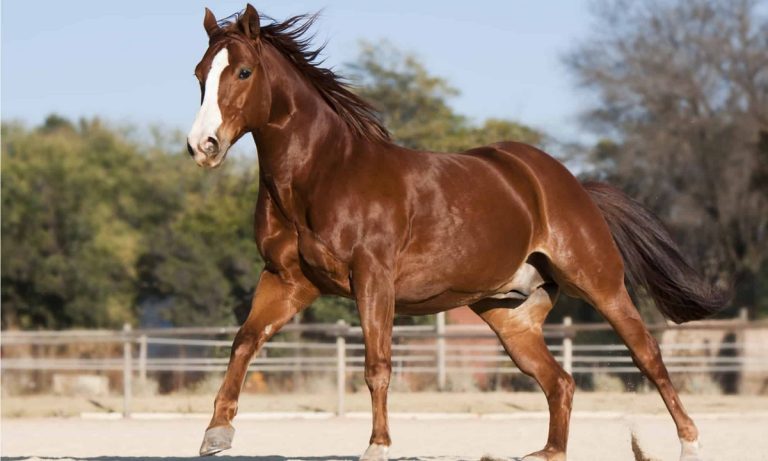
Many equestrians and enthusiasts often ask, what is thoroughbred horse, looking to understand not just the breed’s appearance but its unique qualities. Thoroughbreds are distinguished by their lean, muscular build, long legs, and graceful movement, which contribute to their exceptional performance capabilities. Their physical attributes, combined with high energy and responsiveness, make them suitable for competitive and recreational purposes.
Thoroughbreds also have a rich history that influences their value and versatility. Bred originally in England for racing, they have since become a global symbol of equine excellence. Their lineage emphasizes speed, stamina, and adaptability, traits that continue to define modern thoroughbreds.
Beyond physical traits, their temperament and trainability are important aspects to understand. They are intelligent, energetic, and responsive, making them highly trainable, though they require consistent care and handling. Learning about these traits allows you to see why thoroughbreds are both prestigious and practical for competitive equestrian activities.
Overall, exploring what is thoroughbred horse provides insight into its exceptional capabilities, versatility across disciplines, and enduring popularity. Their combination of beauty, athletic ability, and spirited nature ensures they remain a favorite among horse owners, trainers, and enthusiasts worldwide.
Physical Characteristics of Thoroughbred Horses
Thoroughbred horses are renowned for their distinctive physical characteristics, which contribute to their exceptional performance in racing and other equestrian disciplines. Their body structure, leg formation, and musculature are optimized for speed, endurance, and agility. Understanding these traits provides insight into why thoroughbreds are highly valued and continue to dominate competitive equestrian sports worldwide.
Body Structure and Conformation
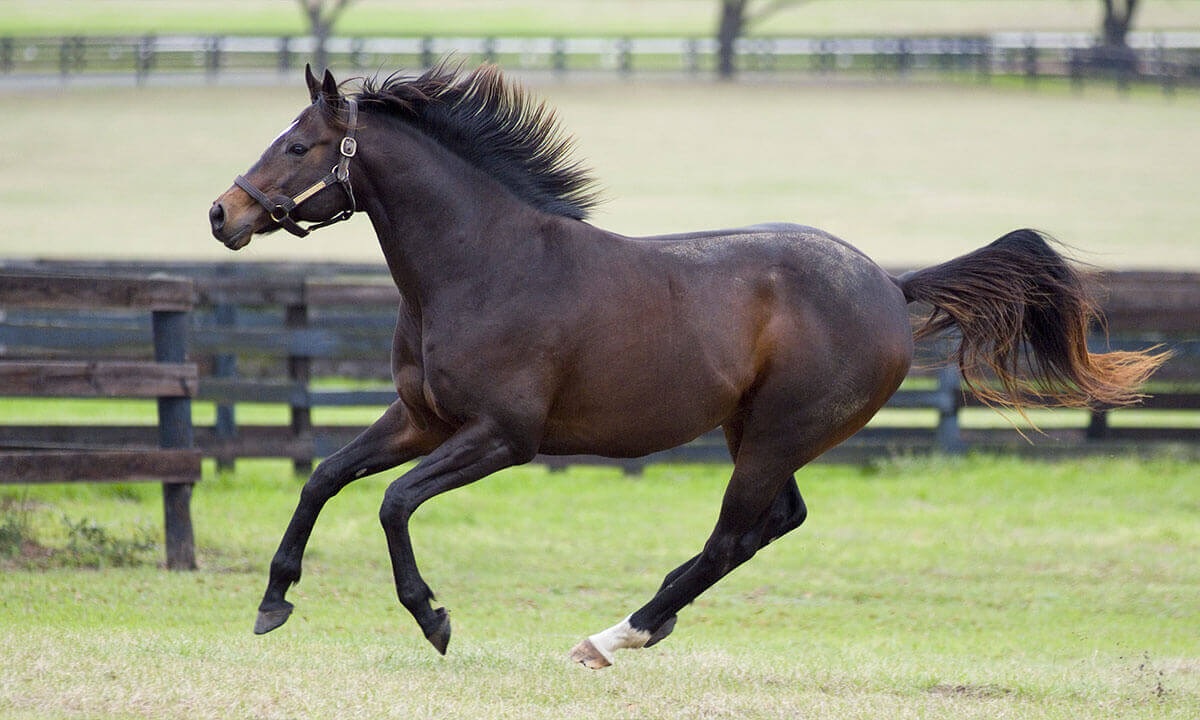
A thoroughbred’s body structure, or conformation, is one of the most important physical attributes affecting performance. You can see that they have a lean, athletic build with a deep chest, well-sprung ribs, and long shoulders that allow for efficient lung capacity and stride length. This combination enables maximum oxygen intake during high-intensity activities like racing.
Their back is typically short and strong, providing stability while maintaining flexibility for quick, powerful movements. The balance between front and hindquarters ensures efficient weight distribution, which enhances speed and reduces the risk of injury during strenuous activity. Proper conformation is closely linked to durability and performance, making it a key consideration for breeders and buyers.
Thoroughbreds with correct conformation are able to maintain high speeds and agility while navigating tracks or uneven terrain. Any structural irregularities can affect performance and increase the likelihood of injury. Understanding these physical traits is essential when evaluating a horse’s potential for racing or competition.
Leg Structure and Hoof Health
Legs and hooves are critical for a thoroughbred’s performance and overall health. You can observe that thoroughbreds possess long, slender legs with well-defined joints, strong tendons, and clean lines. This structure allows for long strides, high speed, and efficient energy transfer during running.
The hooves are hard and resilient, designed to absorb impact and provide traction on various surfaces. Proper hoof conformation, including symmetry and alignment, is essential to prevent lameness and maximize performance. Regular maintenance by a skilled farrier is critical to maintain strength and prevent injury.
Leg structure also influences balance, acceleration, and endurance. Thoroughbreds with strong, correctly aligned legs are less prone to fatigue and structural issues. Evaluating the legs and hooves provides valuable insight into a horse’s ability to withstand rigorous training and competition.
Musculature and Athletic Build
Musculature is another defining characteristic of thoroughbreds. You can notice that they have long, well-defined muscles along their shoulders, hindquarters, and neck, providing both power and flexibility. This muscular build supports explosive speed and sustained performance during racing and other athletic activities.
Strong hindquarters generate propulsion, while the shoulder and neck muscles aid in balance, steering, and efficient gait mechanics. Thoroughbreds also have lean abdominal muscles that contribute to core strength, stability, and stamina. A well-developed musculature is essential for competitive success and reduces the risk of injury under strenuous conditions.
The combination of lean muscle and lightweight skeletal structure allows thoroughbreds to excel in speed-focused activities. Their physical build is optimized for energy efficiency and power, making them ideal for racing and competitive equestrian sports.
Height, Weight, and Overall Size
Thoroughbreds typically stand between 15.2 and 17 hands high, with weight ranging from 1,000 to 1,200 pounds. You can see that this size provides an ideal balance between power and agility, allowing them to accelerate quickly while maintaining endurance over long distances.
Their medium-to-tall frame complements their stride length and lung capacity, enabling high performance in racing and competitive disciplines. Thoroughbreds are designed to be lightweight relative to muscle mass, ensuring maximum speed and stamina. Size and weight also influence load-bearing capacity for riders and equipment in various equestrian activities.
While individual variations exist, maintaining proper weight and conditioning is essential to performance. Excess weight or poor body condition can reduce speed, agility, and endurance, while optimal size enhances competitive potential.
Coat, Color, and Appearance
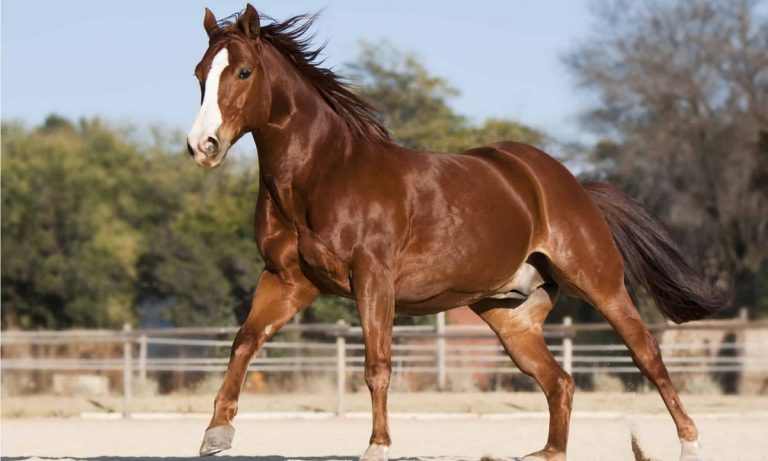
The appearance of a thoroughbred, including coat and color, is also significant. You can notice that common coat colors include bay, chestnut, black, and gray, often with minimal white markings. While coat color does not impact performance, it contributes to breed recognition and marketability.
A healthy, shiny coat reflects proper nutrition, care, and overall well-being. Grooming, diet, and environmental factors all play a role in maintaining coat condition. A well-groomed appearance not only enhances aesthetic value but also signals the horse’s physical readiness for competition.
Thoroughbreds’ combination of physical structure, musculature, leg alignment, and appearance creates a breed optimized for speed, stamina, and agility. These traits, when paired with proper care and training, allow them to perform at the highest levels across racing and equestrian disciplines.
Temperament and Personality Traits
A thoroughbred’s temperament and personality are as important as physical traits when evaluating the breed. These horses are known for their intelligence, energy, and sensitivity, which influence training, performance, and suitability for different equestrian activities. Understanding these behavioral characteristics helps owners and trainers effectively manage thoroughbreds and maximize their potential.
Intelligence and Trainability
Thoroughbreds are highly intelligent horses, capable of learning complex commands and responding to subtle cues. You can see that this intelligence allows them to excel in various disciplines, from racing to show jumping and eventing. Their ability to understand patterns, memorize routines, and adapt to different environments makes them highly trainable.
Trainability, however, requires consistent, patient handling. Thoroughbreds can quickly pick up both positive and negative behaviors, so structured training and repetition are essential. Their intelligence also makes them responsive to rewards, praise, and gentle correction. Understanding a thoroughbred’s mental capacity allows owners and trainers to design effective training programs that harness their natural abilities while minimizing stress or frustration.
An intelligent horse can adapt to new challenges and perform well under pressure. By considering trainability, you can match a thoroughbred to specific goals, whether competitive racing, sport performance, or leisure riding.
Energy Levels and Activity Needs
Thoroughbreds are naturally energetic and spirited, requiring regular exercise and mental stimulation. You can notice that high energy levels contribute to their speed and endurance on the track, but they also demand careful management in daily life. Horses that are under-stimulated may develop behavioral issues such as restlessness or anxiety.
Providing consistent exercise routines, turnout, and varied training activities helps channel energy constructively. Their vitality makes them excellent performers in competitive environments, but owners must balance intensity with adequate rest to prevent fatigue or injury. Understanding activity needs ensures that thoroughbreds maintain both physical health and mental well-being, creating a cooperative and motivated horse.
High-energy horses often excel in demanding disciplines where stamina and responsiveness are required. Recognizing and accommodating their activity needs allows you to optimize performance while fostering a positive human-animal relationship.
Sensitivity and Responsiveness
Thoroughbreds are highly sensitive horses, reacting quickly to environmental changes, rider cues, and training stimuli. You can observe that this sensitivity makes them exceptionally responsive but also prone to stress if not managed carefully. Horses that respond appropriately to touch, voice, or rein pressure excel in performance but require gentle, consistent handling.
Sensitivity enhances communication between horse and rider, enabling subtle cues to translate into precise movements. However, thoroughbreds with heightened sensitivity may be easily startled or nervous in new situations, requiring patient exposure and desensitization. Recognizing this trait helps you tailor training and daily management to maintain confidence and reduce anxiety.
A responsive horse can learn faster and perform more accurately, but managing sensitivity is crucial to maintaining trust. Balancing responsiveness with reassurance ensures the horse remains cooperative, focused, and confident under various conditions.
Social Behavior and Temperament
Thoroughbreds are generally social animals, often forming strong bonds with humans and other horses. You can see that their temperament ranges from affectionate and cooperative to spirited and independent, depending on individual personality and upbringing. Social interaction contributes to mental health and can reduce stress-related behaviors.
Horses that are well-socialized tend to be calmer, more adaptable, and easier to handle. Understanding individual temperament helps in pairing horses with appropriate riders, trainers, and stablemates. Temperament also influences competition readiness, as horses with balanced personalities are less likely to become anxious or distracted in high-pressure environments.
Assessing social behavior and overall disposition is essential for long-term management. Thoroughbreds with stable, predictable temperaments respond better to training, adapt quickly to new experiences, and develop stronger relationships with humans, enhancing both performance and enjoyment.
Adaptability and Stress Management
A thoroughbred’s personality often includes adaptability, allowing them to handle changes in environment, routines, and competition conditions. You can notice that horses with strong coping mechanisms maintain focus and performance under stress, which is critical in racing and other high-pressure activities.
Adaptable horses adjust more easily to new trainers, stabling conditions, and travel requirements. They recover quickly from setbacks, maintain consistent behavior, and show resilience in challenging situations. Training and exposure from a young age can enhance adaptability, helping the horse manage stress effectively and maintain optimal performance.
By understanding adaptability and stress management traits, owners can design programs that support mental well-being, reduce anxiety, and promote consistent success. A thoroughbred that is both intelligent and adaptable offers not only competitive advantage but also a harmonious partnership with its rider or handler.
Performance Abilities and Uses
Thoroughbred horses are renowned for their exceptional performance abilities, which make them highly versatile across a range of equestrian disciplines. From racing tracks to show arenas, these horses demonstrate speed, agility, endurance, and intelligence. Understanding their performance capabilities and typical uses helps owners, riders, and trainers maximize their potential while ensuring the horse thrives in its chosen discipline.
Racing Capabilities
The most famous use of thoroughbreds is racing, where their speed, stamina, and competitive nature shine. You can notice that their long, powerful legs and lean musculature allow for rapid acceleration and sustained high speeds over varying distances. Thoroughbreds excel in flat racing, where a combination of stride length, lung capacity, and cardiovascular efficiency determines success.
Their natural athleticism, coupled with intelligence and responsiveness, allows them to adapt to race strategies and respond to jockey cues quickly. Training and conditioning programs enhance these innate capabilities, focusing on endurance, strength, and precise gait mechanics. Performance on the track also impacts their market value, as winning horses command higher prices and future breeding potential.
Beyond speed, thoroughbreds’ racing capabilities highlight their mental toughness. Horses must remain focused amid noise, other competitors, and environmental challenges, demonstrating both physical and psychological resilience. These qualities make them ideal for professional racing and high-stakes competitions.
Eventing and Show Competitions
Thoroughbreds are also highly effective in eventing and other competitive equestrian disciplines. You can observe that their agility, stamina, and intelligence allow them to navigate courses with obstacles, jumps, and technical challenges. Eventing requires speed, precision, and versatility, all traits that thoroughbreds naturally possess.
Their ability to learn quickly and respond to subtle cues makes them suitable for show jumping and dressage as well. Adaptable temperaments allow them to perform consistently under pressure, whether during competitions or training exercises. These traits make thoroughbreds valuable for riders seeking a competitive edge in multi-discipline equestrian sports.
Additionally, thoroughbreds’ endurance supports long events that require both physical and mental resilience. Their training can be tailored to specific disciplines, enhancing natural abilities and ensuring peak performance in competitions beyond the racetrack.
Endurance and Cross-Country Riding
Endurance riding is another area where thoroughbreds excel. You can notice that their stamina, cardiovascular efficiency, and strong musculoskeletal system allow them to cover long distances over challenging terrain. Their natural speed complements their ability to maintain consistent energy levels, critical for long rides.
Endurance events test both horse and rider, requiring careful pacing, navigation, and problem-solving. Thoroughbreds’ intelligence and responsiveness enable them to follow complex directions and adjust to environmental challenges efficiently. Their lean build and agility allow them to traverse obstacles and uneven ground without excessive fatigue or risk of injury.
Trained thoroughly, these horses can handle multi-hour rides, demonstrating mental focus and physical durability. Their suitability for endurance and cross-country activities highlights versatility, showing they are not limited to racing but can perform reliably in diverse equestrian contexts.
Breeding and Stud Potential
Thoroughbreds’ performance abilities also influence their value in breeding programs. You can see that horses with proven speed, endurance, or competitive success are highly sought after as sires or dams. Their genetics are likely to pass on traits such as agility, intelligence, stamina, and trainability to offspring.
Breeding programs often focus on pairing top-performing thoroughbreds to enhance bloodlines and produce future champions. This makes performance history a major factor in market value. Even retired racing horses retain value for their potential to improve the next generation of competitors, ensuring that athletic traits remain prominent in breeding stock.
Offspring from performance-oriented thoroughbreds are often highly desirable for both racing and sport disciplines, making these horses a long-term investment. Breeding contributes not only to the sport but also to the ongoing preservation of the breed’s exceptional qualities.
Recreational and Leisure Uses
Beyond competition and breeding, thoroughbreds are increasingly popular for recreational riding. You can observe that their temperament, intelligence, and responsiveness make them enjoyable for experienced riders in trail riding, schooling, and casual equestrian activities.
Their athleticism provides a smooth, responsive ride, while their energy and curiosity make riding stimulating and engaging. Thoroughbreds can excel in pleasure riding, hunter classes, or light work, demonstrating versatility beyond elite racing or competitive disciplines. Proper handling, consistent training, and regular exercise ensure that these horses remain balanced, healthy, and content, whether performing at top levels or enjoying recreational use.
By understanding performance abilities and various uses, owners can align a thoroughbred’s natural traits with appropriate activities. Their speed, agility, endurance, intelligence, and temperament make them highly adaptable, ensuring they remain among the most prized and versatile horses in the equestrian world.
Training and Care Requirements
Owning a thoroughbred horse comes with specific training and care requirements due to their athleticism, intelligence, and sensitive nature. Proper training and consistent care ensure that these horses remain healthy, well-behaved, and capable of performing at their highest potential. Understanding their unique needs helps owners, riders, and trainers maintain optimal performance and overall well-being.
Daily Exercise and Conditioning
Thoroughbreds require regular exercise to maintain strength, stamina, and mental health. You can see that a structured routine of walking, trotting, cantering, or galloping helps preserve muscle tone and cardiovascular fitness. Conditioning exercises tailored to the horse’s discipline enhance performance and reduce the risk of injury.
Consistency is key. Daily exercise routines, combined with turnout in pastures, allow thoroughbreds to expend energy constructively and remain focused during training sessions. High-energy horses, particularly those intended for racing or competition, need careful monitoring to avoid overexertion. Proper conditioning also improves flexibility, coordination, and endurance, supporting long-term athletic performance.
Owners and trainers often include strength and agility exercises alongside regular riding sessions. Incorporating varied workouts prevents boredom, stimulates the horse mentally, and ensures a well-rounded fitness level, which is critical for competitive success and general health.
Nutrition and Feeding Needs
Nutrition plays a major role in supporting a thoroughbred’s training and overall health. You can notice that a balanced diet of hay, grains, and specialized feed is essential to meet the energy demands of an active horse. Supplements may also be added to support joint health, coat condition, and muscle recovery.
Feeding schedules should align with exercise routines to optimize energy levels and digestion. Adequate water intake is crucial, especially for high-performance horses, to maintain hydration and prevent fatigue. Monitoring body condition helps prevent overfeeding or underfeeding, both of which can affect performance and long-term health.
Proper nutrition directly impacts performance, temperament, and endurance. By providing high-quality feed and maintaining consistent feeding practices, owners ensure that thoroughbreds remain strong, energetic, and responsive during training and competition.
Grooming and Health Maintenance
Daily grooming is vital for thoroughbreds, as it promotes circulation, keeps the coat healthy, and allows early detection of injuries or skin conditions. You can observe that regular grooming also strengthens the bond between horse and handler, enhancing cooperation during training and care routines.
Routine health maintenance includes vaccinations, deworming, dental care, and hoof care. Farrier visits every six to eight weeks ensure proper hoof alignment and prevent lameness, while veterinary check-ups monitor overall well-being and detect issues early. A preventive approach to health reduces the likelihood of injuries or illness affecting training schedules and performance.
Thoroughbreds, being sensitive and intelligent, respond well to consistent, gentle handling during grooming and health care. Maintaining these routines supports both physical health and mental well-being, creating a horse that is calm, responsive, and ready for training or competition.
Training Techniques and Discipline
Training thoroughbreds requires patience, consistency, and an understanding of their temperament. You can notice that these horses learn quickly but are highly sensitive to cues, making gentle and clear communication essential. Positive reinforcement, structured exercises, and gradual progression ensure effective learning without causing stress.
Training routines often include groundwork, riding sessions, and discipline-specific exercises such as jumping, dressage, or galloping for racehorses. Consistency in commands, rhythm, and routine allows the horse to build confidence and perform reliably. Incorporating rest periods and varied activities prevents mental fatigue and maintains enthusiasm for training.
Thoroughbreds benefit from trainers who understand their unique balance of energy, intelligence, and sensitivity. Tailored approaches that respect individual personality traits enhance responsiveness, foster trust, and optimize performance, whether for competition, breeding, or recreational riding.
Rest, Recovery, and Environment
Adequate rest and recovery are essential for maintaining thoroughbred health. You can observe that these horses require proper stabling, turnout, and periods of downtime between training sessions to prevent stress and fatigue. Rest also supports muscle recovery, energy replenishment, and overall well-being.
Environmental considerations, such as clean stalls, safe paddocks, and proper ventilation, help prevent illness and injury. Exposure to natural light, fresh air, and social interaction with other horses contributes to mental health and reduces stress-related behaviors.
By balancing exercise, nutrition, grooming, training, and rest, owners ensure that thoroughbreds remain physically fit, mentally stimulated, and capable of performing at their highest potential. Consistent care and thoughtful management create a healthy, happy, and responsive horse that thrives in training and competitive environments.
FAQs
What Is A Thoroughbred Horse?
A thoroughbred horse is a breed known for its speed, agility, and athleticism. You can notice that they are most commonly associated with horse racing but are also used in various equestrian disciplines like jumping, dressage, and endurance riding.
Thoroughbreds are characterized by their lean, muscular build, long legs, and deep chest, which enhance their stamina and speed. Their intelligence, responsiveness, and spirited temperament make them suitable for both competitive and recreational purposes. Understanding the breed’s traits allows you to appreciate why thoroughbreds are highly valued worldwide.
What Are The Key Physical Traits Of A Thoroughbred Horse?
Thoroughbreds have distinctive physical traits that set them apart. You can see that they possess a lean, athletic body, long neck, strong back, and powerful hindquarters. Their legs are long and slender, allowing for extended stride length and speed.
They typically stand between 15.2 and 17 hands high and weigh around 1,000 to 1,200 pounds. Their conformation is optimized for racing and performance, combining strength, flexibility, and endurance. These physical attributes, combined with a healthy, shiny coat, make them both visually striking and highly functional athletes.
What Is The Temperament Of A Thoroughbred Horse?
Thoroughbreds are intelligent, energetic, and highly responsive. You can notice that their temperament makes them trainable and adaptable, though they often require consistent handling and structured routines.
They are sensitive to cues, so gentle communication and positive reinforcement are essential. Their spirited nature allows them to perform well in competitive environments, while social and well-managed thoroughbreds are also affectionate and cooperative. Understanding their temperament helps you manage their energy, responsiveness, and behavior effectively, whether for competition, breeding, or recreational riding.
What Is The History Of The Thoroughbred Horse?
Thoroughbreds were originally developed in England during the 17th and 18th centuries for racing. You can observe that they were bred by crossing native mares with imported Arabian, Barb, and Turkoman stallions to produce horses with speed, stamina, and athleticism.
Over time, thoroughbreds became the standard racing breed worldwide, valued for their performance and endurance. Their lineage is well-documented, and pedigree plays a key role in evaluating both racing potential and breeding value. Knowledge of their history helps you understand the breed’s prominence in racing and competitive equestrian sports.
How Are Thoroughbreds Used Today?
Thoroughbreds are versatile horses used in racing, jumping, dressage, eventing, endurance riding, and recreational riding. You can see that their athletic ability, intelligence, and responsiveness make them suitable for a wide range of disciplines.
While they dominate the racetrack, many retired racehorses transition into show jumping, pleasure riding, or competitive equestrian events. Their adaptability and trainability allow them to excel outside racing, providing value and enjoyment for owners seeking performance or leisure purposes. Thoroughbreds remain highly sought after for both competitive and recreational uses.
How Does Pedigree Influence A Thoroughbred Horse?
Pedigree is crucial in determining a thoroughbred’s potential and value. You can notice that horses from successful racing lines often inherit speed, stamina, and athletic ability, making them more desirable for racing or breeding programs.
Bloodlines influence not only performance but also temperament and trainability. Horses with prestigious ancestry are highly sought after, and their pedigree can significantly affect market price. Understanding lineage helps you predict abilities, potential performance, and long-term value, whether you intend to race, compete in other equestrian sports, or use them for breeding purposes.
What Makes Thoroughbreds Different From Other Horse Breeds?
Thoroughbreds are distinct due to their combination of speed, endurance, agility, and intelligence. You can see that unlike heavier breeds, thoroughbreds have a lightweight, muscular frame optimized for athletic performance.
Their responsiveness, sensitivity, and high energy distinguish them from more docile or draft-type horses. Thoroughbreds are bred for performance, which requires careful training, conditioning, and management. Their versatility, competitive edge, and spirited nature make them stand out, whether on the racetrack, in equestrian sports, or as athletic companions for experienced riders.
Conclusion
Thoroughbred horses are renowned for their athleticism, speed, and versatility, making them one of the most celebrated horse breeds worldwide. Their combination of strong physical build, endurance, and agility allows them to excel in a wide range of equestrian sports, from racing to show jumping. Understanding these traits helps you appreciate why Thoroughbreds are highly sought after by riders, trainers, and breeders alike.
Temperament plays an equally important role in their popularity. Intelligent, responsive, and highly trainable, these horses form strong bonds with their handlers, making them suitable for both professional competition and recreational riding. Their sensitivity and alertness contribute to performance consistency but also require careful training and management.
In conclusion, exploring what is thoroughbred horse reveals a breed that balances speed, elegance, and adaptability. By recognizing their unique physical traits, personality, and performance potential, you gain insight into why Thoroughbreds remain a cornerstone of equestrian culture and competitive horse sports.