Colors Of Thoroughbred Horses: Recognized Shades And Coat Patterns
Thoroughbred horses are admired for their athletic build, speed, and striking appearance, which makes their coat colors a topic of strong interest among horse enthusiasts. Their sleek bodies and refined features allow each color variation to stand out with its own distinct character.
Many people exploring racing or breeding often become curious about colors of thoroughbred horses and how these shades relate to lineage and recognition. Coat color is more than visual appeal, as it also reflects genetic patterns passed down through generations.
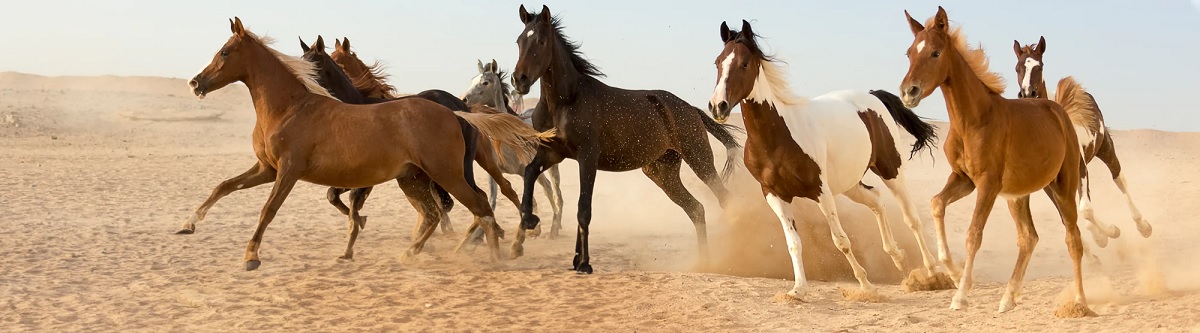
Across racetracks and breeding farms, you commonly see solid colors that emphasize the breed’s elegance and power. These colors are officially recognized and carefully recorded, making them an important part of identification and registration.
Understanding colors of thoroughbred horses helps you appreciate the diversity within the breed while recognizing the standards that define it. Each shade contributes to the breed’s iconic image and lasting popularity in the equestrian world.
Common Thoroughbred Coat Colors
Common Thoroughbred coat colors are a key aspect of the breed’s identification and appeal. These colors not only enhance the horse’s visual presence but also reflect genetic heritage. Understanding these coat variations allows enthusiasts and breeders to appreciate the diversity and elegance inherent in Thoroughbreds, as well as the lineage traits that each color may indicate.
Bay Thoroughbreds
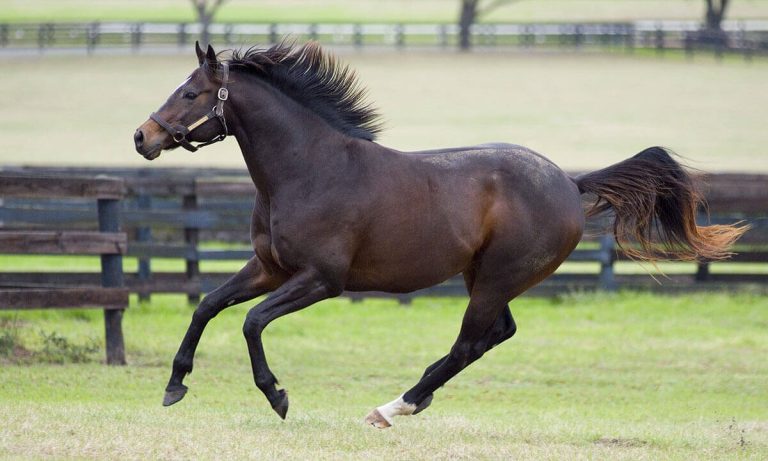
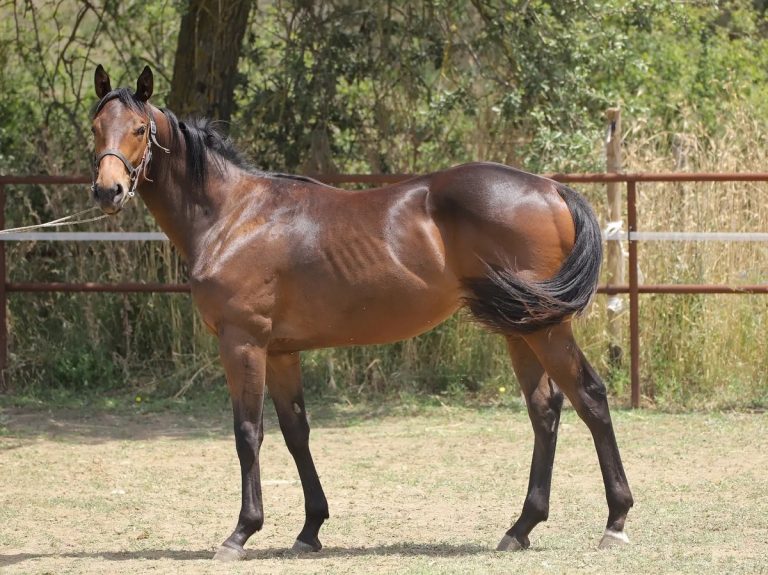
Bay is one of the most common coat colors among Thoroughbreds, characterized by a rich reddish-brown body with black points on the mane, tail, and lower legs. When you see a bay Thoroughbred, you immediately notice the striking contrast between the body and the black extremities, which adds to the horse’s refined appearance.
The color is genetically dominant, meaning it appears frequently across generations, making it a reliable trait in breeding programs. Bay Thoroughbreds are often prized not only for their beauty but also for their consistency in phenotype, which helps in lineage tracking.
Beyond aesthetics, the bay coat provides a natural shine when properly groomed, emphasizing the horse’s athletic form and musculature. Riders and breeders value bay Thoroughbreds for their classic elegance, whether on racetracks, show arenas, or breeding farms, as the color combines both tradition and visual impact.
Training and competition also highlight the bay’s versatility. The color tends to remain consistent under various conditions, making it easy to maintain a polished appearance for exhibitions or races. This reliability contributes to the bay Thoroughbred’s continued popularity in the equestrian world.
Chestnut Thoroughbreds
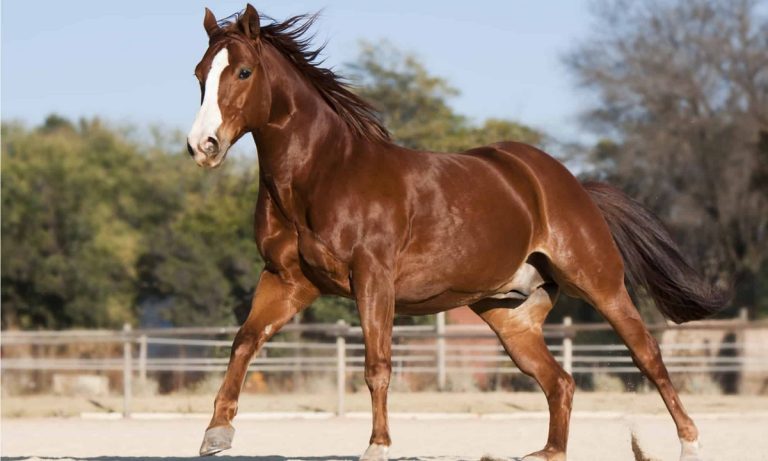
Chestnut Thoroughbreds are instantly recognizable by their warm, reddish-brown coats and matching mane and tail. Unlike bay horses, chestnuts lack the dark points, giving them a uniform, fiery appearance. When you observe a chestnut, the glow of the coat often enhances the horse’s natural musculature and movement.
This color occurs in a wide range of shades, from light golden tones to deep liver chestnut, offering visual diversity within the breed. Genetic patterns responsible for chestnut coats are recessive, making breeding outcomes less predictable but highly valued for their striking appearance.
Chestnut Thoroughbreds are common in racing and show circles because the color accentuates athletic form and presence. Grooming highlights the rich tones, allowing their natural shine to reflect under sunlight. Riders appreciate how chestnuts maintain a vibrant appearance throughout competition and leisure activities.
Additionally, the chestnut color can sometimes indicate specific bloodlines or historical lineage, making it a valuable feature for breeders tracking genetic traits. This combination of beauty and pedigree relevance ensures chestnut Thoroughbreds remain a favorite choice for many equestrian pursuits.
Gray Thoroughbreds
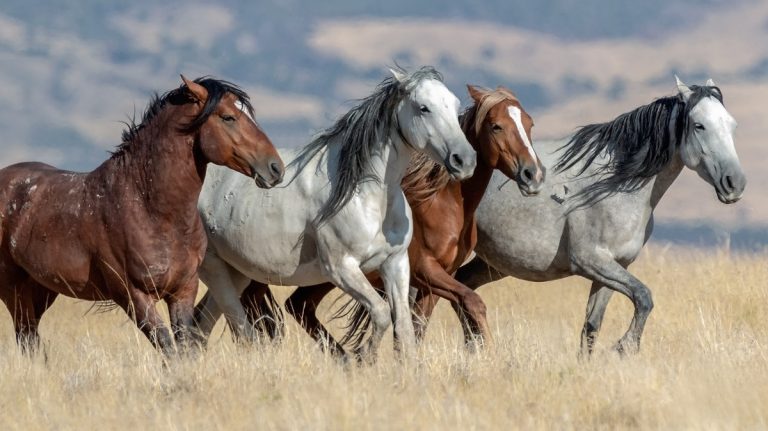
Gray Thoroughbreds are known for their gradual lightening coat, often born dark and slowly turning silvery or nearly white with age. When you first see a gray horse, the color may appear darker in youth, evolving to a luminous shade that highlights muscle definition and elegance.
This coat color is linked to a dominant gene, which ensures it appears reliably in certain bloodlines. The transformation over time adds a dynamic visual element, as each horse’s gray coat develops uniquely throughout its life. Gray Thoroughbreds often stand out in shows and racing events due to their shimmering appearance.
Caring for gray coats requires attention to cleanliness, as lighter shades show dust and stains more easily. Regular grooming enhances the shine, accentuating the breed’s athletic structure. Riders and owners often enjoy the changing visual progression, which provides a striking combination of beauty and individuality.
Beyond aesthetics, gray Thoroughbreds are associated with versatility in performance and temperament, similar to other common colors. Their distinctive look ensures they remain memorable in competitive arenas and exhibitions, further cementing the breed’s elegance and recognition.
Black Thoroughbreds
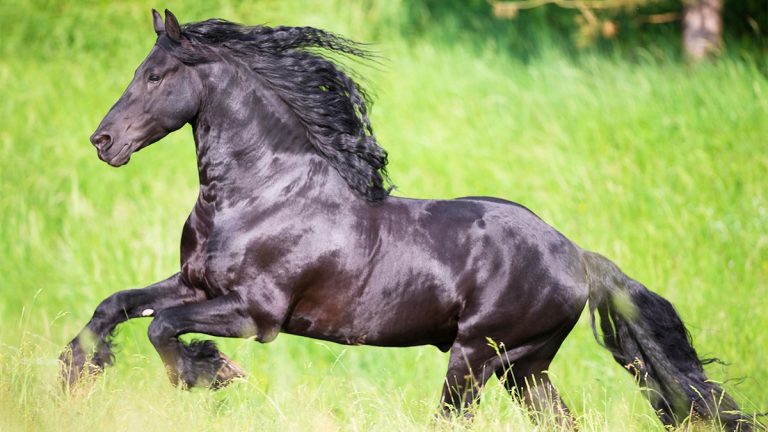
Black Thoroughbreds are less common but highly prized for their striking, uniform color. When you see a true black horse, the rich, deep shade emphasizes muscle tone and movement, giving a powerful and sophisticated impression.
The black coat is controlled by recessive genetics, making it rarer and often more sought after by breeders and enthusiasts. Grooming is essential to maintain the intense, glossy finish, as proper care brings out the horse’s natural shine and highlights the refined conformation typical of Thoroughbreds.
Black Thoroughbreds are versatile, appearing in both competitive and leisure settings, where their bold appearance adds presence and elegance. They tend to command attention in show rings and racing tracks alike, partly due to their rarity and partly because the uniform black coat enhances visual impact.
The combination of aesthetic appeal and genetic significance makes black Thoroughbreds a valuable choice for breeders. When you include black horses in programs, you contribute to preserving a striking and distinguished color within the Thoroughbred lineage, ensuring its continued prominence.
Roan and Other Variations
Though less common, roan Thoroughbreds and other variations add additional diversity to the breed. Roan horses feature interspersed white hairs throughout their base coat, creating a sparkling or frosted appearance. These variations may appear alongside chestnut, bay, or black, offering unique visual interest.
You notice that roan and other uncommon colors are often linked to specific bloodlines or heritage, making them valuable in breeding programs. Their distinctive patterns make them popular in exhibitions or recreational riding, where visual appeal and individuality are celebrated.
Managing these variations requires attentive grooming to ensure the coat’s texture and shine remain consistent. Riders and owners appreciate the personality these colors convey, as they enhance the horse’s presence and make each individual stand out.
Less Common But Accepted Colors
Less common but accepted colors in Thoroughbreds add diversity and individuality to the breed. While not as frequently seen as bay, chestnut, or gray, these variations are officially recognized and valued for their uniqueness. Understanding these colors allows breeders and enthusiasts to appreciate genetic diversity and the distinctive beauty each horse can display.
Palomino Thoroughbreds
Palomino Thoroughbreds feature a golden or cream-colored body with a light mane and tail, creating a visually striking contrast. When you observe a palomino, the shimmering golden tone often highlights the horse’s muscular build and athletic frame, making it a favorite in show arenas and exhibitions.
Although palomino coloring is less common in Thoroughbreds, it occurs through specific genetic combinations, primarily involving chestnut base coats with cream dilution. This makes the palomino both unique and desirable for breeders seeking standout horses with aesthetic appeal.
Caring for palominos involves regular grooming to maintain the coat’s brightness and prevent staining, as lighter shades can show dirt and discoloration easily. You notice that well-groomed palominos reflect sunlight beautifully, enhancing their visual presence during riding or presentation.
In addition to beauty, palominos possess the same athleticism and temperament typical of Thoroughbreds, making them suitable for racing, leisure riding, and competitive events. Their striking coat adds a layer of individuality while preserving the breed’s signature refinement and performance abilities.
Buckskin Thoroughbreds
Buckskin Thoroughbreds display a tan or golden body with black points on the mane, tail, and lower legs, similar to bay horses but lighter in hue. When you see a buckskin, the subtle contrast between body and extremities creates an elegant and eye-catching effect, enhancing overall visual appeal.
This color arises from the dilution of bay coats by the cream gene, making buckskin less frequent but genetically predictable in certain pairings. Breeders value this variation for its rarity and the distinctiveness it adds to show and breeding programs.
Maintenance of buckskin coats requires attention to sunlight and dirt, as lighter shades may fade or stain. Proper grooming enhances the horse’s natural luster, emphasizing muscular structure and graceful movement. You notice that well-kept buckskins often stand out during competitions or casual riding due to their refined and distinctive appearance.
Buckskin Thoroughbreds maintain the same versatility as standard colors, performing well in competitive disciplines, leisure riding, and breeding. Their unique coat makes them desirable for enthusiasts seeking a combination of performance, temperament, and visual appeal.
Roan Thoroughbreds
Roan Thoroughbreds are characterized by a base color interspersed with white hairs, creating a frosted or sparkling effect. When you observe a roan horse, the pattern adds texture and depth to the coat, making each individual visually unique and memorable.
This color can appear over chestnut, bay, or black bases, resulting in red roan, bay roan, or blue roan variations. While rare among Thoroughbreds, roan is officially recognized and appreciated for its aesthetic distinction and contribution to genetic diversity.
Caring for roans requires regular grooming to keep the coat clean and shiny, as the interspersed white hairs can show dirt and fading more easily. You notice that roans often capture attention in shows or recreational settings because the pattern accentuates movement and presence.
Roan Thoroughbreds combine the same athleticism and temperament as more common colors, making them suitable for competition, leisure, and breeding. Their unusual coat enhances individuality while maintaining the breed’s elegance and versatility, appealing to both breeders and riders.
Other Rare Recognized Variations
Other rare but accepted variations include cremello, perlino, and smoky black coats, each offering subtle yet noticeable differences in shade and tone. When you see these horses, their uncommon colors add uniqueness without compromising the Thoroughbred’s athletic qualities.
These rare colors result from specific genetic interactions and are less frequently seen in racing or breeding populations. Despite their rarity, they are officially recognized, making them valuable for enhancing diversity within programs.
Maintenance is similar to other lighter coats, requiring grooming and sun protection to preserve shine and prevent fading. You notice that these variations often attract attention in exhibitions or leisure riding due to their distinct visual appeal.
Rare but accepted colors demonstrate the full range of Thoroughbred genetics. They allow you to appreciate the beauty and versatility beyond standard colors, ensuring each horse’s individuality while maintaining the breed’s elegance, performance, and refinement.
Color Genetics In Thoroughbred Horses
Color genetics in Thoroughbred horses explains how coat colors are inherited and why certain shades are more common than others. Understanding these genetics helps breeders predict offspring colors, maintain breed standards, and preserve desirable traits. It also highlights how rare variations occur, offering insight into the complexity and beauty of the Thoroughbred lineage.
Basic Genetic Principles
Coat color in Thoroughbreds is determined by multiple genes that control pigment production and distribution. The two primary pigments, eumelanin (black) and pheomelanin (red), interact to produce the majority of base colors, including bay, chestnut, and black. When you study these genetics, you notice how dominant and recessive traits influence which color appears in foals.
Dominant genes, like those responsible for bay, often show up more frequently, while recessive genes, such as those for chestnut, require both parents to carry the trait for it to express. You also see that some colors, such as gray, involve a dominant gene that gradually modifies the base coat over time. Understanding these basic principles allows you to predict common outcomes while appreciating the occasional rare color.
Genetic variations also explain minor differences in shade, including lighter or darker tones, which occur naturally within each base color. Breeders study pedigrees carefully to track these patterns, ensuring consistency in bloodlines and enhancing the ability to produce visually appealing and standardized Thoroughbreds.
The Role of Dilution Genes
Dilution genes create lighter coat colors by modifying the intensity of the base pigment. When you examine palomino, buckskin, and cremello Thoroughbreds, these shades result from one or more dilution genes interacting with chestnut or bay bases. These genes add variety and visual interest to the breed while remaining rare.
For example, a single cream dilution on a chestnut base produces a palomino, while applying it to a bay creates a buckskin. Two cream genes on a chestnut background result in a cremello, giving the horse a nearly ivory appearance. You notice that these variations are highly sought after for their distinctive look but occur less frequently due to the specific genetic combination required.
Dilution genes also influence mane, tail, and leg coloration, which can enhance contrast and make individual horses stand out. Breeders often plan matings to produce desired diluted colors, balancing rarity with health and performance traits to ensure functional, beautiful offspring.
Gray and Roan Color Genetics
Gray and roan colors result from genes that gradually alter or mix the base coat pigment. Gray is caused by a dominant gene that lightens the horse’s coat over time, often beginning with a darker foal and progressing to a silver or white adult. When you observe gray Thoroughbreds, each stage offers a different visual impact, making them particularly striking in shows or breeding programs.
Roan horses have white hairs interspersed with the base color, creating a frosted effect. The roan gene is less common in Thoroughbreds but is recognized as a legitimate variation. You see this pattern more often when breeders focus on bloodlines known for carrying the roan gene. Both gray and roan horses illustrate how single genes can produce significant visual transformation while maintaining the breed’s athletic and temperamental qualities.
Both gray and roan coats require attentive management. Lighter shades can show dirt and stains, so regular grooming is essential. Understanding these genetics helps you predict how the coat will change over time, enabling proper care and preparation for competition or exhibition purposes.
Genetic Testing and Breeding Decisions
Modern genetic testing allows breeders to identify specific coat color genes in potential breeding stock. When you use these tools, you can predict foal colors more accurately, avoid unwanted traits, and plan for rare or desirable variations. This ensures a strategic approach to bloodline improvement and coat color management.
Testing also helps identify carriers of recessive traits that might not appear in the parent but could manifest in offspring. You notice that combining genetic knowledge with traditional pedigree tracking improves consistency and reduces unpredictability, especially for rare colors or dilution outcomes.
By understanding color genetics, you make informed breeding decisions that balance aesthetics with performance, temperament, and soundness. Thoroughbred coat colors are more than appearances—they reflect complex genetic patterns that influence both the beauty and legacy of the breed.
Markings And Pattern Variations
Markings and pattern variations add individuality and charm to Thoroughbred horses, helping distinguish one horse from another. While coat color provides the base appearance, unique white markings and patterns create character and identity. Understanding these variations is essential for breeders, riders, and enthusiasts, as they often carry significance in identification, registration, and visual appeal across competitive, recreational, and breeding settings.
Facial Markings
Facial markings are the most noticeable patterns on a horse and play an important role in recognition and registration. Common facial markings include stars, stripes, snips, blazes, and combinations of these. When you observe a Thoroughbred, these patterns give personality and visual distinction, making it easier to identify the horse individually.
A star is a small white spot in the forehead area, while a stripe runs along the bridge of the nose, and a snip appears on the muzzle. Blazes are wider white markings that extend from the forehead down to the nose, sometimes covering a large portion of the face. You notice that combinations, such as a star with a stripe, are common and create unique facial features for each horse.
Facial markings are also important in breeding and competition records, as registries often document them carefully. Beyond identification, these markings can enhance aesthetic appeal during shows or leisure riding, highlighting the horse’s expression and refining its appearance. Understanding facial patterns allows you to appreciate the individuality that sets each Thoroughbred apart.
Leg Markings
Leg markings add another layer of visual distinction and can vary from subtle to bold. Common patterns include coronets, socks, stockings, and pastern markings, each indicating a white area in a specific section of the leg. These variations enhance recognition and often complement facial markings to create a complete and attractive look.
Coronets are small bands around the hoof area, while pasterns extend slightly higher along the lower leg. Socks typically reach midway up the cannon bone, and stockings extend to or above the knee or hock. You notice that the height, shape, and symmetry of these markings make each horse visually unique, even among siblings.
Breeders and riders document leg markings carefully for identification purposes, especially in competitive environments or official registrations. Well-defined leg markings also add visual balance to the horse’s overall appearance, enhancing its elegance in shows and exhibitions. Combined with facial patterns, leg markings contribute significantly to the individuality and charm of Thoroughbred horses.
Unique Pattern Variations
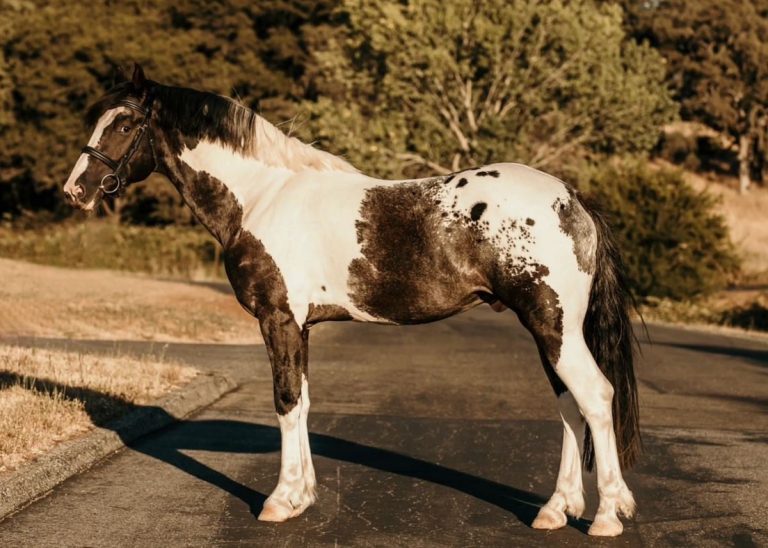
Some Thoroughbreds display less common pattern variations that go beyond typical facial and leg markings. These include irregular splashes, patches, or combinations of multiple small marks that create distinctive visual effects. When you notice these variations, they add character and make the horse easily recognizable.
Unique pattern variations often appear randomly and are less predictable than base coat colors, reflecting the complex interplay of genetics. Breeders and owners value these patterns because they enhance individuality without affecting the horse’s athletic ability or temperament. Careful observation and documentation ensure these patterns are preserved and recognized in official records.
These variations also play a role in presentation and exhibition, as distinctive patterns can draw attention in competitive or leisure settings. By highlighting a horse’s unique markings, you not only improve identification but also showcase the breed’s visual diversity and personality, making each Thoroughbred memorable and admired.
The Role Of Genetics
Genetics largely determines markings and pattern variations, with certain traits passed down through family lines. When you study pedigrees, you may notice recurring patterns or shapes among related horses, reflecting hereditary influences alongside random variation. Understanding this helps breeders predict potential markings in foals while maintaining diversity.
While some markings are highly heritable, others appear sporadically, ensuring each horse remains visually unique. Genetic knowledge also allows you to combine aesthetic appeal with desirable traits, creating offspring that balance physical performance with distinct individuality.
Markings and pattern variations, combined with coat colors, create the full visual identity of a Thoroughbred. By paying attention to these features, you appreciate the genetic richness, aesthetic diversity, and uniqueness that make each horse not only a performer but also a living work of art.
Coat Color Changes Over Time
Coat color changes over time are a fascinating aspect of Thoroughbred horses, reflecting genetics, age, and environmental factors. While base colors provide initial identification, horses often experience subtle or dramatic shifts as they mature. Understanding these changes helps owners, breeders, and enthusiasts track development, predict appearance, and maintain proper care throughout a horse’s life.
The Gray Gene and Progressive Lightening
One of the most well-known causes of coat color change is the gray gene. Horses born with a darker base color gradually lighten as they age, often transitioning from black or bay foals to silver, dappled gray, or nearly white adults. When you observe a gray Thoroughbred, this transformation can be striking, creating a unique visual progression over the years.
The lightening process begins in infancy and continues for several years, with each horse showing a distinct rate and pattern of change. Dapples often appear temporarily as part of the transition, adding texture and visual interest to the coat. Breeders and owners document these changes carefully for identification and show purposes.
This progressive lightening does not affect the horse’s athletic ability or temperament. You notice that properly groomed gray Thoroughbreds maintain a polished and elegant appearance, with the evolving coat adding individuality. The transformation becomes a memorable aspect of the horse’s identity, making grays particularly striking in exhibitions and competitions.
Seasonal Coat Variations
Coat colors can also change seasonally, with winter and summer coats differing in shade and texture. When you see a Thoroughbred during colder months, the coat often appears denser, darker, and sometimes richer in hue. In contrast, the summer coat is lighter, sleeker, and reflects sunlight more prominently.
These seasonal variations occur due to hair growth cycles and environmental influences like sunlight exposure and temperature. Winter coats help protect the horse, while summer coats allow better heat regulation. You notice subtle changes in chestnut, bay, and black horses, with natural shine and depth shifting depending on grooming and sunlight.
Owners and riders must adapt care routines to seasonal changes, including regular grooming, clipping, and conditioning to maintain a healthy and attractive coat. These variations highlight the dynamic nature of Thoroughbred appearance, showing that a horse’s color is not static but responsive to its environment and overall well-being.
Age-Related Changes in Non-Gray Horses
Even in non-gray Thoroughbreds, coat color may shift with age. Foals often exhibit a lighter or duller version of their eventual adult coat, which deepens and gains shine as they mature. When you observe young Thoroughbreds, the initial foal coat may mask the richness and definition that develop over the first year or two.
Changes can also occur due to sun bleaching, diet, or minor health fluctuations, which may alter tone and vibrancy. Bay and chestnut horses often gain depth, while black coats may lighten slightly under prolonged sun exposure. You notice that consistent nutrition, grooming, and care help maintain the coat’s natural brilliance throughout life.
By tracking these age-related changes, you better understand each horse’s growth, identify lineage characteristics, and maintain visual appeal for competition, leisure, or breeding purposes. Recognizing that coat color evolves over time adds depth to your appreciation of Thoroughbred genetics and individuality.
Influence of Genetics and Environment
Genetics establishes the potential for color changes, while environmental factors influence how and when they occur. When you consider both elements, you see that a Thoroughbred’s final appearance results from an interplay between inherited traits and care practices.
Environmental influences include sunlight exposure, nutrition, grooming routines, and overall health. Horses with high-quality care often display richer, more consistent color, while those exposed to stressors may show fading or dullness. Understanding this relationship allows you to manage both appearance and performance effectively.
Through genetics and environment, coat color becomes a dynamic aspect of a Thoroughbred’s identity. Observing these changes over time provides insight into development, enhances breeding selection, and highlights the beauty and complexity of each individual horse.
FAQs
What Are The Most Common Colors Of Thoroughbred Horses?
You will notice that Thoroughbred horses most often come in bay, chestnut, black, or gray shades. Bay horses have a reddish-brown body with black mane, tail, and lower legs, while chestnuts range from light copper to deep reddish-brown.
Black Thoroughbreds are less common, but striking, and grays usually lighten with age. Each color can have subtle variations, which makes identifying them interesting. When you look closely at a Thoroughbred, the exact shade and any unique markings can help you distinguish one horse from another in stables or competitions.
Can Thoroughbred Horses Change Color As They Age?
Yes, especially gray Thoroughbreds undergo noticeable changes over time. A gray horse may be born dark but gradually lighten as it ages, often turning almost white by maturity. Some chestnut or bay horses may also experience slight darkening or fading due to seasonal coat changes.
You should keep in mind that coat color changes do not affect a horse’s breed quality or performance. Observing these changes can also give you insights into a horse’s age and genetics, helping with proper care and record-keeping in your stable or breeding program.
Are Rare Colors Recognized In Thoroughbred Registries?
Most Thoroughbred registries officially accept standard colors like bay, chestnut, black, and gray. Rare colors such as roan or palomino may appear in bloodlines, but they are less common and sometimes not recognized for registration purposes.
You will find that registries focus on accurate documentation, so unusual colors can complicate official records. Even if a rare color exists, it doesn’t impact a horse’s eligibility to race or compete. Understanding the registry rules helps you properly identify and register a horse without confusion about its official color designation.
How Do Markings Affect The Color Of A Thoroughbred Horse?
Markings, like facial stars, blazes, and leg socks, can influence how you perceive a Thoroughbred’s overall color. You might see a bay horse with white socks that stand out dramatically against its darker legs. Similarly, a chestnut horse may have a white blaze on its face that alters its appearance. Markings don’t change the underlying coat color, but they are essential for identification and registration purposes. You can use these patterns to recognize individual horses, especially in competitions or breeding records, where precise color and markings matter.
What Causes Coat Color Variation In Thoroughbreds?
Coat color variation comes primarily from genetics. Each horse inherits color genes from both parents, which can result in subtle shades within a recognized color category. For instance, one chestnut may appear almost golden, while another is deep red.
Environmental factors like sunlight, diet, and grooming can slightly affect coat shine and shade, but the base color remains genetically determined. Understanding these variations helps you predict possible offspring colors if you are breeding and gives you a better appreciation for the diversity within Thoroughbred populations.
Are There Seasonal Changes In Thoroughbred Coat Colors?
Yes, Thoroughbred horses often display seasonal coat changes. Their winter coat may be thicker and slightly darker, while the summer coat tends to be shorter and brighter. These changes help horses adapt to temperature and sunlight variations.
You should notice that seasonal shifts can make the same horse look different throughout the year. Grooming and proper care help maintain coat health and shine during these transitions, ensuring that color variations remain natural and the horse stays comfortable regardless of season.
Can You Identify A Thoroughbred By Its Color Alone?
Color is helpful, but it is rarely enough to identify a Thoroughbred with certainty. You will need to consider markings, size, build, and sometimes pedigree to distinguish one horse from another accurately.
While bay, chestnut, black, and gray are informative, many horses share the same coat color. Using a combination of color, patterns, and unique features ensures proper identification in competitions, breeding, or ownership. Paying attention to these details helps you track individual horses effectively and avoid confusion when managing multiple Thoroughbreds.
Conclusion
Understanding the diversity and significance of colors of thoroughbred horses allows you to appreciate the breed beyond its athleticism. Each coat color, from common bays and chestnuts to rare palominos and roans, reflects genetics, lineage, and individuality. Observing these colors provides insight into the horse’s heritage and helps in recognizing distinct traits across generations.
Colors of thoroughbred horses also play a practical role in identification, registration, and competition. Facial markings, leg patterns, and unique variations further enhance recognition while contributing to the horse’s aesthetic appeal. For breeders and owners, awareness of these traits informs careful breeding decisions, helping preserve desirable characteristics while maintaining breed standards.
By paying attention to the evolution of colors of thoroughbred horses over time, including seasonal and age-related changes, you gain a deeper understanding of the breed’s beauty and complexity. This knowledge enriches your connection with Thoroughbreds, whether for competition, leisure, or breeding purposes.