What Can Horses Not Eat: Dangerous Foods Every Horse Owner Must Avoid
Horses are curious animals with a strong appetite for exploring their surroundings, but not everything they nibble on is safe. Understanding their dietary restrictions is essential for keeping them healthy and preventing potentially life-threatening problems. Some plants, foods, and household items that may seem harmless can actually cause severe digestive, neurological, or metabolic issues.
Knowing what can horses not eat helps owners prevent accidental poisoning and maintain optimal health. Toxic plants, spoiled feed, and certain human foods can trigger colic, laminitis, or organ failure. Even common garden plants or leftover food scraps may pose risks due to toxins, pesticides, or chemical additives.
Daily management, including careful pasture selection, secure feed storage, and supervision during grazing, reduces the risk of exposure to dangerous substances. Observing your horse’s eating habits and recognizing unsafe items can save you from costly veterinary emergencies.
Understanding dietary boundaries also allows for safe supplementation and treats. By learning what can horses not eat, you provide a safer environment, protect their digestive health, and promote long-term well-being.
Toxic Plants and Foliage
Horses are naturally curious grazers and may nibble on plants in pastures, gardens, or along fences. While many plants are safe, some contain toxins that can cause serious illness or even death. Understanding which plants are harmful and recognizing the signs of poisoning are essential for horse owners. Proper pasture management and careful monitoring prevent exposure to dangerous foliage and protect the health of your horse.
Common Toxic Plants
Several common plants are highly toxic to horses, and ingestion can lead to digestive, neurological, or cardiac issues. Plants such as oleander, yew, nightshade, and foxglove contain potent toxins that affect the heart and nervous system. Even small amounts of these plants can be fatal. Other plants like red maple leaves, bracken fern, and ragwort can cause anemia, liver damage, or kidney failure over time.
You should regularly inspect pastures, paddocks, and surrounding areas for these toxic plants. Horses often cannot distinguish harmful plants from safe ones, so owners must prevent access. Removing or fencing off dangerous plants and educating yourself about local flora reduces the risk of accidental poisoning. Early recognition of ingestion symptoms, such as colic, lethargy, or staggering, allows for prompt veterinary care and increases survival chances.
Effects of Toxic Plant Ingestion
The effects of toxic plant ingestion vary depending on the type of plant, the amount consumed, and the horse’s size. Common symptoms include abdominal pain, diarrhea, excessive salivation, weakness, and uncoordinated movements. Cardiac toxins may cause irregular heartbeat, collapse, or sudden death, while liver-toxic plants lead to jaundice, weight loss, and neurological signs over time.
You should understand that the onset of symptoms can be rapid or delayed. Horses may appear normal initially, masking internal damage until severe signs develop. Prompt veterinary intervention is essential to prevent long-term organ damage or fatal outcomes. Observing feeding behavior and monitoring for unusual signs after grazing in suspect areas can save your horse’s life. Prevention through proper pasture management is always preferable to treatment after exposure.
Safe Pasture Management
Managing pastures effectively helps reduce the risk of exposure to toxic plants. Regularly mowing, weeding, and inspecting paddocks ensures that harmful plants are removed before horses can access them. Rotating grazing areas prevents overgrowth and reduces the temptation for horses to nibble on unfamiliar plants.
You should also educate yourself about local toxic species, especially those that grow near fences, gates, or along roadsides where horses may reach. Installing physical barriers, like fencing or plant-free buffer zones, protects horses from dangerous ingestion. Providing ample safe forage reduces the likelihood that horses will seek out unfamiliar or toxic plants. Consistent monitoring and management create a safer environment and reduce the risk of accidental poisoning.
Recognizing Early Warning Signs
Early recognition of toxic plant ingestion is crucial for prompt treatment. Symptoms vary depending on the toxin but may include drooling, colic, diarrhea, lethargy, stumbling, irregular heartbeat, or sudden behavioral changes. Horses may refuse feed or water or show signs of distress, which should never be ignored.
You should act quickly if you suspect your horse has consumed a toxic plant. Contact a veterinarian immediately, noting the type of plant, the amount possibly ingested, and any observed symptoms. Early intervention can prevent serious complications and improve recovery outcomes. Awareness and vigilance are key to protecting horses from the dangers posed by toxic plants and foliage.
Human Foods That Are Harmful
Horses are naturally curious and may try to eat foods offered by humans, but many common human foods are unsafe for them. Even small amounts of chocolate, bread, or processed snacks can lead to digestive upset, colic, or toxicity. Understanding which foods are harmful and why helps owners prevent accidental poisoning and maintain their horse’s health. Safe feeding practices and vigilance around treats ensure your horse remains healthy and avoids serious complications.
Chocolate and Caffeine
Chocolate, coffee, and other caffeinated products contain substances that are toxic to horses. Theobromine and caffeine overstimulate the nervous and cardiovascular systems, leading to symptoms such as restlessness, rapid heart rate, tremors, and even seizures. In severe cases, ingestion can be fatal.
You should never offer chocolate bars, coffee grounds, or energy drinks to horses, even in small amounts. Horses are particularly sensitive to stimulants because their metabolism differs from humans. Accidental ingestion requires immediate veterinary care, as toxins can affect heart rhythm and nervous system function quickly. Educating family members, stable staff, and visitors about these dangers prevents accidental feeding. Recognizing the early signs of poisoning, such as hyperactivity, sweating, or irregular heartbeat, allows for prompt intervention and significantly improves the horse’s chances of recovery.
Sugary and Processed Foods
Sugary foods like candy, cookies, and pastries, as well as processed snacks, are harmful to horses. High sugar content can lead to obesity, insulin resistance, and laminitis, a painful and potentially debilitating hoof condition. Horses’ digestive systems are not designed to handle refined sugars or starch-heavy treats.
You should avoid offering bread, pastries, or chips to horses as treats. Even small amounts of sugary human food can disrupt gut flora, causing digestive upset or colic. Safe alternatives include fruits and vegetables like apples, carrots, or small portions of pumpkin, which provide natural sugars and fiber without overloading the system. Monitoring the horse’s diet and energy levels ensures that treats do not interfere with overall health. Consistent education and stable rules about feeding human foods protect horses from unnecessary harm.
Toxic Fruits and Vegetables
Certain fruits and vegetables commonly eaten by humans are dangerous for horses. Foods such as onions, garlic, avocado, and rhubarb contain compounds that can damage red blood cells, affect digestion, or harm the nervous system. Even small amounts can trigger symptoms like colic, anemia, or weakness.
You should research and verify the safety of any new fruit or vegetable before feeding it to your horse. Some parts of plants, like avocado pits or rhubarb leaves, are far more toxic than the edible portions, posing a hidden risk. Providing only safe options in measured amounts ensures that horses enjoy occasional treats without compromising health. Observing for changes in behavior, appetite, or stool consistency helps identify accidental ingestion quickly. Preventing access to toxic fruits and vegetables keeps horses safe and supports long-term digestive and systemic health.
Alcohol and Other Beverages
Alcohol and other human beverages like soda, tea, or energy drinks are extremely harmful to horses. Alcohol depresses the central nervous system, while caffeinated or carbonated drinks can cause digestive upset, dehydration, and metabolic stress. Horses metabolize these substances very differently than humans, making even small amounts dangerous.
You should never allow horses to consume alcoholic beverages or other human drinks. Accidental ingestion can result in colic, irregular heart rhythm, or severe nervous system effects. Providing clean, fresh water at all times is the only safe hydration source. Educating visitors and staff about the dangers of offering human beverages ensures that horses are not exposed to accidental poisoning. Monitoring water intake and preventing access to unsafe liquids is an essential part of daily care, safeguarding your horse’s health and wellbeing.
Foods That Cause Digestive Issues
A horse’s digestive system is delicate and highly sensitive to sudden dietary changes or inappropriate foods. Certain feeds and treats can trigger colic, bloating, diarrhea, or even laminitis. Understanding which foods cause digestive issues is crucial for maintaining a horse’s gut health, preventing serious illness, and ensuring proper nutrient absorption. Careful management of diet, including forage, concentrates, and treats, reduces the risk of digestive problems.
High-Starch Grains
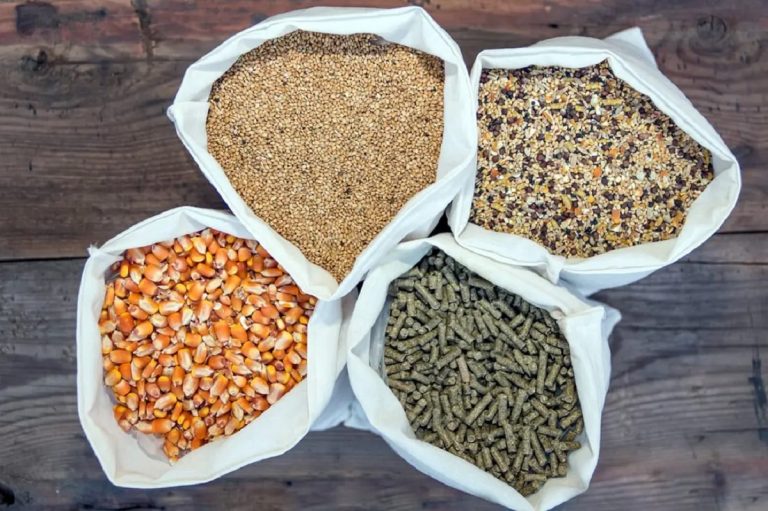
Grains such as corn, barley, and oats are energy-dense but can be harmful when fed in excess. High-starch grains are rapidly fermented in the hindgut, producing gas and lactic acid that disrupt normal gut flora. This can lead to colic, diarrhea, or laminitis over time.
You should monitor the amount of grain fed and divide daily rations into multiple smaller meals to reduce digestive stress. Rapid introduction or sudden increases in grain intake are particularly dangerous, as the horse’s digestive system may not adapt quickly enough. Providing high-quality forage alongside grains slows digestion and maintains gut balance. Observing changes in stool consistency, appetite, or energy levels helps detect early signs of digestive upset before they become severe. Proper grain management ensures horses receive necessary energy without compromising intestinal health.
Overfeeding Concentrates and Sugary Treats
Concentrates and sugary treats, including processed feed, candy, and excessive fruits, can disrupt normal microbial populations in the horse’s hindgut. Overfeeding these items often leads to rapid fermentation, gas buildup, and acidosis, increasing the risk of colic and diarrhea.
You should offer concentrates in measured amounts based on workload and body condition while limiting high-sugar treats. Even healthy fruits like apples or carrots must be fed in moderation. Balancing treats with consistent forage intake supports proper digestion. Monitoring for digestive discomfort, bloating, or unusual behaviors after feeding helps owners adjust the diet appropriately. Careful management of concentrates and treats reduces digestive disturbances while keeping horses happy and motivated.
Legumes and Certain Forages
Some forages, particularly legumes like alfalfa, are high in protein and calcium, which can upset the digestive system if overfed. Excessive alfalfa can cause bloating, loose stools, or metabolic stress in horses not accustomed to it. Other forages with high sugar content or mold contamination can also trigger digestive issues.
You should introduce new forage gradually and monitor how your horse responds. Mixing alfalfa with grass hay can reduce the risk of digestive upset while maintaining nutrient balance. Avoid feeding moldy, dusty, or spoiled hay, as it can cause respiratory issues alongside gut problems. Observing stool quality, weight, and energy levels ensures forage supports digestion rather than harming it. Proper selection and management of hay types safeguard intestinal health and prevent long-term complications.
Human Foods and Unsafe Treats
Human foods such as bread, pastries, dairy, and leftovers can cause severe digestive problems in horses. These items are high in sugar, starch, or fat and are not adapted for the horse’s hindgut, leading to colic, diarrhea, or laminitis. Even small amounts can trigger metabolic imbalances.
You should never offer these foods to horses and keep them away from stables or feed storage areas. Safe alternatives include carrots, apples, or specially formulated horse treats. Monitoring for signs of discomfort after accidental ingestion is important, and prompt veterinary attention may be required. Educating family, staff, and visitors about harmful human foods reduces the risk of digestive emergencies and protects overall equine health.
Sudden Diet Changes
Even safe foods can cause digestive issues when introduced suddenly. Horses require gradual adaptation to new hay, grains, or supplements. Abrupt changes upset gut flora, reduce nutrient absorption, and increase the risk of colic or diarrhea.
You should introduce new feeds slowly over 7–10 days, mixing small amounts with the current diet and gradually increasing the new feed ratio. Consistent feeding schedules, proper portioning, and monitoring of stool consistency help prevent digestive disturbances. Recognizing early signs of stress, such as reduced appetite, gas, or mild colic, allows for quick adjustment. Gradual adaptation supports gut health, ensuring horses maintain steady energy and nutrient intake without digestive complications.
Grains and Supplements to Avoid in Excess
Grains and supplements can provide essential nutrients and energy for horses, but overfeeding them can lead to serious health issues. Excessive grains or improperly balanced supplements may cause digestive upset, obesity, metabolic disorders, or laminitis. Understanding which grains and supplements require careful monitoring ensures that your horse remains healthy while receiving adequate nutrition. Proper portion control, timing, and selection are key to safe feeding practices.
High-Starch Grains
High-starch grains, such as corn, barley, and oats, are common sources of energy for performance horses. While they supply necessary calories for work, excessive feeding can disrupt hindgut fermentation, producing gas and lactic acid. This can result in colic, diarrhea, and laminitis.
You should divide grain rations into multiple smaller meals to reduce digestive stress. Sudden increases in grain intake are particularly dangerous, as the horse’s microbial population cannot adapt quickly. Pairing grains with high-quality forage slows digestion and stabilizes energy release. Monitoring body condition and stool consistency ensures that grains are supporting health without causing digestive disturbances. Careful management of high-starch grains protects gut health and prevents metabolic complications while meeting the horse’s energy demands.
Sugar-Rich Supplements and Treats
Supplements high in sugar or molasses, often added for palatability, can be harmful in excess. Overconsumption of these products increases the risk of obesity, insulin resistance, and laminitis. Horses that are sedentary or have metabolic sensitivities are particularly vulnerable to sugar overload.
You should limit sugar-rich supplements and treat offerings, using them sparingly or as occasional rewards. Combining these with a diet focused on high-fiber forage prevents digestive upset. Observing energy levels, weight, and hoof health helps determine whether supplement intake is appropriate. Providing alternatives such as low-sugar vitamin-mineral pellets or natural treats like carrots and apples reduces risks while maintaining nutrient intake. Properly managing sweet supplements supports digestive and metabolic health.
Over-Supplementation of Vitamins and Minerals
Vitamins and minerals are essential, but over-supplementation can create imbalances or toxicity. Excess calcium, phosphorus, selenium, or vitamin A can lead to skeletal issues, organ damage, or neurological symptoms. Feeding multiple supplements without accounting for forage content increases the risk of overconsumption.
You should assess your horse’s complete diet before adding supplements. Consulting a veterinarian or equine nutritionist ensures that supplements meet needs without exceeding safe levels. Monitor for signs such as stiffness, weight changes, or unusual behavior, which may indicate imbalance. Using well-formulated, balanced supplements in measured amounts helps maintain overall health and prevents complications from excess nutrient intake. Proper supplementation enhances performance and well-being while avoiding harmful overfeeding.
Energy-Dense Fat Supplements
Fat supplements, including vegetable oils or rice bran, provide concentrated calories for performance horses or weight gain. While beneficial when used correctly, excessive fat intake can lead to digestive disturbances, weight gain, and imbalanced nutrient ratios.
You should incorporate fats gradually, monitoring body condition and energy levels. Over-supplementing fat can also reduce appetite for forage, disrupting fiber intake and gut function. Balancing fat with protein, vitamins, and minerals ensures horses receive the benefits without causing metabolic stress. Regular evaluation of feeding routines helps maintain safe fat levels while supporting energy needs for work, growth, or recovery.
Safe Feeding Practices
The key to avoiding problems with grains and supplements is moderation and monitoring. Always calculate feed based on body weight, activity, age, and health condition. Divide rations into multiple meals to support digestion and prevent spikes in blood sugar or gut upset.
You should also rotate and adjust supplements according to seasonal needs, workload, and forage quality. Observing body condition, energy, stool consistency, and overall behavior allows for early detection of issues. Education about safe feeding levels and careful record-keeping ensures that your horse receives necessary nutrients without risking digestive or metabolic complications. Balanced feeding practices promote long-term health, performance, and well-being.
Signs of Food Poisoning or Digestive Distress
Horses have sensitive digestive systems, and exposure to toxic plants, harmful human foods, or inappropriate feed can quickly cause food poisoning or digestive distress. Recognizing early warning signs is critical for preventing severe illness or death. Understanding how horses react to toxins or digestive upset allows owners to respond promptly with appropriate care, ensuring their horse’s health and safety.
Gastrointestinal Symptoms
One of the first signs of food poisoning or digestive distress in horses is abnormal gastrointestinal activity. Symptoms such as colic, bloating, diarrhea, or frequent rolling indicate discomfort or obstruction in the digestive tract. Horses may paw at the ground, lie down more than usual, or stretch their necks in pain.
You should observe stool consistency and frequency closely. Sudden changes, such as watery diarrhea, foul odor, or unusual color, can signal ingestion of spoiled feed, toxic plants, or high-starch grains. Early identification of these symptoms allows for immediate intervention, which may include withholding feed, providing water, and contacting a veterinarian. Timely recognition prevents complications such as severe colic, dehydration, or secondary infections, improving recovery outcomes. Regular observation and monitoring of feeding behavior help detect gastrointestinal distress before it escalates.
Behavioral and Physical Changes
Horses experiencing food poisoning often show noticeable behavioral and physical changes. Lethargy, excessive sweating, tremors, or restlessness are common. They may refuse feed or water, appear weak, or show signs of discomfort when moving. These symptoms indicate that the body is struggling to process toxic substances or deal with digestive upset.
You should take note of any unusual behaviors immediately, as subtle signs can precede severe complications. Rapid response to early behavioral changes can prevent life-threatening conditions. Monitoring temperature, heart rate, and respiratory rate provides additional insight into the horse’s condition. Behavioral observation combined with physical assessment allows for early detection and improves the chances of successful treatment. Horses rely on attentive care to catch warning signs early, emphasizing the importance of routine monitoring.
Neurological and Systemic Indicators
Some toxic foods or plants affect the nervous system, causing neurological signs alongside digestive symptoms. Horses may exhibit staggering, uncoordinated movement, head pressing, or sudden behavioral changes such as aggression or confusion. Excessive salivation, drooling, or tremors may also occur.
You should recognize that these signs indicate severe systemic involvement, often requiring urgent veterinary intervention. Neurological symptoms combined with colic or diarrhea suggest toxins affecting multiple organ systems. Documenting the onset, duration, and progression of symptoms helps the veterinarian determine the appropriate treatment plan. Prompt action is essential to reduce long-term damage and improve recovery. Awareness of neurological indicators enhances early detection of dangerous food poisoning or digestive distress.
Preventive Observation and Immediate Response
Preventing severe outcomes requires vigilant observation and quick action. Monitor horses during feeding, watch for unusual chewing habits, sudden refusal of food, or repeated attempts to vomit or paw. These behaviors often indicate digestive discomfort or potential poisoning.
You should contact a veterinarian immediately if any severe symptoms appear, such as persistent colic, extreme lethargy, or neurological abnormalities. Providing details about recent feed, pasture plants, supplements, or treats consumed can guide diagnosis and treatment. Early intervention with supportive care, such as hydration, anti-inflammatory treatment, or detoxifying measures, can save lives. Consistent monitoring and proactive response are the most effective ways to manage and prevent serious complications from food poisoning or digestive upset in horses.
FAQs
What Are The Most Common Toxic Plants For Horses?
Several plants are highly toxic to horses and should be strictly avoided. Common examples include oleander, yew, foxglove, nightshade, and red maple leaves. Ingesting even small amounts of these plants can cause colic, liver failure, cardiac arrest, or neurological symptoms.
You should regularly inspect pastures, paddocks, and nearby areas for these plants. Horses often cannot distinguish between safe and harmful vegetation, so preventing access is crucial. Early identification of ingestion symptoms such as drooling, lethargy, or staggering allows prompt veterinary care, significantly improving recovery chances and preventing life-threatening complications.
Can Horses Eat Human Foods Like Chocolate Or Bread?
No, many human foods are unsafe for horses. Chocolate contains theobromine and caffeine, which overstimulate the heart and nervous system. Bread, pastries, and sugary snacks can disrupt gut bacteria, cause colic, or trigger laminitis.
You should avoid offering any processed human foods, even in small amounts. Instead, use horse-safe treats like carrots, apples, or commercially formulated rewards. Observing your horse after any accidental ingestion ensures timely intervention. Education of staff, family members, and visitors is critical to prevent accidental feeding of harmful human foods.
Are Certain Fruits Or Vegetables Dangerous For Horses?
Yes, some fruits and vegetables commonly eaten by humans can be toxic to horses. Onions, garlic, avocado, and rhubarb contain compounds that harm red blood cells, disrupt digestion, or affect the nervous system.
You should only feed safe fruits and vegetables, such as apples, carrots, or small portions of pumpkin, in moderation. Monitoring for unusual symptoms like diarrhea, colic, or lethargy helps identify accidental ingestion. Awareness of which produce is harmful allows you to provide safe treats while protecting digestive and overall health.
How Can Grains Or Supplements Cause Harm?
Overfeeding grains or supplements can lead to digestive problems, obesity, or metabolic disorders. High-starch grains like oats, barley, and corn ferment rapidly in the hindgut, increasing the risk of colic and laminitis. Excess vitamins or minerals may cause imbalances or toxicity.
You should calculate rations based on body weight, workload, and health. Dividing grains into smaller meals and monitoring body condition ensures safe energy intake. Using supplements only as needed and consulting a veterinarian prevents overfeeding and supports balanced nutrition for overall health.
What Are The Signs My Horse Ate Something Toxic?
Signs of toxic ingestion vary but often include colic, diarrhea, excessive salivation, lethargy, and behavioral changes. Severe cases may show staggering, tremors, irregular heartbeat, or refusal to eat.
You should act quickly if you notice these symptoms. Contact a veterinarian immediately, providing information about potential plants, foods, or supplements ingested. Early intervention increases the chance of recovery. Observing feeding habits and monitoring behavior regularly helps detect issues before they become life-threatening.
Can Horses Safely Eat Any Human Foods At All?
Yes, certain human foods are safe in moderation, such as carrots, apples, and small amounts of pumpkin. These provide natural sugars and fiber without causing digestive upset or toxicity.
You should always introduce new treats gradually and in small portions. Avoid processed, sugary, or high-starch human foods entirely. Observing your horse’s reaction to new foods ensures they tolerate them well. Safe treats provide enrichment and rewards while maintaining digestive health and overall well-being.
Final Thoughts
Horses have sensitive digestive systems that can be easily affected by certain foods and substances. Understanding which foods are harmful is essential to prevent serious health issues such as colic, poisoning, or laminitis. Careful monitoring of their diet and environment ensures that horses stay safe and healthy.
When considering what can horses not eat, it’s important to avoid toxic plants, spoiled feed, human foods like chocolate or processed treats, and any substances that could cause digestive upset. Even seemingly harmless items like lawn clippings treated with chemicals or everyday trash can pose serious risks. Awareness and prevention are key to avoiding emergencies and long-term health problems.
Ultimately, knowing what can horses not eat empowers horse owners to create a safe feeding routine. By providing safe forage, monitoring treats, and keeping hazardous items out of reach, you can protect your horse’s health, support proper digestion, and ensure they live a long, vibrant life.