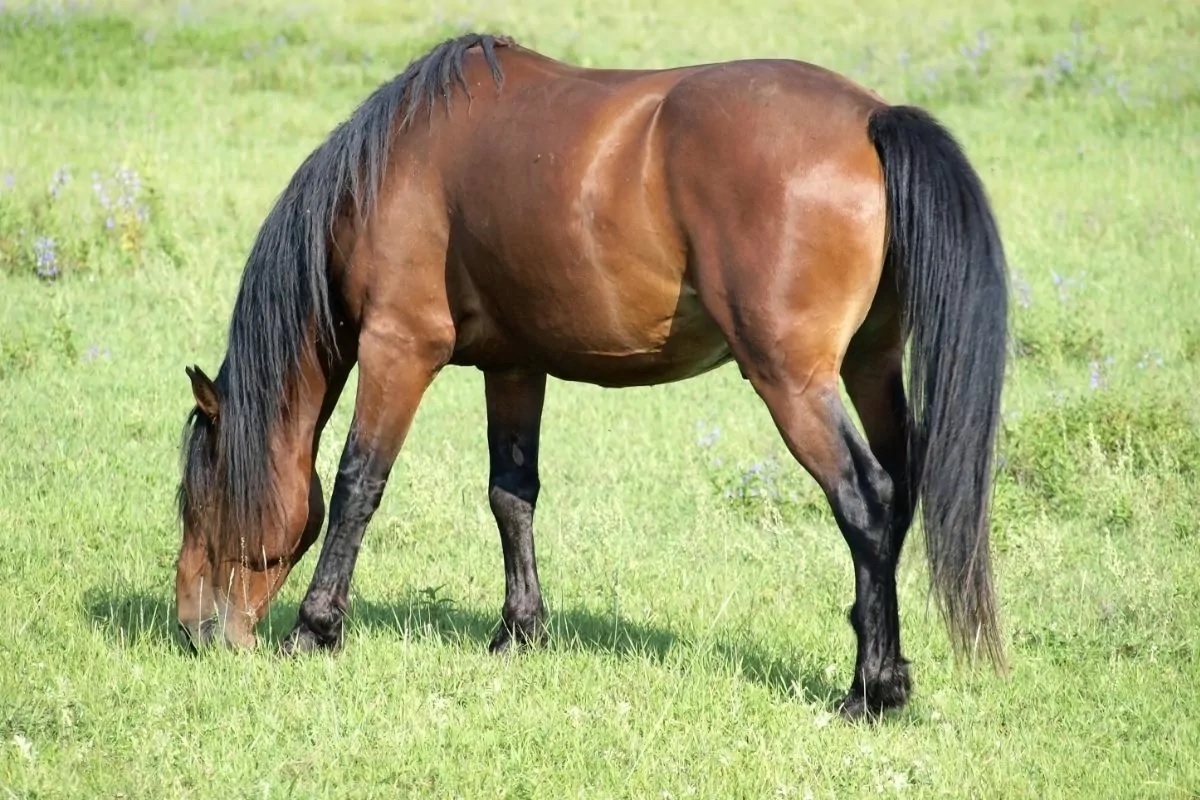
How Many Stomachs Does A Horse Have: Understanding Equine Digestive Anatomy And Function
The digestive system of a horse is uniquely designed to process a continuous intake of fibrous plant material, which plays a crucial role in their overall health and nutrition. Understanding how many stomachs does a horse have provides insight into how they break down forage, absorb nutrients, and maintain energy throughout the day. Unlike ruminants such as cows or sheep, horses have a single-chambered stomach, but their digestive efficiency relies heavily on an extensive hindgut, including the cecum and colon, where fermentation of fiber occurs.
Knowing the structure and function of a horse’s digestive system helps owners, trainers, and equine enthusiasts make informed decisions about feeding practices, portion sizes, and diet composition. Properly aligning feeding strategies with a horse’s natural digestive anatomy ensures optimal nutrient absorption, gut health, and long-term wellbeing.
The Single-Chambered Stomach
Horses have a single-chambered stomach, which differentiates them from ruminants like cows and sheep. This small but efficient stomach is designed to handle frequent, small meals of fibrous plant material rather than large, infrequent feedings. Understanding the structure and function of the single-chambered stomach is essential for horse owners and enthusiasts, as it influences feeding schedules, portion sizes, and overall digestive health. Proper management ensures that horses maintain optimal nutrient absorption, gut balance, and overall wellbeing.
Structure And Capacity
The horse’s single-chambered stomach is relatively small, holding approximately 2 to 4 gallons of food, depending on the size of the animal. This limited capacity means horses are adapted to consume small amounts of forage continuously rather than large, concentrated meals. The stomach secretes acid and digestive enzymes to begin breaking down carbohydrates and proteins before food passes to the small intestine.
Its structure includes regions like the non-glandular and glandular areas, each serving specific functions in digestion. The non-glandular portion is more sensitive to acidity and can be prone to irritation if feeding practices are irregular, leading to issues such as ulcers. The glandular region produces acid and enzymes to break down feed efficiently. Understanding the stomach’s structure emphasizes the importance of frequent, high-fiber feedings and careful management of concentrates to maintain digestive health and prevent discomfort.
Digestive Function And Enzyme Activity
The primary role of the single-chambered stomach is to initiate protein digestion and mechanically process food before it moves to the small intestine. Enzymes such as pepsin, along with hydrochloric acid, break down proteins into smaller peptides. Stomach motility helps mix ingested food with digestive juices, ensuring efficient nutrient extraction. Fiber digestion, however, primarily occurs later in the hindgut, highlighting the stomach’s role as the initial processing chamber rather than the primary site of fermentation.
Frequent small meals help maintain consistent acid levels and optimize enzyme activity. Large or infrequent feedings can lead to excessive acid exposure in the non-glandular region, increasing the risk of gastric ulcers. By aligning feeding strategies with the stomach’s functional capacity and enzymatic activity, you support proper digestion, prevent gastrointestinal disorders, and maintain overall gut health.
Implications For Feeding Practices
The small, single-chambered stomach has significant implications for how you feed horses. Continuous access to forage, such as hay or pasture, aligns with their natural grazing behavior and prevents overloading the stomach with large, concentrated meals. Feeding strategies should emphasize frequent, small portions to reduce stress on the stomach lining and optimize nutrient absorption.
Supplementing with grains or concentrates should be done cautiously, ideally in multiple small meals, to avoid excessive acid production and digestive upset. Understanding the stomach’s limitations helps you manage meal size, frequency, and composition, ensuring that your horse remains healthy, comfortable, and able to efficiently utilize nutrients from their diet. Proper feeding practices tailored to the single-chambered stomach support long-term digestive health and overall wellbeing.
Digestive Process Beyond The Stomach
Once food leaves the single-chambered stomach, it continues through a complex digestive system designed for optimal nutrient extraction. Understanding the digestive process beyond the stomach is essential for horse owners, trainers, and equine enthusiasts, as it influences feed choices, portion sizes, and overall gut health. The small intestine, cecum, and large colon each play a critical role in breaking down carbohydrates, proteins, and fiber, ensuring horses receive essential nutrients to maintain energy, weight, and overall wellbeing.
Small Intestine Function And Nutrient Absorption
After leaving the stomach, partially digested food enters the small intestine, where enzymatic digestion and nutrient absorption occur. The small intestine, which can measure up to 70 feet in length in adult horses, is the primary site for digesting carbohydrates, proteins, fats, vitamins, and minerals. Enzymes break down complex molecules into simpler forms, allowing absorption into the bloodstream.
Efficient small intestinal function is crucial for maintaining energy levels, muscle development, and overall health. Feeding easily digestible carbohydrates and quality protein sources ensures that nutrient absorption is maximized. Improper feeding, such as excessive starches or sudden diet changes, can overwhelm the small intestine, leading to digestive disturbances like colic or diarrhea. Understanding this stage of digestion emphasizes the importance of balanced, well-timed feedings to support nutrient uptake and maintain gut health.
The Cecum And Hindgut Fermentation
The cecum, a large fermentation chamber in the hindgut, plays a central role in breaking down fibrous plant material that the stomach and small intestine cannot digest. Microbial populations in the cecum ferment cellulose and hemicellulose, producing volatile fatty acids that serve as a major energy source for the horse. This process allows horses to efficiently utilize high-fiber diets, such as grass and hay.
Maintaining a healthy cecum requires consistent access to forage, as sudden dietary changes can disrupt microbial populations and lead to colic or digestive upset. Understanding the importance of hindgut fermentation helps you provide diets that promote optimal microbial balance, prevent digestive disorders, and support energy production. Proper feeding practices aligned with cecal function ensure horses receive maximum nutrition from fibrous feeds.
Large Colon And Water Absorption
Beyond the cecum, the large colon continues fermentation and is responsible for significant water and electrolyte absorption. Efficient water absorption prevents dehydration and supports proper fecal consistency, while ongoing fermentation allows further breakdown of fiber into energy-rich volatile fatty acids. The large colon also acts as a storage and mixing chamber, regulating passage of digesta through the hindgut.
Disruptions in this stage, such as sudden feed changes, poor-quality forage, or insufficient water intake, can lead to colic, impaction, or diarrhea. Understanding the role of the large colon in digestion emphasizes the importance of consistent, high-quality forage, adequate hydration, and gradual diet transitions. Supporting hindgut health ensures that horses fully utilize their diet for energy, nutrient absorption, and overall wellbeing.
Hindgut Fermentation And Ceca Function
Horses rely heavily on their hindgut for digesting fibrous plant material that cannot be broken down in the stomach or small intestine. The cecum, a large fermentation chamber in the hindgut, houses billions of microbes that convert cellulose and other fibers into volatile fatty acids, providing a major energy source. Understanding hindgut fermentation and ceca function is essential for horse owners, as it influences feeding practices, forage quality, and overall digestive health, ensuring horses maintain energy, nutrient absorption, and gut stability.
Microbial Fermentation In The Cecum
The cecum is a specialized fermentation chamber located at the junction of the small and large intestines. It hosts a diverse population of bacteria, protozoa, and fungi that break down fibrous material such as cellulose, hemicellulose, and pectin. These microbes produce volatile fatty acids, including acetate, propionate, and butyrate, which are absorbed and serve as critical energy sources for the horse.
Efficient microbial activity in the cecum supports weight maintenance, stamina, and overall metabolic health. Diets high in quality forage promote a stable microbial environment, whereas sudden introduction of grains or low-fiber feeds can disrupt fermentation, leading to colic or diarrhea. By understanding the cecum’s role in hindgut fermentation, you can optimize feed composition, maintain microbial balance, and ensure consistent energy supply.
Nutrient Extraction And Energy Production
Hindgut fermentation in the cecum allows horses to extract energy from fibrous plant materials that are otherwise indigestible in the stomach or small intestine. The breakdown of cellulose and other fibers produces short-chain fatty acids, which provide a significant portion of the horse’s daily energy requirements. Efficient fermentation also aids in mineral absorption, particularly calcium and magnesium, supporting skeletal and muscular health.
Maintaining consistent access to forage ensures continuous fermentation and prevents sudden microbial imbalances. Feeding strategies that prioritize fiber and slow introduction of concentrates optimize nutrient extraction. Understanding the cecum’s contribution to energy production highlights its importance in supporting daily activities, athletic performance, and overall vitality in horses.
Maintaining Hindgut Health
The cecum and hindgut are sensitive to dietary changes, and disruptions can quickly affect digestion and overall health. Overfeeding starch-rich concentrates, sudden feed transitions, or poor-quality forage can alter microbial populations, producing gas, lactic acid, and toxins that increase the risk of colic or diarrhea.
Preventing hindgut disturbances requires gradual diet adjustments, consistent feeding schedules, and abundant access to high-quality fiber. Water intake is also critical to support microbial fermentation and maintain proper cecal function. Understanding hindgut health allows you to provide a stable, nutrient-rich environment for microbial activity, ensuring effective digestion, energy production, and long-term gastrointestinal wellbeing for your horse.
People Also Asked
How Many Stomachs Does A Horse Have?
Horses have a single-chambered stomach, unlike ruminants such as cows or sheep. This means they do not chew cud or have multiple stomach compartments for fermentation. Instead, horses rely on their large hindgut, including the cecum and colon, to ferment fibrous plant material. Understanding that horses have only one stomach helps you design feeding schedules that match their digestive capacity, providing frequent, small meals of forage to optimize nutrient absorption and maintain gut health while preventing digestive issues like colic or gastric ulcers.
Why Do Horses Have Only One Stomach?
Horses evolved as grazing herbivores adapted to eating small, frequent meals of fibrous forage. A single-chambered stomach allows them to efficiently digest small amounts of feed continuously, while fiber fermentation primarily occurs in the hindgut. You should recognize that this structure makes horses sensitive to large, concentrated meals, emphasizing the importance of high-fiber diets and consistent feeding schedules to prevent digestive upset and support overall health and energy levels.
How Does The Single-Chambered Stomach Affect Digestion?
The single-chambered stomach initiates digestion by mixing food with acid and enzymes to break down proteins and carbohydrates. However, fiber digestion occurs mainly in the hindgut. You need to feed horses small, frequent meals to match their stomach’s limited capacity and maintain stable acid levels, which prevents ulcers and promotes nutrient absorption. Understanding this allows you to optimize feeding practices and ensure your horse’s digestive system functions efficiently.
What Role Does The Stomach Play In Nutrient Absorption?
While the stomach begins the breakdown of proteins and carbohydrates, most nutrient absorption occurs in the small intestine and hindgut. The stomach’s limited size and acid production prepare food for enzymatic digestion further along the digestive tract. Recognizing the stomach’s role helps you provide properly balanced meals, ensuring that protein, vitamins, and minerals are efficiently absorbed while avoiding overloading the digestive system.
How Does Stomach Size Influence Feeding Practices?
A horse’s single-chambered stomach has a relatively small capacity of 2 to 4 gallons, depending on size. This requires you to feed frequent, small meals rather than large, infrequent feedings. Understanding stomach size helps you prevent digestive upset, gastric ulcers, and colic while ensuring horses receive sufficient nutrients from forage and concentrates. Proper portioning supports overall health, energy levels, and digestive efficiency.
Can Improper Feeding Affect A Horse’s Stomach Health?
Yes, improper feeding can negatively impact the stomach’s health. Large, infrequent meals or high-starch diets can increase acid exposure in the non-glandular region, causing ulcers or irritation. You should provide consistent access to forage, feed small meals, and introduce concentrates gradually. Understanding the sensitivity of the single-chambered stomach helps you maintain digestive health, prevent discomfort, and support overall well-being.
Final Words
Horses have a unique digestive system that is specially adapted for a herbivorous diet. You see that their single-chambered stomach handles the initial breakdown of food, while the majority of fiber digestion occurs in the hindgut through microbial fermentation. This anatomy means they require frequent, smaller meals rather than large portions, as their stomach capacity is limited. Understanding their digestive structure helps you prevent common issues like colic or impaction by providing appropriate forage and monitoring feeding practices.
Compared to ruminants, horses rely heavily on the cecum and large intestine for nutrient extraction, emphasizing the importance of fiber-rich diets. Considering all these aspects, the answer to how many stomachs does a horse have remains one, but her overall digestive efficiency depends on the coordinated function of both the stomach and hindgut. Proper care ensures optimal digestion, health, and performance.