How To Trim Horse Hooves: Step-By-Step Guide, Tools, and Tips
Caring for a horse goes beyond feeding and exercise; proper hoof maintenance is a crucial aspect of overall health and performance. Neglecting hooves can lead to discomfort, lameness, and long-term structural problems, making regular attention essential for every horse owner. Understanding the fundamentals of hoof care helps ensure that horses remain strong, comfortable, and active.
Learning how to trim horse hooves is an important skill that allows owners to maintain the correct shape and balance of the hoof. Regular trimming prevents overgrowth, uneven wear, and infections such as thrush or abscesses, which can severely impact a horse’s mobility. For those who work closely with horses, developing proficiency in trimming promotes a safer and more confident handling experience.
This process involves careful assessment of the hoof, the use of appropriate tools, and knowledge of natural hoof angles and lengths. Mastering these techniques not only enhances the horse’s performance but also strengthens the bond between horse and owner.
Essential Tools for Hoof Trimming
Proper hoof care is essential for a horse’s health, mobility, and overall performance. Having the right tools makes trimming safer, more efficient, and more precise. From cleaning to cutting and shaping, each tool has a specific function that supports healthy hooves. Understanding the purpose and proper use of these tools ensures that horse owners can maintain balance, prevent infections, and avoid long-term problems.
Hoof Pick
A hoof pick is one of the most basic yet essential tools for any horse owner. Its primary function is to clean the sole of the hoof, removing dirt, stones, and debris that can accumulate and cause discomfort or infection. Regular use of a hoof pick helps prevent thrush and other bacterial or fungal infections, allowing the horse’s hooves to remain healthy and strong. Cleaning the hoof also provides an opportunity to inspect for cracks, punctures, or other injuries that may require attention.
Using a hoof pick correctly involves lifting the horse’s hoof gently and scraping from heel to toe. It is important to avoid applying excessive pressure, especially around the frog, which is a sensitive triangular area in the center of the hoof. Some hoof picks have brushes on the opposite end, which are useful for fine cleaning, removing dust, and polishing the hoof surface. A sturdy, well-designed hoof pick ensures comfort and safety for both the horse and handler during regular cleaning routines.
Routine use of a hoof pick is more than just a cleaning measure; it is an essential preventive tool. It helps the handler spot early signs of injury, maintain proper hygiene, and reduce the risk of long-term hoof problems. By incorporating this simple tool into daily or weekly routines, horses remain healthier, more comfortable, and more agile.
Hoof Nippers
Hoof nippers are specialized cutting tools designed to trim the hoof wall to the correct length. They are crucial for maintaining proper hoof balance, which affects the horse’s gait, weight distribution, and joint health. Trimming with nippers requires precision and control, as removing too much hoof wall can cause pain, while trimming too little may lead to overgrowth and structural problems.
Hoof nippers function like large pliers with sharp, curved blades that provide clean, even cuts. The size of the nippers should match the horse’s hoof thickness and the user’s comfort level. Using nippers involves careful attention to the natural angle of the hoof, trimming small sections at a time to avoid damaging the sensitive inner structures. It is also important to maintain the sharpness of the blades to ensure clean cuts without splintering the hoof wall.
Regular trimming with nippers prevents uneven wear, overgrown hooves, and potential lameness. It is a key step in promoting overall hoof health and enhancing the horse’s comfort during movement. Learning to use nippers effectively is a skill that combines knowledge, patience, and experience, making it an indispensable part of hoof care for horse owners.
Hoof Rasp
A hoof rasp is a flat, coarse file used to shape and smooth the hoof after trimming with nippers. It refines the hoof wall, corrects uneven surfaces, and helps maintain the proper angles required for balance and support. Using a rasp properly ensures a polished finish that promotes healthy weight distribution and comfortable movement.
Hoof rasps are used in controlled, one-way strokes along the natural contour of the hoof. Over-filing can thin the hoof excessively, so careful attention is essential. Rasps come in different grades of coarseness, with medium-grade rasps being ideal for most routine trimming tasks. Rasping also stimulates circulation in the hoof, helping identify cracks, weak areas, or irregularities that need additional care.
Incorporating a rasp into a trimming routine ensures the hoof maintains proper shape, enhances the horse’s stability, and supports joint and tendon health. Combined with nippers and hoof picks, the rasp completes the essential toolkit for hoof trimming, making it an integral component of responsible horse care.
Preparing Your Horse for Trimming
Trimming a horse’s hooves requires more than tools and technique; preparation is equally important for safety and effectiveness. A calm, well-prepared horse allows the handler to work efficiently while reducing the risk of injury. Proper preparation includes understanding your horse’s behavior, creating a safe environment, and ensuring the horse is physically ready. Taking these steps builds trust and promotes a smoother trimming process for both the horse and handler.
Establishing a Safe Environment
Creating a safe and controlled environment is the first step in preparing a horse for trimming. Choose a flat, non-slippery surface where the horse can stand comfortably without risk of falling. Good lighting helps you see the hooves clearly, while minimal distractions reduce stress for the horse. Fencing or a stall with secure walls can prevent sudden movements that might lead to accidents.
Keeping other animals or people at a safe distance is also essential. Horses are sensitive to noises and movements, so a calm environment helps them stay relaxed. Preparing all your tools beforehand and having them within reach ensures that you don’t leave the horse unattended, which could cause unnecessary anxiety or safety issues. A safe environment benefits both the horse and handler, making hoof trimming a controlled and stress-free activity.
Calming and Handling Your Horse
Before lifting a hoof, it is important to calm and establish trust with your horse. Approach the horse calmly, speaking in a gentle tone while allowing it to become aware of your presence. Consistent handling builds confidence and reduces resistance during the trimming process. Some horses may need gradual desensitization to the sound and feel of trimming tools.
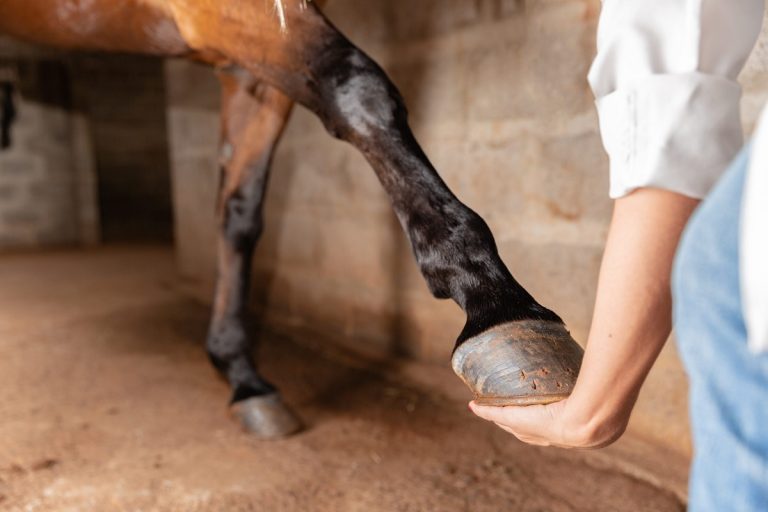
Stand on the side of the horse’s body, close enough to maintain control but not directly behind. Use a firm, steady grip when lifting the hoof, supporting it with both hands. Rewarding the horse with gentle pats or treats encourages cooperation and creates positive associations with hoof care. A calm, responsive horse is easier to manage and allows the handler to work efficiently, reducing the risk of accidental injuries during trimming.
Physical Preparation of the Horse
Ensuring the horse is physically ready is another important aspect of preparation. Begin by cleaning the hooves with a hoof pick, removing dirt, stones, and debris that may interfere with trimming. Check for any cracks, bruises, or infections that could require special attention. Grooming the horse before trimming also removes tangles and provides a more comfortable experience.
Make sure the horse’s legs and joints are in a relaxed position, as stiffness can make hoof handling difficult. Standing in a balanced position, with weight evenly distributed, allows the horse to maintain stability while you work. This physical preparation minimizes discomfort, supports correct hoof positioning, and helps achieve a cleaner, more effective trim.
Mental Readiness and Routine
Preparing a horse mentally involves making hoof care a consistent and predictable part of its routine. Horses respond well to structure, so scheduling regular trimming sessions helps them understand what to expect. Establishing a positive, calm routine reduces fear and resistance over time.
Begin each session with gentle grooming and interaction to establish a calm mindset. Gradually introduce tools, allowing the horse to become accustomed to their presence and sound. By combining mental preparation with physical readiness and a safe environment, handlers create a cooperative, stress-free trimming experience that ensures better results and promotes long-term hoof health.
Step-By-Step Trimming Process
Trimming a horse’s hooves is a precise task that requires patience, attention to detail, and careful observation. Following a structured, step-by-step process ensures the horse’s comfort and safety while maintaining healthy, balanced hooves. Each step focuses on proper handling, correct tool usage, and gradual adjustment to prevent stress or injury. Understanding these steps helps both beginners and experienced handlers achieve consistent, effective results during hoof care.
Inspecting the Hoof
Before any trimming begins, a thorough inspection of the hoof is crucial. Examine the sole, frog, heels, and walls for cracks, chips, or signs of infection such as thrush or abscesses. Identify any areas of uneven wear or overgrowth that need special attention. This step helps determine the trimming approach, ensuring that the hoof is balanced and healthy after the process.
Start by cleaning the hoof with a hoof pick, removing all dirt, debris, and stones. Lift the hoof gently and check for bruises, punctures, or abnormalities. Pay attention to the frog and the sole, as these are sensitive areas prone to infections. Early identification of issues allows you to adjust your trimming technique and avoid causing pain or exacerbating existing problems. Inspecting the hoof carefully ensures that the horse remains comfortable and that trimming is safe and precise.
A detailed inspection also allows the handler to observe the natural angles of the hoof wall and sole. These observations guide decisions on how much trimming is necessary and where corrections are needed. Documenting any concerns can also help track hoof health over time and inform future trimming sessions. Taking the time to inspect thoroughly is the foundation of effective hoof care.
Trimming the Hoof Wall
Once the hoof has been inspected, trimming the hoof wall with nippers is the next step. Start at the toe and work gradually toward the heels, removing small sections to maintain balance and prevent over-trimming. The goal is to achieve a smooth, even surface that supports proper weight distribution. Trimming should follow the natural angle of the hoof, preserving its strength and structure.
Hold the hoof firmly, keeping it supported and stable. Cut small portions at a time, avoiding excessive pressure that could crack or splinter the hoof wall. Pay special attention to flares or uneven areas that may require additional shaping. Using sharp, well-maintained nippers ensures clean cuts and reduces stress on both the horse and the handler.
Trimming the hoof wall is not just cosmetic; it directly affects the horse’s gait, balance, and comfort. Properly trimmed hooves reduce strain on joints, tendons, and ligaments, supporting long-term soundness. Taking a systematic approach ensures uniform results and minimizes the risk of errors during the trimming process.
Shaping and Smoothing with a Rasp
After trimming the hoof wall, use a hoof rasp to shape and smooth the surface. The rasp helps refine angles, correct minor irregularities, and remove sharp edges left by the nippers. Using controlled, one-way strokes along the natural contour of the hoof prevents over-filing and maintains structural integrity.
Start at the toe and move toward the heels, ensuring that the hoof remains balanced and even. Check frequently to maintain symmetry between hooves on both sides. A rasp can also expose subtle cracks or weak areas that may need additional attention before finishing the trim.
Proper rasping supports even weight distribution and enhances the horse’s stability. It also stimulates circulation in the hoof and contributes to a polished, professional finish. Regular use of a rasp after trimming ensures consistent results and promotes long-term hoof health, complementing the work done with nippers and picks.
Final Check and Adjustments
The last step in the trimming process is a thorough final check. Inspect the hooves for symmetry, balance, and any remaining uneven areas. Pay attention to the frog, heels, and sole, ensuring there are no rough edges or leftover debris. Minor adjustments with a rasp or nippers may be needed to perfect the trim.
Walk the horse slowly to observe its gait and stance. Any discomfort, unevenness, or irregular steps may indicate areas that need additional correction. Take time to make small, precise adjustments to achieve proper balance. Rewarding the horse with gentle pats or treats reinforces positive behavior and cooperation during trimming sessions.
Final inspection also provides an opportunity to clean and organize tools, ensuring readiness for future trims. Documenting any changes in hoof condition or trimming needs helps maintain consistency and supports long-term hoof health. This step ensures that the horse leaves the session comfortable, balanced, and ready for normal activity.
Signs Your Horse Needs Hoof Trimming
Recognizing when a horse’s hooves need trimming is crucial for maintaining comfort, performance, and overall health. Hooves that are left untrimmed can lead to lameness, joint strain, and infections, affecting the horse’s daily life. Observing your horse closely for specific signs ensures timely intervention and prevents long-term complications. Being attentive to hoof condition allows owners to plan regular care and maintain a consistent trimming schedule.
Overgrown Hoof Walls
One of the most obvious indicators that a horse needs trimming is overgrown hoof walls. When hooves grow too long, they can develop flares, cracks, or uneven edges that disrupt balance. Overgrowth affects how the horse bears weight, often leading to discomfort or strain in the legs, joints, and tendons.
Visually, overgrown hoof walls appear elongated with the toe area extending forward beyond the normal angle. This can cause the horse to land improperly while walking or running, creating irregular gait patterns. Overgrowth may also make the horse more prone to tripping or stumbling on uneven surfaces.
Feeling the hoof regularly can help detect subtle changes before they become severe. Press gently along the hoof wall to check for weak points or bending. Horses with rapidly growing hooves may require more frequent trimming to maintain proper balance and prevent structural damage. Addressing overgrowth promptly ensures comfort and supports overall hoof health.
Uneven Wear Patterns
Uneven wear patterns are another key sign that a horse requires trimming. Hooves naturally wear down during movement, but imbalance can cause excessive wear on one side, creating uneven surfaces. This often results from incorrect hoof angles, poor conformation, or lack of regular maintenance.
Uneven hooves can lead to strain on the horse’s legs and joints, sometimes causing lameness or stiffness over time. The horse may shift weight to avoid discomfort, which can exacerbate musculoskeletal issues. Visual inspection can reveal areas where the hoof wall is thicker, higher, or more flared compared to the opposite side.
Checking hooves after walking on different surfaces can highlight these patterns. Combining visual inspection with tactile assessment ensures that subtle asymmetries are not overlooked. Regular trimming corrects these imbalances, promoting a smoother gait and reducing the risk of long-term damage to the legs and hooves.
Cracks, Chips, and Debris Accumulation
Hooves that are neglected may develop cracks, chips, or embedded debris, all of which indicate a need for trimming. Cracks weaken the hoof structure, making it susceptible to infection or splitting. Debris such as stones, mud, or compacted dirt can create pressure points that cause pain or irritation.
Minor cracks or chips may be easily overlooked but can worsen over time if not addressed. Inspect the sole, frog, and hoof wall regularly to identify these issues. Embedded debris should be carefully removed with a hoof pick before trimming to avoid additional injury.
Trimming helps restore the hoof’s natural shape, smooth edges, and reduce uneven pressure on sensitive areas. Combined with cleaning and inspection, regular trimming prevents small problems from escalating into lameness or infection. Attentive observation ensures that hooves remain healthy and functional, supporting the horse’s comfort and mobility.
Behavioral Signs
Horses may also show behavioral signs when their hooves require attention. Reluctance to walk, frequent shifting of weight, or sensitivity when hooves are touched are common indicators of discomfort. Some horses may develop a short, stiff stride or hesitate on hard surfaces, signaling pain in the hooves.
Pay attention to changes in daily behavior, such as unwillingness to exercise or restlessness while standing. Horses may also lick, bite, or stamp their hooves, trying to alleviate discomfort. Early recognition of these signs allows the handler to intervene before structural damage occurs.
Behavioral observation, combined with visual and tactile inspection, ensures a comprehensive understanding of the horse’s hoof health. Addressing trimming needs promptly supports comfort, performance, and long-term hoof integrity, preventing more serious complications down the line.
FAQs
How Often Should You Trim Horse Hooves?
You should trim your horse’s hooves every 6 to 8 weeks, depending on the horse’s age, activity level, and hoof growth rate. Regular trimming prevents overgrowth, uneven wear, and structural imbalances that can lead to discomfort or lameness.
Monitoring your horse’s hooves between trims is important. If you notice flares, cracks, or excessive length, you may need to adjust the schedule. Consistent trimming helps maintain proper weight distribution and supports overall joint and tendon health, keeping your horse comfortable and active.
What Tools Are Needed To Trim Horse Hooves?
To trim horse hooves safely and effectively, you need essential tools such as a hoof pick, nippers, a rasp, and optionally, a hoof knife. The hoof pick cleans dirt and debris, allowing you to inspect for cracks or infections.
Nippers trim the hoof wall to the correct length, while the rasp smooths and shapes the edges. A hoof knife removes excess sole or dead frog tissue. Using these tools correctly ensures precise trimming and promotes balanced, healthy hooves, reducing the risk of injury or discomfort for the horse.
How Do You Safely Lift A Horse’s Hoof For Trimming?
To lift a horse’s hoof safely, approach calmly and stand on the side of the horse’s body. Gently run your hand down the leg to signal your intention, then softly squeeze the fetlock or pastern to encourage the horse to lift the hoof.
Support the hoof with both hands, keeping it steady while inspecting and trimming. Maintaining a calm, confident posture prevents the horse from reacting suddenly. Consistent practice and patience help your horse become comfortable with hoof handling, reducing stress and making trimming safer for both of you.
Can You Trim Hooves Yourself Or Should You Hire A Professional?
You can trim hooves yourself if you have proper training, tools, and knowledge of hoof anatomy. Beginners should start under the guidance of a professional farrier to learn safe techniques, correct angles, and proper trimming depth.
Improper trimming can cause pain, lameness, or long-term hoof damage. A professional ensures your horse’s hooves are balanced, healthy, and free from structural issues. Over time, with experience and supervision, you may become confident in performing routine trims yourself while knowing when to seek expert help for complex cases.
What Are The Signs That A Horse’s Hooves Need Trimming?
Signs that your horse needs trimming include overgrown hoof walls, uneven wear patterns, cracks or chips, and embedded debris. Behavioral cues such as reluctance to walk, shifting weight frequently, or sensitivity when hooves are touched also indicate discomfort.
Observing your horse regularly allows you to detect these signs early. Timely trimming prevents strain on joints and tendons, reduces the risk of infection, and maintains proper balance. Being proactive ensures your horse remains comfortable, active, and less prone to hoof-related problems.
How Do You Prevent Pain Or Injury During Hoof Trimming?
Preventing pain or injury during trimming involves using the right tools, proper technique, and a calm environment. Always inspect the hoof first, remove debris, and trim small amounts gradually to avoid over-cutting.
Support the hoof steadily while maintaining correct posture. Work in a safe, non-slippery area with minimal distractions, and observe the horse’s reactions for signs of discomfort. Combining careful handling with regular maintenance reduces stress for your horse and ensures a safe, effective trimming session every time.
Conclusion
Proper hoof care is essential for a horse’s overall health, mobility, and comfort. Regular trimming helps prevent overgrowth, cracking, and lameness, ensuring that the horse can move efficiently and stay pain-free. Understanding the tools, techniques, and safety precautions makes the process more effective and reduces the risk of injury to both the horse and handler.
Learning how to trim horse hooves requires attention to detail and patience. Cleaning, inspecting, and carefully shaping each hoof ensures balance and prevents common problems. It’s equally important to recognize signs that indicate professional care is needed, such as cracks, infections, or uneven wear. Consistency in trimming schedules maintains proper hoof health and supports the horse’s performance and well-being.
Ultimately, knowing how to trim horse hooves empowers you to provide essential care and maintain your horse’s mobility. By combining proper technique, regular maintenance, and professional guidance when necessary, you can keep your horse healthy, comfortable, and active for years to come.