How Do Wild Horses Keep Their Hooves Trimmed? Natural Strategies For Healthy Feet
Wild horses are remarkable creatures, perfectly adapted to life in the wild. Their survival depends on strong, healthy hooves that allow them to travel long distances, navigate rough terrain, and escape predators. Understanding their natural hoof care is fascinating and can teach you a lot about equine health and movement. Many people are curious about how do wild horses keep their hooves trimmed, as they maintain hoof health without human intervention.
In the wild, hooves are naturally worn down through constant movement over varied surfaces such as rocks, sand, and hard-packed soil. This natural abrasion helps prevent overgrowth, cracks, and imbalance. Wild horses travel many miles each day in search of food, water, and shelter, which contributes significantly to keeping their hooves in proper shape.
The structure and composition of wild horse hooves also support durability and self-maintenance. Unlike domestic horses, they experience a continuous, natural wearing process that encourages strong, resilient hooves.
By studying how wild horses keep their hooves trimmed, you can better understand the importance of movement, terrain, and natural wear in hoof health. This knowledge can inform better care practices for domesticated horses.
Natural Wear Through Terrain
Wild horses rely heavily on the natural environment to maintain the health and balance of their hooves. The terrain they traverse plays a crucial role in wearing down their hooves naturally, preventing overgrowth and promoting overall hoof strength. Understanding how different surfaces affect hoof wear can help you appreciate the adaptability and resilience of wild equines.
The Role Of Hard Surfaces
Hard surfaces like rocks, gravel, and compacted soil are essential for natural hoof wear. As wild horses move across these areas, the constant friction gradually trims the hoof wall and sole, keeping the shape balanced and functional. This process reduces the likelihood of cracks, splits, or excessive growth.
You will notice that horses in mountainous or rocky regions often have shorter, denser hooves compared to those in softer terrains. The abrasive surfaces naturally grind down the hoof, mimicking some of the functions performed by farriers in domestic horses. Consistent travel over hard surfaces also strengthens the hoof structure, enhancing resilience against impact and stress during long-distance movement.
Moreover, hard terrain encourages proper hoof mechanics. The hoof adapts to absorb shock, distribute weight evenly, and maintain traction. The repeated contact with firm ground stimulates growth in the right areas while naturally wearing down excess material. This dynamic balance allows wild horses to maintain healthy, functional hooves without human intervention.
The Impact Of Soft And Variable Terrain
While hard surfaces are crucial, soft terrain such as sand, mud, or grassy plains also plays a role in hoof health. These surfaces provide less abrasive wear but offer a cushioned environment that reduces excessive concussion on the hooves. This combination of hard and soft terrain helps maintain flexibility in the hoof wall and internal structures.
You will notice that wild horses rarely experience uniform hoof wear because their environment is diverse. Traversing hills, streams, and flat plains creates a natural rhythm of wear and pressure distribution. Soft terrain allows minor expansion of the hoof with each step, preventing brittleness that can occur in constantly hard environments.
Variable terrain also encourages natural trimming of the inner hoof structures. The frog, sole, and bars adapt to different levels of contact and compression, contributing to overall hoof balance. The combination of hard abrasion and gentle cushioning ensures that hooves remain strong, flexible, and properly shaped.
Continuous Movement And Daily Travel
The key to natural hoof wear in wild horses is constant movement. These horses can travel several miles daily in search of water, food, and shelter. The combination of distance, speed, and terrain diversity ensures even wear across the hooves, preventing overgrowth and uneven shapes.
You will notice that horses that move frequently rarely develop the common domestic hoof problems of cracking, flaring, or uneven growth. Each step across varying surfaces provides subtle shaping, promoting a natural, self-maintaining hoof structure. The continuous activity also strengthens supporting tendons and ligaments, contributing to overall leg and hoof health.
Daily travel over rugged terrain also exposes hooves to micro-abrasions that stimulate natural growth in functional areas while wearing down excessive length. This dynamic process ensures that wild horses maintain optimal hoof shape and function throughout their lives.
Environmental Adaptations And Hoof Resilience
Over generations, wild horses have developed hooves that are adapted to their specific habitats. Hoof shape, thickness, and density vary depending on the terrain and climate, demonstrating a remarkable evolutionary response to natural wear. Horses in rocky regions tend to have harder, more compact hooves, while those in softer, grassier areas often have slightly longer but flexible hooves.
You will notice that this environmental adaptation allows wild horses to maintain functional hooves in almost any terrain. The natural combination of surface types, travel patterns, and environmental pressures ensures that hooves remain balanced and strong. Observing these patterns highlights the importance of terrain in hoof health, emphasizing lessons that can be applied to domestic horse care and management.
By understanding how natural wear through terrain shapes and maintains wild horse hooves, you gain insight into the critical relationship between environment, movement, and hoof resilience. This knowledge underscores the importance of promoting varied surfaces and consistent exercise in domesticated horses to mimic natural hoof care processes.
Diet And Hoof Strength
A wild horse’s diet plays a crucial role in maintaining strong, healthy hooves. The nutrients they consume directly influence hoof growth, hardness, and resilience, complementing the natural wear from terrain and activity. Understanding the relationship between diet and hoof strength helps you appreciate how nutrition contributes to overall hoof health and longevity in wild horses.
Essential Nutrients For Healthy Hooves
Hoof strength depends on a balance of nutrients that support keratin production, the primary protein in hooves. Wild horses consume a natural diet rich in fiber, vitamins, and minerals, which collectively strengthen the hoof wall, sole, and frog. Key nutrients include biotin, zinc, copper, and amino acids, all essential for healthy growth and durability.
You will notice that horses grazing on nutrient-rich grasses and plants develop hooves that are harder, less prone to cracking, and more resilient to environmental stress. The natural intake of minerals from soil, forage, and occasional shrubs provides the raw materials needed for keratin synthesis. This self-sustaining nutrition system ensures a balance between growth and natural wear.
A diet lacking essential nutrients can lead to soft, brittle hooves, cracks, or slow growth. Wild horses, by consuming diverse vegetation and naturally occurring minerals, maintain strong, functional hooves capable of enduring long-distance travel over rough terrain.
The Role Of Forage Diversity
Forage diversity is another critical factor influencing hoof strength. Wild horses graze on a variety of grasses, shrubs, and occasionally tree bark, providing a range of nutrients that support balanced growth. Each plant contributes unique vitamins and minerals that collectively reinforce hoof structure.
You will notice that horses in regions with diverse vegetation often have harder, more durable hooves compared to those in areas with limited forage options. Variation in diet prevents deficiencies that can compromise hoof quality. The combination of different textures and fiber content also aids in digestion, promoting overall health that indirectly benefits the hooves.
Forage diversity ensures that hooves grow evenly, maintaining balance and reducing the risk of splitting or flaring. In essence, diet and natural grazing patterns work in tandem with environmental factors to support healthy, resilient hooves in wild horses.
Water And Mineral Intake
Adequate water and naturally occurring minerals also influence hoof strength. Minerals like calcium, phosphorus, and silica contribute to bone and hoof density, while consistent hydration ensures proper nutrient transport throughout the body. Wild horses drink from streams, ponds, and natural water sources, obtaining minerals essential for hoof development.
You will notice that areas with mineral-rich soil produce vegetation that enhances hoof quality. Regular access to water supports metabolism, keratin formation, and overall hoof health. Even subtle variations in mineral intake can affect hardness, growth rate, and resilience.
Maintaining proper hydration and mineral balance ensures that the hoof grows strong enough to withstand constant wear from travel over diverse terrain. The combination of diet and water intake is a fundamental aspect of the natural hoof maintenance system.
Connection Between Diet And Overall Hoof Health
A wild horse’s diet does more than just support hoof growth—it impacts the entire limb and skeletal system. Proper nutrition ensures that the structures surrounding the hoof, including tendons, ligaments, and joints, remain strong and functional.
You will notice that deficiencies in diet can lead to brittle hooves, uneven wear, and increased risk of injury. Conversely, a balanced, nutrient-rich diet allows the hoof to maintain optimal shape, absorb shock effectively, and resist cracks or splits. Nutrition, combined with natural wear and movement, creates a holistic system that keeps hooves healthy throughout the horse’s life.
Understanding the link between diet and hoof strength highlights the importance of proper nutrition in both wild and domesticated horses. Observing how wild horses naturally obtain essential nutrients underscores how critical balanced forage, minerals, and hydration are for sustaining strong, resilient hooves.
Observing Hoof Health In The Wild
Monitoring hoof health in wild horses provides valuable insight into natural hoof care and overall equine well-being. Without human intervention, wild horses rely on movement, terrain, and diet to maintain functional hooves. By observing these animals in their natural environment, you can learn how their lifestyle, behavior, and surroundings influence hoof condition and resilience.
Visual Indicators Of Healthy Hooves
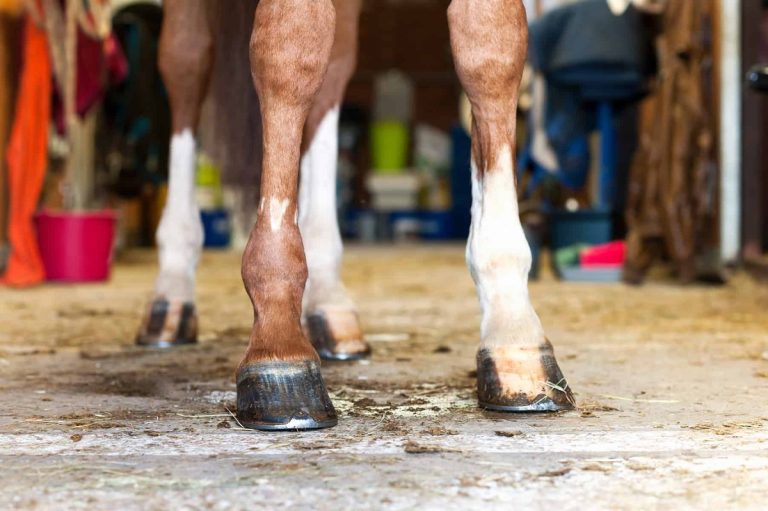
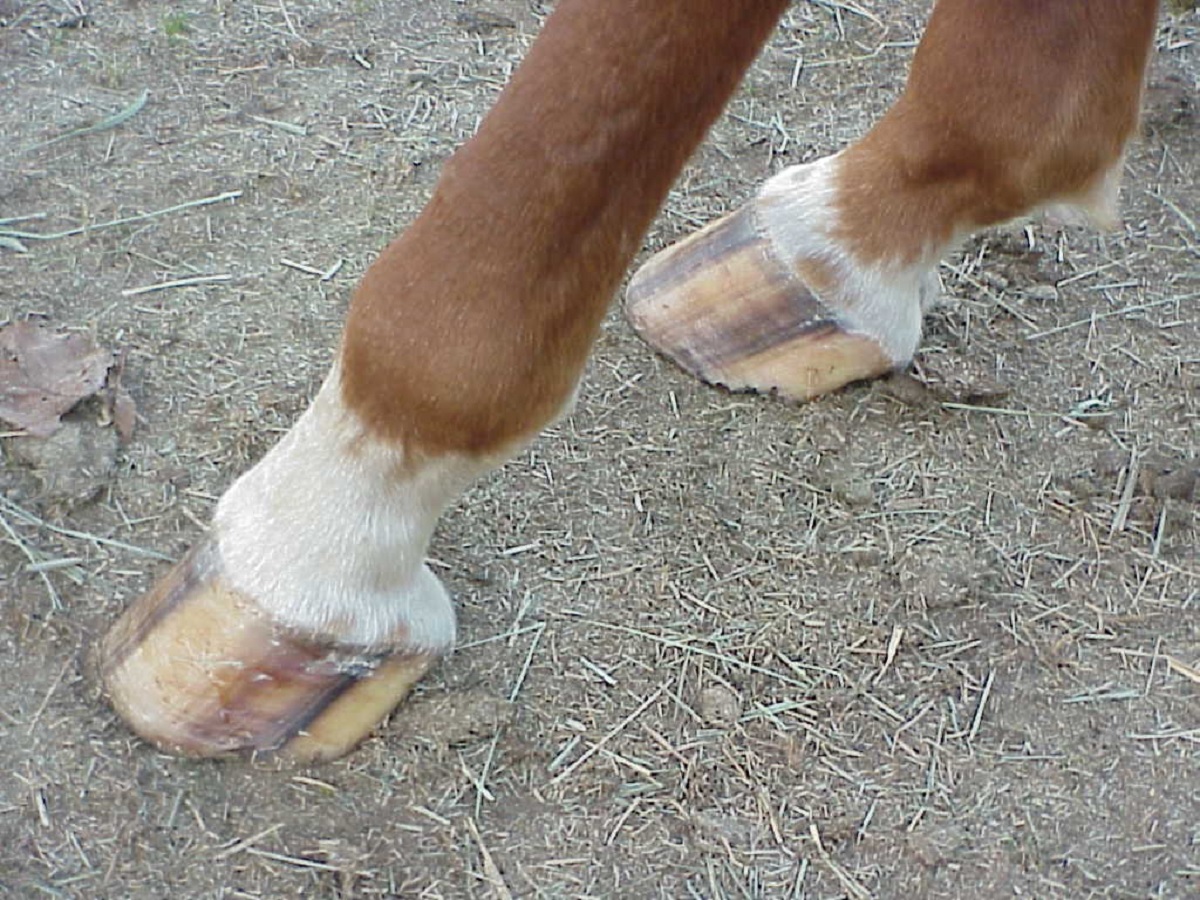
One of the primary ways to assess hoof health in the wild is through visual observation. Healthy hooves typically have a balanced shape, with smooth, strong walls and no signs of excessive cracking, splitting, or flaring. The sole and frog appear firm and resilient, while the hoof aligns evenly with the leg.
You will notice that wild horses with healthy hooves maintain proper posture and exhibit fluid, efficient movement. Even subtle irregularities, like uneven wear or small chips, can indicate environmental challenges or temporary stress on the hoof. Observing hoof condition alongside overall body condition provides a comprehensive picture of health, as poor nutrition or illness often manifests in weaker or brittle hooves.
Consistent visual assessment allows you to understand how natural behaviors, terrain, and diet contribute to maintaining strong, functional hooves without human intervention.
Behavioral Clues And Movement Patterns
Behavior is another important factor in assessing hoof health. Wild horses often demonstrate natural movement patterns that indicate the condition of their hooves. Smooth, long strides, agility over uneven terrain, and the ability to navigate obstacles without hesitation are signs of healthy hooves.
You will notice that horses with hoof discomfort may exhibit shorter steps, uneven gait, or frequent shifting of weight to relieve pressure. Restlessness, reluctance to move, or limping can also signal pain or imbalance. Observing these behaviors provides insight into how hooves respond to daily activity and environmental challenges.
Movement patterns reflect how hooves wear naturally through travel. Continuous walking, trotting, and running across different surfaces ensures even trimming and strengthens internal hoof structures. Behavioral observation, combined with visual assessment, offers a holistic view of hoof health in the wild.
Environmental Influences On Hoof Condition
The surrounding environment significantly impacts hoof health. Rocky terrain, sandy plains, and varied soil types create natural abrasion that keeps hooves trimmed while challenging their strength and flexibility. Access to water sources and mineral-rich forage further supports resilience and growth.
You will notice that horses in regions with diverse terrain often have stronger, more balanced hooves than those in uniform landscapes. The combination of abrasive surfaces and cushioning areas allows hooves to wear evenly, preventing overgrowth while maintaining structural integrity. Environmental factors also affect hoof density, moisture content, and susceptibility to cracking or splitting.
Understanding the relationship between environment and hoof condition provides insight into how wild horses self-maintain. Observing their interaction with terrain, water, and forage highlights the natural mechanisms that promote hoof health.
Lessons From Wild Hoof Observation
Studying wild horses teaches important lessons about hoof care, balance, and maintenance. By paying attention to visual signs, movement patterns, and environmental influences, you can understand how lifestyle directly impacts hoof durability and resilience.
You will notice that the combination of diet, terrain, and constant activity creates a self-sustaining system for natural hoof trimming and conditioning. These observations can inform management practices for domesticated horses, emphasizing the importance of regular exercise, varied terrain exposure, and proper nutrition to mimic the benefits seen in the wild.
Observing hoof health in wild horses offers a practical model for understanding natural care processes. It demonstrates the interconnected roles of movement, environment, and behavior in maintaining strong, functional hooves that support long-term mobility and overall health.
FAQs
How Do Wild Horses Naturally Wear Down Their Hooves?
Wild horses naturally wear down their hooves through constant movement across varied terrain. He or she walks, trots, and runs over rocks, gravel, sand, and dirt, which gradually files the hooves to a balanced shape. This natural abrasion prevents overgrowth and reduces the risk of cracks or splits.
The uneven surfaces create subtle pressure on different parts of the hoof, allowing it to maintain proper length and shape without human intervention. By staying active throughout the day while foraging and traveling, wild horses ensure their hooves remain strong, durable, and functional for survival in the wild.
Do Wild Horses Require Human Trimming To Maintain Hooves?
Wild horses do not require human trimming to maintain their hooves. He or she relies entirely on natural wear from daily movement across rough and varied terrain. The combination of constant travel and environmental factors naturally shapes and shortens the hooves over time.
This natural maintenance allows wild horses to adapt to their environment without intervention. Unlike domestic horses, which may stand on softer surfaces and have limited activity, wild horses continuously exercise their hooves, preventing overgrowth and common hoof problems such as cracking, chipping, or uneven wear.
How Does Terrain Affect Wild Horses’ Hoof Health?
The terrain plays a major role in keeping wild horses’ hooves healthy. He or she walks over hard, rocky, and uneven surfaces that gently wear down the hoof wall and sole. Soft areas like grass or sand still provide some resistance, contributing to balanced trimming over time.
Different terrains create natural pressure points on the hooves, promoting even growth and preventing deformities. Seasonal changes may also influence the level of wear, but overall, exposure to diverse landscapes ensures that hooves stay strong, well-shaped, and capable of supporting long-distance travel essential for survival.
Can Diet Influence How Wild Horses Keep Their Hooves Trimmed?
Yes, diet indirectly influences how wild horses keep their hooves trimmed. He or she consumes a variety of grasses, shrubs, and natural minerals from soil, which support strong and resilient hoof growth. Proper nutrition ensures the hooves grow at a steady rate, allowing natural wear to maintain balance.
A horse with a nutrient-rich diet develops tougher, healthier hooves that are less prone to cracking or excessive growth. Combined with constant movement over rugged terrain, a balanced natural diet ensures wild horses’ hooves remain functional, durable, and capable of sustaining daily activity in the wild.
Do Herd Dynamics Affect Hoof Maintenance In Wild Horses?
Herd dynamics play a subtle role in hoof maintenance. He or she follows established trails used by the group, which ensures consistent contact with varied surfaces that naturally wear down the hooves. Movement with the herd also encourages regular exercise, which is key to preventing overgrowth.
Horses traveling alone may not have the same consistent hoof wear if they cover less distance or avoid rough terrain. By moving together, the herd creates natural patterns that help maintain each horse’s hooves, providing both safety and functional health through social behavior and environmental interaction.
What Lessons Can Domestic Owners Learn From Wild Horses’ Hoof Care?
Domestic horse owners can learn the importance of movement, terrain, and diet from wild horses. He or she demonstrates that constant activity over varied surfaces naturally trims hooves, while proper nutrition supports strong growth. Encouraging daily exercise and access to firmer footing can reduce dependence on frequent farrier care.
Observing wild horses shows that regular movement, exposure to different textures, and balanced nutrition are essential for healthy hooves. Replicating some of these natural conditions for domestic horses helps prevent common hoof issues and promotes stronger, more resilient hooves, supporting both performance and overall well-being.
Final Words
Wild horses maintain their hooves through a remarkable combination of natural behaviors, environmental exposure, and proper nutrition. Their constant movement across varied terrain ensures that hooves wear down evenly, while softer areas provide cushioning to prevent brittleness. This self-maintaining process allows wild horses to stay agile, healthy, and capable of navigating their rugged habitats without human intervention.
When observing these animals, you can see how diet and access to mineral-rich forage contribute to strong, resilient hooves. The interplay between natural abrasion, continuous activity, and proper nutrition highlights an adaptive system that keeps hooves functional and balanced throughout a horse’s life.
Understanding how do wild horses keep their hooves trimmed provides valuable insight for domestic horse care. By replicating aspects of natural movement, varied terrain exposure, and nutrient-rich diets, owners can support hoof health, prevent common problems, and encourage durability and balance, ensuring the horse remains comfortable and sound for years to come.