How to Become a Jockey in Horse Racing?
To become a jockey, you need to start riding young to build essential skills and meet physical standards like maintaining a strict weight and height range. You’ll train through jockey school or apprenticeships, pass licensing exams, and gain experience in schooling races.
Networking with agents and joining the Jockeys Guild can boost your career and provide critical support. Following these steps puts you on the path to professional racing success, with more insights available to refine your journey.
Key Requirements To Become A Jockey
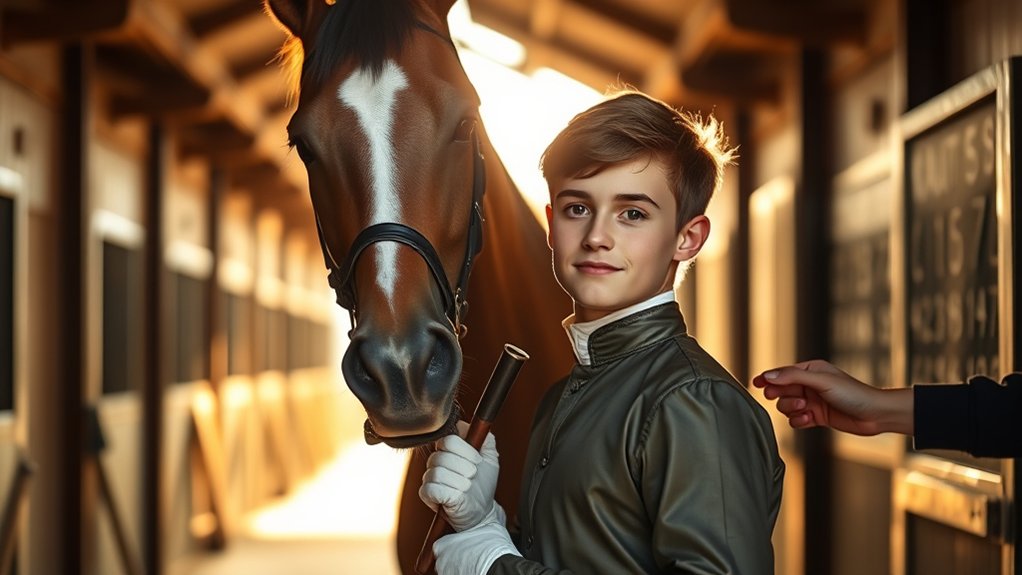
Although becoming a jockey demands dedication, you must meet specific physical and age requirements to get started. You need to weigh between 107 and 118 pounds, depending on your gender and race rules, and maintain a height between 5’0” and 5’6” to fit racing standards.
Becoming a jockey requires meeting strict physical criteria, including weight and height, alongside dedication.
Physical fitness is essential; you’ll follow a strict diet and fitness regimen to stay within these limits.
At a minimum, you must be 16 years old to begin training and obtain your jockey license. This license confirms you’ve met the necessary health and skill benchmarks.
While physical stats matter, your fitness routine and weight management are equally important to handle the sport’s demands effectively. Meeting these key requirements lays the foundation for a successful jockey career.
Starting Young: Learning To Ride Horses
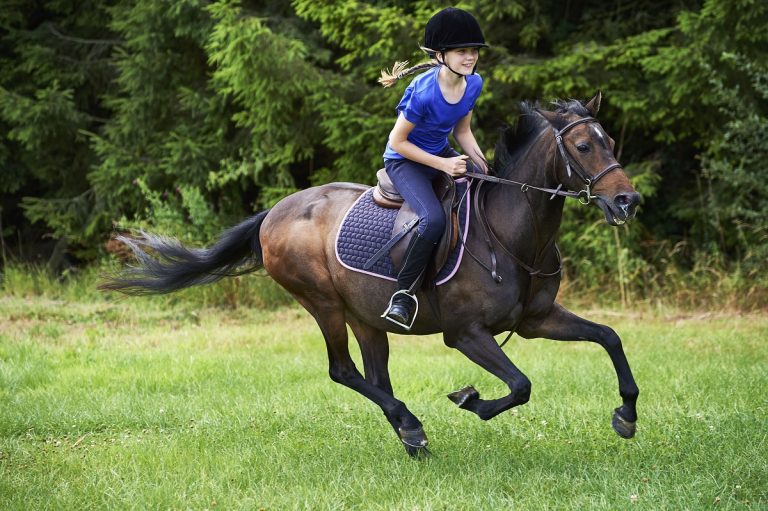
When you start learning to ride horses at a young age, you build the essential skills and confidence that set the foundation for a jockey career. Early riding experience helps you develop balance, coordination, and physical fitness, all critical for professional racing.
You’ll want to learn to ride through structured lessons or by joining pony clubs, where you gain exposure to horse handling and basic riding techniques.
Working in stables, grooming and leading horses, also deepens your bond with the animals and sharpens your understanding of their behavior.
Starting young not only boosts your comfort level around horses but also instills the discipline needed to excel in competitive jockey training. This early foundation is invaluable for anyone serious about pursuing a career in horse racing.
Why Researching Jockey Races And Techniques Matters

Why does researching jockey races and techniques matter so much for your development? By studying past races and analyzing footage, you grasp diverse riding styles and race strategies, which are essential for effective race-day decisions.
Listening to jockey interviews offers insider perspectives on techniques and mental preparation, enriching your training approach. Watching live races lets you observe how seasoned riders adapt to varying track conditions and horse behaviors, sharpening your situational awareness.
Researching successful jockeys’ form teaches you ideal positioning and pacing, critical for competitive advantage. This continuous learning cycle through race analysis strengthens your ability to adapt and refine your skills.
Ultimately, thorough research complements your physical training, ensuring you develop the strategic mindset necessary to excel as a jockey in horse racing.
Gaining Jockey Experience By Working At Racetracks
Gaining hands-on experience at racetracks plays a vital role in your development as a jockey. By working at racetracks in roles such as stablehand, groom, or hot walker, you’ll acquire essential skills in horse care and handling. This direct involvement helps you understand racehorses’ behavior and build familiarity with race day procedures and safety protocols.
Furthermore, working alongside trainers and jockeys offers valuable insights into race strategies and professional expectations. These positions also let you observe race preparation up close and establish industry connections indispensable for advancing your career.
Besides enhancing your practical knowledge, this experience often fulfills licensing requirements and increases your chances of being noticed for future riding opportunities. Embracing these responsibilities at racetracks is a strategic step toward becoming a successful jockey.
Benefits Of Attending A Jockey School
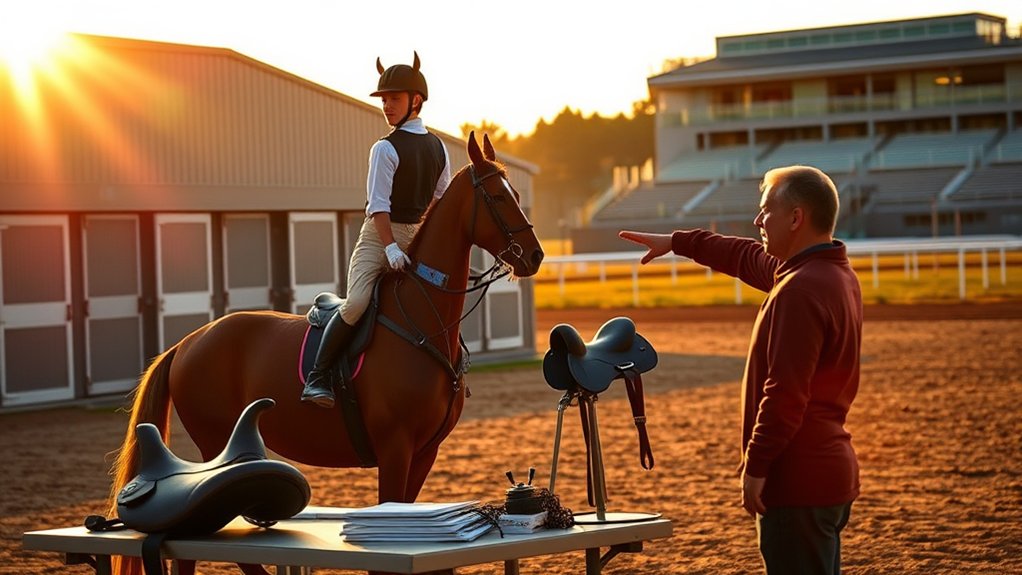
Although hands-on racetrack experience is invaluable, attending a jockey school offers structured, formal education that sharpens your knowledge of horse care, nutrition, and fitness. These elements are essential for a professional racing career.
Enrolling in a jockey school provides you with focused formal training that enhances your skills and credibility. Here’s how it benefits you:
- Improves your chances of passing licensing exams through specialized coursework.
- Offers personalized instruction due to limited enrollment, ensuring you receive tailored guidance.
- Equips you with a thorough understanding of horse management, boosting your professional readiness.
- Increases employment and advancement opportunities by demonstrating formal training credentials.
Choosing a jockey school like the North American Racing Academy can set you apart in the competitive horse racing industry.
Apprenticeships: Preparing For Professional Racing
During your apprenticeship, you’ll get to learn all the important safety protocols that help keep both you and the horse safe during races. It’s not just about theory — you’ll actually get practical experience by competing in schooling races.
This way, you build up the skills and confidence you need for the real professional competitions.
This hands-on training is super important because it prepares you for everything race day throws at you.
Plus, it helps you meet all the licensing requirements you’ll need to move forward.
Learning Safety Protocols
How do you guarantee your safety when racing at high speeds on powerful horses? Apprenticeships play a vital role in teaching you essential safety protocols to protect both you and your mount.
Through hands-on training, you’ll master critical skills such as:
- Proper riding techniques and emergency procedures to maintain control and minimize injury risks.
- Adherence to racing rules, including weight limits and starting protocols, ensuring fair and safe competition.
- Correct use of safety gear like helmets, vests, and tack to prevent accidents.
- Recognizing horse behavior cues and using communication signals for seamless rider-horse interaction.
Gaining Practical Experience
Mastering safety protocols sets the foundation, but real growth comes from hands-on experience. As an apprentice jockey, you’ll enter a rigorous apprenticeship lasting up to four years, where riding in schooling races sharpens your skills and builds race-day confidence.
You’ll work closely with mentors and experienced jockeys who’ll guide you on riding techniques, race strategy, and weight management. During this time, you must navigate race rules and fulfill requirements like hours worked and exams to qualify for your license.
This practical experience is essential. It transforms knowledge into performance and proves your readiness for professional competition.
Completing your apprenticeship successfully isn’t just a milestone; it’s the vital step that enables you to transition from trainee to licensed jockey in the competitive world of horse racing.
What To Expect In Schooling Races
In schooling races, you’ll get to develop some essential skills, like exiting the gate smoothly, controlling your horse, and keeping a steady race pace. These races are more like formal training events and are often required before you can even apply for a jockey license. So, they’re pretty important.
Not only do they help build your confidence out on the track, but they also make sure you meet all the state regulations needed to race professionally. It’s a great way to get ready for the real deal.
Purpose Of Schooling
Although schooling races may not have the intensity of professional contests, they play an essential role in your development as a jockey. These events provide vital race experience and prepare you for the demands of competitive racing.
The purpose of schooling is to guarantee you can handle a thoroughbred with skill and confidence. During schooling races, you will:
- Practice exiting the gate cleanly and quickly.
- Demonstrate horse control at varying speeds, including a six-furlong gallop.
- Show mastery of race tactics under assessment to meet licensing requirements.
- Build timing and confidence in a controlled yet competitive environment.
Successfully completing schooling races is mandatory before you can apply for a jockey license and compete professionally.
Race Preparation Skills
When you step into a schooling race, you’ll focus on honing essential race preparation skills like exiting the gate swiftly, controlling your horse’s pace, and maintaining proper riding posture.
These races teach you to manage race strategies, including timing your moves and responding to competitors’ positions.
You’ll be evaluated on your ability to control the horse at different speeds, from canter to gallop, and demonstrate adaptability with various horses and race conditions.
Mastering these skills needed in schooling races builds your confidence and readiness for competitive events.
Completing schooling races not only sharpens your race preparation but also helps you fulfill state requirements, ensuring you gain the experience necessary before advancing to professional horse racing.
Licensing Requirements Overview
Since licensing requirements vary by state, you’ll need to meet specific criteria before stepping into a schooling race. These races are vital for proving your readiness and are often mandatory before applying for a jockey license. Here’s what to expect:
- Complete required hours working with racehorses or pass state-mandated written exams.
- Demonstrate control, safety, and race preparedness during formal assessments.
- Some tracks require a journeyman license or a minimum experience level before allowing participation.
- Use schooling races as practical evaluations to show you can handle racehorses and follow regulations effectively.
Successfully completing schooling races confirms you’re ready to progress to professional competition. It’s a fundamental step toward earning your jockey license.
Earning Your Journeyman Jockey License
How do you officially shift from training to professional competition as a jockey? Earning your journeyman jockey license is the key step. You must complete required schooling or apprenticeship programs, demonstrating your training and riding skills.
Licensing criteria vary by state but generally include passing written exams and practical assessments. You’ll need to accumulate a set number of race hours or rides and meet safety and health standards.
Most applicants must be at least 16 years old with prior riding experience or completion of a recognized training program. Securing this license authorizes you to compete professionally in official races, marking a significant milestone in your horse racing career.
Focus on mastering both the theoretical and practical elements during your training to guarantee you meet all licensing requirements.
How Hiring An Agent Can Boost Your Jockey Career
Although earning your journeyman jockey license is a crucial milestone, advancing your career often depends on hiring an agent who can open doors to more race opportunities and higher-profile connections. An agent plays a key role in shaping your career by leveraging industry contacts and negotiating on your behalf.
Here’s how an agent can boost your jockey career:
- Connect you with trainers and owners to increase race opportunities and visibility.
- Negotiate better contracts and pay rates, maximizing your earnings.
- Recommend you for prestigious races that enhance your reputation.
- Provide strategic career advice, including race participation and licensing timing.
Partnering with an experienced agent ensures you navigate the competitive horse racing industry with a stronger, more informed approach.
Why Join The Jockeys Guild?
When you join the Jockeys Guild, you gain access to powerful collective bargaining and essential employment benefits designed specifically for licensed jockeys. Membership ensures you receive life insurance, disability coverage, and professional advocacy for safer working conditions. The Guild negotiates contracts and fair pay, boosting your career stability.
Membership involves annual dues and mounting fees, but the benefits outweigh the costs by providing industry support and security. Here’s a quick overview:
| Membership Aspect | Benefits Provided |
|---|---|
| Collective Bargaining | Fair pay and contract negotiation |
| Insurance Coverage | Life and disability protection |
| Advocacy | Safer riding conditions |
Joining the Guild means you’re not only protected but also empowered within the horse racing industry.
Frequently Asked Questions
What Is the Average Salary of a Professional Jockey?
You can expect the average salary of a professional jockey to be around $49,000 annually. Horse racing history shows that earnings vary widely, influenced by your success and reputation.
If you invest in jockey training programs, you’ll increase your chances of winning high-profile races, which boosts your income substantially. Remember, top jockeys can earn millions, but starting salaries reflect experience and race wins.
How Do Jockeys Handle Injuries and Recovery?
You handle injuries by prioritizing injury prevention through proper safety gear and training.
When injured, you follow strict rehabilitation techniques, including physical therapy and personalized recovery plans with sports medicine experts.
These help you regain strength and flexibility while ensuring a safe return to racing.
Recovery times differ by injury severity, so patience and dedication to rehab are key to getting back in the saddle confidently and competitively.
What Types of Horses Do Jockeys Prefer to Race?
Picture yourself gripping the reins of a sleek Thoroughbred, its muscles rippling on a dirt track. These horses are ideal for speed and agility, making them a top choice for many jockeys.
You’ll often choose smaller horses that match your weight for better balance, especially on turf or synthetic racing surfaces.
Depending on the race type, you might prefer Standardbreds for harness races or Arabians for endurance.
Your choice always aligns with the horse’s strengths and the racing surface beneath you.
How Do Jockeys Manage Weight Fluctuations During the Season?
You manage weight fluctuations during the season by following strict weight management routines. Daily weigh-ins help you track changes, while low-calorie meals and regular exercise keep your weight stable.
You might use hot baths or saunas to shed temporary water weight before races, but you have to be careful with banned diuretics.
Consistency is key. Avoiding high-calorie foods and staying active prevents significant season fluctuations and keeps you race-ready.
Are There Specific Diets Recommended for Jockeys?
You might think starving yourself helps, but that’s not the answer. Instead, horse nutrition principles apply to you: balanced diet planning is key. Focus on lean proteins, whole grains, and plenty of veggies to sustain strength and endurance without excess calories.
Small, frequent meals help regulate weight, and hydration must be managed carefully. Avoid banned substances, they’re risky and illegal.
Smart, structured nutrition keeps you fit and race-ready.
Conclusion
Becoming a jockey is no sprint; it’s a marathon that demands dedication, skill, and smart choices. By starting young, gaining hands-on experience, and investing in proper training, you set yourself up for success.
Don’t underestimate the power of research, schooling races, and professional support like agents and the Jockeys Guild. With passion and perseverance, you’ll be riding full throttle toward a rewarding career in horse racing.
Your journey starts now. Grab the reins!