How Much Beet Pulp to Feed a Horse
You should feed your horse beet pulp at 0.05-0.2% of its body weight daily, about 1 to 2 pounds for an average 1,000-pound horse. Introduce it gradually over one to two weeks. Always soak it thoroughly to prevent choking and aid digestion.
Limit beet pulp to no more than 45% of the total diet to avoid digestive issues. Monitoring your horse’s response guarantees safe feeding and ideal nutrition. There’s more to know about preparation, types, and benefits.
How Much Beet Pulp to Feed Your Horse Daily
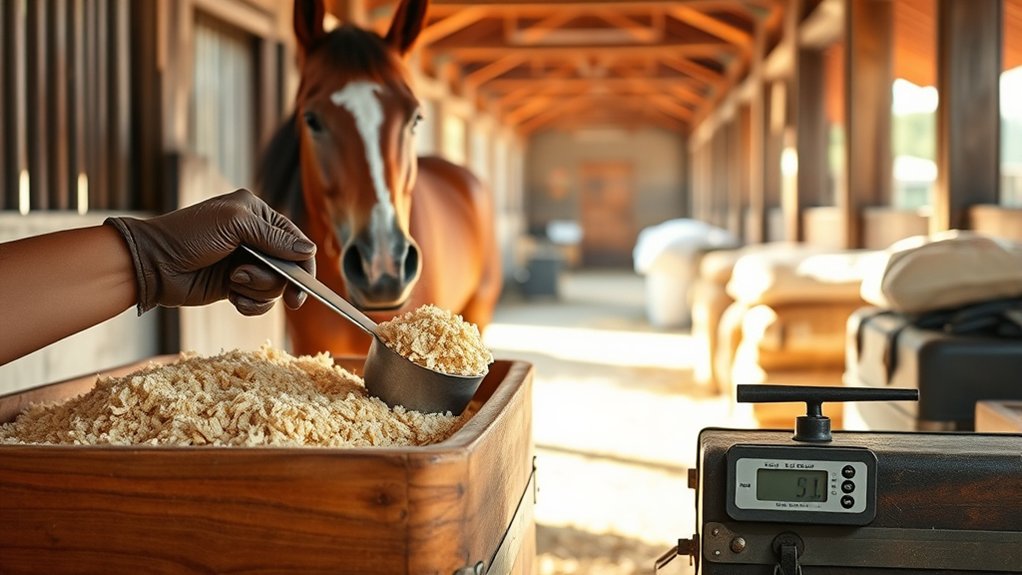
When determining how much beet pulp to feed your horse daily, consider its size, age, and nutritional requirements to guarantee excellent health. Typically, you’ll feed beet pulp at 0.05-0.2% of your horse’s body weight.
Adjust beet pulp feeding based on your horse’s size, age, and nutritional needs for optimal health.
For example, a 1,000-pound horse requires about 1.5 pounds of beet pulp daily.
Always soak the beet pulp in water, preferably twice its volume, for at least 12 hours before feeding to enhance digestibility and prevent choking.
Avoid exceeding 45% of the total diet in beet pulp, as larger amounts can disrupt digestion.
Introduce beet pulp gradually over 7 to 14 days, adjusting the quantity while monitoring your horse’s response.
This careful feeding approach ensures top-notch nutrition and digestive health for your horse.
Shredded vs. Pelleted Beet Pulp: Which Is Better?
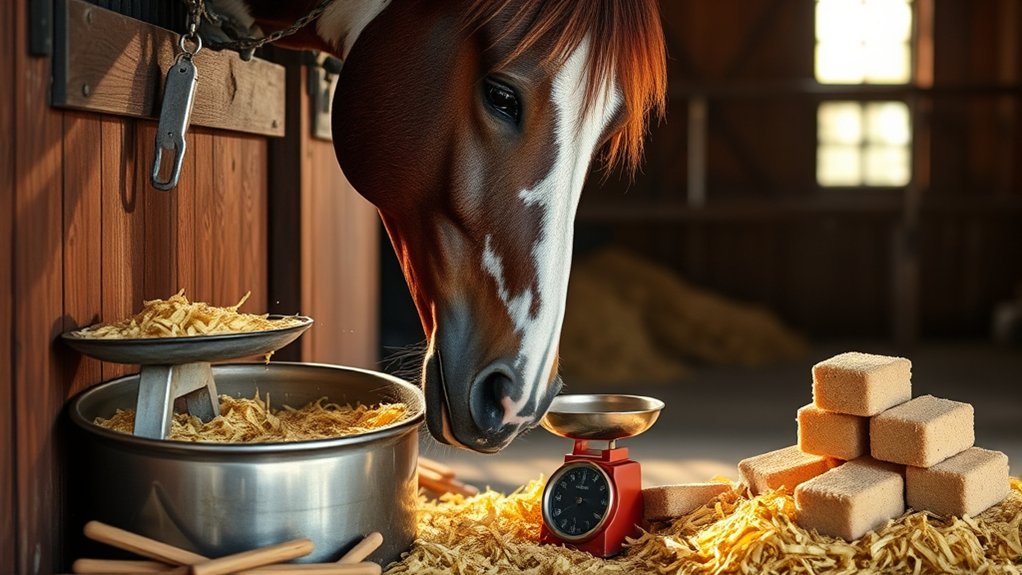
Choosing the right form of beet pulp can influence how you prepare and feed it to your horse. Shredded beet pulp soaks quickly, usually within 1-2 hours, making it convenient for daily feeding routines. Its texture allows for easier mixing into feed.
In contrast, pelleted beet pulp is denser and requires a considerably longer soaking time, often 12 to 24 hours, to reach an appropriate hydrated consistency. Pelleted forms typically contain added molasses, which enhances palatability but also increases sugar content compared to shredded beet pulp.
Both shredded and pelleted beet pulp must be thoroughly soaked before feeding to ensure safety and proper hydration. When choosing between the two, consider your available soaking time and your horse’s preference for palatability to optimize feeding efficiency and nutritional benefits.
Why Soaking Beet Pulp Prevents Choking and Aids Digestion
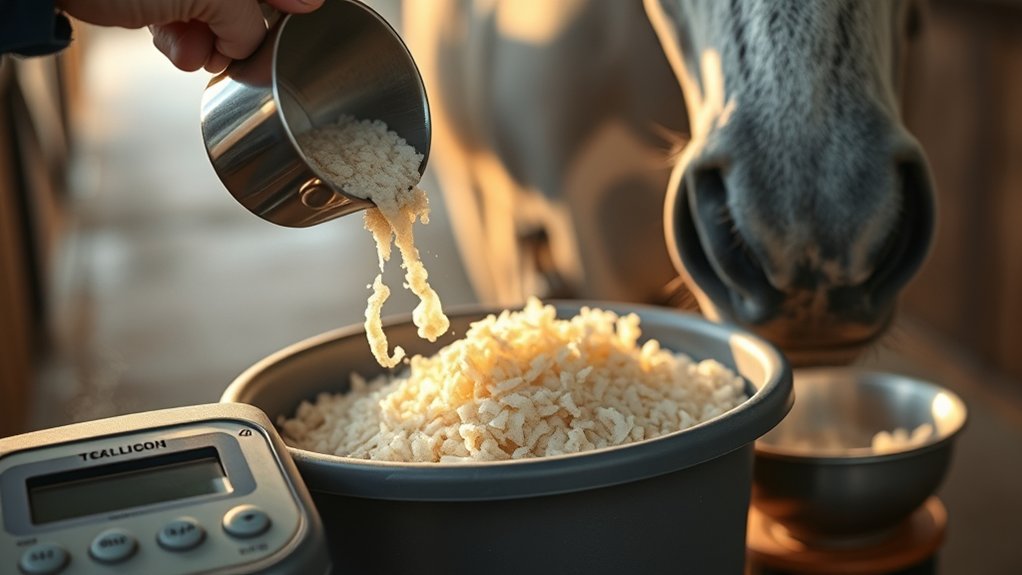
You’ll want to soak beet pulp thoroughly because it softens the fibers, which helps reduce the risk of choking. When the fibers are softened, they’re less likely to expand in the esophagus and cause problems.
Plus, soaking breaks down the tough cellulose, making the fiber easier for your horse to digest.
On top of that, soaking beet pulp encourages your horse to drink more water, which is great for keeping them hydrated and supporting healthy digestion overall. So, it’s definitely worth the extra step!
Soaking Reduces Choking Risk
Because dry beet pulp can swell and form large particles that pose a choking hazard, soaking it thoroughly in water is vital to reduce this risk. Soaking beet pulp enhances hydration, softening the fibers and preventing them from expanding abruptly in the horse’s throat.
This process lowers choking risk by making the feed easier to swallow and less likely to cause blockages. To maximize safety, follow these steps:
- Soak beet pulp for at least 12 hours to achieve full hydration.
- Guarantee the pulp is uniformly softened to prevent large, hard particles.
- Feed only soaked beet pulp to minimize aspiration and coughing risks.
Enhances Fiber Digestibility
When you soak beet pulp thoroughly, its fibrous structure softens, which not only reduces choking risk but also enhances fiber digestibility. Soaking beet pulp breaks down cellulose fibers, increasing fermentable fiber availability in your horse’s diet. This promotes efficient hindgut fermentation and better nutrient absorption.
Proper soaking, ideally for at least 12 hours, guarantees the beet pulp absorbs sufficient water, making fiber easier to digest.
| Beet Pulp State | Fiber Structure | Digestibility Impact |
|---|---|---|
| Dry | Rigid, tough | Low fiber digestibility |
| Partially Soaked | Moderately soft | Moderate digestibility |
| Fully Soaked | Soft, gelatinous | High fiber digestibility |
| Fermented Fiber | Broken cellulose | Enhanced fermentability |
| Horse’s Diet | Improved fiber | Optimized nutrient uptake |
Soaking beet pulp optimizes fiber digestibility and supports gut health effectively.
Improves Hydration Intake
Enhancing fiber digestibility through soaking also plays a key role in improving hydration intake for your horse. When you soak beet pulp, it absorbs water, softening its fibrous structure and reducing choking risks caused by dry, bulky shreds.
This process increases water intake, which directly supports your horse’s hydration and digestive health. Specifically, soaked beet pulp:
- Promotes safer chewing and swallowing by softening fiber.
- Enhances gut motility, preventing impaction and digestive discomfort.
- Increases overall hydration by contributing additional moisture to the diet.
Choosing Molasses or No Molasses Beet Pulp for Metabolic Horses
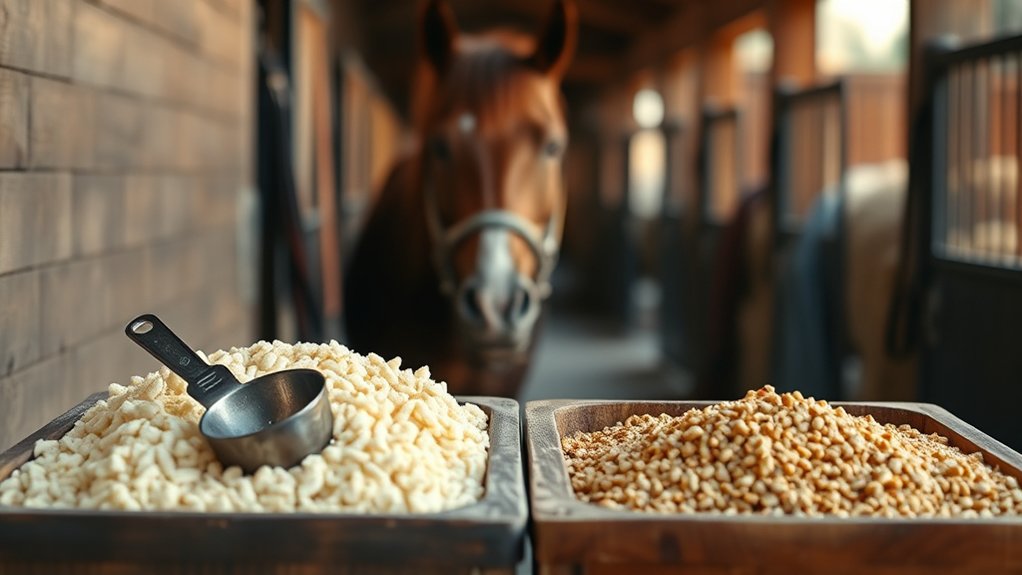
Although molasses can improve palatability, you should avoid beet pulp containing it if your horse has metabolic issues. Molasses beet pulp raises sugar content and non-structural carbohydrates (NSC), which can worsen insulin resistance.
Opt for no molasses beet pulp, labeled “low sugar,” to maintain safer NSC levels.
| Beet Pulp Type | Sugar Content (%) | NSC Content (%) |
|---|---|---|
| Molasses Beet Pulp | >10 | >10 |
| No Molasses | <4 | <8 |
| Low Sugar Label | <4 | <8 |
| Added Sweeteners | Varies, often high | Increases NSC |
| Metabolic Safe | No | No |
Check labels carefully to avoid hidden sugars and protect your horse’s metabolic health.
How to Introduce Beet Pulp Gradually Into the Diet
Selecting the appropriate type of beet pulp is only the first step in incorporating it safely into your horse’s diet. You must introduce beet pulp gradually to prevent digestive upset.
Begin by soaking beet pulp in a 1:2 ratio of beet pulp to water for several hours to guarantee it’s safe and palatable.
Start with a small amount, 0.25 to 0.5 pounds per day, and increase over 7 to 14 days. During this period, monitor your horse carefully for any signs of discomfort or colic.
Follow these steps for effective feeding:
- Soak beet pulp thoroughly before feeding.
- Introduce small amounts gradually within a stable feeding routine.
- Monitor digestion and adjust feeding rates accordingly.
This approach minimizes risk and supports digestive adaptation.
Balancing Beet Pulp’s Nutrient Profile With Forage and Supplements
Because beet pulp is low in vitamins, minerals, and protein, you need to carefully balance it with forage and supplements to meet your horse’s complete nutritional requirements.
When combining beet pulp with forage, make certain the total fiber intake remains around 1.5-2% of your horse’s body weight through quality hay or pasture.
Since beet pulp contains relatively high calcium (0.6-1.0%), adjust other dietary minerals to maintain proper calcium-to-phosphorus ratios and avoid imbalances.
Incorporate a ration balancer or vitamin-mineral supplement to address nutrient gaps and support overall health.
This precise nutrient balance promotes digestive function and prevents deficiencies or excesses.
How Beet Pulp Helps Senior Horses and Those Needing Weight Gain
When you incorporate beet pulp into your horse’s diet, you provide a highly digestible, fiber-rich source of slow-release energy that benefits senior horses and those needing weight gain. Beet pulp benefits include improved gut health and calorie support without causing rapid blood sugar spikes.
Adding beet pulp offers digestible, fiber-rich energy that supports seniors and horses needing steady weight gain without blood sugar spikes.
For senior horses, it also aids hydration and bone density maintenance. Consider these key advantages:
- Provides moderate calories (1.0–1.2 Mcal/lb) to promote steady weight gain in hard keepers.
- Supports digestive health and hydration, vital for aging horses prone to colic or dehydration.
- Supplies a balanced calcium-to-phosphorus ratio, helping maintain bone density.
Incorporating beet pulp ensures safe, effective calorie support for senior horses and those requiring weight gain, enhancing overall health and condition.
Avoiding Risks of Overfeeding Beet Pulp
You should keep beet pulp intake under 45% of your horse’s total diet to avoid digestive issues like colic or diarrhea.
It’s also important to always soak dry beet pulp well—this helps reduce the risk of choking or impaction.
Digestive Health Concerns
Although beet pulp offers valuable nutrients, overfeeding it can disrupt your horse’s digestive balance and lead to issues such as colic and diarrhea. Excessive beet pulp intake may cause fermentation in the gut, producing gas and discomfort.
To minimize digestive upset, follow these guidelines:
- Always soak beet pulp thoroughly to prevent choking and aid digestion.
- Introduce beet pulp gradually to allow your horse’s gut microbes to adapt.
- Monitor soaked beet pulp for spoilage or signs of unwanted fermentation before feeding.
Safe Feeding Limits
How much beet pulp should you feed your horse to guarantee safety? To stay within safe feeding limits, never exceed 45% of the horse’s diet with beet pulp. Also, limit intake to 1-2 pounds daily for an average-sized horse.
Always offer thoroughly soaked beet pulp to reduce choking risks from dry shreds or pellets. Beet pulp provides digestible fiber but should complement, not replace, other forage sources.
Avoid beet pulp with high molasses if your horse has metabolic issues, as excess sugars can harm health. Regularly monitor your horse’s condition and adjust beet pulp accordingly to maintain digestive health.
| Feeding Aspect | Recommendation |
|---|---|
| Maximum Diet Portion | ≤ 45% of total diet |
| Daily Amount | 1-2 pounds |
| Preparation | Always soaked beet pulp |
Best Practices for Soaking and Storing Beet Pulp
When preparing beet pulp for your horse, soaking it in a ratio of one part beet pulp to two parts water for at least 12 hours guarantees proper hydration and reduces the risk of choking.
Use warm water in cooler temperatures to speed absorption, but in hot or humid climates, shorten soaking time to prevent fermentation.
For ideal storage and safety, follow these best practices:
- Store soaked beet pulp in a cool, non-freezing area and feed within 12 hours to minimize spoilage.
- Regularly check for off odors; discard any pulp exhibiting a sour or fermented smell.
- Avoid prolonged soaking or storage to prevent excessive fermentation, which can compromise feed quality and horse health.
Adhering to these guidelines ensures effective soaking, proper hydration, and safe storage of beet pulp.
Signs to Watch When Feeding Beet Pulp: Weight, Digestion, and Behavior
Proper soaking and storage of beet pulp lay the foundation for safe feeding, but attentive observation of your horse’s response completes the process.
Monitor your horse’s weight regularly to ensure beet pulp supports healthy maintenance or gain without excessive fat accumulation.
Evaluate digestion carefully; loose manure, colic, or bloating may signal overfeeding or inadequate soaking.
Observe behavioral changes such as lethargy or irritability, which can indicate dietary imbalances or gastrointestinal discomfort.
Be vigilant for choking risks, especially if dry beet pulp is fed without thorough soaking, as large particles pose hazards.
Furthermore, track water intake since soaked beet pulp increases hydration needs.
Addressing these signs promptly ensures your horse benefits fully from beet pulp while minimizing health risks related to weight, digestion, and behavior.
Frequently Asked Questions
Can Beet Pulp Replace Hay Entirely in a Horse’s Diet?
No, beet pulp can’t replace hay entirely in your horse’s diet. While it serves as a valuable alternative forage with digestible fiber, it lacks several nutritional benefits found in hay, like essential vitamins and minerals.
Feeding guidelines recommend using beet pulp to supplement, not substitute, hay to maintain proper digestive effects and overall health.
Relying solely on beet pulp risks nutrient deficiencies and compromised gut function in your horse.
Is Beet Pulp Suitable for Horses With Laminitis?
Beet pulp can be a suitable alternative fiber source for horses with laminitis when you focus on managing sugar content carefully.
You should avoid beet pulp with added molasses and always soak it thoroughly to reduce fermentable sugars.
Incorporate it into your horse’s diet with proper nutritional balancing and control feeding frequency to prevent blood sugar spikes.
This approach helps maintain gut health while minimizing laminitis risks.
How Long Can Soaked Beet Pulp Be Stored Safely?
You can safely store soaked beet pulp for up to 12 hours in warm conditions, or 24 hours in cold climates, using proper storage techniques. Keep it covered and off the ground to prevent mold growth and spoilage.
Moisture control is vital. Excess moisture speeds up fermentation, which reduces shelf life. Always check for unusual odors or mold before feeding.
These steps help you maintain soaked beet pulp’s freshness and nutritional value effectively.
Does Beet Pulp Affect a Horse’s Hydration Needs?
Beet pulp can be a game-changer for your horse’s hydration! Its high water-holding capacity boosts water intake, which directly supports electrolyte balance during exercise.
When you include soaked beet pulp in hydration strategies, you help maintain ideal gut function and prevent dehydration-related issues.
Especially after intense workouts, it aids recovery by supplying moisture and fiber.
Can Beet Pulp Cause Colic in Horses?
Yes, beet pulp can cause colic if not managed properly. To protect your horse’s digestive health, avoid feeding dry beet pulp without soaking because it risks impaction.
Improperly soaked or spoiled beet pulp may lead to fermentation in the gut, causing gas buildup and discomfort.
For colic prevention, introduce beet pulp gradually and make sure it forms a safe part of your horse’s dietary fiber.
This helps support balanced digestion and minimizes risks.
Conclusion
Feeding beet pulp can provide up to 25% of your horse’s daily fiber needs, supporting digestion and weight management effectively. Remember to soak it to prevent choking and introduce it gradually to avoid digestive upset.
Choosing the right type, molasses or no molasses, depends on your horse’s metabolic health. By carefully monitoring intake and signs like weight and behavior, you’ll optimize benefits while minimizing risks, making beet pulp a scientifically sound addition to your horse’s diet.