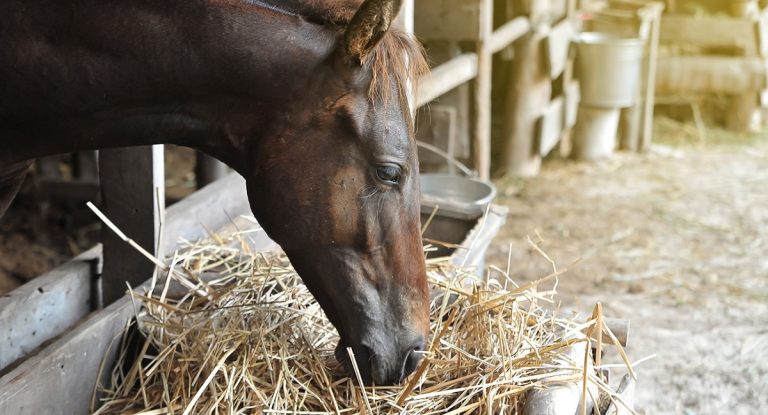
What Is A Thoroughbred Horse? Traits, Performance, And Care Guide
The Thoroughbred horse is one of the most recognized and celebrated breeds in the equestrian world, renowned for its speed, agility, and endurance. Known for excellence in racing, competitive sports, and high-performance disciplines, this breed combines athleticism with intelligence and spirited energy. People often ask what is a thoroughbred horse to better understand its origin, characteristics, and purpose.
Originating in 17th- and 18th-century England, Thoroughbreds were selectively bred for stamina, speed, and agility, making them exceptional athletes. Their lean, tall build, long legs, and refined features contribute to their racing capabilities, while their spirited yet intelligent temperament allows for responsive training and performance. Understanding what is a thoroughbred horse helps riders, trainers, and enthusiasts appreciate its physical abilities, mental acuity, and versatility across competitive and recreational equestrian activities. This knowledge also informs proper care, training, and management for peak performance.
Physical Characteristics of A Thoroughbred
Thoroughbred horses are widely recognized for their sleek, athletic build, which contributes to their speed, endurance, and agility. Their physical characteristics have been selectively bred over centuries to optimize performance in racing and competitive equestrian sports. From height and musculature to leg length and body proportions, each trait plays a role in enhancing mobility, stride efficiency, and stamina. Understanding the physical makeup of a Thoroughbred provides insight into why they excel in long-distance racing, eventing, and other high-performance disciplines while highlighting the care and training necessary to maintain their health and performance.
Height, Weight, And Body Proportions
Thoroughbreds are typically taller than many other horse breeds, standing between 15 and 17 hands high, with long, lean legs that enhance stride length and speed. Their overall weight ranges from 1,000 to 1,200 pounds, depending on age, sex, and conditioning. Their slim, muscular build reduces weight while maintaining strength, allowing for efficient movement and endurance during high-speed or long-distance activities.
Body proportions are carefully balanced to optimize performance. A deep chest supports cardiovascular capacity and lung function, while a slightly sloped shoulder contributes to stride length and smooth gaits. The back is usually short and strong, providing support for the rider while distributing weight evenly. These proportions make Thoroughbreds highly athletic, capable of sustaining high speeds and navigating complex courses. Riders and trainers must consider these physical characteristics when designing training regimens, as the breed’s structure influences both performance potential and susceptibility to strain or injury.
Musculature And Limb Structure
Thoroughbreds have lean but well-defined muscles, particularly in the hindquarters and shoulders, which provide propulsion, balance, and power. Their musculature is optimized for endurance and speed rather than short, explosive bursts of energy. The hindquarters are muscular yet streamlined, delivering thrust and maintaining efficient movement over long distances, while the forelimbs are long and flexible, aiding stride length and shock absorption.
Limb structure is critical to their racing ability. Long cannon bones and tendons reduce fatigue while allowing fluid motion and high stride efficiency. This combination of muscle and skeletal design allows Thoroughbreds to perform consistently at high speeds without excessive strain, though it also requires careful management to prevent overuse injuries. Trainers often focus on conditioning, stretching, and strengthening exercises to support the limbs and joints, ensuring the horse maintains peak performance and soundness over its athletic career.
Head, Neck, And Overall Appearance
Thoroughbreds typically have refined heads with large, expressive eyes, wide-set nostrils, and alert ears, reflecting their intelligence and responsiveness. The long, slightly arched neck supports balance and facilitates fluid motion at speed. Their overall appearance is sleek, elegant, and athletic, combining functionality with aesthetic appeal.
The refined head and long neck aid in navigation and coordination during racing or competitive disciplines. These features, coupled with a slim, muscular body, contribute to aerodynamic efficiency, stamina, and performance. The overall appearance of a Thoroughbred communicates strength, agility, and grace, reflecting centuries of selective breeding aimed at creating an elite performance horse capable of excelling in high-demand equestrian activities.
Speed And Athletic Abilities
Thoroughbred horses are renowned for their speed and athleticism, traits that have been carefully honed through selective breeding for racing and competitive performance. Their lean build, long legs, and powerful musculature allow them to excel in endurance, agility, and high-speed events. Understanding their athletic abilities helps riders, trainers, and enthusiasts appreciate the physical demands of the breed, the training required to reach peak performance, and how these capabilities translate into racing, eventing, and other high-performance equestrian disciplines.
Sprinting And Long-Distance Speed
Thoroughbreds are versatile athletes capable of both impressive short bursts and sustained long-distance speed. Their long, lean legs provide extended stride length, while muscular hindquarters generate the thrust necessary for acceleration. In racing, this combination allows them to reach high speeds quickly and maintain consistent motion over distances ranging from half a mile to several miles. Sprinting relies on explosive power and coordination, whereas long-distance performance emphasizes stamina, pacing, and cardiovascular efficiency.
Training programs are carefully tailored to develop both speed and endurance. Sprint workouts focus on explosive movements, interval training, and muscle conditioning, while long-distance sessions enhance cardiovascular capacity and mental focus. Proper conditioning ensures that the horse can perform at peak speeds while reducing the risk of fatigue or injury. Riders must also synchronize their guidance and timing with the horse’s natural athleticism, ensuring smooth acceleration, efficient stride patterns, and optimal use of energy over varying distances.
Agility And Jumping Ability
Thoroughbreds are not only fast but also agile, with flexibility and coordination that allow them to navigate turns, obstacles, and jumps efficiently. Their limb structure, balance, and muscular control contribute to precise foot placement, quick directional changes, and smooth landings. Agility is critical in disciplines such as show jumping, eventing, and cross-country courses, where performance depends on both speed and the ability to adapt to terrain and obstacles.
Jumping ability in Thoroughbreds combines power, timing, and coordination. Their strong hindquarters provide the lift required for jumps, while flexible forelimbs absorb impact and maintain balance on landing. Training for agility and jumping focuses on strength, coordination, and rhythm, ensuring the horse can perform technical maneuvers without losing momentum or stability. By developing these abilities, Thoroughbreds demonstrate not only speed but also versatile athleticism, making them exceptional competitors in multiple equestrian sports.
Endurance And Stamina
Endurance is a defining trait of Thoroughbreds, allowing them to sustain high levels of performance over extended periods. Their lean build, efficient cardiovascular system, and strong musculature enable them to maintain speed and agility without rapid fatigue. Stamina is particularly important in long-distance racing, endurance riding, and eventing, where the horse must manage energy, maintain focus, and navigate courses safely over several miles.
Training for endurance emphasizes pacing, energy management, and recovery, ensuring the horse can perform optimally while minimizing stress on joints and muscles. Adequate nutrition, hydration, and rest are critical components of maintaining stamina. The combination of speed, agility, and endurance demonstrates the Thoroughbred’s exceptional athletic abilities, highlighting why the breed remains a dominant force in racing and other high-performance equestrian disciplines worldwide.
Temperament And Behavior Traits
Thoroughbred horses are well-known for their spirited, intelligent, and sensitive nature, which greatly influences training, handling, and performance. Their temperament plays a crucial role in competitive and recreational equestrian activities, affecting responsiveness, learning speed, and adaptability. Understanding the behavior traits of Thoroughbreds helps riders, trainers, and owners anticipate challenges, communicate effectively, and establish a strong partnership. These traits also highlight the importance of patience, consistent training, and proper management to ensure the horse performs safely and confidently in a variety of disciplines.
Sensitivity And Responsiveness
Thoroughbreds are highly sensitive horses, reacting quickly to cues from riders as well as environmental stimuli. Their alertness allows them to respond effectively to commands, making them ideal for high-speed racing, eventing, and competitive disciplines where precision and timing are crucial. However, this sensitivity also means they can become anxious or nervous in unfamiliar or stressful situations, requiring careful handling and consistent guidance.
Riders must develop a balanced approach, using subtle cues, clear communication, and calm energy to elicit desired responses without overwhelming the horse. Thoroughbreds are quick learners due to their intelligence, but their responsiveness demands experience and attentiveness from the rider. Consistency in training helps manage their sensitivity, allowing the horse to channel energy productively and perform optimally in competitions or recreational activities.
Energy Levels And Work Ethic
Thoroughbreds are known for their high energy and stamina, traits that contribute to their exceptional athletic performance. They require regular exercise and mental stimulation to prevent restlessness, boredom, or behavioral issues. Their natural enthusiasm can drive performance in training, racing, or endurance activities, but managing their energy levels is essential to avoid overexertion or stress.
A structured routine that combines physical workouts, skill development, and periods of rest ensures that Thoroughbreds remain healthy, focused, and motivated. Their strong work ethic means they are willing partners when engaged appropriately, responding positively to challenges and structured training. Understanding and managing these energy levels allows riders to harness their potential while maintaining safety and harmony.
Social Behavior And Interaction
Thoroughbreds often display strong social instincts, forming bonds with other horses, humans, and stable environments. They thrive on consistent interaction and positive reinforcement, which supports trust, cooperation, and effective training. However, their sensitive nature may make them reactive to sudden changes in their surroundings or interactions with unfamiliar horses or people.
Proper socialization helps Thoroughbreds develop confidence and adaptability, ensuring they can perform well in competitive arenas or busy environments. Building trust with riders through patience, consistency, and clear communication is essential for long-term success. Understanding these behavior traits allows you to cultivate a strong partnership, enhancing performance, safety, and overall well-being for both horse and rider.
Health And Care Requirements
Maintaining the health and well-being of Thoroughbred horses requires specialized care tailored to their athletic build, high energy levels, and sensitivity. Proper nutrition, veterinary attention, exercise management, and preventative care are essential to ensure long-term performance and longevity. Understanding the breed’s unique needs allows riders, trainers, and owners to create effective routines that support physical strength, mental well-being, and competitive readiness. Awareness of potential health risks and care strategies helps prevent injuries and promotes overall quality of life.
Nutrition And Feeding
Thoroughbreds require a carefully balanced diet to support their energy-intensive lifestyle and lean musculature. High-quality forage, grains, and supplements tailored to their age, workload, and metabolism provide the nutrients necessary for endurance, strength, and overall health. Adequate protein supports muscle development, while vitamins and minerals contribute to joint, hoof, and cardiovascular health.
Feeding schedules should be consistent, providing multiple smaller meals throughout the day to maintain energy levels and prevent digestive issues. Hydration is equally important, particularly during intense training or competition. Proper nutrition directly impacts performance, recovery, and longevity, making it a cornerstone of Thoroughbred care. Adjustments may be required based on seasonal demands, workload intensity, and individual metabolism, ensuring that the horse remains in optimal condition throughout its active career.
Exercise And Training Management
Exercise management is critical for Thoroughbreds due to their high energy and sensitivity. Structured workouts that balance endurance, strength, and skill development help maintain cardiovascular health, muscle tone, and agility. Overworking can lead to stress injuries, fatigue, or behavioral issues, so monitoring intensity, duration, and frequency is essential.
Warm-ups, cool-downs, and recovery periods are integral to training routines, reducing the risk of strain on muscles, tendons, and joints. Incorporating variety in exercises—such as flatwork, hill work, and interval training—enhances overall athletic performance while preventing boredom. Thoughtful management ensures that the horse remains physically conditioned, mentally engaged, and capable of performing consistently in competitive and recreational activities.
Veterinary Care And Preventative Health
Regular veterinary care is vital for Thoroughbreds, addressing vaccinations, dental care, parasite control, and routine check-ups. Monitoring for breed-specific concerns, such as musculoskeletal stress, gastric ulcers, and respiratory issues, allows for early intervention and reduces long-term complications. Hoof care and farrier visits are particularly important due to the breed’s reliance on strong, healthy limbs for racing and jumping.
Preventative health practices extend beyond medical attention. Stable management, clean living conditions, and environmental enrichment reduce stress and support mental well-being. Observing behavioral changes, monitoring performance, and consulting veterinarians regularly ensures that Thoroughbreds remain healthy, sound, and capable of meeting the physical and mental demands of training, competition, and daily activity.
People Also Asked
What Is A Thoroughbred Horse?
A Thoroughbred horse is a breed known for its speed, agility, and endurance. Originally bred in England during the 17th and 18th centuries, Thoroughbreds were developed for racing and high-performance equestrian sports. They are characterized by a lean, tall build, long legs, and refined features, allowing for efficient movement and stamina. Understanding what is a thoroughbred horse helps riders and enthusiasts appreciate its athletic abilities, temperament, and suitability for competitive disciplines. This breed is widely used in racing, eventing, and other equestrian sports due to its versatility and intelligence.
What Are The Physical Traits Of A Thoroughbred?
Thoroughbreds are lean, athletic horses with long legs, deep chests, and well-defined muscles. They typically stand between 15 and 17 hands high and weigh 1,000 to 1,200 pounds. Their long stride and streamlined body enable high-speed performance and endurance. The breed has a refined head, large expressive eyes, and a slightly arched neck, enhancing balance and coordination. These physical traits make them ideal for racing, jumping, and competitive equestrian events. Proper care and conditioning are necessary to maintain their muscular structure and prevent injuries due to the intensity of their athletic activities.
What Is The Temperament Of A Thoroughbred?
Thoroughbreds are spirited, intelligent, and sensitive horses. Their high energy levels and responsiveness make them exceptional athletes but also require experienced handling. They are quick learners, adaptable, and highly alert, which allows them to perform well in racing, jumping, and endurance events. However, their sensitivity means they can become nervous or reactive in unfamiliar or stressful situations. Understanding their temperament is crucial for effective training, building trust, and ensuring safety. Riders who provide consistent, patient guidance can harness the breed’s energy and intelligence for peak performance and a strong partnership.
What Activities Are Thoroughbreds Best Suited For?
Thoroughbreds excel in activities that require speed, stamina, and agility. They are most commonly used in flat racing, steeplechase, and endurance events, but they also perform well in show jumping, eventing, and dressage. Their long legs and lean musculature allow them to sustain high speeds over long distances, while their intelligence and responsiveness make them suitable for competitive disciplines. Whether in professional racing or recreational competitive riding, Thoroughbreds are prized for their athleticism, adaptability, and ability to meet the physical and mental demands of challenging equestrian activities.
How Should You Care For A Thoroughbred Horse?
Caring for a Thoroughbred requires attention to nutrition, exercise, and preventive health. Their high metabolism and athletic build demand a diet rich in forage, grains, and supplements tailored to their workload. Regular veterinary checkups, vaccinations, dental care, and hoof maintenance are essential to prevent injuries and ensure long-term health. Exercise routines should balance strength, endurance, and recovery, avoiding overexertion. Mental stimulation and consistent handling are also important to manage their sensitivity and high energy. Proper care ensures the Thoroughbred remains healthy, responsive, and capable of peak athletic performance.
How Long Do Thoroughbreds Typically Live?
Thoroughbreds generally live between 20 and 25 years, though lifespan can vary depending on care, workload, and genetics. Their athletic build and high-intensity careers may make them more prone to stress-related injuries, so proper nutrition, training, and preventive veterinary care are critical for longevity. Maintaining a balanced exercise routine, monitoring health, and providing mental and environmental enrichment can extend their lifespan and quality of life. Understanding this helps riders plan for both competitive and recreational use, ensuring that the horse remains healthy, sound, and capable of performing throughout its active years.
Final Words
Thoroughbred horses are renowned for their speed, agility, and versatility, making them a popular choice for racing, jumping, and competitive equestrian sports. Their physical characteristics, including lean muscle, long legs, and athletic build, contribute to exceptional performance, while their temperament requires skilled handling and consistent training. Understanding their health, care, and exercise needs is essential for maintaining peak condition and ensuring a long, active life.
Whether you are considering a horse for competition or recreational riding, evaluating traits such as energy level, trainability, and suitability for your experience helps in making the right decision. For anyone seeking clarity on breed characteristics, exploring what is a thoroughbred horse provides valuable insights into performance capabilities, care requirements, and compatibility with riders, ensuring a rewarding experience for both horse and owner.