Why Does a Horse Have a Mane?
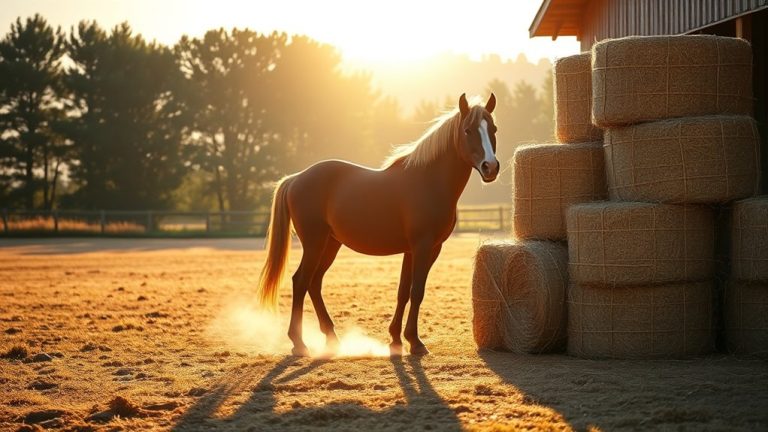
You’ll find a horse’s mane serves multiple essential roles: it protects against insects by disrupting their flight and shielding sensitive areas. It also helps regulate temperature by trapping warm air and shedding rainwater.
The mane signals health and social status through its condition and display. Mane length and thickness vary by breed and environment.
Understanding these functions reveals why managing and caring for the mane properly can greatly benefit your horse’s well-being and performance.
Mane Protection Against Insects and Pests
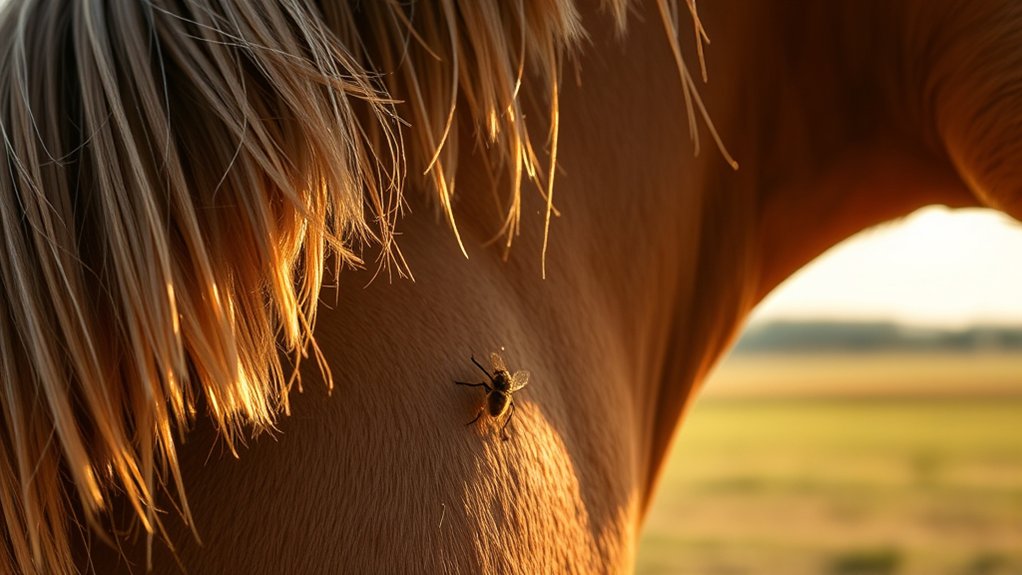
Although you mightn’t immediately notice it, a horse’s mane plays an essential role in protecting the animal from insects and pests. The coarse hair of the horse mane disrupts the flight path of flies, mosquitoes, and horseflies, making it harder for these pests to land on the skin.
A horse’s mane disrupts flying insects, safeguarding the skin from bothersome pests and bites.
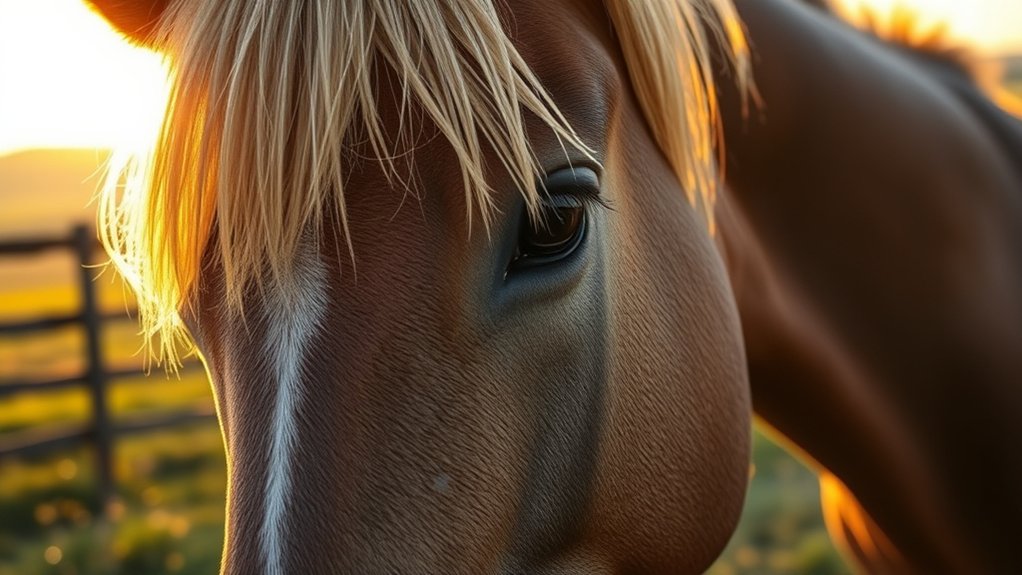
By flicking the mane, the horse actively swats away flies, aiding in fly prevention and reducing irritation. The forelock specifically serves as a physical barrier, preventing insects from reaching sensitive areas like the eyes.
This insect protection is critical as it lowers the risk of bites and disease transmission, including illnesses such as Eastern Equine Encephalitis and West Nile Virus.
In both wild and domestic settings, the mane greatly enhances the horse’s defense against pests.
How the Mane Keeps Horses Warm and Dry
You’ll notice the horse’s mane acts like an insulating layer, trapping air close to the skin to keep the neck warm when it’s cold.
Plus, its thickness slows down rainwater runoff, so moisture doesn’t reach the skin as easily and heat loss is reduced.
Basically, by shielding against wind and moisture, the mane plays an important role in helping the horse regulate its temperature.
Neck Insulation Benefits
When temperatures drop, a horse’s mane plays a crucial role in conserving body heat by providing insulation to the neck. The thick, coarse hair traps air close to the skin, creating a thermal barrier that maintains warmth in cold weather.
This insulation reduces heat loss and protects the neck from chilling winds. By keeping the neck warm and dry, the mane minimizes cold stress, especially in harsh climates.
| Feature | Function |
|---|---|
| Thick, coarse hair | Traps insulating air near skin |
| Dense coverage | Shields neck from cold wind |
| Moisture barrier | Prevents prolonged dampness |
Understanding these benefits helps you appreciate how the mane supports a horse’s survival in cold environments.
Rainwater Runoff Function
Since horses often face rainy conditions, their manes play a vital role in channeling rainwater away from the neck, keeping the skin dry and protected. The horse’s mane acts as a natural barrier, facilitating rainwater runoff by directing water off the neck’s surface.
This water drainage function reduces direct exposure of the skin to moisture, which is essential for maintaining water protection and preventing irritation or cold stress. The mane’s length and density influence the efficiency of this process, with a thicker mane promoting better water diversion.
Furthermore, the natural growth patterns of the mane are adapted to optimize water runoff in both wild and domestic horses. This ensures consistent protection against rain and enhances overall skin health in damp environments.
Mane Thickness Effects
Although the mane primarily serves as a protective barrier against rain, its thickness considerably contributes to insulating the horse’s neck. This helps retain body heat in cold weather.
Mane thickness, characterized by dense fibers and a coarse texture, enhances insulation by reducing heat loss and shedding water efficiently.
A thick mane provides superior thermal regulation compared to thinner manes or the horse’s general coat. You should note these key effects of mane growth and thickness:
- Dense fibers trap warm air close to the skin.
- Thick mane reduces heat dissipation in cold climates.
- Coarse texture adds an extra insulation layer.
- Mane length and density influence overall thermoregulation.
Together, these factors assure the horse remains warm and dry under varying environmental conditions.
The Mane’s Role as a Health and Vitality Signal
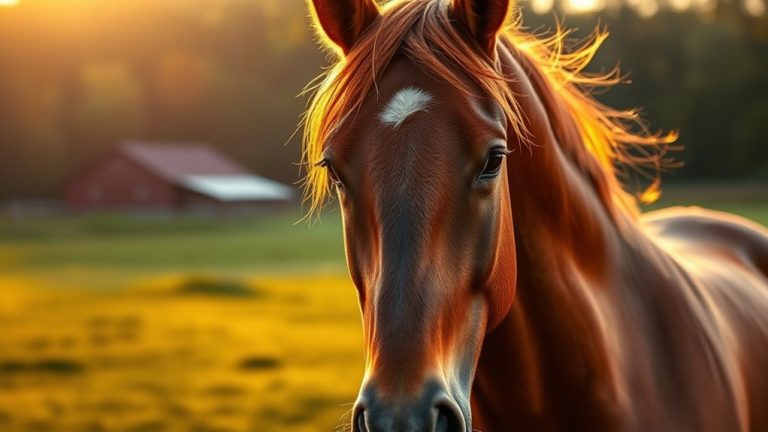
Because a horse’s mane directly reflects its health and nutrition, you can often assess the animal’s vitality by observing the mane’s condition. A thick, shiny mane signals good health and proper nutrition, showing the horse’s overall strength and well-being.
Mane growth and thickness depend on genetics, but a healthy mane consistently shows resilience and robust development.
On the other hand, a dull, sparse, or brittle mane may signal underlying health issues, poor diet, or parasitic infections.
How the Mane Helps Horses Communicate Socially
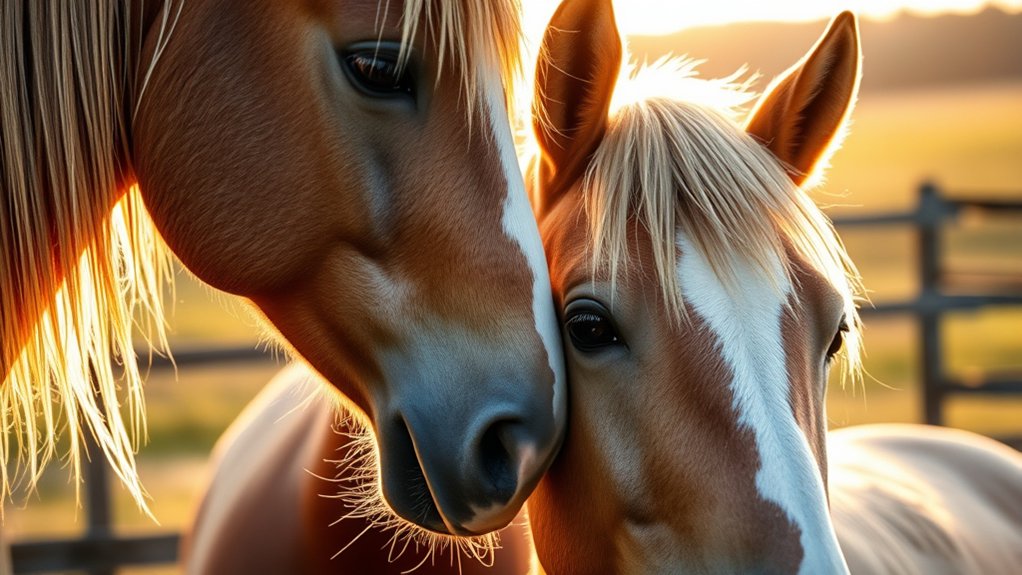
When horses interact socially, they use their mane as a dynamic visual signal to convey emotions and intentions. The mane plays an essential role in social communication, reflecting horse behavior and emotional signals.
You’ll notice these key functions:
- Horses raise or puff up their mane to signal agitation, dominance, or alertness.
- A raised mane often indicates fear or aggression, helping you interpret mood changes.
- Mane positioning helps horses appear larger, deterring rivals or predators during confrontations.
- Grooming the mane is a critical social activity that fosters trust and comfort between horses.
Genetics and Breed Influence on Mane Length and Thickness
Beyond its role in social signaling, a horse’s mane varies considerably in length and thickness due to genetic factors and breed characteristics. You’ll find that genetics largely determine mane length and mane thickness, resulting in distinct variations across breeds.
For instance, Andalusians and Friesians possess genes that promote long, thick, and wavy manes, reflecting selective breeding aligned with breed standards. Conversely, breeds like Appaloosas and certain stock horses inherit genetic traits that produce shorter, sparser manes.
Breed standards often specify preferred mane characteristics, influencing breeding decisions to enhance these traits in future generations. Understanding how genetics and breed interplay helps you appreciate why some horses naturally boast more luxurious manes while others exhibit more modest growth patterns, all rooted in hereditary and breed-specific factors.
Why Domestic Horses Often Have Longer Manes Than Wild Horses
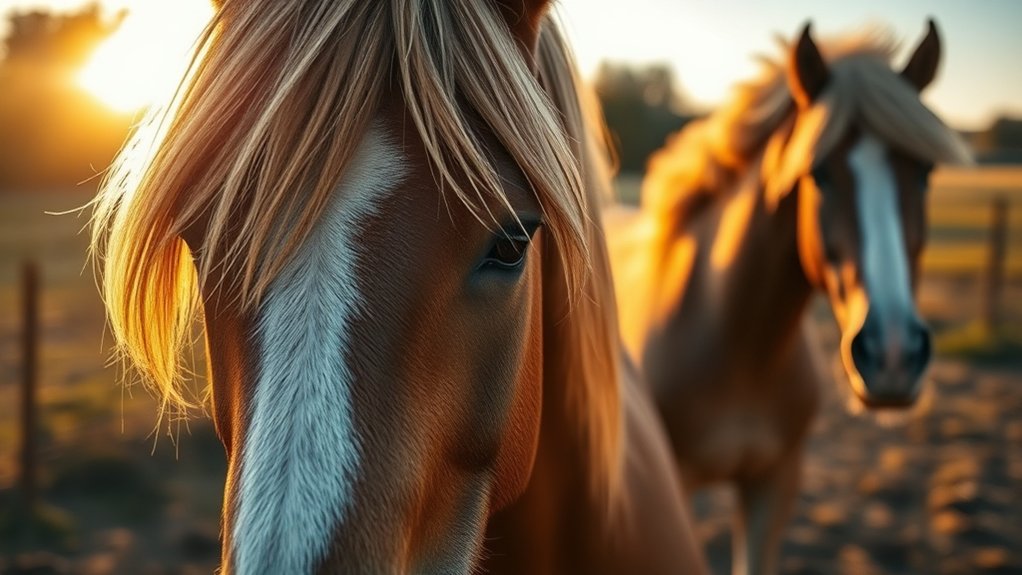
Although wild horses experience natural environmental wear that limits mane length, domestic horses often develop longer manes due to selective breeding and consistent grooming practices.
You’ll notice domestic horses benefit from:
- Breed selection targeting long manes, especially in breeds like Friesians and Andalusians.
- Reduced environmental wear, as domestic horses face fewer abrasive conditions.
- Regular grooming that prevents tangling and breakage, promoting mane growth.
- Human aesthetic preferences that encourage breeding for luxuriant manes.
In contrast, wild horses’ manes remain shorter because environmental wear and the need for agility prevent excessive length.
Reasons for Pulling, Roaching, and Hogging Horse Manes
You’ll find that pulling a horse’s mane thins and shortens it, which helps create a neater look and makes it less likely to tangle. It’s especially handy to do this after exercise when the mane might be a bit messy.
Now, roaching is a bit different — it removes the mane and forelock entirely. People often do this to meet certain breed standards or just to make grooming simpler.
Then there’s hogging, which means trimming the mane very short. This is great for cutting down on maintenance and stopping the mane from getting snagged during work or performance.
Mane Pulling Benefits
How does mane pulling benefit both the horse and its handler? Mane pulling shortens and thins the mane, creating a neat, manageable appearance aligned with show standards. This process promotes a healthy mane by distributing natural oils and stimulating stronger hair growth.
You should perform mane pulling after exercise when pores are open to reduce discomfort. Proper techniques and desensitizing agents minimize stress compared to cutting.
Mane pulling supports effective grooming, styling, and braiding by maintaining uniform mane length.
Key benefits include:
- Improved mane management through controlled length and thickness
- Enhanced hair growth and overall hair health
- Reduced discomfort when timed after exercise
- Facilitated grooming and styling for shows or daily care
Incorporating mane pulling into your routine optimizes both appearance and hair quality scientifically.
Reasons For Roaching
Why do some horse owners choose to roach, or hog, their horse’s mane instead of trimming or pulling it? Roaching involves shaving the entire mane, creating a clean look favored in breeds like Saddlebreds and certain European and working horse breeds.
This practice supports mane management when dealing with long, unruly, or damaged manes, especially in horses exhibiting poor natural mane growth or excessive shedding. Roaching also aligns with breed standards or tradition, providing a practical solution.
In high-activity disciplines such as racing or polo, a roached mane reduces the risk of tangling or injury during rapid movement.
Mane regrowth after roaching typically takes 6 to 8 months for initial length, with about a year required to return to full length, making roaching a strategic choice in selective mane care.
Practical Hogging Uses
Although some horse owners prefer trimming, many choose pulling, roaching, or hogging manes for practical benefits.
Hogging means completely shaving the mane and forelock, mainly to save grooming time and keep dirt or sweat from building up. Performance horses especially benefit because removing the mane lowers the risk of injury from entanglement during activity.
Pulling the mane short is often favored over cutting since it encourages natural regrowth and keeps a neater look.
You’ll also find mane roaching or hogging common in certain breeds to meet standards or make maintenance easier.
Key practical reasons for hogging include:
- Minimizing grooming effort
- Reducing sweat and dirt accumulation
- Preventing mane entanglement in performance horses
- Meeting specific breed standards
Mane regrowth usually happens within 6-8 months, depending on the horse’s health and care.
How Riding Disciplines Shape Mane Styles
Because each riding discipline has unique standards and traditions, the styling and length of a horse’s mane vary considerably to meet specific competition rules and aesthetic goals.
In dressage, you’ll find manes carefully pulled and braided to accentuate the horse’s top line and comply with formal discipline standards.
Hunter and show jumping riders also use braiding or pulling techniques to create a uniform, tidy mane that highlights neck conformation.
Western riding, however, exhibits more variation; some styles favor natural, unbraided manes, while others opt for pulled or banded manes to achieve a polished look.
Understanding these differences in mane styles helps you appreciate how riding disciplines influence grooming choices, ensuring the horse’s appearance aligns with both tradition and competitive criteria.
Maintaining a Healthy Horse’s Mane: Grooming and Care Tips
Different riding disciplines influence how a horse’s mane is styled, but maintaining its health requires consistent care regardless of appearance. To guarantee ideal mane health, focus on these key grooming and care practices:
- Brush regularly using appropriate tools to prevent tangles and breakage, promoting a shiny, healthy mane.
- Wash with mild shampoos and conditioners to enhance strength and manageability.
- Perform mane pulling after exercise when pores are open; this thins and shortens the mane for neatness and encourages growth.
- Protect the mane from excessive sun exposure and avoid harsh handling or rubbing to maintain follicle integrity.
Incorporate desensitizing agents during mane pulling to minimize discomfort, ensuring cooperative grooming and sustained mane health.
Consistent grooming and care directly support a robust, resilient mane.
Practical Tips for Keeping Your Horse’s Mane Strong and Beautiful
When you prioritize regular grooming and provide a nutrient-rich diet, you create ideal conditions for a strong, healthy mane. Consistent grooming with appropriate brushes and detanglers minimizes breakage. Meanwhile, a balanced diet rich in proteins, vitamins, and minerals promotes hair growth.
Incorporate conditioning treatments to enhance shine and prevent dryness. Avoid excessive pulling or trimming to maintain thickness and natural length. Also, shield the mane from sun and harsh weather to preserve its structural integrity.
| Tip | Benefit |
|---|---|
| Regular grooming | Prevents breakage |
| Balanced diet | Supports hair growth |
| Conditioning treatments | Improves shine and moisture |
| Environmental protection | Maintains strength and beauty |
These practices guarantee your horse’s mane remains healthy and resilient.
Frequently Asked Questions
How Quickly Does a Horse’s Mane Typically Grow?
A horse’s mane typically grows about 0.5 to 1 inch per month, influenced by genetic factors and hair growth cycles. You’ll notice grooming routines and seasonal changes considerably impact growth rate.
Healthier nutrition and care promote faster development.
Environmental influences like temperature and daylight also alter growth patterns.
Understanding these elements helps you optimize mane care, ensuring your horse’s mane grows strong and healthy throughout the year.
Can a Horse Live Without a Mane?
Yes, a horse can live without a mane without negative effects on its health or temperament.
In horse grooming, mane styling often serves aesthetic or practical purposes rather than addressing mane diseases.
Historically, manes held significance for breed identification and protection, but their absence doesn’t impair survival.
You’ll find some breeds naturally have little or no mane, and removing it won’t affect the horse’s performance or well-being.
Do Mares and Stallions Have Different Mane Characteristics?
Think of stallions as kings donning thicker, coarser crowns, while mares wear delicate tiaras. This reflects their mane differences.
Genetic variations and hormonal influences, especially testosterone, shape these traits.
Breed differences further define mane thickness and texture.
Mane grooming and environmental factors also play roles, with stallions often groomed to enhance their bold appearance.
You’ll find these scientific factors combine to create the distinct mane characteristics between mares and stallions.
How Does Diet Affect Mane Health?
You’ll see that nutritional deficiencies directly impair hair follicle health, causing a weak, brittle mane. Maintaining a proper mineral balance and ensuring adequate protein intake supports keratin production critical for strong hair.
Dietary supplements like biotin and zinc further boost follicle function and hair growth. Neglecting these nutrients disrupts follicle activity, leading to sparse or dull manes.
Are There Any Health Risks to Cutting a Horse’s Mane?
Imagine using a rotary phone for horse grooming. That’s how outdated improper cutting techniques can harm your horse.
When you trim the mane, poor cutting techniques risk split ends, follicle damage, and skin abrasions, leading to infections.
Mane maintenance requires precision to avoid these health implications, especially considering breed differences that dictate ideal mane length and style.
Always use sharp tools and gentle methods to protect your horse’s natural defenses and appearance.
Conclusion
You can picture a horse’s mane, flowing like a protective shield against biting insects and harsh weather. This natural barrier not only guards warmth and moisture but also signals health and social cues to other horses.
Genetics and grooming shape its texture and length, influenced further by riding styles. By understanding these scientific roles, you can better appreciate and care for your horse’s mane, keeping it strong, vibrant, and functional throughout every season.