Is Fescue Hay Good for Horses?
You can feed your horse fescue hay safely, but it has moderate protein and fiber levels that may not meet all nutritional needs, especially for growing or performance horses.
Be aware that endophyte-infected fescue contains ergovaline, a toxin harmful to pregnant mares and risky at high levels.
Horses may initially reject it due to aroma and texture but usually adapt within two weeks. Managing feeding and testing hay quality is essential for health and performance. More detailed guidance can help you optimize its use.
What Is Tall Fescue Hay and Why Do Horses Eat It?
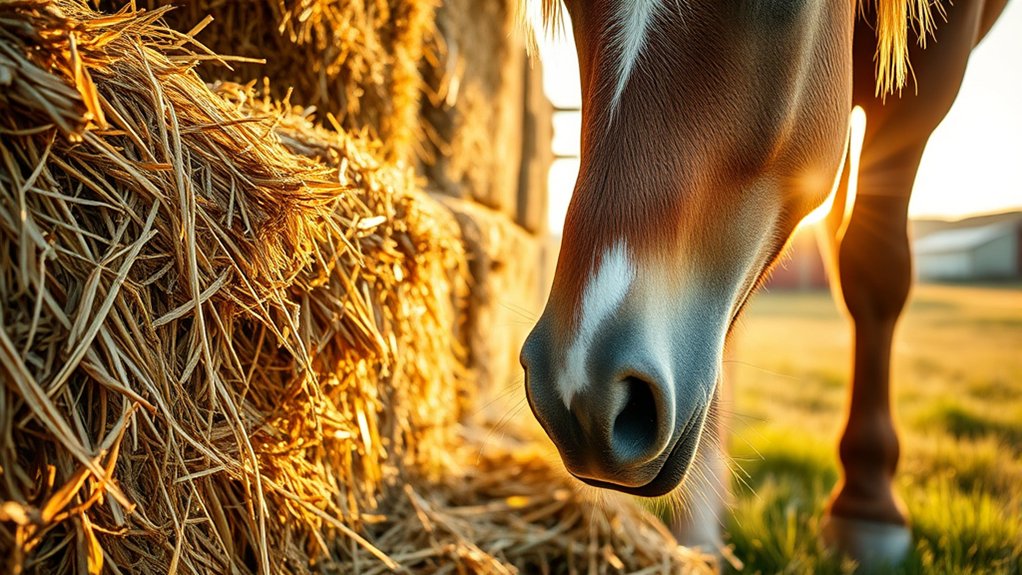
What makes tall fescue hay a common choice for horses? Tall fescue hay comes from tall fescue grass, a cool-season perennial known for its resilience and high forage yield. Horses naturally prefer tall fescue hay due to its palatability and accessibility in many regions.
This forage offers a high fiber content and a nutritional profile that supports equine dietary needs. However, you should be aware that tall fescue grass often contains an endophyte fungus producing ergovaline, a toxin that can adversely affect horses, particularly pregnant mares.
Despite this risk, horses tend to consume tall fescue hay because it’s a familiar and readily available forage source, both in pasture and hay form. Understanding its characteristics helps you manage its use safely.
How Nutritious Is Fescue Hay for Your Horse?
You’ll find that fescue hay offers a crude protein content of 11-16%, which is pretty decent. Its digestible energy is similar to other cool-season grasses, so it holds up well in that department.
However, it does have higher sugar levels, and that can sometimes affect your horse’s weight and metabolism.
At first, some horses might turn their noses up at fescue hay, but don’t worry—most of them get used to it over time. So, the taste isn’t usually a big problem in the long run.
Just keep in mind that feeding strategies and supplements can be really important, especially for sensitive groups like pregnant mares. That way, you can make sure your horse gets balanced nutrition and stays safe.
Nutritional Profile Comparison
Although fescue hay offers a moderate protein content of 11-16%, its nutritional value varies with growth stage and harvest timing. This influences digestible energy and sugar levels.
When comparing its crude protein and digestible energy to other common forages, you’ll see fescue holds up well but has some limitations in nutritional quality.
| Forage Type | Crude Protein (%) | Digestible Energy (%) | Notes |
|---|---|---|---|
| Fescue Hay | 11-16 | 60-68 | Moderate protein, variable sugar |
| Timothy Hay | 8-12 | 60-65 | Lower protein, stable energy |
| Orchardgrass | 10-14 | 62-67 | Similar to fescue |
| Alfalfa | 18-22 | 70-75 | Higher protein, richer calcium |
Fescue can be cost-effective but may require balancing with other feeds for ideal nutrition.
Palatability and Acceptance
Since fescue hay often has a less appealing texture and aroma compared to other forages like timothy or orchardgrass, horses may initially refuse it, especially when it’s mixed with preferred grasses. Palatability plays a significant role in their acceptance of this forage.
Here’s what you should know about fescue hay palatability and acceptance in horses:
- Horses often reject fescue hay at first due to its coarse texture and stronger aroma.
- Acceptance usually improves after an adjustment period, especially in horses in good condition.
- The presence of seedheads and mature stems further reduces palatability.
- Compared to timothy or orchardgrass, fescue hay is generally less favored but remains a viable forage once horses adapt.
Understanding these factors helps you manage your horse’s diet effectively.
Feeding Considerations and Supplements
When evaluating fescue hay for your horse’s diet, consider its moderate protein content of 11-16% and digestible energy range of 60-68%. This generally supports maintenance but may fall short for performance or growing animals. Feeding considerations must include testing for ergovaline, a toxin produced by endophyte-infected fescue hay, to avoid reproductive and health issues. You might need to supplement with additional protein, energy, or minerals depending on your horse’s needs.
| Nutrient | Typical Range | Supplement Advice |
|---|---|---|
| Crude Protein | 11-16% | Add protein for growth/performance |
| Digestible Energy | 60-68% | Supplement energy for work or growth |
| Ergovaline | Variable, test needed | Avoid if levels are high, especially in pregnant mares |
Testing and appropriate supplementation guarantee safe, balanced feeding.
Why Do Horses Initially Reject Fescue Hay?
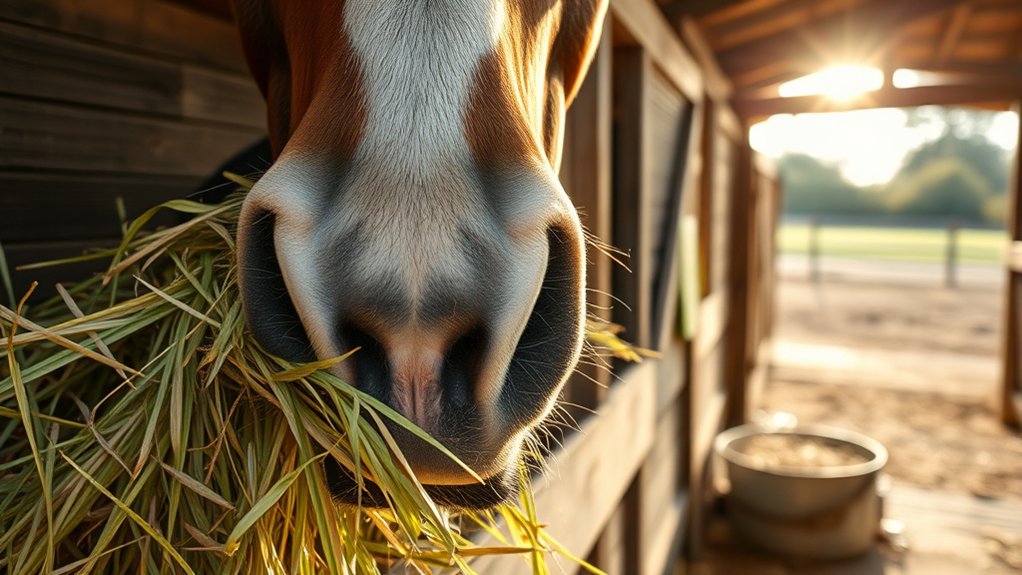
You’ll notice horses often hesitate when they’re first offered fescue hay. That’s because it has a distinct aroma and isn’t as tasty compared to grasses like timothy.
At first, this unfamiliar smell and the hay’s texture can make horses sniff, taste, and sometimes even walk away. But don’t worry—if you offer it to them regularly, they usually get used to it and start eating fescue hay just fine over time.
Initial Palatability Issues
Why do horses often hesitate to eat fescue hay at first? The initial rejection of fescue hay primarily stems from its palatability issues. Horses rely heavily on smell and taste to evaluate forage, and fescue hay often presents challenges in these areas.
Key factors influencing initial rejection include: The distinct aroma of fescue hay differs from more familiar grasses, causing hesitation. Its coarser texture may be less appealing compared to softer hays like timothy. Lower quality or mixing with preferred grasses can amplify refusal.
And natural aversion to unfamiliar taste and smell triggers cautious behavior.
Understanding these palatability factors clarifies why horses initially reject fescue hay. It also emphasizes the importance of patience during introduction.
Adaptation Over Time
Although horses often hesitate to eat fescue hay at first due to its unfamiliar aroma and coarse texture, they typically adapt over time as they become accustomed to these sensory differences.
Initially, horses may smell, taste, and walk around fescue hay, reflecting their natural caution toward novel feed.
Compared to more palatable grasses like timothy or orchard grass, fescue hay’s less appealing taste contributes to this initial rejection.
However, with consistent exposure, horses undergo adjustment, gradually accepting the flavor and texture of fescue hay.
This process is more successful in horses maintained in good condition and proper management.
Understanding this adaptation period helps you anticipate feeding challenges and supports a smoother changeover when introducing fescue hay into your horses’ diet.
Is Fescue Hay Safe for All Horses?
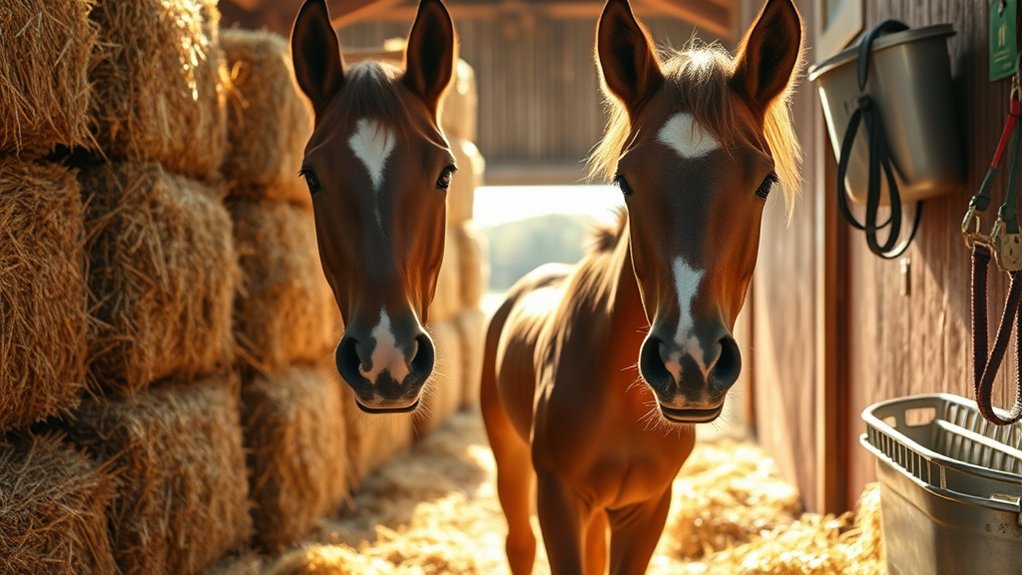
Because fescue hay contains endophyte-produced ergot alkaloids, it poses risks for certain horses, particularly pregnant mares. They may experience complications like prolonged gestation and reduced milk production.
Fescue hay’s ergot alkaloids can cause prolonged gestation and reduced milk in pregnant mares.
For other horses, safety depends on the endophyte infection level and ergovaline concentration in the hay.
To guarantee fescue hay is safe for your horse, consider these points:
- Source fescue hay bred to be endophyte-free or contain beneficial endophytes.
- Verify ergovaline levels through regular hay testing.
- Use hay with low endophyte infection to minimize risks.
- Monitor horses carefully for any adverse reactions when introducing fescue hay.
What Are the Risks of Feeding Endophyte-Infected Fescue to Mares?
When mares consume endophyte-infected fescue, the ergot alkaloids produced, particularly ergovaline, can severely disrupt their reproductive health. Fescue toxicosis in mares often leads to prolonged gestation, thickened placentas, reduced milk production, and increased foal mortality. You should be especially cautious during late pregnancy when ergovaline levels peak.
| Risk Factor | Effect on Mares | Consequence |
|---|---|---|
| Ergovaline toxicity | Disrupted hormone signaling | Prolonged gestation |
| Infected fescue | Thickened placenta | Impaired nutrient transfer |
| Fescue toxicosis | Reduced milk production | Poor foal health |
| Late gestation | Increased foal mortality | Higher neonatal losses |
Understanding these risks helps you manage mares’ health effectively when feeding endophyte-infected fescue.
How Can You Test Fescue Hay for Endophytes and Toxins?
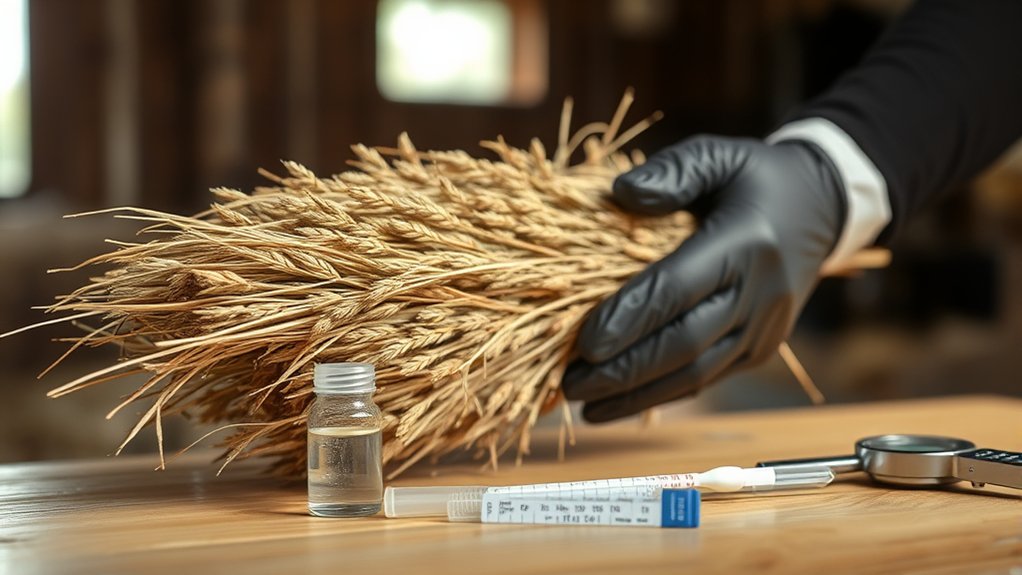
To accurately assess the safety of your fescue hay, you should collect 10 to 20 random tiller samples from various parts of the hay batch while the plants are actively growing and before seedhead formation.
Here’s how to test for endophyte and toxin presence:
- Store samples in a plastic-lined container with cold packs and refrigerate promptly to preserve integrity.
- Send the samples to a qualified laboratory specializing in ergovaline and endophyte testing.
- Ensure the lab analyzes both endophyte infection rates and ergovaline toxin concentrations.
- Interpret results cautiously. Ergovaline levels above 200 ppb indicate significant toxicity risk.
Regular seasonal testing, especially in spring and fall when toxins peak, helps you monitor fescue hay safety.
This way, you can make informed feeding decisions.
When Is Fescue Hay Safe for Non-Pregnant Horses?
Although fescue hay can contain ergovaline toxins harmful to pregnant mares, it generally poses minimal risk to non-pregnant horses.
Non-pregnant horses tolerate ergovaline better and rarely show adverse effects at typical exposure levels.
The safety of fescue hay for non-pregnant horses depends largely on ergovaline concentration in the forage, which often declines after seedhead formation.
Hay testing for ergovaline is vital; levels below 200 ppb are considered low risk and safe for feeding non-pregnant horses.
Avoiding hay harvested during seedhead stages and conducting regular hay testing helps guarantee ergovaline remains at safe concentrations.
How to Help Horses Adapt to Fescue Hay
You’ll want to introduce fescue hay gradually. Try mixing it with forages your horse already knows and likes—this helps encourage acceptance.
Keep a close eye on how much your horse is eating and watch for any changes in behavior.
If you notice any shifts in appetite or digestion, don’t hesitate to adjust the feeding amounts.
It’s also a good idea to think about adding some nutritional supplements to make sure your horse gets all the nutrients it needs while making the switch.
Gradual Feeding Transition
When introducing fescue hay, gradually mixing it with the horse’s familiar forage over 7 to 14 days allows their digestive system to adjust effectively. This gradual feeding transition promotes horse acceptance and reduces digestive upset.
Follow these steps for a smooth adaptation:
- Begin with a small proportion of fescue hay mixed into the current diet.
- Slowly increase the fescue hay ratio while observing your horse’s eating behavior.
- Monitor for signs of digestive discomfort or refusal and adjust the transition pace accordingly.
- Ensure the fescue hay is high quality, free from mold or seedheads, which can affect acceptance.
Consistency and patience during this period are essential to help your horse develop a preference for fescue hay safely.
Monitoring Intake Behavior
How can you effectively monitor your horse’s intake behavior to support its adaptation to fescue hay? Carefully observe individual intake levels and eating patterns during the shift period. Horses often hesitate initially but adapt over days to weeks.
Providing good-quality, mold-free hay improves palatability and encourages consistent consumption. Track intake alongside behavior to identify horses needing more time or intervention.
| Observation Aspect | Reason for Monitoring |
|---|---|
| Intake quantity | Detect reluctance or decreased appetite |
| Eating duration | Assess willingness and comfort |
| Behavior changes | Identify stress or refusal signs |
Consistently monitoring these factors helps you adjust feeding strategies, ensuring a smooth adaptation and maintaining horse health.
Supplementation And Nutrition
Although horses can gradually adapt to fescue hay, supporting their shift with appropriate supplementation and balanced nutrition is essential. Proper forage adaptation minimizes health risks and promotes intake.
To assist your horse:
- Conduct regular nutritional analysis of fescue hay to determine ergovaline levels and nutrient content.
- Supplement with high-quality, palatable hays like timothy or orchard grass to encourage consumption during transition.
- Provide additional concentrates or forage to compensate for fescue’s lower caloric and protein content.
- Use targeted supplementation to guarantee adequate protein and energy levels, supporting metabolic demands during adaptation.
Best Practices for Growing and Managing Quality Fescue Hay
Because managing tall fescue requires careful attention to its toxic compounds, you should regularly test forage for ergovaline levels to guarantee it’s safe for your horses. Effective pasture management involves clipping, fertilizing, and rotating grazing to avoid overgrazing and reduce ergovaline accumulation.
Avoid harvesting seedheads, as they contain the highest toxin concentrations. Employ herbicides like imazapic to selectively control infected tall fescue and encourage desirable species. Reestablish pastures with endophyte-free or novel endophyte varieties to minimize toxicity risks and improve fescue hay quality.
| Practice | Purpose |
|---|---|
| Ergovaline Testing | Ensures hay safety for horses |
| Pasture Management | Prevents overgrazing and toxicity |
| Herbicide Application | Controls infected fescue |
| Reseeding | Introduces low-toxin fescue |
How Is Climate Change Affecting Fescue Hay for Horses?
As climate change alters weather patterns, you’ll notice that longer, wetter springs delay the best timing for harvesting fescue hay. This reduces its quality by increasing seed maturity and mold growth.
Climate change impacts fescue hay for horses in several ways:
- Rising temperatures shorten the ideal growing season, which cuts down yield and forage quality.
- Unpredictable weather makes timely harvest tricky, leading to more seed head development and lower nutritional value.
- Wetter conditions encourage mold growth, which can be risky for horses eating the hay.
- Shifting climate zones mean you might need to explore other forage crops that suit the new conditions better.
Understanding these effects helps you adapt your management strategies to keep fescue hay safe and nutritious despite the challenges climate change brings.
Frequently Asked Questions
Can Fescue Hay Cause Allergies in Horses?
Yes, fescue hay can cause allergic reactions in horses, but these are usually linked to hay sensitivity rather than a true fescue allergy.
You’ll most likely see issues if the hay contains mold or dust, which commonly trigger respiratory or skin problems.
To minimize allergic reactions, you should store hay properly and avoid feeding moldy or dusty fescue hay.
Monitoring hay quality helps protect horses prone to hay sensitivity.
How Should Fescue Hay Be Stored to Maintain Quality?
Ever wondered how to keep your fescue hay fresh and nutritious? For essential hay storage, keep it in a cool, dry, well-ventilated space to prevent mold growth and guarantee fescue preservation.
Use moisture-resistant containers or pallets raised off the ground, and cover hay with a tarp or barn roof to shield it from rain and sunlight.
Regularly inspect for spoilage and pests, vital steps for quality maintenance and safe feeding.
Does Fescue Hay Affect Horse Coat Condition?
Fescue hay doesn’t directly affect your horse’s coat condition if it’s properly harvested and free from fescue toxicity. Its nutritional value and digestibility support overall health, which helps maintain a healthy coat.
However, if fescue hay is moldy or low quality, it might cause nutritional deficiencies, indirectly leading to dull or rough coats.
Always guarantee your horse’s diet is balanced to avoid any negative effects on coat appearance linked to fescue.
Can Fescue Hay Be Mixed With Other Forages Safely?
You might worry mixing fescue hay with other forages could harm your horse, but it’s safe when done properly.
By blending fescue with alternative forage options like Bermuda grass or alfalfa, you balance ergovaline levels and improve nutrition.
Nutritional comparisons show Bermuda often offers higher digestibility, while legumes boost protein.
Careful testing guarantees you maintain safe ergovaline thresholds, making mixed forage a smart, effective strategy for your horse’s health.
What Are Signs of Fescue Toxicity in Horses?
You’ll recognize fescue toxicity symptoms in horses primarily by prolonged gestation, thickened placentas, and difficult labor in pregnant mares. Reduced milk production and weak foals also indicate horse health risks.
Non-pregnant horses may show decreased appetite or poor performance.
To minimize these risks, focus on toxicity prevention by monitoring ergovaline levels and avoiding high-fescue intake during late pregnancy.
Early detection safeguards your horse’s health effectively.
Conclusion
You might think fescue hay is a simple choice for your horse, but there’s more beneath the surface. While it offers decent nutrition, its endophyte infection poses hidden dangers, especially for pregnant mares.
Non-pregnant horses can adapt with care, but you’ll need to manage it meticulously. Climate shifts add another layer of complexity. So before you commit, weigh the risks and benefits carefully. Your horse’s health depends on it.