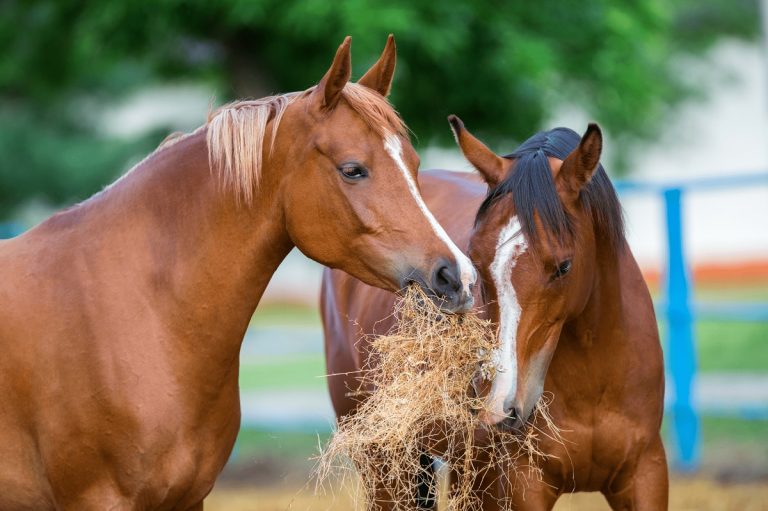
Feeding Legumes To Horses: Key Benefits, Risks, And Best Feeding Practices
Feeding legumes to horses plays a meaningful role in improving their overall nutrition, especially when you want to support better muscle development, stronger performance, and balanced daily energy. Legumes such as alfalfa and clover naturally offer higher protein, calcium, and essential nutrients compared to typical grass hays, making them a valuable addition for horses with greater dietary needs. When you include these nutrient-dense plants in a feeding plan, you help provide steady nourishment that supports growth, recovery, and digestive health.
Horses that are young, lactating, or working intensely often benefit most because legumes supply the extra fuel their bodies demand. At the same time, paying attention to portion size and individual tolerance ensures each horse gets the right level of support without overwhelming their system. With thoughtful management, Feeding legumes to horses becomes an effective way to promote long-term health, vitality, and overall wellbeing.
The Nutritional Profile Of Legumes
Legumes are naturally rich in nutrients that support a horse’s energy, muscle strength, and overall health. They contain higher levels of protein, fiber, vitamins, and vital minerals compared to most grass hays. Their dense nutritional value makes them especially useful for horses that require additional dietary support. When used correctly, legumes help maintain body condition, improve digestion, and provide steady nourishment throughout the day.
Protein And Amino Acid Content
Legumes offer a significantly higher protein concentration than grass hays, giving horses access to essential amino acids that encourage muscle growth, tissue repair, and stamina. These amino acids play an important role in maintaining a strong topline, supporting hoof integrity, and promoting coat shine. Performance horses, growing foals, and lactating mares often benefit from this extra protein because their bodies demand more nutrients for peak function.
Another advantage of the protein found in legumes is its digestibility. Horses can absorb and utilize legume-based protein more efficiently, making it a reliable source for long-term conditioning. When introduced slowly and fed in appropriate amounts, legumes help maintain balanced energy levels without overloading the digestive system. This makes them a dependable option for improving overall muscle tone and supporting healthy physical development.
Mineral Density And Digestive Support
Legumes supply an impressive amount of calcium, magnesium, and potassium, minerals essential for strong bones, proper nerve activity, and muscle coordination. These nutrients help maintain a stable internal environment that supports smooth digestive processes. Horses that consume legumes often experience improved gut comfort because legumes naturally help buffer stomach acidity, lowering the risk of digestive stress.
Their high fiber levels also contribute to healthier hindgut fermentation. This fiber feeds beneficial gut microbes, allowing for better nutrient absorption and more consistent digestive rhythms. Horses that struggle with weight maintenance often show positive changes when legumes are included because the improved digestion supports more efficient calorie use.
Another benefit is the steady release of nutrients throughout the day. As legumes break down gradually, they help maintain balanced energy and reduce sudden spikes in digestive activity. This makes them a practical, nutrient-dense choice for horses needing dependable digestive support and mineral reinforcement.
Vitamins, Energy Value, And Overall Health Benefits
Legumes provide valuable vitamins such as A, E, and K, each contributing to immune strength, skin quality, and metabolic stability. These vitamins work together to support healthier tissues, improved vision, and enhanced natural defenses against illness. Horses with high physical demands often benefit from the extra vitamin support legumes naturally supply.
In addition to vitamins, legumes offer a higher caloric density than many grass hays, supplying sustained energy for working, growing, or underweight horses. Their natural oils add even more slow-burning fuel that supports endurance without straining digestion. This makes legumes especially useful during training seasons or colder months when horses require additional calories.
Benefits Of Feeding Legumes To Horses
Feeding legumes to horses provides a wide range of nutritional advantages that support energy, strength, digestion, and overall condition. Legumes offer higher protein, minerals, and calories than most grass hays, making them valuable for horses with greater dietary needs. They help maintain muscle tone, promote steady digestion, and deliver slow-release energy for performance and growth. By understanding the benefits legumes bring to a horse’s diet, you can make more informed decisions that improve long-term health and enhance daily performance.
Enhanced Muscle Development And Strength
Legumes provide an exceptional source of high-quality protein and essential amino acids that directly support muscle growth and repair. Horses that are in training, recovering from injury, or working regularly benefit from this nutrient boost because their bodies require more protein to maintain strength and build lean muscle. Alfalfa, one of the most common legumes fed to horses, offers a rich amino acid profile that helps maintain a strong topline and supports the development of healthy connective tissues.
The digestibility of legume proteins also plays a significant role in improving muscle tone. Horses can utilize legume protein more efficiently than many grass-based sources, allowing them to build muscle faster and recover more effectively after exercise. This makes legumes particularly helpful for performance horses, young horses in training, and older horses that struggle to maintain condition. With consistent feeding, legumes help support endurance, stability, and healthy physical development.
Another significant benefit is the improved overall stamina legumes offer. The combination of digestible protein and steady energy release helps horses perform better for longer periods, whether they are competing, trail riding, or engaged in daily work. This dependable nutrient supply supports ongoing strength and enhances overall physical resilience.
Improved Digestive Health And Better Nutrient Absorption
Legumes contribute to a healthier digestive system by offering high fiber levels that support proper hindgut fermentation. The fiber found in legumes helps maintain steady microbial activity, allowing the gut to break down food more effectively and extract nutrients with greater efficiency. Horses with sensitive digestion or difficulty maintaining weight often respond positively when legumes are added to their diet due to the improved digestive rhythm they encourage.
Their natural buffering effect is another key advantage. Legumes contain higher levels of calcium, which helps reduce stomach acidity and creates a calmer internal digestive environment. This makes legumes beneficial for horses prone to stomach discomfort or stress-related digestive issues. By regulating acidity, legumes help protect the digestive tract and encourage smoother digestion throughout the day.
Legumes also support nutrient absorption by providing a combination of fiber, minerals, and slow-release carbohydrates that work together to stabilize gut function. This leads to better energy regulation, improved bowel consistency, and healthier overall digestive patterns. Horses that struggle to maintain body condition or have difficulty absorbing nutrients from grass hays may experience noticeable improvements when legumes are incorporated in moderation. Because of their balanced nutritional structure, legumes deliver long-lasting digestive support that aligns well with a horse’s natural eating habits.
Increased Energy, Weight Maintenance, And Overall Vitality
Legumes offer a higher caloric density than grass hays, making them an excellent choice for horses requiring more energy or needing help maintaining weight. Their natural oils and digestible carbohydrates provide slow-burning fuel that supports endurance without overwhelming the digestive system. This steady energy release is ideal for performance horses, young developing horses, and animals recovering from weight loss or illness.
Their rich vitamin content further strengthens a horse’s overall vitality. Vitamins A, E, and K found in legumes enhance immune function, support healthy skin, and contribute to proper metabolic activity. This combination helps horses maintain a glossy coat, strong bones, and better resistance to environmental stressors. For horses coping with intense workloads or seasonal changes, legumes provide nutritional reinforcement that boosts health and supports daily comfort.
Weight maintenance is another area where legumes excel. Horses that struggle to keep weight on grass hays often thrive when legumes are included because the added calories and nutrients promote consistent body condition. This is especially useful during colder months or heavy training seasons when energy demands increase. By supplying nutrient-dense, digestible calories, legumes help horses maintain steady weight while promoting improved overall health.
Types Of Legumes Commonly Offered To Horses
Legumes are widely used in equine diets because of their rich nutrient profiles and consistent energy supply. Different types of legumes provide unique benefits depending on a horse’s age, workload, and health needs. While alfalfa is the most popular option, other legumes like clover and peanut hay also play important roles in supporting muscle tone, digestion, and weight maintenance. Understanding each type helps you choose the most suitable option for your horse’s daily feeding routine while ensuring balanced nutrition and steady wellbeing.
Alfalfa: The Most Popular Legume For Horses
Alfalfa is the most widely fed legume due to its high protein, calcium, and calorie content. It supports muscle development, strong bones, and healthy weight maintenance, making it ideal for performance horses, young horses, and lactating mares. Its soft texture and pleasant taste encourage horses to eat more, which is helpful for picky eaters or those needing extra nutrition.
Another benefit of alfalfa is its natural ability to buffer stomach acid, offering digestive comfort for horses prone to mild gastric irritation.
Its nutrient density makes it efficient for meeting higher dietary demands without increasing feed volume. When introduced gradually and fed in appropriate amounts, alfalfa contributes to better stamina, smoother recovery, and improved overall condition for many horses.
Clover: A Versatile And Palatable Legume Option
Clover is another commonly offered legume, valued for its moderate protein levels and high palatability. Horses often enjoy the sweet taste of clover, making it a useful addition to pastures and mixed hays. While not as rich in nutrients as alfalfa, it still provides supportive amounts of calcium, vitamins, and digestible fiber that promote steady energy and digestive balance.
Red and white clover varieties are frequently included in pasture mixes because they grow easily and offer consistent nutrition throughout the grazing season.
Clover is especially helpful for horses that need a gentle nutrient boost without the intensity of alfalfa. Its softer nutrient profile makes it suitable for easy keepers, lightly worked horses, or animals that require mild supplementation. When managed properly to avoid overconsumption, clover contributes to a balanced, varied forage diet.
Peanut Hay: A High-Quality Alternative Legume
Peanut hay is a valuable legume forage commonly fed in warmer climates. It offers nutrient levels similar to alfalfa, including high protein and good digestibility, making it beneficial for horses that need more concentrated nutrition. Horses generally find peanut hay appealing because its leafy structure creates a soft, palatable texture.
One of its strengths is providing consistent energy and helping maintain body condition in underweight or hard-working horses. Its mineral content supports muscle maintenance and recovery, making it a practical choice for horses engaged in regular training. Peanut hay is also easier on the digestive system for horses that may struggle with richer forages. When properly cured and free of weeds, peanut hay delivers dependable nutrition that complements many equine feeding programs.
Soybean Hay And Other Legume Variations
Soybean hay is another legume option, though less common, offering a substantial protein boost for horses with higher nutrient needs. It contains digestible fiber and a balanced mineral profile, supporting steady energy and healthy metabolic function. Horses that require increased protein intake often benefit from the added nutritional density soybean hay provides.
Other legume variations, such as birdsfoot trefoil and sainfoin, are used in certain regions because of their drought tolerance and mild nutrient composition. These legumes supply supportive levels of vitamins, minerals, and fiber while reducing the risk of bloating sometimes associated with other types. Although not as widely available, they offer excellent forage quality when grown appropriately. Their gentle nutrient profile makes them suitable for horses that thrive on moderate protein levels.
Safe Feeding Practices And Management Tips
Feeding legumes to horses requires thoughtful planning to ensure they fully benefit from the nutrients without experiencing digestive discomfort. Because legumes are richer in protein, calcium, and calories than grass hays, careful management helps maintain balance in the overall diet. Introducing legumes slowly, monitoring portion sizes, and understanding each horse’s individual needs are key steps in preventing issues. With the right approach, legumes can support muscle development, digestion, and overall health while keeping a horse’s feeding routine safe and effective.
Gradual Introduction And Portion Control
Introducing legumes gradually is essential to prevent digestive upset and allow the horse’s system to adapt smoothly. Start with small amounts mixed into the existing forage, increasing the portion over several days. This slow transition helps the gut microbes adjust and reduces the risk of gas, loose manure, or discomfort. Monitoring the horse’s behavior and manure consistency during the introduction phase provides early signs of how well they are tolerating the change.
Portion control is equally important because legumes contain higher protein and calcium than most grass hays. Feeding too much can create imbalances, especially for easy keepers or horses with low activity levels. Offering legumes as part of a mixed forage ration helps maintain moderation while still providing nutritional benefits. Measuring intake and adjusting amounts based on body condition helps keep the horse at a healthy weight and ensures the diet remains balanced and supportive.
Balancing Legumes With Other Forage Sources
Legumes are nutrient dense, so pairing them with grass hays helps create a balanced diet that suits a wide range of horses. Grass hays provide steady fiber with lower protein and calcium levels, making them ideal partners for legumes. This combination supports digestion, maintains healthy energy levels, and prevents nutrient excess. Adjusting the ratio based on the horse’s workload, age, and physical condition ensures each horse receives what they need without overfeeding.
Balancing the two forage types also helps regulate the calcium-to-phosphorus ratio, which is important for bone strength and metabolic stability. Legumes are naturally high in calcium, so mixing them with grass hay prevents the imbalance that can occur when legumes make up the majority of the diet. This approach maintains smoother digestion and supports long-term metabolic health. Regularly monitoring body condition and adjusting portions allows you to maintain a well-rounded feeding plan that benefits the horse year-round.
Monitoring Horse Response And Adjusting As Needed
Every horse reacts differently to legumes, so ongoing monitoring helps ensure the feeding plan remains appropriate. Watch for changes in coat condition, energy level, digestive comfort, and overall behavior. Positive responses include improved muscle tone, healthier weight, and steady energy. If the horse shows signs of digestive discomfort or gains weight too quickly, adjusting the legume portion may be necessary.
Regularly evaluating manure consistency provides insight into how well the horse is digesting the forage. Soft or inconsistent manure may indicate the need to reduce the legume content or extend the transition period. Checking body condition every few weeks also helps guide feeding decisions, especially for horses with fluctuating workloads or seasonal changes. Consistent evaluation ensures the diet evolves with the horse’s needs, keeping the feeding routine safe, balanced, and supportive of long-term wellbeing.
FAQs
What Are The Benefits Of Feeding Legumes To Horses?
Feeding legumes to horses provides higher levels of protein, calcium, and essential nutrients compared to typical grass hays. When you include legumes in your horse’s diet, you help support muscle growth, strong bones, and overall energy levels. Horses in training, growing foals, or lactating mares often benefit the most because they need additional nutrients. You also improve digestive efficiency and maintain healthy body condition when legumes are fed in moderation. Properly managed, legumes enhance stamina, coat quality, and overall health, making them a valuable part of a balanced feeding program.
How Should You Introduce Legumes Into A Horse’s Diet?
Introducing legumes gradually is essential to prevent digestive upset. You should start by mixing small amounts with the horse’s regular forage and slowly increase the portion over several days or weeks. This allows gut microbes to adjust and reduces the risk of gas, diarrhea, or discomfort. You should also monitor manure consistency and the horse’s energy levels during the transition. By introducing legumes in measured amounts, you help the horse adapt safely while benefiting from their rich protein, fiber, and mineral content without overwhelming the digestive system.
What Types Of Legumes Are Safe For Horses?
Alfalfa, clover, and peanut hay are the most commonly fed legumes to horses. Alfalfa is high in protein and calcium, making it ideal for performance horses, young horses, and lactating mares. Clover offers moderate protein and high palatability, which is helpful for picky eaters or easy keepers. Peanut hay provides digestible energy and protein comparable to alfalfa but is softer on digestion. When you select legumes, choose well-cured, clean, and mold-free hay. This ensures that your horse receives safe, nutritious forage that supports muscle development, weight maintenance, and overall health.
How Much Legume Should You Feed Your Horse?
The amount of legume you feed depends on your horse’s age, weight, workload, and overall diet. For most horses, legumes should make up a portion of the total forage rather than the entire diet. A common guideline is 25–50% of the daily forage ration, with the remainder coming from grass hay. You should monitor body condition, energy levels, and digestive response to adjust portions accordingly. By feeding legumes in controlled amounts, you provide the benefits of high protein, minerals, and calories without causing weight gain, digestive upset, or nutrient imbalances.
Can Feeding Too Many Legumes Harm Horses?
Yes, overfeeding legumes can cause digestive upset, weight gain, or imbalances in calcium and phosphorus levels. Because legumes are nutrient-dense and high in protein and calcium, excessive amounts may strain the digestive system or lead to loose manure and discomfort. Easy keepers or horses with low activity levels are particularly susceptible. You should feed legumes in moderation, mix them with grass hay, and gradually introduce them to the diet. Regular monitoring of body condition and manure consistency ensures that your horse benefits from legumes safely without negative side effects.
Are Legumes Suitable For All Horses?
Legumes can benefit most horses, but the suitability depends on their age, workload, and health condition. Growing foals, performance horses, and lactating mares often gain the most from the extra protein and calories. Easy keepers or horses prone to obesity may require smaller amounts or occasional feeding to prevent weight gain. Horses with digestive sensitivities may also need a slower introduction. You should tailor legume feeding to individual needs, monitor body condition, and adjust portions as required. When managed properly, legumes support muscle development, energy, and overall wellbeing for a wide variety of horses.
Final Thoughts
When incorporated thoughtfully into a horse’s diet, Feeding legumes to horses can provide significant nutritional benefits without causing harm. You notice that legumes, such as alfalfa and clover, deliver higher protein and energy, which supports muscle development, overall body condition, and performance. They are particularly useful during times when grass quality is low or inconsistent, helping maintain a balanced diet. However, careful management is essential—monitoring portion sizes, introducing legumes gradually, and observing digestion helps prevent issues like bloat or discomfort.
Pairing legumes with grass hay or other forage ensures a balanced nutrient intake, reducing the risk of digestive upset. Each horse may respond differently, so paying attention to weight, coat condition, and energy levels allows you to adjust feeding practices accordingly. With proper planning and monitoring, Feeding legumes to horses safely contributes to long-term health, improved performance, and overall well-being.