How Many Horses Died in WW1 And What Led to Their Losses
The First World War was not only a human tragedy but also a devastating event for animals, particularly horses, which played a critical role in transportation, cavalry, and logistics. Millions of horses were mobilized to carry supplies, pull artillery, and support soldiers on the front lines, exposing them to harsh conditions, disease, and battlefield injuries. Understanding how many horses died in WW1 highlights the often-overlooked cost of war for these animals.
Their deaths were a consequence of artillery fire, chemical attacks, exhaustion, and inadequate medical care, reflecting the brutal reality of early 20th-century warfare. Examining this aspect of history provides insight into the scale of reliance on horses and the hardships they endured, emphasizing that the war’s impact extended far beyond human loss, affecting the lives of countless animals that served on both sides of the conflict.
Battlefield Losses
Horses suffered tremendously during World War I, with many succumbing directly to combat conditions. Artillery fire, gunshots, and shrapnel caused immediate death or severe injuries, while harsh terrain and continuous movement added to their vulnerability. Understanding battlefield losses highlights the immense human and animal cost of war, reflecting the reliance on horses for transportation, logistics, and cavalry operations. These losses had profound operational consequences, as the depletion of horse numbers affected supply chains, troop mobility, and overall military effectiveness.
Combat-Related Fatalities
The majority of battlefield horse deaths occurred directly from combat exposure. Horses were often positioned near artillery or in cavalry charges, placing them in the line of fire. Explosions, gunfire, and shrapnel inflicted fatal wounds, while others were injured and later euthanized due to the lack of adequate medical treatment. Cavalry units relied heavily on horses for mobility and speed, which often put them in high-risk scenarios, increasing casualty rates significantly.
Beyond direct attacks, secondary effects like stampedes caused by gunfire or shell explosions contributed to fatalities. Horses sometimes panicked, injuring themselves or being trampled by other animals, further inflating death tolls. Their role as supply carriers also exposed them to the same hazards as infantry, as they transported ammunition, food, and equipment through dangerous zones. These combat-related deaths underscore the harsh reality of war and the physical demands placed on these animals.
Disease And Environmental Factors
Disease and harsh environmental conditions compounded battlefield losses. Horses faced malnutrition, poor sanitation, exposure to extreme weather, and the spread of infectious diseases like glanders and influenza. Long marches over mud, trenches, and shell-cratered landscapes led to exhaustion, injury, and infection, causing deaths even without direct enemy action. Veterinary care was limited, and field hospitals struggled to provide adequate treatment for the sheer number of animals injured or ill.
In many cases, horses weakened by disease or fatigue were unable to continue working, leading to humane euthanasia in the field. The combination of environmental hazards and insufficient medical support contributed significantly to overall fatalities. These losses reveal that battlefield dangers extended beyond combat itself, highlighting the continuous strain placed on horses that were essential to the war effort.
Operational Consequences Of Losses
The death of horses on the battlefield had immediate strategic implications. Cavalry mobility diminished, supply lines slowed, and artillery transport became more difficult. Armies had to continuously replace lost animals, diverting resources from other operational needs and increasing logistical strain. The loss of trained horses also impacted morale, as soldiers relied on their animals for support, transportation, and companionship.
Efforts to maintain operational effectiveness included rationing, rotating animals, and scavenging replacements from local populations. Despite these measures, battlefield losses remained high, demonstrating the significant human and animal cost of maintaining war operations. The death of horses during World War I is a stark reminder of the essential yet perilous role they played in sustaining military campaigns under extreme conditions.
Disease And Starvation
Horses faced relentless challenges during World War I beyond the battlefield itself, with disease and starvation claiming countless lives. Malnutrition, exposure, and inadequate veterinary care weakened animals, making them susceptible to infections and fatigue. Understanding disease and starvation among war horses highlights the hidden toll of logistics and supply failures. These conditions not only caused immense suffering but also undermined military effectiveness, as weakened horses struggled to perform essential duties in transportation, cavalry, and artillery operations.
Common Diseases And Their Impact
Horses in wartime were highly vulnerable to diseases such as glanders, influenza, tetanus, and various parasitic infections. Poor sanitation in stables and prolonged exposure to mud, water, and unsanitary conditions accelerated the spread of illness. Infections often caused fever, weakness, and lameness, rendering horses unfit for duty and frequently fatal without prompt veterinary care.
Veterinary resources were limited, and field treatments were often insufficient to save large numbers of infected horses. In many cases, infected animals were euthanized to prevent further suffering and the spread of disease. The prevalence of disease significantly reduced operational capacity, as armies lost vital transport and cavalry animals that were difficult to replace.
Stress and exhaustion further increased susceptibility, as horses working long hours under heavy loads or extreme weather had weakened immune systems. The combination of overwork and disease created a cycle of rapid decline, demonstrating that war’s impact extended far beyond combat injuries, with disease playing a critical role in battlefield attrition.
Starvation And Nutritional Challenges
Starvation was another major cause of horse mortality during World War I. Supply lines often failed, forage was scarce, and horses were forced to subsist on insufficient or low-quality feed. Malnutrition weakened muscles, impaired stamina, and increased vulnerability to disease, creating cascading effects that led to death in severe cases.
Long campaigns exacerbated these issues, with horses covering vast distances under heavy loads while receiving inadequate nutrition. Armies tried to supplement feed with foraging, but in many battle zones, land had been stripped bare or contaminated by warfare. Starvation not only reduced the number of functional horses but also slowed logistical operations, as weakened animals could not transport supplies or support cavalry units effectively.
Rationing and careful management were essential but often insufficient. The combination of starvation and disease highlights the profound hardships horses endured during World War I, underscoring the hidden human and animal costs of maintaining large-scale military campaigns. These challenges demonstrate that battlefield conditions, supply limitations, and environmental stressors all contributed to the immense mortality rate among war horses.
Operational Consequences Of Disease And Starvation
The effects of disease and starvation extended beyond individual animal suffering, impacting overall military effectiveness. Losses reduced cavalry strength, delayed supply transport, and increased the burden on surviving animals. Replacement horses were limited, and training new animals for military tasks took significant time and resources.
Commanders often had to adjust strategies to accommodate diminished horse numbers, altering troop movements, supply distribution, and operational planning. Starved or diseased horses were slower, less reliable, and more prone to accidents, increasing the risk of operational failure. The interconnectedness of nutrition, health, and military performance illustrates that the wellbeing of horses was critical to sustaining campaigns, and neglect had both humanitarian and strategic consequences.
Harsh Environmental Conditions
Horses serving in World War I faced extreme environmental challenges that compounded the dangers of battle. Muddy trenches, freezing winters, and sweltering summers created brutal conditions that tested endurance and resilience. Understanding harsh environmental conditions sheds light on the immense strain placed on these animals, whose survival often depended on limited shelter, inadequate nutrition, and relentless labor. These conditions contributed significantly to mortality rates and operational difficulties, demonstrating that the physical environment was as lethal as combat itself.
Impact Of Mud And Trench Warfare
Trench warfare created treacherous terrain that severely affected horses. Constant exposure to mud, shell craters, and waterlogged fields led to exhaustion, injuries, and disease. Horses struggled to pull artillery, transport supplies, and carry troops through soggy, uneven landscapes, which increased fatigue and slowed military operations.
Standing in waterlogged trenches or mud for prolonged periods caused hoof rot, lameness, and other debilitating conditions. Horses were more prone to slipping and sustaining fractures or sprains, making them unfit for continued duty. Veterinary intervention was limited, and many horses succumbed to injuries that could have been treatable under better conditions.
The physical strain of muddy terrain, combined with insufficient shelter, made horses highly vulnerable to both disease and malnutrition. Commanders relied heavily on these animals for logistics, yet the environment itself significantly reduced their operational lifespan. These conditions illustrate the hidden costs of trench warfare on equine soldiers.
Extreme Temperatures And Weather Exposure
Horses were also exposed to freezing winters and scorching summers, often without adequate protection. Cold weather caused frostbite, respiratory illnesses, and weakened immune systems, while heat contributed to dehydration, heatstroke, and exhaustion. Limited access to clean water and proper feed intensified the effects of temperature extremes.
Exposure to rain, snow, and wind further stressed horses, making shelter a rare but critical necessity. Temporary stables or canvas coverings provided minimal protection, leaving many animals vulnerable to illness and injury. Handlers faced enormous challenges in maintaining the health of horses under these environmental extremes, and mortality rates soared as a result.
Adaptation was limited; armies could not transport enough supplies or provide consistent care under frontline conditions. The combination of environmental hazards and the demands of warfare created relentless pressure, demonstrating that survival depended not only on avoiding combat but also on enduring nature’s harshest elements.
Long-Term Effects On Military Operations
Harsh environmental conditions had direct operational consequences. Injured, exhausted, or ill horses slowed troop movements, hindered supply transport, and reduced cavalry effectiveness. Armies had to allocate additional resources to replace or care for weakened animals, increasing logistical burdens.
Commanders adjusted strategies to account for diminished horse strength, often delaying operations or rerouting supply lines. Horses that survived extreme conditions were frequently less effective, showing reduced endurance and resilience. These challenges illustrate how the environment itself became a silent adversary, shaping the course of campaigns and underscoring the critical role of equine welfare in military planning.
Transportation And Logistics Risks
During World War I, transporting horses to and within battle zones presented significant risks that affected both animal welfare and military operations. Long-distance travel, overloaded wagons, and rough terrain increased stress, injury, and mortality rates among horses. Understanding transportation and logistics risks highlights the challenges armies faced in maintaining cavalry, artillery, and supply animals, demonstrating that safe, efficient movement was critical to sustaining operational capability and reducing unnecessary losses in an already perilous environment.
Risks During Long-Distance Transport
Horses were often transported over hundreds of miles by rail, wagon, or ship to reach front lines. Long journeys caused fatigue, dehydration, and stress, making animals more susceptible to illness or injury. Cramped conditions, poor ventilation, and limited access to food and water increased mortality rates during transit.
Handlers had to manage large numbers of animals simultaneously, which presented logistical challenges and elevated the risk of accidents. Horses could panic during transport, causing injuries to themselves or others, especially in poorly secured wagons or railcars. Long-distance movement also increased exposure to extreme weather, compounding the dangers faced by animals already weakened from previous campaigns.
Armies implemented rotation schedules, rest periods, and feeding strategies to mitigate some of these risks, but losses during transport remained high. The need to move horses quickly often outweighed safety, reflecting the harsh realities of wartime logistics.
Challenges Within Battlefield Zones
Once horses arrived near combat zones, transportation risks continued. Uneven terrain, shell-cratered fields, and debris made moving animals dangerous, particularly when pulling artillery, wagons, or supply carts. Overloading horses or forcing them to navigate hazardous routes increased fatigue, injuries, and deaths.
Supply lines were frequently disrupted by enemy action, weather, or terrain obstacles, further complicating logistics. Replacement horses were sometimes requisitioned locally, but unfamiliar animals required training and acclimatization, delaying operations. Managing large numbers of horses under these conditions demanded coordination, skill, and vigilance from handlers, yet even the best efforts could not eliminate losses.
Logistical failures directly impacted operational effectiveness. Slowed supply transport, reduced cavalry mobility, and increased strain on surviving horses affected the success of military campaigns. Transportation and battlefield logistics were inseparable from the overall welfare of horses, emphasizing that movement challenges were a critical factor in both animal mortality and mission readiness.
Operational and Strategic Consequences
Transportation and logistics risks had long-term operational consequences. Losses during movement reduced the availability of trained horses for cavalry, artillery, and supply duties, forcing commanders to adapt strategies and reallocate resources. Delays in moving horses or supplies could halt troop advances, compromise missions, and create vulnerability to enemy actions.
The cumulative effect of transport-related stress, injury, and death highlighted the importance of careful planning and risk management. Armies that failed to address logistical challenges faced higher casualties among both horses and humans. Recognizing transportation risks illustrates that horse welfare was integral to military strategy, and maintaining efficient, safe logistics was essential to sustaining effective operations throughout the war.
Statistical Estimates And Records
Quantifying the loss of horses during World War I presents challenges due to incomplete records, varying reporting standards, and the scale of the conflict. Estimates rely on military documentation, veterinary reports, and eyewitness accounts to gauge the extent of mortality. Understanding statistical estimates and records helps contextualize the enormous human and animal cost of the war. These figures highlight the reliance on horses for transportation, cavalry, and logistics, emphasizing their crucial role and the devastating impact of combat, disease, and environmental hardship on their numbers.
Recorded Losses Across Armies
Military records indicate that millions of horses were mobilized during World War I, with substantial losses sustained on all sides. The British Army, for instance, deployed hundreds of thousands of horses and reported losses due to artillery fire, exhaustion, disease, and starvation. Similarly, German, French, and Russian forces faced staggering mortality rates, with some estimates suggesting that nearly half of the horses sent to the front lines perished.
Record-keeping varied, with some armies meticulously documenting deaths and injuries, while others focused primarily on operational capacity. Veterinary logs, field reports, and supply records were used to track animals that were unfit for duty, injured, or deceased. These documents provide insight into both the scale of reliance on horses and the toll of sustained combat operations.
Statistical records also reflect the compounding effects of non-combat factors, including environmental conditions, nutritional shortages, and disease. Though exact numbers remain uncertain, these estimates underscore the vulnerability of horses and the challenges military planners faced in replacing and sustaining large equine contingents during prolonged campaigns.
Challenges In Estimating Total Deaths
Estimating the total number of horses that died in World War I is complicated by inconsistent reporting and the chaotic nature of wartime conditions. Many animals were buried hastily, died unrecorded, or were abandoned in enemy territory, leaving gaps in official counts. Additionally, deaths from starvation, disease, and environmental exposure were often underreported, as focus was placed on combat-related losses.
Historians and researchers rely on a combination of official military data, veterinary reports, and contemporary accounts to produce conservative and expansive estimates. Conservative figures suggest millions of horses perished, while some extrapolated totals reach significantly higher numbers when factoring in unrecorded losses. Regional and national variations in record-keeping further complicate the picture.
Despite these challenges, the statistical evidence emphasizes the scale of the equine contribution to the war effort and the human dependence on horses for transport, supply, and combat support. Even partial records convey the immense logistical and operational burden posed by horse losses, underscoring their critical role in sustaining military campaigns across Europe and beyond.
Interpretation And Historical Significance
The statistical estimates and records from World War I illustrate not only the scale of loss but also the broader implications for military strategy and logistics. High mortality rates forced armies to constantly replenish horses, impacting supply lines, operational planning, and troop mobility. The deaths of these animals had a ripple effect, slowing artillery movement, reducing cavalry effectiveness, and placing additional strain on surviving animals.
Analyzing these records provides historical insight into the reliance on equine labor and the hidden human and animal costs of modern warfare. It also serves as a reminder of the often-overlooked suffering of animals in war, highlighting their indispensable contribution and the enormous toll exacted upon them. Statistical records, even with their limitations, remain a vital tool for understanding the magnitude of equine involvement and sacrifice during World War I.
Human Efforts To Save Horses
Amid the immense losses of horses during World War I, soldiers, veterinarians, and volunteers made extraordinary efforts to care for and save these animals. Organized medical care, improvised shelters, and feeding initiatives were critical in reducing mortality. Understanding human efforts to save horses reveals the dedication and ingenuity applied to protect these essential animals, highlighting the compassion and resourcefulness of those who recognized the horses’ vital role in logistics, cavalry operations, and overall military effectiveness.
Veterinary Services And Field Hospitals
Veterinarians played a pivotal role in attempting to save horses during World War I. Field hospitals and mobile veterinary units were established near front lines to treat wounds, infections, and illnesses. These facilities provided emergency care for injuries sustained in combat, including fractures, gunshot wounds, and shrapnel injuries.
Limited resources and harsh conditions often required improvisation. Surgeons and handlers employed creative solutions, such as using makeshift splints, poultices, and antiseptics, to stabilize animals until they could be moved to safer areas. Veterinary teams also focused on disease prevention, administering inoculations when available and isolating infected horses to reduce the spread of deadly illnesses like glanders and influenza.
The dedication of veterinarians and support personnel often saved lives that would otherwise have been lost. Their work demonstrated the critical intersection of medical knowledge, rapid response, and logistical coordination in preserving the operational capacity of horse units. Despite overwhelming challenges, these human efforts mitigated some of the war’s devastating toll on equine populations.
Feeding Programs And Resource Management
Feeding horses under wartime conditions required careful planning and human ingenuity. Supply officers, soldiers, and volunteers organized rationing systems to ensure horses received adequate nutrition despite disrupted supply lines and limited forage availability. Concentrated feed, hay, and grains were distributed strategically to sustain working animals and reduce starvation.
In areas where traditional supplies were scarce, foraging initiatives supplemented rations. Soldiers collected local crops or grasses to provide emergency sustenance, while careful monitoring of portion sizes ensured that limited resources lasted as long as possible. Feeding rotations were implemented to prevent overexertion and maintain energy levels, especially during prolonged marches or heavy labor.
Human efforts in feeding and resource management significantly improved survival rates. Proper nutrition not only prevented starvation but also enhanced horses’ resilience to disease and injury. These practices underscored the reliance on human vigilance and planning to preserve the animals’ health under extreme conditions.
Shelter, Transport, And Recovery
Beyond medical care and nutrition, humans contributed to saving horses through shelter and strategic transport. Temporary stables, tents, and covered areas protected horses from extreme weather, mud, and battlefield hazards. During long marches or after combat, handlers prioritized rest, water, and recovery to restore strength and reduce mortality.
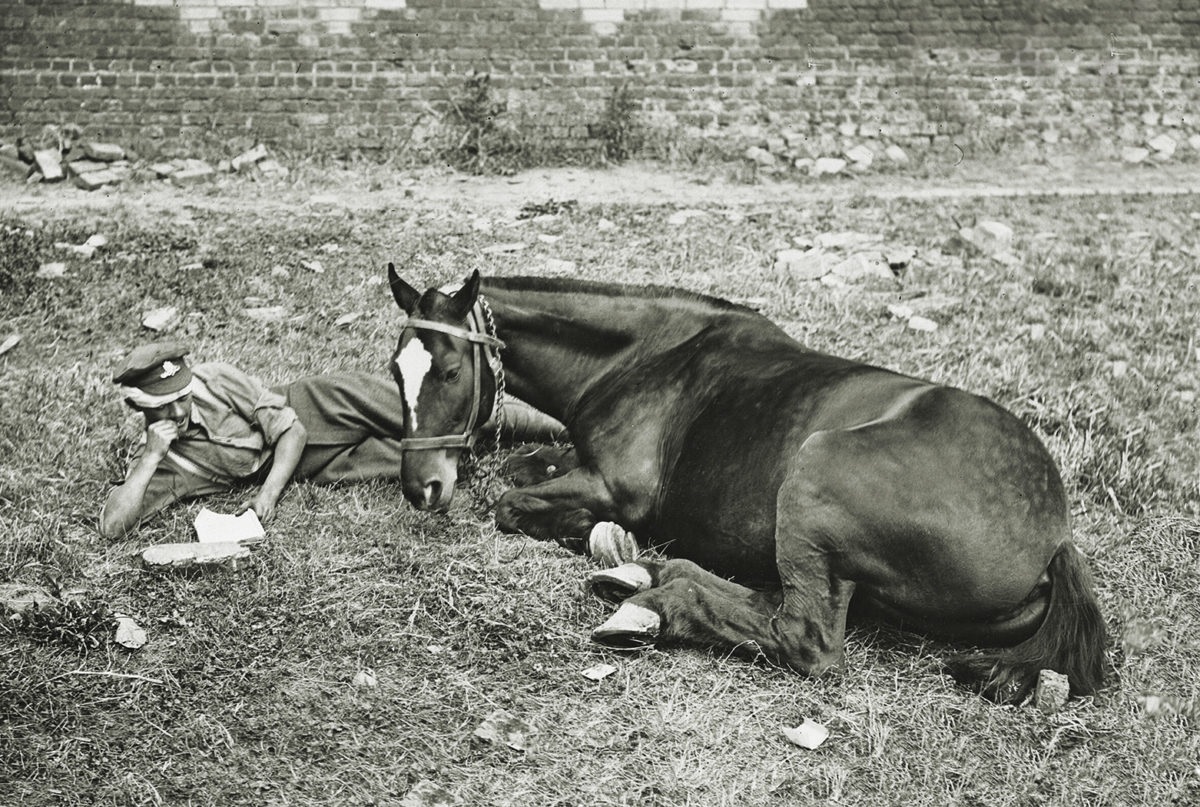
Transporting injured or exhausted horses to safer locations required coordination and careful handling to prevent further injury. Human ingenuity was evident in the use of wagons, stretchers, and improvised equipment designed to move horses efficiently while minimizing stress. Additionally, soldiers and volunteers often stayed with injured animals, providing comfort and monitoring during critical recovery periods.
These efforts reflect the deep recognition of horses as essential assets and companions in war. Human intervention mitigated some of the extreme hardships imposed by combat, disease, and environmental conditions, emphasizing that compassion, skill, and resourcefulness were vital in sustaining equine populations during World War I.
Frequently Asked Questions
How Many Horses Were Used In World War I?
You should understand that millions of horses were mobilized during World War I for cavalry, artillery, and logistical support. Estimates suggest that the British, French, German, and Russian armies collectively deployed several million horses over the course of the conflict. These animals were essential for transporting troops, supplies, and equipment across challenging terrain. The massive reliance on horses illustrates their critical role in wartime operations, and it sets the context for understanding the scale of losses and the conditions that led to high mortality rates during the war.
How Many Horses Died In World War I?
Historical estimates suggest that between 8 and 10 million horses died during World War I. These deaths resulted from a combination of combat injuries, disease, starvation, and harsh environmental conditions. The exact numbers are difficult to confirm due to incomplete records and the chaotic nature of war, but all available data highlight that the animal cost was staggering. Understanding how many horses died in WW1 emphasizes the significant human and logistical reliance on these animals and underscores the immense suffering endured by equine populations during the conflict.
What Were The Main Causes Of Horse Deaths During WW1?
The primary causes of horse deaths included artillery fire, gunshot wounds, shrapnel injuries, starvation, disease, and extreme environmental conditions. Horses were exposed to front-line combat, long marches, and inadequate shelter or nutrition, which weakened them and increased susceptibility to fatal illnesses. Malnutrition and overwork also contributed to mortality. Recognizing the multifaceted causes helps you understand that horse deaths were not solely due to combat but resulted from the combined effects of warfare, logistics, and harsh environmental conditions across battlefields.
Which Armies Suffered The Highest Horse Losses?
You should know that armies with the largest equine contingents, such as the British, French, German, and Russian forces, suffered the highest losses. The British Army alone lost over a million horses, while other major powers reported similar figures. Losses were influenced by the intensity of combat, supply limitations, disease outbreaks, and environmental challenges. These statistics reveal that the scale of reliance on horses directly affected mortality rates, and armies faced enormous logistical and operational difficulties as a result of these losses during World War I.
How Did Disease Contribute To Horse Deaths?
Disease played a significant role in equine mortality during World War I. Outbreaks of glanders, influenza, tetanus, and parasitic infections were common, exacerbated by poor sanitation, inadequate veterinary care, and prolonged exposure to extreme conditions. Disease often weakened horses, making them more susceptible to injury or death from overwork or environmental stress. Understanding this factor is essential to grasp why so many horses perished even without direct combat involvement, as disease accounted for a substantial portion of total fatalities on both sides of the conflict.
How Did Starvation Affect Horses On The Front Lines?
Starvation was a major contributor to horse deaths, as disrupted supply lines and insufficient forage left animals malnourished. Horses forced to work long hours without adequate nutrition lost strength, stamina, and immunity, making them more vulnerable to disease and injury. In some regions, soldiers supplemented rations by foraging, but scarcity and battlefield destruction limited options. Recognizing the impact of starvation helps you understand that logistical failures and environmental conditions were as deadly as combat itself, significantly increasing mortality rates among war horses.
Were Civilian Horses Also Affected During WW1?
Yes, civilian horses were affected as governments requisitioned animals for military use or supply purposes. Many were transported to battlefields, where they faced the same hazards as military horses, including combat, disease, and starvation. Some never returned, and local economies dependent on horses for farming or transport suffered as a result. Including civilian horses in mortality estimates highlights the broader societal and economic impact of World War I, demonstrating that the conflict’s toll extended beyond official military records.
How Accurate Are The Estimates Of Horse Deaths?
Estimates of horse deaths during World War I vary due to inconsistent record-keeping, battlefield chaos, and unrecorded losses. Many animals died from starvation, disease, or environmental hazards without formal documentation. While figures range from 8 to 10 million, the true number may be higher. These estimates rely on military records, veterinary reports, and eyewitness accounts, providing a general understanding of the massive scale of loss. Recognizing the limitations of historical data helps you interpret mortality statistics while appreciating the profound impact of the war on equine populations.
Final Thoughts
The scale of horse casualties during World War I reflects the immense challenges faced on the battlefield. Horses were subjected to extreme conditions, from artillery fire and harsh weather to exhaustion and disease, making survival incredibly difficult. Logistical demands and long marches further increased mortality, while limited veterinary care and scarce supplies compounded the problem.
Armies across Europe relied heavily on horses for transportation, cavalry charges, and carrying supplies, which meant that losses were both high and widespread. Attempts to rescue or care for injured horses were often limited by the chaos of war, leaving many animals to suffer or perish. Examining these factors provides a clear perspective on the staggering numbers involved and the human and animal cost of the conflict. Understanding these circumstances answers the question of how many horses died in WW1, highlighting the critical role and vulnerability of horses in wartime operations.