Do Horses Enjoy Racing? Understanding Their Behavior, Stress, and Motivation
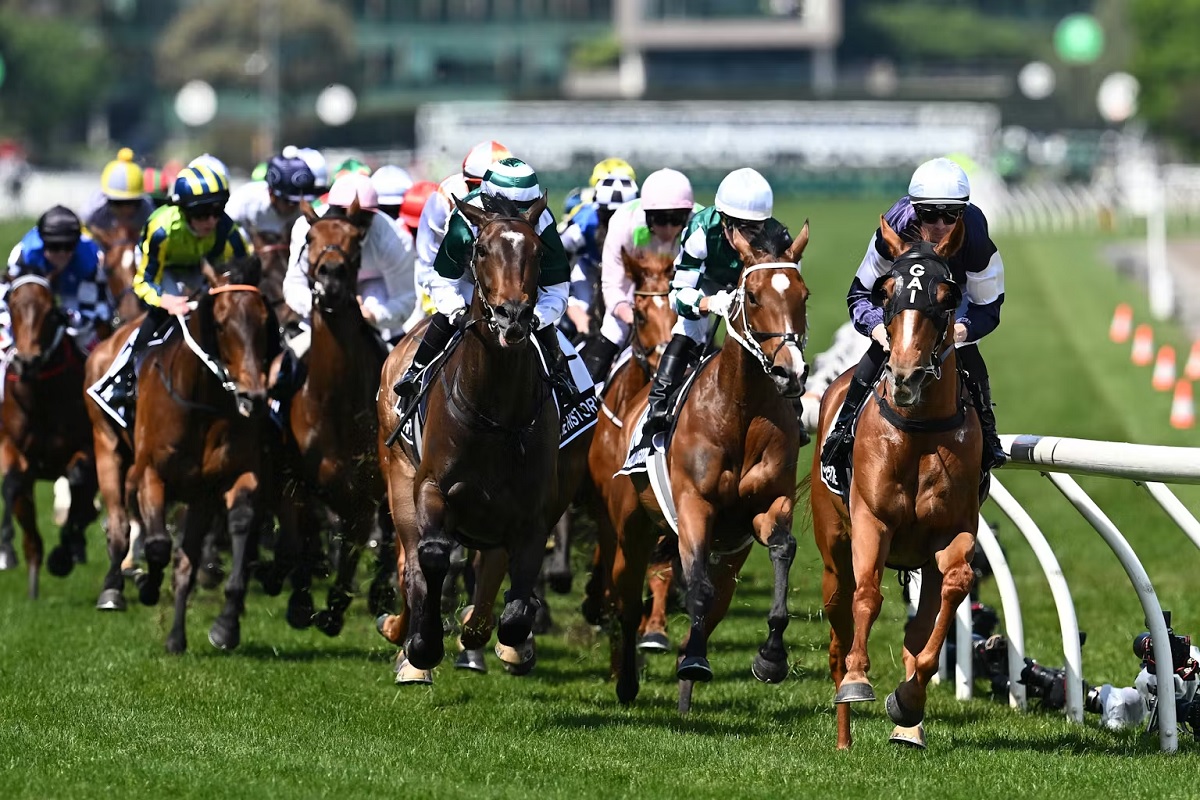
The thunder of hooves, the roar of the crowd, and the surge of speed on the track create a powerful image that fascinates people around the world. Behind this excitement lies a deeper question about the emotional experience of the animals at the center of the sport.
Many spectators and horse lovers often ask do horses enjoy racing when they see thoroughbreds charging toward the finish line. This curiosity comes from a growing awareness of animal welfare and a desire to understand whether performance aligns with a horse’s natural instincts.
Racing demands intense training, focus, and physical effort, all of which shape how a horse responds to the environment. Factors like temperament, conditioning, and daily handling influence whether the experience feels stimulating or stressful.
Exploring this topic helps balance admiration for the sport with responsibility. By understanding equine behavior and motivation, people can better judge how racing impacts horses beyond the excitement of competition.
Natural Instincts and Love for Running
Horses are born movers, shaped by evolution to travel long distances with efficiency and speed. Their bodies, senses, and social behaviors are closely tied to motion, making running more than just an activity. It reflects survival, communication, and expression. Understanding these natural instincts helps explain why movement plays such a central role in a horse’s physical and mental well-being.
Evolutionary Roots of the Running Instinct
From an evolutionary perspective, a horse’s instinct to run developed as a primary survival tool. In the wild, speed meant safety. Horses evolved as prey animals, and their ability to flee quickly from danger increased their chances of survival. This instinct remains deeply embedded, even in domesticated horses that no longer face predators daily.
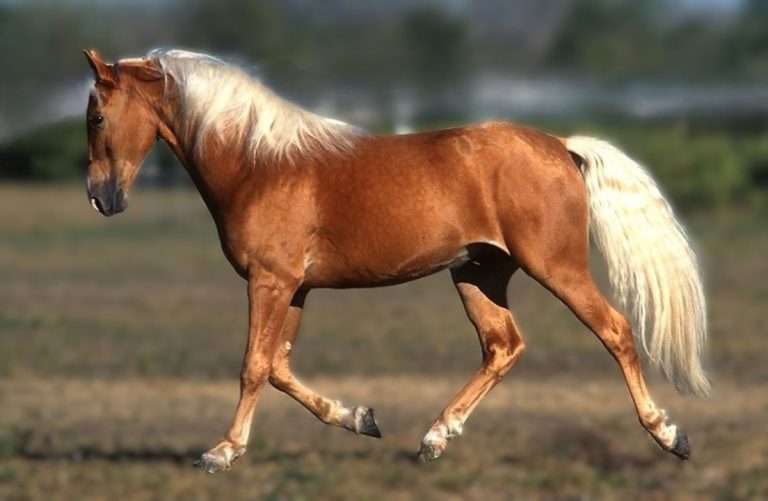
Their physical structure supports this natural drive. Long legs, powerful hindquarters, flexible spines, and efficient respiratory systems all work together to sustain movement over distance. When you observe a horse running freely, you see a body doing exactly what it was designed to do over millions of years.
Running also served a social function within herds. Movement helped maintain group cohesion, establish hierarchy, and signal alertness. A sudden burst of speed from one horse could prompt the entire herd to react, reinforcing the instinctive connection between awareness and motion.
Even in modern environments, this evolutionary wiring remains active. When a horse spooks or bolts, it is not disobedience but instinct taking control. Recognizing these roots helps you understand why running feels natural and often necessary for a horse’s sense of security.
Physical Satisfaction and Mental Release Through Movement
Running provides more than physical exercise; it offers mental release. Horses accumulate energy and tension when confined or under-stimulated. Free movement allows muscles to stretch, joints to stay lubricated, and circulation to improve naturally without forced effort.
From a mental standpoint, running can reduce stress. When horses move at their own pace, especially in open spaces, they often display relaxed behaviors such as lowered heads, rhythmic strides, and steady breathing. These signs indicate comfort rather than anxiety.
You may notice that horses turned out regularly tend to be calmer and more cooperative under saddle. This is because their need for natural movement has already been met. Running allows them to process their environment, burn excess energy, and maintain emotional balance.
The connection between motion and well-being becomes especially clear when horses lack opportunities to move freely. Stiffness, restlessness, and behavioral issues often appear when natural running instincts are suppressed. Providing appropriate outlets for movement supports both physical health and emotional stability.
How Instinctive Running Differs From Structured Performance
Natural running and structured athletic work are not the same experience for a horse. Instinctive running is self-directed, spontaneous, and responsive to the environment. The horse chooses speed, direction, and duration based on comfort and curiosity.
In contrast, structured performance requires controlled movement, cues, and repetition. While training refines skill and coordination, it does not replace the need for free expression of movement. Horses still benefit from moments when they can run without expectation or pressure.
Understanding this difference helps set realistic expectations. A horse may enjoy moving fast but still feel stress under competitive demands. Enjoyment comes from autonomy and comfort, not just speed alone.
Balancing training with natural movement supports long-term soundness and motivation. When horses are allowed to express their instinctive love for running outside of performance settings, they often show greater willingness and focus during structured work, creating a healthier and more respectful partnership.
Behavioral Signs That Suggest Enjoyment
Observing a horse’s behavior offers valuable insight into how it experiences different activities. Enjoyment in horses is not expressed through words but through posture, movement, and reactions to their surroundings. By paying close attention to consistent behavioral patterns, you can better understand when a horse feels comfortable, motivated, and positively engaged in what it is doing.
Relaxed Body Language and Willing Movement
One of the clearest indicators of enjoyment is relaxed body language combined with willing movement. When a horse feels at ease, its muscles appear loose rather than tense, and its strides flow smoothly without hesitation. The neck often stretches forward naturally, and the back moves freely, showing that the horse is not bracing against discomfort or stress.
You may notice ears positioned softly forward or gently rotating, indicating awareness without alarm. The tail typically swings in rhythm with movement instead of clamping tightly or swishing aggressively. These subtle signs suggest the horse is mentally present and physically comfortable.
Willing movement is equally important. A horse that steps forward easily, responds promptly to cues, and maintains a steady rhythm often reflects positive engagement. Resistance, such as frequent stopping or stiff transitions, usually signals discomfort rather than enjoyment.
When these relaxed behaviors appear consistently across sessions, they suggest the horse associates the activity with a sense of ease. This comfort forms the foundation for positive experiences and long-term cooperation.
Eager Anticipation and Positive Responsiveness
Eager anticipation can reveal a great deal about a horse’s emotional state. Horses that enjoy certain activities often show signs of readiness before being asked. This may include walking toward the gate when turnout time approaches or standing calmly while being tacked up without signs of avoidance.
Positive responsiveness under saddle or during ground work is another strong indicator. When a horse reacts promptly yet calmly to cues, it demonstrates mental focus rather than forced compliance. Smooth transitions, balanced turns, and steady pacing often reflect a cooperative mindset.
You might also observe a horse maintaining consistent energy without needing constant urging. This self-motivation suggests the activity aligns with the horse’s natural inclinations rather than feeling like an obligation.
These behaviors develop through trust and comfort. A horse that expects a positive outcome is more likely to remain attentive and willing. Over time, this anticipation strengthens the bond between horse and handler, reinforcing mutual understanding.
Playful Expressions and Social Behaviors
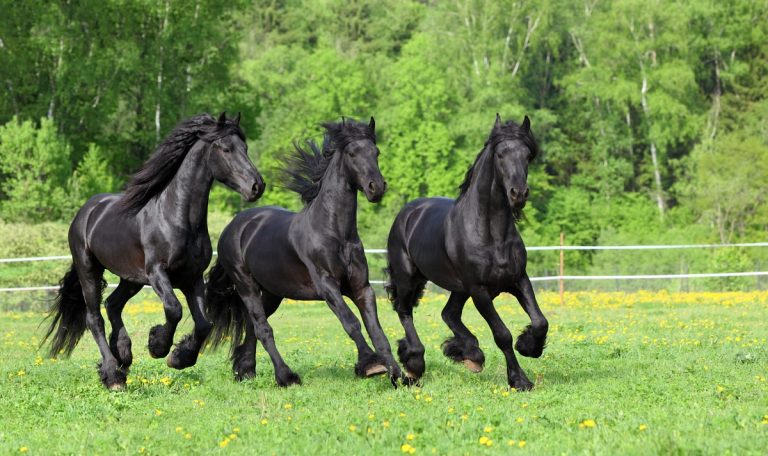
Playfulness is a powerful sign of enjoyment, especially when observed during free movement or interaction with other horses. Behaviors such as bucking lightly, playful cantering, or sudden bursts of speed often occur when a horse feels energetic and emotionally balanced rather than stressed.
Social behaviors also provide clues. Horses that enjoy their environment often engage in relaxed interactions with herd mates, including mutual grooming or synchronized movement. These actions reflect comfort and emotional security within their surroundings.
During work, playful expressions may appear as soft nickers, curious glances, or a relaxed mouth without excessive tension. These signs suggest the horse is mentally engaged and not overwhelmed by pressure.
It is important to distinguish playful behavior from nervous energy. True enjoyment is usually accompanied by fluid motion and calm awareness, not frantic or erratic movement. Recognizing this difference helps ensure that playfulness is interpreted correctly and supported appropriately.
Consistency, Recovery, and Long-Term Attitude
Enjoyment is rarely shown through a single moment; it reveals itself through consistency over time. A horse that repeatedly shows positive behavior during similar activities is more likely experiencing genuine enjoyment rather than temporary tolerance.
Recovery after exertion also matters. Horses that cool down efficiently, return to normal breathing quickly, and remain calm after activity often indicate that the experience was manageable and not overly stressful. Lingering agitation or reluctance afterward may signal the opposite.
Long-term attitude is perhaps the most telling sign. Horses that maintain curiosity, confidence, and willingness as training progresses often associate their work with positive experiences. This attitude develops when physical comfort, mental stimulation, and respectful handling align.
By observing patterns rather than isolated behaviors, you gain a clearer understanding of how enjoyment manifests. These consistent signals help guide better training decisions and support a more balanced, positive experience for the horse.
Stress Indicators Seen in Racehorses
Racehorses operate in highly demanding environments where physical exertion, routine changes, and competitive pressure are constant. These factors can influence behavior in noticeable ways. Understanding stress indicators is essential for recognizing when a horse is struggling to cope. Careful observation allows trainers, riders, and caretakers to respond appropriately and support both performance and welfare.
Physical Tension and Changes in Movement
One of the earliest signs of stress appears through physical tension and altered movement patterns. A stressed racehorse may carry its head higher than usual, brace through the neck, or tighten the back muscles during work. Strides can become shorter and less fluid, reflecting discomfort or mental unease rather than physical fatigue alone.
You may also notice irregular pacing or inconsistent rhythm. Instead of moving forward freely, the horse may rush or hesitate, suggesting internal tension. Muscle stiffness during warm-up is another common indicator, especially when it persists beyond normal preparation time.
These changes often develop gradually. Subtle tension can turn into chronic tightness if left unaddressed. Observing how a horse moves before, during, and after exercise provides valuable insight into its stress level.
When movement becomes guarded or mechanical, it often signals that the horse is operating under pressure. Recognizing these physical cues early helps prevent longer-term issues related to overtraining or emotional strain.
Behavioral Resistance and Heightened Reactivity
Stress frequently manifests as resistance or heightened sensitivity to surroundings. A racehorse under pressure may spook easily, react sharply to familiar noises, or appear constantly alert without relaxing. This heightened reactivity reflects an overactive stress response rather than natural attentiveness.
Resistance behaviors can include reluctance to enter the starting gate, pulling against the reins, or refusing to stand calmly. These actions are often misinterpreted as disobedience, but they typically indicate discomfort or anxiety.
You may also observe repetitive behaviors such as pawing, head tossing, or excessive tail swishing. These actions serve as outlets for tension and suggest the horse is struggling to settle mentally.
Over time, ongoing stress can erode trust between horse and handler. Addressing these behaviors with patience rather than force is critical. Understanding the emotional root behind resistance allows for more effective and humane management strategies.
Physiological Signs and Recovery Patterns
Beyond visible behavior, stress affects a racehorse’s internal systems. Elevated heart rate that remains high after exercise can indicate emotional strain rather than fitness limitations. Slow recovery, heavy sweating, or uneven breathing patterns also point toward excessive stress.
Appetite changes provide additional clues. A stressed horse may eat less, become selective with feed, or show digestive irregularities. These signs often develop quietly but have long-term consequences if ignored.
Sleep patterns may also be disrupted. Horses under chronic stress often rest less or remain standing longer than usual, reflecting an inability to fully relax even in safe environments.
Monitoring recovery patterns over time helps differentiate normal exertion from stress overload. When physiological signs consistently fall outside healthy ranges, it signals the need to reassess training intensity, environment, and overall management to protect the horse’s well-being.
Role of Training and Conditioning
Training and conditioning shape how a horse experiences physical work and competition. When structured correctly, they build strength, confidence, and understanding. Poorly managed programs, however, can create confusion and strain. Recognizing the role of balanced training helps explain how preparation influences not only performance outcomes but also a horse’s physical comfort and mental readiness.
Building Physical Strength and Endurance Gradually
Effective training begins with gradual physical development. A horse’s muscles, tendons, and joints need time to adapt to increasing workloads. Conditioning programs that progress step by step allow the body to strengthen naturally, reducing the risk of injury and excessive fatigue.
Consistent, moderate exercise improves cardiovascular efficiency and muscular coordination. As fitness improves, movement becomes smoother and less effortful, helping the horse perform tasks with greater ease. This physical comfort directly influences attitude and willingness.
Overloading a horse too quickly can lead to soreness and compensation patterns. These issues often appear as stiffness, shortened strides, or reluctance to move forward. Such signs indicate the body is being pushed beyond its current capacity.
Gradual conditioning also supports long-term soundness. When strength is built steadily, the horse is more likely to maintain performance levels without physical breakdown. This foundation allows training to progress in a way that respects the horse’s limits while still encouraging growth.
Mental Conditioning and Learning Through Consistency
Training is not purely physical; it is a learning process. Mental conditioning helps a horse understand expectations and respond calmly to cues. Consistency in routines, signals, and environments reduces uncertainty and supports emotional stability.
Clear communication builds trust. When a horse receives predictable feedback, it learns faster and remains more relaxed. Confusion, on the other hand, often results in anxiety or resistance, which can undermine both performance and welfare.
Short, focused sessions are particularly effective. They allow the horse to process information without becoming mentally fatigued. Ending sessions on a positive note reinforces confidence and motivation.
Mental conditioning also involves exposure to new experiences in a controlled way. Gradual familiarization with equipment, settings, or sounds helps prevent overwhelming reactions. Over time, this approach creates a horse that is adaptable, attentive, and confident in its work.
Balancing Intensity, Rest, and Recovery
Training intensity must be balanced with adequate rest. Recovery is when the body repairs and strengthens itself. Without sufficient downtime, even well-designed programs can lead to burnout or injury.
Rest days and lighter sessions allow muscles and connective tissues to recover. They also give the horse mental space to decompress. This balance helps maintain enthusiasm and prevents chronic stress.
Signs of inadequate recovery include prolonged soreness, irritability, or declining performance. These indicators suggest that training demands exceed the horse’s ability to recover effectively.
Structured recovery strategies, such as varied exercise routines and turnout time, support overall conditioning. By respecting the need for rest, training becomes a sustainable process that promotes both physical resilience and mental well-being.
Racing Environment and Welfare Standards
The racing environment plays a critical role in shaping a horse’s physical comfort and emotional state. From daily housing to competition settings, every element influences well-being. Welfare standards exist to protect horses within this high-pressure industry. Understanding how environment and care practices intersect helps highlight the importance of responsible management in maintaining both performance and quality of life.
Stable Conditions and Daily Living Environment
A racehorse’s stable environment affects its health as much as training does. Adequate space, ventilation, and cleanliness support respiratory health and reduce physical stress. Horses kept in well-maintained stalls with proper airflow are less likely to experience discomfort or illness related to confinement.
Daily routines also matter. Regular feeding schedules, access to fresh water, and consistent handling create predictability. This stability helps reduce anxiety and supports healthy digestion and rest patterns. Horses thrive when their environment feels secure and familiar.
Turnout opportunities play an important role as well. Time spent outside the stall allows horses to move freely, socialize, and express natural behaviors. Limited turnout can contribute to frustration and behavioral issues, even in well-trained athletes.
Attention to bedding quality, noise levels, and lighting further influences comfort. Small environmental adjustments can significantly impact a horse’s ability to relax, recover, and maintain a balanced mental state within a racing stable.
Track Design, Equipment, and Safety Measures
The design of racing tracks and equipment directly affects safety and welfare. Track surfaces must provide adequate cushioning and traction to minimize impact on joints and tendons. Poor surface conditions increase the risk of injury and contribute to long-term strain.
Regular maintenance is essential. Consistent grading, moisture control, and inspection help ensure that surfaces remain predictable. Horses perform best when footing is reliable and free from sudden changes that could cause missteps.
Equipment such as saddles, bridles, and protective gear also plays a role. Proper fit prevents pressure points and discomfort that can interfere with movement. Ill-fitting equipment may lead to resistance or physical pain that affects both performance and behavior.
Safety protocols extend beyond equipment. Clear procedures for warm-up, starting gates, and post-race care help reduce stress and injury risk. These measures reflect a commitment to safeguarding horses within competitive environments.
Welfare Regulations and Ethical Oversight
Welfare standards are reinforced through regulations designed to protect racehorses throughout their careers. These guidelines address training limits, veterinary oversight, and recovery requirements. Regular health checks help identify issues before they become severe.
Ethical oversight includes monitoring medication use and enforcing rest periods. Responsible regulation aims to prevent overexertion and ensure that horses are not pushed beyond safe limits. Transparency in these practices builds trust within the industry.
Education also plays a key role. Trainers, jockeys, and caretakers benefit from ongoing learning about equine behavior and health. Increased awareness encourages better decision-making and promotes humane treatment.
When welfare standards are actively upheld, they create an environment where horses can perform while remaining protected. Strong oversight helps balance competitive goals with the responsibility to prioritize equine well-being.
FAQs
Do Horses Naturally Enjoy Racing?
You often see that horses are naturally inclined to run, especially in open spaces or with other horses. This instinct can make racing feel exciting for some horses, as it aligns with their natural behavior to move fast and compete lightly within a herd.
However, enjoying running does not always mean enjoying racing. Racing includes crowds, equipment, confinement, and pressure. Some horses adapt well and appear eager, while others tolerate it rather than truly enjoy it. Individual temperament plays a major role in how racing feels to a horse.
Can You Tell If a Horse Enjoys Racing?
You can often notice signs through behavior and attitude. A horse that enjoys racing may show eagerness during training, move forward willingly, and remain relaxed after a race. He or she may also recover quickly and stay mentally calm.
On the other hand, resistance, frequent anxiety, or reluctance to load or train may signal discomfort. You should understand that horses express enjoyment subtly. Observing long-term behavior patterns matters more than a single race-day reaction.
Does Training Affect Whether Horses Enjoy Racing?
Training has a strong influence on how a horse feels about racing. When you use gradual conditioning, consistency, and positive handling, a horse is more likely to feel confident and secure in the racing environment.
Harsh methods or excessive pressure can lead to fear and stress, even in athletic horses. You should know that a well-managed training routine helps a horse associate racing with familiarity rather than threat. Comfort and trust often determine whether racing becomes enjoyable or mentally draining.
Are All Horses Happy Competing On The Track?
Not all horses respond the same way to competition. Some horses thrive on structured routines, speed, and stimulation, while others prefer quieter work or different disciplines. You may notice that certain horses lose enthusiasm over time despite physical ability.
This does not mean they are weak or unfit. It simply reflects personality differences. You should recognize that forcing a horse into racing when it dislikes the environment can affect welfare, performance, and long-term soundness.
Is Racing Stressful Even If Horses Like Running?
Even if a horse enjoys running, racing can still be stressful. Loud crowds, travel, tight schedules, and starting gates can cause mental strain. You might see short-term stress responses that fade quickly after the race.
The key difference lies between temporary excitement and chronic stress. When proper care, rest, and recovery are provided, many horses cope well. Without those supports, stress can accumulate and reduce both enjoyment and overall well-being.
What Happens When Horses Retire From Racing?
When horses leave racing, you may notice changes in behavior that reveal how they felt about their careers. Some transition smoothly and remain energetic, while others become noticeably calmer or more relaxed.
This shift does not always mean racing was negative, but it can indicate relief from pressure. You should understand that post-racing behavior varies widely. A horse’s response often reflects how well you managed training, workload, and mental health during the racing years.
Conclusion
The question of whether competition benefits horses goes beyond speed and spectacle. Understanding equine behavior, physical limits, and emotional responses helps create a clearer picture of how racing affects them on and off the track.
Many people continue to ask do horses enjoy racing because the answer is not universal. Some horses show signs of enthusiasm, confidence, and willingness, while others display stress or discomfort. Individual temperament, quality of care, and training methods all shape these experiences.
Responsible management plays a decisive role. When welfare standards are strong, training is balanced, and recovery is respected, horses are more likely to remain comfortable and motivated. Observing behavior over time offers the most honest insight into their experience.
Ultimately, answering do horses enjoy racing requires attention, empathy, and accountability. Focusing on the horse’s well-being ensures that performance never outweighs care, allowing the sport to move forward with greater responsibility and understanding.