What Are Arabian Horses Used For: Real-World Roles and Modern Purposes
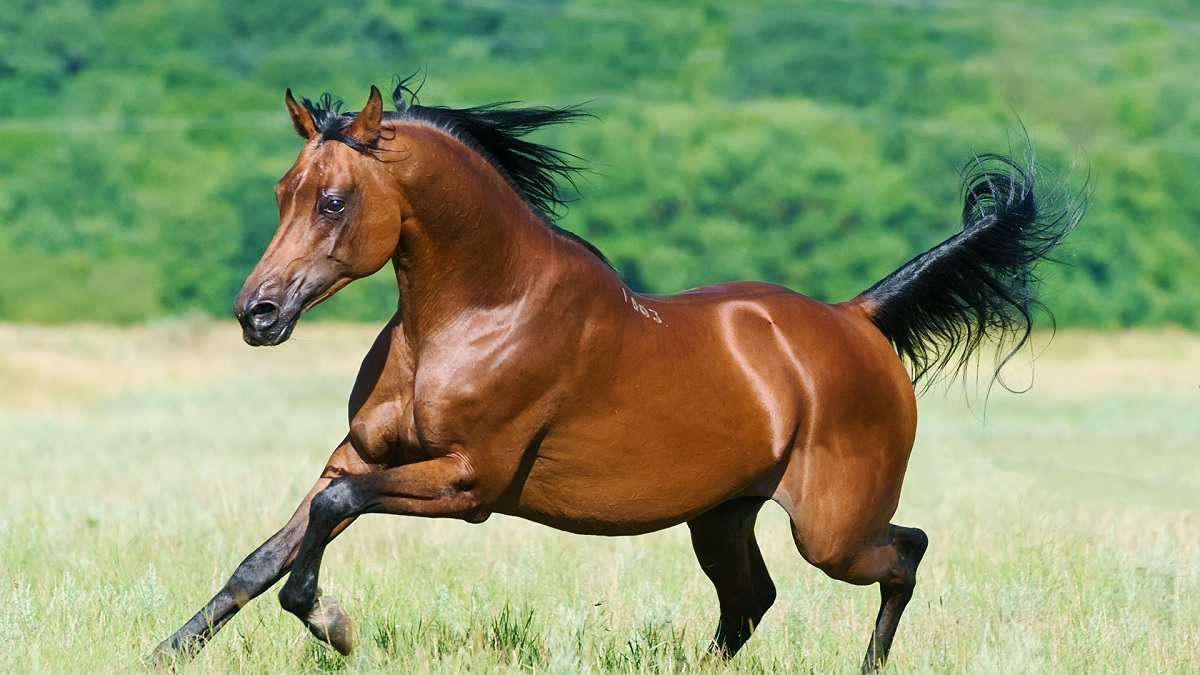
Arabian horses have a long-standing reputation for beauty, stamina, and intelligence, making them one of the most admired breeds in the world. Their refined appearance and strong connection with humans have allowed them to remain relevant in many equestrian activities even today.
Many horse enthusiasts often ask what are arabian horses used for as they see this breed excel beyond traditional roles. Known for their endurance and versatility, these horses naturally adapt to both competitive and recreational environments without losing their calm and willing nature.
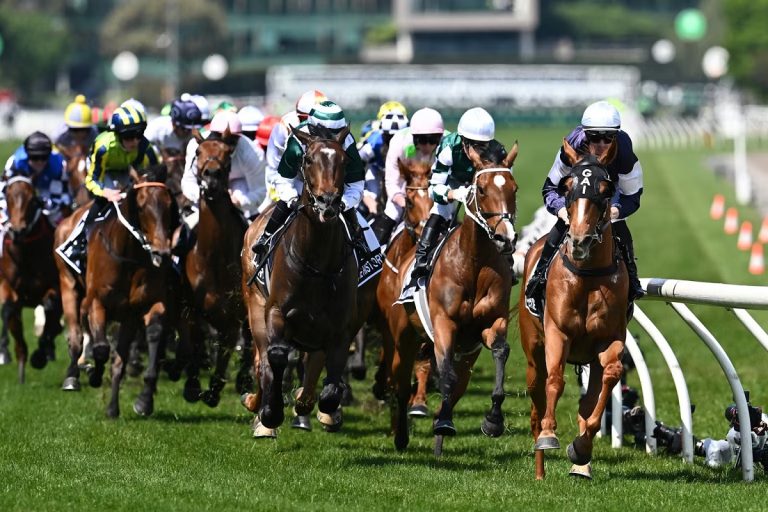
Across different regions, Arabian horses play a key role in endurance riding, where their cardiovascular strength and resilience truly shine. Riders also value them in pleasure riding, parades, and shows because of their expressive movement and alert personality.
Their influence extends into breeding programs as well, where Arabian bloodlines enhance speed, stamina, and refinement in other horse breeds. From sport to companionship, their balanced temperament and athletic ability continue to make them a preferred choice.
Competitive Riding Disciplines
Competitive riding disciplines highlight the athletic ability, intelligence, and versatility of horses in structured events. These disciplines test speed, stamina, precision, and the bond between horse and rider. From long-distance challenges to refined arena performances, competitive riding allows horses to showcase their natural strengths while riders demonstrate skill, strategy, and control in demanding environments.
Endurance Riding
Endurance riding is one of the most demanding competitive riding disciplines, focusing on stamina, conditioning, and long-term performance rather than short bursts of speed. In these events, horses cover distances ranging from 50 to 160 kilometers in a single day, often across varied terrain that includes hills, sand, and hard ground. Success depends on a horse’s cardiovascular health, soundness, and mental steadiness throughout the ride.
Arabian horses are especially prominent in endurance competitions because of their efficient metabolism and strong recovery ability. Riders must carefully manage pace, hydration, and rest stops, making the discipline as much about strategy as physical strength. Veterinary checks are conducted at multiple points to ensure the horse remains fit to continue, emphasizing welfare alongside competition.
Training for endurance riding involves gradual conditioning over months, building muscle and bone strength without overexertion. Riders develop a deep understanding of their horse’s signals, learning when to push forward and when to slow down. This discipline rewards patience, consistency, and trust, making it a true test of partnership between horse and rider across challenging distances.
Show Jumping
Show jumping is a fast-paced and technically demanding discipline where horses and riders navigate a course of obstacles within a set time. The goal is to clear each jump cleanly without knocking down rails or refusing obstacles. Courses are designed to test agility, balance, and responsiveness, requiring precise communication and quick decision-making.
In competitive environments, show jumping highlights a horse’s athleticism and ability to adjust stride length and speed between fences. Riders must maintain rhythm while guiding the horse through tight turns and complex combinations. Even a small mistake in timing or positioning can result in penalties, making focus essential throughout the round.
Training for show jumping emphasizes flatwork, strength building, and confidence over fences. Horses learn to judge distances and use their bodies efficiently, while riders refine their balance and aids. Mental sharpness plays a major role, as horses must remain calm despite bright arenas, crowds, and unfamiliar jumps. This discipline blends speed with accuracy, rewarding teams that demonstrate harmony, courage, and technical skill under pressure.
Dressage
Dressage is often described as the art of riding, focusing on precision, balance, and harmony between horse and rider. In competition, horse and rider perform a series of predetermined movements, known as tests, which are judged on accuracy, fluidity, and overall expression. Every movement reflects the quality of training and communication.
This discipline demands exceptional discipline and patience, as progress is built through consistent, correct training over time. Horses must develop suppleness, strength, and responsiveness, while riders learn to give subtle cues that guide each movement. Even the smallest shift in weight or rein contact can influence performance, making attention to detail critical.
Competitive dressage values calmness and concentration, requiring horses to perform with grace in a controlled environment. The focus is not on speed or height but on refinement and correctness. Through this discipline, riders demonstrate their ability to bring out the best in their horse’s natural movement while maintaining relaxation and balance, creating a performance that appears effortless despite the high level of skill involved.
Combined Driving
Combined driving is a multi-phase competitive discipline that tests versatility, endurance, and precision through three distinct stages. These stages typically include dressage, marathon, and cones, each evaluating different skills. Horses pull a carriage or cart, requiring strength, coordination, and teamwork with the driver and supporting crew.
The dressage phase assesses obedience and accuracy, similar to ridden dressage but adapted for driving. The marathon phase is the most physically demanding, involving long distances and obstacle hazards that test stamina, agility, and bravery. The cones phase challenges precision, as drivers navigate narrow paths marked by cones without knocking them over.
Training for combined driving focuses on conditioning, responsiveness to voice commands, and confidence in varied environments. Horses must remain calm while pulling equipment and responding quickly to directional cues. This discipline highlights not only physical ability but also mental focus, making it a comprehensive test of performance across multiple competitive elements without relying on speed alone.
Endurance Riding and Long-Distance Events
Endurance riding and long-distance events focus on stamina, careful pacing, and the ability to perform consistently over many hours. These competitions challenge both physical conditioning and mental strength, requiring riders to understand their horse’s limits while navigating varied terrain. Success in this discipline depends on preparation, recovery, and a strong partnership built through trust and experience.
Physical Stamina and Conditioning
Physical stamina is the foundation of endurance riding, as horses must travel extended distances while maintaining steady energy levels. Conditioning programs are designed to gradually build muscle strength, bone density, and cardiovascular efficiency. Long, slow distance training helps horses adapt to sustained effort, reducing the risk of fatigue or injury during competition.
Riders play a key role in managing conditioning by monitoring heart rate, breathing, and overall behavior during training sessions. Terrain variation, including hills and uneven ground, is often incorporated to strengthen different muscle groups. Rest days are equally important, allowing the body to recover and adapt to increased workloads over time.
Nutrition supports stamina by providing the energy needed for long rides. Balanced diets with appropriate forage and electrolytes help maintain hydration and muscle function. Through consistent conditioning and careful management, horses develop the resilience needed to perform confidently across long distances while staying sound and willing.
Mental Endurance and Focus
Mental endurance is just as critical as physical strength in long-distance events. Horses must remain calm, attentive, and responsive over many hours, often in unfamiliar environments. Exposure to new sights, sounds, and terrain during training helps build confidence and reduces stress during competition.
Riders support mental focus by maintaining a consistent rhythm and offering clear, steady cues. Abrupt changes in pace or direction can disrupt concentration, so smooth transitions are encouraged. Breaks at checkpoints provide time for relaxation, allowing horses to mentally reset before continuing the ride.
Trust between horse and rider strengthens mental endurance, as horses learn to rely on guidance in challenging situations. A confident rider reassures the horse, especially during demanding sections of the course. This partnership allows both to stay focused and composed, which is essential for completing long-distance events successfully.
Veterinary Checks and Horse Welfare
Veterinary checks are a central component of endurance riding, emphasizing horse welfare throughout the event. These checks occur at scheduled intervals and evaluate heart rate, hydration, gait, and overall condition. Horses must meet specific criteria before being allowed to continue, ensuring their health is never compromised.
Recovery time between phases allows horses to cool down and stabilize vital signs. Riders use this period to offer water, electrolytes, and gentle movement to support circulation. Any signs of lameness or excessive fatigue result in elimination, reinforcing the importance of responsible riding practices.
These welfare-focused measures encourage riders to prioritize long-term health over short-term results. Endurance events reward careful management rather than aggressive pacing. By placing veterinary oversight at the core of competition, this discipline promotes ethical treatment and sustainable performance across demanding distances.
Strategy, Pace, and Terrain Management
Effective strategy is essential in endurance riding, where managing pace and terrain determines overall success. Riders must balance speed with conservation, adjusting rhythm based on footing, elevation, and weather conditions. Fast starts often lead to fatigue, so experienced riders focus on steady progress.
Terrain management involves adapting riding style to hills, sand, or rocky ground. Walking steep inclines and allowing controlled movement on descents helps reduce strain on joints and muscles. Knowledge of the course allows riders to plan energy use across each segment.
Weather also influences strategy, as heat and humidity affect hydration and recovery. Riders monitor sweat levels and adjust electrolyte intake accordingly. By combining thoughtful pacing with terrain awareness, endurance teams maintain strength throughout the ride while supporting consistent performance across long-distance events.
Leisure Riding and Recreational Use
Leisure riding and recreational use focus on enjoyment, relaxation, and building a positive connection between horse and rider. These activities are less about competition and more about comfort, consistency, and shared experiences. Riders value steady temperaments, smooth movement, and adaptability, making recreational riding an ideal way to enjoy horses in everyday settings.
Trail Riding and Outdoor Exploration
Trail riding is one of the most popular forms of leisure riding, offering riders a chance to explore natural landscapes while developing a relaxed partnership with their horse. This activity involves traveling through forests, open fields, and countryside paths at a comfortable pace, allowing both horse and rider to enjoy the surroundings without pressure.
Horses used for trail riding must be calm, sure-footed, and responsive to light cues. Uneven terrain, wildlife, and changing environments require steady behavior and confidence. Riders benefit from learning how their horse reacts in different situations, strengthening trust through shared outdoor experiences.
Regular trail riding supports physical fitness by encouraging steady movement and muscle engagement without excessive strain. It also improves mental well-being, as horses become accustomed to varied sights and sounds. This recreational activity blends exercise with relaxation, making it a favored choice for riders seeking balance and connection beyond structured riding arenas.
Pleasure Riding and Daily Exercise
Pleasure riding centers on casual, routine rides designed to maintain fitness and provide enjoyment. Unlike competitive disciplines, this form of riding allows flexibility in pace and duration, adapting to the rider’s schedule and the horse’s comfort. It often takes place in familiar environments such as paddocks, arenas, or quiet trails.
This type of riding plays a key role in keeping horses physically active without intense demands. Regular movement supports joint health, muscle tone, and overall circulation. Riders use pleasure riding to reinforce basic training, practice smooth transitions, and maintain responsiveness through consistent, gentle work.
Beyond physical benefits, pleasure riding strengthens emotional bonds. Horses become more relaxed and cooperative when ridden without pressure, responding positively to calm guidance. Riders gain confidence and awareness, learning to read subtle signals. This daily interaction fosters mutual trust and keeps both horse and rider engaged in a stress-free routine.
Family Riding and Beginner Activities
Family riding and beginner activities introduce new riders to the world of horses in a safe and approachable way. These experiences often involve supervised rides, basic lessons, and gentle handling, focusing on comfort and confidence rather than technical skills. Horses selected for this role are patient, reliable, and tolerant of varied riding abilities.
Beginner-friendly activities include walking rides, simple steering exercises, and learning how to mount, dismount, and care for a horse. These foundational experiences help riders develop balance, coordination, and respect for the animal. Calm horses play a crucial role by providing predictable responses that build trust.
Family-oriented riding creates shared experiences that strengthen relationships and encourage outdoor activity. Children and adults alike gain appreciation for responsibility and empathy through interaction with horses. This recreational use supports learning and enjoyment, making horses accessible to a wider audience while maintaining a relaxed and welcoming atmosphere.
Horseback Activities for Wellness and Relaxation
Horseback activities focused on wellness emphasize relaxation, mindfulness, and emotional balance. Gentle rides, slow-paced sessions, and time spent grooming or walking with a horse offer therapeutic benefits. These activities help riders disconnect from daily stress and engage in the present moment.
The rhythmic motion of a horse promotes relaxation and can improve posture and balance. Riders often experience reduced tension and improved mood through consistent, low-pressure interaction. Horses respond to calm energy, creating a mutually soothing environment that benefits both parties.
Wellness-focused riding is commonly used in therapeutic and stress-relief programs, supporting mental and emotional health. The bond formed during these sessions encourages patience and awareness. Through leisure riding and recreational use, horses become companions in relaxation, offering a unique form of comfort and connection in everyday life.
Breeding and Bloodline Improvement
Breeding and bloodline improvement focus on preserving quality traits while enhancing performance, temperament, and overall soundness. Careful selection and responsible practices allow breeders to maintain consistency across generations. This process balances tradition with modern knowledge, ensuring that desirable characteristics are strengthened without compromising health or adaptability.
Selective Breeding Practices
Selective breeding is the foundation of effective bloodline improvement, requiring detailed evaluation of both physical and behavioral traits. Breeders assess conformation, movement, endurance, and temperament before choosing breeding pairs. This careful approach helps ensure that positive qualities are passed on while minimizing inherited weaknesses.
Pedigree analysis plays a major role in selective breeding, as understanding lineage reveals patterns of strength and potential concerns. Breeders study multiple generations to identify traits that consistently appear within a bloodline. This knowledge supports informed decisions that align with long-term goals rather than short-term results.
Modern breeding practices also incorporate performance records and health screenings. Evaluating past achievements and veterinary histories adds another layer of reliability. Through selective breeding, bloodlines gradually improve, producing horses that meet specific standards while remaining balanced, sound, and capable across various disciplines.
Preservation of Desirable Traits
Preserving desirable traits is essential to maintaining the identity and value of established bloodlines. Traits such as stamina, intelligence, strong bone structure, and balanced temperament are prioritized to ensure consistency. Breeders work to reinforce these qualities while avoiding excessive focus on a single characteristic.
Consistency is achieved through careful pairing that complements strengths and offsets weaknesses. For example, a horse with exceptional endurance may be matched with one known for sound conformation. This thoughtful approach supports overall balance and reduces the risk of extreme traits that could limit versatility.
Long-term preservation requires patience, as results often emerge over multiple generations. Breeders monitor offspring development to confirm that desired traits are expressed reliably. By focusing on preservation alongside improvement, breeding programs maintain authenticity while adapting to evolving performance and health standards.
Influence on Performance and Versatility
Bloodline improvement directly influences performance and versatility across equestrian activities. Horses with well-developed bloodlines often demonstrate stronger endurance, adaptability, and trainability. These qualities allow them to succeed in diverse roles, from competitive disciplines to recreational use.
Versatility is enhanced when breeding programs emphasize balanced development rather than specialization alone. Horses benefit from physical strength paired with mental steadiness, making them suitable for various environments and riders. This adaptability increases long-term value and usability.
Performance outcomes also reflect responsible breeding decisions that prioritize health and longevity. Soundness and resilience reduce the risk of injury and extend active years. Through thoughtful bloodline improvement, breeders contribute to producing horses capable of sustained performance while maintaining comfort and reliability throughout their working lives.
Horse Shows and Exhibition Purposes
Horse shows and exhibition purposes focus on presenting a horse’s appearance, movement, and training in a controlled and competitive environment. These events highlight refinement, discipline, and presentation rather than endurance or speed. Riders and handlers prepare carefully to ensure horses display confidence, balance, and responsiveness while meeting the specific standards of each show category.
In-Hand Showing and Halter Classes
In-hand showing and halter classes evaluate horses based on conformation, balance, and overall presentation without riding involved. Handlers lead the horse at a walk and trot, allowing judges to assess structure, movement, and breed characteristics. Attention to detail is essential, as posture, grooming, and responsiveness influence overall impression.
Preparation for these classes involves conditioning the horse to stand square, move smoothly, and respond calmly to cues. Regular handling builds confidence and ensures the horse remains relaxed in busy show environments. Grooming routines focus on coat condition, mane and tail care, and cleanliness to enhance visual appeal.
These classes play an important role in showcasing breeding quality and potential. Young horses often begin their show experience here, gaining exposure without physical strain. In-hand showing emphasizes natural qualities and careful training, making it a foundational aspect of horse shows and exhibition purposes.
Under-Saddle Show Classes
Under-saddle show classes highlight a horse’s movement, training, and partnership with the rider. Judges evaluate rhythm, balance, and responsiveness while observing how comfortably the horse performs required gaits. These classes demand smooth transitions and consistent form, reflecting the quality of preparation.
Riders focus on clear communication through subtle aids, guiding the horse through patterns or prescribed movements. Calmness and consistency are critical, as crowded arenas and unfamiliar surroundings can test focus. Horses trained for these classes develop confidence through repeated exposure and positive reinforcement.
Presentation remains a key factor, with tack, attire, and overall turnout contributing to the professional appearance. Under-saddle classes combine athletic ability with elegance, allowing horses to demonstrate training and composure. This format showcases the harmony between horse and rider, which is central to exhibition success.
Presentation, Training, and Show Readiness
Show readiness involves more than physical conditioning, requiring mental preparation and consistent training routines. Horses must adapt to noise, crowds, and travel while maintaining composure. Gradual exposure to show-like environments helps reduce stress and builds confidence over time.
Training focuses on responsiveness, steady movement, and controlled behavior. Repetition reinforces expectations, allowing horses to perform reliably in the ring. Handlers and riders also practice presentation skills, ensuring smooth entrances, precise positioning, and confident exits.
Attention to detail sets successful exhibitors apart. Clean tack, well-fitted equipment, and polished grooming enhance the overall impression. Show readiness reflects dedication and patience, as consistent preparation allows horses to present their best qualities. Through careful training and presentation, horse shows and exhibition purposes celebrate refinement, discipline, and partnership.
FAQs
What Are Arabian Horses Used For In Endurance Riding?
Arabian horses are widely used in endurance riding because you benefit from their natural stamina and efficient energy use. When you ride long distances, you rely on a horse that can maintain steady performance without tiring quickly. Arabian horses excel in this role due to their strong cardiovascular system and mental focus.
You also notice their quick recovery during rest checks, which helps you manage long events responsibly. Their willingness to keep moving and handle varied terrain makes them a top choice for endurance competitions around the world.
What Are Arabian Horses Used For In Competitive Riding Disciplines?
In competitive riding disciplines, Arabian horses are used for their agility, responsiveness, and intelligence. When you compete, you need a horse that listens closely and adapts quickly to your cues. Arabian horses offer that balance of sensitivity and control.
You often see them in endurance events, dressage, and show classes where precision and partnership matter. Their athletic build and expressive movement allow you to perform confidently while maintaining consistency throughout demanding competitions.
What Are Arabian Horses Used For In Leisure And Pleasure Riding?
Arabian horses are commonly used for leisure and pleasure riding because you can enjoy a smooth, comfortable experience. Their calm yet alert temperament makes them suitable for relaxed rides without constant pressure.
When you ride recreationally, you value a horse that forms a strong bond and remains dependable. Arabian horses respond well to gentle guidance, making daily riding enjoyable. Their adaptability allows you to ride on trails, open spaces, or familiar arenas with ease and confidence.
What Are Arabian Horses Used For In Horse Shows And Exhibitions?
In horse shows and exhibitions, Arabian horses are used to highlight elegance, refinement, and breed characteristics. When you present them, judges focus on posture, movement, and overall appearance. Arabian horses naturally draw attention due to their expressive presence.
You often see them in halter classes and under-saddle events, where presentation matters greatly. Their alert expression and graceful motion help you stand out in the ring while demonstrating careful training and preparation.
What Are Arabian Horses Used For In Breeding Programs?
Arabian horses are used in breeding programs to improve bloodlines and enhance desirable traits. When you breed horses, you aim to strengthen stamina, intelligence, and sound structure. Arabian bloodlines contribute these qualities consistently.
You also benefit from their influence on temperament, as they pass on trainability and balance. Breeders value them for producing versatile offspring that perform well across disciplines. This makes Arabian horses essential for long-term breeding and genetic improvement goals.
What Are Arabian Horses Used For In Family And Beginner Riding?
Arabian horses are used in family and beginner riding because you can rely on their manageable size and cooperative nature. With proper training, they adapt well to riders with limited experience.
When you introduce new riders, safety and predictability are important. Arabian horses respond positively to calm handling and consistent routines. Their intelligence helps beginners learn basic skills while building confidence. This makes them suitable for supervised lessons and shared riding experiences.
What Are Arabian Horses Used For In Wellness And Therapeutic Activities?
Arabian horses are used in wellness and therapeutic activities because you benefit from their sensitivity and calm energy. Their awareness of human emotions helps create a soothing environment during gentle interactions.
When you engage in relaxed riding or ground-based activities, the rhythmic movement supports balance and mental relaxation. Arabian horses respond well to soft cues and patience, making them suitable for stress relief and emotional well-being programs focused on connection and trust.
Conclusion
From competitive arenas to quiet trails, the versatility of Arabian horses continues to stand out in the equestrian world. Their balance of endurance, intelligence, and responsiveness allows them to perform confidently across multiple disciplines. This adaptability makes them suitable for both professional riders and those who enjoy riding for leisure or learning.
Beyond sport and recreation, many people often ask what are arabian horses used for when considering breeding, cultural events, or therapy programs. Their strong genetics, gentle nature, and striking appearance give them lasting value in breeding programs and public exhibitions. These qualities also support their role in educational and therapeutic settings.
Understanding what are arabian horses used for highlights why this breed remains respected worldwide. Whether supporting endurance competitions, improving bloodlines, or creating meaningful human connections, Arabian horses continue to prove their importance across modern and traditional equestrian uses.