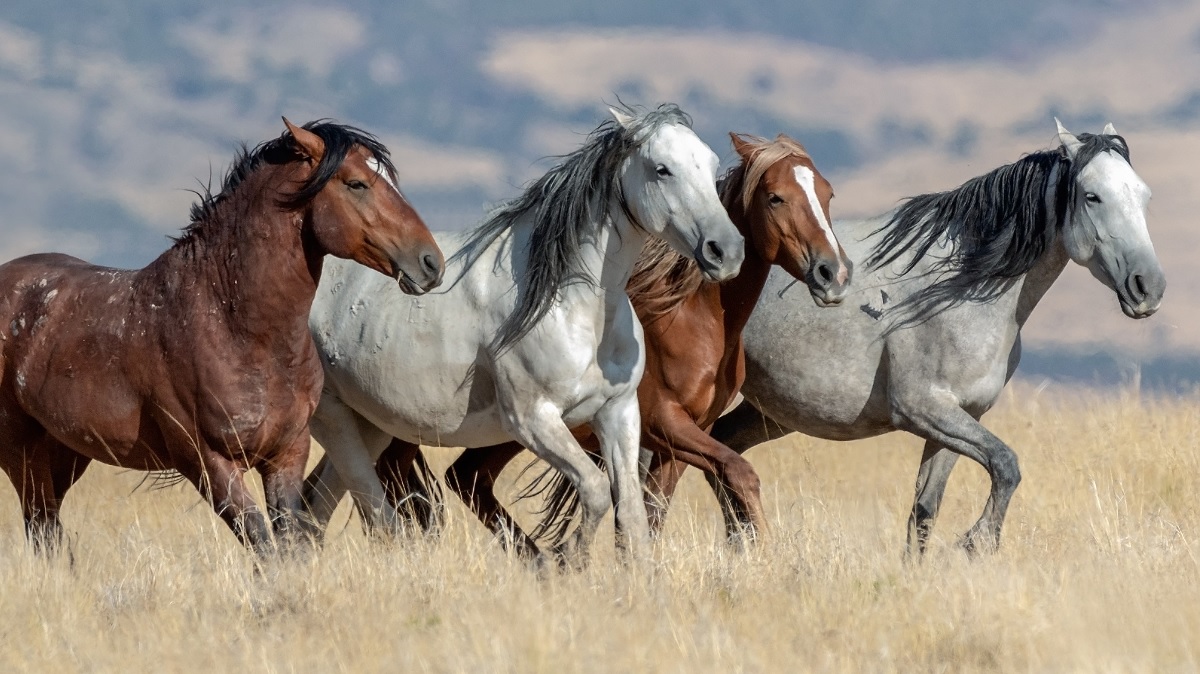
Where Does A Wild Horse Live: Top Habitats And Survival Tips
Wild horses are fascinating animals that capture the imagination with their strength, beauty, and independence. Their ability to survive in diverse and often harsh environments is a testament to their adaptability. Understanding their natural habitats provides insight into their behavior, social structures, and survival strategies, which is essential for conservation efforts and wildlife enthusiasts alike.
Different populations of wild horses have adapted to live in a variety of ecosystems, from arid deserts to open plains and mountainous regions. These environments provide the food, water, and shelter necessary for the horses to thrive. Observing their habitats helps researchers understand how wild horses interact with the landscape and other wildlife, and how seasonal changes influence their movement patterns.
Knowing where does a wild horse live also informs efforts to protect them from human encroachment and environmental threats. Preserving their natural habitats ensures that these iconic animals continue to roam freely.
Wild horses demonstrate remarkable resilience, navigating rugged terrain, extreme temperatures, and scarce resources. Studying their habitats highlights the importance of maintaining balance between wildlife conservation and human activity.
Natural Habitats of Wild Horses
Wild horses are highly adaptable creatures, capable of thriving in a range of ecosystems. Their natural habitats provide food, water, shelter, and space for social interactions. Understanding where wild horses live gives insight into their behavior, survival strategies, and migration patterns. These environments influence how they form herds, respond to predators, and endure seasonal changes.
Grasslands and Prairies
Grasslands and prairies are among the most common habitats for wild horses. These open environments provide abundant grazing opportunities, which is essential for a herbivore that spends most of its day feeding. Grasses, herbs, and shrubs make up the bulk of their diet, allowing horses to maintain their energy and strength while traveling long distances.
You should also note that grasslands offer wide visibility, which helps wild horses detect predators early and navigate their territory efficiently. Herds in these areas often develop strong social structures, with dominant stallions leading mares and young foals. Seasonal variations affect grass availability, causing herds to migrate in search of greener pastures. The openness of grasslands also influences herd movement patterns, spacing, and interactions with other wildlife, demonstrating the adaptability of wild horses to these ecosystems.
Deserts and Arid Regions
Some populations of wild horses have adapted to deserts and arid regions, where resources are limited, and temperatures can be extreme. Survival in these environments requires horses to travel long distances to find water and forage, often navigating rocky or sandy terrain.
You should consider that desert-adapted horses have developed strategies to conserve energy and manage hydration. They often feed during cooler parts of the day and rest in shaded areas to avoid heat stress. Their diet may include tougher vegetation, including shrubs and sparse grasses. Living in arid regions also impacts herd behavior, with social structures adjusting to ensure survival during periods of scarcity. These adaptations demonstrate the resilience of wild horses and their remarkable ability to thrive in challenging habitats.
Mountainous and Rugged Terrains
Wild horses can also inhabit mountainous or rugged terrains. These regions provide natural shelter, escape routes from predators, and access to seasonal grazing areas. Horses in these habitats often navigate steep slopes and rocky surfaces, requiring agility, balance, and strong hooves.
You should observe that mountainous habitats influence herd movement and behavior. Horses often migrate to lower elevations during harsh winters and return to higher areas in summer to graze. These environments encourage strong herd cohesion, as individuals must move together safely across uneven terrain. The combination of natural protection and available resources makes mountainous regions suitable for wild horses, even though the terrain demands significant physical endurance and adaptive skills.
Wetlands and River Valleys
Although less common, some wild horse populations inhabit wetlands, river valleys, or floodplains. These areas provide lush vegetation and reliable water sources, essential for maintaining hydration and nutrition. Horses in these habitats may have access to diverse plant species, including grasses, reeds, and aquatic plants.
You should consider that wetlands require horses to adapt to softer, sometimes muddy ground, and fluctuating water levels. Herds often establish home ranges near water sources, influencing social structures and movement patterns. Seasonal flooding may force temporary migration, demonstrating the flexibility of wild horses in adapting to environmental changes. Wetlands and river valleys highlight the diversity of habitats where wild horses can survive and thrive, showcasing their ecological versatility and adaptability.
Wild Horses by Continent
Wild horses are found in several regions around the world, each adapting to unique climates and ecosystems. Their distribution provides insight into ecological diversity and the historical spread of equine populations. Understanding where wild horses live by continent highlights the ways these animals survive in grasslands, deserts, mountains, and other environments.
North America
North America is home to some of the most well-known populations of wild horses, often referred to as mustangs. These horses primarily inhabit the western United States, including Nevada, Wyoming, and Montana. They roam vast grasslands, prairies, and semi-arid regions, traveling long distances to access food and water.
You should consider that North American wild horses descend from domesticated horses brought by European settlers. Over generations, these horses adapted to local conditions, developing resilience to harsh climates and limited resources. Herds in this region often consist of a dominant stallion, several mares, and their offspring, maintaining strong social structures. Conservation programs manage population sizes to prevent overgrazing and ensure sustainable habitats, reflecting the challenges of balancing wildlife preservation with human land use.
Europe
In Europe, wild horses are mostly found in protected reserves and national parks. Notable examples include the Przewalski’s horse in Mongolia and Eastern Europe, and feral populations in Spain, Portugal, and Romania. These horses inhabit grasslands, forest edges, and steppe regions, where they forage for grasses and shrubs.
You should note that many European wild horses are part of reintroduction programs. Conservation efforts focus on maintaining genetic diversity and protecting natural habitats from urban development and agriculture. Herd sizes are typically smaller than in North America due to limited space and human activity. European populations demonstrate how habitat preservation and managed care play crucial roles in sustaining wild horse communities across densely populated regions.
Asia
Asia hosts the Przewalski’s horse, considered the only true wild horse species. Native to Mongolia and parts of China, these horses thrive in steppe ecosystems with extreme seasonal temperatures. Adaptations such as thick winter coats and sturdy hooves allow them to survive harsh winters and sparse vegetation.
You should understand that Przewalski’s horses were once extinct in the wild and survived only through captive breeding programs. Successful reintroduction initiatives in Mongolia have restored small herds to their natural habitats. These horses live in tight social groups and migrate seasonally to access fresh forage and water. Asia’s wild horses illustrate how targeted conservation efforts can revive species that once faced extinction in their native habitats.
Australia
Australia features feral horse populations, often called brumbies, which descended from domestic horses introduced by settlers. Brumbies roam mountainous regions, grasslands, and arid interior areas, forming mobile herds that adapt to local conditions.
You should note that brumbies have a complex relationship with ecosystems. While they demonstrate remarkable survival skills, including efficient foraging and social cohesion, their impact on native flora and water sources has prompted management programs. Herds move in search of grazing and water, adapting to seasonal variations. Australia’s wild horses highlight the balance between preserving feral populations and protecting fragile environments.
Africa
In Africa, wild horses are rare, with most populations being feral descendants of domestic horses. These horses are primarily found in South Africa’s reserves and farms, inhabiting open grasslands and savannahs.
You should consider that African wild horses rely on natural water sources and grazing areas. Herds tend to be smaller due to limited suitable habitats and competition with other wildlife. Conservation programs focus on maintaining ecological balance while allowing horses to retain natural behaviors. Africa’s wild horses demonstrate adaptability in challenging climates, showing how even small populations can survive in diverse environments.
Seasonal Movement and Territory
Wild horses are highly adaptive, adjusting their movements and territorial behavior according to seasonal changes. Their migration patterns and territorial ranges are influenced by the availability of food, water, shelter, and breeding needs. Understanding how wild horses navigate different seasons provides insight into herd dynamics, survival strategies, and habitat requirements, which is critical for conservation and management efforts.
Migration Patterns and Seasonal Foraging
Wild horses often migrate within their home ranges to access food and water resources. During spring and summer, horses move to areas with abundant grasses and fresh vegetation, allowing them to maintain energy levels for growth, reproduction, and social activity.
You should note that seasonal foraging patterns influence herd movement distances and timing. In areas with harsh winters or dry seasons, horses may travel several miles daily to locate grazing and water sources. These migrations are often coordinated by the dominant stallion, who guides the herd while maintaining social cohesion. Seasonal movement also helps prevent overgrazing in one area and ensures sustainable use of available resources, which is vital for long-term survival.
Territory Size and Herd Structure
The size of a wild horse’s territory varies depending on habitat quality, population density, and herd size. In resource-rich regions, herds may occupy smaller territories, whereas in arid or low-vegetation areas, larger ranges are necessary to meet their needs.
You should understand that territory is closely linked to herd structure. Dominant stallions defend core areas and maintain social order, allowing mares and foals to access critical feeding and resting zones. Seasonal changes may shift territorial boundaries as horses adjust to resource availability. Understanding territory dynamics reveals how herds balance competition with other wildlife while maintaining sufficient space for grazing, reproduction, and shelter.
Breeding and Seasonal Influence
Reproductive cycles also affect seasonal movement and territorial behavior. Many wild horse populations breed during specific times of the year, which requires access to safe and resource-rich areas for foaling.
You should consider that stallions actively defend territories during breeding seasons, often engaging in displays or minor conflicts to maintain control over mares. Seasonal migrations can align with birthing periods, moving to areas that provide protection from predators and harsh weather. This synchronization of movement with reproduction demonstrates the strong influence of seasonal cycles on herd behavior and territorial decisions.
Environmental Challenges and Adaptation
Seasonal weather patterns, including rainfall, temperature extremes, and snow, impact wild horse movement and territory use. Horses adjust by seeking sheltered areas during extreme heat or snow and by migrating to regions with better grazing opportunities.
You should note that environmental pressures also shape herd strategies. Groups may split temporarily during scarce periods to reduce competition, then regroup when conditions improve. Adaptive movement patterns allow wild horses to survive fluctuating conditions while maintaining social cohesion and access to essential resources. These behaviors highlight the remarkable resilience and adaptability of wild horses to seasonal environmental changes.
Human Influence on Territory
Human activity, such as urban development, agriculture, and road construction, can disrupt natural seasonal movement and territorial ranges. Limitation of space or access to water sources forces horses to adjust traditional patterns.
You should understand that human interference may increase stress on herds, lead to overgrazing in restricted areas, and reduce genetic diversity due to isolated populations. Conservation efforts aim to protect corridors and habitats that support natural seasonal movement. Preserving these pathways ensures wild horses can maintain traditional behaviors, access resources, and thrive in their native ecosystems.
Food and Water Sources in the Wild
Wild horses rely on natural resources for survival, primarily grazing on grasses and drinking from available water sources. Access to adequate food and water shapes their movement patterns, social behavior, and overall health. Understanding what wild horses consume and where they find it provides insight into their adaptability and the ecological balance required to sustain populations in the wild.
Grazing Habits and Plant Preferences
Wild horses are primarily grazers, feeding on grasses, herbs, and other low-lying vegetation. Their diet varies depending on habitat, season, and availability. In grasslands and prairies, fresh grasses dominate, while in arid regions, horses may supplement their diet with shrubs, leaves, and hardy plants.
You should note that grazing habits influence daily movement, as horses often spend most of their day feeding to meet nutritional needs. Seasonal variations affect plant growth, requiring herds to adjust feeding locations and times. Wild horses have adapted to consume fibrous and coarse vegetation, which allows them to survive in habitats with limited high-quality forage. Their ability to select diverse plants demonstrates dietary flexibility, supporting survival in various ecosystems.
Water Sources and Hydration Strategies
Access to water is essential for wild horses, as dehydration can quickly become life-threatening. Horses typically drink from rivers, streams, ponds, or natural springs. In arid regions, water scarcity forces them to travel longer distances and adapt their routines to optimize hydration.
You should understand that horses have remarkable efficiency in using water. They can tolerate periods of limited intake and often consume larger amounts when water becomes available. Seasonal rainfall and environmental changes influence water availability, shaping migration patterns and territorial behavior. Ensuring access to reliable water sources is crucial for herd survival, particularly during droughts or in harsh climates where natural supplies are unpredictable.
Seasonal Changes in Food Availability
Seasonal changes play a significant role in determining the types and abundance of available forage. In spring and summer, lush grasses provide high nutrition, while fall and winter often bring sparse vegetation and lower-quality forage.
You should consider that horses adapt by altering grazing behavior, traveling greater distances, or consuming alternative plants. Herds may also adjust group size temporarily to reduce competition for limited resources. Seasonal feeding strategies highlight the adaptability of wild horses and their ability to maintain energy levels, health, and reproductive potential even under fluctuating conditions. Understanding these strategies helps explain migration, herd movement, and survival in diverse habitats.
Nutritional Needs and Foraging Behavior
Wild horses require a balanced intake of carbohydrates, fiber, vitamins, and minerals to sustain their energy and health. They achieve this through selective grazing, consuming a variety of plant species. Foraging behavior also includes moving in search of fresh growth, avoiding overgrazed areas, and adjusting eating patterns according to herd needs.
You should note that foals and lactating mares have higher nutritional requirements, which may influence herd movement and grazing priorities. The ability to select nutritious plants and balance energy intake with activity levels is critical for survival. This behavior demonstrates the horses’ ecological knowledge and adaptability to environmental conditions, ensuring both immediate survival and long-term herd stability.
Impact of Habitat Changes on Food and Water Access
Human activity, climate change, and habitat degradation can limit access to forage and water, affecting wild horse populations. Urban expansion, agriculture, and fencing restrict natural movement, while drought and seasonal fluctuations reduce resource availability.
You should understand that limited access to food and water may force horses to travel farther, expend more energy, and compete with other wildlife. Conservation efforts aim to protect critical grazing lands, water sources, and migration corridors to maintain ecological balance. Supporting natural habitats ensures that wild horses continue to thrive in environments that provide adequate nutrition and hydration.
FAQs
Where Do Wild Horses Typically Live?
Wild horses typically inhabit grasslands, prairies, deserts, and mountainous regions around the world. They choose areas with access to food, water, and shelter, which allows them to survive and maintain herd structures.
You should note that habitat choice also depends on seasonal changes and availability of resources. For instance, horses in arid regions may roam longer distances to find water, while those in grasslands focus on abundant grazing. Observing these habitats helps you understand their natural behavior, migration patterns, and social organization, highlighting their adaptability across diverse environments.
How Do Climate and Geography Affect Wild Horse Habitats?
Climate and geography play a significant role in determining where wild horses live. Horses in cold, mountainous regions grow thick winter coats and graze on available vegetation, while desert populations adapt to heat and limited water sources.
You should understand that terrain influences herd movement, territory size, and social behavior. Horses develop strategies to cope with seasonal changes, such as migrating to lower elevations in winter or seeking shaded areas in summer. Geography and climate together shape the survival strategies of wild horses in every ecosystem.
Are Wild Horses Found on Every Continent?
Wild horses are not found on every continent, but they exist in North America, Europe, Asia, Africa, and Australia. Populations vary between true wild species, like the Przewalski’s horse in Asia, and feral horses descended from domestic stock.
You should consider that continental populations have adapted to local ecosystems. North American mustangs roam grasslands and deserts, while European reserves often maintain smaller herds in protected areas. Understanding continental differences provides insight into habitat requirements, conservation needs, and regional survival strategies of wild horses worldwide.
How Do Water Sources Influence Where Wild Horses Live?
Water availability is a key factor in determining wild horse habitats. Horses require regular access to natural water sources such as rivers, streams, ponds, and springs to survive, particularly in arid regions.
You should note that herd movement often revolves around water access, with seasonal migrations occurring when sources dry up or become inaccessible. Observing water distribution helps explain herd patterns, territory size, and daily activity schedules. Access to water directly affects survival, reproduction, and overall health of wild horse populations.
Do Human Activities Affect Where Wild Horses Live?
Human activities, such as urban development, agriculture, and road construction, significantly impact wild horse habitats. These activities can restrict natural movement, reduce grazing areas, and limit access to water.
You should understand that habitat fragmentation forces wild horses to adapt to smaller or altered areas, sometimes increasing competition for resources. Conservation programs aim to protect migration corridors and preserve natural habitats. Awareness of human influence is essential to maintain healthy populations and ensure wild horses continue to thrive in safe, suitable environments.
How Do Wild Horses Choose Their Territories?
Wild horses select territories based on food, water, shelter, and safety from predators. Herds establish home ranges that provide sufficient resources for grazing, breeding, and social interaction.
You should consider that territory size varies with habitat quality and population density. Stallions defend core areas while mares and foals utilize safe feeding zones. Seasonal changes, such as drought or winter snow, may cause temporary adjustments in territorial boundaries. Observing territory selection helps you understand herd behavior, migration patterns, and the ecological needs of wild horses in the wild.
Conclusion
Wild horses thrive in a variety of environments, each providing the resources they need to survive. From open grasslands and plains to deserts and mountainous regions, these resilient animals adapt to their surroundings to find food, water, and shelter. Understanding their natural habitats helps us appreciate how they manage to survive in often harsh and unpredictable conditions.
When considering where does a wild horse live, it becomes clear that geography, climate, and availability of resources play a crucial role. Wild horses are often found in regions with abundant grazing areas, access to fresh water, and safe spaces for herds to roam. Seasonal changes can influence their movements as they seek areas that can sustain them through different weather conditions.
Ultimately, knowing where does a wild horse live highlights the importance of preserving these natural habitats. Conservation efforts, protected lands, and responsible land management are essential to ensure that wild horse populations continue to thrive and maintain the ecological balance of the regions they inhabit.