What Is A Tennessee Walking Horse: Traits, Training, And Care Tips
Tennessee Walking Horses are a distinctive breed known for their smooth gaits, calm temperament, and versatility, making them popular for riding, showing, and leisure activities. Many people are curious about their unique characteristics and history, which often leads to the question: what is a Tennessee Walking Horse? Understanding this breed requires exploring its origin, traits, and uses.
These horses were originally developed in the southern United States, combining qualities of gaited horses with endurance and strength. Their signature running walk and flat walk set them apart from other breeds, offering a smooth and comfortable ride. Riders and trainers appreciate their natural rhythm, making them ideal for long-distance riding or pleasure riding.
Temperament is another key feature of Tennessee Walking Horses. They are generally gentle, intelligent, and easy to handle, which appeals to beginners and experienced riders alike.
Physical Characteristics Of A Tennessee Walking Horse
The physical characteristics of a Tennessee Walking Horse define the breed and make it easily recognizable. Known for their elegance, balanced build, and distinctive gait, these horses combine athleticism with a smooth, comfortable ride. Understanding their physical traits helps riders, breeders, and enthusiasts appreciate their versatility, performance potential, and suitability for various equestrian activities.
Size And Build
Tennessee Walking Horses are generally medium to large-sized, standing between 14.3 and 17 hands high. When you observe these horses, you notice a well-proportioned frame with long, sloping shoulders, deep chest, and muscular hindquarters. This conformation supports both strength and agility, allowing for endurance and effortless movement.
Their lean yet muscular build contributes to their distinctive smooth gaits, particularly the flat walk and running walk. The neck is long and arched, providing a natural balance and grace while enhancing head carriage during motion. You notice that the combination of height, muscle distribution, and frame makes Tennessee Walking Horses versatile for both trail riding and show competitions.
Overall, their size and build strike a balance between elegance and athleticism, giving them the ability to carry riders comfortably while maintaining a visually appealing posture.
Head And Facial Features
The head of a Tennessee Walking Horse is refined, straight, and expressive, reflecting both intelligence and calm temperament. When you examine their facial features, you notice large, alert eyes, well-set ears, and a straight or slightly convex profile. These features contribute to clear vision, awareness, and responsiveness.
The muzzle is delicate and proportional, with wide nostrils to facilitate efficient breathing during extended rides. A broad forehead and gentle expression enhance their approachable and friendly demeanor, making them suitable for riders of all experience levels. You notice that the refined head, combined with a strong jawline and smooth throatlatch, provides both aesthetic appeal and functional advantage during riding.
These facial characteristics are not only attractive but also practical, supporting their natural endurance and performance in various riding disciplines.
Coat, Color, And Markings
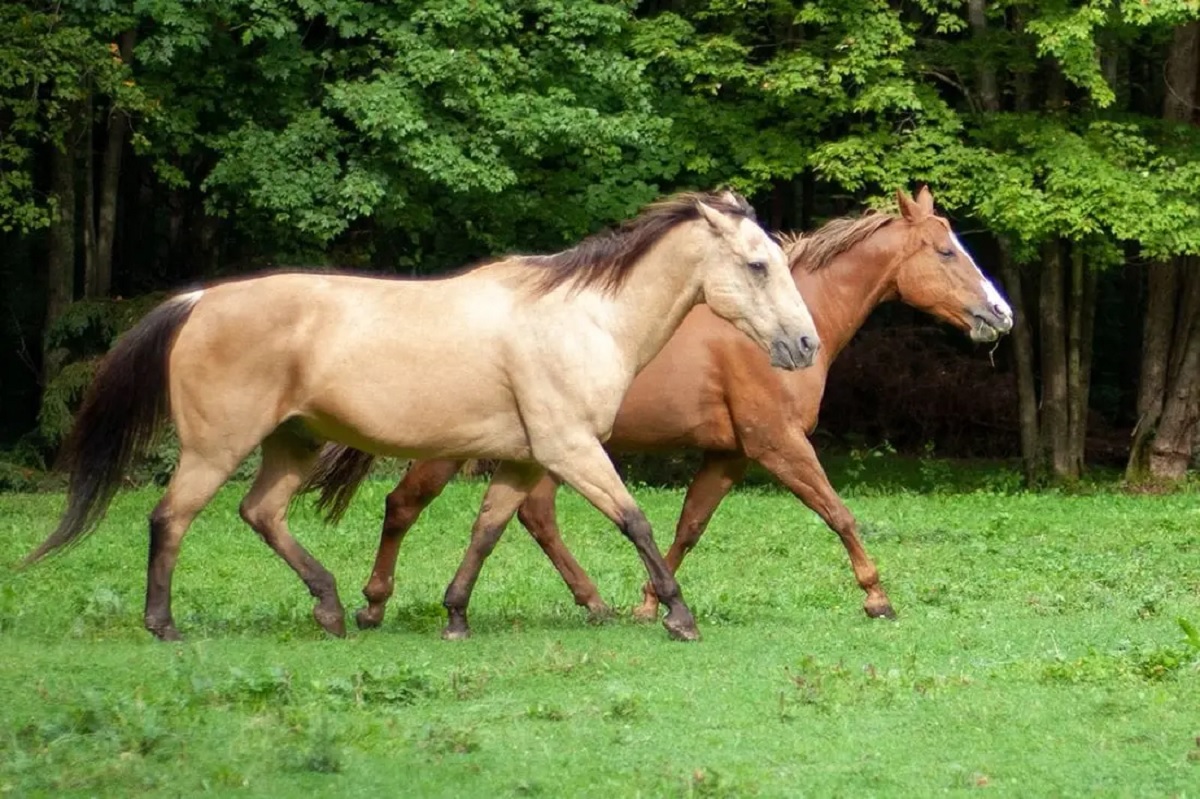
Tennessee Walking Horses display a wide range of coat colors and patterns, adding to their visual appeal. Common colors include black, bay, chestnut, gray, and palomino, while less common shades like roan or pinto are also recognized. You notice that the coat is typically short, sleek, and glossy, highlighting their muscular build and elegant lines.
Distinctive markings, such as stars, blazes, or socks, are often seen on the face and legs, adding individuality to each horse. Grooming and proper nutrition enhance coat shine and overall appearance, reflecting the horse’s health and vitality. Maintaining a healthy coat not only improves aesthetics but also protects the horse from environmental elements.
The variety of colors and markings allows enthusiasts to appreciate the breed’s diversity while showcasing the elegance and refinement that Tennessee Walking Horses are known for in show rings and recreational settings.
Legs, Hooves, And Movement
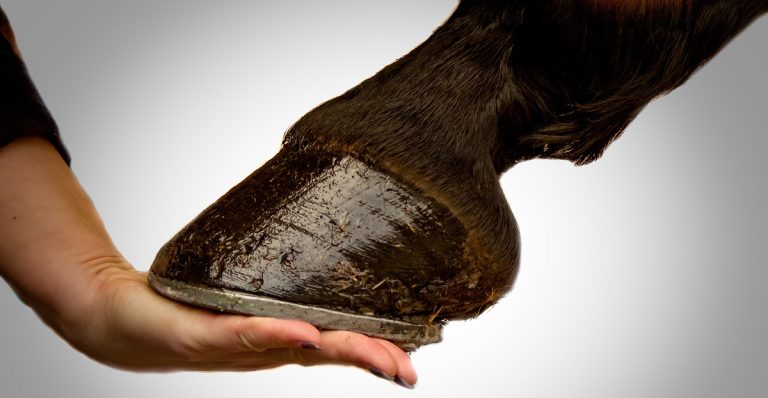
Strong, well-structured legs and sturdy hooves are essential for the Tennessee Walking Horse’s unique gait and endurance. Their legs are straight and well-muscled, with clean joints and well-defined tendons that support smooth, effortless movement. You notice that this conformation minimizes stress on the limbs during extended rides or training sessions.
Hooves are generally medium-sized and durable, providing a solid base for walking, running walks, and extended trail riding. The combination of strong legs and resilient hooves allows them to maintain stamina while reducing the risk of lameness or injury. Their distinctive running walk features a four-beat gait with a gliding motion, making the ride exceptionally smooth and comfortable for the rider.
Proper conditioning, hoof care, and exercise maintain leg strength and flexibility, ensuring that the horse performs well across different terrains and riding disciplines.
Overall Posture And Balance
The overall posture and balance of a Tennessee Walking Horse contribute to both functionality and aesthetics. A level topline, long neck, and well-set croup create a harmonious silhouette that enhances both comfort and performance. You notice that these horses carry themselves with elegance and poise, whether walking, trotting, or performing their characteristic running walk.
Balance is critical for smooth movement, weight distribution, and rider comfort. Their natural rhythm, combined with strong muscle support along the back and hindquarters, allows for effortless gaits and improved endurance. Proper training and conditioning further enhance posture, allowing them to perform consistently and comfortably.
Temperament And Personality Traits
Temperament and personality traits are defining aspects of the Tennessee Walking Horse, making them a popular choice for riders of all experience levels. Known for their calm demeanor, intelligence, and willingness to work, these horses are versatile companions in both competitive and recreational settings. Understanding their behavioral characteristics helps owners and trainers manage, train, and bond with them effectively while appreciating their natural abilities.
Calm And Gentle Disposition
Tennessee Walking Horses are renowned for their calm and gentle disposition. You notice that they approach riders and handlers with patience and tolerance, making them particularly suitable for beginners and families. Their serene nature allows for a relaxed riding experience, as they are less likely to spook at minor disturbances or sudden movements.
This calm temperament also extends to their interactions with other horses. Tennessee Walking Horses are generally sociable and adaptable within herds, displaying cooperative behavior that reduces conflict and stress. You notice that this reliability and predictability make training more efficient, as they respond well to consistent, gentle guidance.
The combination of a gentle demeanor and composure under pressure makes them ideal for trail riding, shows, and casual leisure activities, contributing to both rider confidence and overall enjoyment.
Intelligence And Trainability
Intelligence is another hallmark of the Tennessee Walking Horse. These horses are quick learners, capable of understanding complex commands and responding accurately to cues. When you work with them, you notice they can adapt to new routines and environments efficiently, making them versatile for various riding disciplines.
Their cognitive abilities contribute to their trainability, as they often retain lessons well and respond positively to reward-based methods. Horses with higher intelligence also excel in problem-solving scenarios, such as navigating obstacles or adjusting gait transitions smoothly. You notice that this mental acuity allows trainers to teach advanced movements, including their characteristic running walk and show maneuvers, without excessive repetition or frustration.
A combination of intelligence and willingness to cooperate enhances the overall experience for riders and trainers, making Tennessee Walking Horses both practical and enjoyable companions in a wide range of equestrian activities.
Friendly And Social Nature
The friendly and social nature of Tennessee Walking Horses makes them highly approachable. They form strong bonds with their handlers and often seek interaction and companionship. You notice that horses with a social disposition respond better to handling, grooming, and training, as trust and familiarity encourage positive behavior.
Their sociability extends to interactions with other horses, creating harmonious group dynamics in pastures or barns. This cooperative behavior reduces stress, minimizes aggressive tendencies, and promotes overall herd health. Horses that are well-socialized also tend to adapt quickly to new environments, making them excellent choices for shows, trail rides, and therapeutic programs.
By valuing and fostering social interaction, you enhance the horse’s confidence and willingness to engage, ensuring a positive experience for both horse and rider.
Patience And Reliability
Patience and reliability are among the most admired personality traits of Tennessee Walking Horses. You notice that these horses maintain a steady, consistent pace during rides, particularly in their signature running walk, which provides a smooth and comfortable experience for riders.
This patience is evident during training and handling, as they rarely exhibit impulsive or erratic behavior. Horses that are reliable in temperament are easier to manage in a variety of situations, whether navigating crowded show environments, long trail rides, or group riding lessons. You notice that their dependable nature also reduces the risk of accidents or stress for both horse and rider.
The combination of patience, steadiness, and predictable behavior makes Tennessee Walking Horses trusted companions, enhancing safety, performance, and rider confidence in diverse riding scenarios.
Adaptability And Versatility
Adaptability and versatility are key traits that define the Tennessee Walking Horse. These horses handle changes in environment, workload, and routine with relative ease, making them suitable for multiple disciplines, including trail riding, show competitions, and casual leisure riding. You notice that their ability to adjust to varying conditions contributes to both performance and mental well-being.
Versatility also extends to interactions with riders of different skill levels. Tennessee Walking Horses are responsive enough for experienced riders seeking precise control, yet forgiving and patient enough for beginners learning balance and coordination. Their adaptable personality allows them to excel in a wide range of activities without compromising behavior or comfort.
By combining calmness, intelligence, social skills, patience, and adaptability, Tennessee Walking Horses offer a balanced personality that supports both practical use and enjoyable companionship, making them one of the most respected and cherished breeds in the equestrian world.
Training And Riding Techniques
Training and riding techniques are essential for developing a Tennessee Walking Horse’s natural abilities while ensuring a safe and enjoyable experience for both horse and rider. Their intelligence, calm temperament, and unique gaits make them responsive to consistent training methods. Understanding the proper approaches to groundwork, saddle work, and gait refinement enhances performance, comfort, and the overall bond between horse and handler.
Basic Training Principles
The foundation of training a Tennessee Walking Horse begins with basic principles of consistency, patience, and positive reinforcement. You notice that horses respond best when commands, cues, and routines are clear and predictable. Starting with groundwork helps establish trust and respect, allowing the horse to understand boundaries and expectations.
Early training often focuses on leading, halting, and responding to voice and hand cues. Teaching proper ground manners prevents behavioral issues and sets the stage for smoother saddle work. Horses that learn these basics tend to adapt quickly to more advanced tasks, including gait refinement and show maneuvers. You notice that gradual progression, combined with rewards for correct behavior, builds confidence and encourages the horse to engage willingly in learning.
By prioritizing clear communication and patience, you create a strong training foundation that supports long-term success and reinforces the horse’s natural abilities.
Gait Training And Refinement
Tennessee Walking Horses are known for their signature gaits, including the flat walk and running walk. Proper gait training focuses on enhancing smoothness, rhythm, and consistency while maintaining natural movement. When you introduce gait work, it is important to encourage relaxation and responsiveness rather than forcing speed or exaggerated motion.
Using gentle rein and leg cues, trainers guide the horse to perform the running walk with correct head carriage, stride length, and fluid motion. Repetition and short training sessions help the horse understand cues without fatigue or frustration. You notice that successful gait training requires observation of balance, muscle development, and energy level to prevent strain or overexertion.
In addition to physical conditioning, mental engagement is key. Horses that understand cues and respond calmly demonstrate smoother, more consistent gaits, making riding more comfortable and enjoyable for both horse and rider. Proper gait refinement enhances performance in shows, trail riding, and pleasure riding alike.
Saddle Work And Riding Techniques
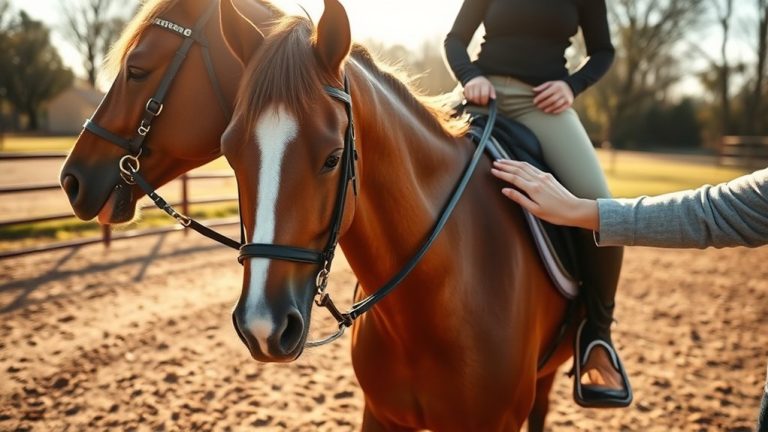
Saddle work builds on groundwork and gait training to develop strength, responsiveness, and rider-horse communication. You notice that correct saddle fitting is essential to avoid discomfort, which can affect movement and attitude. Starting with light, short sessions helps the horse adjust gradually to weight and rein pressure.
Riding techniques focus on encouraging balance, rhythm, and proper posture. Using subtle cues from seat, legs, and reins, riders guide the horse through transitions between gaits while maintaining smooth, comfortable movement. Regular practice enhances coordination, strengthens muscles, and builds endurance. You notice that horses trained with clear, consistent communication exhibit more confidence and willingness to perform, reducing resistance and stress.
Advanced saddle work also emphasizes responsiveness to light cues, making the horse versatile across disciplines such as trail riding, competitive events, or leisure riding. By combining proper saddle work with consistent cueing, you enhance both performance and the bond between horse and rider.
Reinforcing Positive Behavior And Patience
Reinforcing positive behavior is a critical component of Tennessee Walking Horse training. You notice that using rewards such as verbal praise, gentle strokes, or treats encourages the horse to repeat desired actions and remain engaged during sessions. Avoiding harsh corrections prevents fear or anxiety, which can hinder learning.
Patience is equally important, as rushing the horse may lead to tension, resistance, or loss of rhythm in gait performance. Short, frequent sessions allow for gradual learning while reducing fatigue. Observing the horse’s responses, adjusting techniques, and providing rest periods ensures consistent progress.
By combining reinforcement, patience, and clear communication, trainers create a positive and effective learning environment. This approach supports the development of natural abilities, enhances smooth gait execution, and fosters a trusting and cooperative relationship between horse and rider.
Conditioning And Long-Term Training
Long-term training focuses on conditioning the Tennessee Walking Horse for endurance, strength, and sustained performance. Regular exercise routines, combined with proper nutrition and rest, build stamina, muscle tone, and joint health. You notice that conditioning sessions should vary in intensity, including walking, trotting, and gait-specific exercises to maintain balance and prevent overuse injuries.
Consistency in training helps the horse retain learned skills and improves responsiveness to cues. Periodic reassessment of gait quality, posture, and overall fitness ensures that the horse continues to progress safely. Incorporating both physical and mental challenges during training keeps the horse engaged and motivated.
Effective long-term training produces a well-rounded Tennessee Walking Horse capable of smooth, consistent gaits, reliable behavior, and optimal performance across various riding disciplines. Proper conditioning, skill reinforcement, and gradual progression contribute to a horse that is both confident and physically capable throughout its riding career.
Common Uses And Activities
Tennessee Walking Horses are prized for their versatility, gentle temperament, and signature smooth gaits. Their adaptability makes them suitable for a wide range of equestrian activities, from competitive events to recreational riding. Understanding the common uses and activities for this breed helps owners and riders appreciate their strengths, ensure proper training, and enjoy the full potential of these remarkable horses.
Trail Riding And Leisure Activities
Tennessee Walking Horses are highly popular for trail riding and recreational use due to their calm disposition and smooth running walk. You notice that riders often choose this breed for long rides because their natural gait reduces fatigue and provides a comfortable experience, even over uneven terrain.
Their steady temperament allows them to handle various environments, including wooded trails, open fields, and water crossings. These horses are patient, reliable, and responsive to cues, which makes them ideal companions for beginners and experienced riders alike. You also notice that their endurance allows for extended rides without overexertion, making them perfect for weekend adventures or daily recreational riding.
Trail riding highlights the breed’s adaptability and endurance while reinforcing rider confidence. Their ability to maintain a consistent, smooth gait ensures a safe and enjoyable experience in a variety of outdoor conditions, making them a favorite choice among leisure riders.
Competitive Showing And Performance
Tennessee Walking Horses excel in competitive showing, where their unique gaits, posture, and elegance are judged. In horse shows, riders showcase the flat walk, running walk, and sometimes the canter, emphasizing smoothness, rhythm, and style. You notice that consistent training and gait refinement are essential to perform at a high level.
The breed’s calm temperament and intelligence make them responsive to subtle cues, allowing precise control during competition. Performance classes often judge head carriage, stride consistency, and overall presentation, highlighting the horse’s natural elegance. Tennessee Walking Horses can also participate in versatility events, combining showmanship with trail and obstacle skills.
Competitive showing demonstrates both the physical capabilities and training responsiveness of the breed. By participating in these activities, owners can highlight the horse’s unique qualities while building experience, confidence, and a deeper connection between horse and rider.
Ranch Work And Utility Riding
Beyond shows and leisure, Tennessee Walking Horses are occasionally used for ranch work and light utility riding. Their stamina, smooth gait, and steady nature make them effective for patrolling pastures, herding livestock, or traveling across large properties. You notice that their calm demeanor allows them to navigate unpredictable environments without startling livestock or the rider.
While not as heavily muscled as some ranch-specific breeds, their endurance and agility allow them to perform tasks efficiently without excessive fatigue. Proper training ensures that they respond to commands, handle obstacles, and remain focused on tasks, making them reliable partners for farm or ranch work.
Their versatility in utility roles showcases their adaptability and mental steadiness. Whether managing animals or performing light labor, Tennessee Walking Horses combine comfort, reliability, and endurance to meet the demands of a variety of practical equestrian activities.
Therapeutic Riding And Educational Programs
Tennessee Walking Horses are also commonly used in therapeutic riding and educational programs due to their gentle nature, intelligence, and smooth gaits. Their calm demeanor and patience make them ideal for riders with physical, emotional, or cognitive challenges. You notice that the comfortable running walk reduces jarring motion, allowing riders to feel safe and supported during therapy sessions.
In educational settings, they provide a hands-on opportunity for students to learn horsemanship, grooming, and riding skills. Their willingness to engage with inexperienced handlers helps build confidence, empathy, and responsibility in young or novice riders.
By participating in therapeutic and educational programs, Tennessee Walking Horses contribute positively to human well-being and learning. Their temperament and smooth movement make them highly effective in environments that require patience, consistency, and trust, highlighting another unique application of the breed’s natural abilities.
Frequently Asked Questions
What Is A Tennessee Walking Horse Known For?
A Tennessee Walking Horse is best known for its smooth and distinctive running walk, which sets it apart from other breeds. This gait allows you to ride comfortably over long distances without experiencing excessive jolts or bumps.
You will notice that these horses have a naturally calm temperament, making them ideal for both beginner and experienced riders. Their graceful movement and gentle personality make them popular for trail riding, shows, and recreational activities. By understanding their unique characteristics, you can appreciate why the Tennessee Walking Horse is so highly regarded.
How Tall Does A Tennessee Walking Horse Typically Get?
Tennessee Walking Horses are medium to large-sized horses, typically standing between 15 and 17 hands high, which is roughly 60 to 68 inches at the withers. This size allows them to carry riders comfortably while maintaining balance and elegance.
You should consider the height when choosing a horse for riding or performance purposes. Taller horses may excel in certain shows, while slightly smaller ones may be more agile for trail riding. Understanding the typical height range helps you make better decisions when selecting your Tennessee Walking Horse.
What Is The Average Weight Of A Tennessee Walking Horse?
The average Tennessee Walking Horse weighs between 1,000 and 1,200 pounds, though this can vary depending on age, sex, and conditioning. Stallions tend to be heavier, while mares and younger horses may fall on the lower end of the scale.
Maintaining a healthy weight is essential for their performance and long-term health. You should monitor their diet, exercise, and body condition regularly. Proper nutrition, along with appropriate training, ensures your Tennessee Walking Horse stays strong, healthy, and ready for riding or showing activities.
What Kind Of Temperament Does A Tennessee Walking Horse Have?
Tennessee Walking Horses are known for their calm, gentle, and friendly temperament. They are often patient and easy to handle, which makes them perfect for beginners, families, and therapeutic riding programs.
You will find that these horses are highly social and respond well to consistent training and positive reinforcement. Their reliable personality makes them excellent partners for trail rides, shows, and everyday riding. Understanding their temperament ensures you provide the right environment and care for a happy and well-adjusted horse.
What Activities Are Tennessee Walking Horses Suited For?
Tennessee Walking Horses excel in activities that require smooth and steady movement. They are ideal for trail riding, pleasure riding, and long-distance travel due to their unique gait and stamina.
You can also train them for competitive shows, parades, and exhibitions, where their elegance and running walk are highly admired. Their calm temperament and adaptability make them versatile for recreational and professional purposes. Knowing the activities they are suited for helps you match your horse with the right kind of riding or work.
How Do You Care For A Tennessee Walking Horse Properly?
Caring for a Tennessee Walking Horse requires attention to diet, exercise, grooming, and health checks. Feeding high-quality hay, grains, and supplements supports their strength and stamina. Regular grooming helps maintain a healthy coat and detects potential injuries early.
You should also schedule routine vet check-ups, dental care, and hoof maintenance. Balanced exercise and turnout time are essential for mental and physical well-being. By following proper care routines, you ensure that your Tennessee Walking Horse remains healthy, happy, and ready for riding or showing.
How Do You Train A Tennessee Walking Horse Effectively?
Training a Tennessee Walking Horse focuses on encouraging its natural running walk while reinforcing good behavior. Positive reinforcement, consistency, and patience are key to developing a well-trained horse.
You should start with basic ground manners before moving on to riding exercises. Gradually introduce gait training, trail riding, or show routines, depending on your goals. Understanding their calm temperament and natural abilities makes the training process smoother and more effective. Proper training ensures your Tennessee Walking Horse performs safely and confidently in any activity.
Final Thoughts
The Tennessee Walking Horse is a breed celebrated for its smooth gaits, gentle temperament, and versatility, making it a favorite among riders of all levels. Its combination of intelligence, calmness, and adaptability allows it to excel in a wide range of activities, from trail riding and recreational use to competitive showing and therapeutic programs. Understanding these qualities gives insight into why the breed is so highly regarded.
Knowing what is a Tennessee Walking Horse also involves appreciating its unique physical characteristics, including its balanced build, refined head, strong legs, and signature running walk. These features not only make riding comfortable but also enhance performance, endurance, and overall reliability, whether in show rings or on extended trail rides.
Overall, learning about what is a Tennessee Walking Horse highlights the breed’s practicality, elegance, and friendly nature. For both new and experienced riders, these horses provide a combination of beauty, reliability, and enjoyment, making them exceptional companions in any equestrian setting.