How Do Wild Horses Trim Their Hooves Naturally: Insights for Horse Care
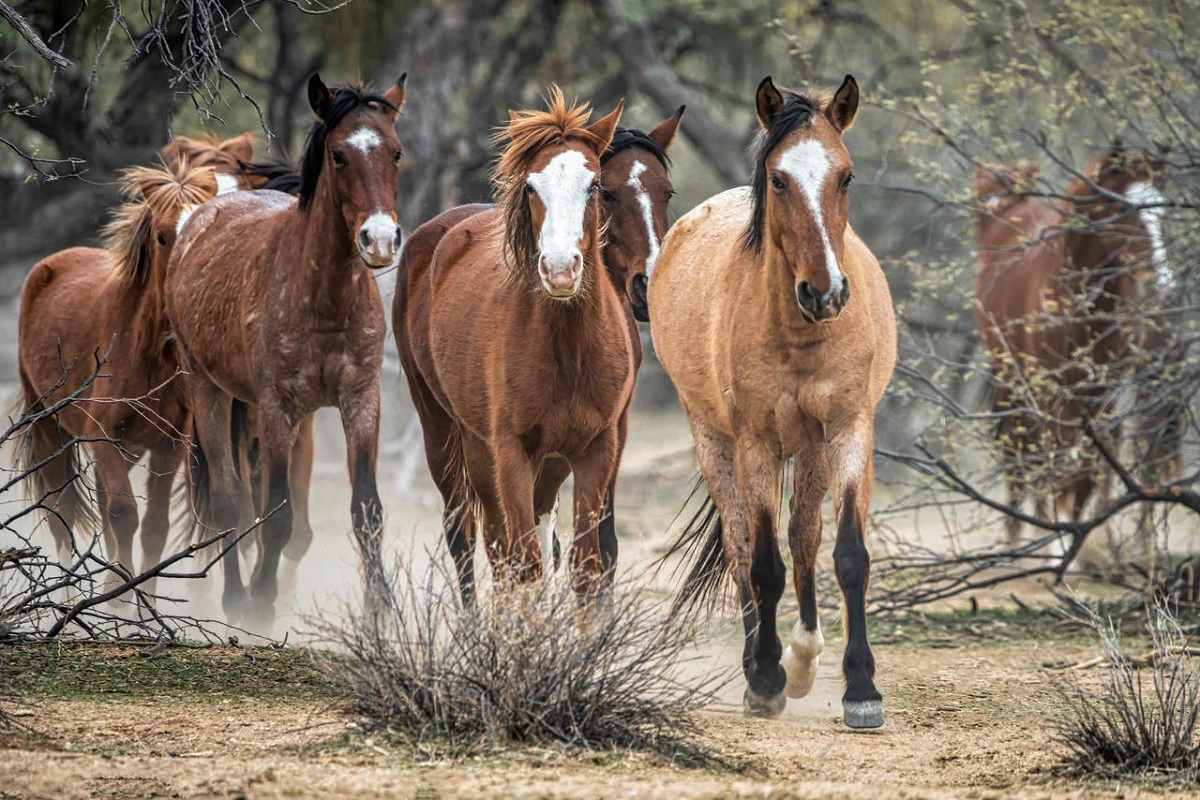
Hoof care is a critical aspect of equine health, and wild horses manage this naturally in their environment. Understanding the natural mechanisms behind hoof maintenance offers insight into equine biology and behavior. Many people wonder how do wild horses trim their hooves, and the answer lies in their constant movement across varied terrain. Wild horses travel long distances daily over rocks, sand, and hard-packed earth, which naturally wears down their hooves and keeps them in functional condition.
This natural trimming prevents overgrowth, maintains balance, and supports overall mobility. Observing wild horses demonstrates how diet, terrain, and regular exercise contribute to healthy hooves. Learning from their patterns provides valuable knowledge for managing domestic horses, highlighting the importance of movement and natural wear in maintaining strong, well-shaped hooves without relying solely on human intervention.
Natural Wearing Process of Wild Horse Hooves
Wild horses maintain healthy hooves through a natural wearing process shaped by their environment and daily activities. Constant movement across diverse terrains gradually trims their hooves, preventing overgrowth and maintaining balance. Rocks, sand, and uneven ground act as natural files, shaping the hooves while strengthening them. Understanding this natural mechanism highlights how wild horses sustain mobility and overall hoof health without human intervention. Observing these patterns can guide domestic hoof care practices and emphasize the importance of exercise and terrain for healthy hooves.
Terrain and Daily Movement
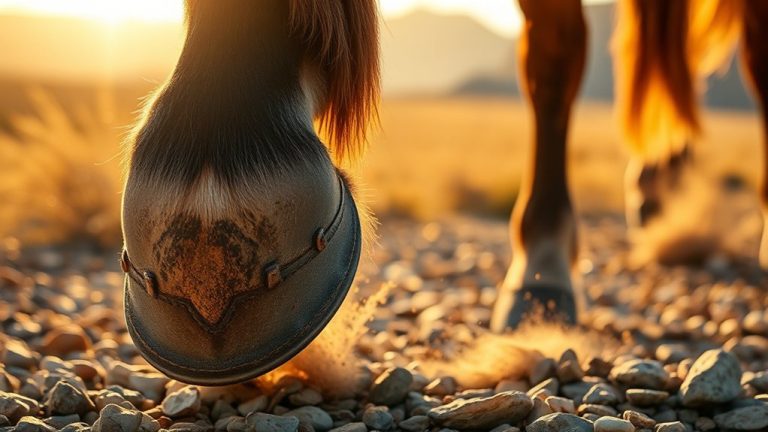
The natural wear of wild horse hooves is largely influenced by the terrain they traverse. Wild horses cover significant distances each day—often 10 to 20 miles—searching for food, water, and shelter. Rocky areas, hard-packed earth, and abrasive surfaces naturally grind down the hooves, wearing them evenly and preventing excessive growth.
Soft ground alone does not provide enough friction to maintain proper hoof length, but mixed terrain ensures gradual trimming and promotes strong hoof walls. Daily movement also encourages proper weight distribution across the hooves, maintaining balance and preventing uneven wear. The combination of varied terrain and continuous walking allows wild horses to maintain functional hooves that support endurance, agility, and overall health without human trimming or intervention.
Hoof Structure and Adaptation
The structure of wild horse hooves contributes to their natural wearing process. Hooves are made of keratin, a strong yet flexible material that responds to stress and friction. As horses move over different surfaces, the hoof wall and sole gradually wear down, while the frog—the central, softer part of the hoof—contacts the ground and stimulates circulation. This natural feedback encourages healthy growth and durability, ensuring the hooves remain strong enough to handle diverse environments.
Wild horses also adapt their gait to the terrain, adjusting stride length and pressure on the hooves to optimize wear. This self-regulating process prevents cracks, splits, or overgrowth that could hinder mobility. The interplay between natural hoof structure and environmental conditions allows wild horses to maintain balanced, functional hooves that support survival, demonstrating the efficiency of natural hoof care over time.
Seasonal and Environmental Influences
Environmental factors such as season, moisture, and forage availability also affect how wild horse hooves wear. Wet or muddy conditions can soften the hooves, slowing natural trimming, while dry, rocky areas accelerate wear. Seasonal changes in movement patterns, such as longer migrations during drought or winter, influence the rate and evenness of hoof wear.
Wild horses constantly adjust to these conditions, modifying their movement and terrain selection to maintain functional hooves. For instance, increased travel on rough surfaces during dry periods helps counteract reduced natural trimming from softer grounds. Observing this natural adaptation highlights the resilience of wild horse hooves and offers valuable insight for managing domestic horse hooves, emphasizing the importance of movement, environment, and terrain in promoting long-term hoof health.
Behavior That Supports Hoof Maintenance
Wild horses exhibit natural behaviors that play a crucial role in maintaining healthy hooves. Their daily routines, movement patterns, and social interactions all contribute to natural trimming and wear. Observing these behaviors provides insight into how horses prevent overgrowth, cracks, and other hoof problems without human intervention. Understanding these instinctive habits can guide domestic hoof care practices and highlight the importance of exercise, terrain exploration, and natural activity in sustaining strong, balanced hooves.
Constant Movement and Grazing
One of the primary behaviors that supports hoof maintenance is constant movement during grazing. Wild horses travel significant distances each day in search of food and water. This continuous activity promotes natural wear on the hooves, especially when traversing uneven or abrasive terrain like rocks, sand, and hard-packed soil. Walking and trotting distribute pressure evenly across the hooves, preventing imbalances or uneven growth.
Movement also strengthens muscles and joints, which indirectly supports hoof health by improving posture and weight distribution. Grazing in multiple locations encourages varied terrain exposure, enhancing natural trimming. Horses instinctively pace themselves, alternating between slow grazing and faster movement to maintain stamina. These behaviors collectively ensure that hooves are worn evenly, remain strong, and adapt to environmental challenges, reducing the risk of overgrowth or injury.
Social Interaction and Play
Social behaviors and play among wild horses also contribute to hoof care. Horses often engage in running, chasing, or sparring with herd members, which increases hoof contact with different surfaces and encourages natural trimming. Playful behavior helps develop balance, coordination, and agility, which indirectly promotes even wear and hoof durability.
Being part of a herd also influences movement patterns. Dominant and subordinate horses may move in coordinated ways to navigate terrain efficiently, ensuring that all herd members engage in regular exercise and varied surface exposure. This social aspect of behavior reinforces natural hoof maintenance and highlights the importance of activity, interaction, and instinctive movement for overall hoof health. Observing these behaviors provides valuable insight for replicating natural conditions in domestic horse care.
Seasonal and Environmental Effects on Hooves
Hoof health in horses is closely influenced by seasonal changes and environmental conditions. Moisture levels, temperature, terrain, and forage availability all affect how hooves grow, wear, and maintain their strength. Understanding these factors helps you manage domestic horse hooves more effectively and ensures long-term hoof health. Seasonal shifts and environmental variations can accelerate or slow natural wear, influence hoof hardness, and even impact susceptibility to cracks or infections, highlighting the importance of adapting care practices to external conditions.
Impact of Moisture and Weather Conditions
Moisture and weather play a significant role in hoof quality and growth. During wet or rainy seasons, hooves absorb water, becoming softer and more prone to chipping, cracking, or splitting. Conversely, dry and hot conditions harden hooves, increasing natural wear but sometimes leading to brittleness if the ground is extremely hard.
Wild horses adjust to these seasonal changes by moving across varied terrain, naturally balancing wear and growth. In domestic settings, horses in consistently wet or muddy environments may require additional monitoring to prevent hoof problems, while those in dry climates may benefit from supplemental moisture or hoof care treatments. Observing seasonal patterns allows you to anticipate changes in hoof condition and make necessary adjustments to feeding, movement, and trimming routines. Properly managing hooves according to moisture levels and weather conditions helps maintain strength, balance, and overall hoof health throughout the year.
Terrain and Environmental Influence
The type of terrain horses traverse significantly affects hoof wear and maintenance. Rocky or abrasive surfaces accelerate natural trimming, while soft, sandy, or muddy areas slow down wear and may lead to overgrowth. Seasonal environmental changes often alter the type and availability of terrain, influencing how hooves respond.
Horses exposed to mixed terrain naturally maintain balanced hooves, while those in uniform or soft ground environments may require more human intervention. Environmental factors like temperature, vegetation, and seasonal migration patterns also influence movement and, consequently, hoof wear. Understanding these interactions allows caretakers to replicate natural conditions, adjust feeding and exercise routines, and provide supportive hoof care that accommodates environmental variability. Proper attention to terrain and seasonal effects ensures hooves remain functional, strong, and resilient.
Differences Between Wild and Domesticated Horse Hooves
Hooves of wild and domesticated horses differ significantly due to lifestyle, environment, and management practices. Wild horses rely on constant movement and natural terrain to wear their hooves, maintaining balance and strength without human intervention. Domesticated horses, on the other hand, often live on softer ground and receive regular trimming and care. Understanding these differences highlights how environment, activity, and management influence hoof health and informs proper care strategies for domestic horses to mimic natural hoof maintenance.
Natural Hoof Wear in Wild Horses
Wild horses maintain strong, balanced hooves through constant movement across varied terrain. Daily travel over rocks, sand, and hard-packed earth naturally wears the hooves, keeping them at functional lengths. The hoof structure of wild horses adapts to environmental conditions, with strong walls, resilient soles, and a durable frog that stimulates circulation.
Because they are continuously active, wild horses rarely suffer from overgrowth, cracks, or imbalances that can occur in domestic settings. Their hooves also develop according to terrain challenges, promoting strength, flexibility, and self-maintenance. Observation of wild horses shows that natural wear, combined with their instinctive movement patterns and grazing behaviors, provides consistent trimming and supports long-term hoof health without human intervention. The interplay between environment, exercise, and hoof structure ensures wild horses remain agile, balanced, and resilient.
Domesticated Hooves and Human Care
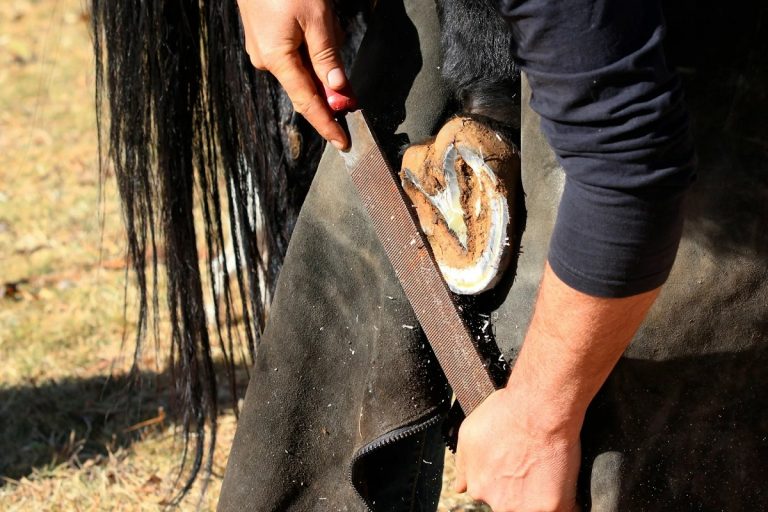
Domesticated horses often live on soft pastures, stalls, or arenas that do not provide natural abrasion for hoof trimming. As a result, they rely on regular farrier care to maintain proper length, shape, and balance. Hoof walls may grow unevenly, and without regular trimming, domesticated horses are at risk for cracks, splits, or imbalances.
Management practices, such as feeding, exercise, and housing, influence hoof condition. Limited movement reduces natural wear, while nutrient-rich diets can alter growth rates. Farriers replicate natural wear patterns through trimming and shoeing when necessary, helping maintain balance, protect against injury, and support performance. Unlike wild horses, domesticated horses require proactive care to prevent hoof problems and ensure proper functionality. Understanding the differences between wild and domesticated hooves underscores the importance of combining observation, exercise, and professional care to support domestic hoof health.
Behavioral and Environmental Adaptations
Wild horses naturally adapt their gait, stride, and terrain choice to promote hoof wear and prevent injury. Domesticated horses lack these environmental pressures, which can affect natural hoof shape and durability. Behavioral adaptations, such as rolling, running, or pacing in the wild, contribute to balanced wear that is difficult to replicate in domestic settings.
Environmental conditions, including ground hardness, moisture, and seasonal changes, impact both wild and domestic hooves differently. Domesticated horses require intentional management to mimic the natural benefits of varied terrain and consistent movement. Recognizing these differences allows caretakers to implement feeding, exercise, and hoof care practices that support natural wear patterns, prevent overgrowth, and maintain strong, functional hooves in domestic horses.
Signs of Healthy Wild Hooves
Healthy wild horse hooves reflect their natural environment, activity, and diet. Observing wild horses provides insight into functional hoof care without human intervention. Key indicators include balanced shape, durability, and proper wear patterns. Recognizing these signs helps you understand what constitutes strong, well-maintained hooves and informs domestic horse care practices. Healthy hooves support mobility, endurance, and overall well-being, ensuring horses can navigate varied terrain safely while maintaining structural integrity and preventing injury.
Balanced Shape and Wear Patterns
A clear sign of healthy wild hooves is a balanced shape and even wear patterns. Hooves that are naturally trimmed by movement across diverse terrain typically exhibit symmetrical walls, well-formed soles, and a robust frog. Balanced hooves support proper weight distribution, reducing the risk of lameness and joint strain.
Uneven or misshapen hooves are rare in wild horses because constant travel and varied surfaces naturally prevent overgrowth or irregular wear. The consistent contact with rocks, sand, and hard-packed soil ensures gradual trimming that maintains functional length. Observing these natural wear patterns highlights the importance of movement and environmental interaction in hoof maintenance, offering lessons for managing domestic horses.
Strength and Durability
Wild horses develop strong, durable hooves capable of withstanding harsh conditions. The walls are tough but flexible, the sole is resilient, and the frog absorbs impact while promoting circulation. This combination allows wild horses to travel long distances, navigate rocky terrain, and evade predators without injury.
Durability in wild hooves is maintained through natural stress and regular movement, which stimulate growth and strengthen the structure. Signs of healthy hooves include minimal cracks, no excessive chipping, and overall integrity despite rough environmental conditions. Strong, durable hooves reflect optimal nutrition, exercise, and natural wear, providing a benchmark for evaluating domestic horse hoof care practices.
Proper Hoof Function and Mobility
Healthy wild hooves enable efficient movement and agility. Horses with well-maintained hooves demonstrate smooth gait, balanced weight distribution, and confident navigation of challenging terrain. Hoof function is closely linked to overall health, as lameness or discomfort would impede daily activities like grazing and migration.
Indicators of functional hooves include even strides, firm footing, and no signs of pain or limping. Observing wild horses in their natural environment shows how proper hoof care, driven by movement and terrain exposure, supports stamina and survival. These signs provide guidance for maintaining domestic horse hooves to promote similar functionality, strength, and overall health.
People Also Asked
What Is A Trail Ride?
A trail ride is a horseback riding activity where you follow designated trails or natural paths outside of arenas or enclosures. Unlike arena riding, trail rides focus on exploring varied terrain, enjoying scenic views, and experiencing a connection with the environment. During a trail ride, horses navigate hills, streams, forests, and fields, allowing riders to practice balance, control, and communication with their horse. Trail rides can be leisurely or moderately challenging, providing physical exercise for both horse and rider while offering an enjoyable outdoor experience.
How Long Does A Trail Ride Typically Last?
The duration of a trail ride varies depending on the route, terrain, and riding goals. Short rides may last 30 minutes to an hour, ideal for beginners or casual outings. Moderate rides often last two to three hours, offering a mix of scenic exploration and riding practice. Extended trail rides can last several hours or even a full day, combining multiple trails and rest breaks for both horse and rider. You should plan rides according to experience, fitness, and the horse’s stamina to ensure a safe and enjoyable outing.
What Equipment Is Needed For A Trail Ride?
Trail riding requires basic horseback riding equipment for safety and comfort. A properly fitted saddle and bridle are essential for control and stability. Riders should wear helmets, boots with a heel, and comfortable, weather-appropriate clothing. Additional items may include water, snacks, first aid supplies, and a small saddlebag for longer rides. Properly checking and adjusting tack before heading out ensures both horse and rider remain safe throughout the ride. Having the right equipment enhances comfort, control, and enjoyment while navigating varied terrain.
Can Beginners Go On A Trail Ride?
Yes, beginners can enjoy trail rides with proper preparation and guidance. Many stables offer guided trail rides tailored for novice riders, focusing on safety, basic riding skills, and simple terrain navigation. Starting with shorter, less challenging trails allows beginners to build confidence and become familiar with horse behavior in outdoor environments. Riding with experienced guides or instructors ensures proper support, instruction, and safety measures. Gradually increasing trail difficulty and duration helps beginners develop skills while enjoying the natural scenery and the bonding experience with their horse.
Are Trail Rides Safe For Horses?
Trail rides are generally safe for horses when planned properly. Choosing trails suitable for the horse’s experience, fitness, and physical condition is crucial. Proper warm-up, pace management, and monitoring for fatigue or stress help prevent injuries. Well-maintained tack and safe riding practices also contribute to the horse’s safety. Observing the horse’s behavior and adjusting speed, obstacles, or route as needed ensures a positive experience. Routine health checks, proper hoof care, and conditioning help horses handle varying terrain and distances without compromising their well-being.
What Types Of Terrain Are Encountered On A Trail Ride?
Trail rides can include a wide variety of terrains, such as forests, meadows, hills, rivers, and rocky paths. Horses may walk, trot, or canter depending on the trail and rider experience. Terrain challenges, like uneven surfaces, slopes, or shallow water crossings, help improve the horse’s balance, coordination, and agility. Riders must adapt their speed and position to navigate safely while ensuring the horse remains comfortable. Varied terrain adds excitement and skill-building opportunities, making each trail ride a unique and engaging experience for both horse and rider.
How Can You Prepare For Your First Trail Ride?
Preparing for your first trail ride involves both horse and rider readiness. Riders should practice basic control, balance, and communication skills in an arena or safe environment before heading outdoors. Ensure the horse is comfortable with tack, obstacles, and varied terrain. Check equipment for proper fit and safety, and bring essentials like water, first aid, and snacks. Dressing appropriately and understanding trail etiquette helps create a safe and enjoyable ride. Starting with a guided ride or shorter, easy trails builds confidence and familiarity, making your first trail ride a positive experience.
Final Thoughts
Trail riding offers a unique way to connect with both nature and your horse while enjoying exercise and adventure. Understanding the essential skills, safety measures, and preparation required ensures that each ride is enjoyable and safe for both horse and rider. Paying attention to terrain, horse behavior, and proper equipment helps prevent accidents and keeps the experience comfortable.
Additionally, trail rides provide opportunities to strengthen the bond between horse and rider, build confidence, and explore scenic landscapes that are otherwise inaccessible. Whether taken leisurely or as part of a more challenging journey, knowing how to plan, pace, and respond to obstacles is key. By considering these factors and practicing responsible riding habits, you can maximize both enjoyment and safety. Learning what is a trail ride in practical terms empowers riders to embark on rewarding equestrian experiences with confidence and care.