Do They Eat Horse In Iceland – Myth or Fact
You do eat horse meat in Iceland, though it carries a complex cultural history. For centuries, Christian and pagan beliefs made horse meat taboo, linking it to sacrifice and social stigma. Today, it’s accepted more widely, especially as salted foal meat or sausages.
Production focuses on older horses that are no longer fit for riding. The Icelandic horse’s unique traits and symbolic value shape how horse meat fits into local food traditions. It’s pretty interesting how this all ties together.
If you want to understand this better, just explore more about the topic. The culinary role of horse meat in Iceland is definitely nuanced and worth learning about.
Do Icelanders Really Eat Horse Meat?
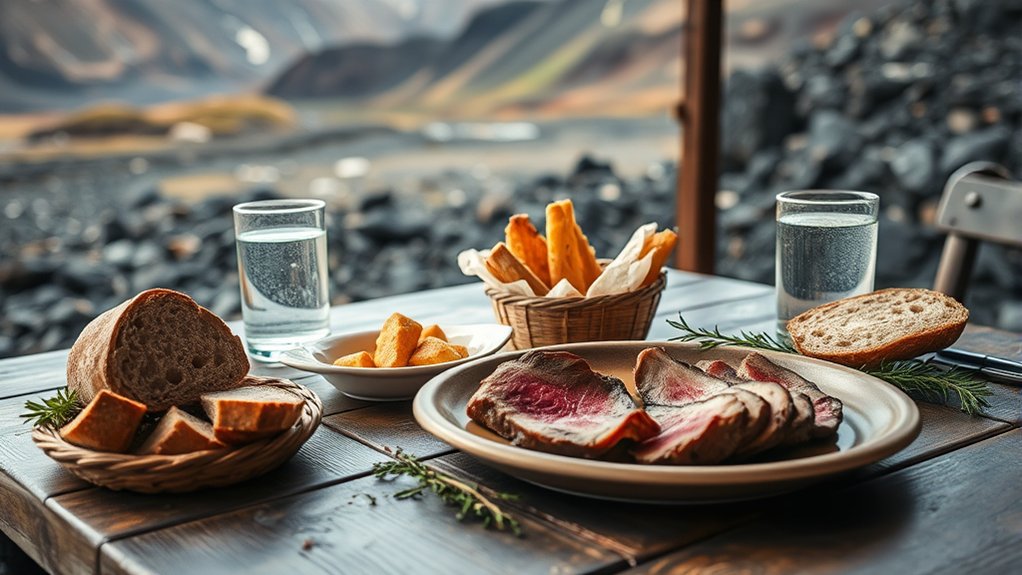
Although horse meat was once taboo in Iceland because of Christian beliefs, Icelanders do eat it today, mainly in traditional forms like salted foal meat and sausages.
Most horse meat comes from animals that are no longer suitable for riding, such as those with injuries or bad temper.
Horse meat is primarily sourced from horses no longer fit for riding due to injuries or temperament.
You’ll find horse meat in specific traditional dishes rather than everyday meals. While it’s culturally acceptable, only about 2% of all meat consumed domestically is horse, and much of the production is meant for export.
If you visit Iceland, you might notice this meat in those traditional dishes, but many Icelanders still have emotional reservations about eating horses.
It’s a complex relationship that balances cultural acceptance with personal feelings. So yes, Icelanders really do eat horse meat, but it’s a niche practice rooted in tradition and practicality.
The History of Eating Horse Meat in Iceland
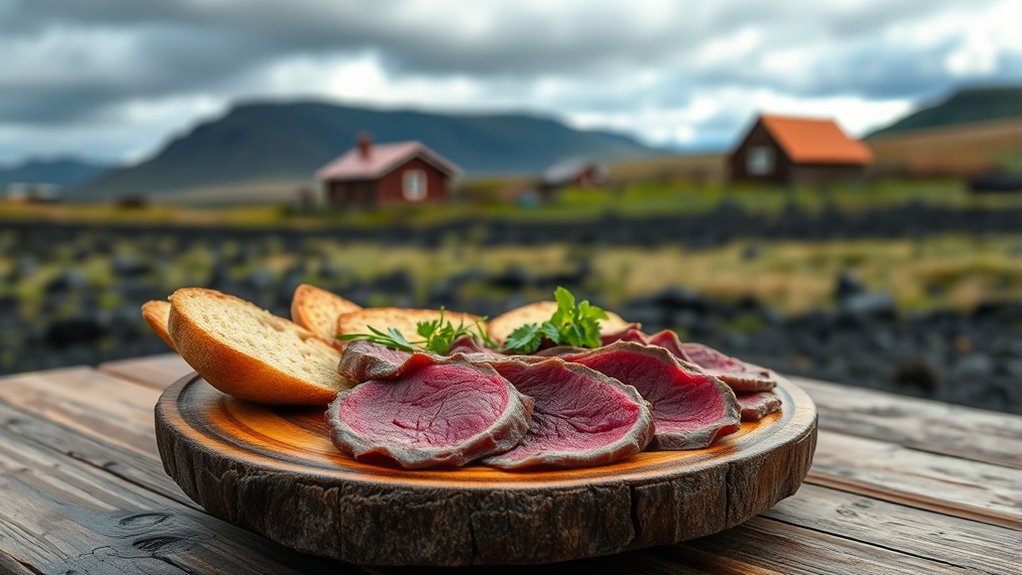
Understanding the current role of horse meat in Icelandic cuisine means taking a look back at its complex history. You’ll find that horse meat was once deeply taboo, mostly because of Christian influence that outlawed pagan customs around the year 1000. But over time, necessity sometimes pushed people to ignore this stigma.
Christian bans linked horse meat to pagan sacrifice, which made it unacceptable. During famines in the 18th and 19th centuries, some Icelanders reluctantly ate horse meat, even though it carried cultural shame.
Eating horse meat was often connected to social outcasts, outlaws, and even supernatural beliefs.
In 1757, Danish authorities eased restrictions during emergencies and allowed limited horse slaughter. Today, horse meat is legally available and has shifted from being taboo to a normalized, though still niche, food source. It’s interesting how attitudes can change over time, right?
Why Was Eating Horse Meat Once Taboo?
Because horses held a special place in Icelandic culture as symbols of purity, nobility, and companionship, consuming their meat was strongly frowned upon. When Christianity arrived around 1000 AD, it reinforced this taboo, banning horse sacrifice and meat consumption as pagan acts. You’d find horse meat linked with outlaws and moral failure, increasing social stigma.
Even during famines, many preferred starvation over eating horses, which were seen more as valued companions than livestock.
| Reason | Cultural Context |
|---|---|
| Religious Beliefs | Christian bans on horse meat |
| Symbolism | Purity, nobility, companionship |
| Social Stigma | Linked to outlaws, moral failure |
This cultural framework shaped your view, making horse meat taboo for centuries.
When Did Horse Meat Consumption Become Accepted Again?
You’ll find that the ban on horse meat in Iceland started to loosen during the 18th century, especially in tough times like 1757. But even then, a lot of people still resisted eating it because of cultural reasons.
It wasn’t until the 20th century that attitudes really began to change. Nowadays, horse meat shows up more often in Icelandic diets, which is more about people’s changing views than any religious rules.
Historical Ban Lifted
Although horse meat had long been taboo in Iceland, authorities lifted the ban during the mid-18th century amid severe food shortages, around 1757. This legal relaxation was a practical response to scarcity, not an endorsement of consumption.
You should understand that despite this, cultural resistance remained strong for decades.
It wasn’t until the 20th century that horse meat saw wider acceptance, influenced by evolving social attitudes rather than laws. Today, horse meat occupies a modest culinary niche.
Key points to contemplate: The ban was lifted mainly during emergencies, reflecting necessity over preference. Cultural taboos delayed widespread consumption well beyond legal changes.
Modern acceptance emerged from shifting societal values, not official mandates. Horse meat is now mostly consumed in processed forms, such as sausages.
Cultural Shift Factors
When you examine Iceland’s evolving food culture, it becomes clear that horse meat consumption regained acceptance primarily during the 20th century, driven by shifting social attitudes and economic realities.
Historically, Christian influence and cultural stigmas made horse meat taboo, but harsh famines in the 18th and early 19th centuries forced some to consume it despite disapproval.
The mid-20th century saw official bans lifted and horse slaughter gradually normalized, reflecting broader economic and social changes.
As horses became less essential as working animals, Icelanders adopted a more pragmatic view, allowing horse meat in traditional dishes and emergency contexts.
This gradual cultural shift highlights how practical needs and changing values reshaped attitudes, moving horse meat consumption from taboo to an accepted, though situational, part of Icelandic food culture.
It’s interesting how necessity and evolving perspectives can change what a society considers acceptable.
Modern Consumption Trends
Several factors came together in the 20th century that changed how Icelanders feel about horse meat. This shift allowed horse meat to move from being taboo to becoming a more accepted food source. You’ll notice this change happened gradually and was tied more to practical realities than cultural preference.
One big influence was the economic hardship during and after World War II, which made people reconsider what food sources were available.
Then, the official lifting of bans on horse slaughter in the mid-1900s helped normalize eating horse meat.
Today, horse meat is mostly processed into products like sausages. On average, people consume about 1.5 to 2 kilograms per person annually.
While religious and cultural stigmas still exist, they don’t have as much impact as economic factors do.
Understanding these trends helps you see how necessity and policy changes reshaped horse meat’s role in Icelandic diets. It’s not just about taste or culture but also about adapting to new realities.
How Is Horse Meat Produced in Iceland?
If you want to understand how horse meat is produced in Iceland, it’s important to know that horses are typically slaughtered after they’re no longer fit for riding. This is often due to temperament or injury.
Horses over six years old are slaughtered year-round, while foals are mainly processed from September to December for fresh meat.
Traditional methods are used, with horses stunned and bled similarly to cattle. Sometimes, this even happens outdoors near villages.
You’ll find that about 1,000 tons of horse meat are produced annually, making up roughly 4% of Iceland’s total meat production.
The best cuts are usually exported, while domestic sales focus on salted or processed products. This reflects a practical approach rooted in Iceland’s rural and cultural context.
It’s a system that’s been shaped by tradition and necessity.
How Is Horse Meat Used in Icelandic Cuisine?
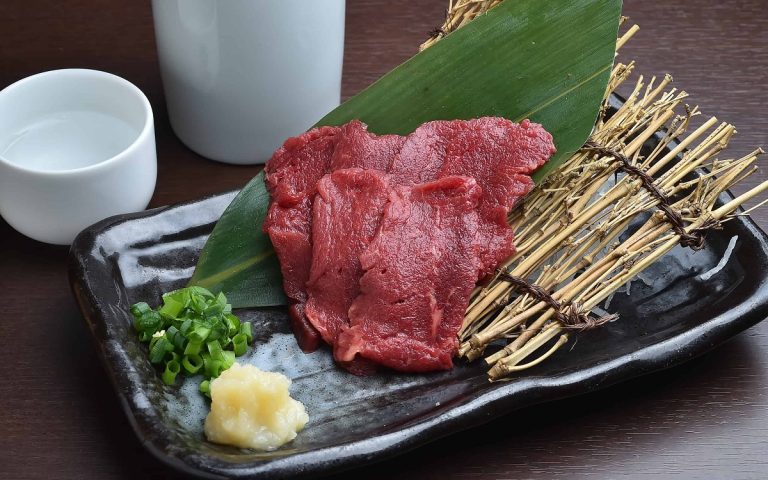
One key way horse meat enters Icelandic cuisine is through sausages called “hrossabjúgu,” which you might find divisive depending on your palate. This salted, packaged product often comes from foals slaughtered in autumn and is clearly labeled “salta.”
Hrossabjúgu sausages, made from autumn-slaughtered foals, offer a distinctive, salted taste that divides opinion.
Though horse meat isn’t common in daily meals, you can encounter it in some restaurants, such as 3 Frakkar in Reykjavik. It is typically served alongside other traditional meats.
Historically, horse meat consumption was taboo, but it has risen, especially in emergencies or cultural settings.
Additionally, the best cuts usually leave Iceland, heading to countries like Switzerland and Japan.
What Does Icelandic Horse Meat Taste Like?
While horse meat might seem unfamiliar to many, Icelandic horse meat offers a distinctive taste that sets it apart from other red meats. When you try it, you’ll notice a mild, slightly sweet flavor that’s often compared to beef but is leaner and softer.
The texture is tender, similar to venison, reflecting the meat’s superlean quality.
If you sample meat from younger horses, expect a lighter color and a more delicate taste. Older horses provide richer, darker cuts with a deeper flavor.
Unlike some game meats, Icelandic horse meat generally lacks gaminess, presenting a clean and pleasant profile.
The taste can vary by cut and age, but overall, it’s a unique and enjoyable experience distinct within Icelandic cuisine. It’s definitely worth trying if you’re curious about different flavors and textures in meat.
Where Can You Find Horse Meat in Iceland?
Though horse meat holds a niche position in Icelandic cuisine, you can find it primarily in supermarkets where it’s sold salted and packaged, especially from horses older than six years. The availability reflects local practices and seasonal preferences, offering insight into Icelandic food culture.
Foal meat, a delicacy, appears fresh mostly from September to December.
Horse sausages, or “Hrossabjgu,” are available in some stores, though opinions on them vary.
The finest horse meat cuts are typically exported, limiting what’s sold domestically.
Horse meat consumption remains uncommon, but it’s legally sold and often sampled by locals.
If you’re curious, supermarkets remain your main source.
Specialty products reflect traditional and commercial influences on Icelandic diets.
Why Is the Icelandic Horse Unique for Meat and Culture?
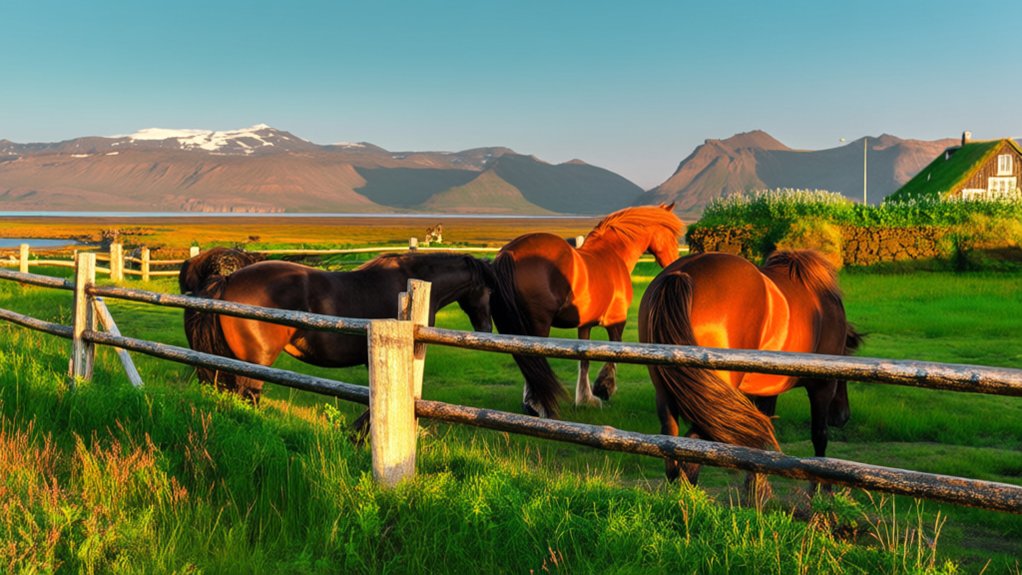
You’ll notice the Icelandic horse stands out not just because of its sturdy build and calm temperament. It also plays an important role in local culture.
While it’s a national symbol that people really value for riding, many of these horses also become part of Iceland’s traditional diet, especially once they retire from work.
This unique connection really shapes how people see and use the breed in their everyday lives.
Distinctive Breed Features
Because the Icelandic horse has adapted to Iceland’s harsh climate and rugged terrain, it stands out as a unique breed both culturally and for its meat.
When you look at its features, you’ll notice a small, sturdy build weighing 330-380 kg and standing 13-14 hands tall. This size is just right for endurance in cold weather.
Its distinctive traits include a well-proportioned head, a muscular short neck, and strong legs that help it steer through tough landscapes.
Plus, it has five unique gaits, including tölt and flying pace, which makes it super versatile for riding and work.
There are over 40 coat colors, and some actually change over time, showing off its genetic diversity.
Interestingly, it has a genetic link closer to Shetland Ponies, which really sets it apart from other European breeds.
All these characteristics shape its role in Icelandic life and even influence the quality of its meat.
Cultural Significance Today
The Icelandic horse’s physical resilience and unique traits have long shaped its role beyond just transportation or work, extending deeply into cultural practices surrounding food. You’ll find that some farmers specifically breed foals for meat, especially in autumn, reflecting a pragmatic use of this hardy animal.
Despite historical Christian taboos, eating horse meat has become culturally accepted, mainly in rural communities and during difficult times.
This acceptance symbolizes Iceland’s evolving relationship with its iconic breed, merging respect with utility. Traditional dishes like salted foal meat remain part of Icelandic culinary heritage, illustrating how the horse’s endurance in harsh climates parallels its enduring cultural significance.
For you, understanding this context reveals how the Icelandic horse uniquely blends survival, tradition, and identity in today’s food culture.
Where Does Horse Meat Fit in Icelandic Food Traditions?
Although horse meat holds a complex place in Icelandic food traditions, it remains a niche yet recognized component of the local diet. When you explore Icelandic cuisine, you’ll find horse meat mainly consumed as salted foal meat. Some farmers even raise horses specifically for this purpose.
Despite lingering cultural taboos, eating horse meat is accepted in certain contexts, especially during hardship or culinary experimentation.
Key points to contemplate:
- Horse meat commonly appears as sausages and salted cuts in traditional dishes and supermarkets.
- Christian influence historically created taboos around consuming horse meat.
- The Icelandic horse’s symbolic status impacts how people perceive horse meat.
- Modern attitudes show increasing acceptance but retain emotional sensitivities.
Understanding these factors helps you grasp where horse meat fits within Iceland’s evolving food culture.
Frequently Asked Questions
Are Icelandic Horses Specifically Bred for Riding or Meat Production?
You’ll find Icelandic horses are specifically bred for riding, focusing on temperament and gait. Their unique qualities make them stand out, especially when it comes to how they move and behave.
Sure, some horses that aren’t fit for riding might be used for meat. But generally, breeding puts more emphasis on their special traits than on meat production. It’s all about preserving what makes these horses so special.
How Do Icelanders Feel About Tourists Eating Horse Meat?
Imagine a delicate dance of traditions and emotions. You’ll find many Icelanders uneasy about tourists eating horse meat. They cherish horses deeply, so your curiosity might stir discomfort or seem disrespectful in their cultural landscape.
It’s not just about food; it’s about respect for something they hold dear. So, if you’re thinking of trying horse meat in Iceland, it’s good to be aware of these feelings. Understanding this makes the experience richer for everyone.
Is Horse Meat in Iceland Imported or Locally Sourced Only?
You’ll find that horse meat in Iceland is almost entirely locally sourced, with strict regulations ensuring domestic breeding and slaughter. Imports are minimal, reflecting cultural values and prioritizing traceability and quality within the Icelandic meat industry.
It’s pretty clear that Icelanders prefer to keep things close to home when it comes to horse meat. This way, they can guarantee the standards and traditions that are important to them. So, when you’re enjoying horse meat in Iceland, you’re mostly getting a truly local product.
Are There Any Health Benefits or Risks to Eating Horse Meat?
Imagine lean, protein-rich horse meat nourishing you, yet hidden risks lurk if improperly sourced. You’ll benefit from low fat but must avoid toxins from euthanized horses.
It’s also important to guarantee proper cooking to prevent allergies or illness. So, while horse meat can be a healthy option, make sure you know where it comes from and how it’s prepared.
What Are the Ethical Considerations in Iceland Regarding Horse Slaughter?
You’ll find ethical concerns in Iceland focus on balancing respect for horses as cultural symbols with practical needs. People wrestle with humane treatment while accepting slaughter only for horses no longer fit for riding. This reflects deep emotional ties.
It’s a delicate balance because horses mean a lot culturally, but there’s also a need to manage their welfare responsibly. So, while some might find the idea of horse slaughter tough, many agree it’s acceptable in certain cases.
Conclusion
When you explore Icelandic culture, horse meat isn’t just food; it’s a symbol of resilience and tradition. Though once taboo, it now reflects the country’s evolving identity. It balances respect for the unique Icelandic horse with culinary heritage.
Tasting it connects you to centuries of history and the land itself. It reveals how food traditions shape and mirror a community’s values. In Iceland, horse meat tells a story far beyond the plate.