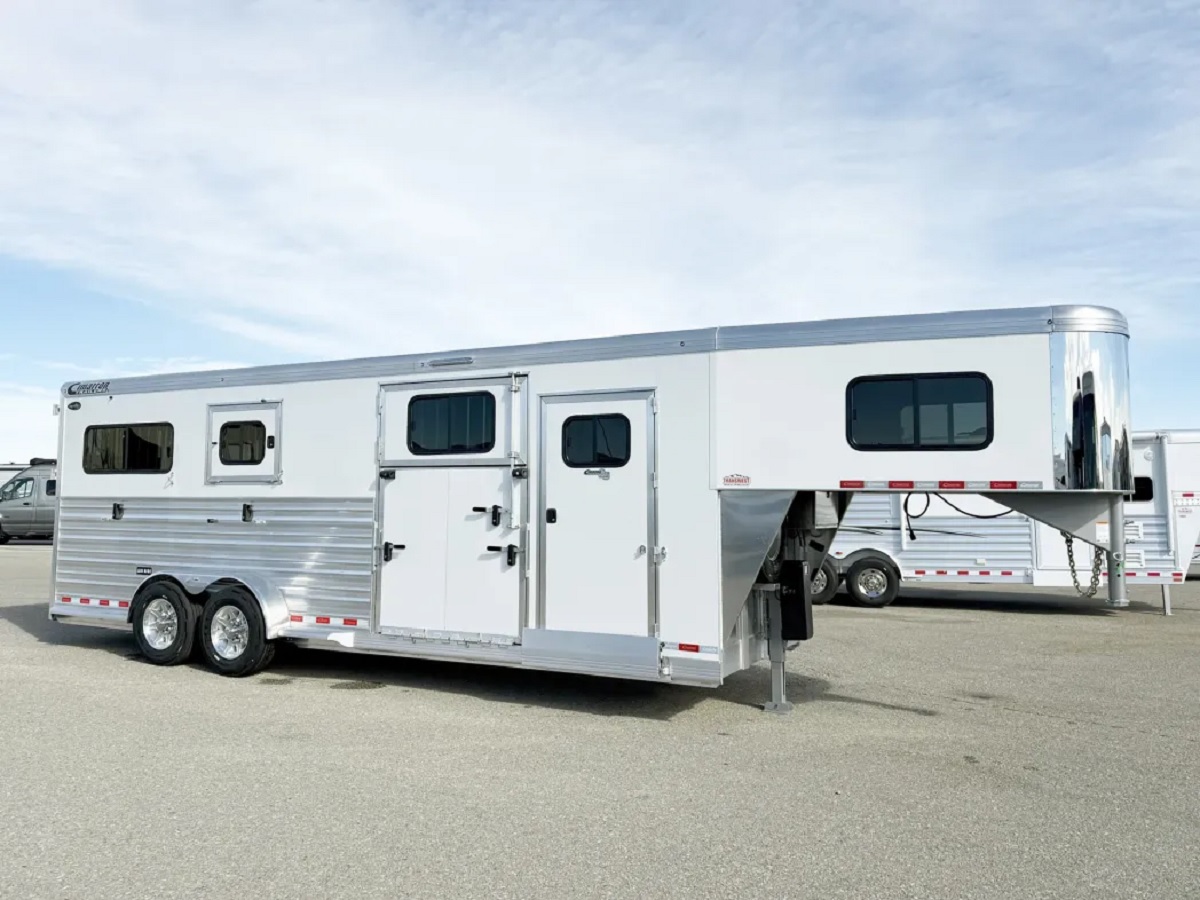
How Much Does A Two Horse Trailer Weigh: Key Insights For Safe Towing
Transporting horses safely requires careful consideration of trailer specifications, towing capacity, and overall weight. Knowing the exact weight of a trailer helps ensure that the vehicle used for towing can handle it safely, reducing the risk of accidents and mechanical issues. Horse trailers vary widely depending on materials, design, and features, so understanding their weight is a key part of planning any journey.
The size and construction of a two-horse trailer influence its weight significantly. Aluminum trailers are generally lighter, while steel or fully enclosed models are heavier but offer more durability and protection. Features like living quarters, tack storage, or extra reinforcements also add to the total weight, affecting towing requirements.
Understanding how much does a two horse trailer weigh allows owners to select the right towing vehicle, maintain safety, and comply with road regulations. Proper hitching, load distribution, and tire maintenance all depend on knowing the trailer’s weight.
Considering weight also impacts fuel efficiency, driving comfort, and wear on both the trailer and towing vehicle. Awareness of these factors ensures smoother, safer travel for both the horses and driver.
Factors Affecting Trailer Weight
Understanding the factors that influence a trailer’s weight is crucial for safe towing and transportation of horses. A trailer’s weight affects fuel efficiency, braking, maneuverability, and the type of towing vehicle required. Several elements, including materials, design, features, and load, determine the overall weight of a two-horse trailer. Being aware of these factors helps owners make informed decisions and ensures safety for both horses and drivers.
Construction Materials
The materials used to build a horse trailer significantly affect its weight. Aluminum trailers are lightweight, offering easier towing and better fuel efficiency. They resist rust and are easier to maintain but may be less durable under heavy impact. Steel trailers are heavier but provide strength and durability, particularly for long-term use or harsh conditions.
You should also consider that reinforced steel trailers or those with additional metal framing for safety can add substantial weight. Fiberglass panels or composite materials are sometimes used to reduce weight while maintaining strength. Understanding the balance between durability, maintenance, and weight is essential when selecting a trailer. Choosing the right material directly affects towing requirements, fuel consumption, and long-term usability, ensuring the trailer meets both safety and practical needs.
Trailer Size and Design
The size and design of a trailer also play a significant role in determining its weight. Two-horse trailers come in various configurations, including bumper pull or gooseneck designs, straight load or slant load layouts, and open or fully enclosed structures. Larger trailers with additional height or length naturally weigh more.
You should assess how features like interior partitions, roof height, and floor reinforcements add to the overall weight. A straight load trailer may require more space and structural support, while a slant load trailer might distribute weight differently. Understanding the impact of trailer design on weight ensures compatibility with the towing vehicle and influences maneuverability, parking, and road handling. Proper design selection balances comfort, safety, and towing efficiency.
Added Features and Accessories
Additional features such as tack rooms, living quarters, ramps, windows, and storage compartments increase trailer weight. Living quarters trailers include appliances, plumbing, and insulation, significantly adding to total mass. Even smaller features like reinforced doors, extra flooring, or heavy-duty wheels contribute to weight.
You should carefully evaluate which features are necessary for your needs. While added amenities enhance comfort and convenience, they also affect towing capacity, braking distance, and fuel economy. Considering feature weight before purchase helps avoid overloading the towing vehicle and ensures a safer transportation experience. Proper planning ensures that horses, drivers, and equipment travel safely without compromising performance.
Horse and Cargo Load
The weight of the horses themselves, along with tack, feed, water, and other supplies, contributes to the total trailer weight. A standard two-horse trailer carrying average-sized horses can add thousands of pounds to the base trailer weight.
You should calculate combined weight carefully, factoring in the body weight of horses, saddle equipment, hay, and additional gear. Overloading a trailer beyond its rated capacity compromises safety, increases stopping distance, and risks tire or axle failure. Accurate load assessment ensures stability, safety, and optimal handling while on the road. Monitoring load distribution between axles and ensuring proper hitching further improves towing performance.
Tire, Axle, and Suspension Choices
The type and number of tires, axles, and suspension systems also affect a trailer’s weight. Heavy-duty tires and multiple axles improve load capacity but increase overall mass. Suspension upgrades for smoother rides can add weight through reinforced components or shock systems.
You should select tires and suspension based on expected load and road conditions. Properly rated axles prevent overloading while maintaining stability. The combination of tires, axles, and suspension directly influences handling, braking, and comfort for horses. Balancing these components with the trailer’s base weight ensures a safer, smoother towing experience, minimizing stress on both horses and the towing vehicle.
Average Weight Range of Two Horse Trailers
Understanding the average weight of two-horse trailers is essential for safe towing and vehicle selection. Trailer weight varies based on construction materials, design, features, and added cargo such as tack and supplies. Knowing the typical weight range helps horse owners plan towing capacity, load distribution, and fuel consumption, ensuring a safer and smoother transportation experience for both horses and drivers.
Base Weight of Standard Two-Horse Trailers
The base weight of a standard two-horse trailer, without horses or cargo, typically ranges from 1,500 to 3,500 pounds. Lighter trailers are often constructed with aluminum, offering ease of towing and improved fuel efficiency. Steel trailers, while heavier, provide greater durability and structural strength, which is ideal for long-term use or frequent travel.
You should consider that variations in floor thickness, wall reinforcement, and roof design can impact base weight. Open trailers or slant-load models tend to weigh less, whereas fully enclosed straight-load trailers often sit at the higher end of the weight spectrum. Understanding base weight helps in selecting a towing vehicle with the appropriate capacity, ensuring that the trailer is safe to haul under varying road conditions. Properly balancing the base weight with towing capability prevents strain on the vehicle and enhances overall control.
Impact of Added Features
Additional features like tack compartments, living quarters, ramps, windows, and storage compartments increase trailer weight. Trailers with built-in amenities such as plumbing, electrical systems, or reinforced flooring can add several hundred pounds, even before loading horses or supplies.
You should assess which features are essential versus optional. While amenities improve comfort and convenience, they also raise the trailer’s total weight, affecting braking, handling, and fuel efficiency. Evaluating the weight contribution of each feature ensures that you do not exceed the towing capacity of your vehicle. Proper planning prevents overloading, maintains safety for horses, and supports the longevity of the trailer and towing vehicle.
Horse and Cargo Considerations
The average weight range of two-horse trailers must account for the combined weight of the horses, tack, feed, and water. Horses themselves typically weigh between 900 to 1,200 pounds each, which can double the total load. Additional gear, such as saddles, bridles, and feed, adds another 100–200 pounds per horse.
You should calculate the total weight carefully before towing. Overloading beyond the trailer’s capacity risks tire failure, axle strain, and decreased braking efficiency. Monitoring weight distribution across axles ensures stability and minimizes sway while driving. Accounting for both the trailer’s base weight and the load it carries ensures safe transport for both horses and drivers.
Typical Total Weight Range
When considering base weight, added features, and horse load, most two-horse trailers fall in a total weight range of 3,500 to 6,500 pounds. Lighter aluminum trailers with minimal amenities may weigh closer to 3,500–4,000 pounds when loaded, while steel or feature-rich trailers can reach 6,000 pounds or more.
You should ensure that your towing vehicle is rated to handle the maximum loaded weight with a safety margin. Proper hitching, tire maintenance, and balanced loading are crucial for safe travel. Knowing the typical weight range helps in planning trips, calculating stopping distances, and maintaining overall control on highways or uneven terrain. This knowledge ensures both horses and drivers experience safe and comfortable transport.
Factors That May Shift Weight Range
Several factors can shift the average weight range, including trailer length, ceiling height, floor materials, suspension type, and customization options. Even minor upgrades like reinforced gates or heavier axles can push a trailer to the higher end of the weight spectrum.
You should always check manufacturer specifications and consult towing guides to confirm safe limits. Understanding potential weight variations allows horse owners to make informed decisions on vehicle selection, load planning, and travel preparation. Accounting for these factors ensures that two-horse trailers remain safe, efficient, and reliable under different towing conditions.
Weight Distribution and Safety Considerations
Proper weight distribution is critical for the safe towing of two-horse trailers. Uneven loading can cause trailer sway, reduce braking efficiency, and place excessive stress on the towing vehicle. Understanding how to balance horses, tack, and cargo while adhering to trailer and vehicle weight limits ensures both safety and comfort. Evaluating safety considerations before every trip is essential for the well-being of horses, drivers, and passengers.
Loading Horses Properly
The placement of horses inside the trailer is a key factor in weight distribution. Ideally, horses should be loaded evenly on both sides, with larger or heavier horses placed in a position that maintains balance over the trailer axles. This ensures stability while turning, braking, and accelerating.
You should also consider the individual horse’s behavior and experience. Nervous or inexperienced horses may move excessively, affecting balance, so securing them with partitions or tie rings helps maintain proper weight distribution. Observing the trailer’s stance and ensuring the center of gravity remains low minimizes sway and improves handling. Proper loading reduces stress on the horses, protects the trailer structure, and ensures safer travel under various road conditions.
Tack and Equipment Placement
In addition to horses, the placement of tack, feed, water, and other equipment significantly impacts trailer balance. Heavy items should be stored as close to the trailer’s center and axles as possible, avoiding overloading the front or rear. Overpacking one side can create uneven weight distribution, increasing the risk of tipping or poor handling.
You should use built-in tack compartments, saddle racks, or storage boxes to organize items securely. Distribute weight evenly across compartments, and avoid placing excessive loads on doors or ramps. Regularly checking for shifting equipment during travel prevents sudden balance changes. Proper organization and weight placement ensure both driver control and horse safety while maintaining a smoother, more predictable ride.
Towing Vehicle Considerations
The towing vehicle must be compatible with the trailer’s weight and designed to handle its distribution. Vehicle specifications, including gross vehicle weight rating (GVWR) and towing capacity, dictate safe load limits. Exceeding these limits stresses the engine, brakes, suspension, and tires, increasing the risk of accidents.
You should ensure the hitch system is rated for the combined weight of the trailer and load. Proper hitch height and weight distribution hitches help maintain stability by controlling tongue weight and minimizing sway. Routine inspection of brakes, tires, and suspension enhances control. Matching the trailer’s weight with an appropriate towing vehicle is critical for safe and efficient transport.
Driving Practices for Safety
Safe driving techniques are essential when towing a loaded two-horse trailer. Smooth acceleration, gradual braking, and moderate cornering prevent abrupt shifts in trailer weight that could destabilize the vehicle. Drivers should allow extra stopping distance and avoid sudden maneuvers, especially on uneven or slippery roads.
You should maintain lower speeds, particularly when fully loaded, and practice defensive driving techniques. Awareness of wind gusts, passing large vehicles, and road grade helps prevent trailer sway. Utilizing anti-sway bars or weight distribution hitches further enhances control. Proper driving practices, combined with balanced loading, maximize safety for both horses and the towing team.
Regular Safety Checks and Maintenance
Routine inspection of the trailer and towing equipment ensures ongoing safety. Checking tire pressure, brakes, hitch connections, and suspension before each trip prevents failures that could compromise weight distribution. Even small issues can escalate into dangerous situations when towing a live load.
You should also monitor horses during transit for signs of distress or imbalance, adjusting partitions and securing items as needed. Periodic professional inspections of the trailer’s frame, axles, and floor add an extra layer of safety. Combining careful preparation, regular maintenance, and proper driving techniques guarantees safer transport and minimizes stress on horses, the trailer, and the towing vehicle.
Tips for Managing Trailer Weight
Managing trailer weight effectively is essential for safe towing, horse comfort, and vehicle performance. Overloading or uneven distribution can cause sway, reduce braking efficiency, and increase wear on tires and axles. Proper planning, load management, and awareness of trailer specifications help ensure smooth, safe transport while minimizing stress on both horses and the towing vehicle.
Know Your Trailer’s Weight Limits
Every trailer has a Gross Vehicle Weight Rating (GVWR) that should not be exceeded. This rating includes the trailer’s base weight plus horses, tack, feed, water, and any additional cargo. Understanding your trailer’s weight limits is the first step in safe management.
You should regularly check manufacturer specifications to know the maximum safe load. Use scales at equine facilities to weigh horses before loading, and factor in all equipment and supplies. Maintaining awareness of these limits prevents overloading, protects your towing vehicle, and ensures safer travel. Regularly reviewing weight limits also helps in planning trips, choosing appropriate towing routes, and avoiding stress on trailer components.
Distribute Weight Evenly
Even weight distribution is critical to maintaining trailer stability. Horses should be positioned over the axles, with heavier horses ideally placed in the center to prevent front or rear bias. Cargo such as tack and feed should be balanced on both sides.
You should secure items to prevent shifting during transit, as movement can quickly disrupt balance and create dangerous sway. Check trailer stance before departure to ensure it sits level and stable. Proper distribution reduces strain on axles, tires, and the towing vehicle, improving control, handling, and braking. Regularly reassessing load placement during travel ensures continued safety.
Minimize Excess Weight
Avoid unnecessary weight by limiting nonessential items. While accessories, living quarters, or extra gear may be convenient, each addition increases total trailer weight. Lighter trailers reduce fuel consumption, improve acceleration, and decrease braking distance.
You should evaluate which features and supplies are essential for each trip. Carry only the necessary tack, feed, and safety equipment. Removing excess weight helps maintain vehicle performance, reduces wear on tires and suspension, and provides a safer environment for horses. Efficient packing is key to balancing convenience and safety.
Regular Maintenance for Weight Management
Maintaining trailer components such as tires, axles, brakes, and suspension directly affects how well a trailer handles its load. Worn or underinflated tires, weakened brakes, or damaged suspension can amplify issues caused by heavy or uneven loads.
You should perform routine inspections and maintenance checks, including tire pressure, brake function, and hitch connections. Ensuring all mechanical systems are in optimal condition supports proper weight handling, reduces the risk of sway, and improves overall towing safety. Regular upkeep preserves trailer longevity and prevents mechanical failures caused by carrying heavy loads.
Use Weight Distribution and Sway Control Devices
Weight distribution hitches and sway control systems help manage trailer weight more effectively. These devices balance the load across the towing vehicle and trailer axles, improving stability and steering control.
You should consider using weight distribution bars or sway control bars when hauling a fully loaded two-horse trailer. These systems minimize trailer sway, improve braking performance, and reduce stress on the towing vehicle. Combining proper equipment with careful load management ensures safer travel for horses and drivers alike.
People Also Asked
What Is The Average Weight Of A Two-Horse Trailer?
The average weight of a two-horse trailer varies depending on its construction and features. Most standard trailers weigh between 3,500 and 6,500 pounds when fully loaded with two horses, tack, and supplies. Aluminum trailers tend to be lighter, often closer to 3,500–4,000 pounds, while steel trailers or those with living quarters can exceed 6,000 pounds.
You should always consider both the trailer’s base weight and the additional load when planning a trip. Knowing the average weight helps you select a towing vehicle that can handle the load safely and maintain control on the road.
How Do Trailer Materials Affect Weight?
The materials used in constructing a trailer directly impact its weight. Aluminum trailers are lighter, resist rust, and are easier to tow, whereas steel trailers are heavier but more durable and robust. Composite or fiberglass panels can reduce weight while maintaining strength, but may cost more.
You should consider the trade-offs between durability and towing ease. A lighter trailer reduces strain on your vehicle and improves fuel efficiency, while a heavier trailer may offer added safety and protection for horses during long trips. Understanding material impact is crucial for safe transportation.
Does Trailer Size Influence Total Weight?
Yes, the size of a two-horse trailer significantly affects its weight. Taller, longer, or fully enclosed trailers weigh more than smaller, open models. Features like higher roofs, slant or straight loads, and extended living quarters also add to the total mass.
You should account for trailer dimensions when calculating your towing requirements. Larger trailers require stronger hitch systems, more powerful vehicles, and careful load distribution to maintain stability. Properly matching trailer size with your towing capacity ensures safe and comfortable transport for both horses and drivers.
How Does Horse Weight Factor Into Total Trailer Weight?
The weight of horses contributes significantly to the total load. Average horses weigh between 900 to 1,200 pounds each, meaning two horses can add up to 2,400 pounds to the trailer. Tack, feed, and water further increase the weight, sometimes by several hundred pounds.
You should always calculate the combined weight of the trailer, horses, and supplies before hitting the road. Accurate weight assessment prevents overloading, reduces sway, and ensures proper braking performance, improving safety for both horses and drivers during transportation.
What Are The Safety Risks Of Overloading A Trailer?
Overloading a two-horse trailer can cause severe safety risks. Excess weight reduces braking efficiency, increases sway, and strains tires, axles, and suspension. Overloaded trailers are harder to control, especially during turns, sudden stops, or in windy conditions.
You should adhere to the trailer’s Gross Vehicle Weight Rating (GVWR) and distribute weight evenly. Proper hitching, tire maintenance, and balanced loading are essential to prevent accidents. Understanding the risks associated with overloading ensures safer transport for your horses and avoids costly damage to both the trailer and towing vehicle.
How Can I Accurately Estimate My Trailer’s Weight?
To estimate your trailer’s weight accurately, start by checking the manufacturer’s specifications for the base weight. Add the weight of your horses, tack, feed, water, and other supplies. Using a certified scale at an equine facility can give the most precise measurement.
You should also consider the effect of added features like living quarters, ramps, or reinforced floors. Regularly weighing your trailer before trips ensures you stay within safe towing limits. Accurate weight estimation allows you to select the appropriate towing vehicle, maintain stability, and reduce safety risks on the road.
Final Words
Understanding the weight of your horse trailer is essential for safe towing and proper vehicle selection. A trailer’s weight can vary widely depending on its material, design, additional equipment, and the size of the horses it carries. Being aware of these factors helps you make informed decisions and prevents accidents caused by overloading or improper weight distribution.
When considering how much does a two horse trailer weigh, it’s important to account not only for the empty weight but also for the fully loaded weight with horses, tack, and supplies. Proper tongue weight, balanced axle placement, and evenly distributed cargo are crucial to maintain control while driving. Ignoring these considerations can put stress on your towing vehicle, reduce braking efficiency, and increase the risk of swaying or accidents.
Ultimately, knowing how much does a two horse trailer weigh allows you to plan safer trips, select the right vehicle, and ensure both horse and driver safety. Regular maintenance, mindful loading, and attention to trailer specifications help protect your investment and provide peace of mind on the road.