How Fast Can a Racing Horse Run: Speeds, Records, and Factors
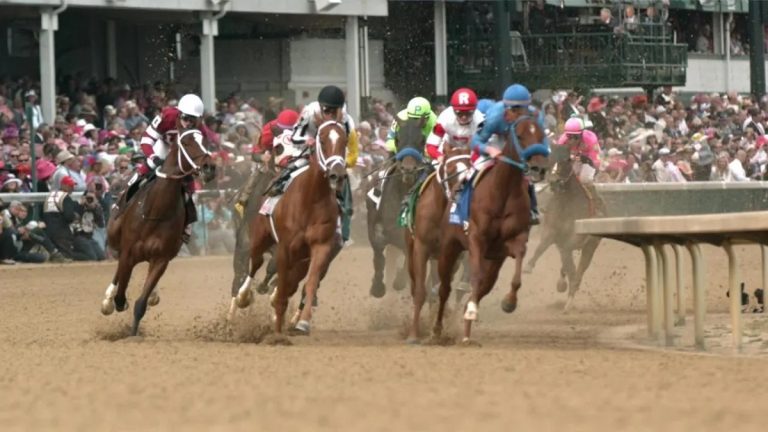
Racing horses are renowned for their incredible speed and athleticism, captivating spectators around the world with their powerful strides and agility. Many enthusiasts and newcomers alike are curious about how fast can a racing horse run and what factors contribute to their impressive performance. These horses combine strength, training, and natural ability to achieve speeds that often exceed human imagination.
Beyond sheer speed, understanding a racing horse’s capabilities involves examining their physical structure, muscle composition, and conditioning. Factors such as breed, age, track conditions, and training regimen all influence how quickly a horse can cover distance. Learning about how fast can a racing horse run provides insight into the demands of the sport, the preparation required, and the remarkable feats these animals can achieve on the racetrack. It highlights both their natural talent and the dedication behind their performance.
Average Racing Speeds of Horses
Racing horses are celebrated for their extraordinary speed, but understanding their average racing speeds provides perspective on what makes them elite athletes. The speed of a horse depends on factors such as breed, age, training, and race distance. By examining average racing speeds, enthusiasts can appreciate the combination of genetics, conditioning, and technique required for peak performance. Knowing these averages also helps in comparing horses across different races and understanding the physical demands placed on these powerful animals.
Thoroughbreds and Their Racing Speeds
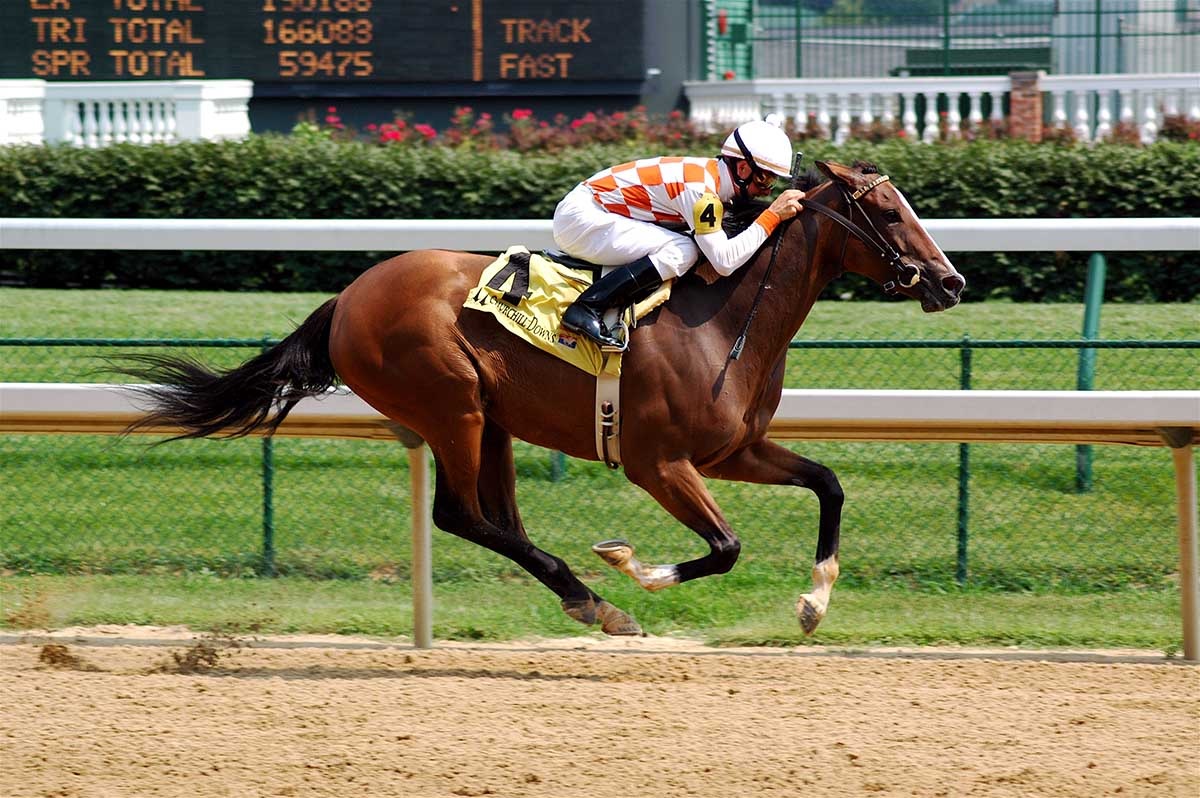
Thoroughbred horses are the most common breed used in flat racing and are renowned for their speed and agility. On average, a Thoroughbred can maintain speeds of 35 to 40 miles per hour over short distances, with top speeds occasionally exceeding 40 miles per hour in sprint races. These speeds result from their powerful leg muscles, cardiovascular capacity, and specialized training regimes that focus on building stamina, strength, and speed.
The breed’s conformation—long legs, lean body, and deep chest—supports efficient movement and oxygen intake during high-speed runs. Track conditions, jockey skill, and race distance also influence performance, as horses may sustain slightly lower speeds over longer distances. Understanding the average racing speeds of Thoroughbreds highlights the physical and training requirements needed to excel in competitive racing and the remarkable capabilities of these elite equine athletes.
Quarter Horses and Sprinting Performance
Quarter Horses are another popular racing breed, particularly known for short-distance sprinting. They excel in races of a quarter-mile, with top speeds reaching up to 55 miles per hour over very short bursts. Their muscular build, powerful hindquarters, and explosive acceleration make them the fastest horses over short distances, although they are less suited for long-distance endurance compared to Thoroughbreds.
Average racing speeds for Quarter Horses typically range between 40 to 50 miles per hour depending on track conditions and competition. Their training focuses on strength, reaction time, and rapid acceleration, emphasizing short, intense bursts rather than sustained pacing. Recognizing these speed capabilities helps you understand why Quarter Horses dominate sprint races and illustrates the diversity in racing performance across different breeds. The contrast between breeds showcases how anatomy, genetics, and specialized training shape a horse’s racing potential.
Factors Influencing Average Speeds
Several factors influence a horse’s average racing speed beyond breed. Age plays a role, with peak performance typically occurring between three and six years. Track surface and weather conditions can affect traction and stamina, while race distance determines how a horse balances speed and endurance. Jockey expertise, race strategy, and pre-race conditioning also impact the overall performance.
By considering these variables, you can better understand why horses of the same breed may exhibit varying speeds. Average racing speeds offer a general benchmark, but the interplay of genetics, training, and external conditions ultimately determines each horse’s capabilities. This insight underscores the complexity of horse racing and the impressive athleticism required for consistent high-speed performance.
Factors Affecting Racing Speed
A horse’s racing speed is influenced by a combination of physical, environmental, and training factors. Understanding what affects how fast a horse can run helps explain variations in performance among different breeds and individual horses. Speed is not solely determined by genetics; conditioning, race strategy, track conditions, and even the rider’s skill all contribute. Recognizing these factors provides insight into the preparation, training, and care required for horses to achieve their maximum racing potential.
Physical Attributes of the Horse
A horse’s physical characteristics significantly impact racing speed. Factors such as muscle composition, leg length, body size, and cardiovascular capacity play a crucial role in how efficiently a horse moves. Horses with strong, well-developed hindquarters generate powerful propulsion, while long legs and flexible joints allow for extended stride length, enabling higher speeds.
Breed-specific traits also influence performance. Thoroughbreds excel in endurance and sustained speed due to lean muscle mass and deep chests for oxygen intake, whereas Quarter Horses are built for explosive acceleration over short distances. Age, overall health, and conformation further affect performance, as young or improperly conditioned horses may not achieve peak speeds. Physical preparation, including strength and stamina training, maximizes these natural attributes to enhance racing performance.
Training and Conditioning
Training is another critical factor affecting racing speed. Horses undergo rigorous conditioning programs designed to build endurance, strength, and cardiovascular fitness. Interval training, gallops, and sprint exercises improve muscle tone, lung capacity, and stride efficiency. Proper conditioning helps horses maintain high speeds over varying distances while minimizing the risk of fatigue or injury.
Consistency and gradual progression are essential in training, as overexertion can lead to fatigue or musculoskeletal problems. Trainers also tailor exercise routines based on the horse’s breed, age, and natural abilities to optimize performance. Nutrition and rest complement training, ensuring that horses recover properly and perform at their best during races.
Environmental and External Factors
External factors, including track surface, weather conditions, and race distance, also influence racing speed. Wet or uneven tracks can reduce traction, causing horses to slow down to prevent slips or injuries. Longer races require pacing and stamina management, while shorter sprints emphasize acceleration and explosive power.
The jockey’s skill and strategy significantly impact speed as well. Effective communication between horse and rider, timing of bursts, and navigation of turns all affect performance. Even subtle factors, such as crowd noise or temperature, can influence a horse’s focus and energy levels. Considering these environmental variables is crucial for understanding the complexity of achieving optimal racing speed.
Frequently Asked Questions
How Fast Can A Racing Horse Run?
A racing horse can reach impressive speeds depending on breed, training, and race type. On average, Thoroughbreds maintain speeds of 35 to 40 miles per hour during flat races, while Quarter Horses can sprint up to 55 miles per hour over short distances. Factors like track conditions, jockey skill, and race strategy influence the exact speed. You can expect variation between horses, but their natural athleticism, combined with conditioning and proper training, allows them to achieve speeds far beyond most other land animals, making them extraordinary competitors on the racetrack.
What Breeds Are The Fastest Racing Horses?
The fastest racing horses typically include Thoroughbreds and Quarter Horses. Thoroughbreds excel in longer flat races, maintaining high speeds over distances of up to 1.5 miles. Quarter Horses specialize in short sprints, achieving explosive bursts of speed up to 55 miles per hour. Your choice of horse affects both acceleration and endurance capabilities, with Thoroughbreds offering stamina and Quarter Horses excelling in short-distance races. Genetics, muscle composition, and training all contribute to the horse’s top performance, highlighting why certain breeds dominate specific racing events.
How Does Training Affect A Horse’s Speed?
Training plays a crucial role in maximizing a horse’s racing speed. Through structured exercises, gallops, and interval workouts, you help the horse develop strength, stamina, and cardiovascular fitness. Proper conditioning improves stride efficiency and acceleration, allowing the horse to maintain high speeds safely. Nutrition, rest, and consistent practice further enhance performance. Skilled jockeys and trainers tailor programs to individual horses, focusing on natural abilities while avoiding overexertion. The combination of physical training, mental conditioning, and strategic preparation significantly impacts how fast a racing horse can run.
Do Track Conditions Influence Racing Speeds?
Yes, track conditions greatly affect a horse’s speed. Wet, muddy, or uneven tracks reduce traction and force horses to slow down to avoid slipping or injury. Dry, firm tracks typically allow horses to reach higher speeds safely. You must also consider race length and surface type—dirt, turf, or synthetic tracks all influence stride and performance. Observing how a horse handles different conditions can help predict potential speeds during races. Track maintenance, weather, and footing are critical factors that directly impact how fast a racing horse can run on any given day.
What Age Do Horses Reach Their Peak Speed?
Horses generally reach peak racing performance between three and six years of age. During this period, muscles, cardiovascular systems, and endurance are fully developed, allowing the horse to achieve maximum speed. Younger horses may lack strength and stamina, while older horses may experience a decline in flexibility and endurance. Your horse’s breed and training history also influence peak performance age. Understanding these factors helps you plan race participation strategically, ensuring the horse competes when its natural abilities and conditioning allow it to reach top speeds safely.
How Far Can A Horse Maintain Top Speed?
The distance a horse can sustain top speed depends on breed and training. Thoroughbreds can maintain speeds of 35 to 40 miles per hour over distances of one to one and a half miles, focusing on endurance and pacing. Quarter Horses excel in short sprints of about a quarter-mile, reaching explosive speeds of up to 55 miles per hour but cannot sustain it for long. You must match the horse’s natural abilities with race distance to maximize performance, combining both speed and endurance to achieve competitive success.
Can Jockeys Influence A Horse’s Racing Speed?
Jockeys play a significant role in a horse’s speed and overall race performance. Skilled riders manage pace, guide turns, and coordinate bursts of acceleration to optimize the horse’s natural abilities. Effective communication between jockey and horse ensures efficient energy use and responsive performance. Factors like weight, riding technique, and race strategy influence how fast a racing horse can run. By understanding the horse’s strengths, the jockey can make split-second decisions that enhance speed, improve safety, and maximize the horse’s competitive potential throughout the race.
Conclusion
Racing horses are remarkable athletes capable of reaching impressive speeds under the right conditions. Their performance is influenced by factors such as breed, training, age, track surface, and overall fitness. Thoroughbreds, in particular, are known for their sprinting ability, while other breeds may excel in endurance races. Top racehorses can reach record-breaking velocities through a combination of rigorous training, proper nutrition, and skilled jockey guidance.
While speed is a defining feature, maintaining the horse’s health and safety is equally important to prevent injuries and ensure consistent performance. Understanding how fast can a racing horse run provides insight into the incredible physical capabilities of these animals, the science behind their training, and the care needed to achieve peak performance. It highlights the balance between natural talent, preparation, and responsible management in the world of horse racing.