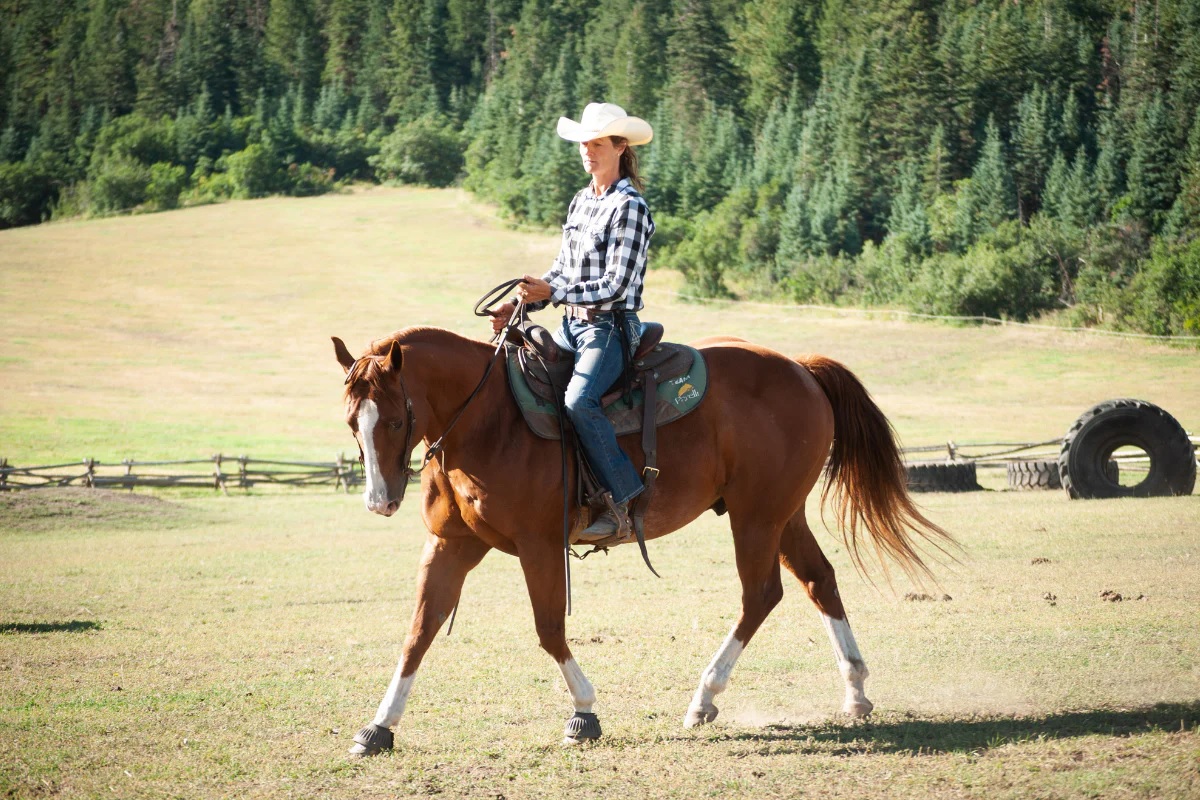
What to Wear Horse Riding: Essential Gear and Clothing Tips
Horseback riding is both exciting and physically engaging, but wearing the right clothing and gear is essential for safety, comfort, and control. Many riders, especially beginners, often wonder what to wear horse riding to ensure they are prepared for the experience. Proper attire protects against injuries, enhances stability in the saddle, and allows for freedom of movement while riding.
From helmets and boots to comfortable clothing and protective gear, each element plays a role in keeping both rider and horse safe. Understanding what to wear also helps you adapt to different riding styles, environments, and weather conditions. Choosing appropriate riding apparel improves balance, grip, and posture, making your time in the saddle more enjoyable and efficient. Learning about what to wear horse riding sets the foundation for a confident, safe, and rewarding equestrian experience.
Essential Safety Gear for Horse Riding
Wearing the right safety gear is crucial for every rider, whether you are a beginner or experienced equestrian. Essential gear protects you from potential injuries and enhances control while riding. Proper equipment ensures comfort, stability, and safety, allowing you to focus on riding techniques and enjoying the experience. From helmets to boots and protective clothing, understanding the importance of each piece of safety gear is key to reducing risks and creating a secure and confident environment for both horse and rider.
Helmets and Head Protection
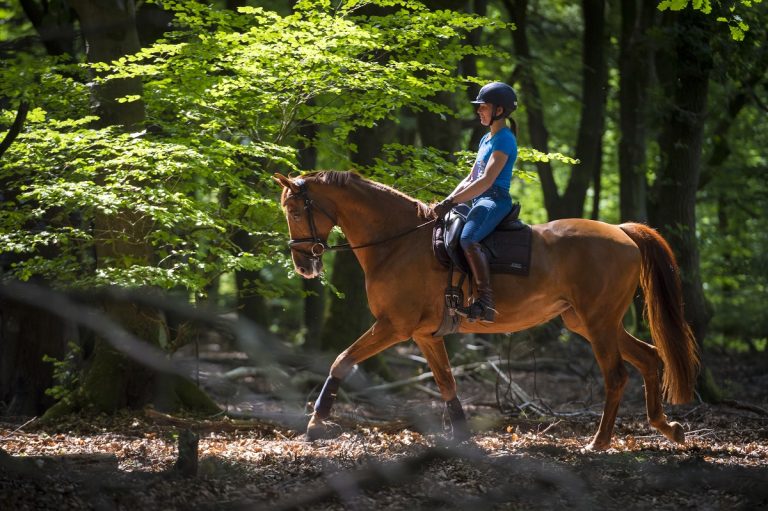
A properly fitted riding helmet is the most important piece of safety gear for any rider. Helmets protect your head from serious injuries in case of falls or impacts, which can occur even with the calmest horses. Look for helmets that meet safety standards, provide a snug fit, and feature adjustable straps to prevent movement during riding.
Regularly inspect your helmet for cracks, wear, or damage, and replace it according to manufacturer guidelines. Wearing a helmet consistently, regardless of riding environment or experience level, significantly reduces the risk of head injuries. Investing in a quality helmet gives peace of mind, allowing you to ride confidently and focus on your posture, control, and interaction with your horse while knowing your head is protected.
Footwear and Leg Protection
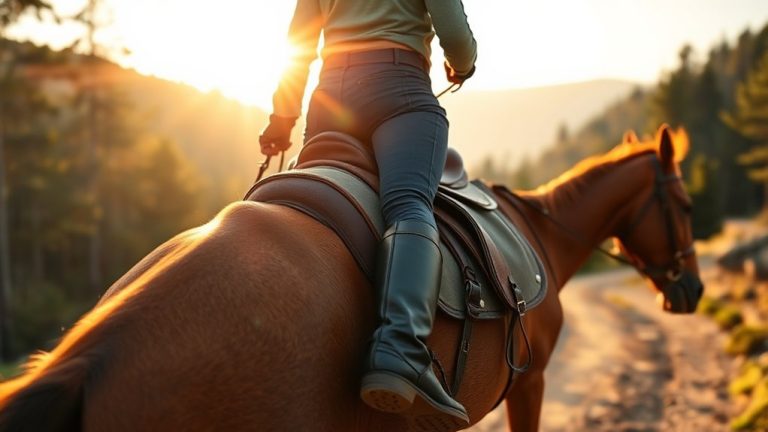
Proper footwear is essential for maintaining stability and preventing injuries during horse riding. Boots with a small heel help prevent your foot from slipping through the stirrup, reducing the risk of getting caught in case of a fall. Riding boots also provide ankle support, protect against abrasions, and improve grip while mounting, dismounting, and riding.
In addition to footwear, riders may benefit from wearing long pants or riding breeches to protect their legs from chafing and friction against the saddle. Some riders also use protective leg gear, such as shin guards or half chaps, for added safety and comfort. Proper footwear and leg protection enhance control, stability, and confidence while riding, ensuring both safety and comfort during your equestrian activities.
Body Protection and Accessories
Other essential safety gear includes gloves, vests, and appropriate clothing. Gloves improve grip on the reins, prevent blisters, and protect your hands from rope burns or rough handling. Body protectors or safety vests offer additional protection for your torso, absorbing impact and reducing the risk of injuries during falls or sudden movements.
Wearing weather-appropriate clothing ensures comfort and mobility, allowing you to focus on riding without distraction. Layering in colder weather, using breathable fabrics in heat, and selecting moisture-wicking materials all contribute to a safer and more enjoyable ride. Combining these accessories with helmets and proper footwear creates a complete safety setup, enabling riders to enjoy horseback riding with confidence, control, and peace of mind.
Proper Footwear for Riding
Choosing the right footwear is crucial for comfort, safety, and control while horseback riding. Proper riding boots provide stability, prevent slips, and protect your feet and ankles during mounting, riding, and dismounting. Understanding what constitutes appropriate footwear ensures both safety and confidence in the saddle. From design features like heels and stiff soles to material and fit, selecting the right shoes enhances your riding experience and minimizes risks associated with improper footwear.
Key Features of Riding Boots
Riding boots are designed specifically to meet the demands of horseback riding. A small, sturdy heel prevents your foot from slipping through the stirrup, reducing the risk of getting caught in case of a fall. The stiff sole provides stability while pressing against the stirrup, ensuring better control and balance.
Proper height is also important: tall boots offer support and protect the leg from chafing against the saddle, while shorter paddock boots paired with half chaps provide flexibility and protection for casual or trail rides. Materials such as leather or synthetic alternatives provide durability, grip, and comfort. Investing in well-designed riding boots ensures both safety and improved performance, allowing you to ride confidently and effectively.
Fit and Comfort Considerations
A proper fit is essential for riding boots to function correctly. Boots should be snug but not tight, allowing for natural movement of the foot and ankle. Ill-fitting boots can cause blisters, restrict circulation, and reduce stability in the stirrup.
Trying on boots with the socks you plan to wear while riding helps ensure an accurate fit. Adjustable features like laces or zippers can enhance comfort and accommodate different foot shapes. Well-fitted boots provide better control over the horse, prevent slipping or twisting of the foot, and reduce fatigue during longer rides. Prioritizing comfort alongside functionality ensures that your footwear supports both safety and enjoyment in the saddle.
Clothing for Comfort and Mobility
Wearing the right clothing is essential for horseback riding, as it ensures both comfort and freedom of movement. Clothing that fits well, protects against chafing, and adapts to weather conditions allows riders to focus on control, balance, and safety. Proper attire supports posture, reduces fatigue, and enhances the overall riding experience. Understanding which clothing options provide comfort and mobility helps riders perform better while preventing discomfort, injuries, or restrictions during rides.
Riding Pants and Breeches
Riding pants or breeches are specifically designed to provide comfort and mobility while in the saddle. They are usually made from stretchy, breathable fabrics that allow freedom of movement for the hips, knees, and thighs. Smooth, durable material prevents chafing and irritation during extended rides, making them ideal for both beginners and experienced riders.
Some riding pants include reinforced patches on the inner leg or seat, enhancing grip and stability in the saddle. Well-fitted breeches help maintain proper posture, reduce slipping, and improve leg contact with the horse. Choosing pants with moisture-wicking properties keeps riders comfortable in hot or humid conditions, while thicker materials offer warmth during colder rides. Investing in quality riding pants ensures both comfort and performance while supporting long hours in the saddle.
Layering and Weather-Appropriate Clothing
Riders must also consider weather and temperature when selecting clothing. Layering allows flexibility and adaptability, keeping you comfortable in changing conditions. Lightweight, breathable fabrics are ideal for hot weather, while thermal or insulated layers provide warmth during cold rides. Windbreakers or waterproof jackets protect against rain and strong winds, ensuring safety and comfort.
Clothing should not restrict movement or interfere with reins, stirrups, or saddle contact. Stretchy, well-fitted tops allow riders to maintain proper posture and upper body control, while sleeves and collars protect the arms and neck from sunburn or abrasion. Choosing clothing with both comfort and functionality in mind enhances mobility, reduces fatigue, and ensures a more enjoyable riding experience. Proper clothing supports performance while keeping riders safe, comfortable, and fully engaged with their horse.
Accessories for Comfort and Protection
Additional clothing accessories can further enhance comfort and mobility. Gloves protect hands from friction, blisters, and rope burns while improving grip on the reins. Socks made from moisture-wicking materials prevent foot discomfort inside boots, and padded or supportive undergarments can reduce pressure points during long rides.
Headwear such as sun hats or helmets with ventilation ensures protection while maintaining comfort. The right combination of clothing and accessories allows riders to move freely, respond to the horse effectively, and remain comfortable under various riding conditions. Prioritizing comfort and mobility in clothing enables a safer, more efficient, and enjoyable horseback riding experience.
Seasonal Considerations
Seasonal changes significantly affect horseback riding, influencing clothing choices, horse care, and trail conditions. Riders must adapt their attire and gear to temperature, precipitation, and daylight hours to ensure comfort, safety, and optimal performance. Awareness of seasonal impacts helps prevent injuries, discomfort, and fatigue for both rider and horse. By understanding how weather and environment vary throughout the year, riders can prepare appropriately, maintain control, and enjoy riding experiences regardless of changing conditions.
Riding in Cold Weather
Cold weather presents unique challenges for both horse and rider. Riders should wear layered, insulated clothing to retain warmth while maintaining mobility. Thermal riding pants, jackets, and gloves help prevent stiffness and protect against wind chill. Head protection, such as helmets with liners or warm hats under helmets, is essential to preserve body heat and maintain focus.
Horses may require additional care in colder months, including proper blanketing, warm-up routines, and attention to footing on frozen or icy trails. Cold weather can also stiffen muscles and joints, so longer warm-up periods and controlled movement are important. Preparing appropriately allows riders to enjoy safe and comfortable rides while protecting both themselves and their horses from cold-related stress or injury.
Riding in Hot Weather
Hot weather requires a different approach to clothing and hydration. Lightweight, breathable fabrics help keep riders cool and reduce sweating, while UV-protective layers guard against sunburn. Helmets with ventilation, moisture-wicking socks, and gloves enhance comfort during extended rides.
Horses also need careful management in heat, including access to water, shade, and shorter, less strenuous rides to prevent overheating. Riding during cooler parts of the day, such as early morning or late afternoon, can reduce the risk of heat stress. By adjusting clothing, gear, and ride planning to seasonal heat, riders ensure both their own comfort and the safety of their horse while maintaining an enjoyable trail experience.
Accessories That Improve the Riding Experience
Using the right accessories can significantly enhance comfort, safety, and control during horseback riding. Beyond basic clothing and tack, specialized accessories help riders maintain grip, protect against injuries, and adapt to varying weather or trail conditions. Incorporating the proper accessories improves communication with the horse, reduces fatigue, and makes the overall riding experience more enjoyable. Understanding which accessories are beneficial allows riders to optimize performance and comfort while ensuring both rider and horse remain safe and confident.
Gloves for Grip and Protection
Riding gloves are an essential accessory that protects your hands while improving grip on the reins. Gloves prevent blisters, rope burns, and friction caused by extended contact with reins, especially during longer rides or challenging trails. They provide a secure hold without excessive tightening, allowing you to communicate subtle cues to the horse effectively.
Gloves are available in various materials, such as leather, synthetic fabrics, and breathable mesh, allowing riders to choose according to weather conditions. Lightweight, breathable gloves are ideal for summer, while insulated gloves provide warmth in colder months. By enhancing grip and protecting hands, gloves improve control, reduce hand fatigue, and contribute to a safer and more comfortable riding experience.
Saddle Pads and Comfort Accessories
Saddle pads and other comfort-focused accessories enhance the horse’s well-being while improving the rider’s experience. A well-fitted saddle pad distributes pressure evenly across the horse’s back, preventing sores and discomfort. Specialized pads, such as gel or memory foam varieties, add extra cushioning and support during long rides.
Comfort accessories, like stirrup pads or seat cushions, help riders maintain stability and reduce fatigue. Properly chosen saddle accessories protect both horse and rider, improving posture, balance, and overall riding efficiency. These tools also contribute to the horse’s performance by reducing strain and enhancing movement, making rides smoother and more enjoyable.
Other Useful Accessories
Additional accessories, such as riding crops, spurs, or safety stirrups, can further improve the riding experience when used responsibly. Safety stirrups reduce the risk of the foot getting caught in case of a fall, while crops and spurs aid in communication with the horse, enhancing responsiveness.
Weather-specific accessories like rain covers, sun visors, or leg wraps provide protection from environmental challenges, keeping both horse and rider comfortable. Incorporating these items thoughtfully enhances safety, comfort, and performance, allowing riders to focus on technique, enjoyment, and connection with their horse during every ride.
FAQs
What Should I Wear On My Head While Horse Riding?
You should always wear a certified riding helmet to protect your head in case of falls or accidents. A properly fitted helmet reduces the risk of serious injury and provides comfort during long rides. Make sure the helmet sits level on your head, with straps securely fastened under your chin. Some helmets come with ventilation for better airflow, which is useful for longer rides or hot weather. Choosing a helmet that meets safety standards ensures that you stay protected while riding, giving you confidence and peace of mind on the trail or in the arena.
What Kind Of Footwear Is Best For Horse Riding?
Riding boots with a small heel are ideal because they prevent your feet from slipping through the stirrups. They should fit comfortably, provide ankle support, and be durable enough to withstand long hours of riding. For beginners or casual riders, paddock boots with half-chaps can be a good alternative. Avoid sneakers, sandals, or loose footwear, as they increase the risk of accidents. Proper riding shoes enhance your grip, control, and safety, allowing you to focus on riding techniques while keeping your feet secure in the stirrups.
What Pants Should I Wear While Riding?
You should wear riding pants such as breeches, jodhpurs, or leggings designed for equestrian use. These pants provide flexibility, reduce chafing, and allow free movement while seated in the saddle. Look for reinforced areas on the inner leg or knee patches for extra grip and durability. Avoid baggy or restrictive pants that can interfere with your posture and balance. Comfortable, fitted riding pants improve your connection with the horse and prevent discomfort during long rides, making your riding experience safer and more enjoyable.
Are Gloves Necessary For Horse Riding?
Yes, gloves are highly recommended as they protect your hands from blisters, friction, and rope burns while holding the reins. They also improve grip, especially in wet or cold conditions, giving you better control over your horse. Look for gloves made from breathable, flexible materials that allow full hand movement. Some gloves have reinforced palms for extra durability. Wearing gloves not only enhances comfort but also ensures that you can safely manage your horse in different riding situations, whether on the trail, in the arena, or during lessons.
How Should I Dress For Different Seasons While Riding?
Seasonal clothing adjustments help you stay comfortable and safe. In summer, lightweight, breathable fabrics and sun protection like hats or UV shirts are ideal. During winter, wear insulating layers, gloves, and weatherproof jackets to stay warm and dry. Rain gear or waterproof layers are essential for riding in wet conditions. Layering allows you to adjust your clothing as temperatures change throughout the ride. By dressing appropriately for the season, you maintain comfort, prevent fatigue or cold-related issues, and can focus fully on your riding performance and safety.
Can I Wear Accessories While Horse Riding?
Yes, but they should enhance safety and comfort rather than interfere with riding. Useful accessories include belts for fitted clothing, spurs for advanced riders, or sunglasses for sun protection. Avoid loose jewelry or items that can get caught in tack or reins. Accessories like saddle pads, wrist supports, or hydration packs can also improve comfort on longer rides. Choosing functional accessories ensures that you are safe and comfortable without compromising performance. Always prioritize items that protect you or improve riding efficiency over decorative or unnecessary additions.
What Common Mistakes Should I Avoid In Horse Riding Attire?
You should avoid wearing loose or unsafe footwear, like sneakers or sandals, which can slip through stirrups. Baggy clothing or non-breathable fabrics can restrict movement and cause discomfort. Ignoring safety gear such as helmets, gloves, or body protectors increases your risk of injury. Wearing inappropriate seasonal clothing may lead to overheating or hypothermia. By focusing on fitted, functional, and protective attire, you ensure safety, comfort, and control while riding. Avoiding these mistakes makes your horse riding experience much safer and more enjoyable.
Final Words
Wearing the right attire and gear is essential for a safe, comfortable, and enjoyable horseback riding experience. Understanding what to wear horse riding ensures that riders are properly equipped to handle various terrains, weather conditions, and riding challenges. From helmets and boots to gloves, breeches, and protective layers, each piece of clothing plays a specific role in enhancing safety, mobility, and control.
Proper footwear prevents slipping in the stirrups, while breathable and flexible clothing supports posture and freedom of movement. Accessories such as gloves, saddle pads, and weather-appropriate gear further improve comfort and communication with the horse. Being mindful of what to wear horse riding not only protects the rider but also contributes to the horse’s well-being by promoting smooth riding and reducing strain. Ultimately, wearing suitable riding attire allows riders to focus on technique, confidence, and enjoyment during every ride.