What Does Horse Meat Taste Like: Flavor Profile, Texture, And Culinary Insights
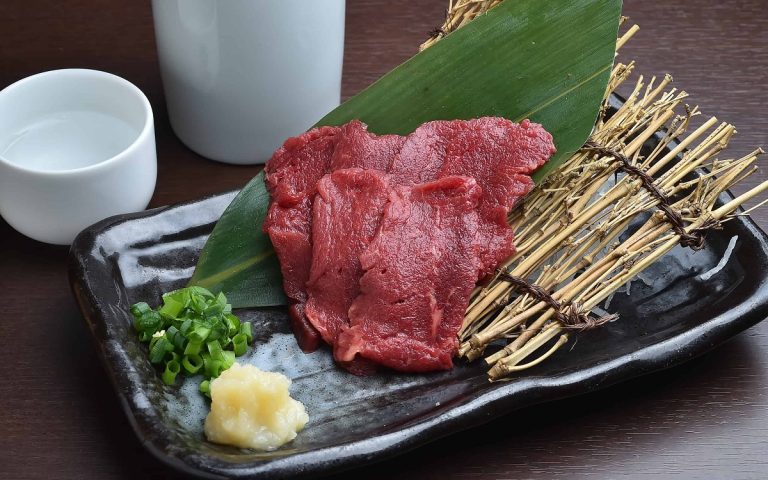
Horse meat has a unique reputation in culinary circles, often described as leaner and slightly sweeter than beef. Many people around the world consume it as part of traditional cuisines, particularly in countries such as Japan, Italy, and France. Understanding what does horse meat taste like helps those curious about trying it appreciate the differences in flavor, texture, and preparation methods compared to more common meats.
Horse meat is typically low in fat and high in protein, contributing to a tender yet firm texture when cooked properly. Flavor profiles can vary depending on the horse’s age, diet, and cut of meat, offering a subtle sweetness and rich, iron-like taste. Exploring this topic provides insight for food enthusiasts, chefs, and culturally curious individuals interested in international culinary traditions and the distinct qualities that make horse meat a unique dining experience.
Flavor Profile Of Horse Meat
Horse meat has a distinct flavor that sets it apart from more commonly consumed meats like beef, pork, or lamb. Its taste is often described as slightly sweet, rich, and tender, with a firm texture due to its low fat content. Understanding the flavor profile of horse meat helps chefs, food enthusiasts, and culturally curious individuals appreciate its unique qualities. Factors such as the horse’s age, diet, and the cut of meat significantly influence its taste, making proper preparation essential to highlight its subtle flavors.
Taste Characteristics And Comparisons
The taste of horse meat is often characterized by a mild sweetness and a rich, iron-like undertone, which distinguishes it from beef. Its leanness and lower fat content contribute to a firmer texture, requiring careful cooking methods to maintain tenderness. Compared to beef, horse meat has a slightly sweeter, more delicate flavor that some describe as nutty or game-like, making it appealing in slow-cooked or lightly seasoned dishes.
The flavor can vary depending on factors such as the horse’s diet, age, and breed. Younger horses generally produce more tender, milder-flavored meat, while older animals may offer a more pronounced, robust taste. Understanding these nuances allows cooks to select the right cuts and preparation techniques to highlight the meat’s natural qualities, whether grilling, stewing, or curing. Appreciating these taste characteristics provides insight into why horse meat is valued in various international cuisines.
Texture And Culinary Considerations
Texture plays a critical role in the flavor perception of horse meat. Its lean composition results in a firm, dense meat that requires attentive cooking to avoid dryness. Slow-cooking methods, such as braising or stewing, help break down muscle fibers and enhance tenderness while allowing the subtle sweetness and rich flavor to emerge.
Chefs often emphasize marinating or using complementary ingredients to balance the iron-like notes in horse meat. Thin cuts can be quickly seared, while thicker cuts benefit from longer cooking times to retain moisture. Proper handling and preparation are essential to fully appreciate the flavor profile, ensuring that the meat remains succulent, aromatic, and true to its distinct taste characteristics. Understanding texture and culinary techniques helps maximize the appeal of horse meat in various dishes.
Influence Of Diet And Rearing Conditions
The diet and rearing conditions of horses significantly impact the flavor of their meat. Horses fed on natural forage, grass, or high-quality hay tend to produce meat with a cleaner, sweeter taste, while grain-fed horses may have slightly different undertones. Environmental factors, such as pasture quality and exercise levels, also contribute to muscle development and overall meat texture.
Understanding the relationship between diet and flavor helps cooks and consumers anticipate taste variations and select meat that aligns with desired culinary outcomes. Recognizing these influences allows for informed preparation, enhancing the eating experience. By appreciating how diet and rearing conditions shape the flavor, you can better understand why horse meat exhibits its unique sweetness, richness, and firm texture compared to other red meats.
Texture And Consistency
Horse meat is known for its distinct texture and consistency, which sets it apart from more common meats like beef or pork. Its lean composition and low fat content result in a firm, dense meat that requires careful cooking to achieve tenderness. Understanding the texture and consistency of horse meat helps chefs, home cooks, and food enthusiasts prepare dishes that highlight its natural qualities. Proper handling and cooking techniques ensure a satisfying eating experience and maintain the integrity of this unique protein source.
Firmness And Muscle Structure
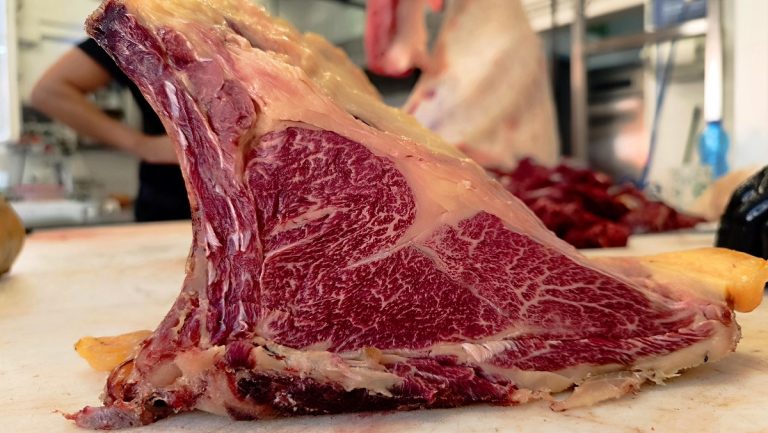
The firmness of horse meat is largely influenced by its low fat content and well-developed muscle structure. Horses, being highly active animals, have leaner muscles that result in a dense, firm texture. Unlike beef, which may contain more intramuscular fat or marbling, horse meat requires careful cooking to prevent toughness. Cuts from younger horses tend to be more tender, while older animals may produce slightly tougher meat.
The muscle fibers in horse meat are finer and more uniform, which contributes to a smooth yet resilient bite when cooked properly. Chefs often recommend slow-cooking, marinating, or searing thin slices to optimize tenderness. Understanding the muscle structure helps you select the right cooking method for each cut, ensuring the texture complements the flavor and creates a pleasurable culinary experience.
Moisture Content And Cooking Considerations
Moisture content is critical in achieving the desired consistency of horse meat. Its lean composition means there is less fat to retain juiciness during cooking, making it prone to drying out if overcooked. Proper techniques, such as braising, slow-roasting, or quick searing, help preserve moisture while enhancing tenderness.
Marination and the use of complementary ingredients can also improve texture by breaking down muscle fibers and adding flavor. Slicing meat against the grain further contributes to a softer, more enjoyable bite. By paying attention to moisture and cooking methods, you can maintain the characteristic firmness and subtle succulence of horse meat, ensuring that the final dish meets both flavor and textural expectations.
Variations Between Cuts
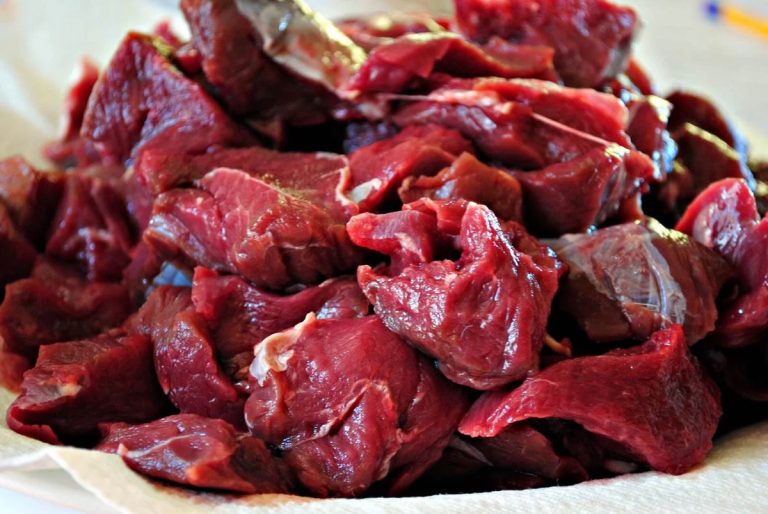
Different cuts of horse meat vary in texture and consistency, influencing preparation choices. Tender cuts from the loin or rib are ideal for quick-cooking methods, while tougher cuts from the shoulder or hindquarters benefit from slow cooking or stewing. These variations allow for diverse culinary applications, from steaks and carpaccio to braised dishes and sausages.
Understanding the specific properties of each cut ensures that the texture aligns with the intended dish. Chefs can match cooking techniques to the muscle structure and fat distribution, maintaining the natural firmness while enhancing tenderness and mouthfeel. Recognizing these differences helps you fully appreciate horse meat’s unique consistency and prepares you to handle each cut appropriately for the best eating experience.
Nutritional Influence On Flavor
The diet and nutrition of horses significantly impact the flavor of their meat. What a horse eats, along with its overall health and rearing conditions, shapes taste, tenderness, and aroma. Understanding the nutritional influence on flavor helps chefs, food enthusiasts, and consumers appreciate variations in horse meat across different sources. Proper feeding and management practices produce meat with a more balanced, mild, and appealing taste, highlighting subtle sweetness, richness, and firm texture that define this unique protein.
Role Of Diet In Flavor Development
The horse’s diet plays a central role in shaping the flavor of its meat. Horses that graze on fresh pasture, high-quality hay, or natural forage often produce meat with a cleaner, sweeter taste. Grass-fed diets tend to enhance subtle, delicate flavors and promote a balanced iron-rich undertone, while grain-fed horses may develop slightly different flavor profiles due to higher energy intake.
Nutritional content, including protein levels and fatty acids, affects both taste and texture. Adequate forage ensures lean muscle development, while deficiencies or imbalances can influence meat quality and palatability. Understanding the relationship between diet and flavor allows cooks to anticipate taste differences and select meat from horses raised under specific feeding conditions. This knowledge ensures a more consistent and enjoyable culinary experience.
Impact Of Health And Rearing Conditions
Beyond diet, a horse’s overall health and rearing environment influence meat flavor. Horses raised in stress-free conditions with sufficient space, exercise, and social interaction generally produce meat with more consistent texture and taste. Stress, illness, or poor handling can negatively affect muscle composition, fat distribution, and metabolic balance, which may alter flavor intensity or tenderness.
Rearing conditions also affect nutrient absorption, impacting the natural sweetness, richness, and aroma of the meat. Horses with access to varied forage and natural grazing tend to develop a balanced flavor that highlights the meat’s natural qualities. By considering both health and rearing practices, you can better understand the nutritional factors that contribute to horse meat’s unique taste profile.
Seasonal And Forage Variations
Seasonal changes in forage availability and quality can further influence horse meat flavor. Grass composition, nutrient density, and moisture content vary throughout the year, subtly altering the taste and tenderness of the meat. Horses consuming fresh spring or summer pasture may produce sweeter, more aromatic meat, while winter-fed horses on stored hay may have a slightly different flavor profile.
These seasonal variations emphasize the importance of consistent, high-quality nutrition for optimal meat quality. Chefs and consumers who understand how nutrition and environmental factors affect taste can better anticipate and appreciate the nuanced flavors of horse meat. Knowledge of these influences enhances preparation, seasoning choices, and overall dining experience.
FAQs
What Does Horse Meat Taste Like Compared To Beef?
Horse meat has a distinct flavor that differs from beef, being slightly sweeter and leaner. You may notice a subtle iron-rich undertone, giving it a richer taste without the heavy fattiness of beef. Its low fat content makes the texture firmer, requiring careful cooking to maintain tenderness. Compared to beef, horse meat is more delicate and mildly sweet, making it suitable for slow-cooked dishes, seared steaks, or cured preparations. Understanding these differences helps you appreciate the unique culinary qualities of horse meat.
Is Horse Meat Sweet Or Gamey?
Horse meat is generally described as slightly sweet rather than gamey. You might detect a mild iron-like richness, but it lacks the strong, wild flavor often associated with game meats. Its sweetness comes from the horse’s natural muscle composition and diet, particularly when fed on pasture or high-quality forage. Proper cooking enhances the natural flavors, allowing the subtle sweetness and rich undertones to shine. Knowing this helps you prepare dishes that highlight horse meat’s distinct taste and avoid overpowering seasonings.
How Does Age Affect The Flavor Of Horse Meat?
The age of the horse significantly impacts the flavor of its meat. Younger horses tend to produce milder, sweeter meat with tender texture, while older horses may have a richer, more pronounced iron-like taste. Muscle development and fat distribution change with age, influencing both flavor and firmness. By selecting meat from horses of appropriate age for your dish, you can ensure the taste and texture align with desired culinary outcomes. Understanding age-related differences helps you highlight horse meat’s natural qualities and optimize cooking techniques.
Does Diet Influence The Taste Of Horse Meat?
Yes, a horse’s diet directly affects the flavor of its meat. Horses fed on natural pasture or high-quality hay often produce sweeter, cleaner-tasting meat, while grain-fed horses may have slightly different undertones. Nutrient-rich diets contribute to muscle development and overall flavor balance, enhancing tenderness and subtle sweetness. By understanding dietary influences, you can anticipate taste variations and select meat raised under specific feeding conditions to achieve the desired culinary profile. Proper nutrition ensures a consistently appealing flavor and enjoyable dining experience.
What Is The Texture Of Horse Meat Like?
Horse meat has a firm, dense texture due to its low fat content and lean muscle structure. Unlike heavily marbled beef, it requires careful cooking to remain tender and juicy. Thin cuts are ideal for quick searing, while tougher cuts benefit from slow cooking methods such as braising or stewing. Proper preparation ensures that the texture complements the natural sweetness and rich undertones of horse meat. Understanding its firmness and muscle structure helps you achieve a balanced and enjoyable eating experience.
How Should Horse Meat Be Cooked To Enhance Flavor?
Cooking methods greatly influence the flavor of horse meat. You should use techniques that preserve moisture and tenderness, such as slow braising, stewing, or quick searing for thinner cuts. Marination can enhance natural sweetness and balance the iron-like undertones. Avoid overcooking, as its low fat content can lead to dryness and toughness. By selecting appropriate cooking methods and seasonings, you highlight horse meat’s distinct taste, firm texture, and subtle richness, ensuring a flavorful and satisfying dish.
Conclusion
The taste and texture of horse meat are distinct, offering a leaner and slightly sweeter profile compared to traditional red meats like beef. You notice that tenderness varies depending on the cut, age, and diet of the horse, with younger animals typically providing more delicate flavors. Preparation methods and freshness also play a significant role in shaping the overall eating experience. Cultural and regional practices influence how the meat is perceived, with some countries embracing it as a specialty while others remain hesitant.
For first-time tasters, understanding its lean texture and subtle sweetness helps set realistic expectations. Considering all these factors, exploring horse meat can provide a unique culinary perspective. Overall, trying it in controlled and culturally informed settings allows you to appreciate its nuances, answering the curiosity of what does horse meat taste like while respecting safety and preparation standards.