How Much Should A Horse Eat A Day: Essential Feeding Guidelines Every Owner Must Know
Horses are majestic animals, known for their strength, endurance, and gentle nature, but providing them with the right amount of food is essential to keeping them healthy and energetic. Their digestive systems are designed to process a constant flow of fibrous foods, which makes understanding their daily nutritional needs vital. Owners and caretakers often face challenges in determining how much to feed a horse, especially when considering factors like age, breed, activity level, and health conditions.
Knowing how much should a horse eat a day is crucial for maintaining optimal body weight, preventing digestive problems, and supporting overall health. Overfeeding can lead to obesity, colic, or laminitis, while underfeeding may result in nutrient deficiencies, weight loss, or fatigue. Both extremes can compromise a horse’s well-being and performance.
Daily feeding routines also play a role in a horse’s mental and emotional health. Horses thrive on consistency, so establishing a proper schedule for hay, grain, and supplements promotes comfort and reduces stress. Monitoring appetite, body condition, and energy levels helps ensure that their nutritional needs are being met effectively.
Understanding how much should a horse eat a day empowers owners to make informed decisions about diet planning and management. From young foals to senior horses, tailoring meals to individual requirements ensures they live longer, healthier, and more active lives.
Factors That Influence Daily Feed Amount
Determining the correct daily feed amount for a horse involves more than just providing hay or grains. Several factors influence how much a horse should eat each day, including its age, breed, activity level, and health condition. Understanding these elements helps owners provide balanced nutrition, maintain proper body weight, and support overall health. Proper feeding ensures that horses get the right energy, protein, and minerals for growth, performance, and long-term wellness.
Age and Growth Stage
A horse’s age significantly affects how much it should eat daily. Foals and young horses are in active growth stages, requiring higher protein and calorie intake to support bone development, muscle growth, and overall health. Their feeding needs often include high-quality hay, grain, and specialized feeds formulated for young horses.
Adult horses have stabilized nutritional requirements, which vary based on activity and body condition. Senior horses may require softer feeds, soaked hay, or specialized senior formulas due to dental wear or reduced digestive efficiency. Nutrient absorption can decrease with age, so careful monitoring of weight and body condition is important. Adjusting the feed according to age ensures that energy needs are met without causing obesity, digestive issues, or nutrient deficiencies, supporting overall longevity and well-being.
Breed and Size
Breed and size play a major role in determining a horse’s daily feed requirements. Smaller breeds, such as ponies, need fewer calories than larger breeds like draft horses, which have more substantial body mass and higher energy demands. Light breeds may require higher-quality concentrated feeds to meet energy needs without overfeeding bulk calories, while heavy breeds benefit from controlled rations to prevent obesity and metabolic problems.
Large breeds often face more stress on joints and organs due to their weight, making portion control essential. Understanding breed-specific tendencies, such as metabolic sensitivities or digestive efficiency, helps prevent common health issues. By tailoring the feed amount to breed and size, owners can maintain optimal body condition, support healthy growth, and avoid weight-related problems. Proper adjustments ensure that each horse receives nutrition proportional to its unique physiological needs.
Activity Level and Workload
The horse’s activity level is a crucial factor in daily feed planning. Horses involved in intensive work, such as racing, eventing, or heavy farm labor, require more calories and nutrients to sustain energy, muscle development, and recovery. High-performance horses need a balanced combination of forage and energy-dense concentrates to fuel their activity while preventing fatigue.
Moderately active or leisure horses require less feed than performance animals, and overfeeding them can lead to obesity or metabolic disorders. Senior or sedentary horses have lower energy needs and may benefit from restricted caloric intake to maintain proper weight. Adjusting feeding according to workload ensures that energy is supplied efficiently without compromising health, helping horses stay strong, fit, and mentally alert throughout daily activities.
Health Conditions and Special Needs
A horse’s health condition significantly influences how much it should eat each day. Horses with metabolic disorders, dental problems, or digestive issues require customized feeding plans to meet their nutritional needs without causing harm. For example, horses prone to laminitis or insulin resistance may need restricted grains and higher fiber intake, while those with poor dentition may require softened or pelleted feeds.
Regular veterinary assessments help identify underlying conditions that impact feeding requirements. Supplements, vitamins, or mineral adjustments may be necessary to support immunity, joint health, or organ function. Monitoring body condition, digestion, and energy levels allows owners to modify feeding strategies effectively. Properly addressing health-related needs ensures horses maintain weight, strength, and vitality, improving overall well-being and longevity.
Environmental and Seasonal Factors
Environmental conditions and seasonal changes also affect daily feed requirements. Horses kept in colder climates may need additional calories to maintain body temperature during winter, while those in hot climates require adequate hydration and may need lighter feeds to prevent overheating. Access to pasture, turnout, and quality forage can influence the type and amount of supplemental feed required.
Seasonal variations in pasture quality may necessitate adjustments to maintain consistent nutrient intake. Stress factors such as relocation, stabling, or changes in routine can also affect appetite and metabolism. By considering environmental and seasonal influences, owners can ensure that horses receive adequate nutrition year-round. These adjustments support energy balance, overall health, and adaptability to changing conditions.
Types of Feed and Their Role
Understanding the types of feed and their role is essential for providing balanced nutrition and maintaining a horse’s health. Horses require a combination of forage, grains, supplements, and water to meet energy, protein, and mineral needs. Each type of feed serves a specific purpose in supporting growth, performance, digestion, and overall well-being. Proper selection and management of feeds ensure horses receive adequate nutrients without causing digestive disturbances or obesity.
Forage: Hay and Pasture
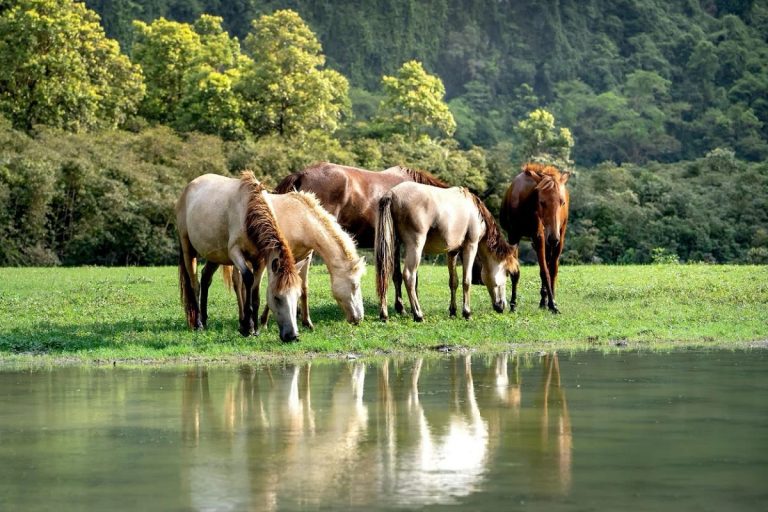
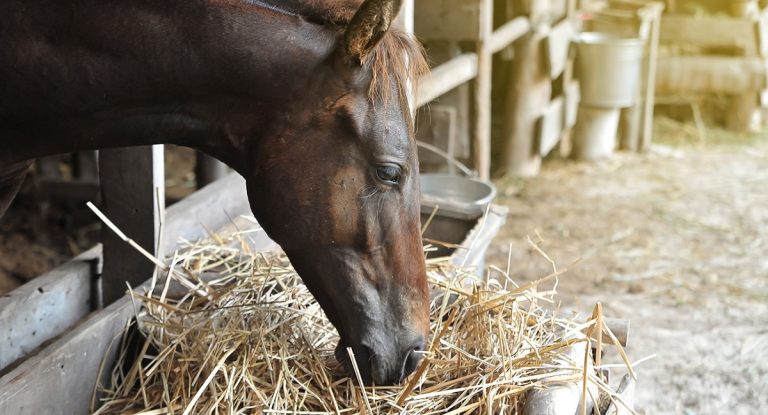
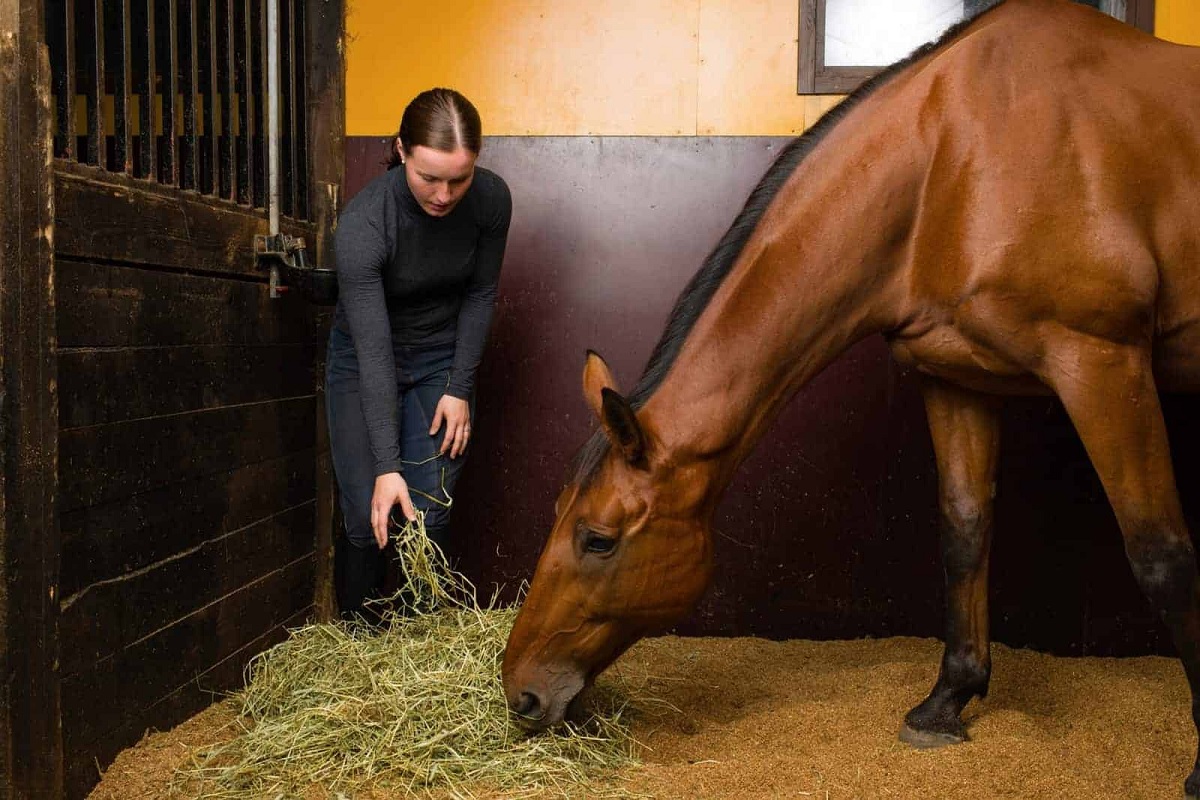
Forage, including hay and pasture grass, forms the foundation of a horse’s diet. High-quality forage provides essential fiber, which supports healthy digestion and prevents colic and other gastrointestinal issues. Horses evolved to graze for long periods, and consistent access to forage mimics natural feeding patterns, promoting mental and physical health.
Pasture grazing allows horses to obtain fresh nutrients and maintain proper dental function through natural chewing. Different types of hay, such as timothy, alfalfa, or orchard grass, offer varying levels of protein, calcium, and energy, which should be selected based on the horse’s age, activity, and health. Senior horses or those with dental issues may require chopped or soaked hay to prevent choking and ensure adequate nutrient intake. Monitoring forage quality, avoiding mold or dust, and providing sufficient quantities are essential to maintaining a healthy, balanced diet for all horses.
Regular access to forage also helps regulate gut motility, which is critical for nutrient absorption and preventing gastric ulcers. For horses in active work, forage provides long-lasting energy, while maintaining hydration through the natural moisture content in fresh grass or soaked hay. Understanding the role of forage ensures that it remains the cornerstone of a horse’s daily feeding regimen, supporting overall health and longevity.
Concentrates: Grains and Pellets
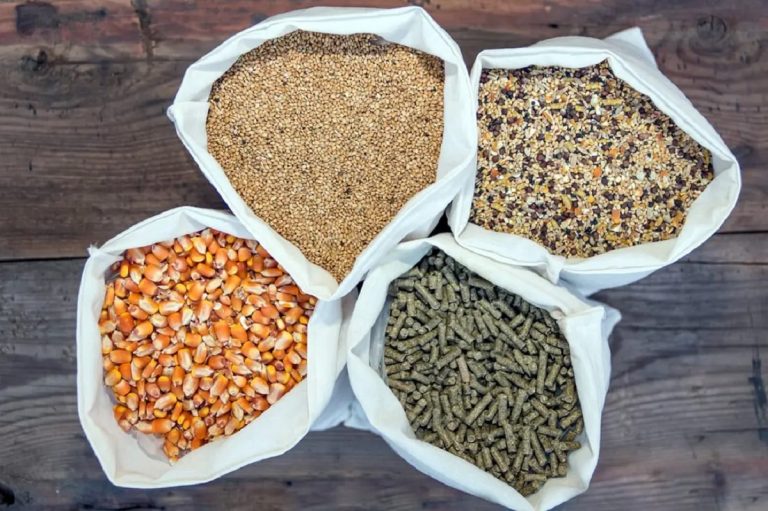
Concentrates, including grains and pelleted feeds, provide energy-dense nutrition for horses with higher caloric needs. Horses engaged in heavy work, training, or performance activities often require additional energy beyond what forage can supply. Grains such as oats, barley, and corn, as well as commercially formulated pellets, deliver carbohydrates, protein, and essential vitamins and minerals.
Grain feeding should be carefully managed to prevent digestive upset, obesity, or metabolic disorders. Portion size, feeding frequency, and gradual introduction are critical to avoid colic or laminitis. Pelleted feeds offer balanced nutrition with consistent nutrient content, making them suitable for horses with higher energy demands or those that need supplements in a controlled form. You should also consider age and health conditions; for example, senior horses may benefit from pelleted feeds designed for easier chewing and digestion.
Concentrates complement forage by providing targeted nutrition to support performance, growth, or recovery. By tailoring grain intake to energy expenditure, owners can maintain optimal body condition and muscle development. Monitoring weight, digestion, and activity ensures that concentrates enhance health rather than compromise it, making them an essential tool in a horse’s daily feeding plan.
Supplements and Minerals
Supplements and minerals play a supportive role in maintaining overall health, especially when forage and grains cannot meet all nutritional needs. Common supplements include vitamins, electrolytes, joint support products, and digestive aids. Minerals such as calcium, phosphorus, and salt are essential for bone development, muscle function, and fluid balance.
You should provide supplements based on your horse’s age, workload, and health status. For example, performance horses may need additional electrolytes to replace minerals lost through sweat, while senior horses may benefit from joint supplements to maintain mobility. Trace minerals and vitamins help prevent deficiencies that can lead to poor coat condition, weakened immunity, or metabolic disorders. Supplementation should be guided by a veterinarian or equine nutritionist to avoid overfeeding or nutrient imbalances.
Incorporating supplements strategically ensures that horses receive complete nutrition without over-reliance on high-calorie grains. Combining forage, concentrates, and supplements allows for a balanced diet that meets energy, protein, and micronutrient requirements. Understanding the specific role of supplements helps owners support health, performance, and longevity in all stages of a horse’s life.
Water: The Essential Nutrient
Water is often overlooked but is a crucial component of a horse’s diet. Adequate hydration is essential for digestion, nutrient absorption, temperature regulation, and overall health. Horses typically require 5 to 15 gallons of water daily, depending on size, diet, activity level, and environmental conditions.
You should provide fresh, clean water at all times, as dehydration can lead to colic, kidney issues, or decreased performance. Water needs increase during hot weather, intense work, or when horses consume high-fiber feeds that require additional fluid for proper digestion. Monitoring water intake, providing multiple access points, and ensuring troughs or buckets are clean and free of debris is vital.
Water also facilitates the proper use of minerals and supplements, ensuring that nutrients are absorbed efficiently. Even minor dehydration can impact energy levels, metabolism, and overall health. Recognizing water as a critical part of a horse’s diet reinforces its role in supporting growth, performance, and longevity, making it as important as forage or concentrates in daily feeding routines.
Calculating Daily Feed Requirements
Determining how much a horse should eat each day requires careful calculation based on several factors including body weight, age, activity level, and health status. Accurate daily feed calculations help prevent underfeeding or overfeeding, ensuring the horse maintains optimal body condition and overall health. Understanding the proper method for calculating daily feed requirements allows owners to tailor diets for growth, performance, or senior care while avoiding digestive problems and nutritional imbalances.
Estimating Forage Needs
Forage is the foundation of a horse’s diet, and calculating how much hay or pasture a horse requires starts with its body weight. Generally, horses need 1.5% to 2.5% of their body weight in forage daily. For example, a 1,000-pound horse would require approximately 15 to 25 pounds of hay per day. The exact amount varies depending on age, workload, and overall health.
You should monitor the horse’s body condition score to fine-tune forage intake. Horses in heavy work or lactating mares may require more forage to meet energy demands, while sedentary horses may need less to prevent obesity. Senior horses or those with dental issues may need softened or chopped forage to ensure proper chewing and nutrient absorption. Properly estimating forage needs ensures that horses receive sufficient fiber to support gut health, prevent colic, and maintain steady energy levels throughout the day.
Calculating Concentrate or Grain Intake
Concentrates, such as grains or pelleted feeds, supplement forage to provide additional energy, protein, and nutrients. The amount depends on the horse’s activity level, breed, and body condition. A general guideline is 0.5% to 1% of body weight per day, divided into two or more feedings to reduce digestive stress.
Performance or working horses require more concentrated feeds to sustain energy and muscle function, while leisure or lightly worked horses may need minimal grains. Gradually introducing concentrates and monitoring for signs of digestive upset, such as colic or loose stools, helps avoid complications. You should balance concentrates with forage to prevent excessive calorie intake and maintain a healthy body condition. Careful calculation ensures horses receive adequate nutrition for energy, growth, and performance without increasing the risk of metabolic or weight-related problems.
Adjusting for Age, Health, and Environment
Age, health conditions, and environmental factors also influence daily feed requirements. Growing horses require higher protein and energy intake, while senior horses may need easier-to-digest feeds and additional vitamins or minerals. Health conditions like metabolic disorders, dental issues, or laminitis necessitate tailored feed plans to maintain weight and prevent complications.
Environmental conditions, such as temperature and access to pasture, can increase or decrease energy needs. Cold weather may require additional calories to maintain body temperature, while horses in hot climates may require more water and electrolytes. Regular monitoring of body condition, coat quality, and energy levels allows adjustments in feed amounts to suit changing needs. Calculating daily feed requirements with these factors in mind ensures the horse remains healthy, active, and comfortable in any situation.
Signs of Underfeeding and Overfeeding
Proper feeding is essential for maintaining a horse’s health, and recognizing the signs of underfeeding or overfeeding is crucial for owners. Horses that do not receive adequate nutrition may suffer from weight loss, poor coat quality, or low energy, while overfed horses can develop obesity, metabolic disorders, or digestive problems. Monitoring body condition, behavior, and physical appearance helps ensure horses receive the correct amount of feed for their needs.
Signs of Underfeeding
Underfeeding occurs when a horse’s diet does not meet its energy, protein, or nutrient requirements. Horses may show noticeable weight loss, with ribs, hip bones, and spine becoming more prominent. Loss of muscle mass along the topline and hindquarters is common, indicating insufficient protein intake.
Other signs include a dull or rough coat, decreased energy, and lethargy. Underfed horses may appear weak, reluctant to exercise, or show reduced appetite due to poor overall health. Digestive issues such as slow gut movement or colic can also result from insufficient forage or improper feeding. Monitoring body condition score regularly helps detect underfeeding before it leads to severe malnutrition.
Behavioral changes may occur as well. Horses may become anxious or restless when hungry, and some may resort to cribbing or other stress behaviors. Ensuring consistent access to high-quality forage and a balanced diet is vital to prevent deficiencies. Adjusting feed amounts to meet age, activity, and health requirements restores energy, maintains weight, and supports long-term well-being.
Signs of Overfeeding
Overfeeding happens when a horse receives more calories than it can burn, often from excessive grains, concentrates, or high-calorie forage. Obesity is the most obvious sign, characterized by fat deposits along the neck, shoulders, and rump. Horses may also gain excessive weight around the belly, reducing mobility and increasing stress on joints.
Overfed horses are at higher risk for metabolic disorders such as insulin resistance or laminitis. A soft, cresty neck, fat pads along the tailhead, and difficulty in movement are common indicators. Behavioral issues like irritability, lethargy, or excessive sweating during light work can also result from excessive weight and poor conditioning.
Long-term overfeeding can compromise organ function, cause digestive upset, and shorten lifespan. Preventing overfeeding requires monitoring body condition score, controlling portions of high-energy feeds, and balancing forage and concentrate intake. Adjusting the diet according to activity level, age, and breed ensures that horses maintain healthy weight, strong muscles, and overall vitality.
Monitoring and Corrective Measures
Recognizing and addressing underfeeding or overfeeding promptly is essential. Regularly assessing body condition, coat quality, energy levels, and behavior helps owners identify early warning signs. Recording daily feed intake and comparing it to energy expenditure allows for accurate adjustments.
Veterinary guidance may be necessary for horses with extreme weight loss or obesity. Tailoring feed plans to match workload, age, and health ensures that horses receive proper nutrition without risking deficiency or overconsumption. Gradual changes in feed, combined with regular exercise, support safe weight management and overall well-being. By monitoring and correcting feeding practices, owners can maintain optimal health, performance, and longevity in their horses.
FAQs
How Much Forage Should A Horse Eat Daily?
Horses require the majority of their daily intake from forage, including hay and pasture grass. Typically, a horse should eat 1.5% to 2.5% of its body weight in forage each day. For a 1,000-pound horse, this equals about 15 to 25 pounds of hay daily.
You should provide high-quality forage that meets fiber and nutrient needs. Pasture access or soaked hay for senior horses ensures proper digestion and prevents choking. Monitoring weight and body condition helps determine if forage amounts need adjustment, ensuring your horse maintains a healthy weight and proper gut function.
How Much Grain Or Concentrates Should Be Fed?
Grains and concentrates supplement forage to meet additional energy, protein, and nutrient requirements. Horses in moderate to heavy work typically require 0.5% to 1% of their body weight in concentrates per day, divided into two or more meals.
You should tailor concentrate amounts based on activity level, age, and health. Overfeeding concentrates can cause digestive upset, obesity, or metabolic problems, while underfeeding may reduce energy for performance. Balancing grains with forage ensures proper nutrient intake and helps maintain optimal body condition.
Does Age Affect How Much A Horse Should Eat?
Yes, age significantly affects feeding requirements. Foals and young horses need more calories and protein for growth, while senior horses may require easily digestible feeds due to dental wear or reduced nutrient absorption.
You should adjust feeding plans according to the horse’s age and growth stage. Senior horses often benefit from soaked hay, chopped forage, or specialized senior feeds. Regular monitoring of weight, body condition, and energy ensures the diet meets age-specific needs while preventing obesity or malnutrition.
How Does Activity Level Influence Daily Feed Amount?
A horse’s workload directly impacts how much it should eat daily. Performance or working horses require more energy to fuel muscle development and recovery, while sedentary or leisure horses need fewer calories to maintain weight.
You should evaluate activity level before planning meals. Overfeeding a low-activity horse can lead to obesity, while underfeeding a performance horse may reduce stamina or affect health. Adjusting feed according to workload helps maintain energy balance, body condition, and overall vitality.
How Can Health Conditions Affect Feeding Needs?
Certain health conditions, like metabolic disorders, laminitis, or dental issues, can change a horse’s daily feed requirements. Horses with these conditions may need restricted grains, high-fiber diets, or specially formulated feeds.
You should work closely with a veterinarian to develop a customized feeding plan. Supplements, softened forage, or controlled portions may be required to maintain proper nutrition without aggravating health problems. Monitoring weight and digestion ensures your horse remains healthy while meeting its nutritional needs safely.
How Do You Monitor If A Horse Is Getting The Right Amount Of Feed?
Monitoring body condition, weight, and energy levels is key to ensuring your horse receives the correct feed amount. A healthy horse should maintain a steady weight with visible but not prominent ribs, strong muscle tone, and alert behavior.
You should adjust feed based on observations. Check body condition regularly, evaluate coat quality, and track energy levels during work or turnout. Any sudden weight gain or loss indicates that feeding adjustments are needed to meet nutritional requirements, keeping your horse healthy and performing well.
Final Words
Providing the right amount of food is crucial for keeping a horse healthy, energetic, and performing at its best. A horse’s nutritional needs vary depending on age, breed, activity level, and overall health. By understanding these factors, you can ensure your horse receives a balanced diet that supports growth, maintenance, and daily energy requirements.
When considering how much should a horse eat a day, it is important to focus on both forage and concentrates. High-quality hay or pasture should form the majority of the diet, supplemented with grains or specialized feeds as needed. Monitoring body condition, weight, and behavior helps adjust portions to prevent underfeeding or overfeeding, which can lead to health issues such as obesity or digestive problems.
Ultimately, knowing how much should a horse eat a day empowers owners to provide consistent and appropriate nutrition. Following proper feeding guidelines, observing your horse regularly, and consulting a veterinarian for specific needs ensures your horse stays healthy, happy, and thrives throughout its life.