Is Horse Riding Dangerous?
Yes, horse riding can be dangerous, with injury risks higher than many activities. Serious trauma occurs roughly every 350 hours. You face risks from falls, kicks, and unpredictable horse behavior.
This is especially true with inexperienced riders or high-strung horses. Protective gear like helmets greatly reduces severe injuries. But environmental hazards and high-risk activities add complexity.
Understanding these factors and safety measures is key to managing danger and improving your riding experience safely.
How Dangerous Is Horse Riding Compared to Other Sports?
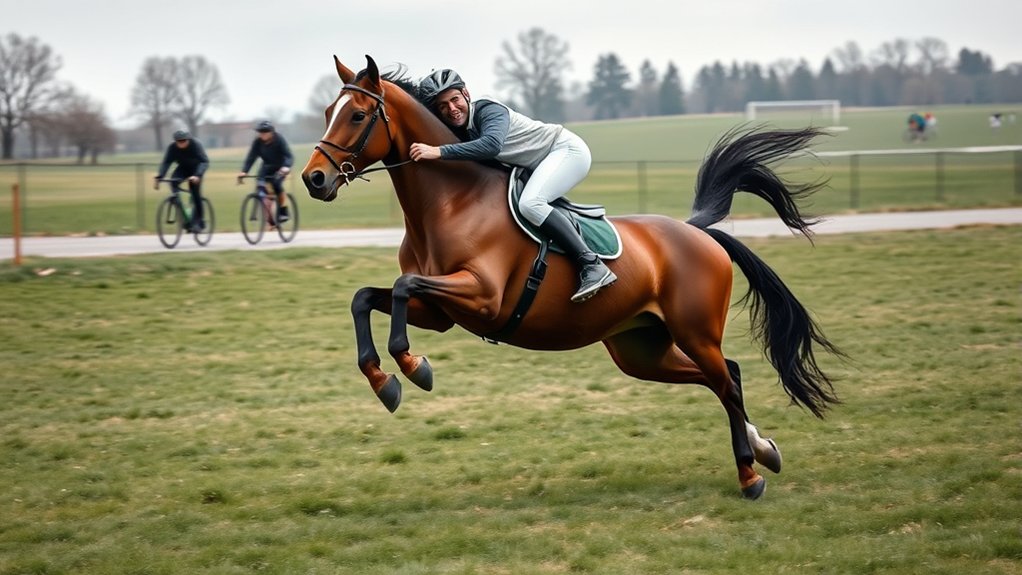
Although many people see horse riding as a leisurely activity, it ranks as the 10th most dangerous sport in the U.S., with about 81% of riders sustaining injuries.
Horse riding is the 10th most dangerous U.S. sport, with 81% of riders experiencing injuries.
When you consider the risks, horse riding is 20 times more dangerous than motorcycle riding, with a serious injury occurring every 350 hours of riding.
The danger extends beyond injuries; horse sports carry a death risk of about 50 in 500,000, surpassing activities like bungee jumping.
Significantly, horse riding leads to more traumatic brain injuries than other sports, emphasizing the severity of potential harm.
Given these statistics, you should approach horse riding with caution and respect for its inherent risks, understanding that injuries are common and can be severe compared to many other recreational activities.
Common Injuries in Horse Riding
When you go horse riding, there’s definitely a chance you could get hurt—things like broken bones, bruises, or even more serious injuries like traumatic brain injuries.
A lot of the time, these injuries happen to the head, face, neck, and limbs.
In fact, about 21% of riders end up with serious injuries that might need a stay in the hospital.
Knowing this can really help you take the right precautions to keep yourself safer and hopefully avoid these kinds of problems.
Typical Injury Types
When engaging in horse riding, you face various injury risks, with head injuries and broken bones among the most common. Horseback riding can lead to several typical injury types you should be aware of, including:
- Head injuries, particularly traumatic brain injuries from falls or impacts
- Fractures in the arms, legs, or collarbone due to falls or horse kicks
- Bruises and soft tissue damage caused by kicks, bites, or falls
- Severe facial fractures resulting from high-impact accidents
- Spinal injuries, which, though less common, can be very serious
Understanding these injury patterns helps you approach horseback riding with caution and prioritize safety measures. Protecting your head and limbs is essential to minimizing the risks inherent in this sport.
Injury Severity Patterns
Because horse riding involves unpredictable animal behavior and high-impact falls, the severity of injuries can vary widely but often includes serious trauma. Injury severity patterns reveal that head injuries, including traumatic brain injuries, occur in 10-30% of equestrian accidents and represent some of the most critical risks you face.
You’re also vulnerable to fractures of the arms, legs, and collarbones, primarily from falls or kicks. Spinal injuries, though less frequent, carry significant consequences like long-term disability.
Facial fractures and maxillofacial injuries commonly arise during collisions or jumps.
Moreover, severe tissue damage from kicks, bites, or crushing incidents may require extensive medical care. Understanding these injury severity patterns is vital for evaluating the real dangers and underscores the importance of protective gear and cautious riding practices.
What Causes Most Horse Riding Accidents?

You should know that most horse riding accidents happen because of falls, sudden reactions from the horse, and problems with the equipment.
Horses can be pretty unpredictable when something catches their attention, which makes it easier to lose control.
On top of that, gear that doesn’t fit right or is faulty, along with things going on around you, often play a big part in these accidents.
Common Injury Causes
How do most horse riding accidents occur? Falls are the leading cause, often resulting in bruises, fractures, and serious head injuries. Understanding common injury causes helps you minimize risks during riding.
Key factors include sudden horse reactions to loud noises or movements, causing you to lose control. Equipment malfunctions like ill-fitting saddles or loose bridles also increase the likelihood of accidents.
Direct impacts such as kicks or bites can lead to severe tissue damage and broken bones. Losing your balance during unexpected horse movements often results in falls.
Inadequate handling or preparation can make these risks even worse. Being aware of these causes helps you stay safer while riding.
Horse Behavior Risks
Accidents in horse riding often stem from the animal’s natural instincts and unpredictable behavior. Because horses are prey animals, sudden noises or unfamiliar environments can trigger spooking. That can lead to kicking, rearing, or bolting.
Even the best-trained horses may react unexpectedly if they sense danger or if you misread their body language. Rider error, like loss of control or improper handling, often makes these risks worse. Understanding horse behavior is essential to preventing accidents.
| Horse Behavior Risk | Rider Error Factor | Resulting Accident Type |
|---|---|---|
| Spooking | Poor control | Bolting |
| Kicking | Incorrect cues | Injuries from impact |
| Rearing | Misinterpretation | Falls |
| Bucking | Inexperience | Rider thrown off |
| Panic | Delayed reaction | Severe injury or fall |
Equipment And Environment
Although horses’ behavior plays a major role in riding risks, equipment and environmental factors often trigger most accidents. You must understand that equipment malfunctions and hazardous environments considerably contribute to injuries.
Common causes include poorly fitted saddles or loose bridles causing falls, sudden horse reactions triggered by equipment issues or unfamiliar surroundings, and inadequate safety gear increasing injury severity. Failure to inspect equipment before riding also plays a part.
Traveling through hazardous environments like busy roads or rough terrain can increase the chances of accidents. Being aware of these factors helps you stay safer while riding.
Risk Factors: Rider, Horse, Environment, and Activity
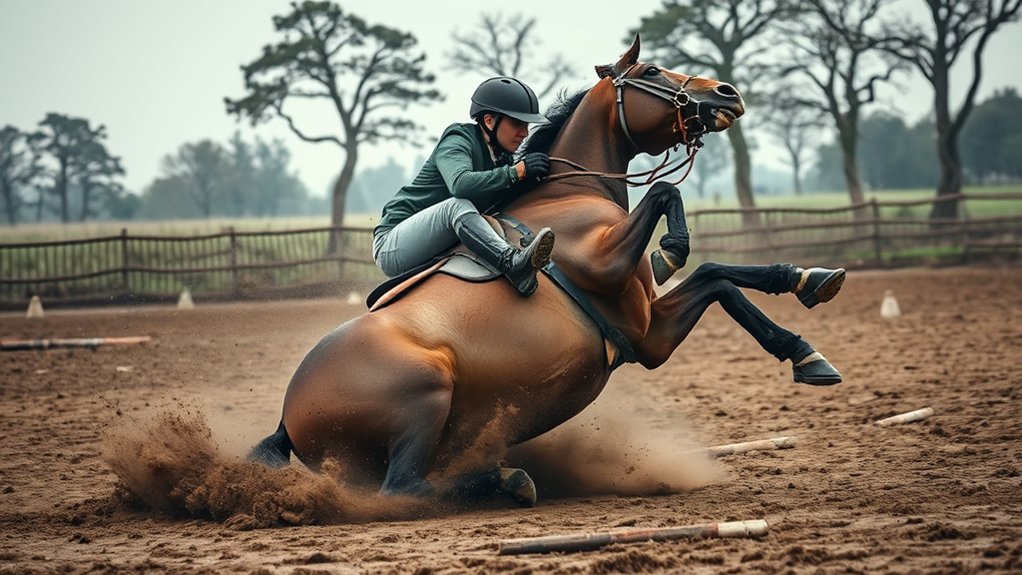
When you ride a horse, several risk factors come into play that can substantially affect your safety. Rider inexperience is a primary cause of riding accidents, as novice riders often lack the skills to manage sudden horse behavior or challenging terrain.
The horse’s temperament also matters. Skittish or untrained horses increase the likelihood of spooking, leading to unpredictable movements and falls.
Environmental elements further complicate safety. Busy roads, unfamiliar trails, or extreme weather heighten the risk of accidents.
Moreover, the type of riding activity influences danger levels. High-speed or complex maneuvers, such as jumping or racing, inherently carry greater risks.
Understanding these factors helps you assess and mitigate potential hazards before you mount.
How Protective Gear Reduces Horse Riding Injuries
You should definitely wear a helmet since it cuts the risk of head injuries by about 60%. This makes a big difference in keeping you safe.
Besides helmets, wearing protective gear like vests and gloves also helps reduce how severe your injuries might be if you happen to fall or get kicked.
It’s also super important to use equipment that fits properly and to check it before every ride. Doing this can stop accidents caused by gear failures, so you’re better protected out there.
Helmet Effectiveness
How much can wearing a helmet protect you during horse riding? Research shows that helmets reduce the risk of head injuries by about 60%, markedly lowering the chance of traumatic brain injuries. Many studies reveal that riders involved in accidents without helmets suffer more severe consequences.
When you choose a helmet that meets safety standards, you actively decrease your risk of fatal injuries. Here’s what you should know about helmet effectiveness:
- Helmets absorb impact, reducing force to the skull.
- Certified helmets meet rigorous safety criteria.
- Wearing a helmet correlates with fewer severe head injuries.
- Most serious head injuries occur when helmets aren’t worn.
- Consistent helmet use is a key factor in safer riding.
Using a helmet is a scientifically supported way to protect your head during horse riding.
Protective Gear Benefits
Protective gear plays an essential role in minimizing injuries during horse riding by absorbing impact and shielding vulnerable areas of the body. Wearing a helmet alone reduces your risk of head injuries by about 60%, which is critical during falls or collisions.
In addition to helmets, protective equipment like vests and body armor considerably lowers the severity of torso and spinal injuries, especially from falls or kicks. Regions enforcing mandatory safety gear report a decrease in horse-related fatalities from nearly five annually to just one.
Properly fitted saddles and bridles also prevent accidents caused by equipment failures, further reducing injury risk.
Additional gear such as mouthguards, gloves, and inflatable vests enhances your protection by absorbing shock and mitigating severe injuries.
Using thorough protective equipment is essential for safer horse riding.
Key Safety Practices to Prevent Horse Riding Accidents
Although horse riding offers enjoyment and exercise, it carries inherent risks that demand strict adherence to safety practices. To reduce your injury risk, especially head trauma, always wear a helmet that meets safety standards. Complement this with additional protective gear for thorough protection.
Horse riding is enjoyable but risky; always wear a certified helmet and protective gear to ensure safety.
Follow these key safety practices: Wear a properly fitted helmet and protective gear like body protectors, boots, and gloves. Inspect and correctly fit saddles, bridles, and other equipment before each ride. Ride with a qualified instructor or experienced companion for guidance and emergency support.
Stay vigilant of your surroundings to avoid hazardous terrain and traffic. Monitor weather conditions to prevent accidents caused by environmental factors.
Implementing these measures will notably lower your chances of accidents and serious injuries while riding.
How Rider Experience Affects Horse Riding Injury Risk
Mastering safety gear and procedures is a vital step, but your riding experience also plays a significant role in injury risk. Inexperienced riders face higher rates of riding injuries, accounting for 38% of livestock-related incidents, mainly due to falls and trauma.
Even with years of experience, such as ranchers averaging 27 years, injuries still occur. This shows that skill reduces but doesn’t eliminate risk. Proper training and gradual skill development are essential to mitigate injury risk.
| Rider Experience | Injury Risk Factor |
|---|---|
| Novice | High (38% of injuries) |
| Intermediate | Moderate |
| Experienced | Lower but present |
| Expert | Minimal, but not zero |
| Safety Equipment | Reduces head injuries by 60% |
Your rider experience influences how well you handle horses, affecting your overall safety.
How Horse Temperament Influences Riding Safety
Because a horse’s temperament directly affects its reactions, understanding these behavioral traits is essential for your riding safety. Horse temperament plays a critical role in predicting how a horse may respond under stress or unexpected stimuli, impacting your risk of injury.
Research shows that nervous or skittish horses increase the likelihood of falls, especially for less experienced riders. To enhance your riding safety, consider these points about horse temperament:
- Nervous horses often spook, causing sudden movements.
- High-strung horses correlate with increased rider injuries.
- Aggressive reactions to noises raise accident risk.
- Calm, well-trained horses tend to be safer mounts.
- Evaluating temperament helps you anticipate and manage behaviors.
Environmental Risks and High-Risk Horse Riding Activities
Understanding a horse’s temperament gives you insight into how it might behave, but external factors also play a crucial role in riding safety. Environmental risks such as uneven terrain, traffic proximity, and extreme weather increase your chances of riding accidents.
When you engage in high-risk activities like jumping or racing, the unpredictable and fast-paced nature considerably raises the risk of falls and serious injuries. Outdoor environments expose you to mud, rocks, and obstacles that can cause slips or trips, compounding these risks.
Moreover, weather extremes affect your judgment and physical control, further elevating danger levels. Recognizing these environmental risks and the inherent hazards of high-intensity riding is essential to understanding why some horse riding activities carry greater injury potential.
Improving Safety Awareness and Skills for Horse Riders
Although horse riding inherently involves risks, you can considerably enhance your safety by developing your skills and awareness through proper training and preparation.
Wearing a helmet and other safety equipment reduces injury severity, but combining this with knowledge and experience is essential.
To improve your safety awareness and skills, focus on taking lessons from qualified instructors to learn proper horsemanship techniques.
Wear a helmet and body protectors that fit correctly.
Build experience gradually; avoid risky horses and challenging activities initially.
Also, monitor weather conditions and ride strictly within your skill level.
Keep educating yourself on horse behavior and updated safety protocols to stay safe and confident.
Frequently Asked Questions
What Are the Historical Origins of Horse Riding as a Sport?
You’ll find that the historical origins of horse riding as a sport trace back to ancient equestrian traditions from civilizations like the Sumerians, Egyptians, and Greeks. These cultures developed cultural riding practices for warfare, hunting, and competitions.
Over time, mounted combat and chariot racing evolved, influencing modern equestrian disciplines.
How Do Horse Riding Injuries Impact Long-Term Mental Health?
Imagine your mind as a fragile glass; horse riding injuries can shatter it with emotional trauma. You might face post-injury anxiety, depression, or PTSD long after physical wounds heal.
Memory issues and mood swings can cloud your daily life. Fear of re-injury keeps you trapped in anxiety.
These mental health effects demand ongoing care.
This shows how deeply injury impacts your brain and emotions beyond the visible scars.
What Are the Economic Costs of Horse Riding Accidents?
You face significant financial impact from horse riding accidents, as injuries often demand costly hospitalization and long-term rehabilitation.
Insurance costs rise due to frequent claims, adding to the economic burden.
Emergency services, ambulance transport, and trauma care further increase expenses.
Moreover, lost productivity and worker absenteeism contribute to millions in economic losses annually.
Being aware of these costs helps you manage risks and prepare financially for potential accidents.
How Do Different Horse Breeds Affect Riding Styles?
Ever wondered how breed agility shapes your riding experience? Different horse breeds demand distinct riding styles because their agility and temperament vary greatly.
For example, Thoroughbreds require a forward riding posture suited to their speed, while draft horses need a more balanced, grounded approach due to their size.
Understanding your horse’s breed agility helps you adjust your riding posture safely, enhancing control and reducing injury risk during your ride.
What Role Do Veterinarians Play in Rider Safety?
Veterinarian expertise plays a critical role in rider safety by ensuring your horse is healthy and free from injuries or behavioral issues that could cause accidents. They monitor rider health indirectly by advising on safe riding practices linked to horse condition.
Conclusion
Horse riding, like steering a winding river, carries inherent risks that require your full attention and preparation. Understanding injury causes, wearing protective gear, and recognizing how rider experience and horse temperament impact safety can considerably reduce accidents.
By staying aware of environmental hazards and choosing activities wisely, you’ll improve your riding safety. Always approach horse riding cautiously, respecting its challenges to enjoy the sport while minimizing danger.