Is Horse Meat Healthy?
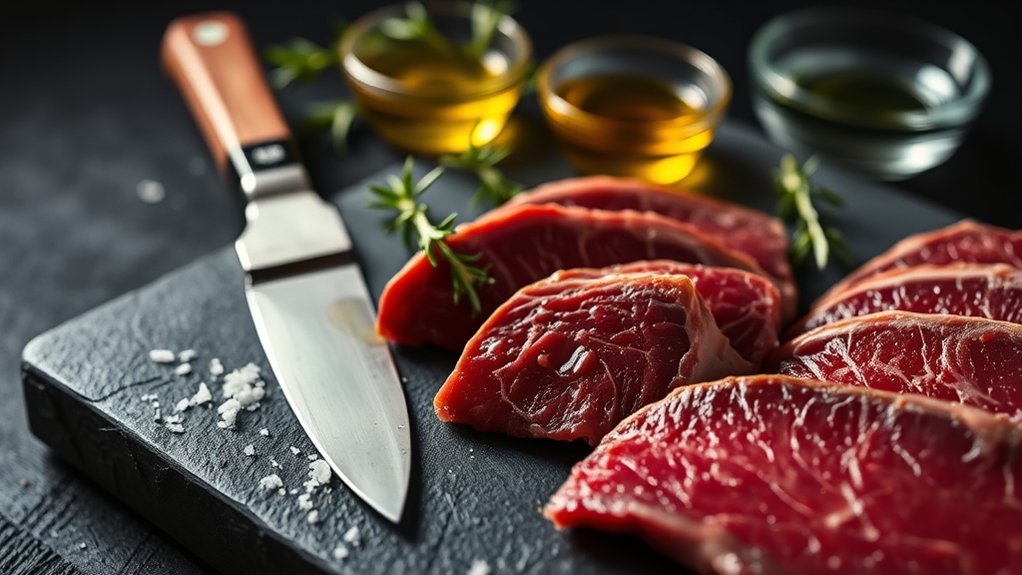
You’ll find horse meat to be a nutrient-dense, high-protein option with lower fat and cholesterol than beef or pork. It supplies essential minerals like calcium and heme iron, supporting blood and bone health. Its rich omega-3 fatty acids benefit your heart as well.
However, safety concerns exist due to possible drug residues, so sourcing and cooking properly are vital. Exploring its nutritional profile and risks can help you make an informed choice about including it in your diet.
Key Nutrients That Make Horse Meat Healthy
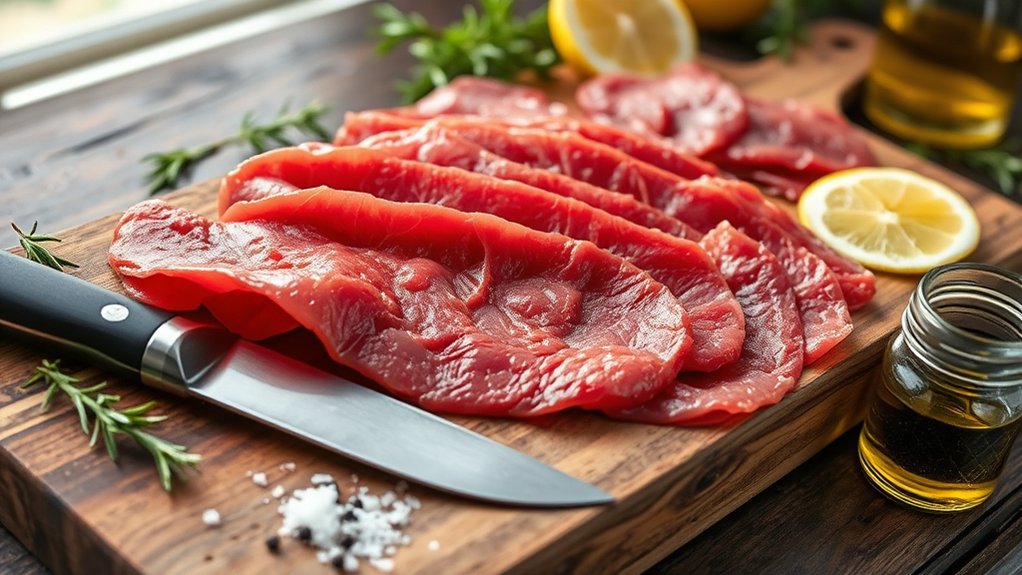
Although horse meat is less common in some diets, it offers a nutrient profile that supports overall health. You’ll find it contains about 21.1% protein per 100 grams, essential for muscle growth and repair.
Horse meat provides around 21.1% protein per 100 grams, vital for muscle growth and repair.
Its low fat content, around 6%, includes a favorable fatty acid profile, featuring higher levels of Omega-3 fatty acids like α-linolenic acid (1.4%) and palmitoleic acid (8.2%), which promote cardiovascular health.
Horse meat also provides significant amounts of essential minerals, including iron, delivering 21% of your daily requirement per 100 grams, along with zinc and copper that support immune function and enzymatic processes.
This combination of protein, Omega-3 fats, iron, low fat, and essential minerals makes horse meat a nutrient-dense option to contemplate for maintaining overall well-being.
How Horse Meat Compares to Beef and Pork
When comparing horse meat to beef and pork, you’ll find that horse meat offers a leaner protein source with about 21.1% protein per 100 grams, similar to the other two meats.
This nutritional comparison highlights horse meat’s lower total fat content, around 6%, making it a distinctly lean meat choice versus beef’s 14.1% and pork’s 16.1%.
Furthermore, horse meat’s fatty acid profile is notable for its higher levels of beneficial unsaturated fats, including α-linolenic acid and palmitoleic acid.
Importantly, it contains less saturated fat and cholesterol than beef and pork.
This aligns well with dietary recommendations to reduce cardiovascular risk.
What Makes Horse Meat Lower in Fat and Cholesterol?
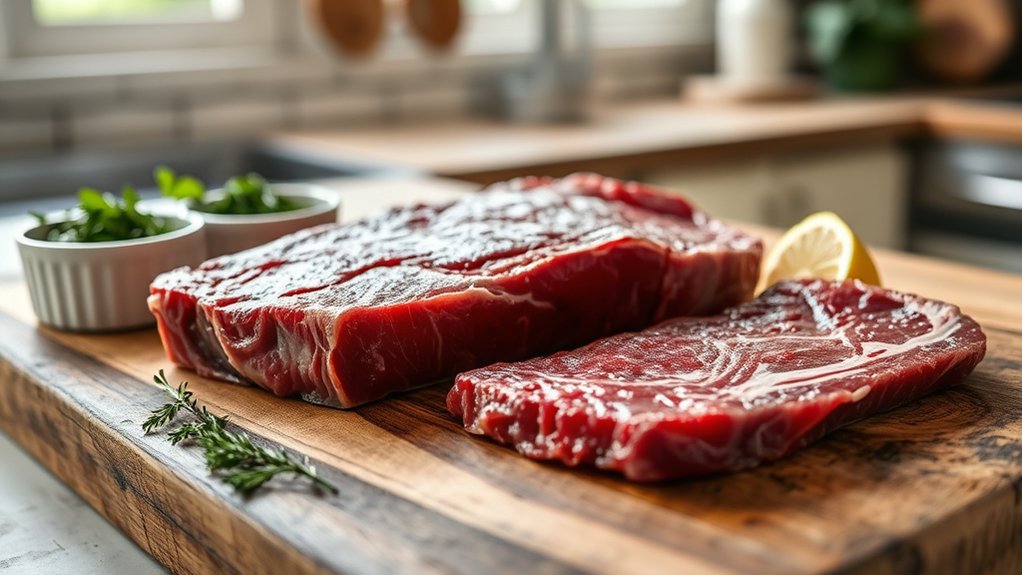
You’ll notice that horse meat has a lot less fat than beef or pork—only about 6.0% compared to 14.1% and 16.1%, respectively.
Plus, the fat it does have is packed with good stuff like unsaturated fatty acids, especially α-linolenic acid, which helps keep cholesterol levels in check.
On top of that, because horses eat a natural diet, their meat tends to be leaner with lower saturated fat and cholesterol.
Fat Content Comparison
How does horse meat maintain such a low fat and cholesterol content compared to other common meats? Its fat content of around 6.0% classifies it as lean meat, notably lower than beef and pork. This lean profile, combined with a high proportion of unsaturated fatty acids, contributes to reduced cholesterol levels and notable health benefits.
| Meat Type | Fat Content (%) | Cholesterol Levels (mg/100g) |
|---|---|---|
| Horse | 6.0 | Lower |
| Beef | 14.1 | Higher |
| Pork | 16.1 | Higher |
| Chicken | 9.0 | Moderate |
| Lamb | 17.0 | Higher |
This composition supports cardiovascular health, making horse meat ideal for those limiting saturated fat intake.
Beneficial Fatty Acids
Although horse meat contains only about 6.0% fat, its unique fatty acid profile plays a crucial role in lowering overall fat and cholesterol levels.
You’ll find that horse meat is rich in beneficial fatty acids, particularly unsaturated fats like palmitoleic acid and α-linolenic acid, an omega-3 polyunsaturated fatty acid known for anti-inflammatory properties.
This composition enhances the lipid profile by reducing saturated fat content compared to other red meats.
The elevated polyunsaturated fatty acids in horse meat align with dietary guidelines aimed at improving cardiovascular health.
Dietary Influences on Fat
The unique fatty acid profile of horse meat stems largely from biological and dietary factors that influence its fat content and composition. You’ll find horse meat contains only about 6.0% fat, markedly lower than beef or pork, making it especially lean meat.
This low fat content results from the horse’s metabolism, which favors muscle over fat deposition. Furthermore, horse meat’s fatty acid profile is rich in unsaturated fatty acids such as α-linolenic and palmitoleic acids, enhancing its nutritional value.
The favorable PUFA:SFA and n-6:n-3 ratios further characterize horse meat as a healthier red meat option. Understanding these dietary and physiological influences clarifies why horse meat offers a leaner, more beneficial fat composition compared to other red meats.
Beneficial Fatty Acids in Horse Meat
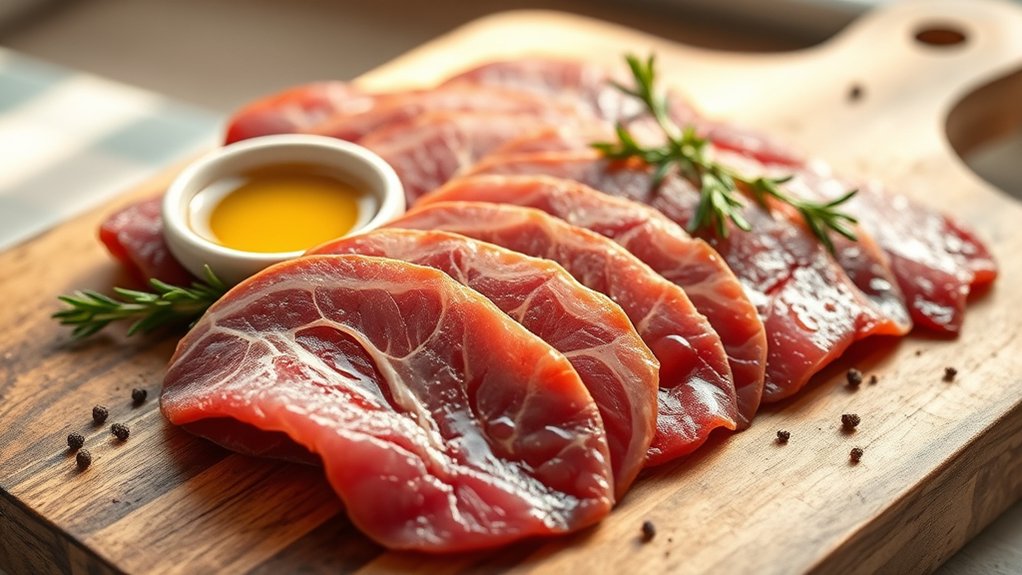
Because horse meat contains higher levels of beneficial fatty acids like α-linolenic acid (1.4%) and palmitoleic acid (8.2%) compared to beef and pork, it offers distinct nutritional advantages. Its fatty acid profile is rich in omega-3 polyunsaturated fatty acids, which are known for promoting heart health and reducing inflammation.
Horse meat’s higher unsaturated fatty acid content and a favorable polyunsaturated to saturated fatty acid (PUFA:SFA) ratio of 0.29 make it a healthier red meat alternative. However, the n-6:n-3 ratio of 10.2 suggests there’s room for optimization to maximize benefits.
| Fatty Acid Type | Percentage (%) |
|---|---|
| α-linolenic acid | 1.4 |
| Palmitoleic acid | 8.2 |
| PUFA:SFA ratio | 0.29 |
| n-6:n-3 ratio | 10.2 |
| Omega-3 content | Elevated |
How Horse Meat Supports Blood Health and Iron Levels
When you include horse meat in your diet, you tap into a rich source of heme iron, which your body absorbs far more efficiently than non-heme iron found in plant foods. A 100g serving of horse meat provides about 21% of the daily iron requirement for adult men, markedly supporting blood health by preventing iron deficiency anemia.
Beyond iron, horse meat offers substantial amounts of zinc and vitamin B12, both essential for red blood cell production and maintaining healthy blood function. Its combination of high iron bioavailability and essential micronutrients enhances oxygen transport and overall vitality.
Moreover, horse meat’s low fat and cholesterol content make it a heart-healthy choice that promotes ideal blood health without compromising cardiovascular well-being.
How Horse Meat Supports Bone and Joint Health
You’ll find that horse meat, especially when it comes from bones, is packed with important minerals like calcium and phosphorus. These nutrients are key to keeping your bones and joints strong.
In fact, traditional medicine has used horse bones for a long time to help heal bone-related issues, showing just how beneficial they can be.
These minerals work together to boost bone density and improve how your joints function, making horse meat a great choice for supporting your skeletal health.
Bone Mineral Richness
Although horse meat itself is prized for its nutritional value, the mineral richness found in horse bones plays an essential role in supporting bone and joint health.
Horse bones, particularly the cannon bone, exhibit exceptionally high mineral density, with calcium levels reaching 10,193 mg per 100 g and phosphorus at 5,874 mg per 100 g.
These minerals are critical for bone mineralization and maintaining structural integrity.
Furthermore, copper present in horse bones at 0.79 mg per 100 g supports collagen synthesis, which further enhances bone strength.
This mineral profile makes horse bones a potent natural source for improving bone health.
Traditional Medicinal Uses
How exactly has horse meat and its derivatives supported bone and joint health in traditional medicine? Horse bones, particularly from the cannon bone, contain a high mineral content vital for bone health. Traditional medicine uses these bones to treat fractures, arthritis, and other bone diseases by promoting bone regeneration.
The minerals calcium, phosphorus, and copper provide essential nutrients that help maintain bone density and encourage bone tissue growth. Also, bioactive compounds in horse bone extracts may reduce joint inflammation, which helps relieve symptoms of degenerative conditions.
Calcium And Phosphorus Benefits
Because bone health relies heavily on mineral intake, horse meat stands out as a valuable dietary source due to its high levels of calcium and phosphorus. These minerals are essential for maintaining skeletal integrity and preventing bone-related diseases.
Consuming horse meat offers a rich supply of calcium (up to 10,193 mg per 100 g of bones), which is essential for bone mineralization and combating osteoporosis.
It also provides significant phosphorus content (around 5,874 mg per 100 g), which works synergistically with calcium to support bone density and joint health.
Plus, there’s copper (0.79 mg per 100 g), which aids collagen formation for healthy cartilage.
This mineral content makes horse meat an effective option for repairing bone fractures and promoting overall bone health, ensuring stronger bones and improved joint function.
What Vitamins and Minerals Does Horse Meat Provide?
When you consume horse meat, you receive a substantial supply of essential minerals like phosphorus, iron, and copper, which contribute considerably to your daily nutritional requirements. A 100-gram serving delivers about 24% of your phosphorus, 21% of iron, and 40% of copper needs. These minerals are crucial for bone health, oxygen transport, and enzymatic functions.
Horse meat also provides important vitamins such as thiamin (0.20 mg), riboflavin (0.21 mg), niacin (1.65 mg), and retinol (30 µg) per 100 grams.
Significantly, its iron is heme-based, enhancing bioavailability and reducing anemia risk.
While it supplies modest amounts of sodium and potassium, horse meat lacks vitamin C and beta-carotene, limiting its contribution to these nutrients.
What Are the Environmental Benefits of Eating Horse Meat?
Although often overlooked, choosing horse meat over beef can considerably reduce your dietary carbon footprint due to its lower methane emissions. This shift promotes noteworthy environmental benefits because horse meat production is more sustainable and resource-efficient.
You’ll find that horse meat’s low fat content and higher omega-3 fatty acids contribute to a reduced environmental impact per nutritional unit. Moreover, consuming horse meat supports sustainable land use by managing wild horse populations and utilizing animals no longer needed for work or sport.
Key environmental benefits include:
- Significantly lower methane emissions compared to beef, reducing greenhouse gases
- Less resource-intensive farming practices, cutting water use and carbon output
- Promotion of ecological balance by controlling overgrazing through population management
Opting for horse meat aligns with sustainability goals while providing a nutritious, low-fat protein source.
What Health Risks Are Associated With Horse Meat?
You should know that horse meat can sometimes contain medication residues, like phenylbutazone, which can be harmful if the meat isn’t properly regulated.
On top of that, cultural and legal differences play a big role in how horse meat is inspected and consumed. These factors can impact the safety standards of the meat.
Medication Residue Concerns
Why should you be cautious about medication residues in horse meat? Many horses treated with veterinary medicines like phenylbutazone carry drug contamination risks, as these substances can be toxic to humans. Medication residues may persist in muscle and fat tissues, posing safety concerns.
Regulatory agencies mandate residue testing and withdrawal periods, but unverified medication histories increase contamination risks.
Key points to consider include:
- Presence of banned or unapproved medications in horse meat, leading to health hazards and trade restrictions.
- Accumulation of antibiotic and anti-inflammatory drug residues in edible tissues.
- Lack of consistent residue testing and medication traceability for horses entering the food chain.
Understanding these risks helps you make informed decisions about horse meat consumption and its potential health implications.
Cultural And Legal Barriers
Concerns about medication residues in horse meat highlight broader cultural and legal barriers that affect its consumption and safety. You’ll find that cultural barriers often deter people from eating horse meat, reflecting societal views and traditions.
Furthermore, legal restrictions in many countries prohibit horse slaughter and sale to protect consumer health, primarily due to risks from drug residues. Horses frequently receive medications like phenylbutazone, which can remain in their tissues and pose significant food safety concerns, including allergic reactions.
Because horses serve recreational and work roles, their meat risks contamination with chemical residues unsafe for consumption. While strict regulations and testing aim to guarantee horse meat safety, inconsistent enforcement undermines food safety standards, increasing health risks.
Understanding these cultural and legal factors is vital for evaluating the health implications of consuming horse meat.
How to Include Horse Meat Safely in Your Diet
When including horse meat in your diet, sourcing it from reputable suppliers who comply with food safety standards is essential to minimize health risks. Make sure the meat is free from harmful drug residues and comes from horses not treated with unsafe medications.
Proper storage at appropriate temperatures prevents spoilage. Cooking horse meat to an internal temperature of at least 145°F (63°C) effectively eliminates bacteria.
To safely incorporate horse meat, choose fresh or well-preserved meat from trusted sources to maintain food safety.
Gradually introduce small servings to monitor your body’s tolerance. And be sure to follow proper storage and cooking temperature guidelines to prevent contamination.
Frequently Asked Questions
Is Horse Meat Legal to Buy and Eat Worldwide?
You’ll find horse meat legal to buy and eat only in certain regions due to varying regional regulations tied to horse breeding practices and cultural significance. Consumer perceptions heavily influence these laws, with some countries embracing horse meat and others banning it.
The meat aging process affects quality but doesn’t impact legality. Ultimately, legality depends on where you are, reflecting diverse cultural values and regulatory approaches worldwide.
How Is Horse Meat Traditionally Prepared in Different Cultures?
Like a culinary tapestry woven with traditional recipes, horse meat preparation varies worldwide.
In Japan, you’ll enjoy basashi, thinly sliced raw sashimi.
Italy uses grilling and frying for polpette di cavallo and sausages.
Central Asia favors stews and fermented sausages, reflecting nomadic cooking techniques.
Europe often cures horse meat through smoking and salting.
Meanwhile, Korea combines boiling, grilling, and raw dishes like yukhoe, blending tradition with medicinal beliefs.
What Does Horse Meat Taste Like Compared to Other Meats?
You’ll notice horse meat offers a unique flavor comparison, combining a slightly sweet, gamey taste that’s milder than venison but richer than typical beef.
Its meat tenderness varies by age, with younger horses providing softer texture differences.
This tenderness enhances its culinary versatility, making it adaptable in diverse dishes.
Cultural preferences influence how you’ll experience these nuances, as traditional recipes highlight horse meat’s distinct profile compared to other red meats.
Are There Ethical Concerns About Consuming Horse Meat?
Yes, you’ll encounter significant ethical concerns when consuming horse meat. Animal welfare issues arise because horses are often seen as companion animals with high emotional value, making their slaughter controversial.
Furthermore, cultural taboos strongly influence perceptions, especially in countries where horsemeat consumption is socially unacceptable. These factors combine to create ethical debates rooted in respect for animal sentience and cultural norms, complicating the acceptance of horse meat as a food source.
Can People With Allergies to Beef Also Be Allergic to Horse Meat?
When it comes to horse allergies, you should remember that “what’s good for the goose is good for the gander.”
If you have a beef allergy, you’re at risk due to beef cross reactivity. Similar muscle proteins can trigger food allergy risks.
You must maintain strict dietary restrictions and allergen awareness since consuming horse meat can cause reactions.
Always consult an allergist before trying new meats to avoid severe allergic responses.
Conclusion
If you’re looking to boost your diet with nutrient-rich protein, horse meat might just be the healthiest secret you’ve never considered. Packed with essential vitamins, minerals, and beneficial fatty acids, it supports blood health while being lower in fat and cholesterol than beef or pork.
Just remember to source it safely and enjoy in moderation. After all, incorporating horse meat could revolutionize your nutrition like nothing else on the planet!