Do Horse Shoes Hurt Horses Or Protect Their Hooves
Horses’ hooves are essential for their mobility, performance, and overall health, and proper hoof care is a key responsibility for owners and farriers. Many horse enthusiasts and owners often wonder do horse shoes hurt horses, especially when seeing the nailing process or observing horses walking with shoes for the first time. Hoof health, anatomy, and the farrier’s skill all influence whether shoeing is comfortable or potentially harmful.
Properly applied horseshoes protect hooves from excessive wear, provide traction, and support horses with specific performance or medical needs. Conversely, poorly fitted shoes or incorrect application can lead to discomfort, bruising, or long-term hoof problems. Understanding the purpose, technique, and effects of horseshoes helps you make informed decisions about your horse’s care, ensuring comfort, safety, and overall hoof health while maintaining optimal performance and longevity.
Fitting And Application
Proper fitting and application of horseshoes are crucial to a horse’s comfort, performance, and overall hoof health. Understanding fitting and application helps prevent pain, injury, and long-term hoof damage. Horseshoes must be carefully sized, shaped, and attached by a skilled farrier to accommodate each horse’s unique hoof structure and activity level. Correct application provides protection, traction, and support, while improper fitting can lead to bruising, lameness, or chronic hoof issues, making professional care essential for the horse’s well-being.
Importance Of Correct Sizing
Correct sizing is the first step in ensuring a horseshoe benefits the horse rather than causing harm. Each hoof has a unique shape and size, and shoes must be tailored to fit snugly without constricting the hoof wall. A shoe that is too small can pinch, creating pressure points and bruising, while an oversized shoe may shift or catch, increasing the risk of tripping or injury.
Farriers measure the hoof length and width, evaluate its shape, and select a shoe that accommodates both the natural expansion of the hoof during movement and the horse’s workload. Different disciplines, such as jumping, racing, or trail riding, may require variations in shoe thickness, material, and design. Proper sizing ensures even distribution of weight and pressure, minimizing stress on the hoof and leg structures.
By focusing on correct sizing, you reduce discomfort, prevent lameness, and enhance overall hoof health. A well-fitted shoe supports natural movement, protects against excessive wear, and contributes to long-term soundness and performance.
Application Techniques And Considerations
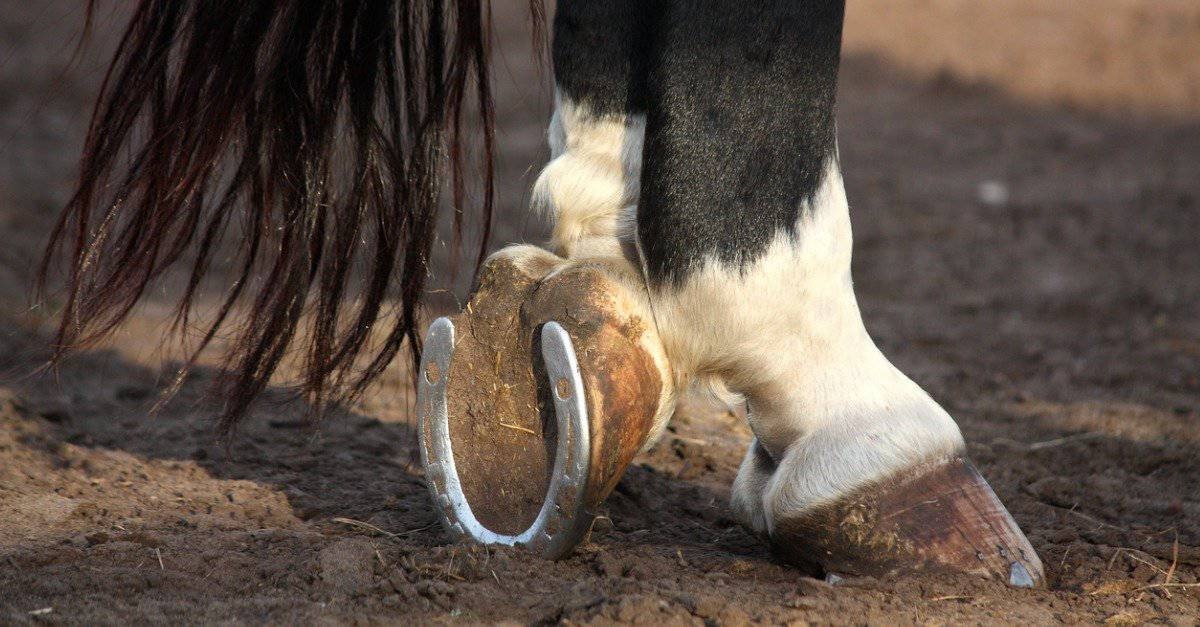
Application involves attaching the shoe securely while avoiding injury to sensitive areas of the hoof. Farriers use nails driven into the outer hoof wall, a region insensitive to pain, ensuring the inner structures remain unharmed. Precision is essential to prevent nails from penetrating sensitive tissue, which can cause acute pain, infection, or long-term damage.
During application, farriers may shape the shoe to match the hoof’s contour using specialized tools, ensuring even contact and balance. The horse’s activity, age, and health condition influence the type of shoe applied, including therapeutic or corrective options for specific hoof issues. Regular maintenance, including timely shoe replacement and hoof trimming, ensures the shoe remains properly aligned and continues to protect and support the hoof effectively.
Skilled application minimizes the risk of discomfort, lameness, or injury. Horses that are shod correctly experience improved traction, protection, and support for various surfaces and activities. Understanding the techniques and considerations involved in horseshoe application allows owners to ensure that their horses are comfortable, sound, and able to perform at their best.
Common Mistakes And Prevention
Mistakes in fitting and application can lead to serious hoof problems. Improper nail placement, poorly shaped shoes, or delayed shoeing can cause bruising, nail cracks, or uneven wear, resulting in pain and lameness. Horses may develop compensatory gait issues, which can strain joints and muscles, further affecting overall health.
Prevention involves working with an experienced farrier who understands hoof anatomy and the specific needs of each horse. Regular hoof inspections, timely shoeing schedules, and ongoing communication between owner and farrier ensure that shoes remain correctly fitted and functional. Attention to detail and proactive maintenance prevent complications and promote long-term hoof health.
Anatomy And Hoof Mechanics
A horse’s hoof is a complex structure vital for movement, balance, and overall health. Understanding anatomy and hoof mechanics is essential to ensure proper care, shoeing, and injury prevention. Each hoof comprises bones, tendons, ligaments, and sensitive soft tissue that work together to absorb shock, support weight, and enable efficient locomotion. Knowledge of hoof anatomy and its mechanical function helps you recognize potential problems, optimize shoeing techniques, and maintain the horse’s comfort, soundness, and long-term mobility.
Structure Of The Hoof
The hoof consists of several interconnected components, each serving a unique purpose. The outer hoof wall is made of keratin, a tough material that protects the inner structures while bearing weight. The sole, frog, and bars provide cushioning and traction, absorbing shock and supporting the horse’s balance during movement. The digital cushion, located above the frog, acts as a natural shock absorber, reducing stress on bones and joints.
Inside the hoof, the coffin bone provides structural support and helps maintain the hoof’s shape. Tendons and ligaments connect the hoof to the lower leg, facilitating movement and enabling energy transfer during locomotion. The laminae, a sensitive tissue layer, secures the hoof wall to the coffin bone, providing stability while accommodating expansion and contraction as the horse moves.
Understanding this anatomy is essential for proper hoof care and shoeing. Disruption or injury to any part can cause pain, lameness, or long-term structural problems. Regular inspection, trimming, and proper shoeing support healthy mechanics, enhance comfort, and prevent common hoof-related ailments, ensuring the horse maintains mobility and overall health.
Hoof Mechanics During Movement
Hoof mechanics play a critical role in a horse’s mobility, weight distribution, and performance. Each step involves the hoof absorbing impact, supporting body weight, and propelling the horse forward. The frog and digital cushion compress upon ground contact, dissipating shock to reduce stress on bones and joints. This natural suspension system allows horses to move efficiently across varied terrain.
The hoof expands slightly with each step, accommodating pressure and maintaining circulation. Proper shoeing and trimming preserve this mechanical function, while poorly fitted shoes or imbalanced hooves can impair movement, cause uneven weight distribution, and increase the risk of lameness. Tendons and ligaments transfer energy from the hoof to the upper leg, supporting endurance and agility.
Understanding how the hoof functions during movement helps in making informed decisions about trimming, shoeing, and managing workload. Maintaining natural mechanics enhances performance, reduces strain, and promotes long-term soundness, ensuring your horse can move comfortably and safely throughout its life.
Common Issues Related To Hoof Mechanics
Disruptions in hoof mechanics can lead to pain, lameness, or chronic conditions. Imbalances in hoof shape, improper shoeing, or excessive wear can affect weight distribution, strain tendons and ligaments, and compromise joint health. Conditions such as laminitis, bruising, or contracted heels often result from mechanical dysfunction.
Preventing these issues requires routine monitoring, regular trimming, and timely corrective shoeing. Observing gait, posture, and hoof wear patterns helps detect early signs of mechanical problems. Working with an experienced farrier ensures that shoes support natural hoof expansion, traction, and energy absorption without causing additional stress.
Potential Pain Or Discomfort
Horses rely on healthy hooves for movement, balance, and overall well-being, making awareness of potential pain or discomfort critical. While horseshoes provide protection and support, improper application, poor fit, or pre-existing hoof conditions can cause pain. Recognizing signs of discomfort early, understanding its causes, and addressing them promptly ensures that horses remain sound, comfortable, and able to perform daily activities without stress or injury, promoting both physical health and long-term mobility.
Causes Of Pain From Horseshoes
Pain from horseshoes often arises from poor fitting, incorrect nail placement, or inappropriate shoe type. Shoes that are too tight can pinch the hoof wall, causing bruising or soreness, while loose or oversized shoes can shift, creating pressure points or leading to tripping. Nail misplacement can penetrate sensitive tissue, resulting in acute pain, bleeding, or infection.
Underlying hoof problems, such as cracks, thrush, or laminitis, can exacerbate discomfort when shoes are applied. Inadequate trimming prior to shoeing can create uneven pressure on the hoof, further contributing to lameness or soreness. High-performance horses or those engaged in rigorous work may experience additional strain if shoes do not support their activity level appropriately.
Recognizing the specific cause of pain allows for timely corrective measures, such as shoe adjustment, trimming, or therapeutic applications. Proper evaluation by a skilled farrier ensures the horse receives the correct type, size, and application method for optimal comfort and function, reducing the risk of long-term damage.
Signs Of Discomfort
Identifying discomfort early is key to preventing long-term injury. Common signs include changes in gait, reluctance to move, frequent shifting of weight, or uneven hoof wear. Horses may exhibit behavioral changes, such as irritability during handling, refusal to be shod, or signs of stress during movement. Swelling, heat in the hoof, or tenderness when pressure is applied are physical indicators of potential pain.
Monitoring daily behavior and movement helps detect subtle changes before they escalate into serious lameness. Routine hoof inspections, combined with feedback from farriers and veterinarians, allow you to pinpoint areas of concern. Early recognition ensures that corrective measures, including shoe adjustments, trimming, or therapeutic interventions, can be implemented promptly.
By paying attention to behavioral and physical cues, you ensure that your horse experiences minimal pain and maintains comfort. Timely intervention prevents complications, supports healthy hoof mechanics, and preserves the horse’s long-term soundness and mobility.
Preventing And Managing Pain
Preventing pain or discomfort involves careful attention to shoe selection, fit, and application, as well as ongoing hoof care. Routine trimming, proper shoeing techniques, and regular inspections reduce the risk of pressure points, bruising, and lameness. Therapeutic or corrective shoes may be necessary for horses with pre-existing hoof conditions or those engaged in intensive work.
Collaboration with a skilled farrier and veterinarian ensures that your horse receives individualized care tailored to its hoof structure, activity level, and health status. Addressing discomfort promptly, maintaining balance in the hoof, and monitoring for changes support overall well-being.
Health Benefits Of Horse Shoes
Horseshoes are not only protective but also provide significant health benefits for horses when properly applied. They support hoof structure, prevent excessive wear, and improve traction, which reduces the risk of injuries during work or performance. Correct shoeing helps maintain balance, supports joint and tendon health, and can correct or prevent certain hoof problems. Understanding these benefits allows you to make informed decisions about shoeing, ensuring your horse remains comfortable, sound, and healthy throughout its life.
Protection And Support
One of the primary health benefits of horseshoes is the protection they provide to the hoof. Horses walking or working on hard, rough, or uneven terrain are at risk of wear, cracking, or bruising of the hoof wall. Properly fitted shoes act as a barrier, distributing weight evenly and absorbing impact, which reduces stress on bones, tendons, and ligaments.
Shoes also provide additional support for horses with specific conditions such as weak hooves, laminitis, or previous injuries. Correct shoeing can improve balance, enhance gait, and reduce strain on the legs and joints. By minimizing trauma and promoting stability, horseshoes contribute to long-term soundness and mobility.
Beyond protection, therapeutic or corrective shoes address structural problems, realign hooves, and improve overall limb mechanics. These applications prevent chronic pain, enhance performance, and support recovery from injuries. Horses benefiting from well-applied shoes experience less fatigue, reduced discomfort, and increased resilience to environmental stressors, contributing to a healthier, more active life.
Enhancing Performance And Mobility
Horseshoes improve traction and stability, which enhances both performance and mobility. Riding, jumping, or working horses require secure footing to prevent slips and falls, particularly on slippery or uneven surfaces. Shoes with specialized designs provide grip, supporting safe movement and reducing the likelihood of injuries.
In performance horses, shoes can optimize gait and balance, allowing efficient energy transfer and minimizing undue stress on joints and muscles. They also enable horses to maintain comfort during long hours of work or rigorous activities, reducing fatigue and supporting endurance.
Proper shoeing can prevent compensatory movement patterns that often develop when a horse experiences discomfort or instability. By ensuring even weight distribution and correct hoof alignment, shoes help preserve musculoskeletal health, reducing the risk of long-term injury. This combination of protection, stability, and support promotes overall health, enabling horses to remain active, sound, and comfortable throughout their careers.
Maintenance And Regular Care
Consistent maintenance and regular care of horseshoes and hooves are essential for a horse’s health, comfort, and performance. Understanding maintenance and regular care ensures that shoes continue to provide protection, support, and proper alignment while preventing injuries or hoof-related problems. Routine inspection, timely shoe replacement, and proper hoof hygiene help maintain structural integrity, enhance mobility, and reduce the risk of lameness. Regular care also allows you to detect early signs of discomfort or disease, promoting long-term soundness and well-being.
Routine Inspection And Hoof Monitoring
Regular inspection of hooves is a critical component of maintenance. Checking for loose nails, worn shoes, cracks, or signs of infection allows you to address problems before they escalate. Observing the horse’s gait and posture during daily handling can reveal subtle discomfort or uneven wear that may indicate improper shoeing or hoof imbalance.
Hooves should be cleaned daily to remove dirt, debris, and stones that can cause bruising or punctures. Moisture management is also essential, as excessively wet or dry conditions can weaken the hoof wall and increase susceptibility to disease. Monitoring temperature, swelling, or unusual odors helps detect early signs of infection or inflammation, allowing timely intervention.
Collaborating with a skilled farrier ensures that inspection findings are addressed properly. Routine checkups and preventive care help maintain proper shoe fit, hoof balance, and overall soundness. By prioritizing consistent inspection and monitoring, you enhance the horse’s comfort, reduce the risk of lameness, and support long-term hoof health and mobility.
Shoe Replacement And Adjustment
Horseshoes require periodic replacement or adjustment to continue functioning effectively. Depending on the horse’s workload, terrain, and hoof growth rate, shoes may need resetting every 4 to 8 weeks. Regular replacement prevents uneven wear, maintains proper balance, and ensures that nails remain secure without causing pressure or injury.
Adjustments may also be necessary to accommodate changes in hoof shape, corrective needs, or performance requirements. Therapeutic shoes may require more frequent evaluation to address specific conditions such as laminitis, navicular disease, or tendon strain. A well-timed shoe change prevents discomfort, supports mobility, and reduces the risk of joint or tendon stress caused by uneven or worn shoes.
Proper shoe maintenance ensures that hooves remain protected while facilitating natural movement and energy transfer. Working with an experienced farrier allows you to maintain optimal hoof mechanics, preventing chronic issues and promoting long-term soundness. Consistent replacement and adjustment are essential elements of a horse’s overall health and performance management.
Preventive Hoof Care Practices
Preventive care complements shoe maintenance and contributes to overall hoof health. Regular trimming maintains correct hoof shape, promotes balance, and supports proper weight distribution. Farrier visits, combined with daily cleaning, allow for early detection of cracks, bruises, or infections.
Incorporating hoof-strengthening practices, such as providing adequate nutrition, managing moisture levels, and avoiding excessive workload on hard surfaces, helps maintain durability and resilience. Observing seasonal changes and adjusting care accordingly ensures that hooves remain strong and healthy throughout the year.
FAQs
Do Horses Feel Pain When Being Shod?
Horses generally do not feel pain when shoes are applied correctly because nails are placed in the outer hoof wall, which lacks nerve endings. Proper technique ensures that sensitive areas inside the hoof are not injured. Discomfort can occur if nails are misplaced, the shoe is ill-fitting, or the hoof is unhealthy. Working with a skilled farrier ensures that the shoeing process is safe, minimizes stress, and keeps the horse comfortable throughout. Observing behavior during shoeing helps detect any subtle signs of unease that may need attention.
Can Poorly Fitted Shoes Cause Pain?
Yes, poorly fitted shoes can cause significant discomfort or pain. Shoes that are too tight may pinch the hoof wall, while oversized shoes can shift or catch, causing bruising, lameness, or altered gait. Improper shoeing can also place uneven pressure on tendons, joints, and ligaments. Regular monitoring and timely adjustment by a qualified farrier prevent these issues. Ensuring the shoe matches the horse’s hoof size, shape, and activity level is crucial to maintain comfort, promote proper movement, and avoid injuries associated with poor fit.
Are There Signs Of Discomfort From Shoes?
Horses may show signs of discomfort if shoes are causing pain. Common indicators include limping, uneven weight distribution, reluctance to move, or behavioral changes during handling. Physical signs like swelling, heat, bruising, or sensitivity when the hoof is touched also suggest pain. Early detection of these symptoms allows you to address problems promptly through adjustment, corrective shoeing, or veterinary care. Observing your horse regularly during daily routines helps ensure shoes are not causing stress, supporting overall hoof health, mobility, and long-term comfort.
Can Therapeutic Shoes Reduce Pain?
Yes, therapeutic horseshoes are designed to alleviate pain and address specific hoof conditions. They can correct imbalances, reduce pressure on damaged areas, and support recovery from injuries such as laminitis, navicular disease, or tendon strain. Properly applied therapeutic shoes redistribute weight, improve gait, and reduce strain on joints and ligaments. Working with an experienced farrier ensures that these shoes are customized to the horse’s needs, providing relief while maintaining mobility. Horses often experience improved comfort and performance when therapeutic shoes are correctly implemented.
Does Shoe Application Cause Long-Term Discomfort?
When applied correctly, horseshoes do not cause long-term discomfort. Regular maintenance, proper trimming, and appropriate shoe selection ensure that hooves remain balanced and healthy. Problems arise only with poor application, neglect, or inappropriate shoe type. Consistent farrier care, combined with monitoring for changes in gait or behavior, prevents chronic pain and preserves hoof integrity. Well-managed shoeing supports long-term mobility, joint health, and overall well-being, allowing horses to remain active, comfortable, and sound throughout their lives.
Are Young Horses Sensitive To Shoe Application?
Young horses can be more sensitive during shoeing because their hooves are still developing. Careful handling, gradual introduction to the shoeing process, and gentle technique are essential. Experienced farriers take extra precautions to avoid stress or injury. Using appropriate-sized shoes and allowing time for adaptation ensures comfort and promotes positive associations with hoof care. Early, careful shoeing sets the foundation for healthy hoof mechanics, reduces the risk of pain, and prepares young horses for safe and effective performance throughout their lives.
How Can Owners Minimize Discomfort From Horseshoes?
Owners can minimize discomfort by scheduling regular farrier visits, maintaining proper hoof hygiene, and observing their horse’s gait and behavior. Communicating any changes or concerns with a skilled farrier ensures adjustments are made promptly. Providing a balanced diet and proper exercise supports hoof health, reducing stress and susceptibility to pain. Monitoring environmental factors, like uneven terrain or excessive workload, also prevents shoe-related injuries. Proactive care and attention to your horse’s comfort during shoeing and daily routines maintain mobility, prevent lameness, and support overall hoof and limb health.
Final Thoughts
Properly fitted horse shoes are generally designed to protect and support a horse’s hooves rather than cause harm. When applied by a skilled farrier, shoes help prevent excessive wear, provide traction, and offer therapeutic benefits for weak or injured hooves. However, discomfort or injury can occur if shoes are poorly fitted, nailed incorrectly, or left on for too long, leading to pain, lameness, or altered gait. Regular maintenance, monitoring for loose nails or cracks, and timely adjustments are essential to ensure hoof health.
Alternatives such as barefoot trimming or synthetic shoes can be considered in specific situations to reduce potential stress. Understanding these factors provides clarity on the balance between protection and risk, directly addressing the question of do horse shoes hurt horses and highlighting the importance of proper care, expert application, and ongoing attention to maintain comfort and overall hoof well-being.