What Should Horses Not Eat?
You shouldn’t feed your horse toxic plants like yew, oleander, and rhubarb leaves, nor harmful human foods such as chocolate, garlic, or onions. Avoid moldy, spoiled, or chemically contaminated feed, as these can cause serious illness.
Overfeeding treats, especially large or sugary ones, disrupts digestion and risks colic or laminitis. Stick to balanced diets centered on hay and pasture grass. Understanding these key dangers helps keep your horse healthy and safe.
Common Toxic Plants and Foods Horses Must Avoid
Although horses may be curious grazers, you should never let them eat certain plants and foods that are highly toxic. Among common toxic plants, yew and oleander pose severe risks. Yew’s alkaloids can cause cardiac and respiratory failure, while oleander’s cardiac glycosides are often lethal even in tiny amounts.
When considering foods you shouldn’t feed, avoid chocolate entirely. Theobromine in chocolate can trigger diarrhea, seizures, and death.
Moreover, potatoes and tomato plants contain solanine and alkaloids, causing digestive and neurological issues.
Rhubarb leaves contain oxalates that may lead to kidney failure and gastrointestinal distress.
Recognizing these toxic plants and foods you shouldn’t feed is essential for protecting your horse’s health and preventing potentially fatal poisonings.
Why Moldy and Decaying Feed Are Dangerous for Horses
Beyond avoiding toxic plants and foods, you also need to be cautious about the quality of the feed you provide. Moldy feed and decaying organic matter can harbor dangerous toxins, such as mycotoxins like fumonisin, which pose serious risks to your horse’s neurological and digestive health.
Spoiled feed promotes harmful bacteria and fungi growth, increasing the chance of illnesses like botulism caused by *Clostridium botulinum* toxins. Feeding moldy hay or feed can lead to gastrointestinal upset, colic, and systemic infections.
To protect your horse, store feed properly and remove any spoiled or moldy feed promptly.
Toxic Chemicals, Pesticides, and Herbicides to Avoid
You should never let your horse eat feed or forage that’s contaminated with chemical residues because these can lead to serious health problems. It’s really important to know which herbicides are safe to use and how to apply them properly to avoid accidental poisoning.
Harmful Chemical Residues
When horses consume feed or forage contaminated with pesticides or herbicides, they risk serious health problems such as toxicity, illness, and reproductive issues. Chemical residues like glyphosate and phenoxy herbicides can cause gastrointestinal upset, colic, and neurological symptoms.
You must avoid feed that hasn’t been properly stored or tested, as contaminated forage increases the risk of poisoning.
Exposure to these residues can also disrupt your horse’s hormonal balance and weaken their immune system.
To protect your horse, regularly test hay, forage, and water sources for harmful chemical residues. Sourcing safe, certified feed is crucial to prevent accidental toxicity.
Being vigilant about chemical residues ensures your horse’s health and well-being stay uncompromised.
Safe Herbicide Practices
Although herbicides can control unwanted weeds effectively, you must avoid using products like glyphosate or phenoxy herbicides on pastures where horses graze. These herbicides leave toxic residues that can cause colic, diarrhea, or neurological symptoms if ingested.
Always follow the specified withdrawal periods before allowing horses access to treated areas or feeding them hay from those pastures.
Improper storage or careless application increases the risk of accidental ingestion, especially if treated plants aren’t removed or identified.
To protect your horses, avoid using toxic herbicides in areas they can access and implement proper fencing or barriers.
Prioritize safe herbicide practices to prevent exposure to harmful chemicals and maintain your horses’ health and safety.
Why Garlic, Onions & Chocolate Are Harmful to Horses
Because horses’ digestive systems aren’t built to handle certain chemicals, foods like garlic, onions, and chocolate pose serious health risks. Garlic and onions contain thiosulfate, which damages red blood cells and can cause Heinz Body anemia in horses.
Even small amounts can lead to gastrointestinal upset, weakness, and neurological symptoms.
Chocolate contains theobromine, a toxin that affects the nervous system and can cause seizures, internal bleeding, and even death.
Horses are especially sensitive to these substances, as their bodies can’t safely process these compounds. You should avoid feeding your horse any garlic or chocolate products to prevent these dangerous health issues.
Vigilance is key because regular or large exposure can quickly escalate symptoms and threaten your horse’s well-being.
Risks of Feeding Nightshade Family Plants to Horses
If you feed your horse plants from the nightshade family, such as tomatoes or potatoes, you risk exposing them to toxic alkaloids like solanine and atropine. These compounds cause nightshade toxicity, leading to gastrointestinal upset, colic, and neurological symptoms including weakness and depression.
The green parts, like stems and leaves, are especially hazardous and can trigger severe effects such as increased heart rate, paralysis, respiratory distress, or even death. While ripe tomatoes and mature potatoes contain lower toxin levels, unripe fruit or sprouted tubers remain dangerous and should never be fed to horses.
To prevent nightshade toxicity, you must avoid feeding any part of these plants. Vigilance is vital since ingestion can rapidly escalate to serious poisoning, posing significant risks to your horse’s health.
Why Meat, Dairy & Bread Are Unsafe for Horses
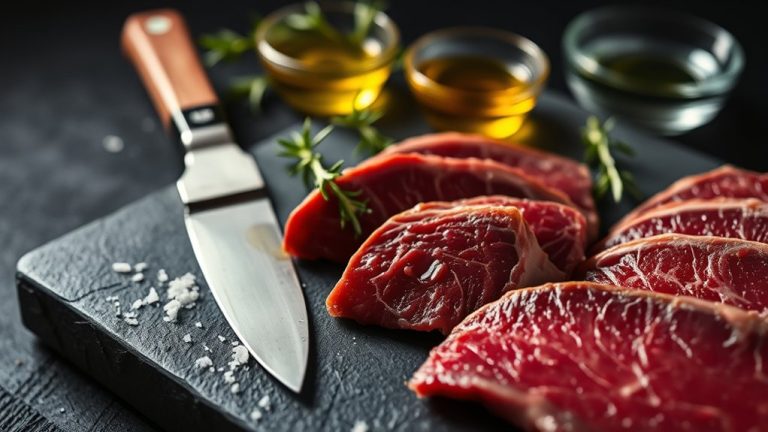
Just as certain plants pose serious risks to your horse’s health, some common human foods like meat, dairy, and bread can be equally harmful. Horses are herbivores with teeth designed for grazing, so meat and dairy products are difficult to digest and may introduce harmful bacteria or parasites.
Dairy contains lactose, which horses can’t break down, often resulting in gastrointestinal upset and diarrhea. Bread and processed grains disrupt their natural diet and can cause nutritional imbalances, such as calcium-phosphorus disturbances.
Feeding your horse these foods increases the risk of colic and other digestive problems. To maintain ideal health, avoid offering meat, dairy, or bread, and stick to a diet suited for their herbivorous digestive system.
Digestive Risks of Overfeeding Treats to Horses
You’ve got to watch how many treats you give your horse because too many can really mess with their digestive system. Overfeeding treats can throw off the delicate balance inside and might even cause colic.
Plus, big or sugary treats aren’t great in large amounts—they can lead to metabolic problems and upset their digestion.
A good tip is to always cut treats into smaller pieces. This helps reduce the risk of choking and makes it easier for your horse to chew properly.
Digestive Balance Importance
Because horses rely on a delicate microbial balance in their digestive system, overfeeding treats can quickly disrupt this harmony and lead to serious issues like digestive upset or colic.
When you provide high levels of treats, especially large or inappropriate ones, you risk causing fermentation problems in the hindgut. This imbalance triggers gas buildup and discomfort, impairing nutrient absorption and overall gut health.
To maintain digestive systems’ stability, you should give treats sparingly and slice them into smaller pieces to aid proper chewing and digestion.
Ensuring your horse’s diet remains consistent and rich in fiber supports its natural digestion and prevents complications linked to treat overconsumption.
Prioritizing digestive balance is essential for your horse’s long-term health and wellbeing.
Risks Of Excess Treats
Although treats can be a rewarding way to bond with your horse, overfeeding them poses significant digestive risks. Feeding large amounts of treats, especially those high in sugars or starches, can disrupt the delicate balance of gut bacteria. This may lead to gastrointestinal distress such as colic and diarrhea.
Excessive treats may also cause insulin spikes, increasing the risk of metabolic issues like laminitis. When given in large quantities, treats interfere with the horse’s natural small, frequent feeding pattern essential for proper digestion.
Furthermore, too many treats can reduce normal forage intake, resulting in nutritional imbalances and further digestive disturbances. To protect your horse’s digestive health, it’s essential to limit treats and maintain a balanced diet focused primarily on forage and appropriate feed.
Treat Size And Chewing
When horses receive large treats or ones that aren’t properly sliced, they often swallow them whole or in big chunks. This increases the risk of choking and dental damage. Managing treat size is essential to promote safe chewing and digestion.
Overfeeding large treats can cause impactions or blockages, leading to serious digestive issues like colic. To protect your horse, focus on:
- Slicing treats into small, manageable pieces to encourage thorough chewing.
- Avoiding giving treats as a replacement for forage to prevent digestive imbalances.
- Monitoring the total amount of treats to minimize risks of gas buildup and impactions.
Recognizing Toxic Food Reactions in Horses
If your horse suddenly shows signs like colic, diarrhea, or respiratory distress, it could be reacting to toxic foods such as avocado or chocolate. Recognizing signs of toxicity early is critical, as many substances toxic to horses, like red maple leaves or tansy ragwort, can cause irreversible organ damage or neurological issues.
Symptoms may also include muscle weakness, ulcers, or circulatory failure, often linked to ionophore or blister beetle ingestion.
Even small amounts of onions or potatoes can trigger severe health reactions or death.
When you observe any signs of toxicity, prompt veterinary attention is essential to prevent further harm. Understanding these symptoms helps you act swiftly, protecting your horse from the dangerous effects of consuming foods known to be toxic to horses.
Safe Treat Alternatives and Best Feeding Practices
Since treats play a key role in bonding and training, you should choose safe options like carrots, apples in moderation, and commercial equine treats designed for horses’ nutritional needs. Proper feeding practices help maintain your horse’s health and prevent digestive issues.
Keep these guidelines in mind when offering safe treats:
- Slice treats into small pieces to avoid choking and promote proper chewing.
- Limit treats to 1-2% of your horse’s body weight daily to prevent obesity or digestive upset.
- Avoid treats with sugar, artificial flavors, or preservatives that can harm your horse.
Incorporate treats thoughtfully into your horse’s regular feeding schedule, respecting their natural small, frequent eating pattern.
This approach guarantees safe treats complement their diet without causing disruption.
Maintaining a Balanced Diet for Horse Health
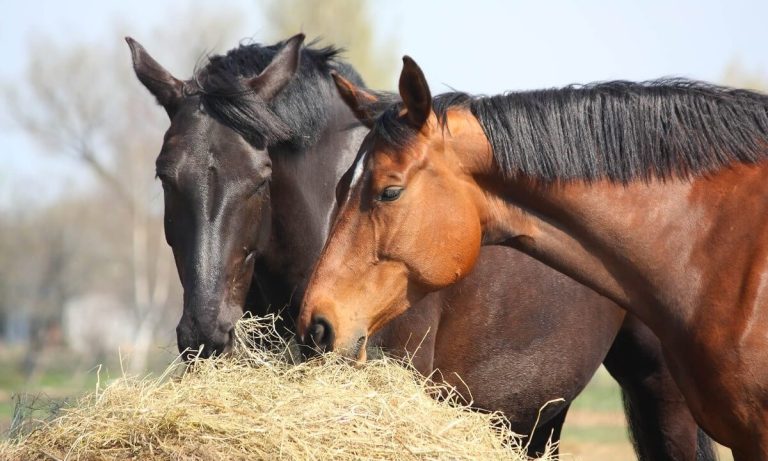
Although treats can enhance bonding and training, maintaining a balanced diet is essential for your horse’s overall health. A balanced diet mainly includes pasture grass, hay, and grains, with treats offered sparingly to avoid digestive upset.
Overfeeding or giving toxic foods like garlic, onions, chocolate, and potatoes can disrupt the delicate microbial balance in your horse’s gut, causing gas, colic, or worse.
Providing nutrition that matches your horse’s needs prevents deficiencies and gastrointestinal problems. You must regularly monitor what your horse eats and understand which foods are safe or harmful.
Frequently Asked Questions
Can Horses Safely Eat Fruits Like Apples or Bananas?
Yes, you can safely offer horses fruits like apples and bananas as occasional treats within their horse diet. Just slice them into small pieces to protect their digestive health and remove apple seeds to avoid toxins.
Remember, fruits should never replace hay or pasture.
Feeding too much high-sugar fruit can disrupt digestion and cause issues like weight gain or laminitis. Moderation and proper preparation keep your horse healthy and happy.
Are There Any Safe Herbs or Supplements for Horses?
Think of herbs like a double-edged sword: my friend once gave her horse homemade comfrey tea, unaware of its herb toxicity. It caused serious harm.
You can use safe herbs like chamomile and peppermint, but always rely on supplement regulation by choosing commercial products. These meet safety standards, minimizing risks.
Don’t guess. Consult your vet or an equine nutritionist before adding herbs to your horse’s diet to keep them healthy and safe.
How Much Water Should a Horse Drink Daily?
You should guarantee your horse drinks between 5 to 10 gallons of water daily to maintain proper horse hydration. Water intake varies depending on factors like size, activity, weather, and diet.
This is especially true if your horse eats dry feed like hay.
Always provide fresh, clean water to support digestion and overall health.
Monitoring your horse’s water intake helps you spot potential health issues early, ensuring your horse stays hydrated and healthy.
Can Spoiled Grain Cause Long-Term Health Issues?
Think of grain spoilage as a ticking time bomb for your horse’s health. Yes, spoiled grain can cause long-term health issues by introducing harmful mycotoxins like fumonisin, which damage the liver and nervous system.
Over time, feeding moldy or fermenting grain weakens your horse’s immune system and raises risks of colic and laminitis.
To protect your horse, always provide fresh, properly stored grain to avoid these serious health problems.
Is It Safe to Feed Horses Commercial Treats Regularly?
You can feed commercial treats regularly, but you should monitor feeding frequency closely to avoid disrupting your horse’s digestive balance. Overfeeding treats, even safe ones, can affect horse behavior by causing excitement or digestive upset.
Always check ingredient labels for additives and keep treats as a supplement, not a meal replacement. Maintaining moderation guarantees your horse stays healthy and their behavior remains stable during training or bonding sessions.
Conclusion
You should steer clear of toxic plants, moldy feed, and harmful chemicals to keep your horse safe. Avoid feeding garlic, onions, chocolate, and nightshade family plants, as they can cause serious health issues.
Overfeeding treats can upset their digestive system, so moderation is key. Think of your horse’s diet as a finely tuned instrument; each element must be balanced for harmony.
By recognizing risks and selecting safe alternatives, you’ll guarantee your horse stays healthy and thriving.