How Long Do Arabian Horses Live?
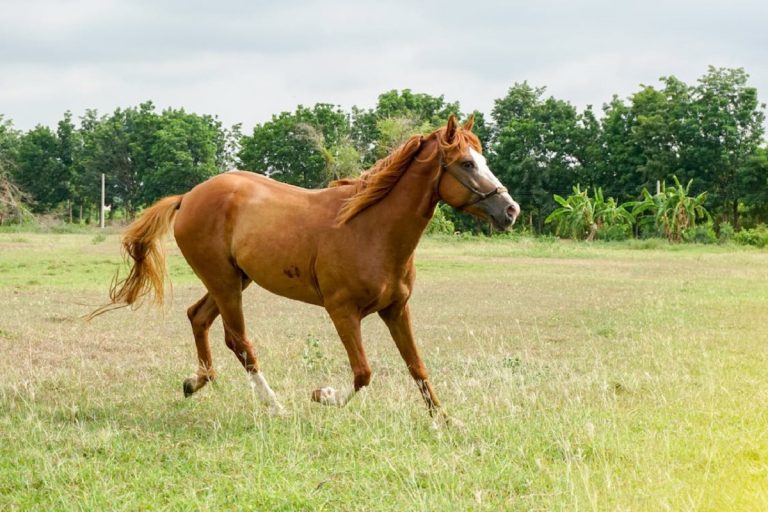
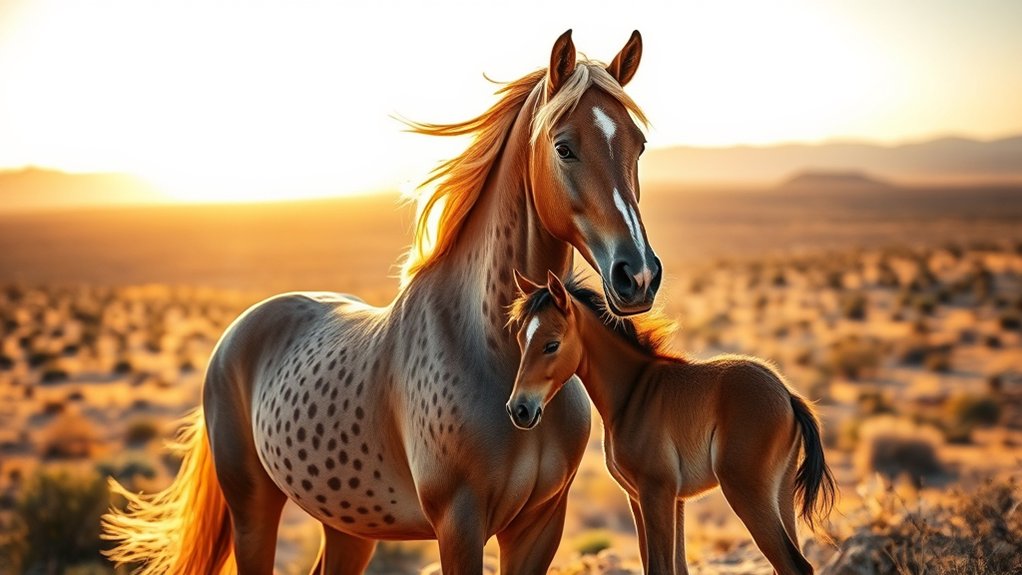
You can expect your Arabian horse to live between 25 and 30 years. They often outlive larger breeds and wild mustangs because of their hardy genetics and compact size.
Proper nutrition, regular veterinary care, and a safe environment all play essential roles in extending their lifespan. Genetic testing helps identify inherited disorders early, which allows for better health management.
If you want to understand the factors that influence their longevity and learn how to enhance their quality of life, there’s more to explore.
Arabian Horse Lifespan: How It Compares to Other Breeds

Although many horse breeds live shorter lives, Arabian horses typically reach 25 to 30 years, outliving larger breeds and wild horses like mustangs. When you examine Arabian horse lifespan, their longevity stands out due to their hardy nature and compact size.
Arabian horses often live 25 to 30 years, thanks to their hardy nature and compact size.
Compared to wild mustangs, which average 15 to 20 years, Arabians benefit from strong genetics and dense bone structure, contributing to their resilience.
In breed comparison, smaller horses and ponies generally surpass larger breeds in lifespan, and Arabians fit this pattern.
Furthermore, advances in veterinary care and management have further extended their healthy years.
If you care for an Arabian, understanding these factors helps you appreciate why they live longer and maintain vitality beyond many other horse breeds.
What Affects Arabian Horse Lifespan?
You’ll find that genetic health factors play a big role in how long an Arabian horse lives, especially when it comes to conditions specific to the breed.
On top of that, proper nutrition and regular veterinary care can really make a difference by helping prevent common health issues.
Plus, having a safe and well-managed environment goes a long way in reducing risks and supporting a longer, healthier life for these horses.
Genetic Health Factors
Because genetic health factors play a crucial role in an Arabian horse’s lifespan, understanding inherited disorders is essential for responsible breeding and care. Genetic disorders like Severe Combined Immunodeficiency (SCID) and Lavender Foal Syndrome (LFS) can be fatal.
Conditions such as cerebellar abiotrophy (CA) and occipitoatlantoaxial malformation (OAAM) impair mobility, often leading to early euthanasia.
You should utilize DNA testing to identify carriers and prevent breeding affected horses, which directly improves longevity. Moreover, susceptibility to laminitis and colic, which can be inherited, influences overall health and lifespan.
Especially, the absence of genes associated with lethal white syndrome and certain dilution genes contributes to the breed’s robust health.
Nutrition And Care
When you provide Arabian horses with balanced nutrition and consistent care, you directly influence their lifespan and overall health. A diet primarily composed of quality hay and pasture, supplemented with controlled grain, delivers proper nutrition tailored to their age and activity level.
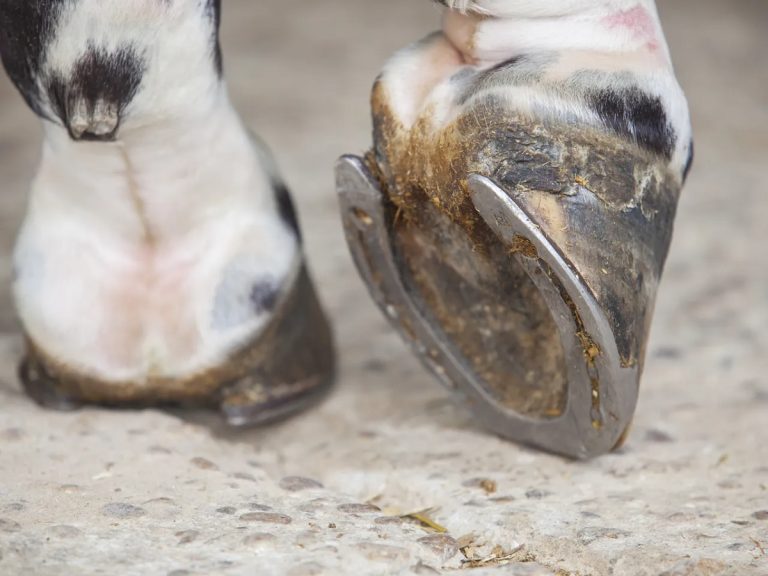
Regular veterinary care, including dental checkups, hoof maintenance, and parasite control, is essential for preventing common health issues that can reduce longevity. Incorporating genetic testing into breeding decisions helps identify inherited diseases such as SCID and CA, minimizing risk factors and promoting healthier offspring.
Environmental Influences
How do environmental factors influence the lifespan of Arabian horses? Proper shelter shields them from harsh weather, reducing health stress and promoting longevity.
You must guarantee their environment offers clean water, balanced nutrition, and regular veterinary care to maintain ideal health. Stress from overcrowding or poor social interaction weakens immune response, shortening lifespan.
A safe, well-maintained environment minimizes injury risks that could cause chronic issues or early death.
| Factor | Impact on Lifespan |
|---|---|
| Shelter | Protects from weather-related stress |
| Nutrition & Health | Supports immune system and vitality |
| Environment Safety | Prevents injuries, reduces chronic conditions |
How Genetics Influence Arabian Horse Longevity
You’ll find that genetic disorders like Severe Combined Immunodeficiency and Cerebellar Abiotrophy can directly impact an Arabian horse’s lifespan since they increase inherited health risks.
The good news is, with DNA testing, you can identify which horses carry these conditions. This means you can choose bloodlines that have fewer genetic vulnerabilities.
Genetic Disorders Impact
Although Arabian horses are known for their robust health, genetic disorders can severely impact their longevity. Conditions like Severe Combined Immunodeficiency (SCID) and Lavender Foal Syndrome (LFS) are fatal and drastically reduce lifespan if inherited.
Cerebellar abiotrophy (CA), a neurological genetic disorder, impairs coordination and often necessitates early euthanasia, further shortening lifespan. You can use DNA testing to identify carriers of these recessive genes, enabling breeders to make informed decisions that minimize the risk of passing on harmful traits.
The absence of lethal white genes, such as the frame overo gene, contributes positively to the breed’s genetic health. By proactively managing these genetic health problems through testing and responsible breeding, you help improve the overall lifespan and well-being of Arabian horses.
Inherited Health Risks
Because genetic factors directly affect Arabian horses’ health, understanding inherited health risks is essential for managing their longevity.
Severe Combined Immunodeficiency (SCID) and Lavender Foal Syndrome (LFS) are critical genetic disorders that severely compromise immune function and neurological development, often leading to premature death.
Other hereditary health risks like cerebellar abiotrophy and occipitoatlantoaxial malformation further threaten lifespan through neurological impairment.
These conditions highlight the breed’s genetic predisposition to metabolic and immune dysfunctions.
While DNA testing identifies carriers to reduce risk, it’s the recognition of these genetic disorders that informs your management strategies.
DNA Testing Benefits
How can DNA testing transform your approach to managing Arabian horse longevity? By identifying specific genetic markers linked to health and lifespan, DNA testing enables you to implement early interventions and tailor care precisely.
Through genetic screening, you can detect hereditary diseases like SCID, LFS, and CA that considerably reduce longevity. This allows informed breeding decisions to minimize these risks.
DNA testing also verifies breed purity, which correlates with expected health outcomes and lifespan. Analyzing genetic profiles lets you select for traits that enhance durability and disease resistance, directly influencing longevity.
Incorporating DNA testing into breeding programs reduces the transmission of lethal or disabling genes. This ultimately extends your Arabian horse’s healthy years and improves the overall quality of life.
This precision tool is essential for sustaining the breed’s vitality.
The Role of Diet and Nutrition in Lifespan
A well-formulated diet plays an essential role in extending the lifespan of Arabian horses by supporting their metabolic health and preventing common disorders. You should base your horse’s nutrition primarily on high-quality forage, such as hay and pasture, ensuring fiber intake supports digestive function.
Limiting high-sugar grains reduces the risk of metabolic imbalances that can negatively impact lifespan. Effective weight management is imperative; monitor body condition closely and implement gradual dietary adjustments to avoid gastrointestinal complications like colic.
Moreover, providing consistent access to water and essential minerals, including salt supplementation, maintains physiological balance.
Tailoring nutrition from foalhood through senior years according to activity levels further optimizes health, helping your Arabian horse achieve a lifespan exceeding 25 years.
Prioritize balanced diet and nutrition to support longevity and vitality.
Health Issues That Shorten Arabian Horse Lifespan

You should know that genetic disorders like SCID and Lavender Foal Syndrome can really shorten your Arabian horse’s lifespan if they’re passed down. That’s why early genetic testing is so important—it helps catch these risks before they become a problem.
Along with good preventive health care, this can make a big difference. Taking these steps early on gives your horse a better shot at living a longer, healthier life.
Genetic Disorders Impact
Although Arabian horses are renowned for their endurance and importance, several genetic disorders can severely impact their health and lifespan. Hereditary conditions like Severe Combined Immunodeficiency (SCID) and Lavender Foal Syndrome (LFS) often prove fatal early in life.
Cerebellar abiotrophy (CA) leads to neurological deficits and coordination issues, frequently necessitating euthanasia. You should also be aware of guttural pouch tympany (GPT), which causes respiratory complications, and occipitoatlantoaxial malformation (OAAM), resulting in paralysis and drastically reduced longevity.
These genetic disorders pose significant health impacts, shortening the lifespan of affected Arabian horses. Understanding these hereditary conditions is critical, as genetic testing can identify carriers, helping you avoid breeding decisions that perpetuate these impairments.
Recognizing the role of genetic disorders enables you to manage Arabian horse health more effectively.
Preventive Health Care
How can you effectively extend the lifespan of Arabian horses beyond genetic challenges? Implementing thorough preventive care is essential. You should prioritize genetic testing and veterinary screenings to identify carriers of fatal hereditary diseases like SCID and LFS early.
These measures reduce transmission risks and enable proactive health management. Routine vaccinations, dental care, deworming, and balanced nutrition support immune function and prevent secondary health issues.
| Health Issue | Preventive Measure |
|---|---|
| Genetic Disorders (SCID, LFS) | Genetic testing before breeding |
| Mobility Impairments (CA, OAAM) | Early veterinary diagnosis |
| Infectious Diseases | Vaccinations and deworming |
| Nutritional Deficiencies | Balanced diet and dental care |
Consistent preventive care and early intervention markedly improve Arabian horses’ quality of life and lifespan.
How Veterinary Care Extends Arabian Horse Lifespan
Because Arabian horses are prone to specific hereditary and health conditions, consistent veterinary care plays an essential role in extending their lifespan. By prioritizing veterinary care, you can address health issues early and implement effective preventive measures.
Key aspects include:
- Regular veterinary check-ups detect and treat illnesses promptly, reducing complications.
- Preventive measures like vaccinations, dental care, and parasite control minimize disease risks.
- Genetic testing identifies carriers of hereditary diseases such as SCID, preventing affected breeding.
- Proper dental maintenance prevents malocclusion, ensuring efficient nutrition and overall health.
Through these focused interventions, you actively support your Arabian horse’s longevity, maintaining its health and robustness over time.
Veterinary care is indispensable for managing genetic risks and preventing conditions that could otherwise shorten your horse’s lifespan.
How Environment and Living Conditions Impact Longevity
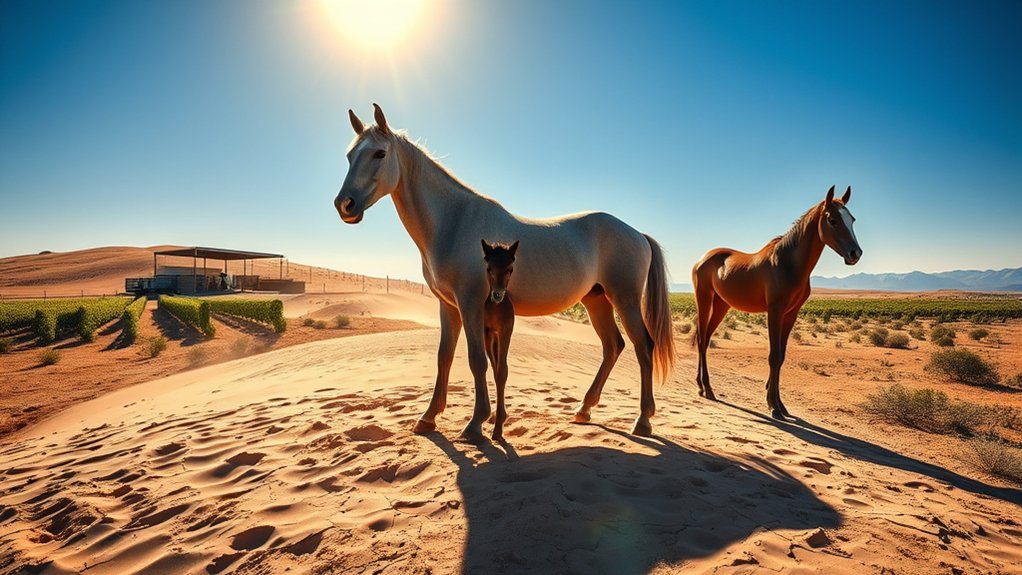
When you provide Arabian horses with clean, safe environments and consistent veterinary care, they often live well beyond 30 years. Essential living conditions include access to proper shelter, clean water, and balanced nutrition. These collectively minimize stress and prevent health complications.
Maintaining an environment with low injury risks and limited exposure to infectious agents further supports longevity by reducing disease incidence. Regular turnout and exercise in natural settings enhance both physical fitness and mental well-being. These are vital factors in sustaining long-term health.
Conversely, overcrowding, neglect, and exposure to extreme weather degrade living conditions. This increases susceptibility to illness and shortens lifespan.
Signs of Aging in Arabian Horses
As Arabian horses age, you’ll notice distinct physical and behavioral changes that signal the natural aging process. Recognizing these signs of aging helps you manage your Arabian horse effectively. Key indicators include:
- Graying hair around the face and muzzle, typically appearing around 15 years.
- Dental wear and uneven bite, which affect feeding efficiency and comfort.
- Decreased muscle tone and reduced energy levels, reflecting overall physiological aging.
- Arthritic changes in joints causing stiffness and altered movement patterns.
Additionally, sensory decline in vision and hearing may cause increased caution in unfamiliar environments. These signs of aging are critical markers to monitor as your Arabian horse progresses into its senior years.
Understanding these changes allows you to anticipate and respond appropriately to your horse’s evolving needs.
Senior Arabian Horse Care Tips
Though senior Arabian horses can live into their early twenties and beyond, maintaining their health requires attentive care tailored to their aging bodies.
In senior horse care, regular veterinary check-ups are vital to monitor age-related health issues like arthritis and Cushing’s disease.
You should prioritize dental health by scheduling routine floating to ensure efficient chewing and digestion.
Adjusting your horse’s proper diet to include easily digestible forage and senior-specific feeds helps maintain weight and energy.
Moreover, creating a safe, low-impact environment minimizes injury risks and supports overall well-being.
Tips to Help Your Arabian Horse Live Longer
Caring for your Arabian horse throughout its life sets the foundation for increased longevity. Effective health management incorporates consistent practices that prevent disease and promote vitality.
To help your horse live longer, focus on these key areas:
- Balanced diet: Provide quality forage, limit high-sugar grains, and ensure constant access to clean water to maintain ideal nutrition and metabolic health.
- Hoof care: Schedule regular trimming and inspections to avoid lameness and infections that reduce quality of life.
- Genetic testing: Screen for hereditary conditions like SCID and CA to make informed breeding decisions, enhancing overall breed longevity.
- Veterinary care: Conduct routine check-ups and dental exams to detect and treat health issues early, supporting sustained well-being.
Implementing these strategies will considerably improve your Arabian’s lifespan and quality of life.
Frequently Asked Questions
What Is the History of the Arabian Horse Breed?
You’ll find Arabian horse origins rooted in ancient breeding practices by Bedouin tribes, who emphasized desert survival traits like endurance and speed.
Their historical significance shines through in art and legends, showcasing refined features and stamina.
These legendary Arabian horses were selectively bred for harsh desert conditions, influencing many modern breeds worldwide.
Understanding their past helps you appreciate their unique genetics and enduring legacy in equine history.
How Do Arabian Horses Differ in Temperament From Other Breeds?
You might be surprised to learn Arabian horses have up to 20% higher energy levels than many other breeds. Their temperament differences include heightened sensitivity and spirited social behavior, making them more alert and curious.
You’ll notice their disposition variations lean toward loyalty and gentleness when properly handled.
Their trainability traits stand out due to intelligence and quick learning, but harsh treatment can provoke strong reactions.
This combination makes them uniquely versatile yet delicate.
What Are Common Uses for Arabian Horses in Sports and Work?
You’ll find Arabian horses excel in endurance riding and competitive racing thanks to their stamina and speed. Their agility makes them top contenders in dressage and show jumping.
You can also rely on their endurance traits for long-distance events.
In work, their versatility lets you use them for light draft tasks and ceremonial roles, maximizing their strength and spirited nature efficiently.
How Do You Train an Arabian Horse Effectively?
Training an Arabian horse effectively isn’t about shouting commands or rushing progress. It’s about mastering horse nutrition, riding techniques, and health maintenance with precision.
You’ll start early, building trust through consistent, patient handling. Incorporate exercise routines that challenge but don’t overwhelm.
Understand breeding standards to tailor your approach.
Gradually introduce tasks, reinforcing with positive feedback. This method respects their sensitivity and intelligence, ensuring your Arabian thrives physically and mentally in every training session.
What Are the Best Grooming Practices for Arabian Horses?
The best grooming practices for Arabian horses include consistent brushing techniques using curry combs and body brushes to enhance coat maintenance.
You should follow strict hoof care routines daily with a hoof pick to avoid infections.
Mane and tail grooming requires gentle detangling to prevent breakage.
Prioritize skin health tips by cleaning sensitive areas softly and monitoring for irritations.
These steps guarantee your horse stays healthy, comfortable, and looking its best.
Conclusion
You might think Arabian horses’ remarkable lifespan is just luck, but it’s actually a blend of genetics, diet, and care, coincidentally the same factors you manage daily. By understanding how environment and health issues impact their longevity, you can actively prolong your horse’s years.
Paying attention to aging signs and adjusting nutrition ensures your Arabian thrives longer. So, the next time you care for your horse, remember: every choice you make directly influences their lifespan.