What Are Morgan Horses Known For – What It Really Means
You know Morgan horses for their unique blend of strength, elegance, and a friendly, enthusiastic-to-please personality. Descended from a single stallion born in 1789, they have a compact, muscular build and versatile talents that fit everything from dressage to trail riding.
Their calm, intelligent nature makes them ideal for beginners and therapeutic work alike. Beyond performance, Morgans hold deep American cultural significance, symbolizing heritage and tradition.
There’s much more to uncover about their legacy and traits.
The Origin and History of the Morgan Horse
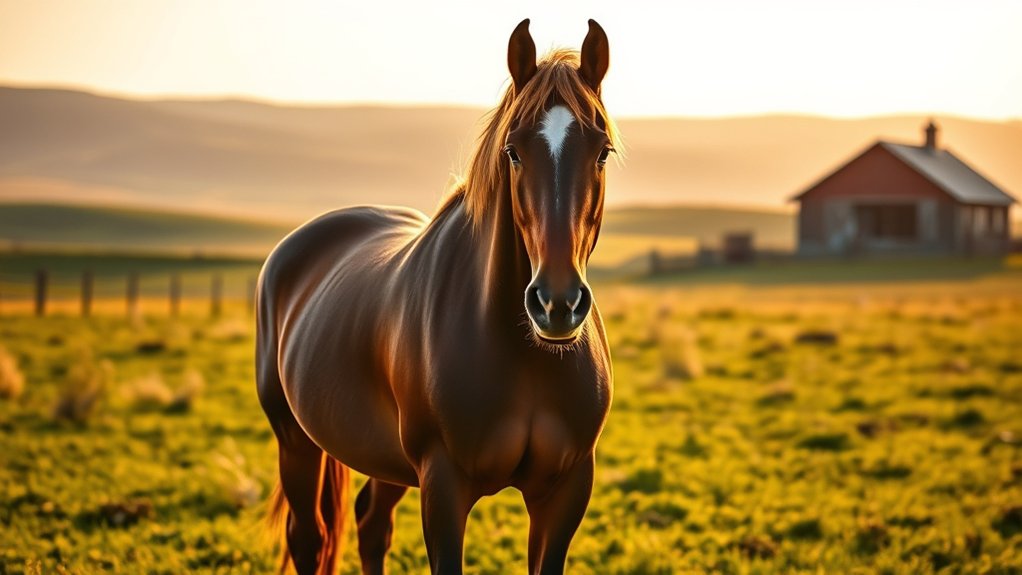
Although you mightn’t realize it, almost every Morgan horse today can trace its lineage back to a single stallion named Figure. He was born in 1789 in West Springfield, Massachusetts. Figure was owned by Justin Morgan, a Vermont horseman and musician.
Nearly all modern Morgan horses descend from Figure, a stallion born in 1789 and owned by Justin Morgan.
Figure became the foundation sire for one of America’s earliest developed horse breeds. After acquiring Figure in 1792, Morgan selectively bred his offspring. His most notable sons were Sherman, Bulrush, and Woodbury. These horses helped establish a versatile and hardy lineage.
These Morgans proved invaluable in early American history. They excelled as harness racers, farm workhorses, and Civil War mounts.
The Morgan Horse Registry was founded in 1909 to formalize the breed’s preservation. This registry ensures the unique American heritage of the Morgan horse endures.
Careful, structured breeding programs maintain Figure’s legacy and keep the breed strong. It’s pretty amazing how one horse shaped so much history.
Morgan Horse Physical Traits and Appearance
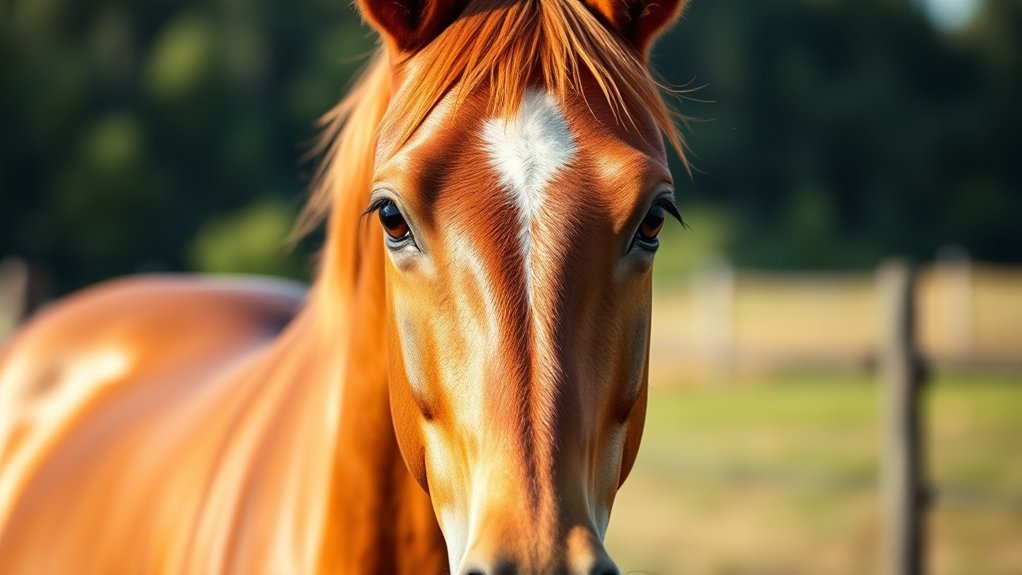
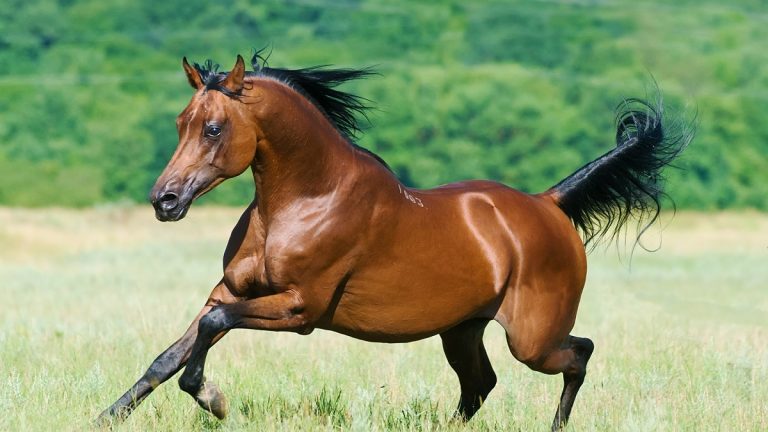
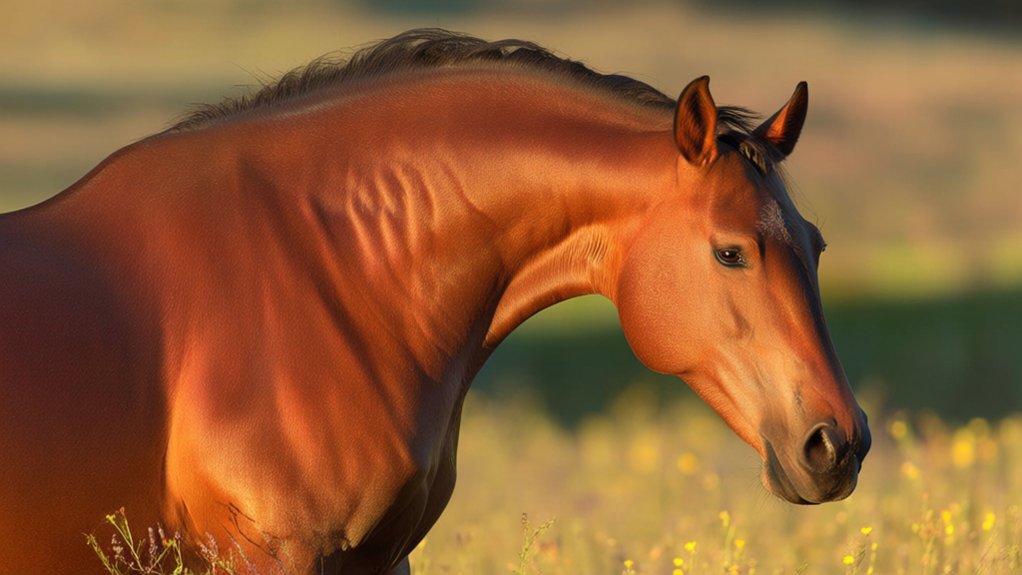
When you look at a Morgan horse, you’ll notice their compact, muscular build immediately sets them apart. Their physical traits blend strength and elegance, making them instantly recognizable.
They stand between 14.1 and 15.2 hands tall, with a sturdy yet refined frame. Their short head and broad forehead complement a well-arched neck, enhancing their balanced silhouette.
Large, expressive eyes and a high tail carriage give Morgans a distinctive, alert appearance.
Their coat colors vary widely, including bay, black, chestnut, pinto, gray, and roan, showcasing the breed’s versatility.
These features combine to create a horse that’s as practical as it’s graceful, embodying agility and refined conformation.
Why Morgan Horses Are Known for Their Temperament
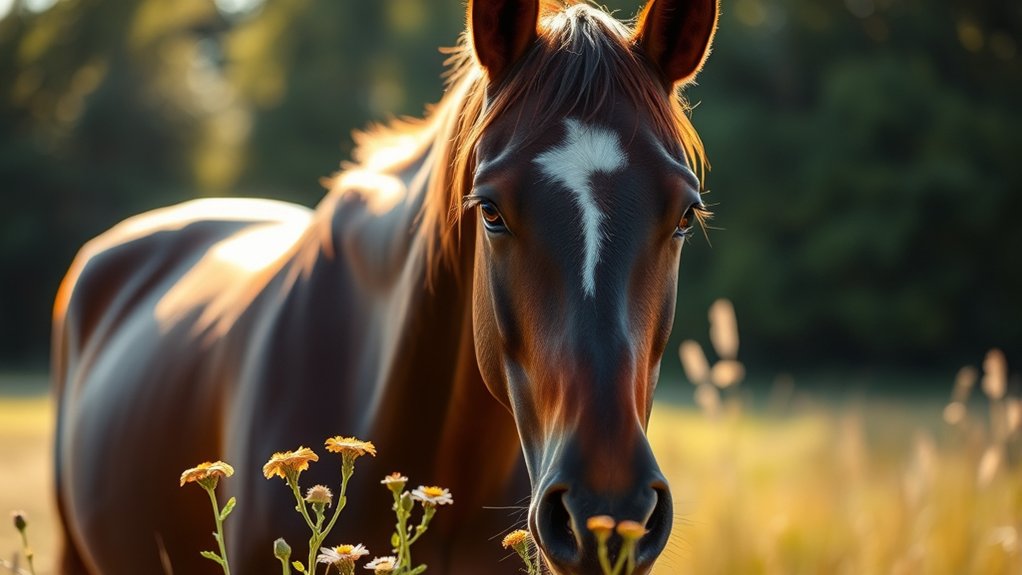
Beyond their striking physical appearance, Morgan horses have earned widespread admiration for their exceptional temperament. You’ll find Morgans friendly, cooperative, and eager to please, which makes training and handling straightforward. Their calm demeanor suits beginners and therapeutic riding.
They’re also intelligent and willing, which helps foster a strong bond. That’s why they’ve earned the nickname “the horse that chooses you.” Historically, their reliable behavior was essential for farm work, transportation, and military roles.
| Trait | Description |
|---|---|
| Friendliness | Warm, approachable nature |
| Intelligence | Quick learner, problem solver |
| Willingness to Please | Eager to cooperate and respond |
| Calmness | Steady, ideal for novices |
| Reliability | Consistent, dependable behavior |
You’ll appreciate how these qualities make Morgan horses truly unique companions.
How Morgan Horses Excel Across Riding Disciplines
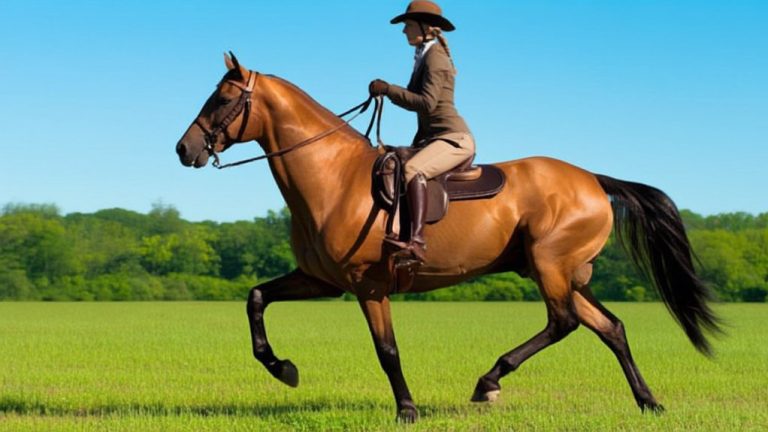
You’ll find Morgan horses really shine in all kinds of equestrian sports because they’re so versatile and naturally athletic. They easily adapt to whatever you need, whether that’s dressage or just a relaxed trail ride.
That kind of flexibility makes them super dependable, whether you’re out competing or just enjoying a casual ride.
Versatility In Equestrian Sports
Because Morgan horses combine athleticism with intelligence, they excel across a wide array of equestrian disciplines. You’ll find their versatility impressive as they adapt smoothly to different riding styles and demands.
Here’s how they stand out:
- Dressage and jumping benefit from their elastic gaits and strong, muscular build.
- Western pleasure showcases their smooth movement and willingness to perform.
- Endurance riding and trail competitions test their stamina and resilience.
- Stock work highlights their agility and quick learning ability.
Their friendly temperament and trainability make Morgan horses a favorite for diverse equestrian sports, whether competitive or recreational.
When you ride one, you experience a partner capable of excelling in multiple disciplines without compromising performance or spirit.
Adaptability To Rider Needs
While Morgan horses are known for their versatility in many disciplines, their true strength lies in how well they adapt to individual rider needs. Whether you’re a beginner, an advanced competitor, or somewhere in between, Morgans quickly adjust to your riding style thanks to their intelligence and willing nature.
Their athletic build and elastic gaits suit everything from dressage and jumping to endurance and trail riding. This makes them an excellent partner across disciplines.
You’ll also find their cooperative temperament invaluable, especially if you’re new or working with children.
Additionally, their gentle responsiveness shines in therapeutic riding programs. They provide comfort and confidence for riders with diverse abilities.
In short, Morgan horses excel because they meet you exactly where you are.
Key Bloodlines and How They Shape Morgan Traits
You’ll find that Morgan horses trace back to four major bloodlines—Brunk, Lippitt, Government, and Western Working. Each one shapes different traits like agility, stamina, and temperament.
Take the Lippitt line, for example; it preserves the breed’s classic look and steady disposition. On the other hand, the Government line focuses more on strength and endurance.
When you understand these bloodlines, it’s easier to see how Morgans excel in a variety of disciplines and environments.
Major Morgan Bloodlines
Four major Morgan bloodlines, Brunk, Lippitt, Government, and Western Working, define the breed’s distinctive traits. Each line brings unique qualities that shape what you’ll see in Morgans today.
The Brunk family produces sound, athletic horses focused on durability and performance. They’re ideal if you want a reliable all-around Morgan.
The Lippitt bloodline is the purest, tracing directly to the original Lippitt Morgans with no recent outcrosses. This helps preserve classic breed characteristics.
The Government bloodline, developed by the U.S. Government Farm, includes foundation sires like General Gates. This line enhances versatility.
The Western Working family was bred for stock work and Western riding. They often trace back to government stallions, offering ruggedness and specialized skills.
Understanding these lines helps you appreciate the breed’s diverse strengths. It’s pretty interesting to see how each bloodline contributes something different.
Bloodline Trait Influences
Each Morgan bloodline carries distinct traits that shape the breed’s overall character and abilities. When you explore the Brunk bloodline, you find horses prized for soundness and athleticism. These qualities are often linked to Vermont’s strong breeding heritage.
The Lippitt line, descending from Ethan Allen 2nd, offers consistent conformation and steady temperament. This makes it the purest lineage you’ll find among Morgans.
The Government bloodline, with sires like General Gates, brings versatility and strength. This reflects its military breeding origins, which is pretty interesting.
If you’re drawn to Western disciplines, the Western Working family provides Morgans specialized for stock and trail riding. They emphasize durability and sure-footedness, perfect for those activities.
Together, these bloodlines influence the Morgan’s durability, temperament, and versatility. They pass down targeted genetic qualities that truly define this remarkable breed.
Morgan Horses in Culture, Literature, and Media
Although the Morgan horse has a rich history as a versatile working breed, its impact goes way beyond that. It runs deep into American culture, literature, and media. You’ll find the breed celebrated in many influential works that have shaped its legendary status.
For example, Marguerite Henry’s *Justin Morgan Had a Horse* earned a Newbery Honor in 1946, shining a spotlight on the breed’s origins. Then, Disney’s 1972 film adaptation of this book added to the Morgan’s mythos, even though it had some historical inaccuracies.
Robert Frost’s poem *The Runaway* features a Morgan colt, which shows how the breed has found a place in American poetry too. The Morgan horse really symbolizes American heritage through its presence in breed standards, historical accounts, and children’s literature.
Frequently Asked Questions
How Do Morgan Horses Typically Perform in Competitive Sports?
You’ll find Morgan horses perform exceptionally well in competitive sports, thanks to their athleticism, intelligence, and versatility. They excel in dressage, jumping, endurance, and both English and Western disciplines with grace and consistent stamina.
They’re really adaptable, which means they can handle a variety of events without missing a beat. Plus, their eager-to-please nature makes training a smoother experience for riders of all levels. So, whether you’re into fast-paced jumping or elegant dressage, Morgans have got you covered.
What Are the Common Health Issues in Morgan Horses?
About 10% of Morgans may face Polysaccharide Storage Myopathy, causing muscle soreness. You’ll also watch for Equine Metabolic Syndrome, vision issues from MCOA, and lethal white syndrome.
Regular vet care and testing keep your horse healthy. It’s all about staying on top of these common health issues to ensure your Morgan lives a happy, comfortable life.
How Much Does It Cost to Own and Maintain a Morgan Horse?
You’ll spend around $2,500 to $5,000 yearly on your Morgan horse. This covers feed, vet care, farrier services, and training.
Don’t forget insurance, equipment, and facility fees. These can add up depending on your horse’s needs. It’s good to plan for those extra costs too.
Are Morgan Horses Suitable for Beginner Riders?
Yes, Morgan horses suit beginner riders perfectly. You’ll appreciate their gentle temperament, cooperative nature, and steady disposition. This helps you build confidence safely while learning.
They also form a strong bond with you, which guarantees a positive and encouraging riding experience. You’ll feel supported every step of the way.
What Training Methods Work Best With Morgan Horses?
Start with steady, supportive, and sincere training. Use positive reinforcement, clicker cues, and consistent commands.
You’ll find Morgans flourish with focused, friendly, and firm methods that foster trust, mental stimulation, and enthusiastic engagement.
Keep things varied with different exercises to keep their interest and enthusiasm high. It really helps build a strong bond between you and your horse.
Conclusion
When you think of Morgan horses, picture a living tapestry woven with strength, grace, and warmth. They’re not just horses; they’re loyal partners, blending versatility and spirit in every stride. From their rich history to their gentle eyes, Morgans embody a legacy that gallops through time.
Whether you ride, show, or simply admire, these horses invite you to experience a bond as enduring and vibrant as their storied bloodlines.