How Much Does A Morgan Horse Weigh – Quick Facts
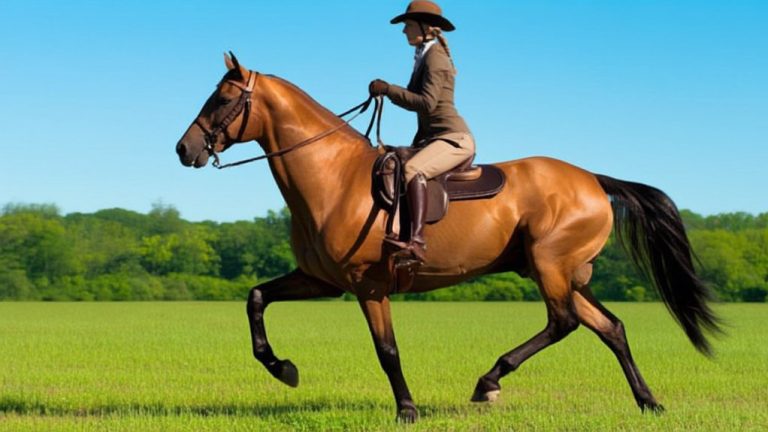
A Morgan horse typically weighs between 900 and 1,100 pounds. Their height usually ranges from 14.1 to 15.2 hands, which influences their weight.
Younger horses reach about 60 to 70% of their adult weight by one year. They generally stabilize by age 3 to 4.
Stallions tend to be heavier and more muscular than mares and geldings. But remember, individual genetics matter more.
Managing diet and exercise is essential since Morgans efficiently convert forage. This can affect their weight quite a bit.
You’ll find details on weight factors and maintenance ahead.
What Is the Typical Weight of a Morgan Horse?
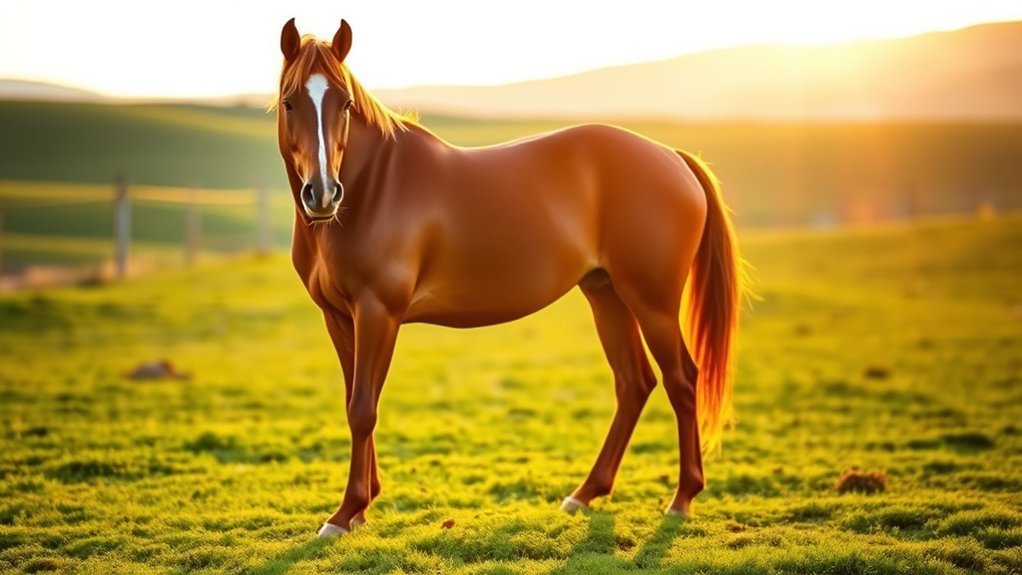
Although individual Morgan horses vary, you can generally expect them to weigh between 900 and 1,100 pounds. Most Morgans fall within the 900 to 1,000-pound range, reflecting their lightweight, compact, and muscular build. This moderate weight is a hallmark of the breed, contributing to their notable agility and versatility.
Morgan horses typically weigh 900 to 1,100 pounds, combining a compact build with remarkable agility and versatility.
Factors such as age, sex, and overall health influence slight variations in weight, but these horses remain lighter than many other breeds.
Their muscular frame supports strength without excessive bulk, allowing you to appreciate both power and nimbleness.
When evaluating a Morgan’s weight, consider their individual size and conformation, as these elements directly impact their mass while maintaining the breed’s characteristic balance between sturdiness and lightness.
How Height Influences Morgan Horse Weight
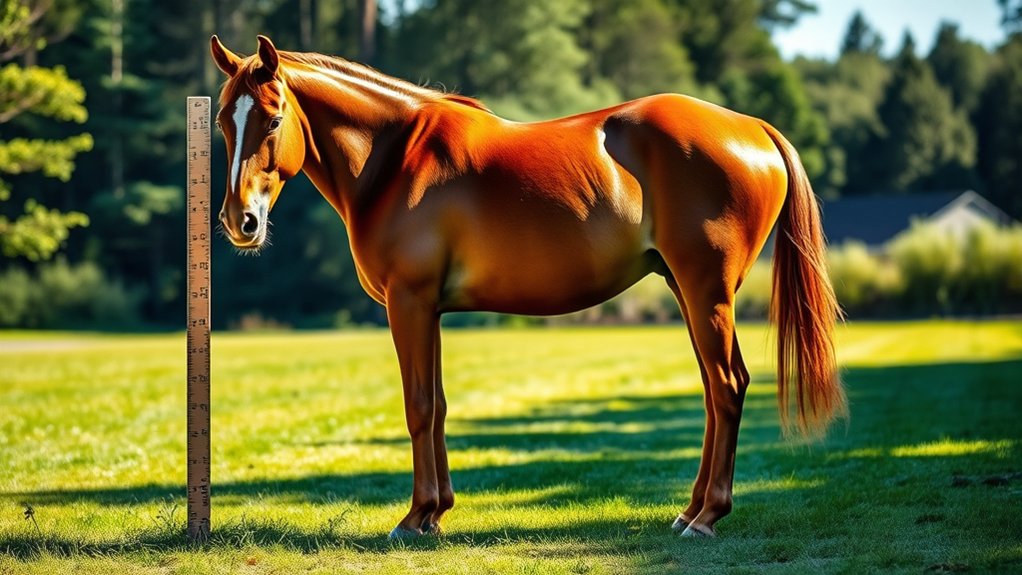
Morgan horses’ weight closely aligns with their height, which typically ranges between 14.1 and 15.2 hands. As you observe, taller Morgans near 15.2 hands generally weigh more, often around 1,000 pounds. Conversely, those closer to 14.1 hands typically weigh near 900 pounds.
This height-weight correlation helps you estimate a Morgan’s weight easily. That said, muscle development and body condition also play a role within this range.
| Height (Hands) | Approximate Weight (Pounds) |
|---|---|
| 14.1 | 900 |
| 14.5 | 925 |
| 14.9 | 960 |
| 15.2 | 1,000 |
Understanding this relationship makes it easier to manage care and nutrition effectively for your Morgan horse.
Key Factors Influencing Morgan Horse Weight
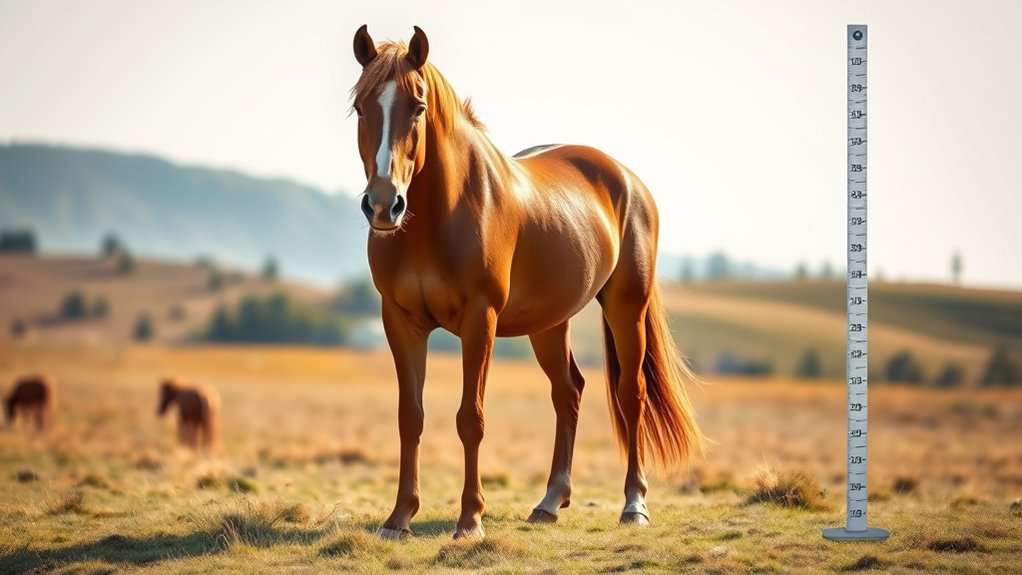
You’ll find that a Morgan horse’s weight changes quite a bit depending on its age and growth stage because muscle development is always progressing.
And of course, diet and nutrition are super important—they have a direct impact on the horse’s body condition and weight. If the nutrition isn’t balanced, it can really affect how much the horse weighs.
On top of that, how active the horse is also plays a big role. Activity level influences muscle tone and overall weight, so keeping an eye on these factors is key to understanding your Morgan horse’s weight.
Age And Growth Stage
Because weight changes markedly during early development, understanding a Morgan horse’s age and growth stage is crucial when evaluating its current and expected weight.
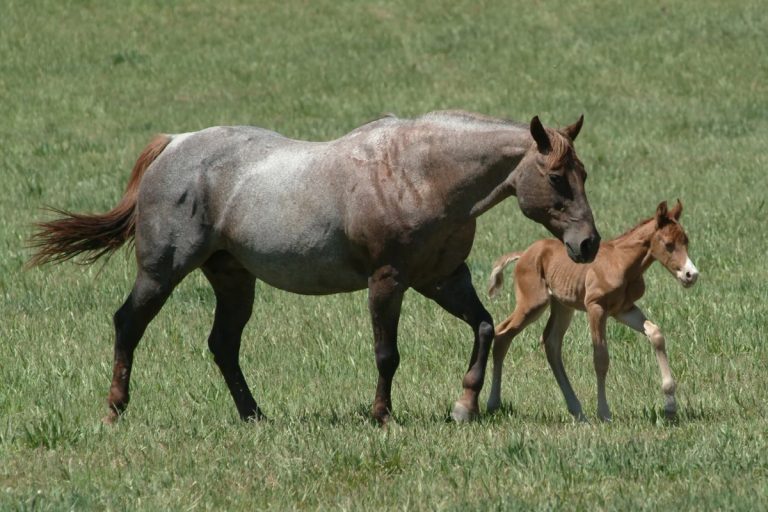
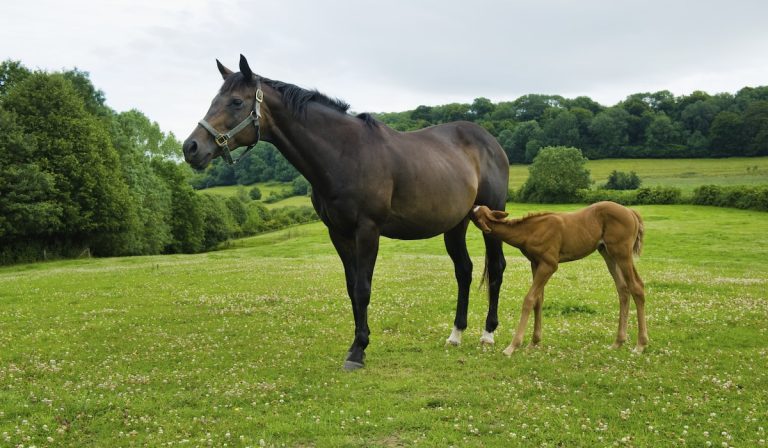
As a foal, a Morgan typically weighs between 400 and 600 pounds, experiencing rapid weight gain within the first year.
By the age of 2 to 3 years, they reach approximately 80-90% of their adult weight, which ranges from 900 to 1,100 pounds.
Growth gradually slows and levels off between 3 and 4 years, marking physical maturity.
From 4 years onward, weight stabilizes with minor fluctuations based on workload and discipline.
Keep in mind that genetics and health during growth influence the final weight, so age alone doesn’t determine size.
You have to consider these stages for accurate weight assessment and expectations.
Diet And Nutrition
As your Morgan horse reaches physical maturity, managing its weight becomes more about maintaining balance than supporting growth. Proper diet and portion control are really important to prevent obesity. Morgans are easy keepers and typically need less grain than other breeds.
Focus on high-quality forage like grass or hay, and try to limit sweetened or high-calorie feeds. It’s a good idea to regularly monitor your horse’s body condition. Don’t hesitate to consult a veterinarian to tailor nutrition based on your horse’s age and health.
| Nutrient Type | Recommended Source | Purpose |
|---|---|---|
| Forage | Grass, Hay | Maintains digestive health |
| Concentrates | Limited grains | Provides energy without excess |
| Treats | Minimal, low sugar | Avoids weight gain risk |
| Vitamins & Minerals | Balanced supplements | Supports metabolic functions |
| Water | Fresh, clean supply | Essential for overall metabolism |
Activity Level Impact
While managing your Morgan horse’s weight, consider that its activity level has a big impact on calorie needs and body composition. Higher activity levels, like intense training or work, burn more calories, which helps keep weight steady or even reduce it.
On the other hand, if your horse is less active, it’s easier for them to gain weight unless you adjust their diet and exercise.
Since Morgans are naturally athletic, even those with moderate activity need regular exercise to stay at a healthy weight. Feeding a less active horse too much often leads to unwanted weight gain, which can increase the risk of problems like laminitis.
Active Morgans that do endurance riding or driving usually have leaner builds compared to those who are less active or retired but are about the same size.
Weight Differences in Male vs. Female Morgans
Although male and female Morgan horses share many physical traits, you’ll notice subtle weight differences between the sexes. Male Morgans, particularly stallions, typically weigh between 900 and 1,100 pounds. They tend to have increased muscularity compared to females.
Male Morgans, especially stallions, weigh 900 to 1,100 pounds and typically show greater muscularity than females.
Female Morgans usually range from 800 to 1,000 pounds. This difference, often less than 100 pounds, reflects physiological variations rather than drastic sexual dimorphism.
Geldings, castrated males, generally align more closely in weight with mares, which shows hormones influence muscle mass and overall weight.
However, individual genetics and conformation play a more significant role in weight variation than sex alone. When evaluating a Morgan’s weight, consider these factors alongside sex. They give you a more accurate picture of each horse’s physical profile and health status.
How Age Affects Morgan Horse Weight
You’ll notice that a Morgan horse’s weight changes quite a bit throughout its life, especially when they’re young. Foals and yearlings usually weigh much less, somewhere between 200 and 600 pounds.
As they grow and reach maturity, their weight tends to level off around 900 to 1,000 pounds, usually by the time they’re 4 or 5 years old.
But as they get older, their weight might start to drop again. This can happen because of muscle loss or other health issues, so it’s really important to keep up with their care as they age.
Weight Changes Over Lifespan
As Morgan horses move through different life stages, their weight changes in pretty predictable ways. These changes show how they grow, reach their peak, and then age. You’ll see their weight go up and down as they mature, which has a lot to do with muscle growth and how active they are.
Foals start out weighing about 100 pounds and usually hit their mature weight, around 900 to 1,000 pounds, by the time they’re 4 or 5 years old.
When they’re in their prime years, typically between 5 and 15, their weight stays pretty steady. This is when they’ve the best muscle tone and overall condition.
After they turn 15 to 20, their weight might drop a bit because they lose some muscle and slow down activity-wise. But even with that, they usually stay healthy.
Keeping up proper nutrition and healthcare is really important all along to help your Morgan maintain a good weight and stay in great shape as it gets older.
Growth Stages Impact Weight
When monitoring a Morgan horse’s weight, understanding how age affects growth stages is essential. At birth, foals weigh between 100 to 150 pounds, which is considerably less than adults.
By one year, a Morgan typically reaches 60-70% of its mature weight, approximately 600 to 700 pounds.
Growth continues steadily, influenced primarily by genetics, nutrition, and age. By three to four years, the horse usually attains full adult weight, stabilizing around 900 to 1,000 pounds.
Proper care during these critical stages ensures consistent, healthy development.
Monitoring weight relative to age allows you to assess growth progress accurately and adjust feeding or management practices as needed.
This precise understanding supports ideal health and performance throughout the Morgan horse’s maturation process.
It really helps to keep an eye on these details to give your horse the best care possible.
Comparing Morgan Horse Weight to Other Breeds
Although Morgan horses typically weigh between 900 to 1,000 pounds, they stand out by being lighter and more compact than many popular breeds. When you compare them, you’ll notice key differences in size and build that affect their utility and performance.
The American Quarter Horse averages 1,000 to 1,200 pounds, making Morgans slightly lighter and more compact.
Draft breeds like the Clydesdale or Percheron exceed 1,800 pounds, which really shows how much smaller Morgans are.
Arabian horses weigh about 800 to 1,000 pounds, similar to Morgans, but Morgans have a more muscular, stocky build.
These weight comparisons highlight why Morgans excel across diverse disciplines. They balance strength and agility without carrying the bulk of heavier breeds.
It’s part of what makes them so versatile and popular.
Morgan Horses as Easy Keepers: Impact on Weight
Because Morgan horses have an efficient metabolism, they require less feed to maintain a healthy weight compared to many other breeds. As easy keepers, they efficiently convert nutrients from high-quality grass hay with limited grain supplementation. This helps them sustain ideal body condition without excess caloric intake.
Because of this metabolic efficiency, you need to watch their diet closely to avoid overfeeding. Overfeeding is a common cause of obesity in Morgans.
Carrying extra weight can hurt their performance and increase the risk of metabolic and orthopedic problems.
So, it’s really important to practice proper portion control and manage their diet carefully. Keeping their weight in check helps Morgans perform well across different disciplines and supports their overall health and longevity.
Being aware of their metabolism is key to responsible horse care.
Tips for Maintaining Healthy Weight in Morgan Horses
To keep your Morgan horse at a healthy weight, start by focusing on a balanced diet. Make sure they’ve plenty of high-quality forage and keep their grain intake under control. It’s really important not to overdo the grain.
You’ll also want to make sure your horse gets consistent exercise and daily turnout. This helps them burn calories and stay fit. Regular movement is key to maintaining their ideal condition.
Don’t forget to monitor their weight regularly. Keep an eye on any changes and adjust their activity level or feed accordingly. That way, you can help your Morgan stay healthy and happy.
Balanced Diet Strategies
When managing a Morgan horse’s weight, ensuring a balanced diet plays an essential role in maintaining ideal health and performance. Focus on providing high-quality forage like grass hay or alfalfa while limiting grain intake to prevent excessive calorie consumption. Monitoring portion sizes is critical, especially for easy keepers prone to obesity.
Use a weight tape regularly to track your horse’s body changes and adjust feed accordingly. For prime results, consider these strategies:
- Offer nutrient-dense forage and minimize grain to control calorie intake
- Measure and regulate daily feed portions precisely
- Consult a veterinarian or equine nutritionist to tailor the diet based on age, workload, and health status
This approach helps maintain a healthy weight and supports your Morgan horse’s overall well-being effectively. It’s all about finding the right balance to keep your horse happy and healthy!
Exercise and Activity
Alongside a balanced diet, maintaining a consistent exercise routine plays a key role in managing your Morgan horse’s weight. Regular activities such as trail riding or lunging effectively promote calorie expenditure and help prevent obesity.
Monitor your horse’s activity levels closely and adjust the workload to guarantee sufficient energy burn without causing fatigue.
Try to mix things up by incorporating varied exercises like dressage, jumping, or driving. These activities improve muscle tone, which supports weight control and overall fitness.
Consistent daily movement, paired with controlled feeding, especially limiting high-sugar treats, helps maintain an ideal weight and prevents excessive gain.
Signs of Overweight or Underweight in Morgan Horses
Although Morgan horses naturally carry a sturdy build, you can identify overweight individuals by a visible crest, rounded sides, and a thick neck that obscures the ribs beneath excess fat.
Conversely, underweight Morgans display prominent ribs, a sharply visible spine, and poor muscle mass. Both weight extremes may cause behavioral changes like reluctance to move or difficulty rising.
To assess your Morgan’s condition, examine:
- Rib feel: Difficult to feel ribs under fat indicates overweight; easily felt, protruding ribs indicate underweight.
- Neck and crest: A thick, rounded neck suggests excess fat; a thin neck signals poor condition.
- Tailhead prominence: Sharp tailhead bones reveal low body condition; rounded tailhead suggests overweight.
Maintain a body condition score between 4 and 6 for ideal health and performance.
Feeding Tips to Support Ideal Morgan Horse Weight
Because Morgan horses tend to gain weight easily, you’ll need to carefully manage their diet by prioritizing high-quality forage like grass and hay while limiting grain intake. Overfeeding grain or sweetened feeds risks obesity and metabolic disorders. Portion control combined with regular exercise is essential.
Be sure to monitor your horse’s body condition regularly. And it’s always a good idea to consult your veterinarian for precise weight management.
| Feed Type | Recommended Amount | Notes |
|---|---|---|
| Grass/Hay | Ad libitum (free access) | Primary energy source |
| Grain | Minimal, measured | Use only if additional energy needed |
| Sweetened Feed | Avoid or minimal | Increases risk of laminitis |
This feeding strategy supports ideal weight, health, and performance in your Morgan horse.
Frequently Asked Questions
How Long Do Morgan Horses Typically Live?
Morgan horses typically live around 25 to 30 years. With proper care, including balanced nutrition and regular veterinary checkups, you can expect your Morgan to reach its early thirties.
They have strong genetics and healthy conformation, which really helps. So, taking good care of them makes a big difference in how long they live. Just a little extra attention goes a long way!
What Colors Do Morgan Horses Commonly Come In?
You’ll find Morgan horses dressed in a rainbow of colors: bay, black, chestnut, palomino, pinto, gray, dun, and roan. Their diverse coat patterns include sabino, frame overo, splash white, and silver dapple genes.
Isn’t it cool how many colors they come in? It really shows just how unique each Morgan horse can be.
Are Morgan Horses Good for Beginner Riders?
Yes, Morgan horses suit beginner riders due to their calm temperament, cooperative nature, and adaptability. You’ll find their steady behavior and willingness to please ideal for building confidence and learning fundamental riding skills effectively.
They’re really easy to work with, which makes starting out less stressful. Plus, their friendly attitude helps beginners feel more comfortable and safe while riding. So, if you’re new to horses, Morgans are definitely a great choice.
How Fast Can a Morgan Horse Run?
A Morgan horse can sprint up to 30 miles per hour, thanks to its powerful hindquarters and muscular build. You’ll appreciate their speed in short bursts, ideal for racing or agile maneuvers requiring explosive acceleration.
They’re not just fast, but also quick to respond, making them great for activities that need sharp movements. You’ll see why their speed really shines when they take off from a standstill or navigate tight turns.
What Are Common Health Issues in Morgan Horses?
You’ll commonly see inherited issues like PSSM and MCOA in Morgans, plus obesity due to their easy-keeper nature. Lethal white syndrome risks require genetic testing.
Watch for laminitis, soreness, and stiffness with proper care and exercise. Taking good care of your Morgan can help manage these issues and keep them happy. Just keep an eye out and stay proactive!
Conclusion
Think of your Morgan horse like a finely tuned engine. Its weight is the balance of fuel and function. Just like an engine runs best when calibrated precisely, your horse performs at its best when its weight matches its height, age, and activity.
By keeping an eye on things like diet and health, you make sure this powerful machine doesn’t overheat or stall. Maintaining that ideal weight keeps your Morgan strong and agile. It also makes sure they’re ready for any challenge that comes their way.