Colors of Friesian Horses: What You Need to Know
Friesian horses are widely admired for their striking appearance, elegant movements, and powerful presence. Their beauty has made them a favorite in both equestrian sports and film productions, drawing attention from horse enthusiasts around the world. One of the most intriguing aspects of this breed is their coat, which contributes significantly to their majestic look. Understanding the colors of Friesian horses helps you appreciate their unique characteristics and identify individual horses more accurately.
While many people associate Friesians with a single classic hue, there are subtle variations and distinctions within the breed that influence their overall appearance. Knowing these color variations not only deepens your knowledge of the breed but also provides insight into breeding standards, care, and show eligibility. Exploring the colors of Friesian horses reveals why this breed continues to captivate admirers across generations.
Dominant Coat Color
The dominant coat color of Friesian horses is one of the most defining and recognizable features of the breed. This color contributes to their striking presence and elegance, setting them apart from other horse breeds. Understanding the primary coat color not only helps identify Friesians but also plays a significant role in breeding practices, show standards, and overall appreciation of the breed. Exploring this dominant hue provides insight into why Friesians are celebrated for their dramatic and uniform appearance.
Black
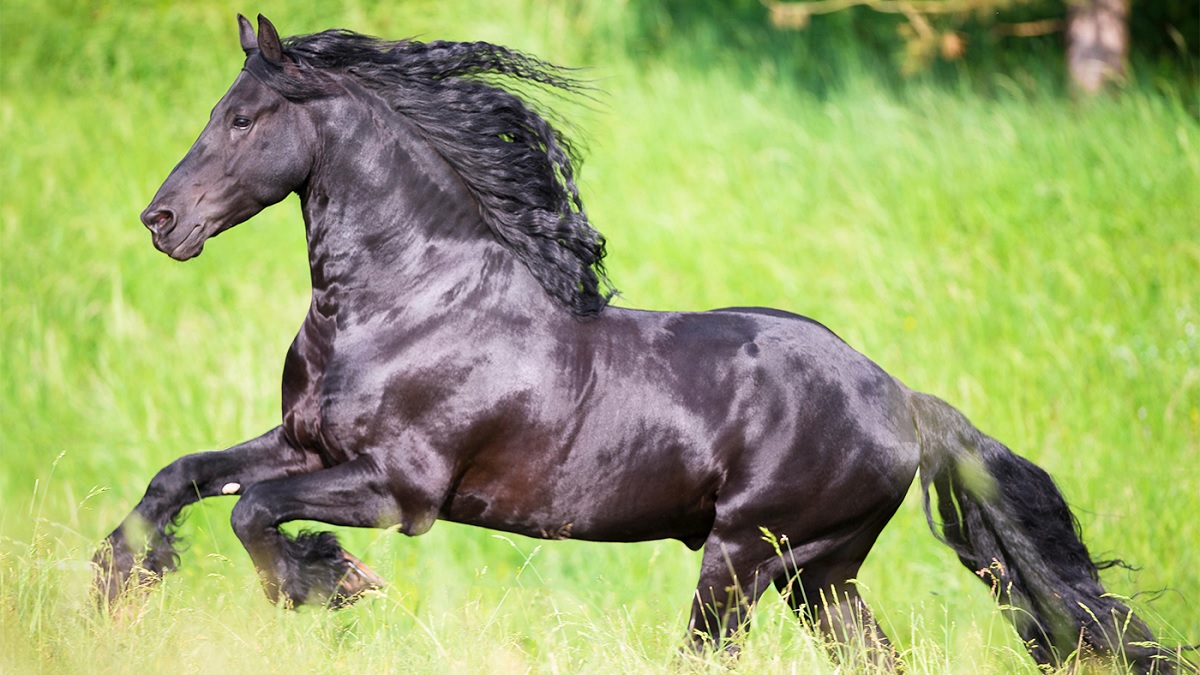
Black is the signature and overwhelmingly dominant coat color of Friesian horses. Most purebred Friesians display a solid black coat without markings, which gives them a powerful and elegant appearance. Their black coat often shines with a lustrous sheen when well-groomed, enhancing the breed’s dramatic presence during movement and in show rings. This consistent coloring has become a hallmark of the breed, often associated with purity and adherence to breed standards.
The black coat also complements the Friesian’s long, flowing mane and tail, which are usually equally dark. These features combine to create a regal, almost cinematic look that makes the breed instantly recognizable. While minor variations in shade may occur, from deep ebony to slightly softer black tones, the overall effect remains uniform and striking. Black Friesians are particularly valued in breeding programs, as maintaining the breed’s signature color is a key objective. Their dark coat also provides practical advantages, such as better heat absorption in cooler climates and a visually impressive appearance in competitions and exhibitions. This dominant color, combined with the Friesian’s muscular build and flowing hair, creates a horse that exudes both strength and elegance.
Exceptions and Minor Variations
While black dominates, rare variations occasionally appear within the breed. Some Friesians may have very subtle markings or lighter areas, such as a small star on the forehead or faint white hairs on the legs. These minor deviations are generally not preferred in strict breeding programs but can still occur naturally. The breed registry emphasizes solid black coats, making these exceptions notable but uncommon.
A few Friesians may appear slightly brownish or “dark bay” in early life, but their coats often darken to black as they mature. These changes highlight the importance of genetics and careful breeding practices in maintaining the classic Friesian look. Understanding these minor variations allows enthusiasts and breeders to appreciate the nuances of the breed without compromising recognition of the signature black color. Overall, the dominance of black in Friesians reinforces their elegance and continues to make them one of the most visually striking horse breeds in the world.
Rare Color Variations
Although Friesian horses are most commonly recognized for their solid black coats, a few rare color variations occasionally appear within the breed. These unique shades are highly uncommon and often draw attention among breeders, enthusiasts, and horse show judges. Understanding these rare color variations adds depth to your knowledge of the breed and highlights the role of genetics, breeding practices, and historical influences on Friesian horses. Exploring these uncommon colors showcases the subtle diversity within a breed known for its uniform elegance.
Chestnut and Bay Variations
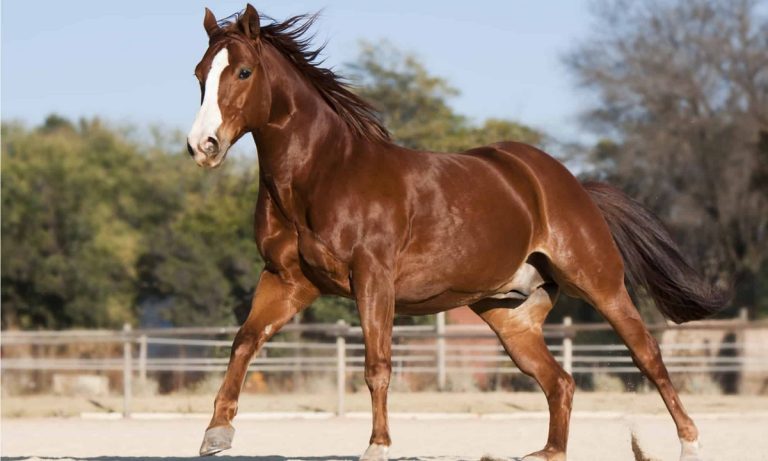
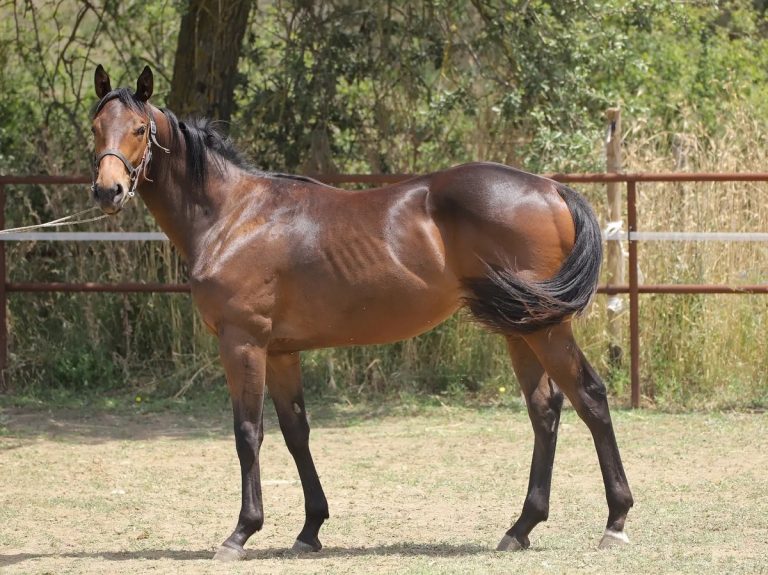
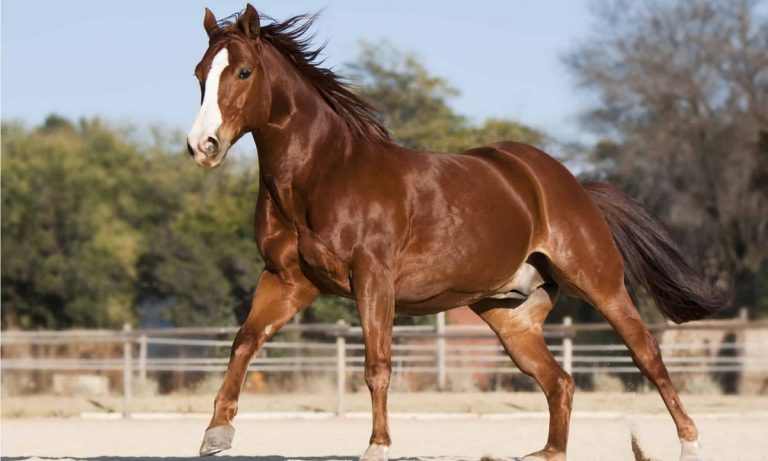
While extremely rare, some Friesian foals are born with chestnut or bay coats. These colors are generally considered outside of traditional breed standards and are often the result of genetic anomalies or crossbreeding. Chestnut Friesians display a reddish-brown body with lighter manes and tails, while bay variations feature a brown body with black points on the mane, tail, and lower legs. These colors tend to darken or change slightly as the horse matures, but they rarely reach the deep black that defines standard Friesians.
Due to their rarity, chestnut and bay Friesians are often highly sought after by collectors or enthusiasts interested in unusual horses. However, these colors are typically excluded from purebred registry programs that prioritize solid black coats. Observing these variations provides insight into the genetic diversity that can exist even within a breed known for strict color standards. They serve as a reminder that while Friesians are celebrated for uniformity, nature occasionally introduces surprises that enrich the breed’s visual diversity.
Gray and Other Uncommon Shades
Another rare color variation in Friesians includes gray coats, which result from genetic factors that cause black or bay hair to lighten over time. Gray Friesians are uncommon and usually identified later in life as their dark coat gradually turns silvery or dappled. This progressive change can create a striking appearance, contrasting sharply with the traditional black coat.
Other anomalies, such as minor white markings or mixed dark tones, are occasionally seen but remain exceptional. These rare variations do not typically affect the horse’s health or abilities but may influence breeding decisions and show eligibility. For breeders and enthusiasts, spotting these uncommon colors provides an opportunity to appreciate the subtle genetic variations within the Friesian breed while still valuing the signature black coat that defines its elegance and iconic status.
Mane and Tail Colors
The mane and tail of Friesian horses are as iconic as their coats, contributing significantly to their dramatic and elegant appearance. These features are typically long, thick, and flowing, creating a striking contrast against their strong, muscular body. Understanding the common and occasional variations in mane and tail colors helps enthusiasts, breeders, and riders appreciate the full beauty of the breed. Exploring these traits highlights how hair color complements the horse’s overall aesthetic and breed standards.
Traditional Black Manes and Tails
The majority of Friesian horses have black manes and tails that match their dominant coat color. This uniformity creates a visually stunning effect, enhancing the breed’s regal and powerful presence. Their long, thick hair flows naturally, often reaching the ground in mature horses, making them ideal for shows, exhibitions, and cinematic appearances.
The black mane and tail are not just for aesthetics; they also reflect breed standards and the genetic preference for solid black coloring. Well-maintained hair contributes to the horse’s elegance, with grooming practices emphasizing shine and smoothness. Riders and handlers often focus on regular brushing, washing, and conditioning to keep the mane and tail free from tangles and breakage. This care preserves the natural luster and thickness, which is one of the most admired traits of Friesians. The dark hair complements their muscular frame and flowing movements, creating an unforgettable impression both in motion and at rest.
Rare Variations and Considerations
While black manes and tails dominate, rare variations can occur, often in horses with unusual coat colors such as chestnut, bay, or gray. In these cases, the mane and tail may appear slightly lighter, reddish, or silvery, depending on the underlying coat genetics. These rare differences are exceptional and often draw attention, though they are not typically recognized in strict breed registries.
Even in standard black Friesians, small highlights or natural sun-bleaching may create subtle variations in tone. Grooming and environmental factors, such as exposure to sunlight, can influence the sheen and intensity of the mane and tail color. Understanding these variations allows enthusiasts to appreciate the nuances of each horse’s hair while maintaining a look that aligns with the breed’s iconic image. Proper care ensures the mane and tail remain healthy, long, and visually striking, reinforcing the Friesian’s dramatic elegance.
Recognizing Color Patterns
Recognizing color patterns in Friesian horses is an important aspect of understanding the breed’s appearance and evaluating individual horses. While the breed is predominantly solid black, subtle variations and markings can occur, influencing how the horse is perceived in shows, breeding, and everyday handling. Being able to identify these patterns helps enthusiasts, breeders, and riders appreciate the uniqueness of each horse while maintaining adherence to breed standards and ensuring proper care and management.
Subtle Markings and Variations
Although Friesians are mainly solid black, some individuals may exhibit subtle markings, such as a small star on the forehead, faint white hairs on the legs, or minimal blaze markings. These patterns are relatively rare and are often considered exceptions rather than standard features. Recognizing these subtle differences is essential for breeders aiming to maintain the breed’s signature look while understanding genetic influences that can produce minor deviations.
Small variations can also occur due to natural hair growth, sun exposure, or seasonal changes, causing areas of the coat to appear lighter or darker. Observing these subtle patterns helps owners track the horse’s health and coat condition over time. While these markings may not disqualify a horse from casual riding or breeding, they are noteworthy for those participating in competitive shows where strict adherence to solid black coloration is preferred. Awareness of these patterns ensures accurate documentation and appreciation of each horse’s individual characteristics.
Identifying Rare Color Anomalies
In addition to minor markings, rare color anomalies can appear in Friesians, including chestnut, bay, or gray shades, though these are extremely uncommon. Such variations are usually the result of genetic factors or crossbreeding and may become more noticeable as the horse matures. Identifying these anomalies helps breeders make informed decisions about lineage and maintaining breed standards.
Recognizing unusual color patterns is also useful for visual assessment and record-keeping. Horses with rare patterns may attract attention in shows or sales due to their distinctive appearance. By learning to identify and understand these patterns, owners and enthusiasts can appreciate the breed’s diversity while respecting the traditional aesthetics of Friesians. Proper recognition also assists in planning grooming, care, and training strategies that highlight the horse’s unique attributes, ensuring both beauty and functionality are maintained.
FAQs
What Is the Dominant Coat Color of Friesian Horses?
The dominant coat color of Friesian horses is solid black. This iconic color defines the breed and is highly valued in shows, breeding programs, and competitions. Most purebred Friesians are born and remain black throughout their lives, with a sleek and shiny coat that highlights their muscular build and flowing mane and tail. This uniform coloration is a key breed standard, making Friesians instantly recognizable. Understanding this dominant color helps you identify purebred Friesians and appreciate the consistency and elegance that the black coat contributes to the breed’s overall majestic appearance.
Are There Any Rare Coat Colors in Friesians?
Yes, although extremely rare, some Friesian horses can display coat colors other than black. These may include chestnut, bay, or gray variations, usually resulting from genetic anomalies or crossbreeding. Such colors are uncommon and generally not recognized in strict breed registries, which prioritize solid black coats. Observing these rare colors allows you to appreciate the subtle diversity within the breed while understanding that the classic black remains the standard. These exceptions highlight the influence of genetics on coat coloration and make individual horses unique and memorable.
Can Friesian Horses Have White Markings?
Friesians are typically solid black, but small white markings can occasionally appear, such as a star on the forehead or faint white hairs on the legs. These markings are rare and usually minor, often not affecting the horse’s overall appearance significantly. In competitive settings, solid black coats are preferred, but subtle markings do occur naturally. Recognizing these minor variations helps you understand the individual characteristics of each horse while maintaining awareness of traditional breed standards. Proper documentation of markings can also be important for identification and breeding purposes.
Do Mane and Tail Colors Differ From the Coat?
In most Friesians, the mane and tail match the coat, which is predominantly black. This creates a striking and uniform appearance that enhances the horse’s elegance and dramatic presence. Rarely, in horses with unusual coat colors, the mane and tail may appear slightly lighter or show subtle variations. Regular grooming and care help maintain the sheen, thickness, and uniformity of the hair. Understanding the relationship between coat, mane, and tail color allows you to appreciate the visual harmony that defines the Friesian breed and ensures proper maintenance of their iconic look.
Can Sun Exposure Affect Friesian Coat Color?
Yes, prolonged exposure to sunlight can cause subtle changes in the coat color of Friesians. Even solid black coats may develop a reddish or brownish tint along the back and flanks due to UV rays. This natural fading does not indicate a health issue but may affect the visual intensity of the black coat. Regular grooming and shade during peak sunlight can help maintain the deep black appearance. Being aware of environmental effects allows you to preserve the Friesian’s iconic coloration while keeping the coat healthy and glossy throughout the year.
How Do Seasonal Changes Influence Coat Appearance?
Seasonal changes can affect the coat color and texture of Friesians. During winter, their coat thickens, sometimes appearing darker or more muted. In summer, the coat is shorter, sleeker, and glossier, which enhances the black hue. These natural seasonal variations also influence mane and tail growth, with hair becoming denser in cold months. Understanding these effects helps you adjust grooming, care, and feeding routines to maintain the horse’s overall health and appearance, ensuring that the iconic black coat remains vibrant and lustrous year-round.
Why Is Solid Black Preferred in Friesian Breeding?
Solid black is preferred in Friesian breeding because it aligns with breed standards and preserves the iconic look of the horse. Maintaining this color ensures consistency across generations and enhances the breed’s market value for shows and sales. Breeders prioritize black coats to highlight the breed’s elegance, flowing mane and tail, and dramatic presence. While rare color variations exist, adhering to the black standard supports genetic consistency and recognition in competitive and registry settings, making it the hallmark feature of the Friesian horse that enthusiasts and riders most admire.
Conclusion
Friesian horses are admired for their striking appearance, and their coat color plays a significant role in their beauty and appeal. While the breed is predominantly known for its deep, rich black coats, subtle variations in shade and minor markings can add individuality to each horse. Rare colors such as brown or chestnut are exceptionally uncommon and often highly prized among enthusiasts.
The mane and tail, usually matching the body coat, contribute to the horse’s elegant silhouette, while factors like sunlight and seasonal changes can subtly influence color intensity. Maintaining the coat’s glossy, uniform appearance is important for both shows and daily care. Understanding the nuances of these shades helps owners, breeders, and riders appreciate the breed’s unique traits. Overall, exploring the colors of friesian horses reveals why this breed stands out in beauty, elegance, and presence among horse enthusiasts.