How Long Is A Furlong In Horse Racing: Measurements and Tips
Horse racing has its own set of unique measurements and terminology that can be confusing for newcomers. One term that frequently arises is the furlong, a unit of distance commonly used to describe race lengths. Understanding how long is a furlong in horse racing helps enthusiasts, bettors, and casual fans gauge the pace and strategy required for different races. A furlong plays an essential role in race planning, timing, and analyzing a horse’s performance over varying distances.
Knowing this measurement allows you to better comprehend race commentary, compare horses’ stamina and speed, and make informed observations about the sport. By grasping the concept of a furlong, you gain a clearer understanding of how distances are structured in horse racing, adding depth and appreciation to the excitement of watching or participating in this competitive and historic sport.
Exact Measurement of a Furlong
A furlong is a traditional unit of measurement in horse racing that defines the distance of a race or a segment of it. Understanding its exact length is essential for both spectators and participants to evaluate performance, pace, and strategy. Knowing the precise measurement of a furlong allows trainers, jockeys, and racing enthusiasts to plan tactics and compare horses’ capabilities over different race distances. Accurate knowledge of this unit contributes to a deeper appreciation of race dynamics and the sport’s historic measurement system.
Conversion to Standard Units
A furlong is precisely equal to one-eighth of a mile, which translates to 220 yards or 660 feet. In metric terms, this is approximately 201.168 meters. This standardization allows for consistent measurement across different racecourses and ensures that race distances are uniform for training, betting, and competitive purposes. Understanding this conversion helps spectators and participants quickly gauge how far a horse must travel and how to pace the race effectively.
This exact measurement is crucial for trainers and jockeys when preparing horses for specific race lengths. Each furlong can influence strategy, including when to accelerate, maintain speed, or conserve energy. By knowing the distance in yards, feet, or meters, professionals can calculate stride counts, evaluate stamina, and anticipate finishing times more accurately. For enthusiasts and bettors, understanding the conversion to familiar units improves comprehension of race commentary and enables better-informed predictions. The clarity of a furlong’s measurement helps bridge tradition with practical application, making horse racing more accessible and analytically engaging.
Historical Context and Importance
The furlong originates from traditional agricultural measurements, historically representing the length of a furrow in a plowed field. Over time, it became standardized in horse racing to provide a consistent unit for measuring race distances. Its continued use highlights the sport’s connection to history while maintaining practicality in modern racing.
Knowing the exact measurement of a furlong allows you to interpret race lengths accurately, understand pacing strategies, and appreciate how distances impact performance. Horses may excel at shorter sprint distances of a few furlongs or demonstrate stamina over longer races of multiple furlongs. By grasping this unit’s precise length, you gain insight into race planning, strategy, and the physical demands placed on the horse. This understanding enhances your overall appreciation of horse racing and the significance of each furlong in shaping competition outcomes.
Furlongs in Horse Racing Tracks
Furlongs play a central role in designing and understanding horse racing tracks. Racecourses are measured in furlongs to standardize distances, ensuring consistency for trainers, jockeys, and spectators. Knowing how furlongs are applied on racing tracks helps you interpret race lengths, track layouts, and performance expectations. This measurement affects race strategy, pacing, and stamina management, making it essential for anyone involved in horse racing to grasp how furlongs influence the structure and dynamics of races.
Track Layout and Distance Measurement
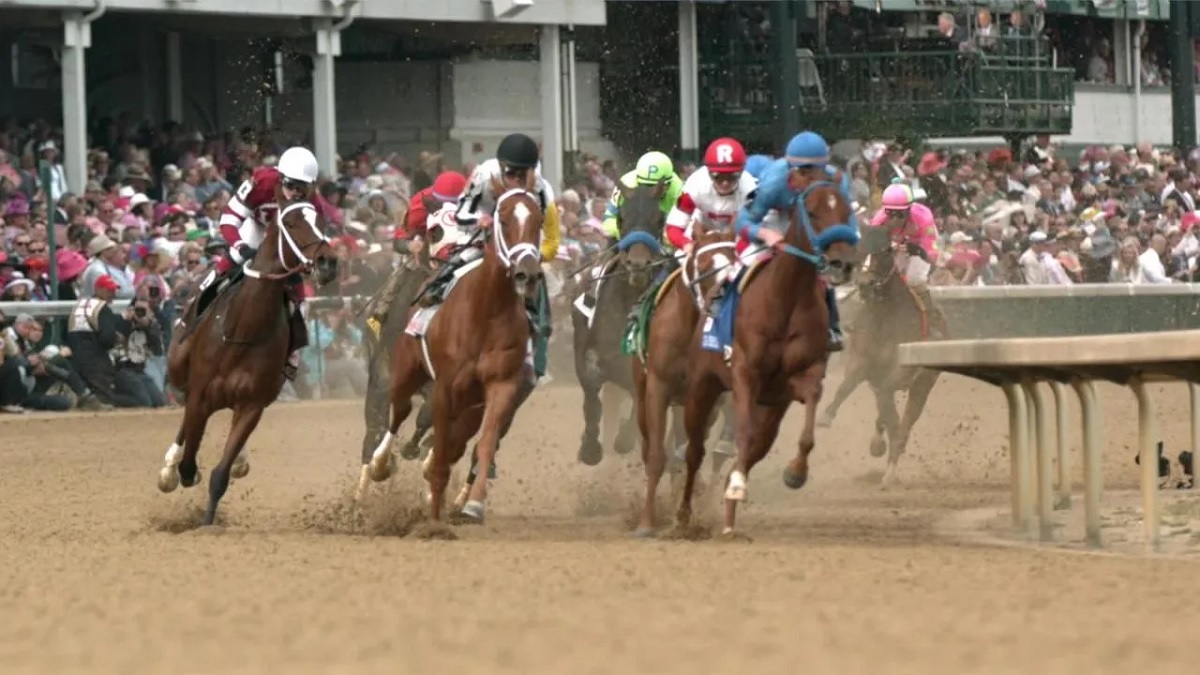
Horse racing tracks are marked in furlongs to provide a consistent measurement of race distances. Most tracks use a combination of straightaways and curves, with each section often corresponding to a specific number of furlongs. For example, a six-furlong race may include a straight stretch followed by turns, with the total distance summing to six furlongs. Understanding these markings allows jockeys and trainers to plan pacing, positioning, and acceleration points throughout the race.
The furlong measurement also helps spectators and analysts compare performances across different tracks. Each furlong represents a segment where strategy, speed, and stamina are tested. By dividing races into furlongs, you can track splits, observe changes in position, and anticipate crucial moments when horses may push for the lead. Familiarity with furlong-based track layouts provides insight into how course design influences outcomes and highlights the importance of distance awareness in horse racing.
Strategic Importance of Furlongs on Tracks
Furlongs are more than just a unit of measurement; they are critical for race strategy. Trainers use furlong divisions to prepare horses for sprints or longer endurance races. Knowing where specific furlongs occur on the track allows jockeys to decide when to conserve energy, accelerate, or maintain a steady pace.
Race analysts and bettors also rely on furlong segments to evaluate horses’ performance, such as observing how quickly a horse completes the first few furlongs or accelerates in the final stretch. Each furlong offers insight into stamina, speed, and positioning, which can influence predictions and decisions. By understanding how furlongs are applied on racing tracks, you gain a clearer perspective on the physical demands, tactical decisions, and pacing strategies that define competitive horse racing.
Comparison With Other Units of Measurement
In horse racing, understanding how furlongs compare with other units of measurement is crucial for context and clarity. Converting furlongs into miles, yards, feet, or meters allows trainers, jockeys, and spectators to better interpret race distances. This comparison makes it easier to evaluate pacing, stamina, and strategy across various tracks and race formats. Familiarity with these conversions enhances comprehension of race results, commentary, and performance metrics, bridging traditional terminology with modern measurement standards for a more informed racing experience.
Furlongs Versus Miles and Yards
A furlong is precisely one-eighth of a mile, making eight furlongs equal to one mile. In terms of yards, a single furlong equals 220 yards, providing a practical measure for track layouts and training routines. Understanding this conversion allows you to visualize distances more intuitively, particularly for those familiar with miles or yards from everyday use. For trainers and jockeys, knowing the mile equivalent helps plan pacing strategies over longer races, ensuring horses conserve energy for crucial moments in the race.
Yard-based conversions are also important for precise positioning on the track. Split times, distances between horses, and finish line calculations often rely on yards for accuracy. Comparing furlongs to miles and yards provides both a macro and micro perspective on race distances, enabling better tactical decisions, accurate race analysis, and clear communication of performance metrics to spectators and analysts alike.
Furlongs Versus Feet and Meters
In addition to miles and yards, furlongs can be converted to feet and meters for international comprehension and modern applications. One furlong equals 660 feet, offering another way to understand short-distance measurements on the track. In metric terms, a furlong is approximately 201.168 meters, which is especially useful for international races or data-driven performance analysis.
These conversions make it easier to assess stride length, pacing, and timing, as trainers often calculate how far a horse travels per stride in feet or meters. For spectators and bettors, metric comparisons help visualize race segments and evaluate speed over specific portions of the track. By understanding how furlongs relate to feet and meters, you can interpret performance data more accurately, compare international racing events, and appreciate the precision required in race strategy, training, and analysis across different measurement systems.
Tips for Understanding Furlong-Based Racing
Furlong-based measurements are central to horse racing, and understanding them enhances your comprehension of race distances, pacing, and strategy. By learning how races are divided into furlongs, you can better anticipate key moments, evaluate horse performance, and interpret commentary accurately. Familiarity with furlongs allows both enthusiasts and bettors to grasp race dynamics, track layouts, and timing splits. Applying practical tips for understanding furlong-based racing makes following events more engaging and helps you make informed observations about horse performance and race outcomes.
Break Races Into Furlong Segments
One effective approach is to divide races into furlong segments. Each furlong represents a specific distance, allowing you to analyze pace and strategy incrementally. For instance, in a six-furlong race, tracking the first, middle, and final furlongs helps you see how horses conserve energy, accelerate, and position themselves for the finish. Understanding these segments makes it easier to compare past performances and predict outcomes.
Watching split times for each furlong provides insight into a horse’s stamina, speed, and responsiveness to the jockey’s cues. By focusing on furlong-based divisions, you can anticipate critical points in the race, such as when a sprinter may make a move or when endurance horses are conserving energy for the final stretch. Breaking races into furlongs helps both trainers and enthusiasts visualize the race’s structure, enhancing appreciation of tactics and physical demands placed on the horses.
Observe Patterns and Track Conditions
Another tip is to consider how track conditions influence furlong-based performance. Weather, surface type, and track layout affect how horses run each furlong. For example, a muddy track may slow early furlongs, requiring jockeys to adjust pacing for the final stretch. Observing these patterns allows you to interpret times more accurately and understand which horses handle specific conditions best.
Analyzing multiple races at the same distance in furlongs also highlights consistency and strategic tendencies. Horses that maintain steady splits or finish strongly over certain furlong segments may have advantages in upcoming races of similar distances. By focusing on how each furlong is navigated, you gain a deeper understanding of performance trends, tactical decisions, and race dynamics. Applying these tips enhances both your appreciation and analytical insight into furlong-based horse racing.
FAQs
How Long Is A Furlong In Horse Racing?
A furlong in horse racing is exactly 220 yards, which equals 660 feet or approximately 201 meters. In miles, it is one-eighth of a mile. Knowing this measurement helps you understand race distances and compare them accurately. Most horse races use furlongs to indicate the length of the course, making it easier to plan race strategy. Understanding the exact length of a furlong allows you to track a horse’s pace, stamina, and performance effectively. Whether you are a bettor, trainer, or fan, this knowledge is essential for interpreting race results.
Why Are Furlongs Used In Horse Racing Instead Of Miles Or Meters?
Furlongs have been traditionally used in horse racing because they offer a precise unit for shorter distances. Unlike miles or meters, furlongs make it easier to calculate splits, pace, and race timing over various tracks. They provide a standard measurement familiar to trainers, jockeys, and racing enthusiasts. Using furlongs also simplifies comparing historical race data, as many classic races have long used this unit. By understanding furlong-based measurements, you can better analyze horse performance, predict stamina requirements, and make informed decisions when following or betting on races.
How Many Furlongs Are In Common Horse Races?
Horse races vary in length, but common distances include 5, 6, 7, and 8 furlongs for sprints, while longer races can range from 9 to 12 furlongs. Knowing the number of furlongs in a race helps you assess which horses are suited for sprinting versus endurance. For example, a horse with excellent acceleration may excel in shorter races, while stamina-focused horses perform better in longer distances. Understanding how many furlongs are in a race allows you to analyze strategy, predict finishing times, and follow races with a clearer perspective on pace and positioning.
How Can You Convert Furlongs To Miles Or Meters?
One furlong equals one-eighth of a mile or approximately 201 meters. To convert furlongs to miles, divide the number of furlongs by 8. To convert to meters, multiply the number of furlongs by 201. For example, a 6-furlong race is 0.75 miles or about 1,206 meters. These conversions are helpful when comparing races internationally or understanding race distances outside traditional horse racing units. Knowing how to convert furlongs allows you to track horse speed and stamina accurately and better interpret race results across different measurement systems.
How Does Knowing Furlong Length Help In Betting?
Understanding furlong length helps you evaluate a horse’s speed, stamina, and suitability for specific race distances. Horses that excel in sprints may perform well in races under 6 furlongs, while endurance-focused horses do better in longer races. You can compare past performances by analyzing how horses performed over the same furlong distances. This knowledge helps you anticipate race pace, identify potential frontrunners, and make more informed betting decisions. Bettors who understand furlong lengths can strategize more effectively and increase the likelihood of predicting winners based on horse strengths and race conditions.
What Is The Difference Between A Sprint And A Distance Race In Furlongs?
In horse racing, a sprint is typically a race up to 7 furlongs, while distance races are longer, often 8 furlongs or more. Sprint races favor horses with fast acceleration and short bursts of speed, whereas distance races require endurance and pacing. Knowing the number of furlongs helps you evaluate which horses are likely to perform best based on their training and racing style. Understanding this distinction allows you to analyze past performances, anticipate jockey strategy, and assess a horse’s ability to maintain speed over a given number of furlongs.
Are Furlongs Used In International Horse Racing?
Yes, furlongs are commonly used in horse racing countries like the United Kingdom, Ireland, and the United States, though some countries prefer meters. International races may list distances in meters or furlongs depending on tradition and racing rules. Knowing how to interpret furlong measurements allows you to compare horses from different regions and understand race conditions globally. Being familiar with furlongs also helps when reading race cards, calculating pace, and evaluating performance in both local and international competitions. This knowledge is especially useful for bettors and fans following worldwide horse racing events.
Conclusion
Understanding the measurement of a furlong is essential for anyone interested in horse racing, from casual spectators to seasoned bettors. Knowing how long is a furlong in horse racing allows you to interpret race distances, analyze pacing strategies, and assess a horse’s stamina and speed more accurately. Each furlong represents a specific segment of the race, influencing how jockeys plan acceleration, conserve energy, and position their horses.
Familiarity with this unit also helps you compare performances across different tracks and races, making commentary and statistics more meaningful. By grasping the exact length of a furlong and its role in track layouts, you gain deeper insight into race dynamics and strategy. Understanding how long is a furlong in horse racing enhances your appreciation of the sport, improves analytical skills, and provides a clearer perspective on the physical demands and tactical decisions involved in each race.