How to Tell if a Horse Likes You
You can tell a horse likes you when it approaches willingly with relaxed, fluid movements and soft eyes. Notice gentle behaviors like nuzzling, licking, or resting its head on you.
Vocal signs such as nickering or whinnying often show positive emotions. The horse stays close, responds calmly to your voice, and initiates mutual grooming.
If signs of avoidance or agitation are absent, trust is present. Observing these details helps clarify your bond and how to strengthen it further.
How To Tell When A Horse Approaches You
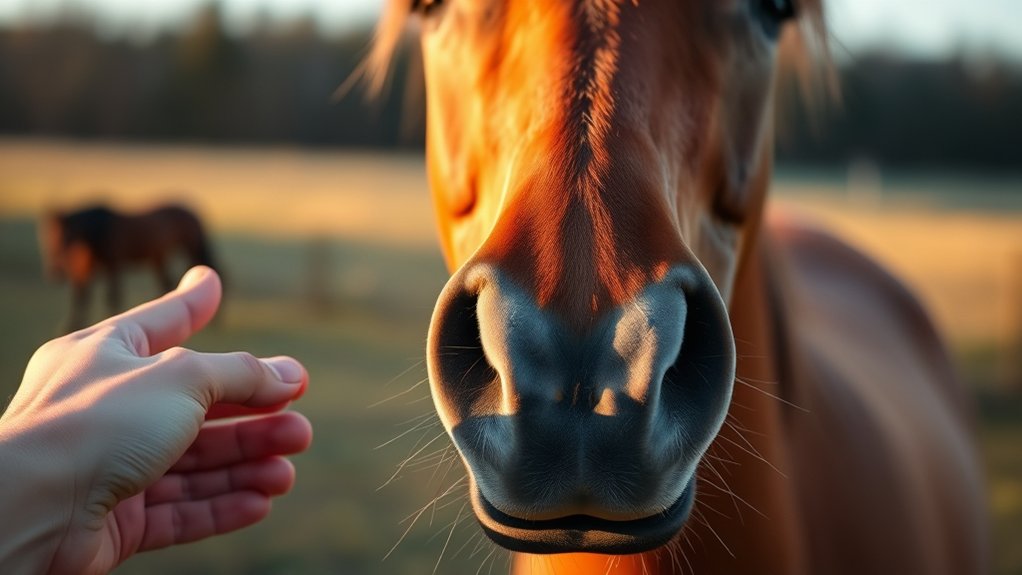
How can you tell when a horse approaches you with trust rather than caution? When a horse likes you, it moves willingly and without hesitation toward you, signaling a positive connection.
Observe the horse’s calm gait and gentle, curious demeanor. These indicate friendly interest rather than wariness.
A horse that approaches and remains nearby instead of retreating shows a desire for closeness and safety. Look for subtle affectionate behaviors like gentle nuzzles, licking, or soft head butts upon approach. These are clear signs of recognition and warmth.
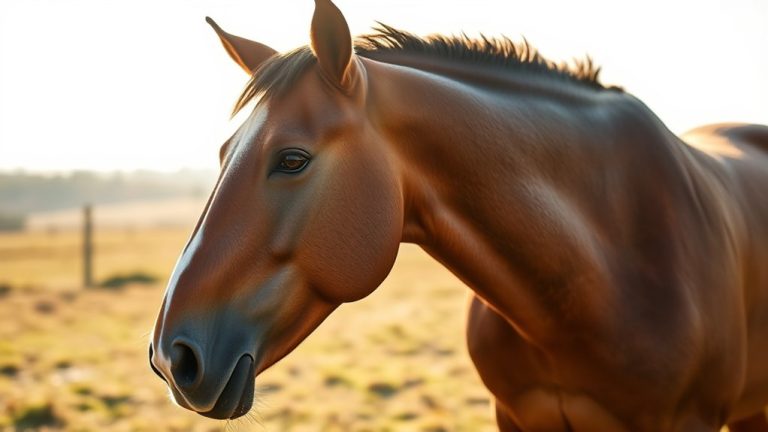
Horses that like you typically display soft eyes and a lowered head, suggesting they feel safe.
What Relaxed Body Language Looks Like In Horses
When a horse feels relaxed and secure, its body language reveals subtle yet distinct signs of calmness. You’ll notice soft, blinking eyes and ears that gently swivel without pinning back or standing alert.
A relaxed horse often lowers its head or neck, adopting a slightly drooping posture signaling comfort and trust. Watch for loose, fluid movements. Smooth progressions and a relaxed gait indicate ease.
If your horse leans into your touch or evenly distributes its weight on all four legs, it’s showing comfort around you. Pay attention to ears facing forward or softly moving and a relaxed tail. These are key indicators of a calm, content horse.
Recognizing these signs helps you understand when your horse truly feels relaxed in your presence.
Why Your Horse Nickers And Whinnies When It Likes You?
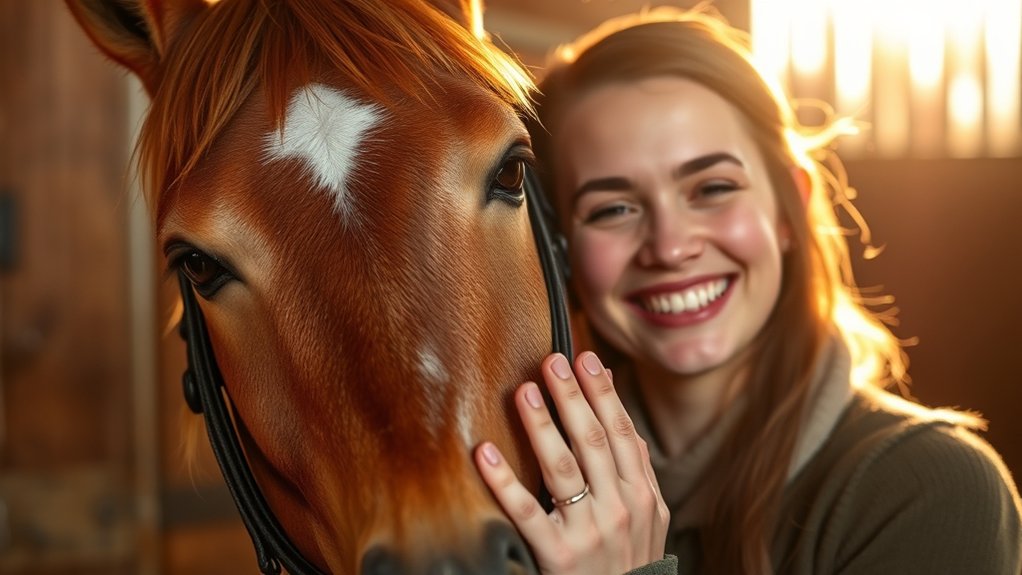
Because horses rely heavily on vocalizations to communicate emotions, their nickers and whinnies serve as clear signals of recognition and affection toward individuals they trust.
When your horse nickers or whinnies upon seeing you, it’s expressing excitement and happiness tied to your familiar presence.
These sounds function as emotional responses, indicating positive attachment and a desire for connection.
You’ll often notice your horse vocalizing during bonding moments like grooming or feeding, reinforcing their comfort and affection.
Accompanying these vocalizations, your horse’s relaxed body language such as soft eyes and a lowered head confirms they feel safe and valued around you.
Understanding this vocal behavior helps you recognize when your horse genuinely likes and trusts you, deepening your bond through attentive observation.
Common Head And Neck Gestures That Show Horse Affection
You’ll notice a horse showing affection by nuzzling or gently resting its neck against you. This kind of behavior signals trust and comfort.
Often, lip contact happens too—like soft kissing motions—which is another way horses bond with you.
If you pay close attention to these subtle head and neck movements, it really helps you understand what your horse is feeling.
Nuzzling And Neck Resting
Although horses can express affection in many ways, nuzzling and neck resting stand out as clear indicators of trust and comfort. When a horse softly presses its muzzle against your shoulder or chest, it’s nuzzling, a direct sign of fondness and a strong bond.
Similarly, if the horse rests its neck over your arm or shoulder, it’s seeking closeness and feels safe with you. You’ll notice these gestures often come with relaxed body language, like soft eyes and lowered ears, which reinforce the horse’s comfort.
If your horse consistently engages in nuzzling and neck resting, it’s not just a fleeting moment. It’s a genuine expression of affection and connection, showing that your horse truly likes you and trusts your presence.
Lip Contact And Kissing
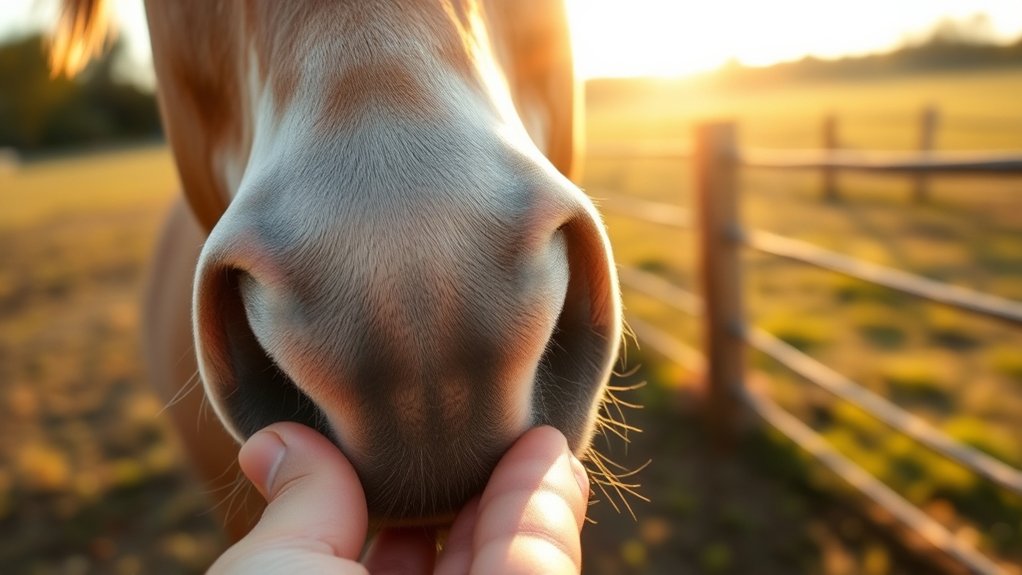
When a horse gently touches your face or hands with its lips in a licking or kissing motion, it communicates affection and trust through subtle, deliberate gestures. This lip contact, often resembling a kiss, signals the horse’s comfort and safety around you.
Observing relaxed body language and soft eyes during these moments confirms the horse’s positive emotional state. Repeated lip contact or kissing motions typically indicate the horse’s desire for closeness and social bonding.
Furthermore, gentle nibbling or mouthing at your clothing or skin serves as a calming or affectionate behavior. These nuanced lip gestures are scientifically recognized as signs of trust and attachment, revealing how deeply your horse feels connected and secure in your presence.
What It Means When Your Horse Licks Or Nuzzles You
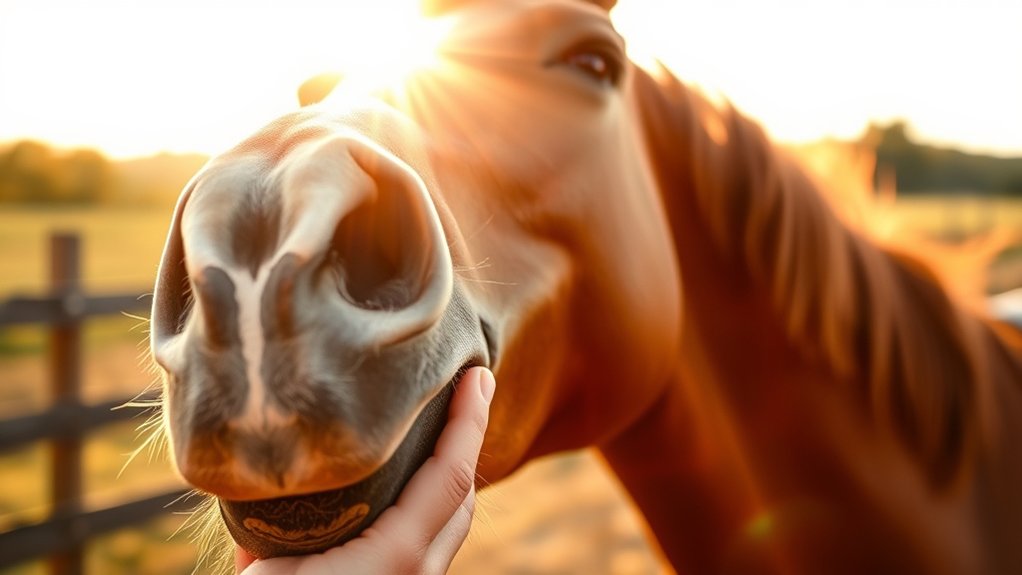
If a horse licks or nuzzles you, it shows a significant level of trust and affection rooted in their natural grooming behaviors. When your horse nuzzles or licks your skin or clothing, it mirrors their social bonding rituals, signaling comfort and a desire for closeness.
This behavior, often coupled with relaxed body language such as soft eyes and lowered ears, indicates your horse feels safe and values your presence.
| Behavior | Meaning | Accompanying Signs |
|---|---|---|
| Licking | Comfort, trust | Soft eyes, relaxed posture |
| Nuzzling | Bonding, safety | Lowered ears, calm demeanor |
| Repeated | Enjoyment, friendship | Relaxed muscles, gentle |
| Skin touch | Affection | Slow blinking |
| Clothing | Curiosity, comfort | Calm breathing |
Recognize these cues to deepen your connection.
How To Tell When Your Horse Trusts You Through Touch
You’ll notice your horse’s trust through gentle nuzzles and licks—they’re little signs of affection and familiarity. If you pay close attention, you’ll see relaxed body language too, like soft eyes, slow blinking, and a calm posture. These are clear indicators that your horse feels comfortable around you.
Also, those moments when you groom each other? They reveal a bond built on trust. It shows your horse feels safe and connected when you’re touching.
Gentle Nuzzles And Licks
Although subtle, gentle nuzzles and licks serve as clear indicators that your horse trusts and feels comfortable around you. When your horse softly licks your hands or face, it signals familiarity and acceptance, often following grooming or positive interactions.
These behaviors aren’t random; they reflect a calm, relaxed state, showing that your horse perceives you as a safe companion. Repeated licks and nuzzles during your time together indicate an established bond built on trust and affection.
Observing these tactile gestures scientifically helps you understand your horse’s emotional state. It confirms that your presence provides comfort and security.
Recognizing and responding to these subtle signs strengthens your connection, reinforcing the mutual trust essential for a healthy relationship.
Relaxed Body Language
When a horse trusts you, its body language visibly relaxes, revealing a lowered head and soft, blinking eyes that signal calmness. You’ll notice subtle but clear indicators of this relaxed body language as the horse interacts with you through touch.
Look for these signs to confirm trust:
- Ears in a neutral or slightly forward position, showing engagement and calmness
- Loose, swinging tail indicating muscle relaxation rather than tension
- Muscles that appear soft and supple, not stiff or rigid
- Willing yielding to touch without resistance or flinching
- Muzzle resting gently on your shoulder or nuzzling, demonstrating affection
Recognizing these cues helps you understand when your horse feels safe and connected. It also strengthens your bond through attentive observation.
Mutual Grooming Moments
Building on the signs of relaxed body language, mutual grooming offers a clear, tactile demonstration of trust between you and your horse. When your horse calmly approaches and begins grooming or licking your hands or face, it signals comfort and affection.
This behavior indicates your horse feels safe enough to engage in close physical contact. Mutual grooming involves gentle nibbling or licking exchanged between you and your horse, reinforcing your bond over time.
Observing soft eyes and relaxed posture during these moments confirms mutual trust. Horses that initiate and reciprocate grooming often seek physical closeness, displaying positive feelings toward you.
Consistent mutual grooming sessions reveal a deepening connection, showing your horse’s willingness to engage in intimate, reassuring touch.
What It Means When Your Horse Follows You Around
If your horse follows you around, it signals a significant level of trust and comfort in your presence. This behavior scientifically indicates that your horse perceives you as a safe, familiar figure and values your companionship.
When your horse follows you, it shows deep trust and comfort in your presence.
When a horse follows you, it reflects a positive emotional connection and an attachment that enhances your bond.
Here’s what it means when your horse follows you:
- Recognizes and feels secure around you
- Seeks reassurance or comfort in your company
- Shows enjoyment of your presence and interaction
- Demonstrates trust by maintaining close proximity
- Associates you with positive experiences like grazing or resting
This consistent following behavior is a clear, observable sign your horse likes and trusts you deeply.
How Horses React To Your Voice And Facial Expressions
Although horses rely heavily on body language, they also respond keenly to your voice and facial expressions. These play an essential role in their social interactions with humans.
When you speak calmly and kindly, your horse often perks its ears forward and leans in, signaling recognition and comfort. Soft eyes and relaxed body posture accompany this positive vocal reception.
Horses can read your facial expressions, mirroring relaxed or happy emotions with gentle gestures like approaching voluntarily or maintaining eye contact. They may nicker or softly neigh when hearing voices linked to affection or pleasant experiences.
What Avoidance And Defensive Behavior Mean For Your Bond
While your horse’s positive reactions to your voice and expressions reveal comfort and trust, signs of avoidance and defensive behavior indicate the opposite. Avoidance behaviors, such as turning away or stepping back, show your horse may feel uneasy or distrustful.
Defensive signals like pinned ears or bared teeth reveal irritation or perceived threats. These behaviors often highlight a fragile bond needing attention. Watch for:
- Turning head or body away from you
- Backing up when approached
- Pinned ears signaling discomfort
- Swishing tail indicating agitation
- Showing teeth as a warning
Persistent avoidance suggests your horse doesn’t feel safe or understood. Recognizing these cues is critical because they reflect miscommunication, fear, or discomfort that can weaken your connection unless addressed thoughtfully.
How To Use These Signs To Deepen Your Horse’s Affection
When you recognize your horse’s subtle signals of comfort and affection, you can actively reinforce these behaviors to strengthen your bond. Spend consistent time grooming and interacting casually, fostering trust and encouraging affectionate gestures such as nuzzling or head resting.
Respond promptly with gentle touches and a calm, soft voice, as horses develop positive associations with these cues. Reward affectionate gestures like licking or following you to reinforce their emotional connection.
Be patient and encourage your horse’s approach gradually, allowing trust to deepen naturally.
Frequently Asked Questions
Can a Horse Show Affection Differently Based on Its Breed?
Yes, breed variations considerably influence how a horse shows affection. You’ll notice Arabians often seek close physical contact and grooming.
Meanwhile, Warmbloods and draft breeds display gentle nudges and relaxed body language due to their calm nature.
Thoroughbreds might be subtler, showing soft eyes or leaning into you. Understanding these breed-specific traits helps you accurately interpret their trust and affection signals.
Some breeds naturally express liking more overtly than others.
How Do Horses Communicate Affection During Feeding Times?
Feeding signals are like a horse’s love language whispered through gentle nuzzles and soft licks. When you offer treats, you’ll notice them approaching with relaxed ears and steady eye contact, showing comfort and trust.
They might softly mouth your pockets or rest their head on your shoulder, signaling affection. These behaviors aren’t random; they’re scientifically observed signs of bonding, revealing how horses communicate warmth during feeding times.
Do Horses Remember People Who Have Been Kind to Them?
Yes, horses have impressive memory recall and can remember people who’ve treated them kindly. When you handle them gently or provide positive experiences, their brains store these interactions.
This allows them to recognize and respond calmly to you even after long periods.
This memory recall is key to their social behavior, as they distinguish familiar individuals from strangers based on previous kindness. It reinforces trust and reduces stress during future encounters.
Can a Horse’s Age Affect How It Shows Liking?
Like a river changing its course, age dynamics shape how a horse shows liking. You’ll notice younger horses express affection with energetic, playful gestures, while older ones prefer subtle, gentle behaviors like nuzzling or resting their head on you.
As horses age, their responsiveness shifts, becoming more selective and reserved. Understanding these age-related changes helps you interpret their unique ways of bonding and affection more accurately.
How Does a Horse’s Environment Influence Its Behavior Towards Humans?
You’ll notice a horse’s behavior towards you shifts based on environmental cues. When the surroundings are calm and consistent, the horse feels secure, encouraging trust and positive interactions.
Conversely, noisy or overcrowded settings increase stress, triggering defensive behaviors. By observing these environmental cues, like routine stability and minimal stressors, you can better understand and influence how a horse engages with you.
This helps promote affectionate and relaxed responses.
Conclusion
Understanding your horse’s subtle signals can deepen your bond profoundly. Studies show horses can recognize human emotions with 70% accuracy, highlighting their attunement to your feelings.
When your horse approaches calmly, nickers softly, or follows you, these are clear signs of affection and trust. By observing these behaviors carefully, you’ll not only strengthen your connection but also create a more harmonious and responsive relationship with your equine companion.